You’re Probably Mulching All Wrong. How To Do It Right.
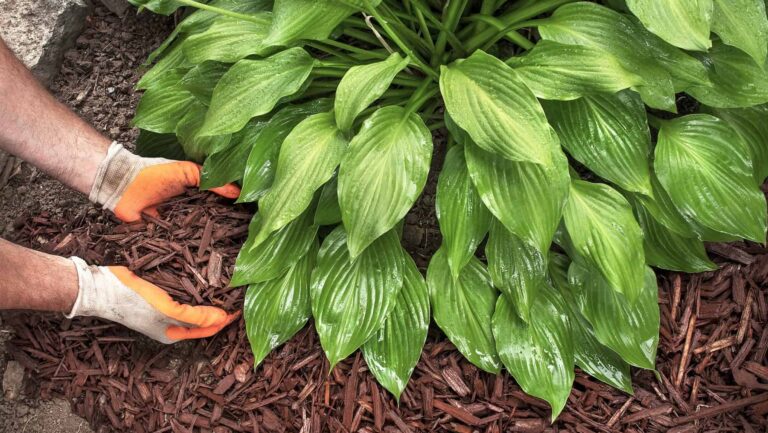
Mulching is one of the most common gardening practices, yet so many landscapers and gardeners do it wrong. When done correctly, it helps to build and protect soil and support plants.
Posts about building your soil organically for the healthiest vegetables, fruits, flowers, shrubs, and lawn.
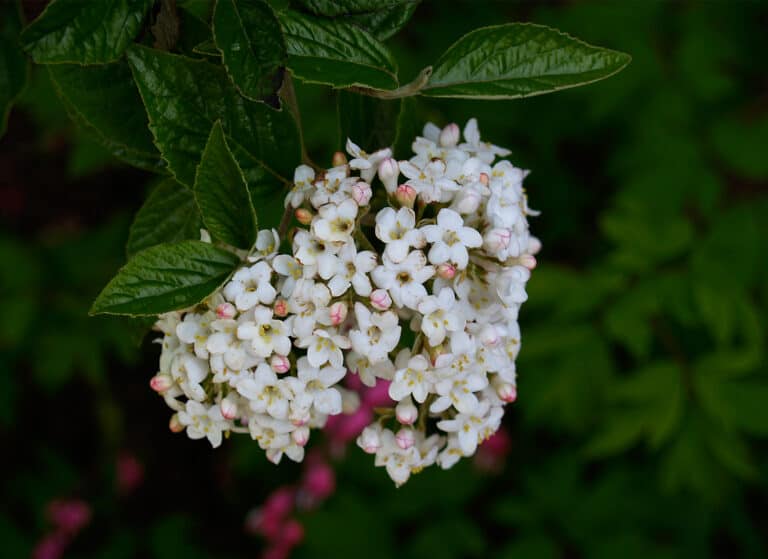
Mulching is one of the most common gardening practices, yet so many landscapers and gardeners do it wrong. When done correctly, it helps to build and protect soil and support plants.
The vast majority of plants grow well in a neutral soil pH between 6.2-7.0. But some require an acidic soil for optimum growth and health.
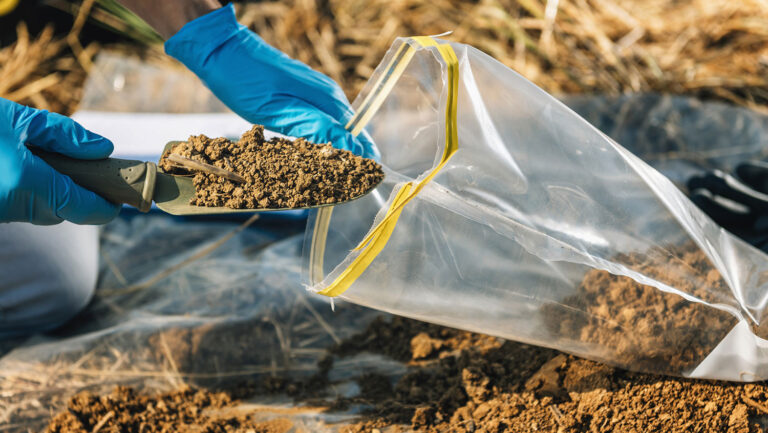
Garden soil, especially in vegetable gardens, should be tested periodically. Includes a list of soil testing labs for your state.
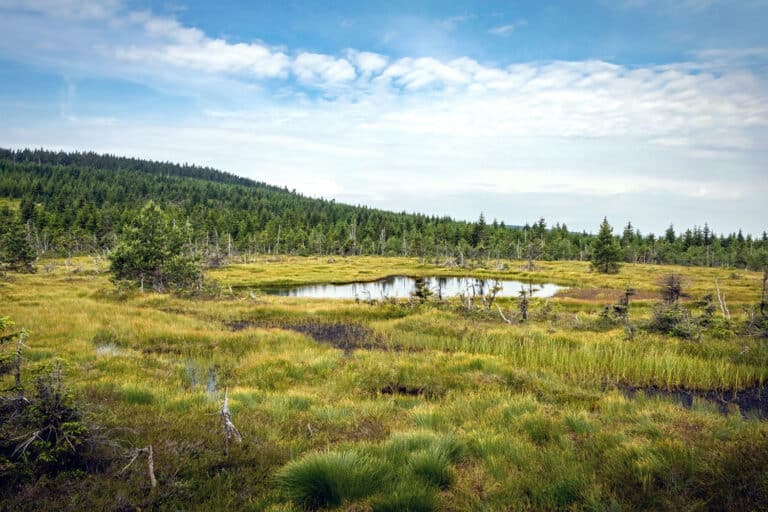
Peat moss is a fantastic soil amendment and long-term acidifier. But its use is controversial, as peat bogs are a non-renewable resource.
One of the most important things a gardener can do is to build up the soil in her garden. But soil-building is not a one-time operation – it’s a process.
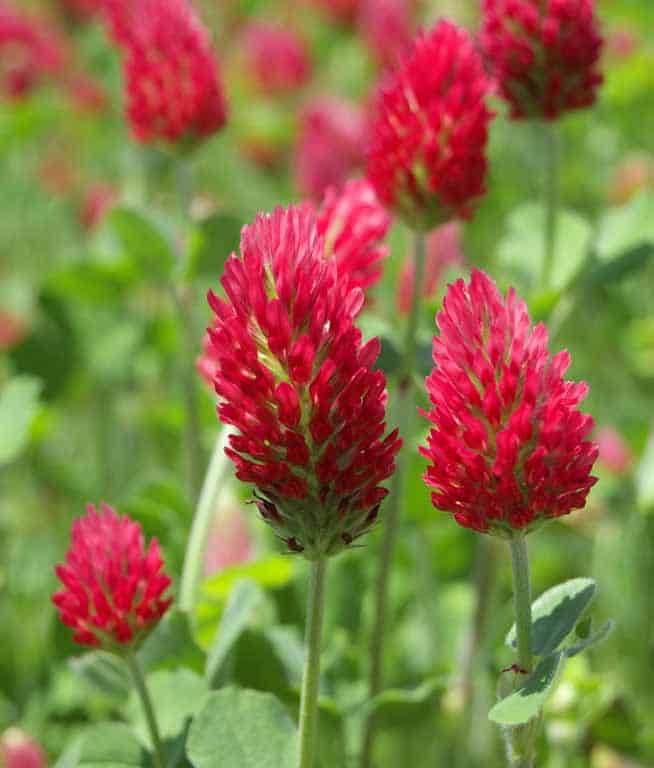
Cover crops protect soil from weather extremes, are used between crops to restore fertility and suppress weeds, and to protect garden beds left unplanted.
How to lower pH in your garden soil to make it more acidic for plants such as blueberries, azaleas, rhododendrons, and mountain laurels.
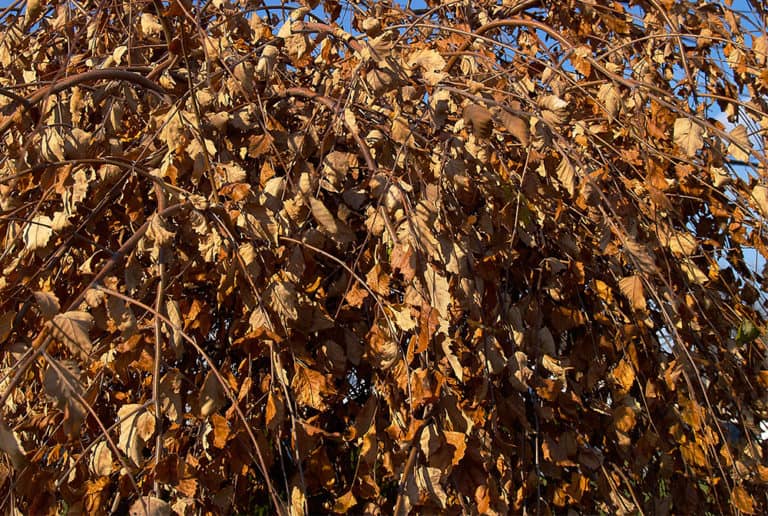
Leaf mold is the best use of fall leaves in your garden or lawn and it’s simple to make. Even if you’ve never gardened before, you’ll ace it.
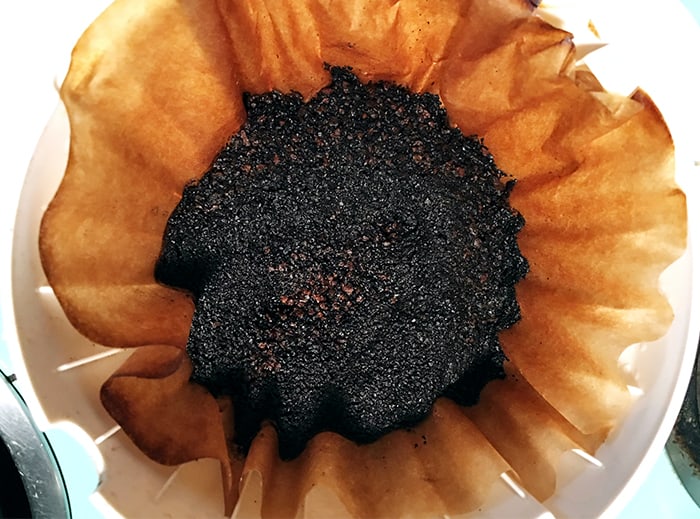
Online, there are 1 million-plus recommendations on using coffee grounds in your garden to repel cats, boost soil nutrients and bacteria, attract earthworms, kill slugs, prevent weeds, aerate soil and god knows what else. I looked into the published science to see what the reality is on coffee grounds.
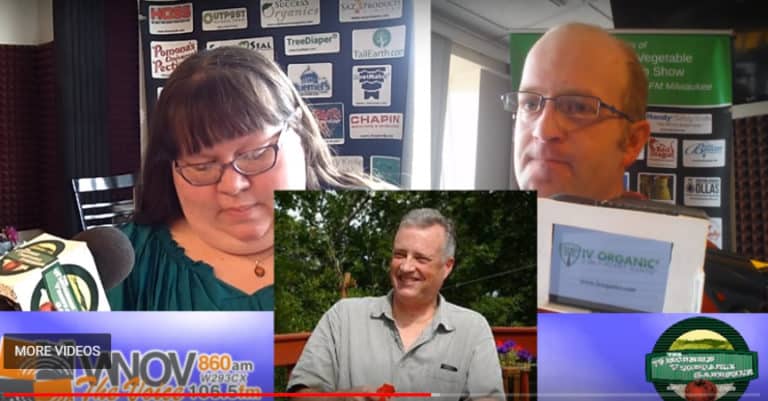
A podcast of my appearance on The Wisconsin Vegetable Gardener Show with Joe and Holly Baird, WNOV in Milwaukee. We talked about lots of gardening subjects, and a little about my book Homegrown Tomatoes.