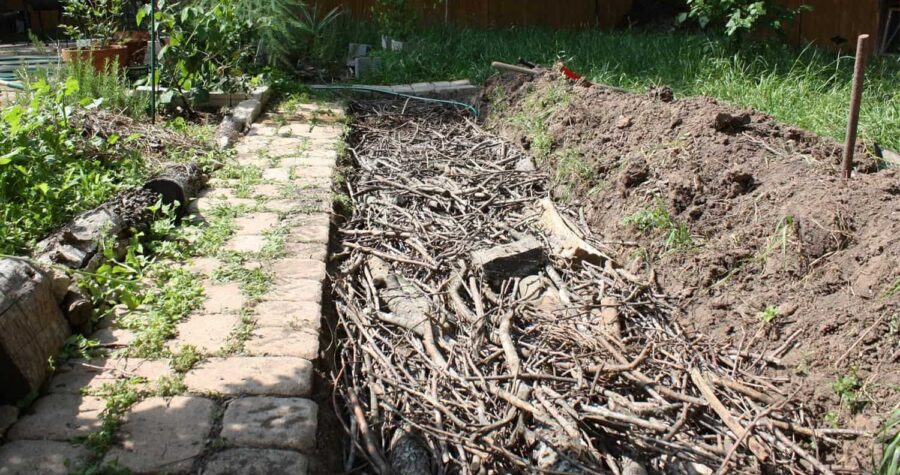
Hugelkultur: The Ultimate Raised Garden Bed?
Hugelkultur mimics the way a forest uses organic matter, but in reverse. This method uses tree wood to feed your garden for years.

Posts about building your soil organically for the healthiest vegetables, fruits, flowers, shrubs, and lawn.
Hugelkultur mimics the way a forest uses organic matter, but in reverse. This method uses tree wood to feed your garden for years.

We don’t think of the grass in our lawn as we do the plants in our gardens. Yet grass is a plant like any other and requires a thriving soil ecosystem.
The Thriving Ecosystem in Your Lawn’s Soil and Why it Matters Read More »
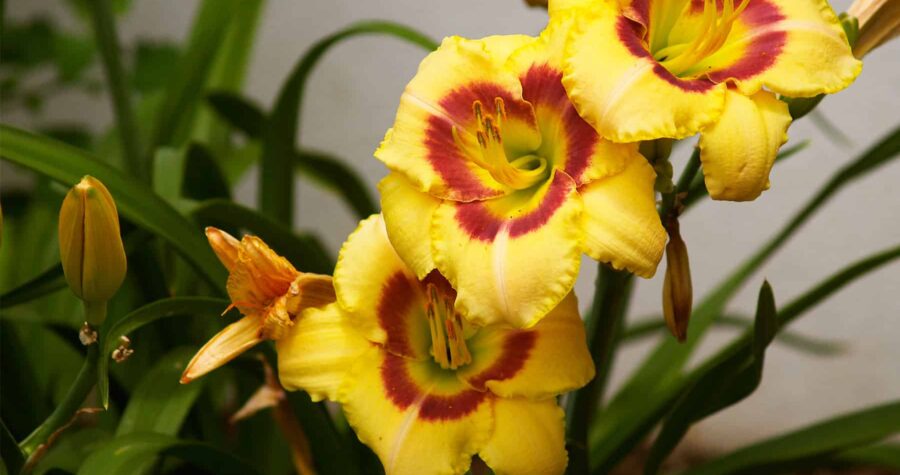
September gardening tips include protecting your garden soil, getting houseplants ready for winter, dividing daylilies, and visiting an apple orchard.
September Gardening Tips: Enrich Soil, Protect Garden Beds, Divide Daylilies Read More »

Phil Nauta’s Building Soils Naturally focuses on how to improve garden and lawn soil health by balancing your soil’s nutritional components.
When you compost your garden, plants need less fertilizer, soil quality improves and plants show more tolerance to diseases and pests.
Compost: Today’s Leftovers, Tomorrow’s Plant Food Read More »

Spring is the best season to start organic lawn care. It’s time to sort out problems with thatch and weeds, and improve your soil.
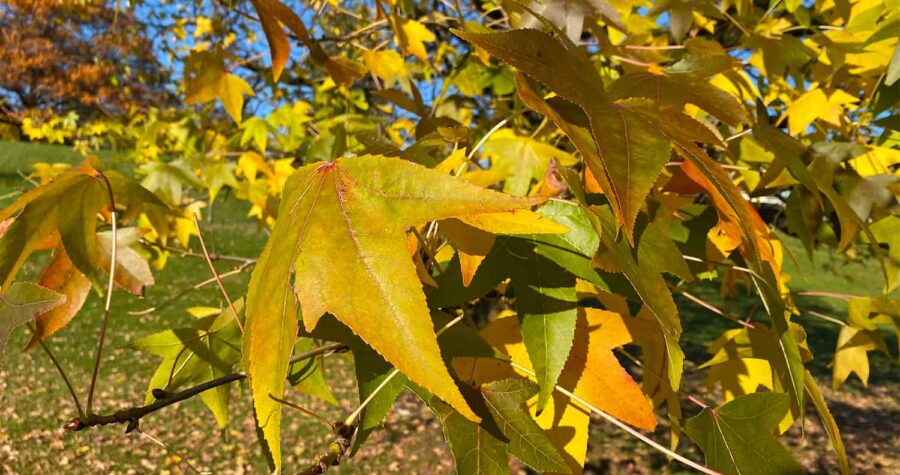
Tree leaves that fall every autumn make fantastic compost or mulch to feed your garden plants. Here’s how to use them.
Turn Autumn Tree Leaves Into Compost, Mulch, And Organic Fertilizer Read More »
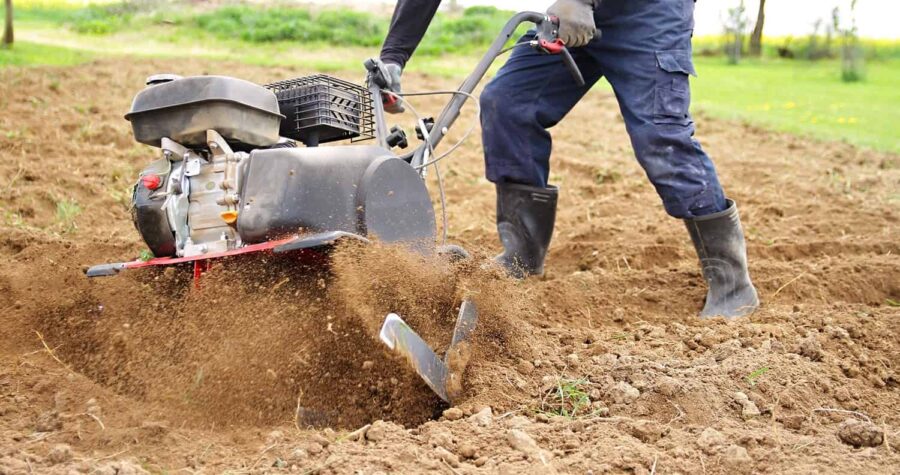
Rototilling doesn’t benefit a garden. It creates more weeds and damages soil structure and organisms that takes months to reverse.
Rototilling Your Organic Garden: More Harm Than Good? Read More »
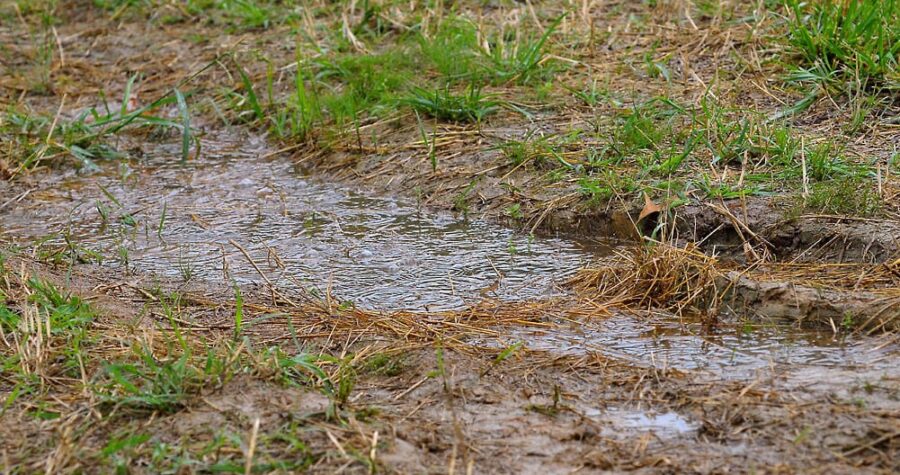
If water is pooling on your lawn and refuses to drain, either your soil is compacted or there are grading issues. Both can be fixed.