What’s the Difference Between Annual and Perennial Plants?
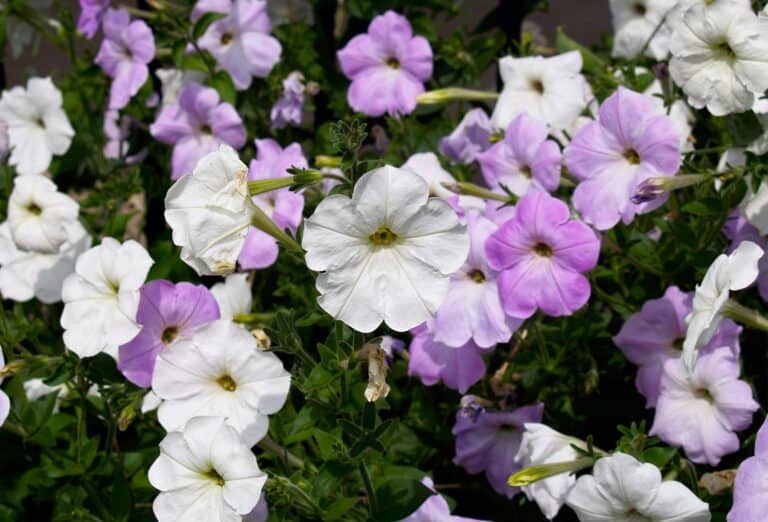
Annual or perennial refers to how long your plant’s lifecycle is. Yet, some plants can be grown as perennials in warm areas and only as annuals in cold areas.
Tips for growing your best organic vegetables, fruits, herbs, flowers, and perennials in your home garden.
Annual or perennial refers to how long your plant’s lifecycle is. Yet, some plants can be grown as perennials in warm areas and only as annuals in cold areas.
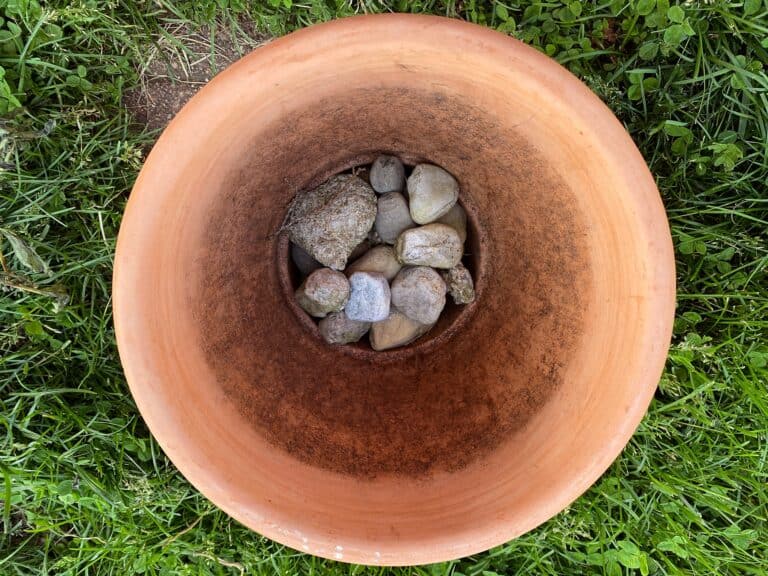
If you’ve been adding stones, gravel or other materials to the bottom of your flower pots to improve drainage, you may actually be harming and not helping your plants.
Fish emulsion and fish poop are great organic fertilizers for your garden and offer an environmentally friendly way to recycle fish waste. Additionally, fish emulsion is pretty easy to make at home.
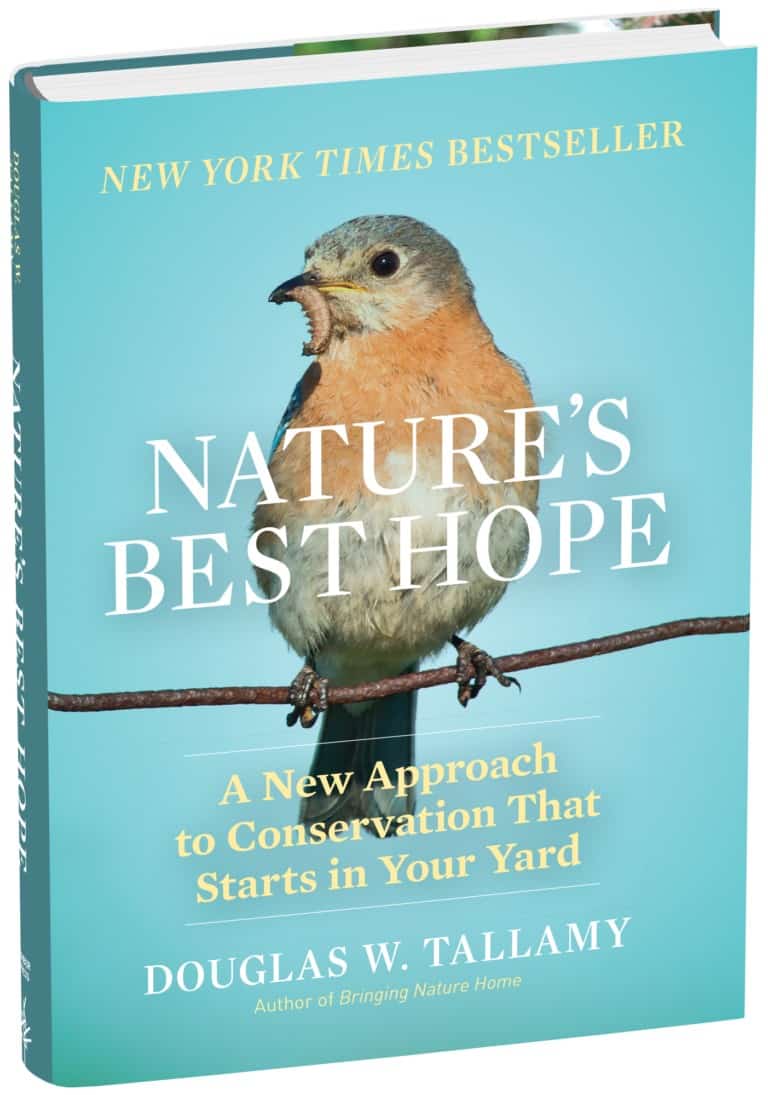
The most important books on gardening I’ve reviewed that have a permanent place in my gardening library. All of these books should be on your essential reading list.
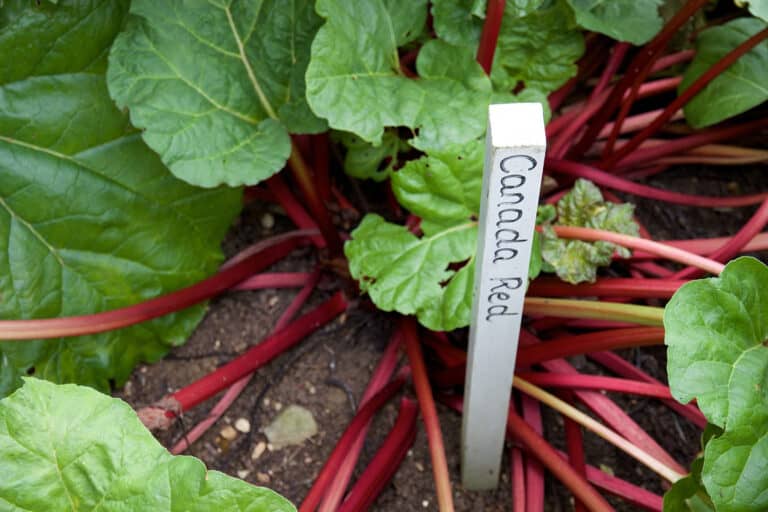
Rhubarb’s deep-red ruby stalks, tart and sweet, topped with massive leaves, bring height and structure to any vegetable or perennial garden.
The vast majority of plants grow well in a neutral soil pH between 6.2-7.0. But some require an acidic soil for optimum growth and health.
Zinnias are one of the easiest flowering annuals to grow, bringing bright, joyful color to any garden. With their copious variety of hues, sizes, and shapes, zinnias make a great choice for your garden.
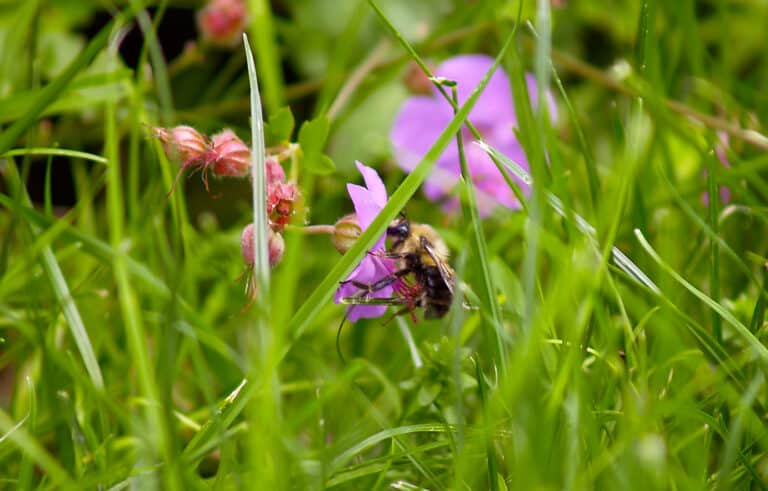
There are many native flowers that attract bees and other pollinators. Includes a list of native plants for North America.
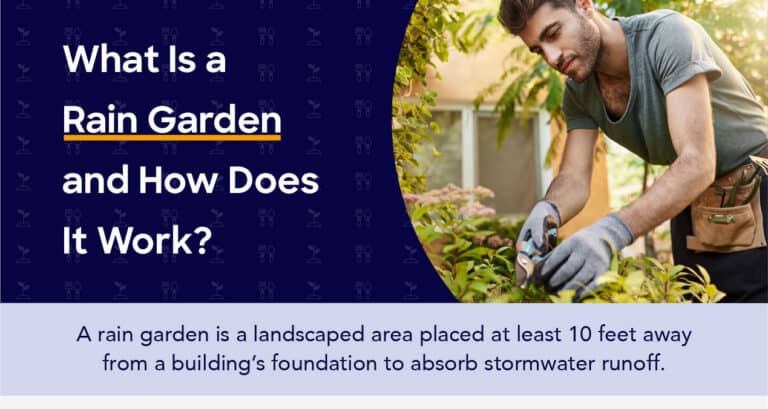
You can remediate standing water and poor drainage in your lawn with a simple rain garden that you can build in one afternoon.
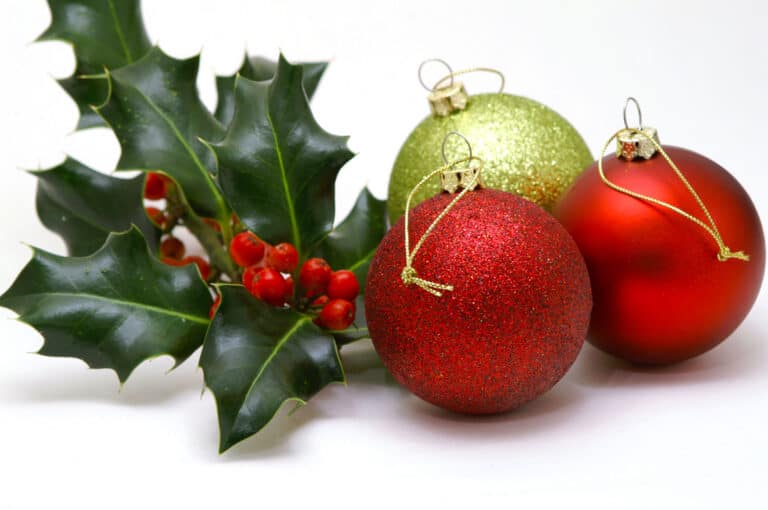
Does anything evoke Christmas and the winter holidays more than a sprig of green holly leaves with red berries? Perhaps not.