Stainless steel cookware is a popular kitchen staple known for its durability and sleek appearance. While versatile, these pans are not ideal for every type of cooking task. Knowing which foods can cause problems in this cookware can help you protect your kitchen investments and achieve better cooking results.
Fish
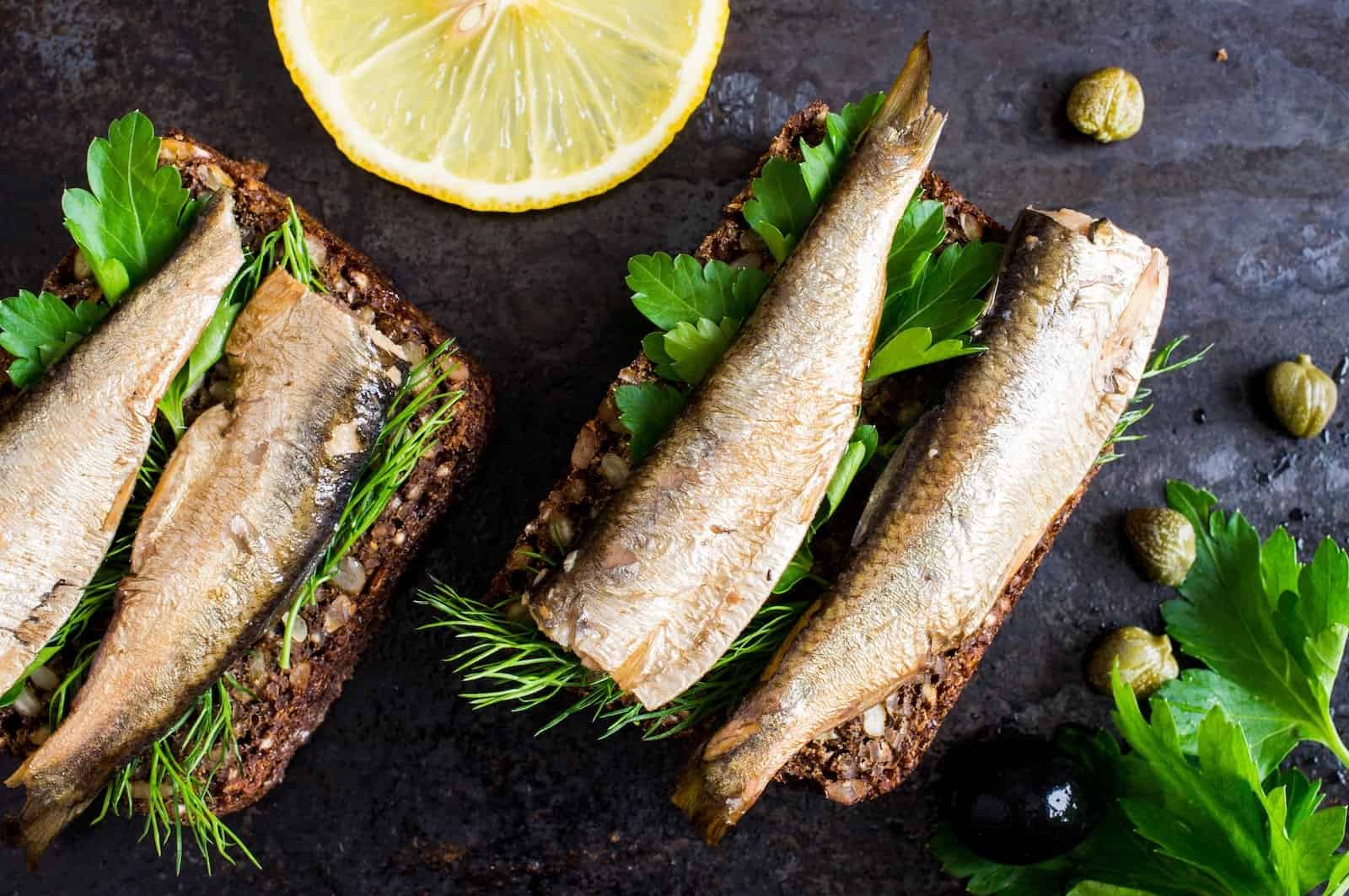
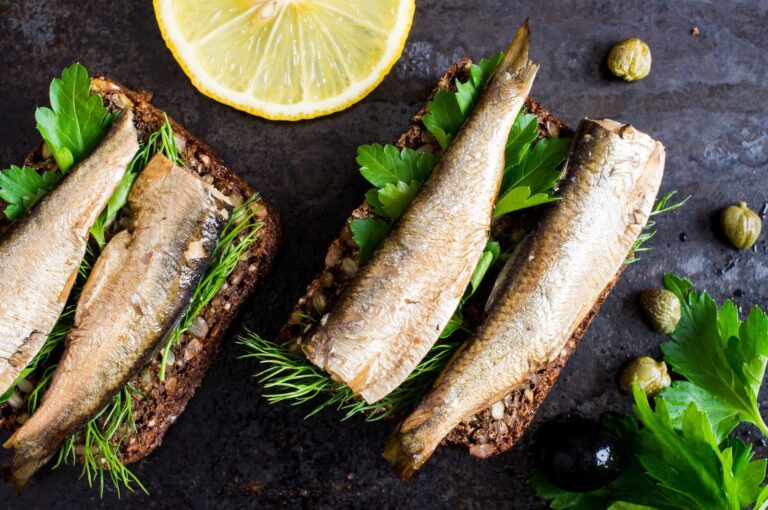
Cooking delicate fish fillets in stainless steel cookware presents numerous challenges for home cooks seeking perfect results. The metal’s surface tends to grip fish proteins, causing fillets to break apart during cooking and flipping. Fragile seafood varieties like sole, tilapia, and flounder are particularly vulnerable to sticking and disintegration. The uneven heat distribution can lead to inconsistent cooking, with some portions overcooked while others remain undercooked. Professional chefs recommend using non-stick pans or well-seasoned iron skillets for fish preparation.
Advertisement
Acidic Soups or Curries

Acidic ingredients transform stainless steel cooking into a challenging culinary experience that can compromise both favor and cookware quality. The high acid content in ingredients like lemon, vinegar, and tomatoes creates unexpected chemical reactions with metal surfaces. These reactions can cause subtle metal ion leaching, potentially altering the dish’s authentic taste profile. You can use alternative cookware materials that resist chemical interactions during cooking such as ceramic, or enameled cast iron.
Eggs
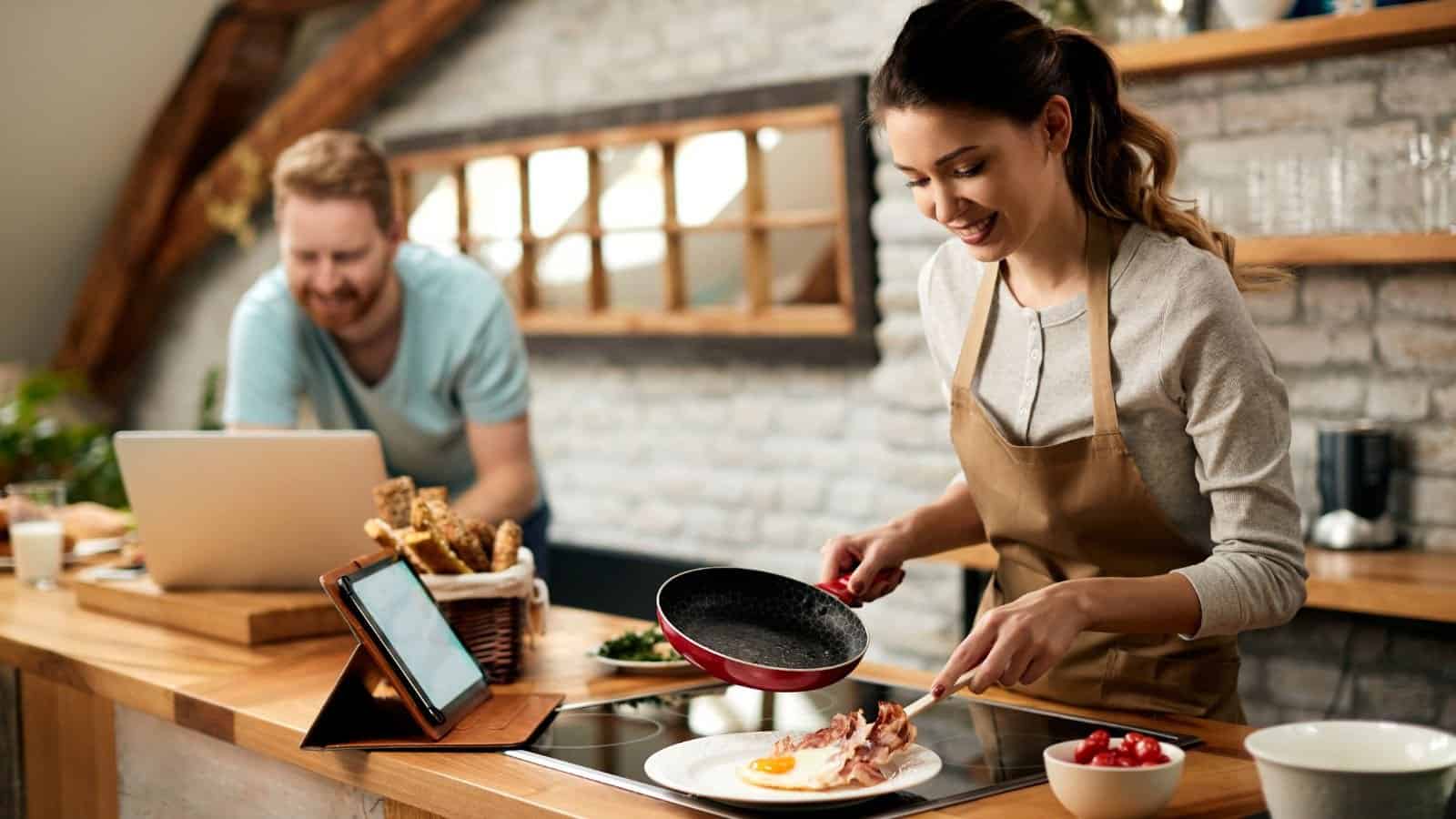
Preparing eggs in stainless steel pans presents significant challenges. Eggs tend to stick aggressively to the metal surface, creating frustrating cooking experiences and difficult cleanup scenarios. The protein in eggs bonds quickly to stainless steel, making smooth flipping and removal nearly impossible without extensive greasing. Even with careful preparation, egg particles can adhere stubbornly to the pan’s surface and require intensive scrubbing. Cooking eggs with non-stick or cast iron skills ensures easier cooking, effortless flipping, and minimal residue.
Risotto
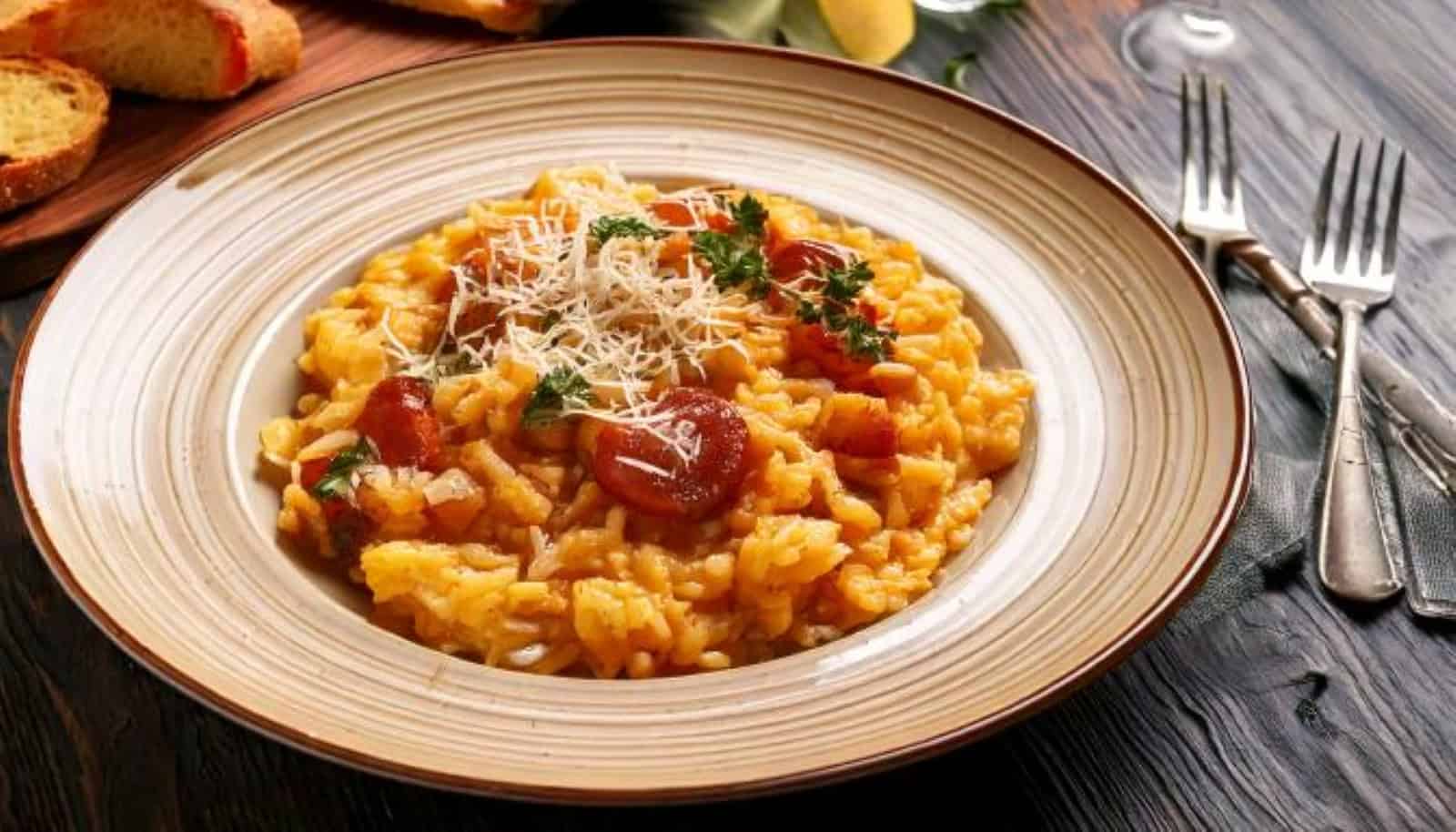
Risotto preparation demands precise cooking techniques that stainless steel cookware cannot consistently deliver in home cooking. The constant stirring required creates the potential for significant sticking and uneven cooking across the pan’s surface. Rice grains bond aggressively with metal surfaces, creating stubborn layers that comprise the dish’s creamy texture. Professional chefs recommend heavy-bottomed pots with superior heat distribution for optimal risotto preparation.
Tomato Sauce
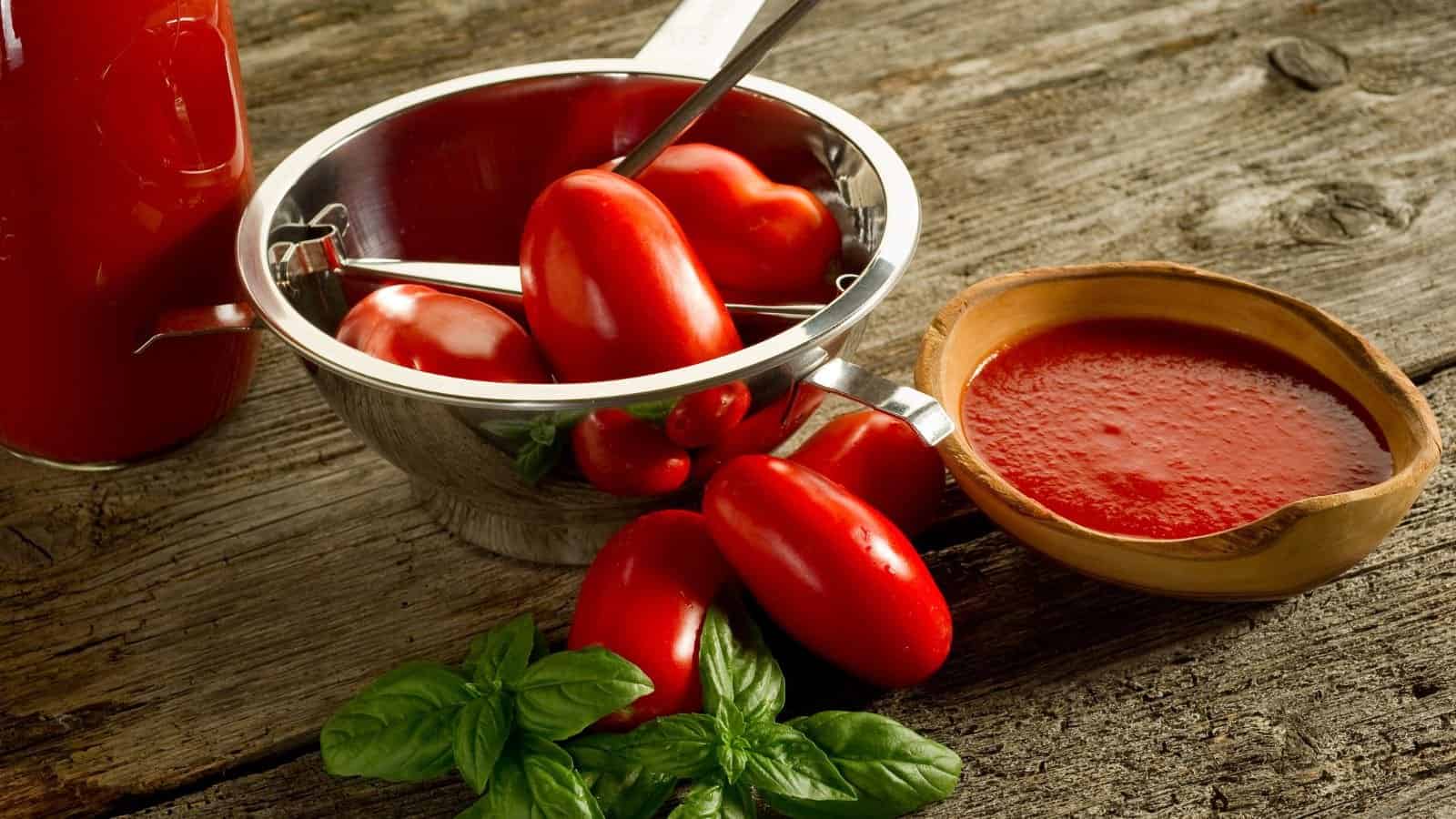
Cooking tomato sauce in stainless steel cookware can lead to unexpected complications that impact both flavor and pan condition. The high acid content in tomatoes creates a chemical reaction with the metal surface. It potentially causes unwanted transfer of the metallic taste. Prolonged cooking of acidic tomato-based sauces can cause discoloration and slight degradation of the stainless steel surface. The acidic nature breaks down the protective layer of the cookware. It may release small metal particles in your food which impacts both quality and taste.
Cheesy Pasta Bakes
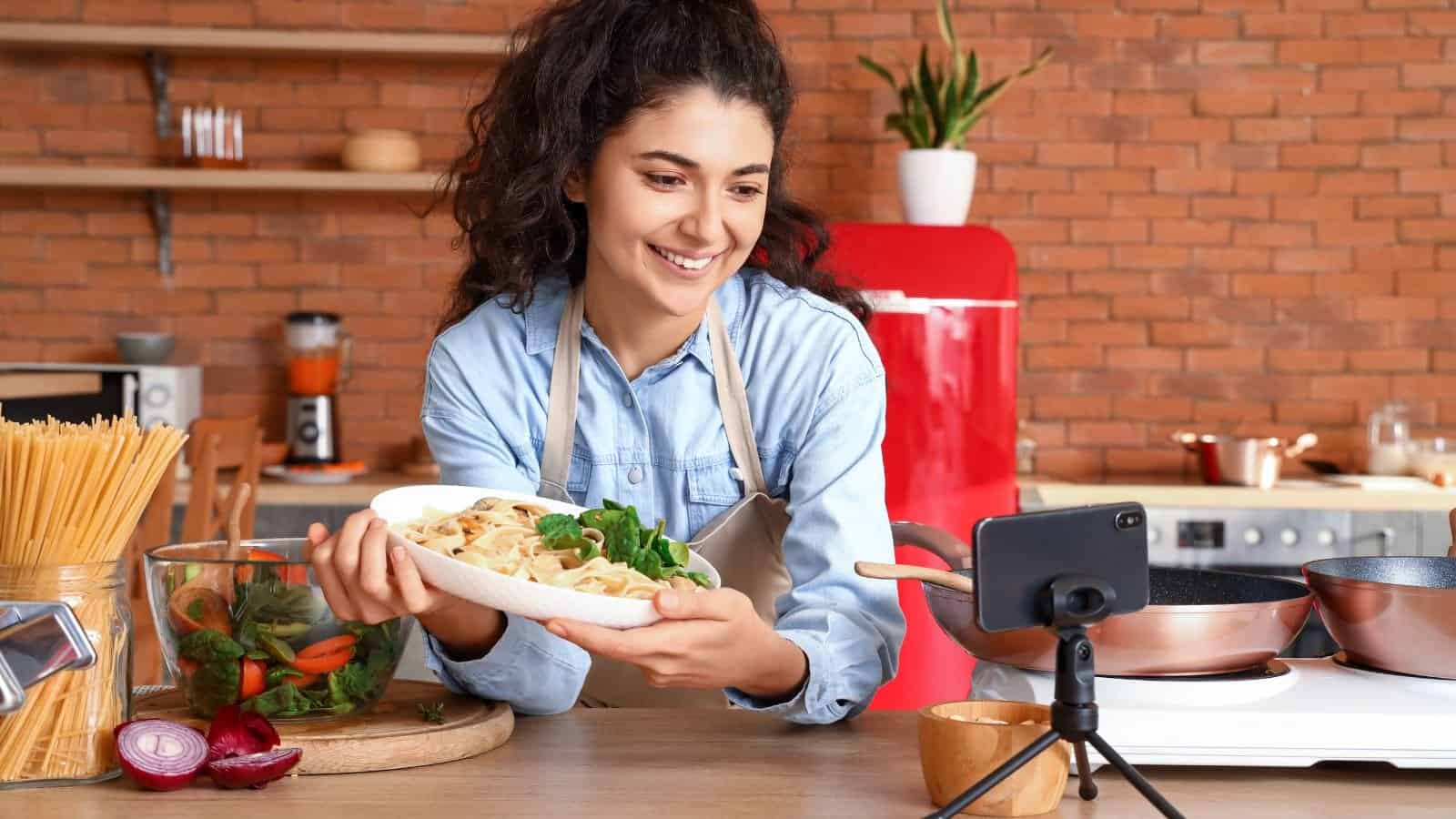
Cheese presents a formidable challenge when cooked in stainless steel cookware, creating potentially disastrous cooking scenarios. The protein and fat composition of cheese creates an aggressive bonding mechanism with metal surfaces, leading to stubborn residue formation. Melted cheese quickly transforms from a delightful ingredient to a challenging cleaning nightmare in stainless steel pans. Home cooks frequently struggle with burnt cheese layers that adhere tenaciously to the cookware’s surface.
Custards or Puddings

Dairy-based desserts become extraordinarily temperamental when prepared in stainless steel cookware, risking complete culinary failure. The metal’s heat retention properties create uneven cooking surfaces that rapidly scorch delicate protein structures. Custards and puddings require gentle, consistent heat that stainless steel cannot reliably provide during preparation. Professional pastry chefs exclusively use specialized cookware designed for temperature-sensitive dessert preparations. Non-stick surfaces and copper cookware offer superior performance for maintaining smooth, consistent textures.
Steak

Cooking steak in stainless steel cookware can compromise the meat’s desired crispy exterior and tender interior. Dispute high-temperature tolerance, stainless steel pans often create uneven heat distribution that prevents proper searing. The metal’s surface can cause the meat to stick, making it difficult to achieve that restaurant-quality brown crust many home cooks desire. Transferring heat consistently can result in tough, unevenly cooked steaks that lack flavor complexity.
Potstickers or Dumplings
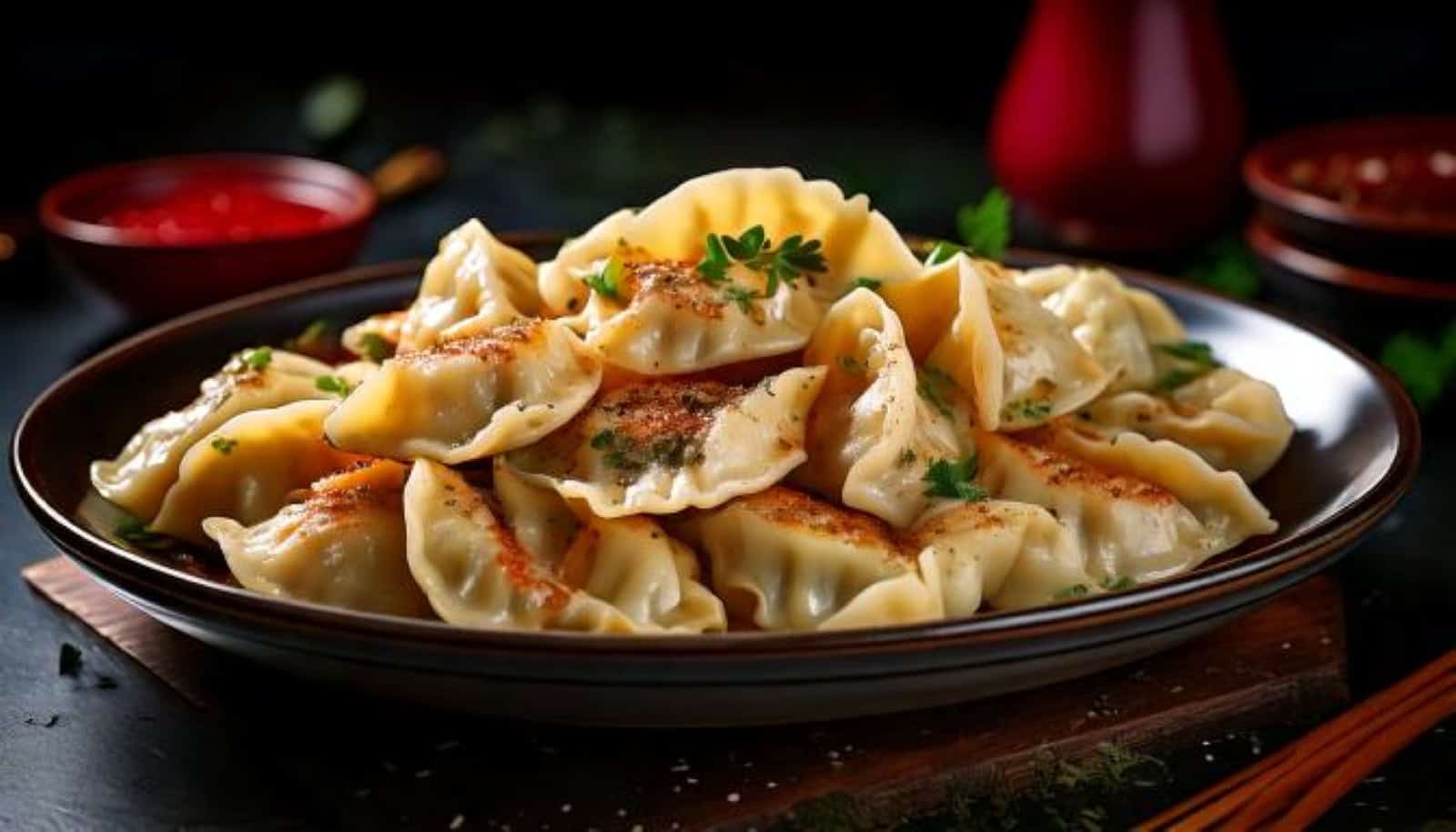
Delicate dumpling wrappers become vulnerable victims when confronted with stainless steel cooking surfaces. The unforgiving metal surface causes immediate adhesion, threatening the structural integrity of these sophisticated Asian delicacies. Thin, fragile wrappers tear easily during attempted flipping or removal, destroying the carefully crafted presentation. It is important to use non-stick surfaces for maintaining dumpling quality and appearance.
Pancakes
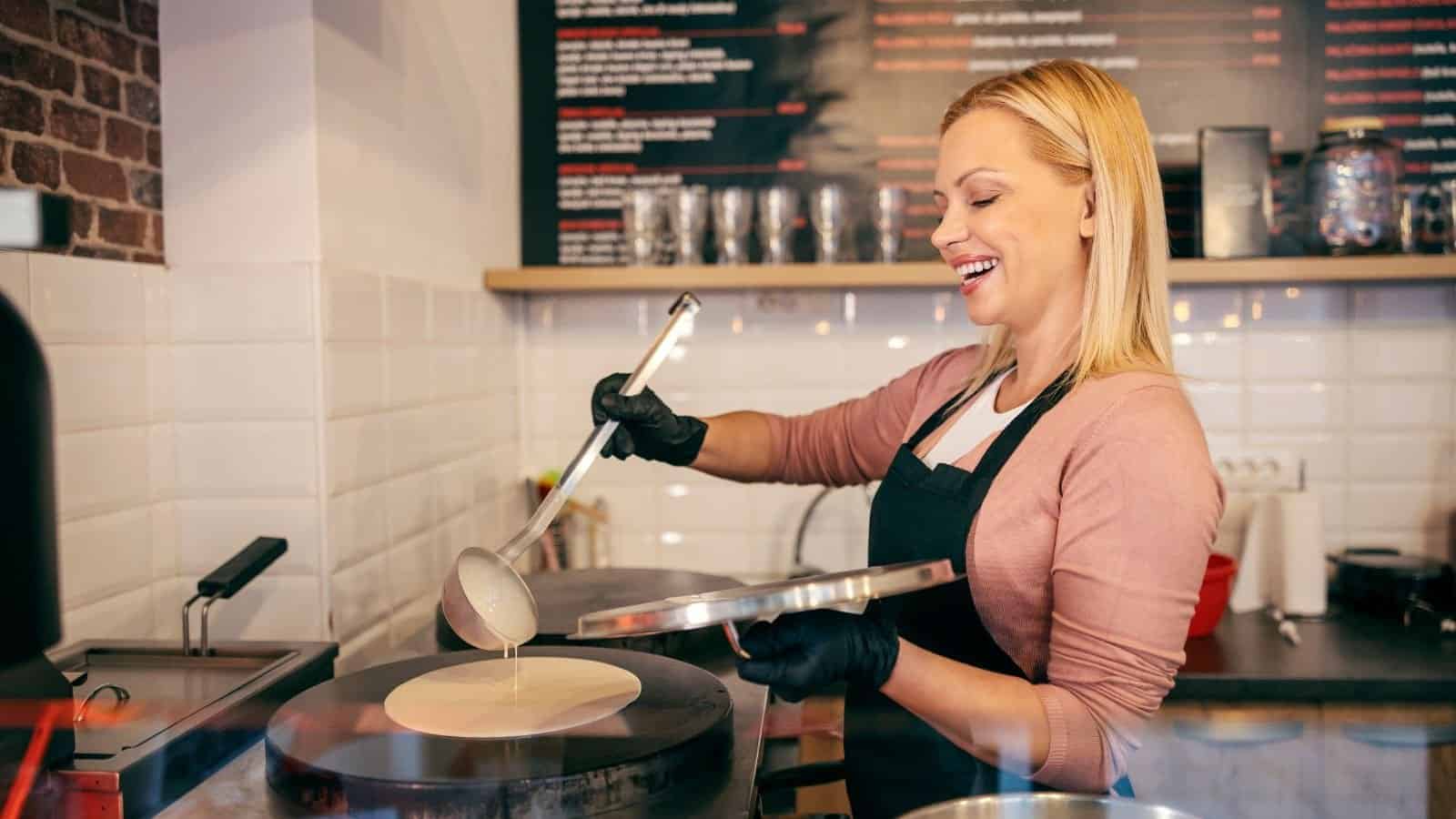
Stainless steel cookware becomes problematic when attempting to create delicate pancakes with perfect golden surfaces. The metal’s uneven heat distribution and tendency to cause sticking make achieving thin, uniform pancakes challenging. The batter frequently adheres to the pan’s surface and prevents smooth flipping. It also potentially tears the delicate pancake edges. Home cooks often struggle with uneven browning and pancakes that break apart during cooking.
Sticky Sauces

Sticky sauces represent a significant cooking challenge when prepared in stainless steel cookware. It threatens both meal quality and pan condition. Sugar-based glazes and caramel-like preparations tend to burn quickly and unevenly on metal surfaces, creating difficult cleaning scenarios. The uneven heat distribution of stainless steel increases the potential for scorching delicate sauce preparations. Caramelization requires precise temperature control that standard stainless steel cookware cannot consistently provide.
Scallops
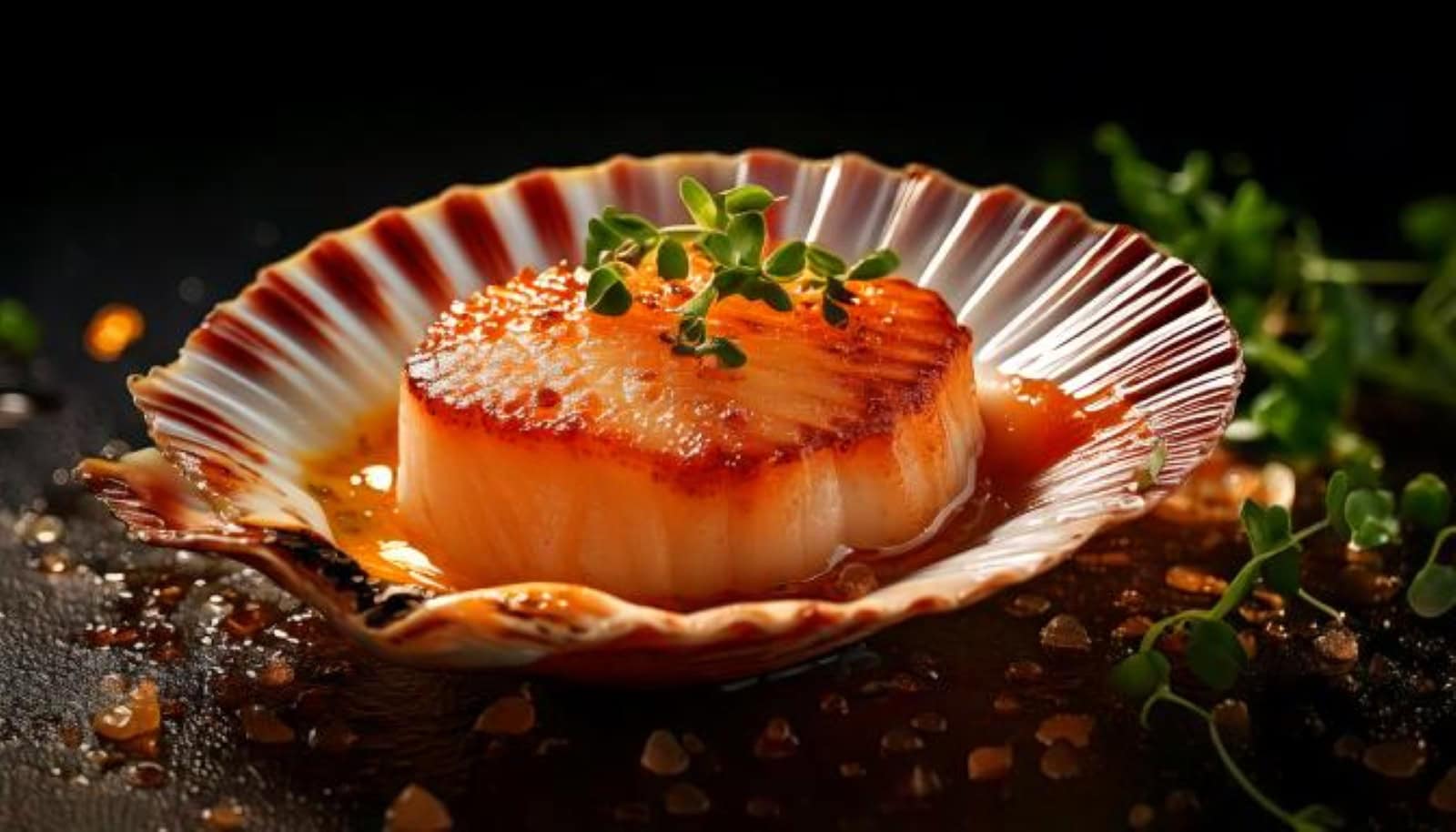
Scallops are a seafood that can be challenging to cook in stainless steel cookware. The delicate protein structure of scallops requires precise heat control and a non-stick surface to maintain their tender, buttery texture. Stainless steel’s uneven heating and tendency to grip portent can quickly destroy the scallop’s exterior, causing tearing and uneven cooking. The slightest temperature fluctuation or surface irregularity can transform these expensive delicates from a gourmet delight to a rubbery texture.