
Genetically Modified Organisms (GMOs) offer a promising way to enhance home gardening with benefits like higher yields, pest resistance, and drought tolerance. Although there may be legal restrictions on GMO cultivation in certain states and public perceptions surrounding their safety, their potential to transform home gardens remains significant. In this article, we will explore how GMOs improve gardening outcomes and can also contribute to a more resilient and efficient home garden system.
Improved Resistance to Pests

GMO crops are designed to deter pests, naturally reducing reliance on chemical pesticides. For home gardeners, this means healthier produce that is free of harmful residues and a safer environment for beneficial insects. Pest-resistant GMOs allow you to grow lush vegetables without constant battles against invasive bugs. This approach promotes sustainable gardening, lowering chemical use while ensuring robust, thriving plants.
Higher Crop Yields

Growing GMOs often results in higher yields compared to traditional crops, making them ideal for gardeners with limited space. These plants are engineered for productivity, maximizing harvests per square foot. With abundant yields, gardeners can meet their household’s fresh produce needs, especially during peak growing seasons, ensuring consistent harvests while making the most of their gardening efforts.
Drought Tolerance

Some GMO plants are specifically engineered to thrive in limited water conditions, making them particularly valuable for gardeners in drought-prone areas of the United States. These drought-tolerant crops efficiently utilize water, ensuring they grow and produce even in dry climates. This innovation supports sustainable gardening practices and helps conserve water, ensuring healthy, consistent harvests throughout the season despite challenging environmental conditions.
Reduced Risk of Plant Diseases

Many GMOs are engineered to resist plant viruses, a major cause of crop diseases that can devastate gardens. By targeting specific viral strains, these plants prevent infections before they spread. This built-in resistance ensures healthier, more consistent harvests, eliminating the need for complex treatments. Gardeners can save time and effort while maintaining a thriving, disease-free garden.
Enhanced Nutritional Value

Some GMOs are developed to enhance the nutritional content of foods, with golden rice being a notable example. This crop is bioengineered to contain elevated vitamin A levels, addressing deficiencies in regions lacking this nutrient. While golden rice can potentially improve health outcomes, its cultivation remains limited, and they are not widely available for home gardening in the U.S.
Growing such nutrient-enriched crops at home could offer an accessible solution for adding essential vitamins to diets.
Better Flavor and Texture

GMO crops are frequently engineered to enhance taste, solving common problems like bland flavors or tough, fibrous produce. Picture enjoying a sweeter, juicier peach or savoring lettuce that stays crisp and doesn’t wilt quickly. For home gardeners, these improvements mean harvesting fresh, flavorful produce with ease. The result is a more enjoyable and satisfying gardening experience, where every bite is more delicious and flavorful.
Faster Growing Times
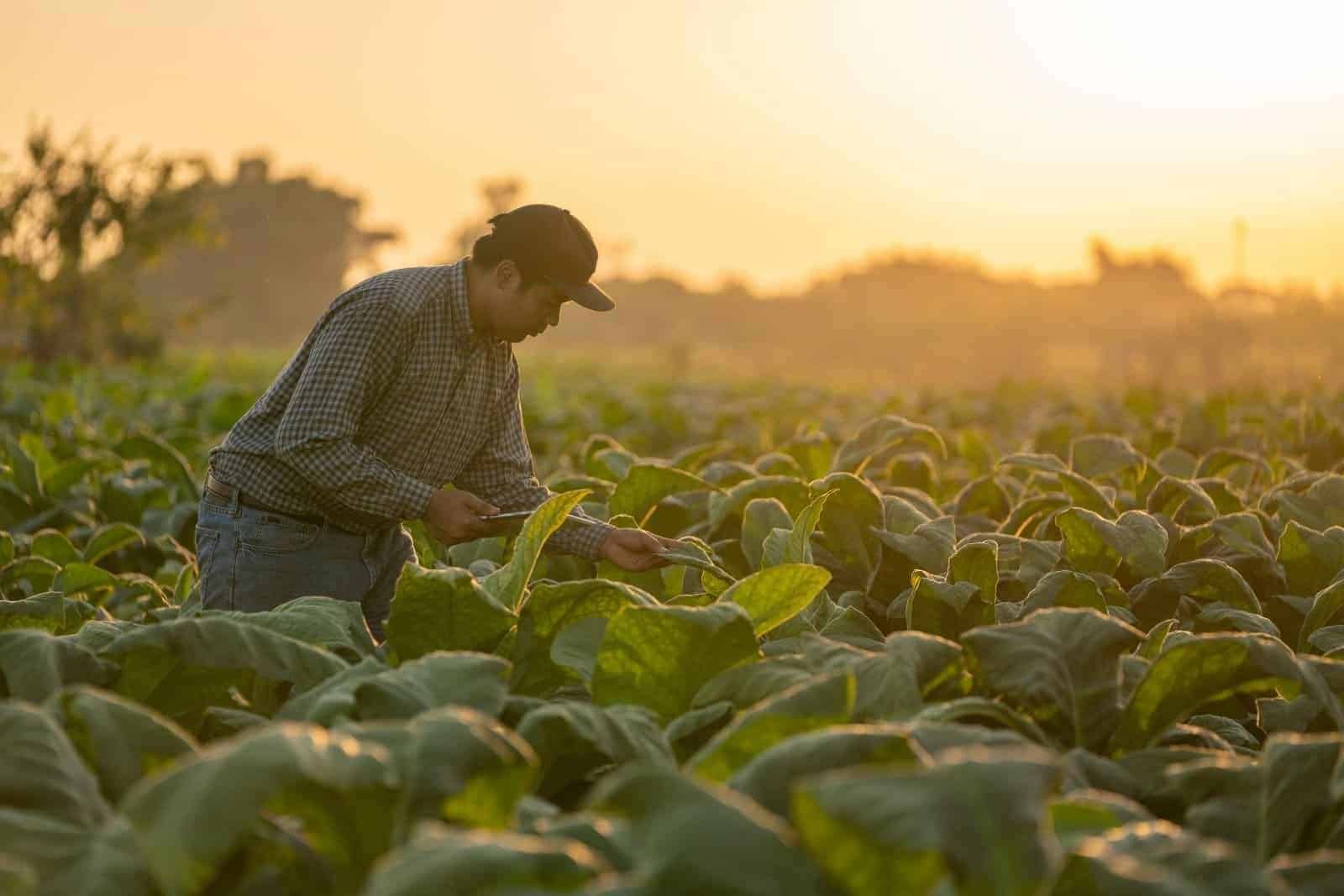
Some GMO crops are specifically designed for faster growth, enabling gardeners to harvest produce in less time. With shorter growing cycles, these crops allow for multiple harvests within a single season, maximizing your garden’s productivity. This is particularly beneficial for home gardeners with limited space or those looking to make the most of their growing season, ensuring a steady supply of fresh produce throughout the year.
Positive Environmental Impact

GMO crops, such as insect-resistant and herbicide-tolerant varieties, positively affect the environment by reducing the need for chemical interventions. For instance, farmers using Bt crops can cut insecticide use, which supports a greater diversity of beneficial insects. Herbicide-tolerant crops also enable conservation tillage, preserving soil structure and reducing erosion. These practices enhance soil health, lower carbon emissions, and contribute to sustainable gardening and farming, aligning with efforts to mitigate climate change.
Adaptation to Climate Change

GMO crops are designed to thrive amid the challenges posed by global warming and the degradation of climate conditions. These plants can withstand extreme weather events, such as heatwaves, floods, and droughts, ensuring consistent harvests despite unpredictable climates. By cultivating resilient GMO varieties, gardeners can contribute to food security while adapting to the growing impacts of climate change.
Lower Grocery Bills

Growing GMOs at home can help save money by reducing the need for costly pesticides, fertilizers, and additional store-bought produce. Genetically engineered plants offer higher yields and greater resilience, so gardeners get more produce with less effort and expense. This makes GMOs an affordable and sustainable choice for households, providing both economic and practical benefits.
Reduction in Food Waste
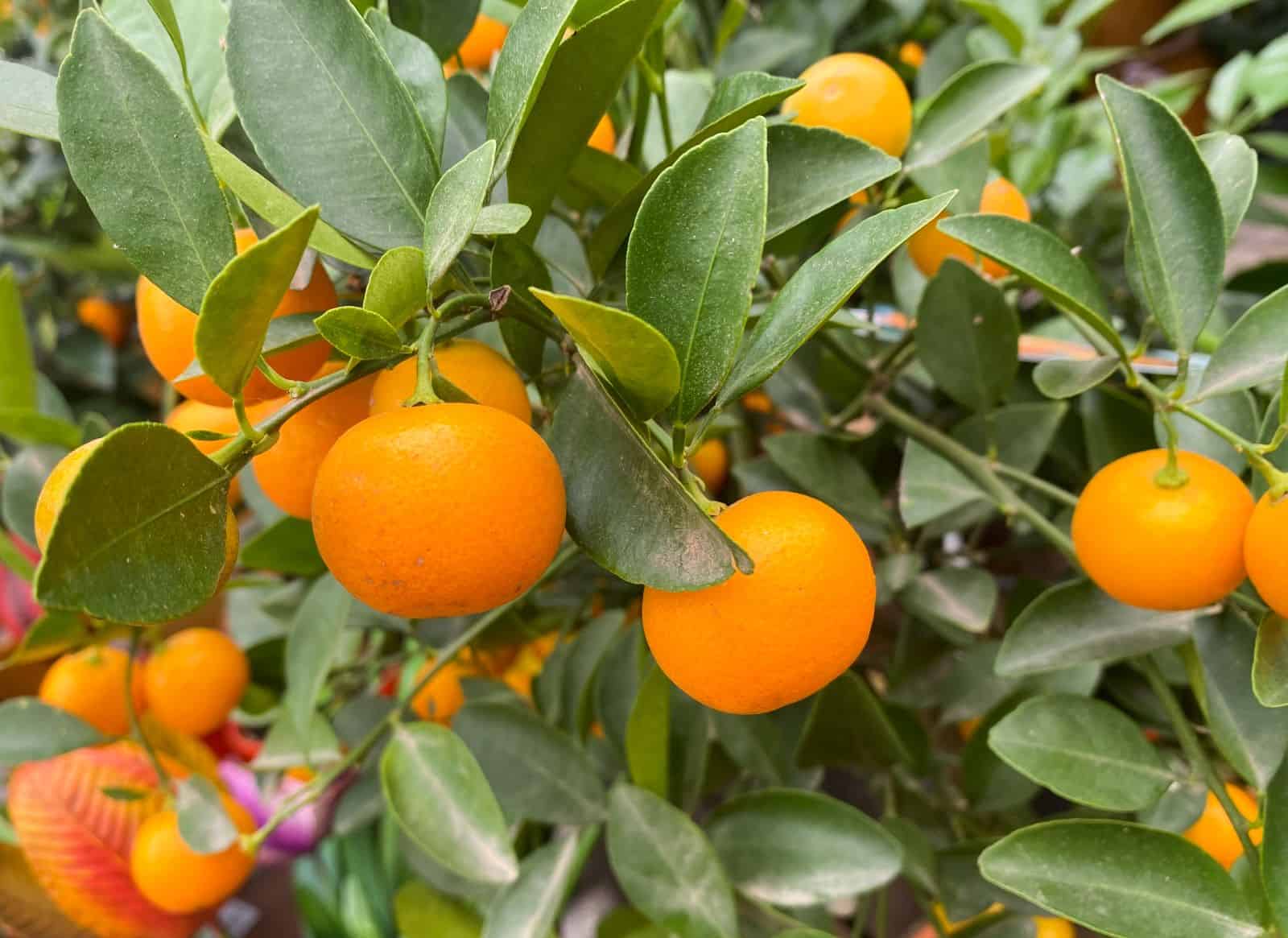
Some GMOs are engineered to have extended shelf life, reducing spoilage and allowing produce to stay fresh for longer after harvest. For gardeners, this means enjoying fruits and vegetables for an extended period, minimizing the risk of waste.
For instance, these innovations can result in tomatoes that stay firm or lettuce that resists wilting. However, it’s worth noting that GMO crops with extended shelf life are not universally accessible to home gardeners in the U.S.
Empowering Small-Scale Gardeners

GMOs help level the playing field for home gardeners by providing innovative tools to grow crops successfully, even in challenging conditions. With these advanced options, gardeners can experiment with varieties they once thought too difficult to grow. This empowers individuals to enhance self-sufficiency, try new gardening techniques, and adopt more sustainable practices.

