Gardening can be a rewarding and peaceful hobby, but it’s essential to be mindful of the plants you choose to grow in your home. While some exotic plants might seem like beautiful additions to your indoor garden, they may be illegal to cultivate in the U.S. due to their potential environmental impact. This list highlights plants that could land you in legal trouble and offers native alternatives that are safe to grow.
Japanese Knotweed
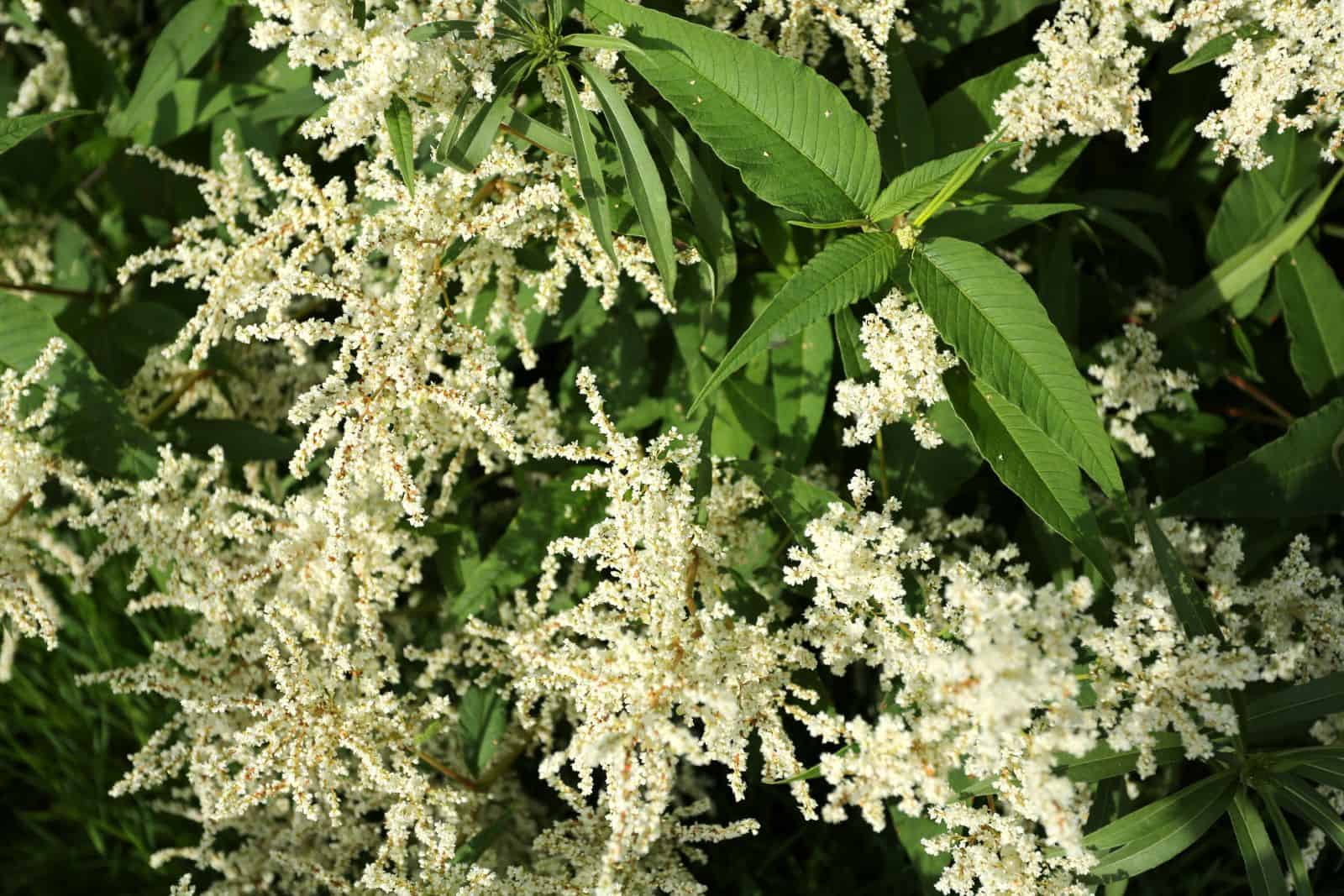
Japanese Knotweed, introduced to the U.S. from Eastern Asia in the late 1800s, is a highly invasive plant that outcompetes native species and causes significant ecological damage. Thriving in disturbed areas, it spreads rapidly, forming dense stands. Its aggressive growth has led to its classification as illegal to grow in many states, with penalties for cultivation. Native alternatives like Black cohosh (Actaea racemosa) offer a similar aesthetic without the environmental threat.
Advertisement
Kudzu (Pueraria montana)
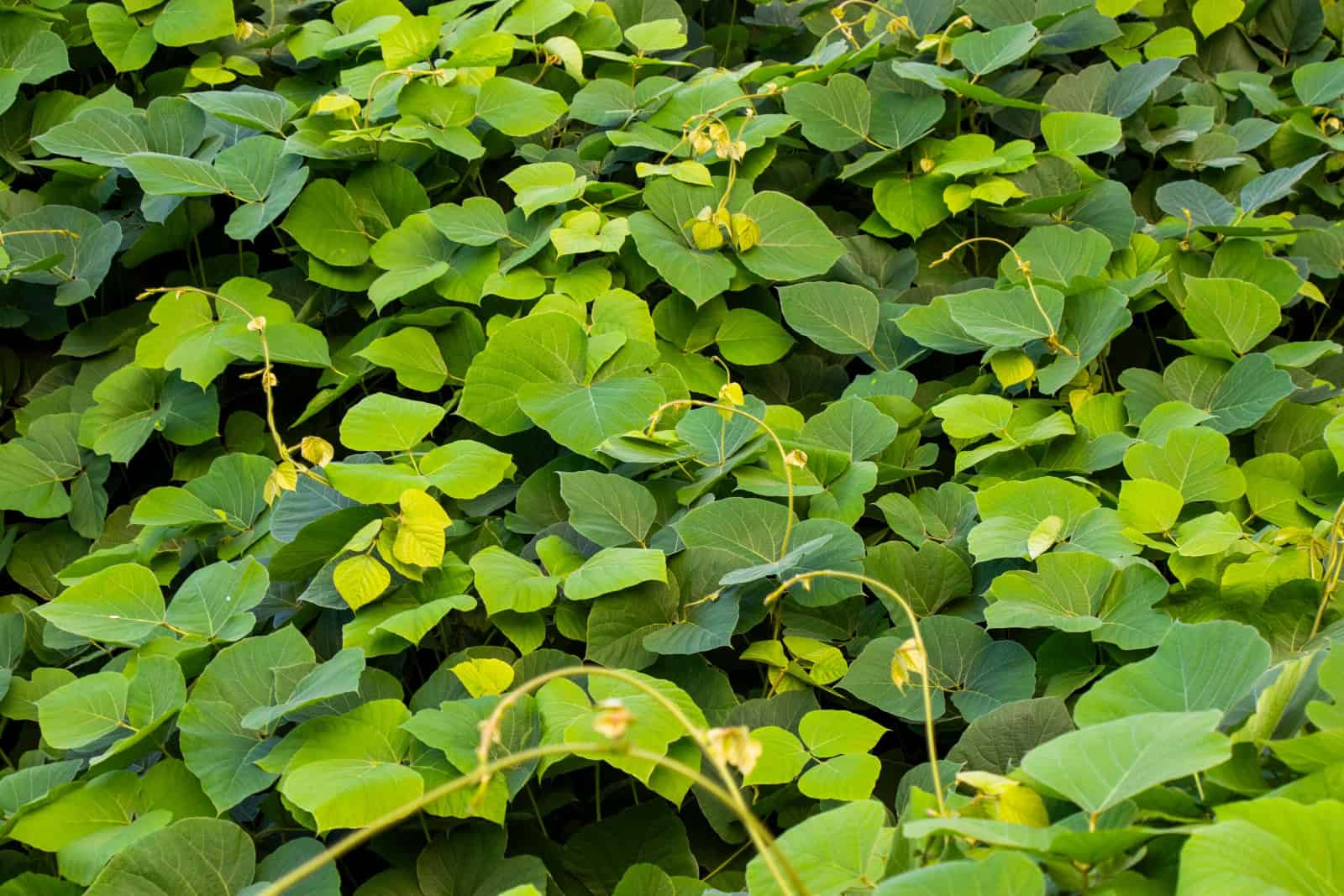
Kudzu is notorious for its ability to overtake and smother other plants rapidly. It forms thick blankets of leaves, wraps around woody stems, and can even topple trees and shrubs under its immense weight. This vine grows fast, reaching up to 60 feet in a single growing season. Its aggressive spread and destructive nature have made it a noxious, invasive plant, making it illegal to cultivate in many areas.
Water Hyacinth (Eichhornia crassipes)
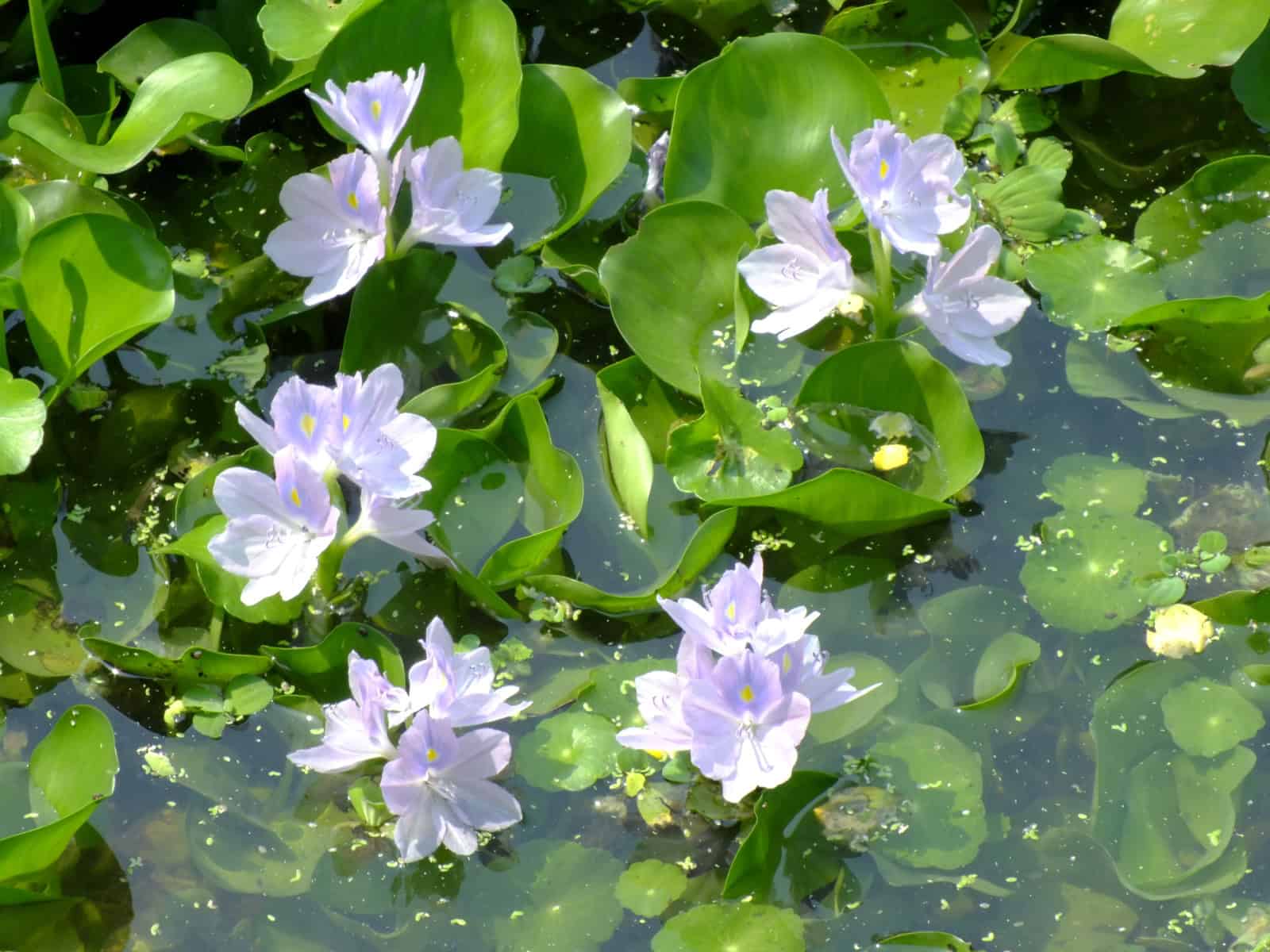
Water Hyacinth, a non-native species in North America, is a highly aggressive invader known for forming dense mats on water surfaces. These mats can quickly cover entire ponds, leading to oxygen depletion and even fish kills. Due to its rapid spread, it’s illegal to grow in many states. If caught cultivating it, fines or removal orders may apply. For a safer alternative, consider planting Pickerel Weed (Pontederia cordata), which thrives in similar conditions without threatening local ecosystems.
Purple Loosestrife (Lythrum salicaria)

Purple Loosestrife is notorious for its rapid spread, making it challenging to control once established. It displaces native plants, negatively impacting wildlife habitats and limiting recreational spaces. This invasive plant can quickly dominate an area if left unchecked, further disrupting local ecosystems. For a similar visual appeal without environmental harm, consider planting Blazing Star (Liatris spp.), a native alternative that supports healthy landscapes.
Chinese Privet (Ligustrum sinense)

Chinese Privet, native to Europe and Asia, was introduced to the U.S. in 1852 as an ornamental plant. It thrives in various conditions and can form dense thickets that invade fields, roadsides, fencerows, and forest understories. Its rapid growth can overshadow and displace native species, even hindering tree growth. Commonly used for hedgerows and ornamental purposes, it is now considered invasive in many states.
Giant Hogweed (Heracleum mantegazzianum)
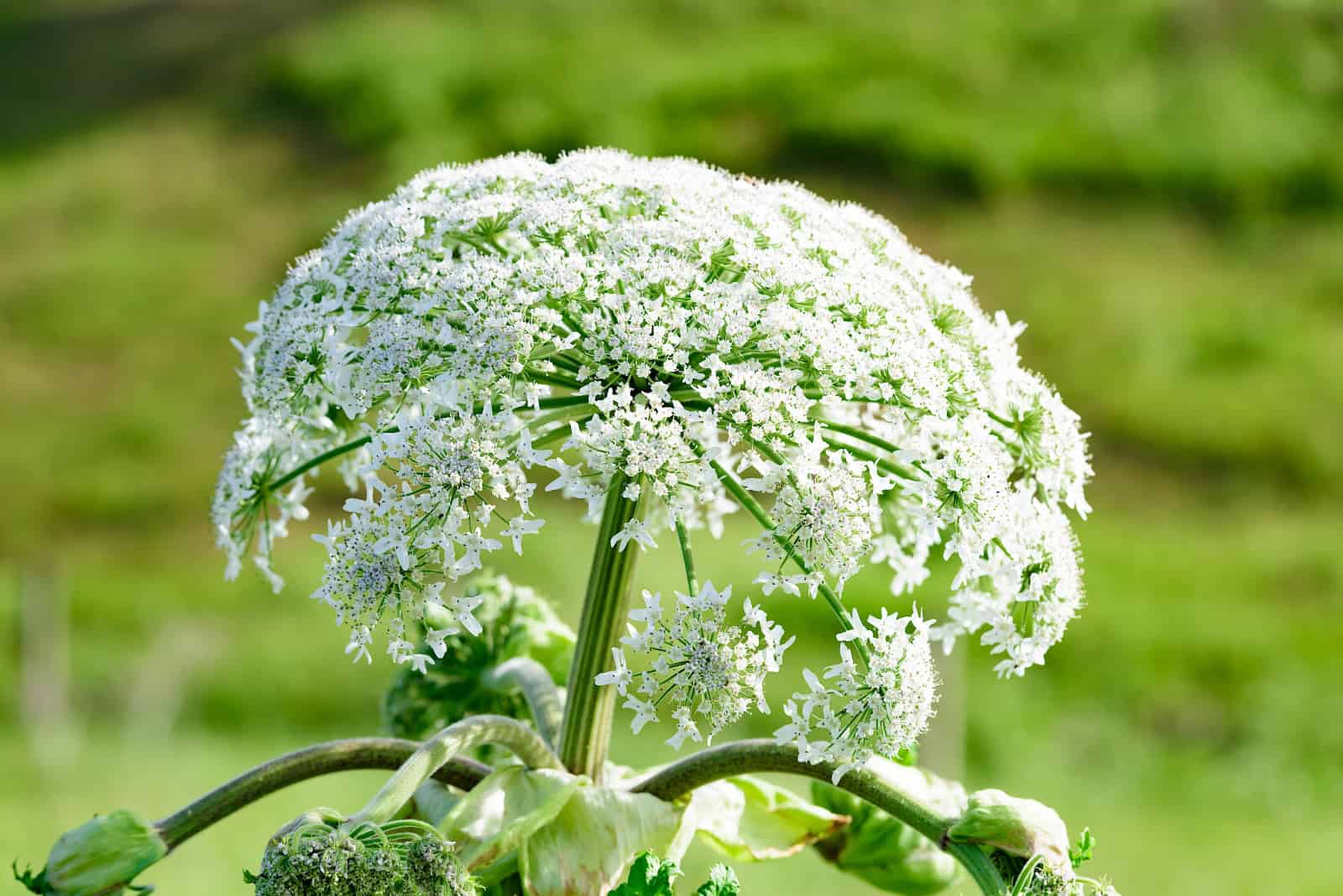
Giant Hogweed poses significant risks to both ecosystems and human health. Its rapid growth allows it to dominate areas like ravines and stream banks, displacing native plants and wildlife. During winter, its die-off can lead to soil erosion. Contact with its sap causes severe skin reactions, known as photodermatitis, which result in painful blisters and permanent scars. Native plants like Angelica (Angelica atropurpurea) provide a similar look without the hazardous effects.
Brazilian Pepper Tree (Schinus terebinthifolia)

The Brazilian Pepper Tree is not only invasive but also mildly toxic to humans. Contact with its sap can cause skin irritation similar to poison ivy, including redness, itching, and discomfort. In some U.S. states, it’s illegal to plant this species due to its harmful impact on native ecosystems. If you’re found cultivating it, you could face fines or be required to remove it.
Yellow Flag Iris (Iris pseudacorus)
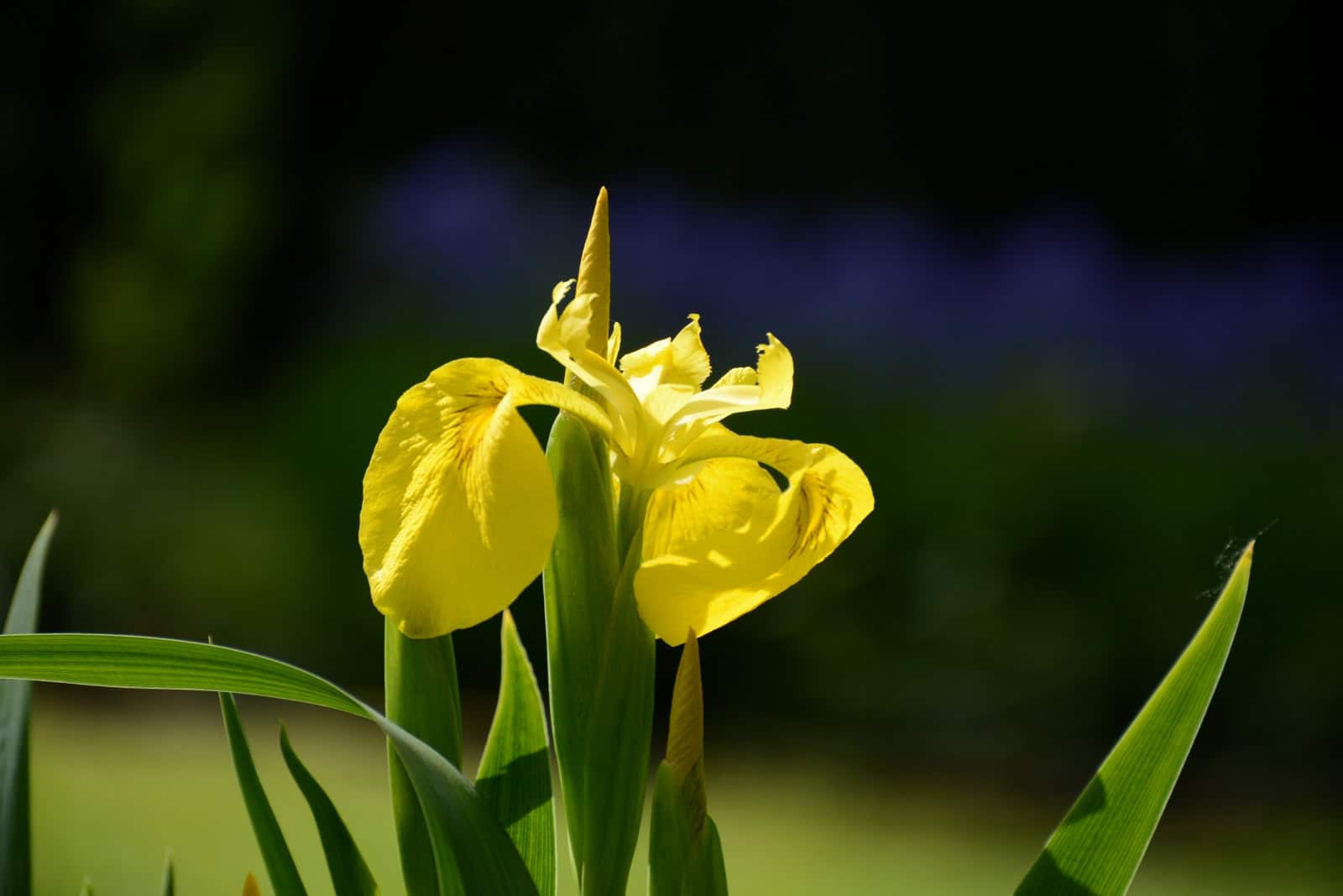
Yellow Flag Iris is notorious for forming dense clusters in wetlands, outcompeting native plants, and disrupting local ecosystems. It can quickly overrun shallow ponds, stream edges, and wetlands, clogging ditches and irrigation systems. The plant also degrades habitats for fish and birds, affecting their nesting and rearing areas. Handling it can cause skin irritation or blistering, and it’s toxic to livestock. For a safer alternative, consider the native Blue Flag Iris (Iris versicolor), which thrives in similar environments.
English Ivy (Hedera helix)

While English Ivy may seem appealing in gardens, it contains toxins that can cause severe health issues. Both humans and animals are at risk, with symptoms ranging from skin irritation and dermatitis to vomiting and allergic reactions if touched or ingested. The harmful effects are primarily due to toxic triterpenoid saponins and poly-acetylene compounds. Consider native alternatives like Pachysandra (Allegheny spurge) for a similar look without the risk.
Giant Reed (Arundo donax)
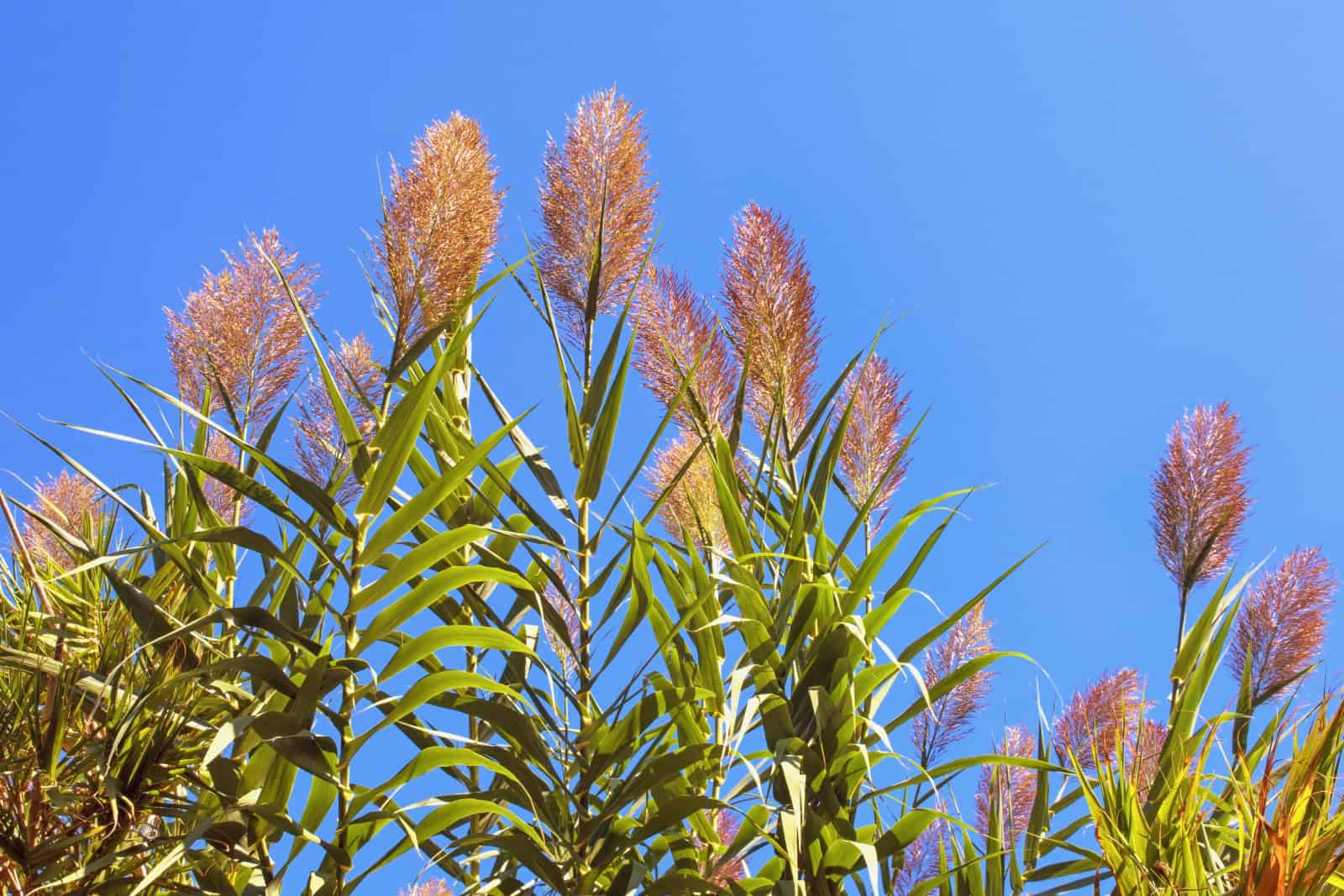
Giant Reed, a fast-growing plant that can reach 25 feet in a year, is highly invasive in southwestern North America, particularly in riparian areas. Its dense growth displaces native plants, reducing habitat quality and causing ecosystem disruption. It also poses a fire hazard and can alter water temperatures, negatively impacting aquatic life. For a native alternative, consider Switchgrass (Panicum virgatum), which supports local wildlife without causing ecological damage.
Mimosa Tree (Albizia julibrissin)

Introduced to the U.S. in the 1700s as an ornamental tree, the Mimosa tree has since escaped cultivation and become invasive, especially in the Southeast. It thrives along roadsides, streams, and forests, outcompeting native plants for light, water, and nutrients. If found growing it, fines and removal orders can apply. Consider planting Redbud (Cercis canadensis) instead, which provides similar aesthetic appeal without the environmental risks.