
Lies about food have plagued our kitchens and dining tables for generations. Misinformation spreads quickly, creating misconceptions about nutrition, cooking, and dietary habits. Understanding the truth behind the lies can help you make more informed food choices.
Fresh Fruits and Vegetables are Always the Healthiest Option

Fresh produce is not always the most nutritious option available. Many fresh fruits and vegetables are picked before they are ripe and transported long distances. On the other hand, frozen produce is often picked at peak ripeness and immediately frozen, preserving more nutrients. These frozen options can actually be more nutritionally dense than their supposedly fresh counterparts sitting in grocery stores for days.
Egg Yolks Lead to High Cholesterol

Modern research has debunked the myth that egg yolks dramatically increase cholesterol levels. Our bodies actually produce most of our cholesterol internally. A large egg contains minimal saturated fat compared to other foods. Dietary cholesterol has far less impact on blood cholesterol than previously thought. You can now add eggs as a healthy part of your diet.
Carrots Can Greatly Improve Eyesight
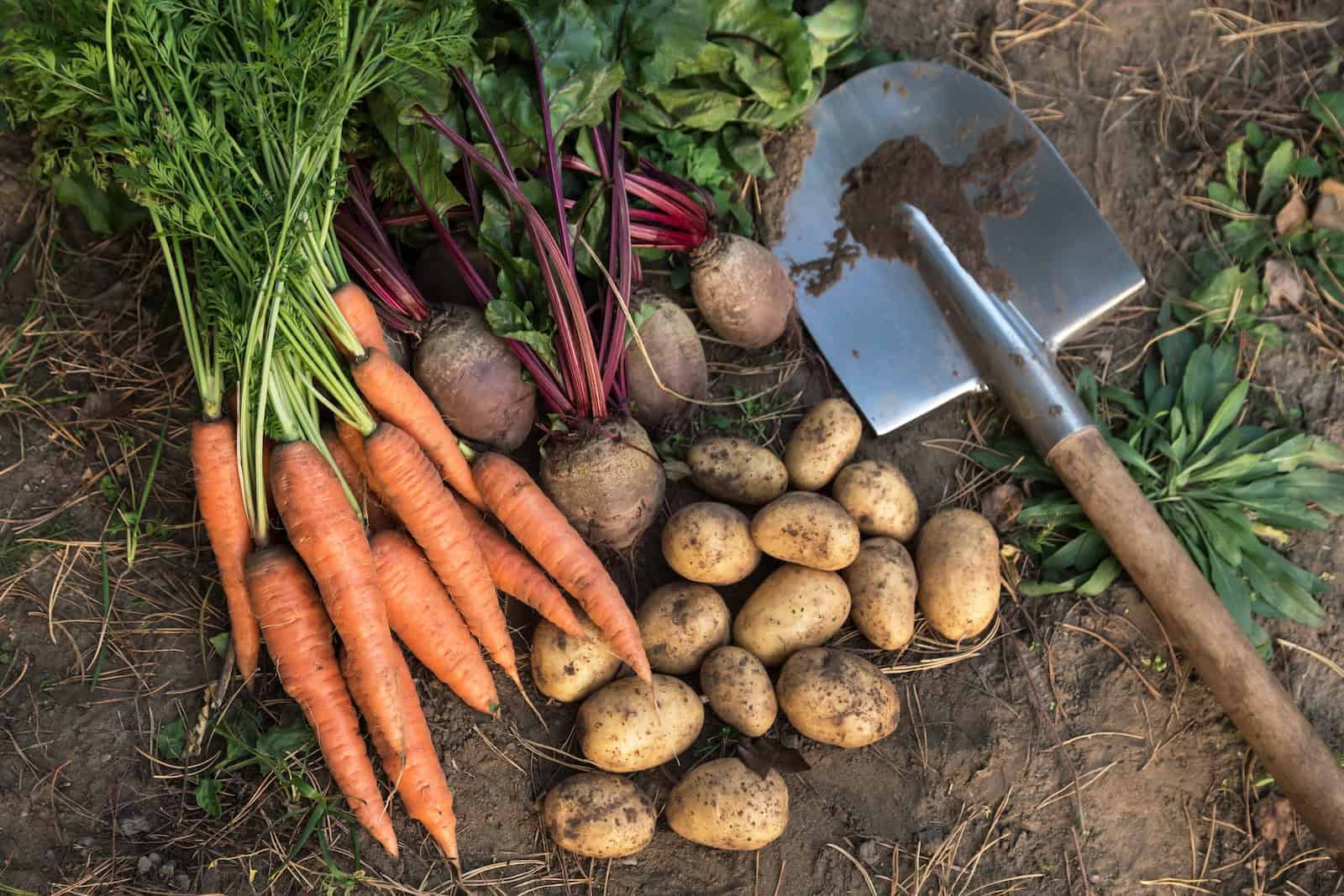
Carrots contain beta-carotene, which converts to Vitamin A in our bodies. While Vitamin A supports eye health, carrots cannot magically improve vision. They contribute to overall eye health but would not restore perfect eyesight. Eating carrots is good for you but you cannot expect them to replace prescription glasses.
Sweet Potatoes are Healthier than Regular Ones

Both sweet and regular potatoes have nutritional value. They contain smaller amounts of calories and macronutrients. Regular potatoes contain more potassium whereas sweet potatoes have more Vitamin A content. Neither is inherently healthier than the other. The preparation method plays a key role more than the potato type.
Mushrooms Should Not be Washed Before Cooking

People have long believed that washing mushrooms will make them soggy and destroy their texture. Scientific research proves this is completely false. Mushrooms can be safely cleaned without absorbing massive amounts of water.
Coffee Sobers You Up

Coffee cannot magically transform an intoxicated person into a sober one. Caffeine might make someone feel more alert, but it does not speed up alcohol metabolism. A caffeinated drunk person is simply a more awake drunk person. Only time can truly reduce blood alcohol levels and help someone become sober.
Drinking Beer Before Liquor Prevents Sickness

This old drinking myth has no scientific basis. The order of alcohol consumption does not impact hangover severity. A 2019 study by the University of Missouri confirmed that mixing drink types does not cause worse hangovers. Total alcohol consumption matters more than the order of the drinks. Individual tolerance, hydration, and metabolic factors play more substantial roles than drink sequence.
Eating Five-a-Day Fruits and Vegetables is Important

The five-a-day recommendation is outdated as per the study conducted by epidemiological researchers from University College London. Current research suggests eating closer than ten portions of fruits and vegetables daily. Those consuming seven or more portions have significantly lower mortality risks by up to 42%. More diverse plant-based consumption provides comprehensive nutritional advantages.
Alcohol Completely Cooks Off

Alcohol does not completely evaporate during cooking as many believe. Studies show that up to 60% of alcohol remains after 10 minutes of simmering. Even after prolonged cooking, approximately 5% of alcohol content stays in the dish. This is important for people avoiding alcohol for health or personal reasons.
Cooking Tomatoes in Cast Iron is Not Good

Cast iron pans have a reputation for being ruined by acidic foods like tomatoes. This is not entirely true. Short cooking periods with tomatoes will not damage your cast iron cookware. Brief tomato sauce preparations are perfectly fine in these pans. Extended shimmering might cause some minor issues, but quick cooking will not harm your beloved cast iron skillet.
Marinades Always Tenderize Meat Perfectly

Contrary to popular belief, marinades do not tenderize meat. Salt in marinades can help retain moisture, making it juicer. Acidic ingredients might break down protein fibers, but this is not true tenderization. Mechanical methods like pounding or using enzymatic marinades are more effective for making meat more tender.
Celery is a Food with No Calorie

The idea that celery burns more calories during digestion than it contains is a myth. Chewing for an entire hour only burns around 11 calories. Two celery stalks contain approximately 15 calories. This means you are not magically losing weight by eating celery. It is a nutritious vegetable, but not a weight loss miracle.
Diet Soft Drinks are Healthier Alternatives to Regular Soft Drinks

Diet sodas are not the health solution many believe. A 14-year study published in the American Journal of Clinical Nutrition revealed they might increase diabetes risk more than regular sodas. They can slow metabolism and increase sugar cravings. Nutrition experts now recommend water and unsweetened beverages as healthier alternatives.
Detox Drinks are Essential for Good Health

Medical researchers from Stanford University extensively studied human metabolic processes and detoxification systems. The human body possesses sophisticated natural detoxification mechanisms through liver and kidney functions. Extreme detox diets can potentially disrupt normal metabolic processes and cause nutrient deficiencies.
Dark Bread is Healthier than White Bread

Bread color does not guarantee nutritional superiority. Some dark breads contain caramel coloring with minimal whole wheat. You need to look for whole wheat bread with higher protein, fiber, and vitamin content. This is because color alone is not a health indicator. Authentic whole-grain breads offer significantly more nutritional benefits than artificially colored alternatives.
Chocolate is Bad for Your Health

Cardiovascular researchers from Harvard Medical School conducted multiple studies on the health benefits of dark chocolates. High-cocoa content dark chocolate contains powerful antioxidants and beneficial nutrients that support heart health. Moderate consumption can potentially lower blood pressure and improve cardiovascular function. Quality and cocoa percentage matter more than the total chocolate consumption.
