Have you ever noticed how you can put so much time and effort into your vegetable garden, only to have weeds seemingly appear out of nowhere and take over? If so, you’re not alone. These pesky plants have a knack for swiftly invading our precious plots and stifling our veggies’ growth. Understanding how weeds operate is the first step to gaining control over them.
Let’s explore 20 ways weeds take over your vegetable garden and what you can do to prevent it.
Advertisement
1. Quick Germination
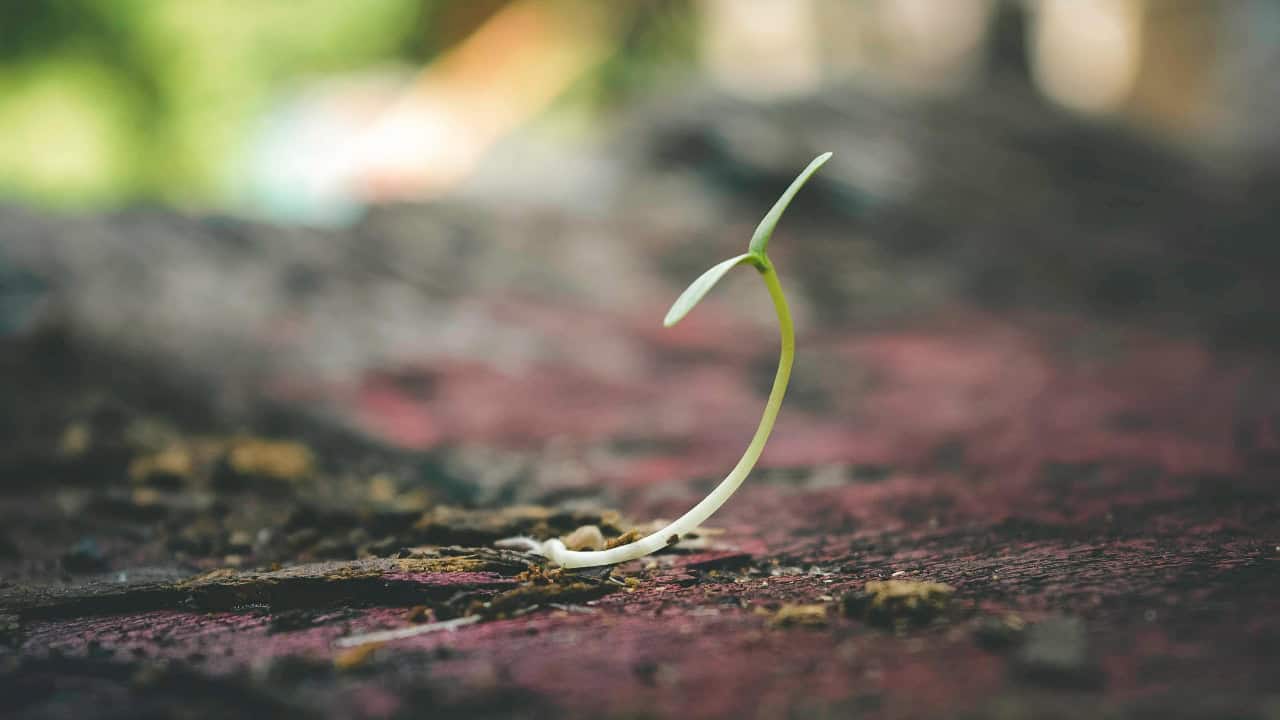
Weeds have an uncanny ability to germinate quickly. Their seeds can lie dormant in the soil for years and then sprout almost overnight when conditions are favorable. For instance, crabgrass, a common weed, can germinate within five days under optimal conditions.
This rapid germination gives weeds a significant advantage over your vegetables. They can quickly establish themselves and start competing with your veggies for resources. To counteract this, it’s essential to regularly weed your garden and remove any weed seedlings as soon as you spot them.
2. Prolific Seed Production
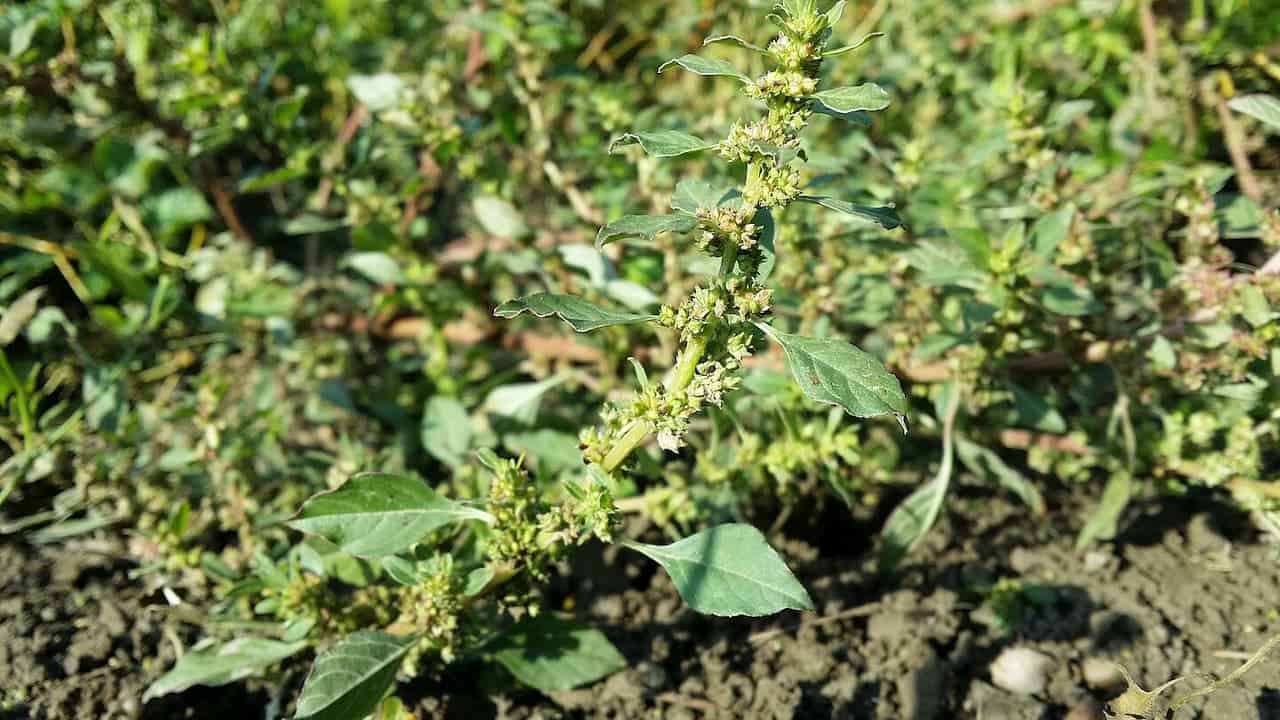
Weeds are known for their prolific seed production. A single weed plant can produce thousands, sometimes even millions, of seeds. For example, one redroot pigweed plant can produce up to 500,000 seeds!
This massive seed output ensures the survival of the weed species, making it difficult to eradicate them completely. However, preventing weeds from reaching the seed production stage can help. Regularly check your garden for flowering weeds and remove them before they have a chance to seed.
3. Seed Dispersal Mechanisms

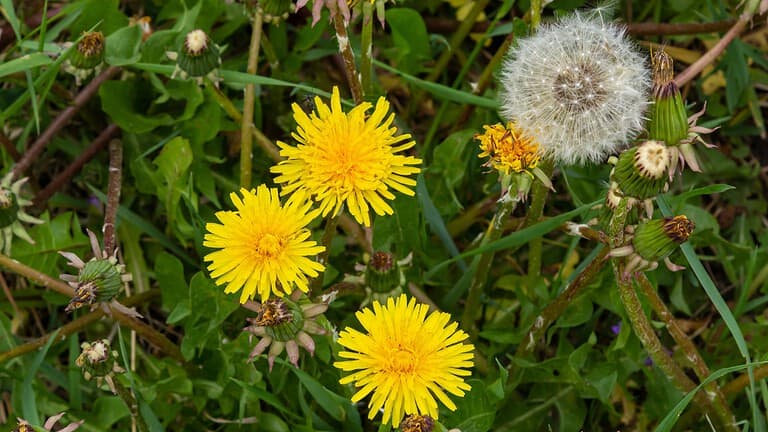
Weeds have evolved a variety of ingenious ways to disperse their seeds. Some, like dandelions, have seeds that can be carried by the wind for miles. Others, like stickseeds, have seeds that cling to animal fur or human clothing.
These dispersal mechanisms allow weeds to spread far and wide. To prevent this, avoid walking through weed-infested areas and clean your gardening tools and clothes after working in the garden.
4. Deep Root Systems
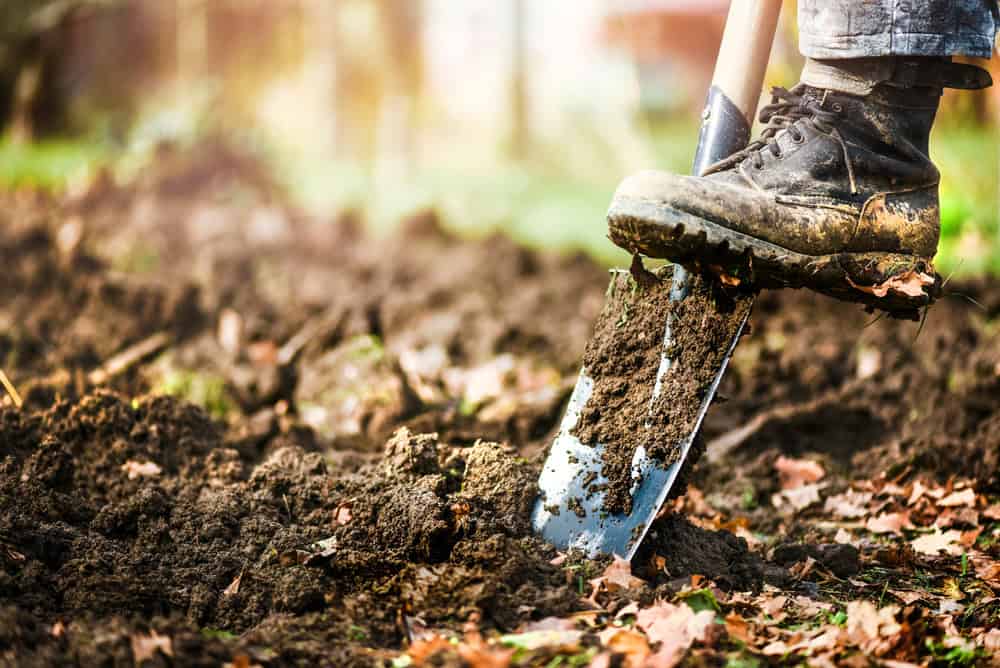
Many weeds have deep root systems that allow them to tap into water and nutrient sources that other plants can’t reach. These deep roots also make it difficult to completely remove the weed, as any remaining root fragments can regrow into new plants.
To combat deep-rooted weeds, consider using a digging fork to loosen the soil around the weed, making it easier to remove the entire root. Also, adding a layer of mulch can help suppress weed growth by blocking sunlight.
5. Resistance to Adverse Conditions
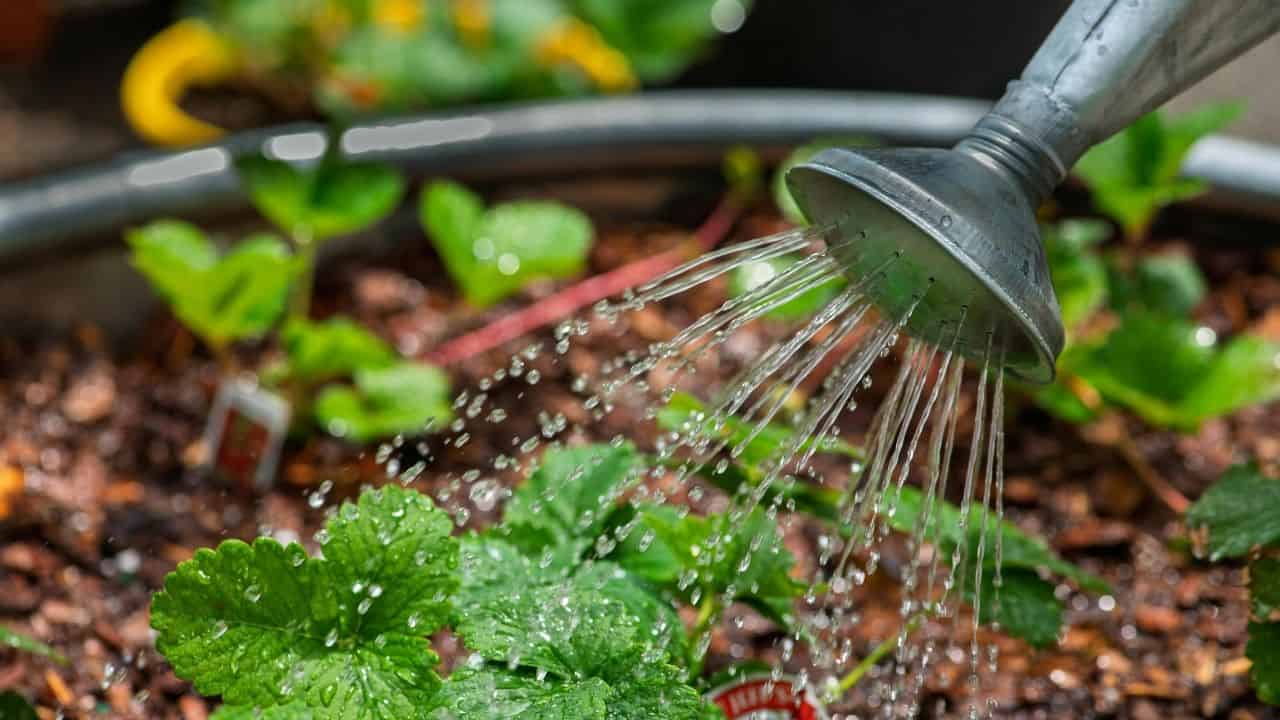
Weeds are incredibly hardy and can survive in conditions that many other plants can’t. They can tolerate poor soil, drought, heat, and even some herbicides.
This resilience makes weeds tough to eliminate. But understanding the specific conditions that your weed species can tolerate can help you devise a more targeted weed control strategy. For instance, if you have drought-tolerant weeds, regular watering can help your veggies outcompete them.
6. Rapid Growth
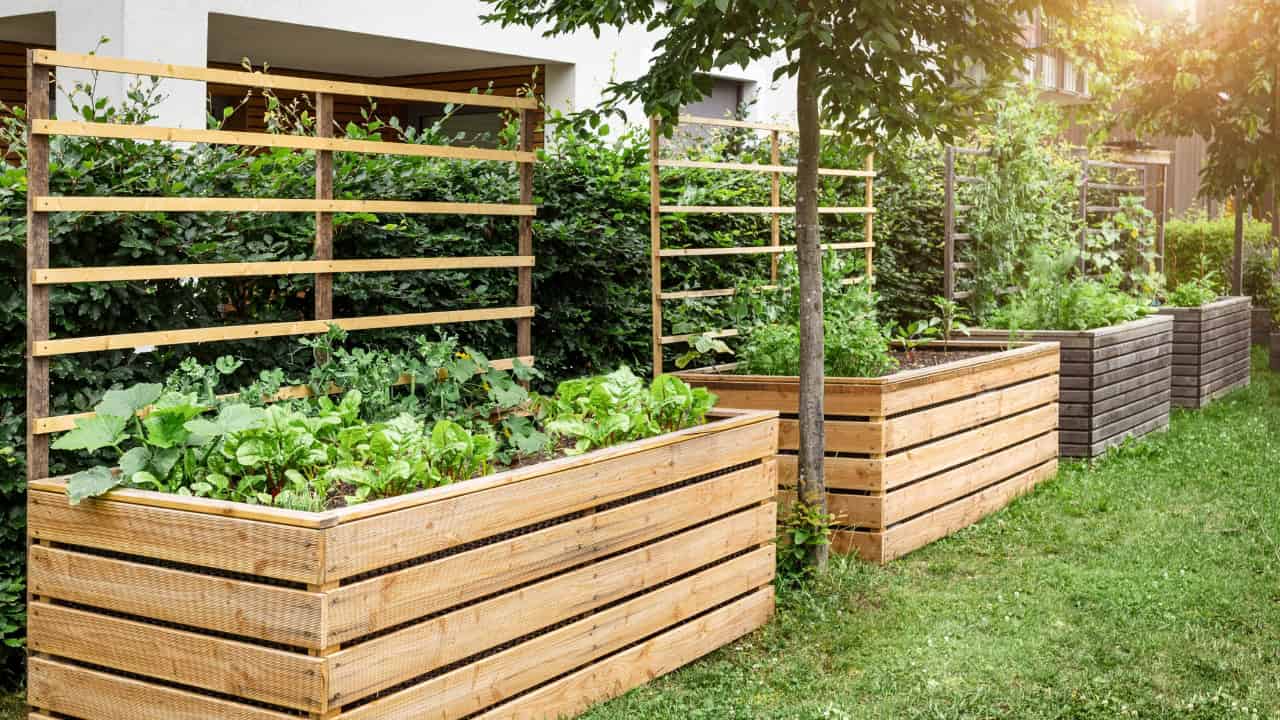
Weeds often grow much faster than our vegetables. This rapid growth allows them to quickly dominate the garden, shading out our veggies and taking up valuable space.
To keep weeds in check, consider planting your veggies in raised beds, which can make it easier to manage weed growth. Also, growing your veggies closer together can help shade the soil and prevent weed seed germination.
7. Allelopathic Properties
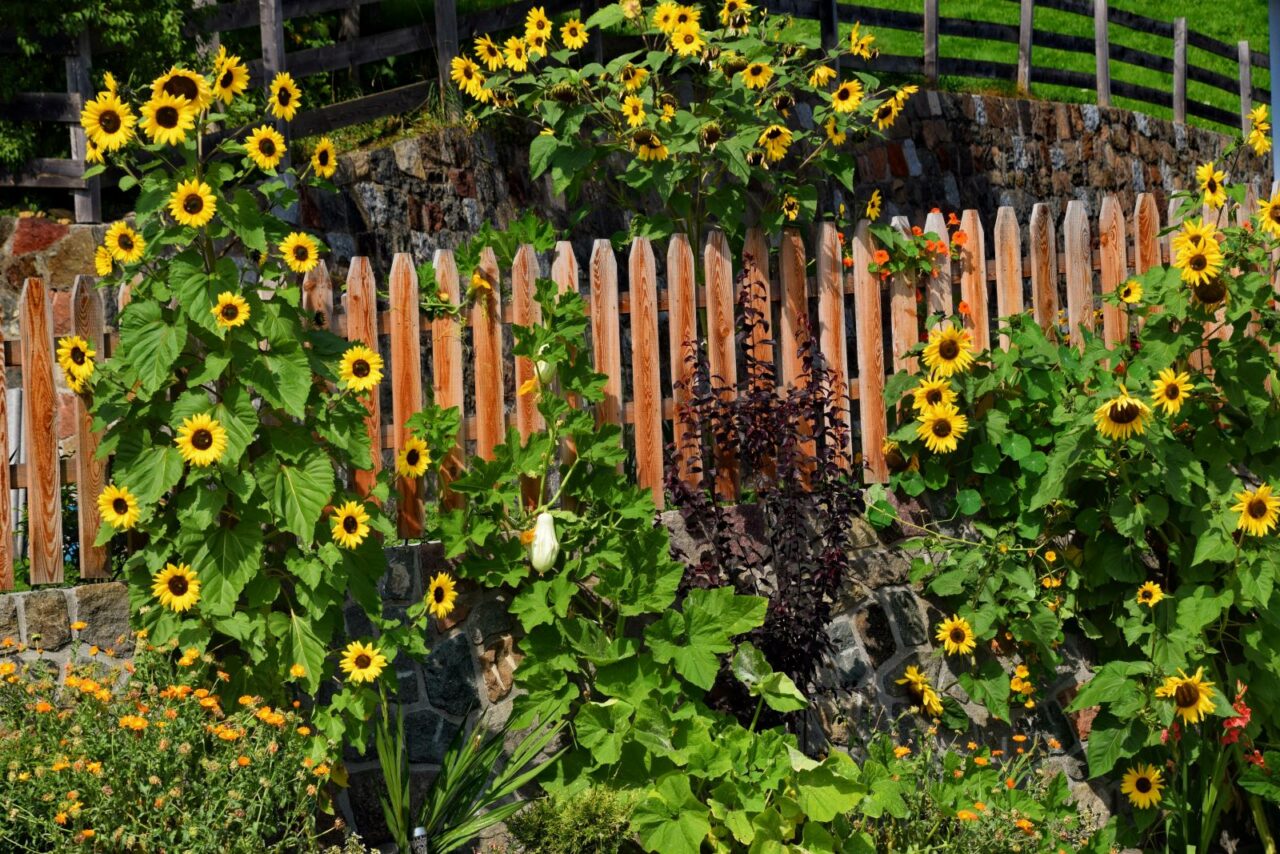
Some weeds, like black walnut trees and sunflowers, produce chemicals that inhibit the growth of other plants. This allelopathy gives them an unfair advantage in the garden.
To manage allelopathic weeds, you’ll need to remove the offending plants and possibly replace the affected soil, as the allelopathic chemicals can linger in the soil for years.
8. Weed-Mimicking Vegetables

Sometimes, our vegetables can inadvertently help weeds take over. For example, carrots and Queen Anne’s lace (a weed) have very similar foliage, making it easy for the weed to hide among the carrots.
To prevent this, familiarize yourself with what your vegetable seedlings and the common weeds in your area look like. This way, you can spot and remove weeds before they become a problem.
9. Incomplete Weeding

Pulling a weed but leaving behind the root, or breaking up a weed and scattering its pieces, can actually help the weed spread. Many weeds can regrow from root fragments or reproduce from stem pieces.
To properly weed, make sure you’re removing the entire plant, roots and all. And dispose of the weeds away from your garden to avoid unintentionally spreading them.
10. Overwatering
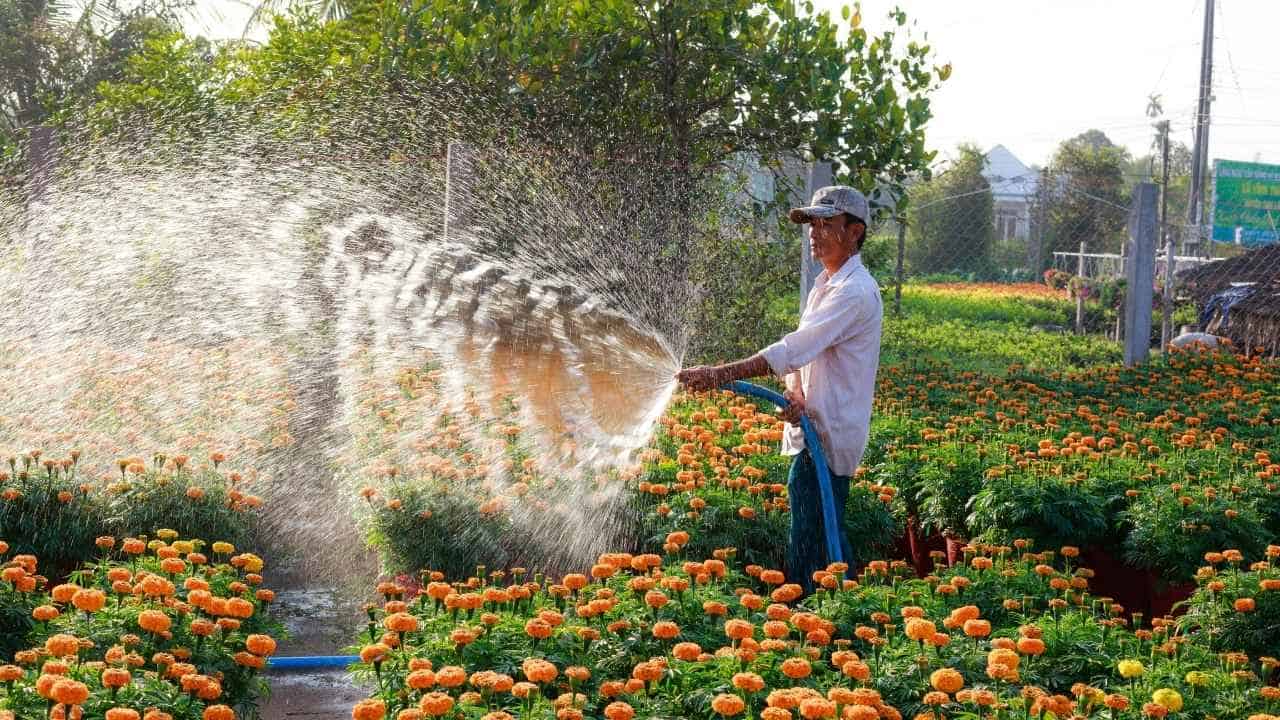
Overwatering your garden can encourage weed growth, as many weeds thrive in waterlogged soil.
To prevent this, make sure your garden has good drainage and try to water only when necessary. Using a moisture meter can help you determine when your veggies really need water.
11. Overfertilizing
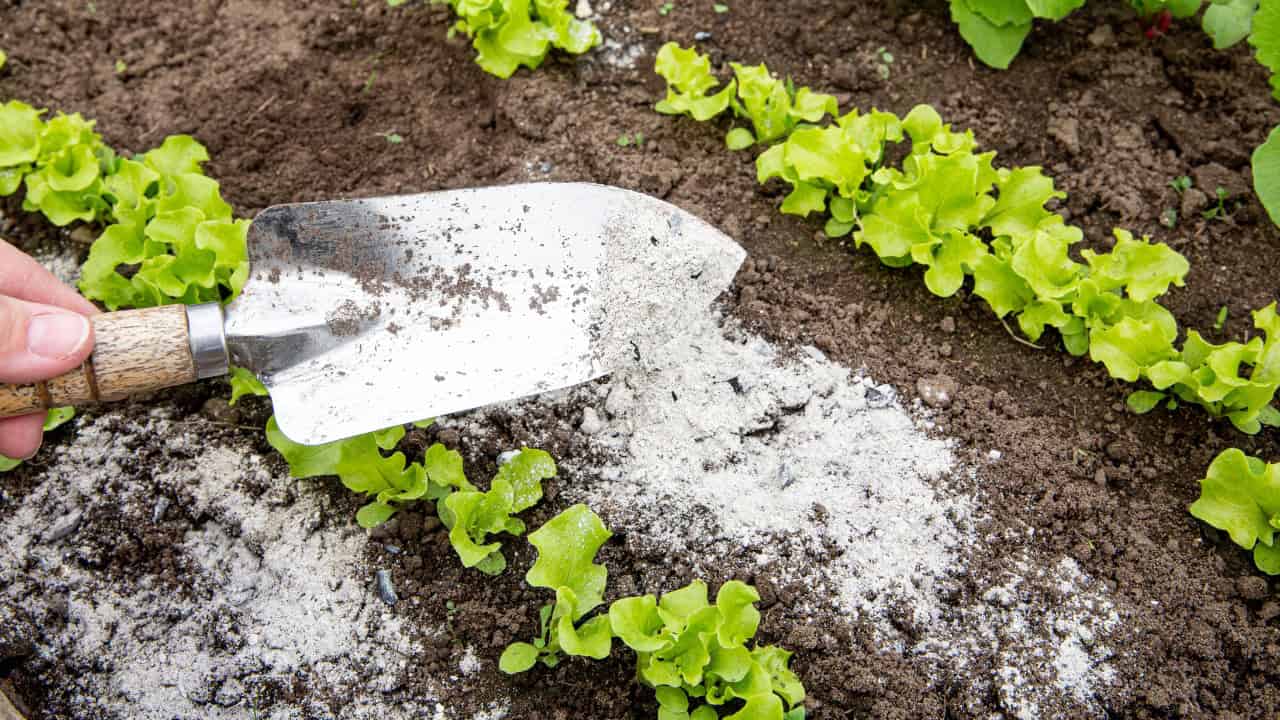
Just like overwatering, overfertilizing your garden can also promote weed growth. Weeds are often better at taking up excess nutrients than our veggies are.
To avoid overfertilizing, have your soil tested to determine its nutrient levels. Then you can add only the nutrients that your veggies need.
12. Bare Soil

Leaving bare soil in your garden can invite weeds. Weeds are opportunistic and will quickly colonize any available space.
To prevent this, try to keep your garden fully planted. If you have open space, consider planting a cover crop to outcompete the weeds.
13. Improper Mulching

While mulching can help suppress weed growth, if done improperly, it can actually promote it. For instance, using mulch that contains weed seeds can introduce more weeds to your garden.
To avoid this, make sure you’re using a weed-free mulch. And apply the mulch in a thick layer (about 2 to 3 inches) to effectively block sunlight and discourage weed germination.
14. Neglect
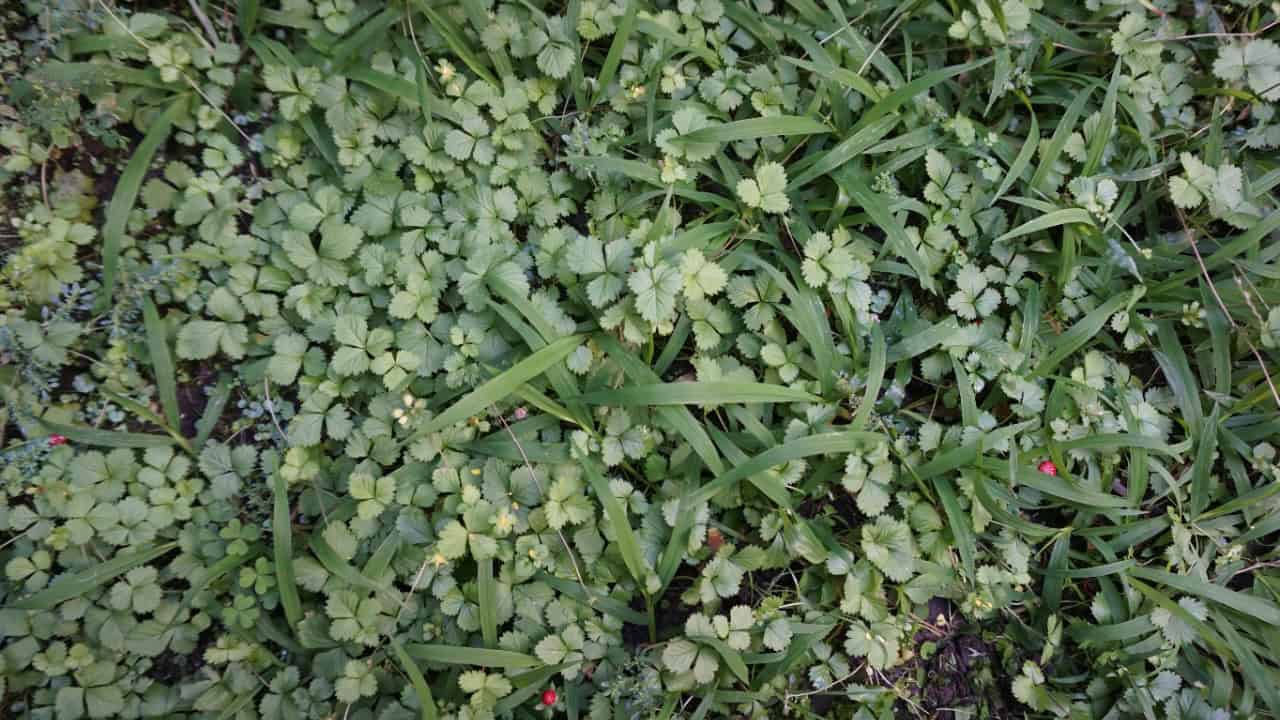
Simply neglecting your garden can lead to a weed takeover. Weeds can quickly establish and spread if left unchecked.
To prevent this, make sure you’re regularly weeding your garden. Even just a few minutes a day can make a big difference.
15. Improper Tool Use

Using your gardening tools improperly can actually help spread weeds. For example, if you use a hoe to chop up a weed, you could end up scattering its seeds or pieces.
To avoid this, make sure you’re using your tools correctly. And clean your tools after use to avoid inadvertently transporting weed seeds or pieces.
16. Compost Piles
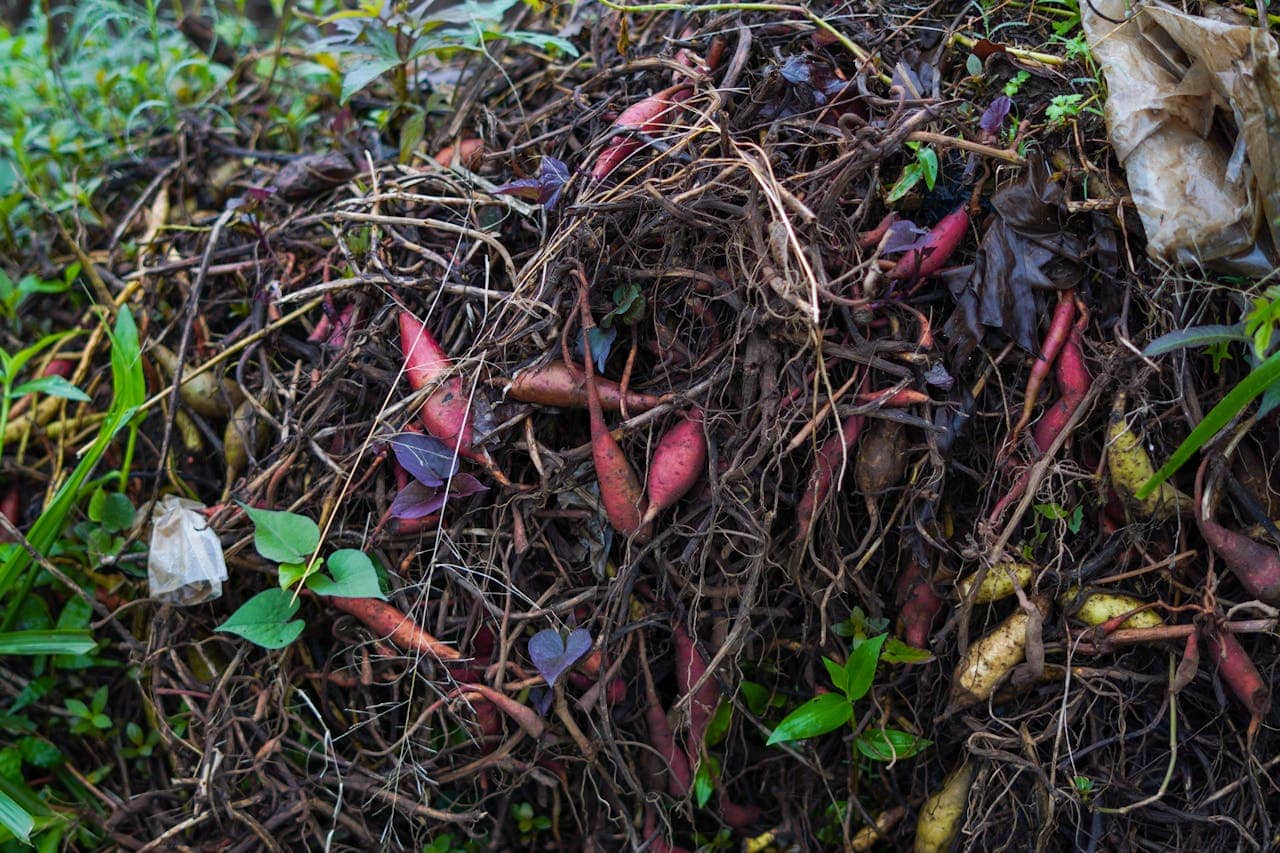
Compost piles can harbor weed seeds, especially if they’re not properly maintained. If the pile doesn’t get hot enough to kill the seeds, you could end up spreading them when you use the compost.
To prevent this, make sure your compost pile is getting hot enough. Turning the pile regularly can help it reach the temperatures needed to kill weed seeds.
17. Animal Visitors

Animals visiting your garden can bring weed seeds with them. Birds can drop seeds, and pets can carry them on their fur.
To prevent this, consider installing bird netting or a fence. And check your pets for weed seeds before they enter the garden.
18. Wind and Water Erosion

Wind and water can erode your soil, creating bare spots where weeds can germinate. They can also carry weed seeds into your garden.
To prevent this, consider installing windbreaks or using ground covers to reduce erosion. And maintain a healthy soil structure to help prevent erosion.
19. Garden Edges
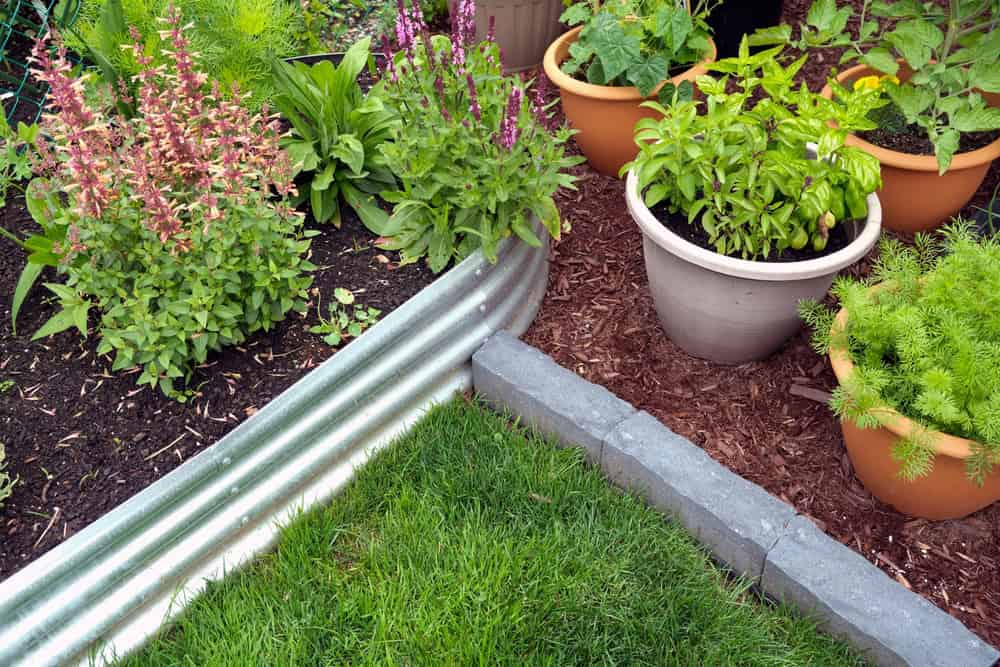
The edges of your garden can often become a haven for weeds. If left unchecked, these weeds can spread into the rest of the garden.
To prevent this, pay special attention to the edges of your garden when weeding. And consider installing a physical barrier, like a garden edge or border, to keep weeds out.
20. Imported Soil or Plants

Sometimes, weeds can come into your garden via imported soil or plants. For example, if you bring in topsoil or compost from an outside source, it could contain weed seeds.
To prevent this, make sure any soil or plants you bring into your garden are weed-free. If in doubt, consider using a weed killer or solarizing the soil to kill any potential weed seeds.