
Gardening is a beloved pastime for many, offering a sense of accomplishment and a way to connect with nature. But among the countless gardening tips and tricks circulating online and in gardening circles, many are more damaging than helpful. While these hacks often promise to save time or produce better results, they can actually harm your plants and soil. We’ve compiled a list of 17 popular gardening hacks that can cause more harm than good to help you avoid these common pitfalls.
1. Using Coffee Grounds Directly On Soil
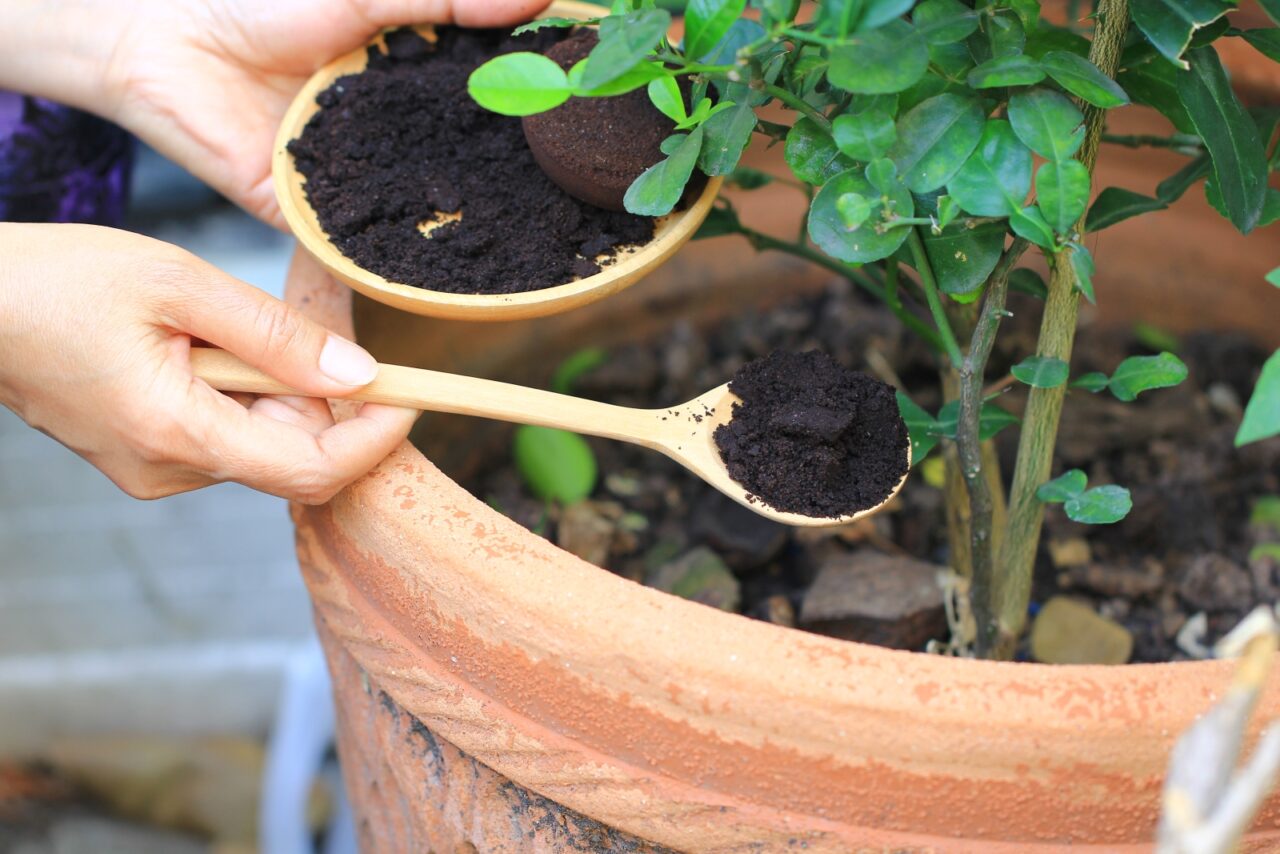
Coffee grounds are often touted as a natural fertilizer, but using them directly on your soil can do more harm than good. Coffee grounds are highly acidic and can change the pH balance of your soil, damaging your plants in the process. Instead of scattering coffee grounds directly on your soil, compost them first. This breaks down the acidity, making it safer for most plants.
Additionally, coffee grounds can also form a water-resistant barrier that prevents water from reaching plant roots. This could potentially lead to waterlogged plants and root rot. So, while recycling coffee grounds is a great idea, it’s best to add them to your compost pile rather than applying them directly to your garden.
2. Overwatering Plants

It’s natural to assume that the more water a plant gets, the better it will grow. But overwatering is one of the most common mistakes made by novice gardeners. While some plants do enjoy a lot of water, most prefer their soil to dry out a bit between watering.
Too much water can lead to root rot, a serious condition that can kill plants. It can also create a hospitable environment for various types of fungi and pests. Instead of watering your plants every day, check the soil with your finger. If the top inch of soil is dry, it’s time to water.
3. Using Pesticides Indiscriminately

While it can be frustrating to see pests munching on your plants, using pesticides indiscriminately is not the solution. Many pesticides don’t just kill the pests; they kill beneficial insects and microorganisms as well. This can upset the balance in your garden, leading to even more pest problems down the line.
Instead of reaching for pesticides at the first sign of trouble, try using natural pest deterrents like companion planting or encouraging beneficial insects. If you must use pesticides, use them sparingly and only on the affected plants.
4. Planting Too Deeply

When planting new plants, it’s easy to think that the deeper you plant them, the more secure they’ll be. But planting too deeply can actually be detrimental. Most plants need their roots near the surface of the soil where they can access oxygen and water.
When you plant too deeply, the roots can suffocate and the plant can struggle to access water and nutrients. The stem could also rot if buried too deep. Always check the planting instructions for your particular plants to ensure they’re planted at the right depth.
5. Not Testing Your Soil
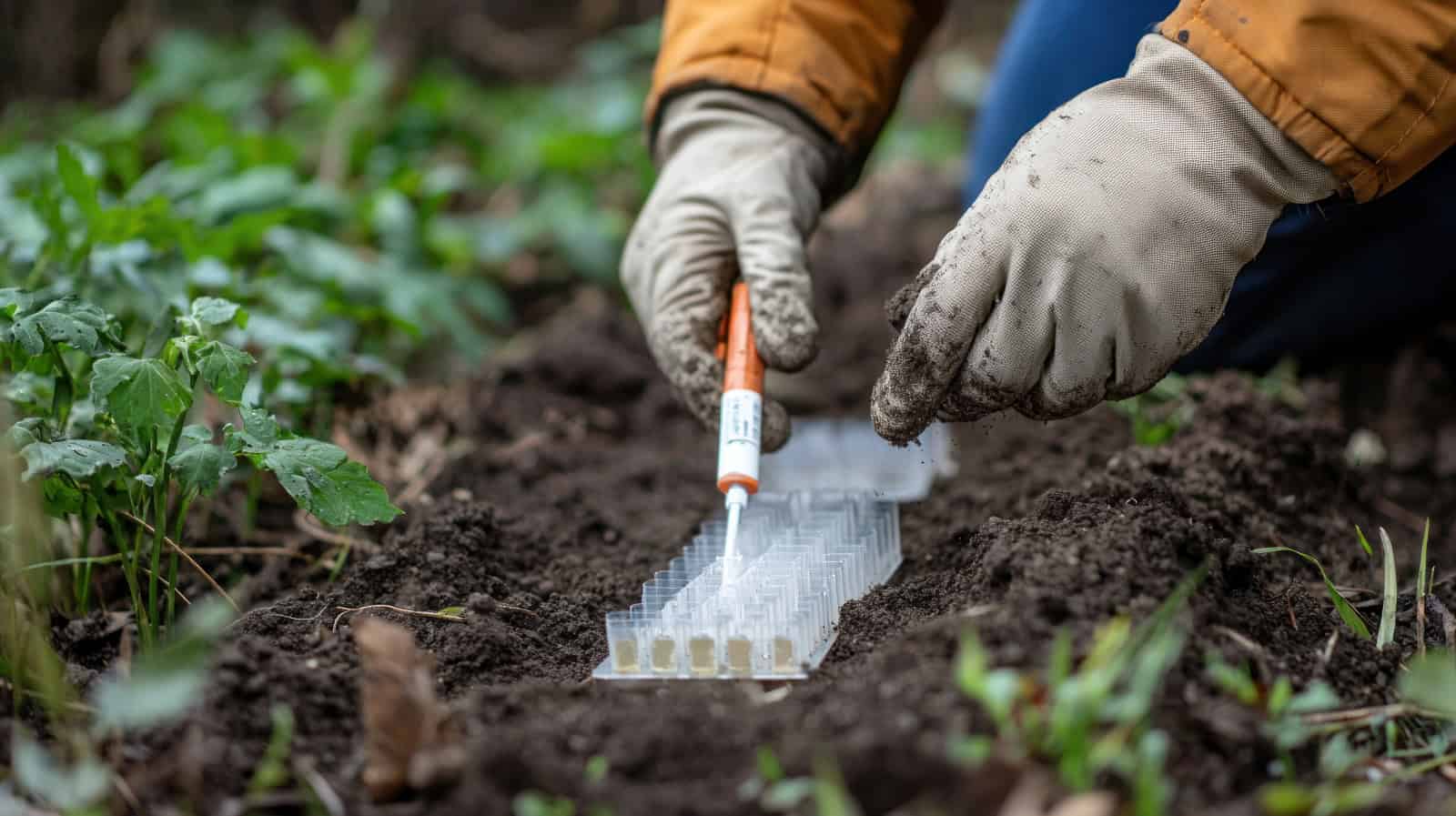
It’s easy to overlook the importance of testing your soil, but this step is crucial to understanding what your plants need. Different plants thrive in different soil types, and if your soil is too acidic or alkaline, your plants may struggle to grow.
By not testing your soil, you could be missing out on vital information about its nutrient content and pH level. This could lead to nutrient deficiencies or an imbalance in your soil’s pH level. Soil testing kits are readily available and easy to use, and they can provide you with valuable insights about your garden.
6. Ignoring Companion Planting

Companion planting is the practice of planting certain plants together for mutual benefit. For example, marigolds can deter certain pests and are often planted alongside vegetables. Ignoring companion planting can lead to increased pest problems and reduced plant health.
However, not all plants make good companions. Some plants can inhibit the growth of others or attract pests. So, do a little research and make sure your plants are happy neighbors.
7. Over-Fertilizing
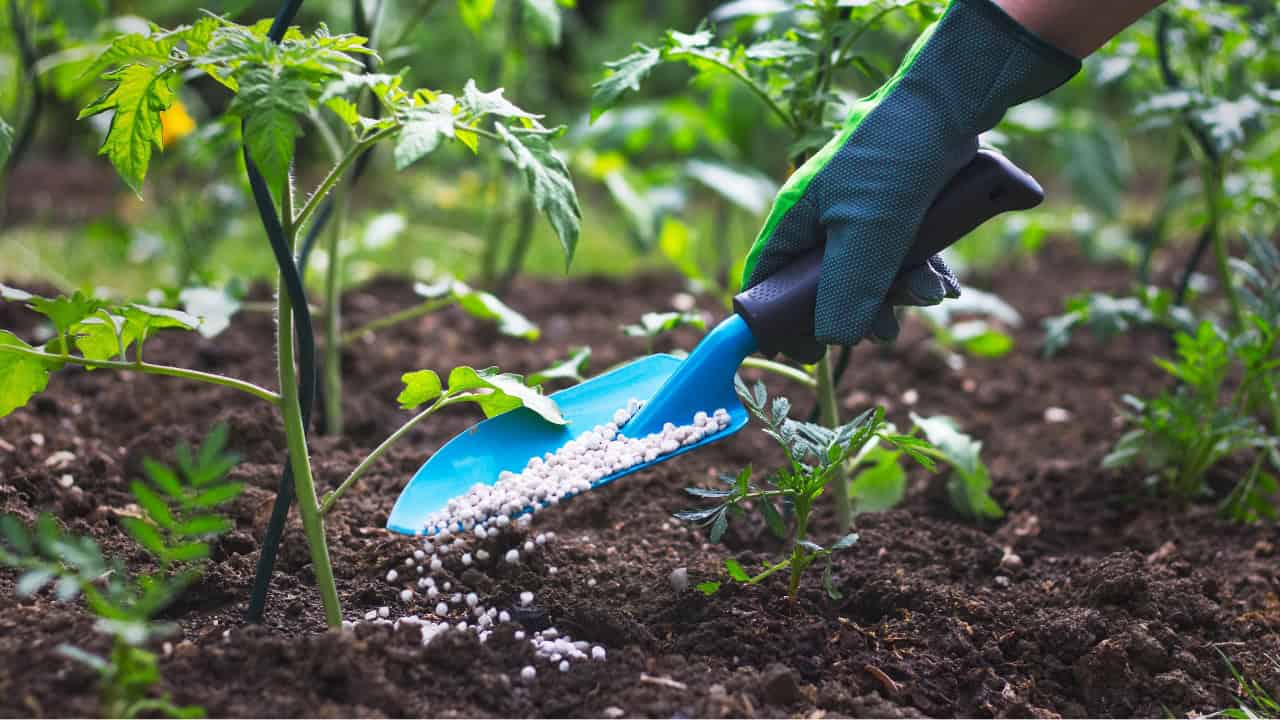
While it’s true that plants need nutrients to grow, over-fertilizing can do more harm than good. Too much fertilizer can burn plant roots and leaves, and can also lead to excessive, weak growth that is more susceptible to pests and diseases.
It’s better to fertilize lightly and regularly, rather than giving your plants a big feed all at once. And remember, not all plants need the same amount of fertilizer. Always follow the instructions on your fertilizer package and adjust as necessary based on your plants’ needs.
8. Using Plastic Sheeting as a Weed Barrier

Plastic sheeting might seem like a good idea to keep weeds at bay, but it can actually do more harm than good. Plastic is non-porous, which means water and air can’t penetrate it. This can lead to waterlogged or oxygen-starved soil.
Instead of plastic, consider using a layer of mulch or a porous landscape fabric. These options allow water and air to reach the soil while still preventing weeds from germinating.
9. Not Pruning Correctly

Pruning can help your plants grow strong and healthy, but incorrect pruning can cause damage. Cutting at the wrong angle, or at the wrong time of year, can lead to disease or death in plants.
Before you start pruning, make sure you understand the needs of your specific plants. Some plants prefer to be pruned in late winter or early spring, while others should only be pruned in the fall.
10. Ignoring the Importance of Mulch

Mulch is often overlooked in gardening, but it offers numerous benefits. It helps regulate soil temperature, retains moisture, and suppresses weeds. Ignoring the use of mulch can lead to dry, weed-ridden soil.
However, applying too much mulch or the wrong type can also be problematic. For example, using fresh wood chips can temporarily rob your soil of nitrogen. Always choose a mulch that’s right for your plants and apply it in a layer no more than 3 inches thick.
11. Planting Without Planning

A well-planned garden is not only more attractive, but also healthier. Planting without planning can lead to overcrowding, which can stress plants and lead to disease. It can also result in plants being placed in inappropriate locations where they can’t thrive.
Take the time to properly plan your garden before you start planting. Consider things like sunlight, soil conditions, and how much space each plant needs. This will help ensure your garden is healthy and beautiful.
12. Not Paying Attention to Sunlight

Sunlight is essential for plants, but not all plants require the same amount. Ignoring a plant’s sunlight requirements can cause it to grow poorly or even die.
Every plant species has its own unique sunlight requirements, so it’s best to read up on each plant before you place it in your garden. Putting a shade-loving plant in full sun can cause it to wilt and die, while a sun-loving plant won’t bloom if it’s placed in the shade.
13. Overlooking the Importance of Drainage
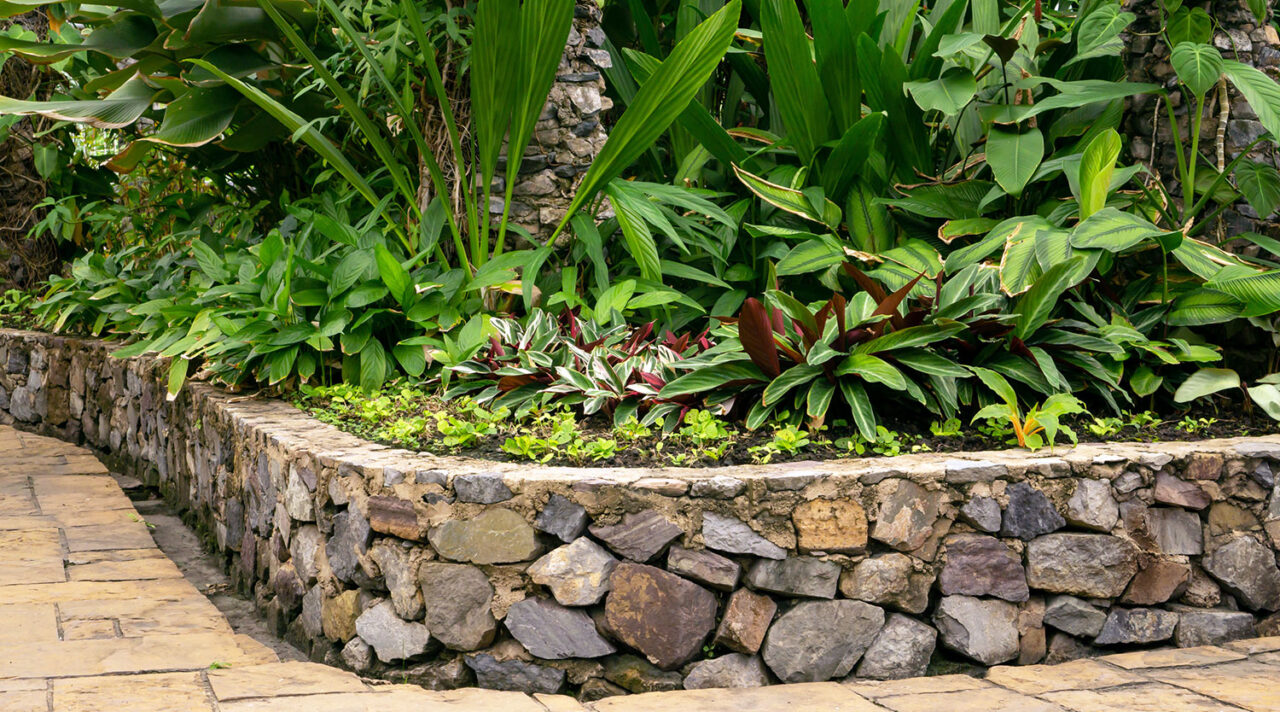
Proper soil drainage is essential for healthy plants. If water can’t drain away, it can lead to root rot and other problems.
Make sure your soil drains well before planting. If it doesn’t, you may need to amend it with organic matter or create a raised bed. Also, ensure that pots and containers have drainage holes to avoid water buildup.
14. Planting Invasive Species
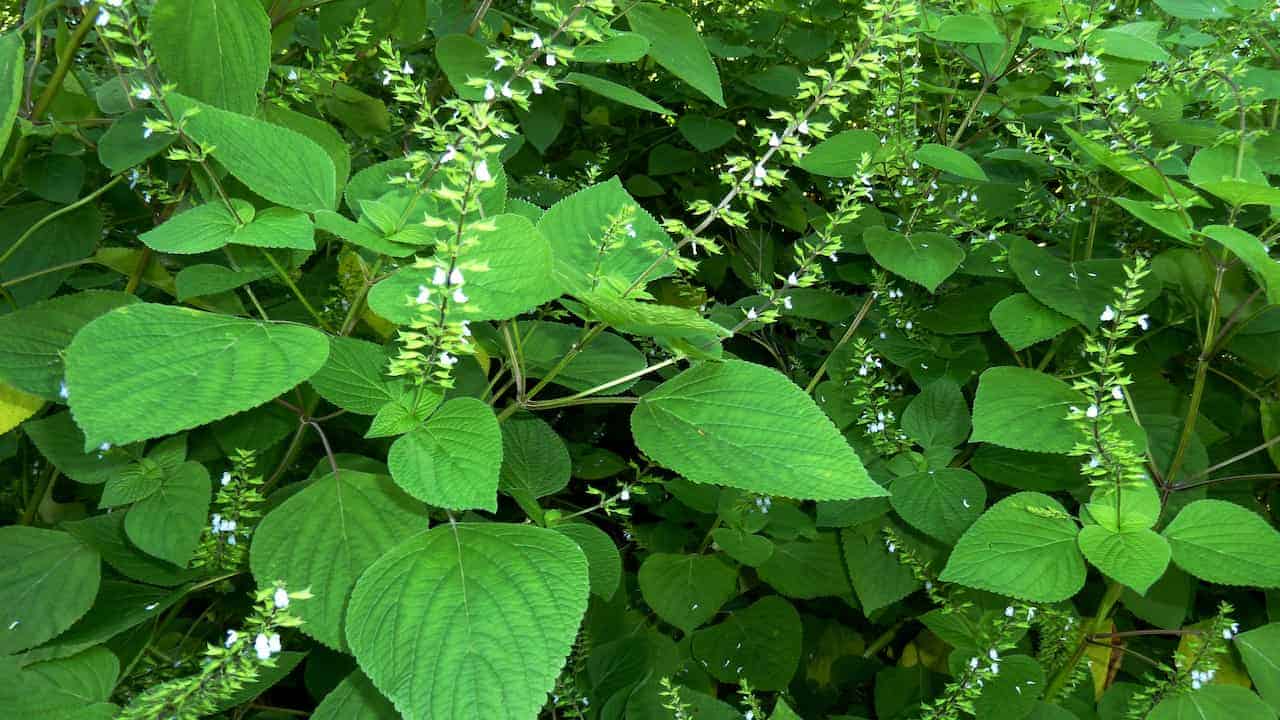
Some plants are so vigorous that they can quickly take over a garden. Invasive species can out-compete other plants for resources and disrupt local ecosystems.
Before planting, research whether a species is invasive in your area. If it is, consider choosing a different plant that will play nicely with others in your garden.
15. Ignoring pH Levels

The pH level of your soil can greatly affect a plant’s ability to absorb nutrients. Some plants prefer acidic soil, while others prefer alkaline soil. Ignoring the pH level of your soil can lead to nutrient deficiencies or toxicities.
Testing your soil’s pH level is simple and can help you choose the right plants for your garden or amend your soil to make it more suitable for the plants you want to grow.
16. Forgetting to Harden Off Seedlings

Hardening off seedlings is the process of gradually acclimating them to outdoor conditions before planting them in the garden. Skipping this step can shock plants, leading to stunted growth or death.
Start by placing your seedlings outside for a few hours each day, gradually increasing the amount of time and exposure to wind and sun. This will help them adjust to the outdoor environment and increase their chances of survival.
17. Not Keeping Tools Clean

Dirty gardening tools can harbor disease organisms and transfer them from plant to plant. Not keeping your tools clean can lead to the spread of diseases in your garden.
After each use, clean your tools with soapy water and dry them thoroughly. Periodically, disinfect them with a solution of one part bleach to nine parts water. This will help keep your plants healthy and disease-free.

