Bananas often escape the scrutiny of proper cleaning. Most people peel bananas without considering the potential risks lurking on the surface. Understanding the importance of washing bananas before peeling can protect your health and ensure a safer eating experience.
Banana Skin Harbors Bacteria

Banana surfaces collect numerous bacteria during their journey from farm to table. Multiple hands touch bananas during harvesting, packaging, transportation, and store display. These touches introduce various microorganisms that can potentially harm human health. Bacteria like E. coli and Salmonella can easily transfer from the banana’s skin to the edible part during peeling. Washing removes these harmful bacteria. It creates a protective barrier between potential contamination and your food.
Advertisement
Removing Pesticide Residue

Commercial banana production involves extensive use of chemical pesticides to protect crops from insects and diseases. These chemicals accumulate on the banana’s exterior, creating a potentially harmful layer of synthetic compounds. Agricultural practices typically involve multiple pesticide applications throughout the growing process. Thorough washing helps eliminate these chemical residues that might otherwise transfer to the fruit during peeling.
Food Safety Experts Recommendations

Leading food safety professionals consistently recommend washing produce before consumption. Scientific research emphasizes the importance of reducing surface bacterial loads through proper cleaning techniques. These experts highlight the potential risks associated with unwashed produce and recommend thorough washing as a primary prevention strategy.
Reducing Cross-Contamination Risk

Kitchen surfaces can quickly become breeding grounds for bacteria transferred from unwashed banana peels. When you touch an unclean banana and then handle other food items or kitchen tools, you spread potential pathogens. Your hands become a vector for transferring microorganisms from the banana’s surface to other areas. Washing them before peeling provides protection against unintentional bacterial spread in your food preparation area.
Eliminating Handling-Related Pathogen

From farm workers to grocery store employees, numerous individuals handle bananas before they reach you. Not all handlers follow strict hygiene protocols. This potentially introduces various microorganisms. These touches create multiple opportunities for bacterial transmission on the banana’s surface. Washing removes the potential pathogens accumulated through multiple handling stages.
Reduce Wax Coating Concerns

Commercial banana producers often apply a protective wax coating to preserve the fruit’s appearance and extend its shelf life. These synthetic wax layers can trap moisture and potentially harbor additional bacteria and contaminants. The wax coating typically contains chemical compounds designed to prevent rapid ripening and maintain the banana’s visual appeal during transportation and storage. Washing helps remove this artificial layer, ensuring you consume the natural fruit without unnecessary synthetic additives.
Managing Transportation Contamination
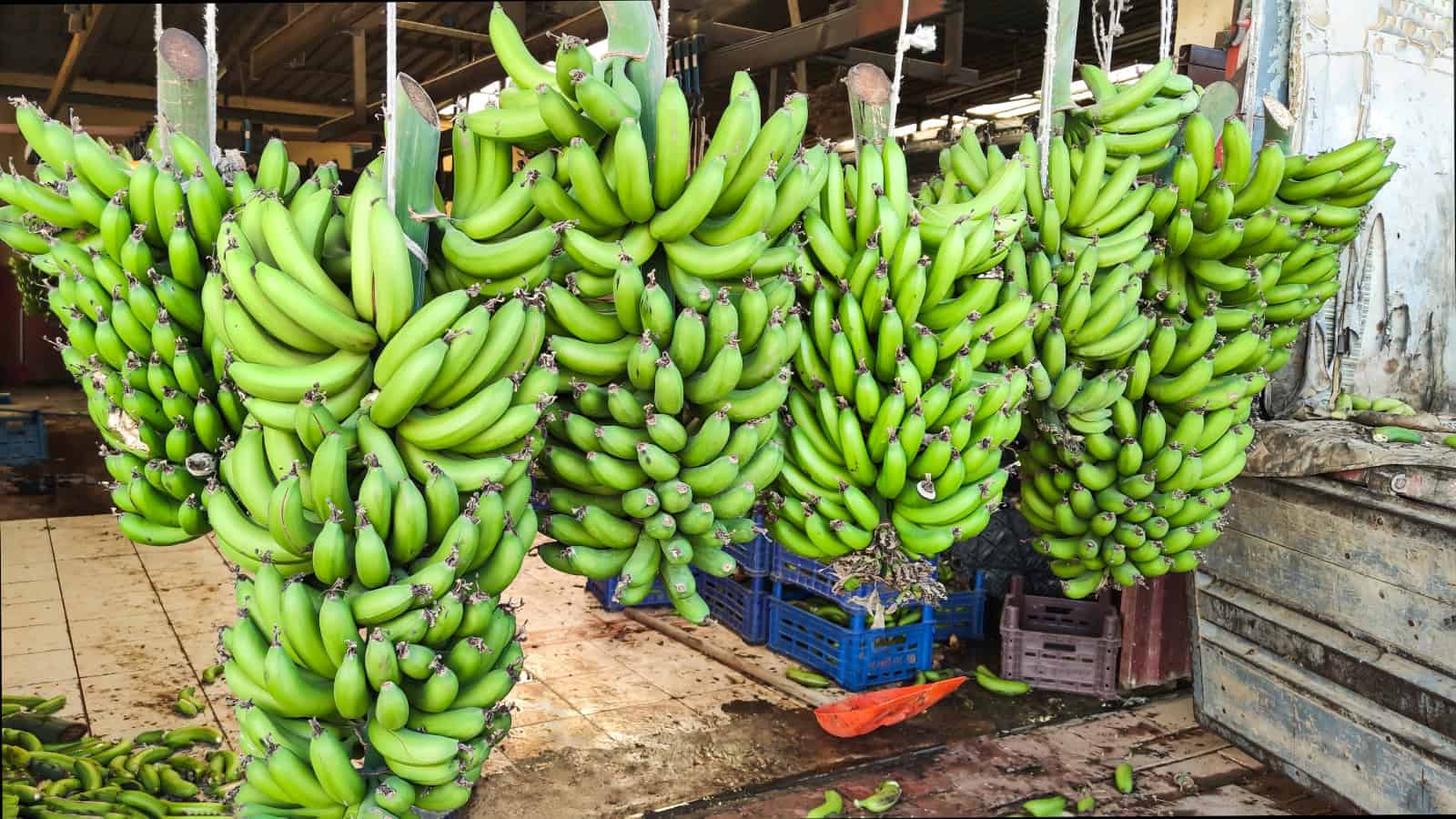
Bananas travel extensive distances before reaching grocery stores. They are exposed to multiple environmental conditions along the way. Shipping containers, cargo trucks, and storage facilities introduce various potential contaminants during transit. The long journey increases the likelihood of bacterial growth and surface contamination. Each handling stage presents an opportunity for dirt, dust, and microorganisms on the banana peel which you can eliminate through washing.
Enhanced Flavor Profile
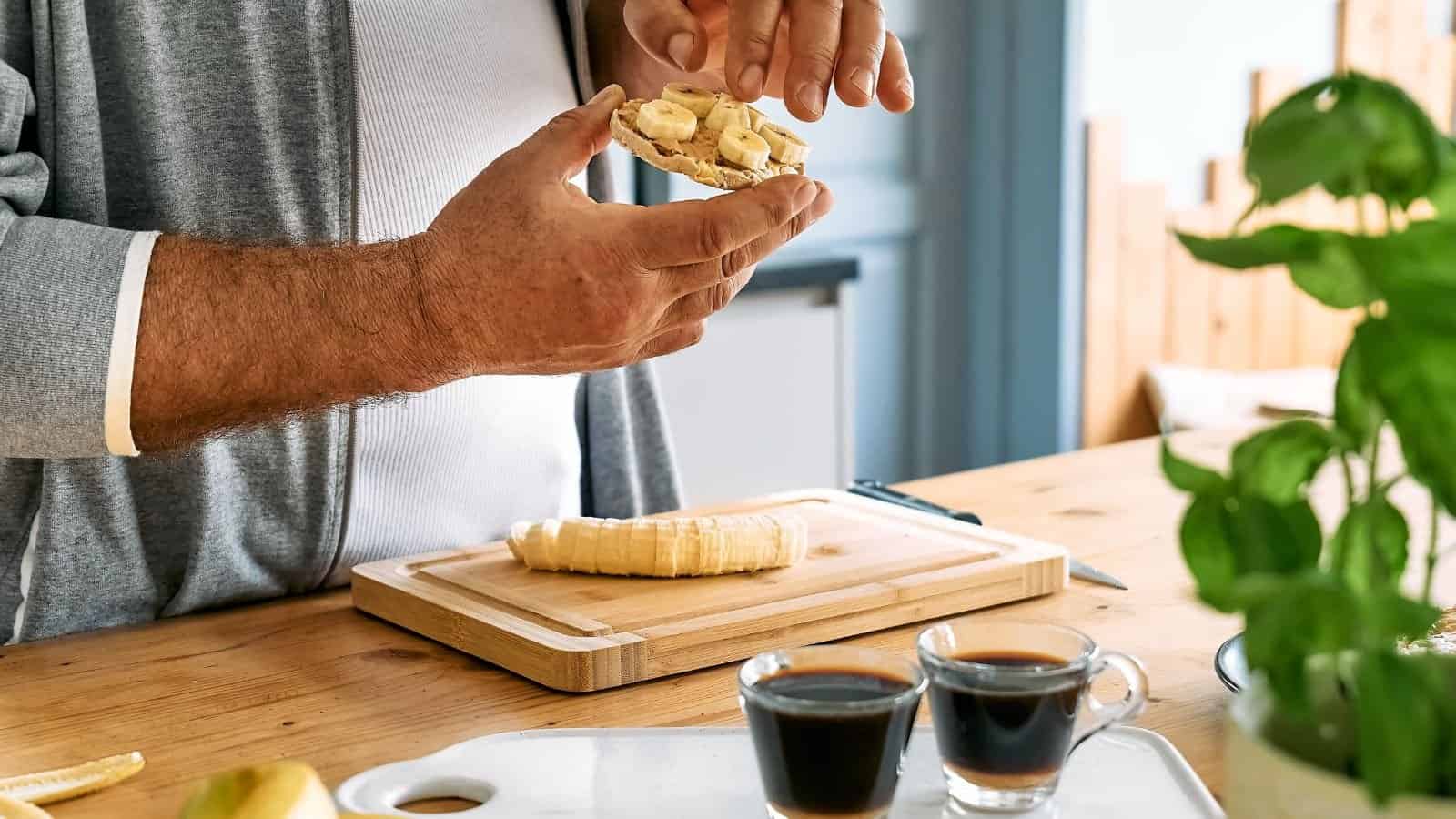
Bananas accumulate various chemical residues during their journey from growing to distribution to grocery stores. These residues might include pesticides, transportation chemicals, and handling compounds that create unpleasant underlying odors or subtle taste modifications. Thorough washing helps strip away these external chemical layers that might mask the banana’s inherent sweet and delicate flavor. The cleaning process restores the fruit’s original taste by eliminating potential flavor-altering contaminants that develop during production and transportation.
Mitigating Environmental Exposure
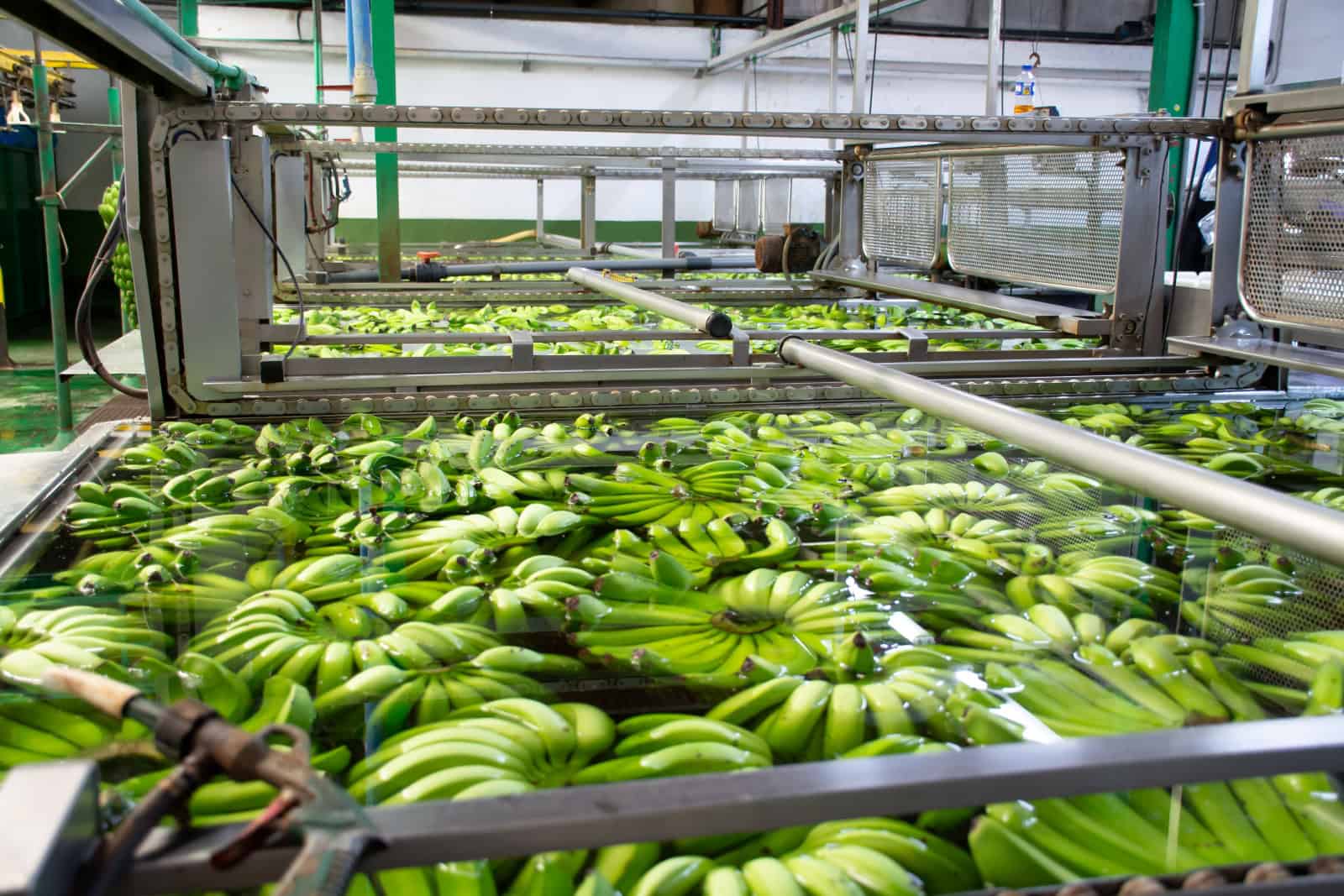
Bananas are exposed to various environmental elements during their growth stage and transportation. Potential contaminants include soil particles, insect traces, bird droppings, and atmospheric pollutants. These environmental interactions can introduce harmful microorganisms to the banana’s exterior. Washing helps remove these contaminants that may transfer to the edible part during the peeling process.
Ripening Process Contamination Control

As bananas ripen, their skin becomes more porous and potentially more susceptible to bacterial growth. The changing surface characteristics create additional opportunities for microbial development. Washing becomes increasingly important during the later stages of ripeness to manage potential surface contamination during the fruit’s natural maturation process.
Surface Dirt and Debris Removal
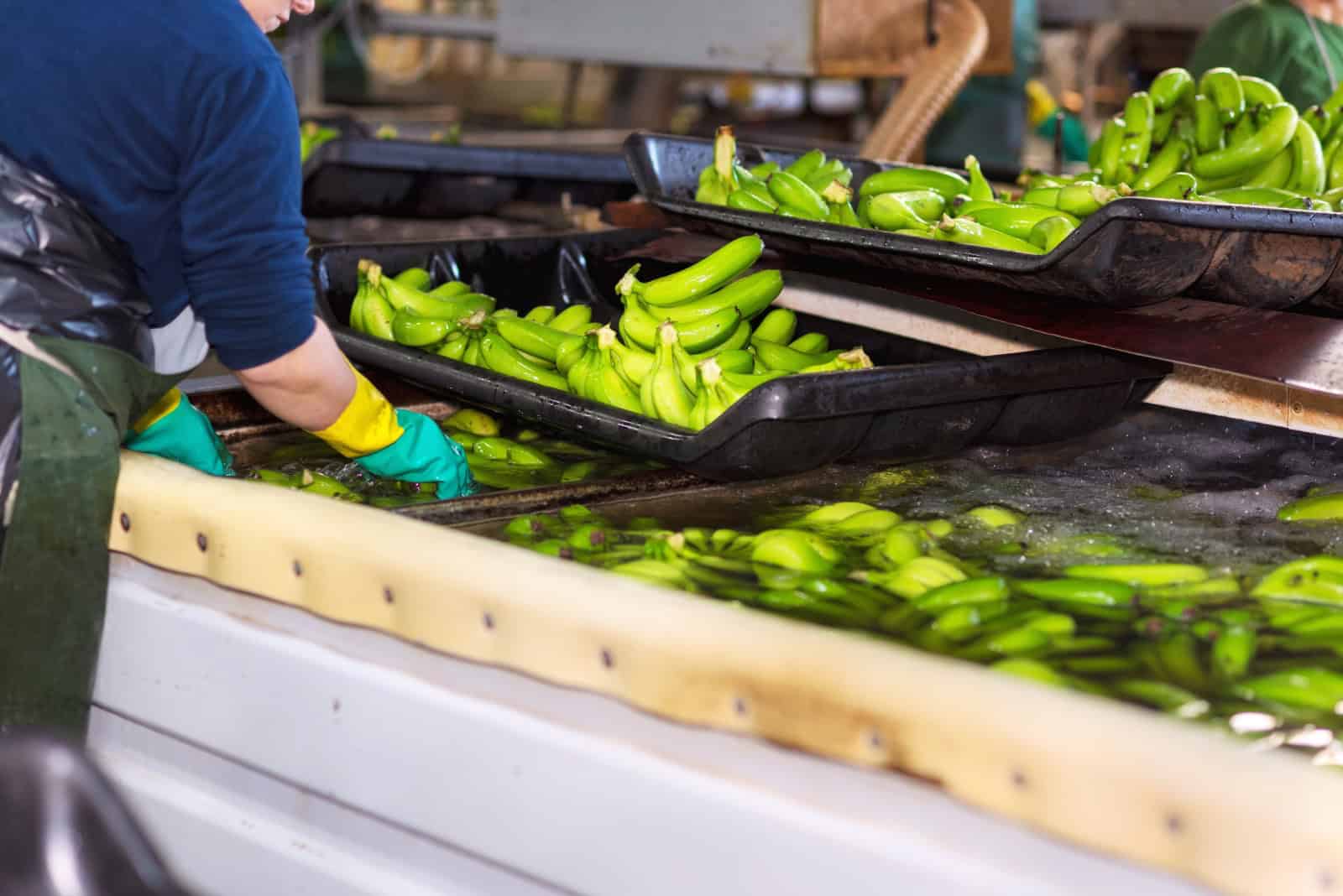
Bananas collect visible and invisible dirt throughout their journey from farm to table. Dust, soil particles, and other environmental debris can accumulate on the exterior part of the banana. These substances might contain harmful microorganisms or additional contaminants. Cleaning it using water removes these surface impurities, providing a cleaner eating experience.
Preserving Banana Skin Freshness
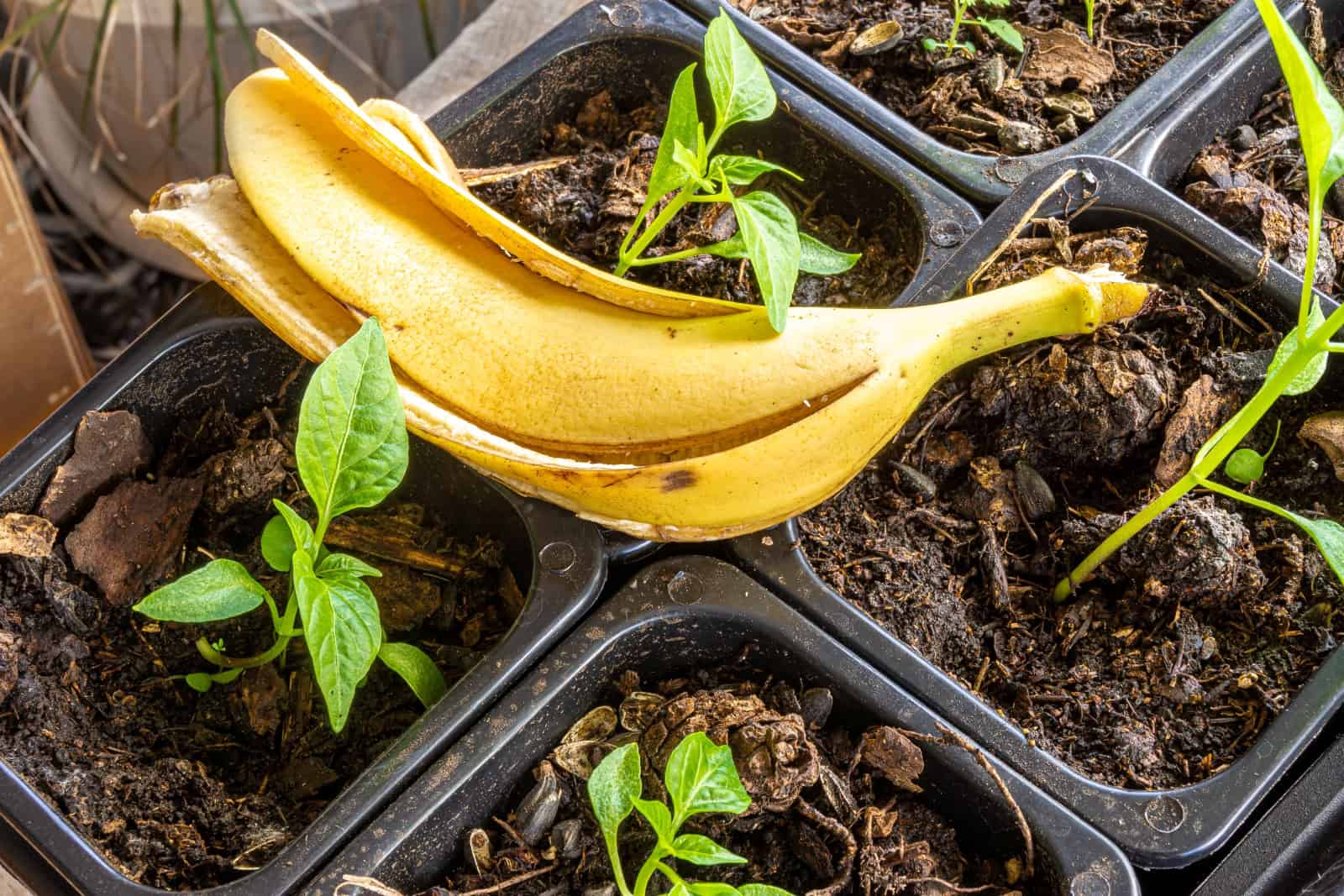
Proper washing and drying techniques can significantly extend the overall freshness of banana peels, especially for fruits intended for longer storage periods. Cleaning removes surface bacteria and potential moisture-trapping contaminants that could accelerate spoilage and degradation. The drying process after washing is equally crucial as it prevents excess moisture from creating an environment conducive to rapid bacterial or fungal growth. By maintaining a clean and dry exterior, bananas can potentially remain fresh and appealing for a longer duration compared to unwashed fruits. This careful maintenance approach helps preserve the banana’s overall quality and extends its life span.
Agricultural Handling Chemical Reduction
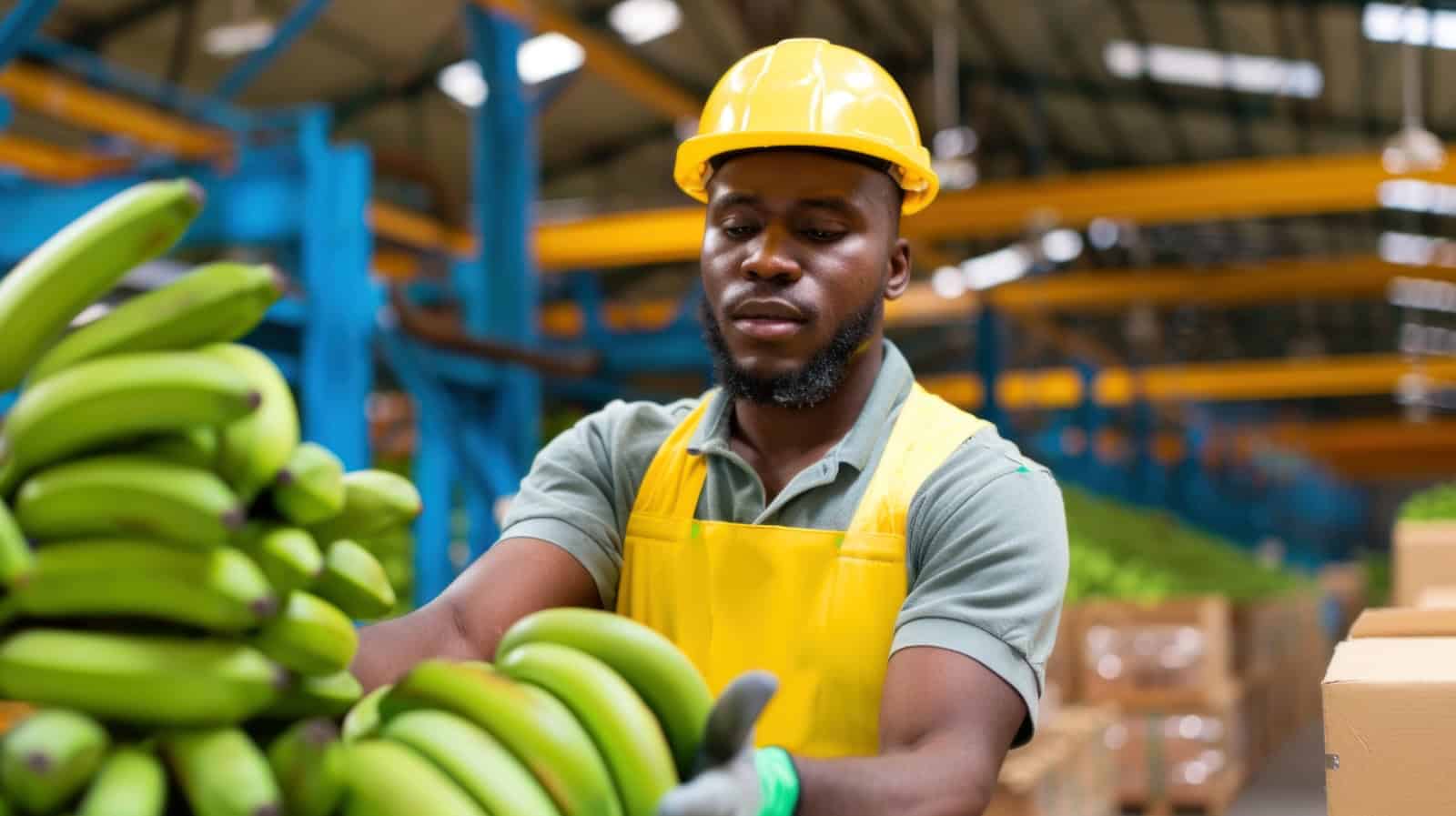
Beyond pesticides, bananas are treated with various agricultural chemicals to enhance growth, prevent diseases, and extend shelf life. These chemicals can include fungicides, ripening agents, and preservation treatments. Washing helps reduce the concentration of these chemical residues that might be present on the banana’s surface. Thorough rinsing can significantly decrease potential chemical exposure.
Preventative Health Protection Measures
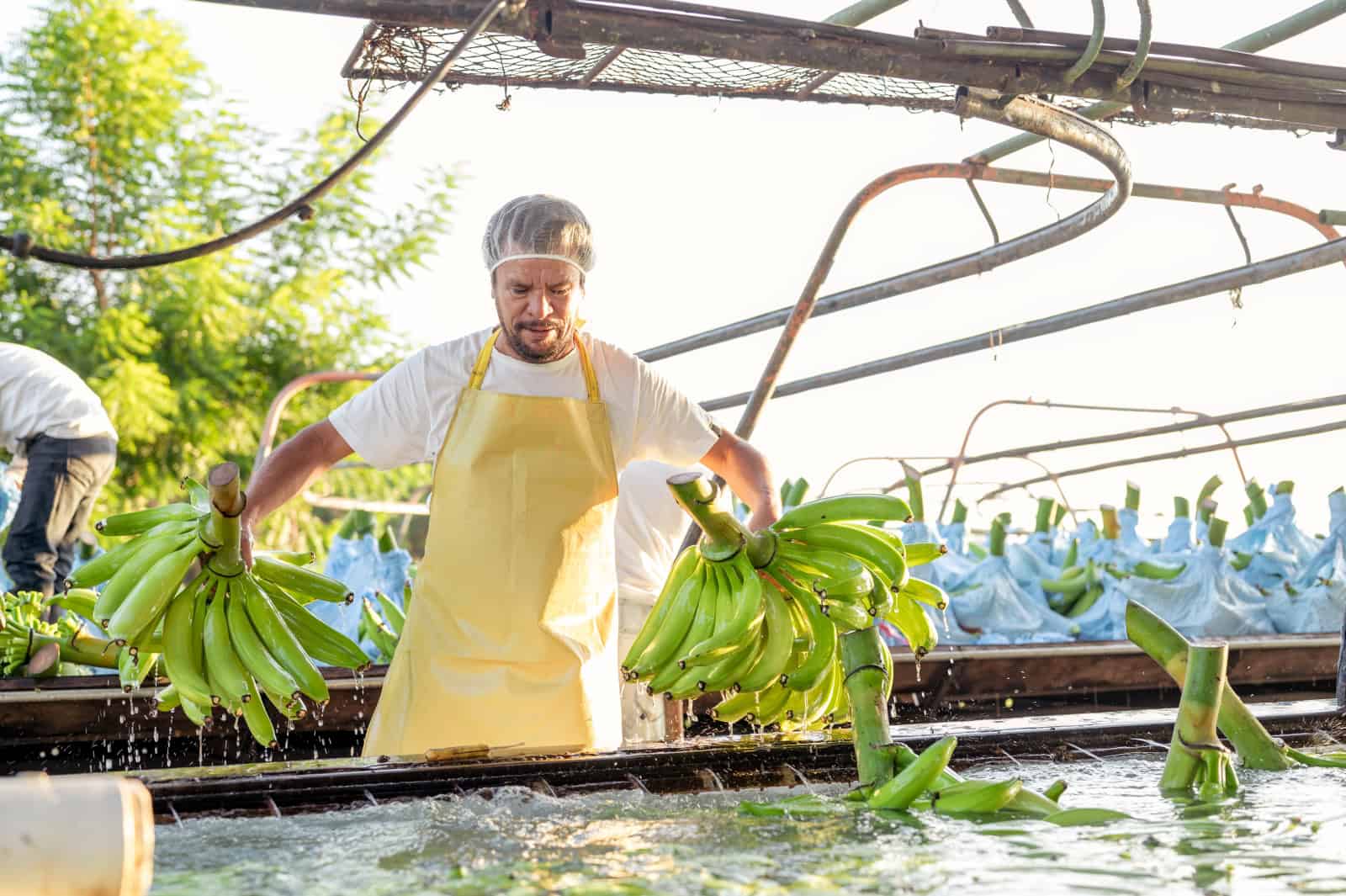
Washing bananas represents a simple yet effective prevention health strategy. This minimal effort can significantly reduce your exposure to potential foodborne pathogens. By removing surface contaminants, you protect yourself and your family from potential health risks associated with unwashed produce. The small amount of time spent washing provides substantial protection against potential bacterial transmission.