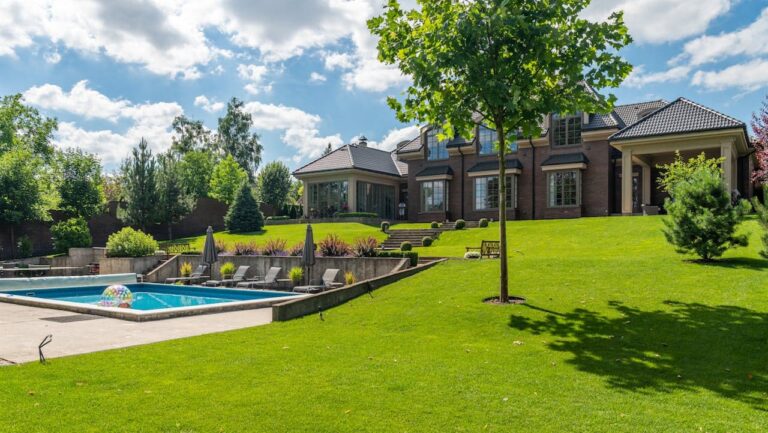
In 2025, it seems like the entire world of gardening has done a complete 180. Where once lush, green lawns were the envy of every neighborhood, now they’re increasingly being replaced by grass-free alternatives. This trend isn’t just a fashion statement, it’s a movement that’s all about sustainability, creativity and practicality. So, why are more gardeners going grass-free in 2025? Here are a few key reasons.
1. Water Conservation
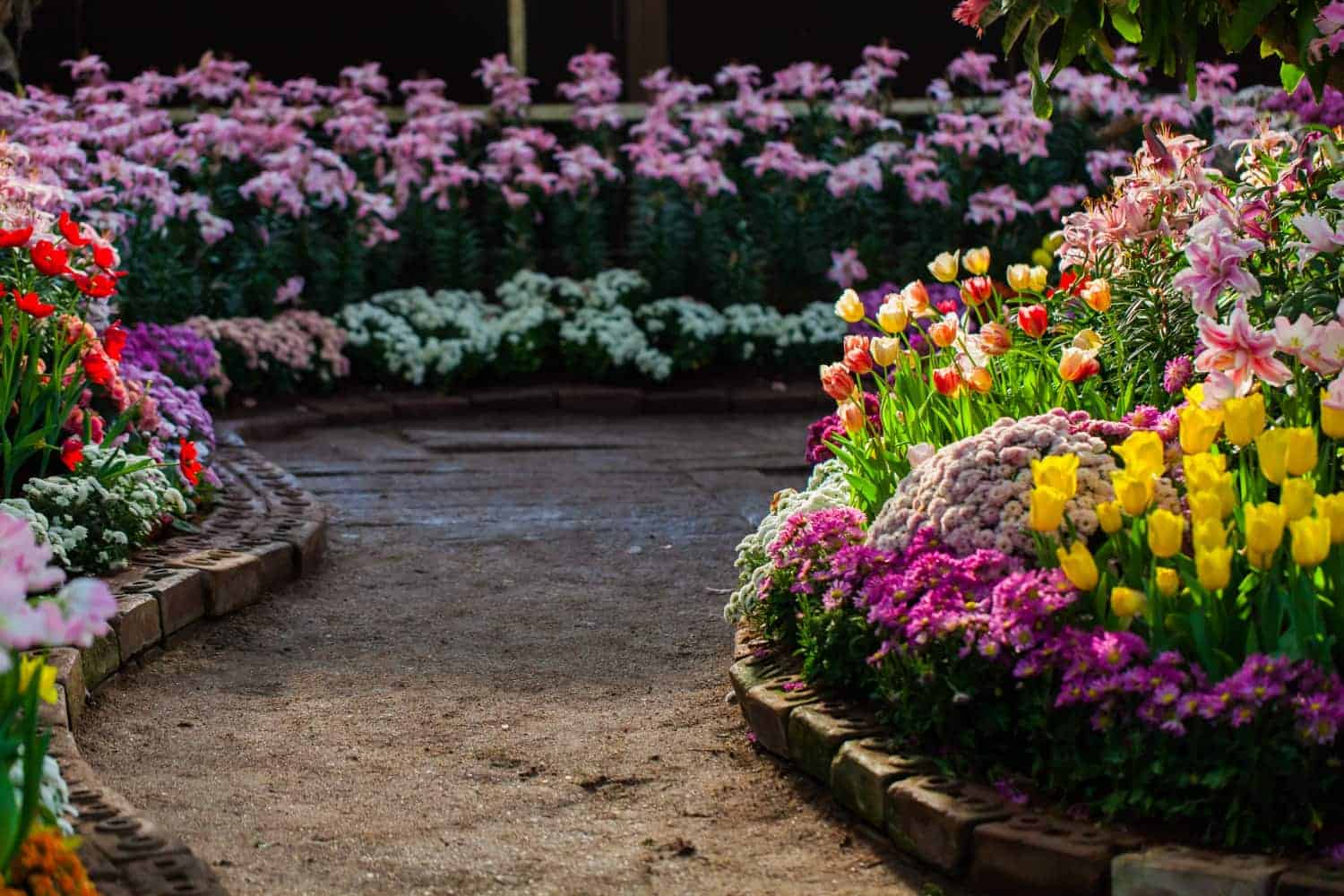
One of the most compelling reasons why gardeners are going grass-free is to conserve water. Maintaining a green lawn through the hot summer months can use a tremendous amount of water. By going grass-free, gardeners are able to significantly reduce their water usage.
Advertisement
For example, replacing grass with drought-tolerant plants, such as succulents, can save up to 80% of the water used by a traditional lawn. Additionally, these plants often require less maintenance, saving time and energy. This approach is particularly relevant in areas where water scarcity is a growing concern.
2. Increased Biodiversity

Another reason why gardeners are choosing to go grass-free is to increase biodiversity. Traditional lawns are monocultures, providing little habitat for wildlife. By replacing grass with a variety of plants, gardeners can create a more diverse ecosystem that supports a wider range of species.
For instance, a garden filled with native plants can provide habitat for local birds, insects, and other wildlife. This can have a positive impact on local ecosystems, helping to support biodiversity. And let’s not forget, a garden full of different plants can also be visually more interesting and engaging than a simple lawn.
3. Lower Maintenance
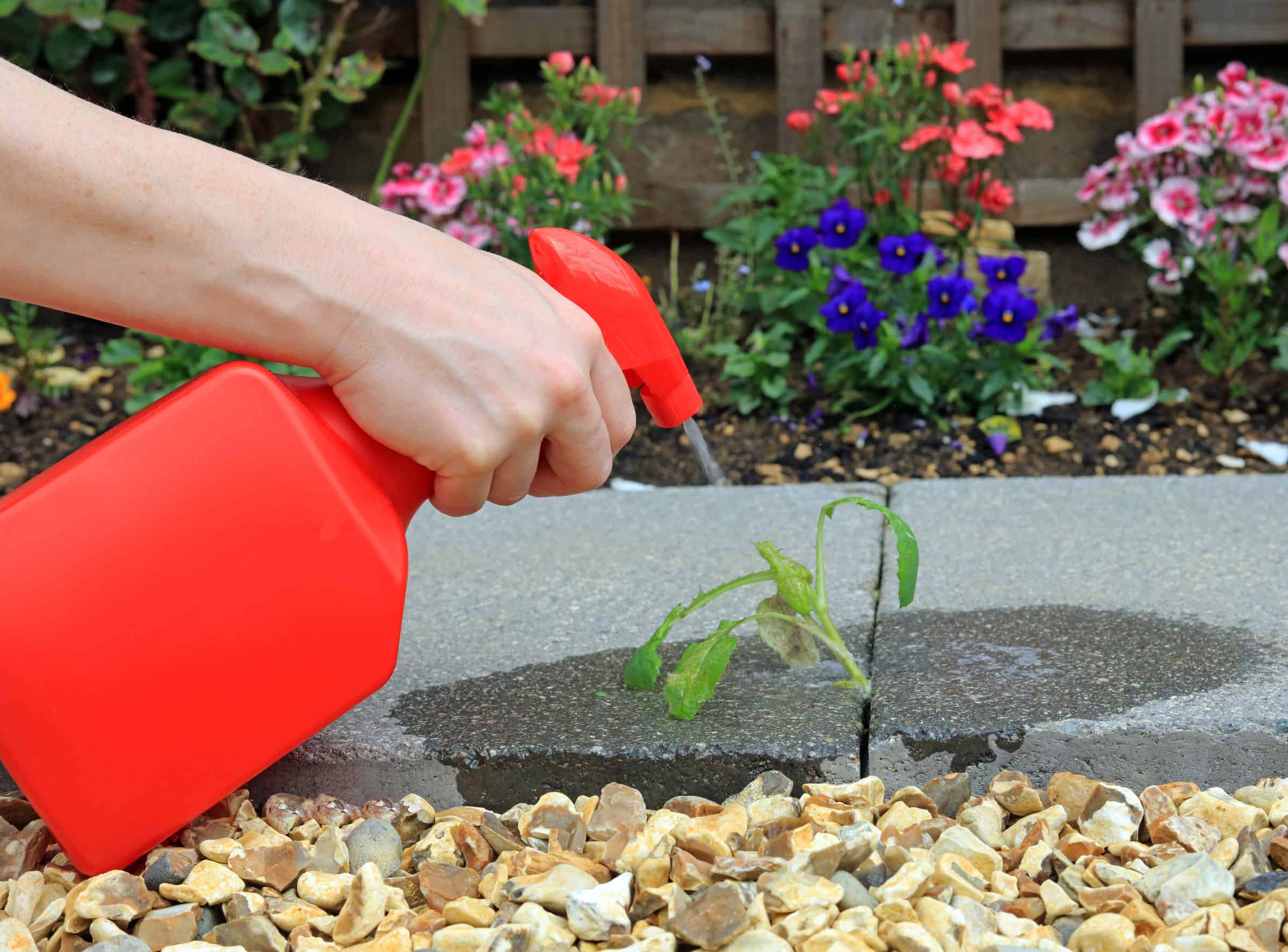 Grass lawns require regular mowing, watering, fertilizing, and weeding to stay looking their best. For busy homeowners, this can be a significant time commitment. By going grass-free, gardeners can create a garden that requires less maintenance.
With the right choice of plants, a grass-free garden can be almost maintenance-free. Ground-covering plants like clover or creeping thyme can create a beautiful, green carpet that doesn’t need mowing. Perennial plants can provide color and interest year after year, without the need for replanting.
In 2025, the grass-free gardening movement is more than just a trend. It’s a shift towards more sustainable, practical, and diverse gardening practices. By understanding the motivations behind this shift, we can all create gardens that are not only beautiful but also beneficial for our planet.