
Tomato leaves curling is one of the most common problems gardeners run into during summer. The good news is that curled leaves do not always mean your plant is dying. In many cases, the problem is caused by environmental stress and can be corrected fairly easily.
The key is figuring out what your tomato plant is trying to tell you before the issue gets worse.
1. Heat Stress

During stretches of intense summer temperatures, tomato plants often curl their leaves upward to conserve moisture and reduce water loss. This is especially common during heat waves or long periods of direct afternoon sun.
How to Fix It
– Water deeply and consistently
– Add mulch around the base of the plant
– Avoid watering during the hottest part of the day
– Use shade cloth during extreme heat if necessary
The good news is that heat stressed plants often recover quickly once temperatures moderate.
2. Overwatering
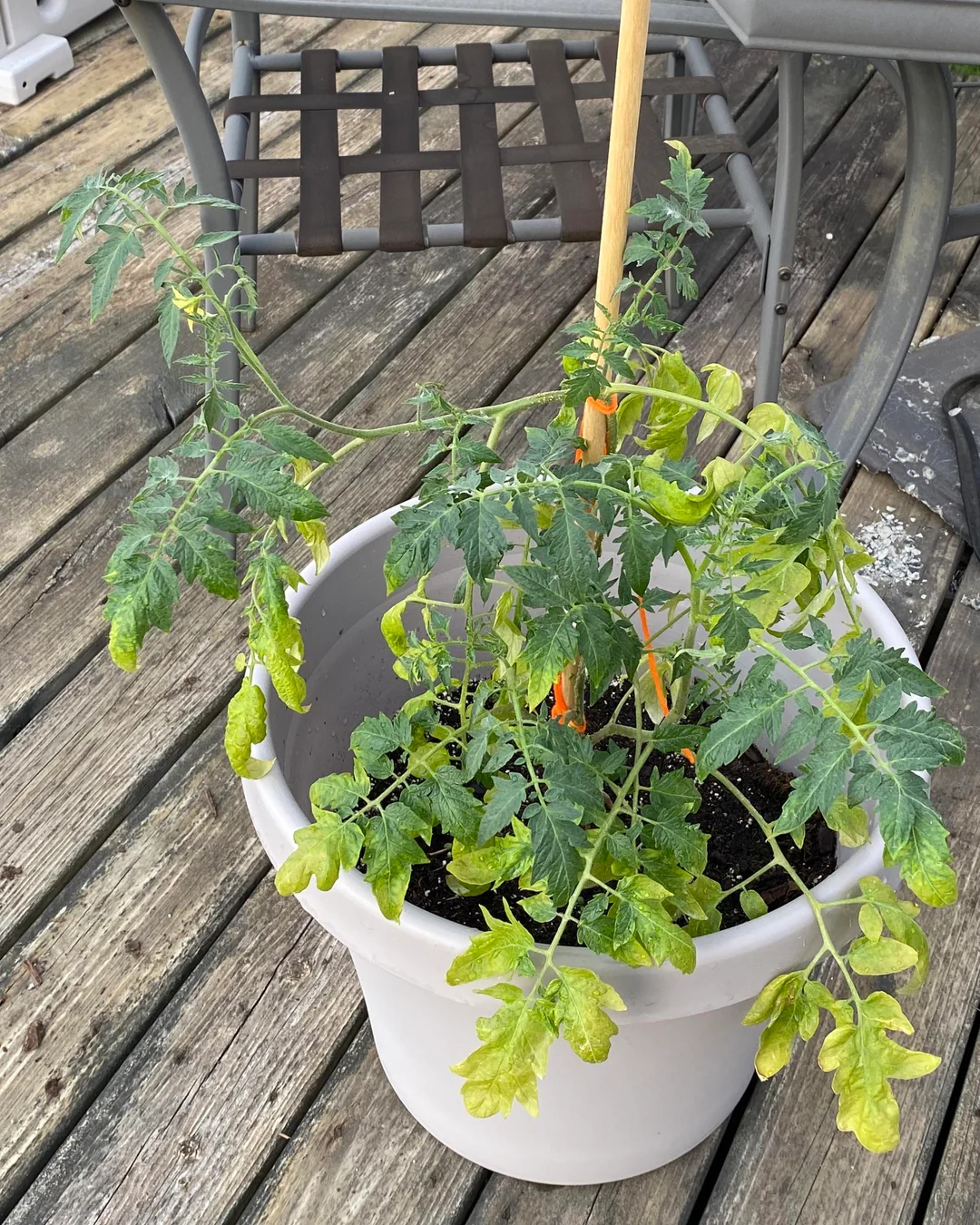
Too much water can stress tomato roots and lead to curling leaves. Constantly soggy soil limits oxygen around the roots and weakens the plant.
Signs of overwatering may include:
– yellowing leaves
– drooping
– mushy stems
– slow growth
How to Fix It
– Allow soil to dry slightly between waterings
– Improve drainage if soil stays wet
– Avoid shallow daily watering
Tomatoes usually prefer deep watering a few times per week rather than constant light watering.
3. Underwatering
Tomato plants also curl their leaves when they are too dry.
Inconsistent watering is especially common in container gardens and raised beds during summer heat.
Signs of Underwatering
– dry soil several inches down
– crispy leaf edges
– drooping during afternoon heat
– smaller fruit production
How to Fix It
– Water deeply early in the morning
– Add mulch to retain moisture
– Check containers more frequently during heat waves
4. Transplant Shock
If your tomato leaves started curling shortly after planting, transplant shock may be the cause.
Tomatoes can temporarily struggle while adjusting to new soil, sunlight, temperatures, and watering conditions.
How to Fix It
– Keep watering consistent
– Avoid over fertilizing immediately after transplanting
– Give the plant time to recover
Most healthy plants bounce back within a couple weeks.
5. Herbicide Drift
This is one of the more serious causes of curling tomato leaves.
Tomatoes are extremely sensitive to herbicides and weed killers. Even small amounts drifting from nearby lawn treatments can damage plants.
Signs of Herbicide Damage
– twisted growth
– distorted leaves
– severe curling
– abnormal new growth
Unfortunately, badly damaged plants may not fully recover.
Prevention Tips
– Avoid spraying weed killers near gardens
– Be cautious with lawn treatments
– Watch for drift from neighboring properties
6. Pests
Certain pests can stress tomato plants and cause leaves to curl.
Common offenders include:
– aphids
– broad mites
– whiteflies
These pests feed on plant sap and weaken growth over time.
How to Fix It
– Inspect the underside of leaves
– Spray plants with water to knock pests off
– Use insecticidal soap if infestations become severe
Healthy plants usually tolerate minor pest pressure surprisingly well.
7. Excess Pruning
Many beginner gardeners over prune tomato plants thinking it will improve production. Removing too many leaves at once can shock the plant and increase stress.
Signs of Over Pruning
– curled leaves
– sunscald on fruit
– slowed growth
How to Avoid It
– prune gradually
– avoid removing large amounts of foliage at once
– leave enough leaves to shade fruit
What NOT to Do
When tomato leaves curl, many gardeners panic and throw multiple treatments at the plant all at once.
Avoid:
– over fertilizing
– watering excessively
– spraying unnecessary chemicals
– pruning aggressively
Too many sudden changes can stress the plant even more.
How to Keep Tomato Plants Healthy

The best way to prevent curling leaves is reducing stress overall.
Healthy tomato plants benefit from:
– consistent watering
– mulch
– proper spacing
– good airflow
– steady feeding
– full sun
Strong plants are far more resilient during summer weather swings.
Final Thoughts
Tomato leaf curl looks alarming, but it is often manageable once you identify the cause.
In many cases, heat stress, watering problems, or temporary transplant shock are the main culprits rather than disease.
Pay attention to overall plant health, avoid overreacting, and focus on creating stable growing conditions. Healthy tomato plants are surprisingly resilient and often recover well with a little patience.

