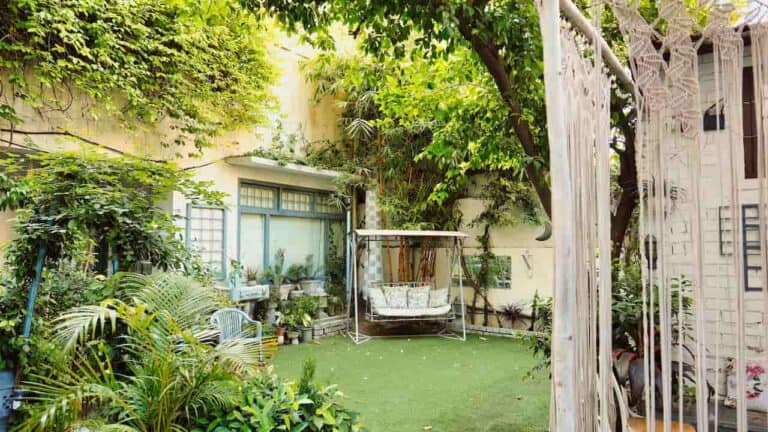
Living in the center of a big urban area comes with its benefits. But the sacrifice we make for these perks is limited space.
You likely have a shared garden, a tiny postage stamp plot, or only the balcony. While we can make our way to the many parks available, there is nothing like nurturing your own garden. Yet, nothing is impossible. One of the best ways to garden in an urban area is with containers, which can be used to enhance small areas of metal or concrete and bring a little nature and fresh food to your home.
Advertisement
There are many types of containers you can buy for urban gardening. We’ve got you covered on what you can grow and a few tips for success.
Pick Your Spot and Pot
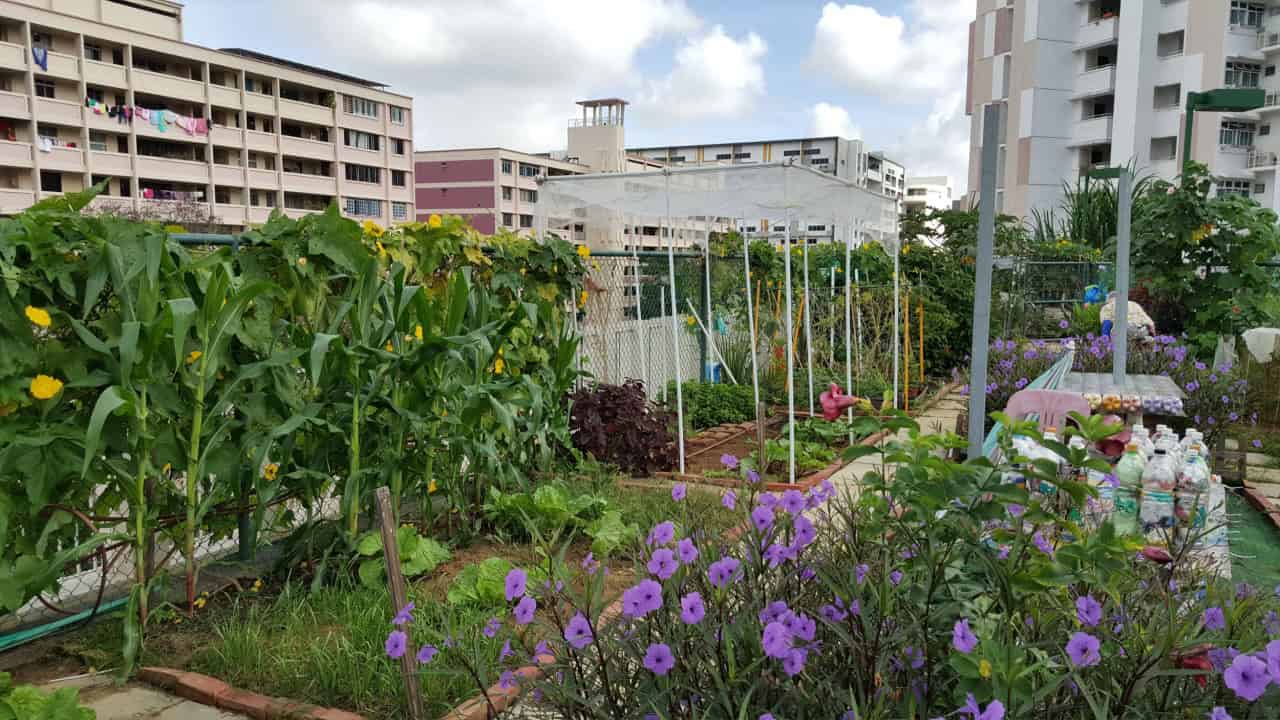
Choosing the right pot depends on the area you have available to you. So, before picking one, you need to define the space that will be your garden. It might be an alleyway, a rooftop, a balcony, or a courtyard.
There is no such thing as too small, but the size of the area dictates what you can grow and the pots you can buy. You also need to assess the amount of sun and rain the area will get, which will influence all your decisions.
Be Both Practical and Imaginative

First, you are likely to want to choose plastic pots over terracotta or other heavy, porous material. A plastic pot is easier to move and does not need watering as often. While the plastic won’t offer as much protection against frost, this is less important in an urban setting where your garden will likely get more shelter from the elements.
Think Vertically To Maximize Your Urban Garden Space
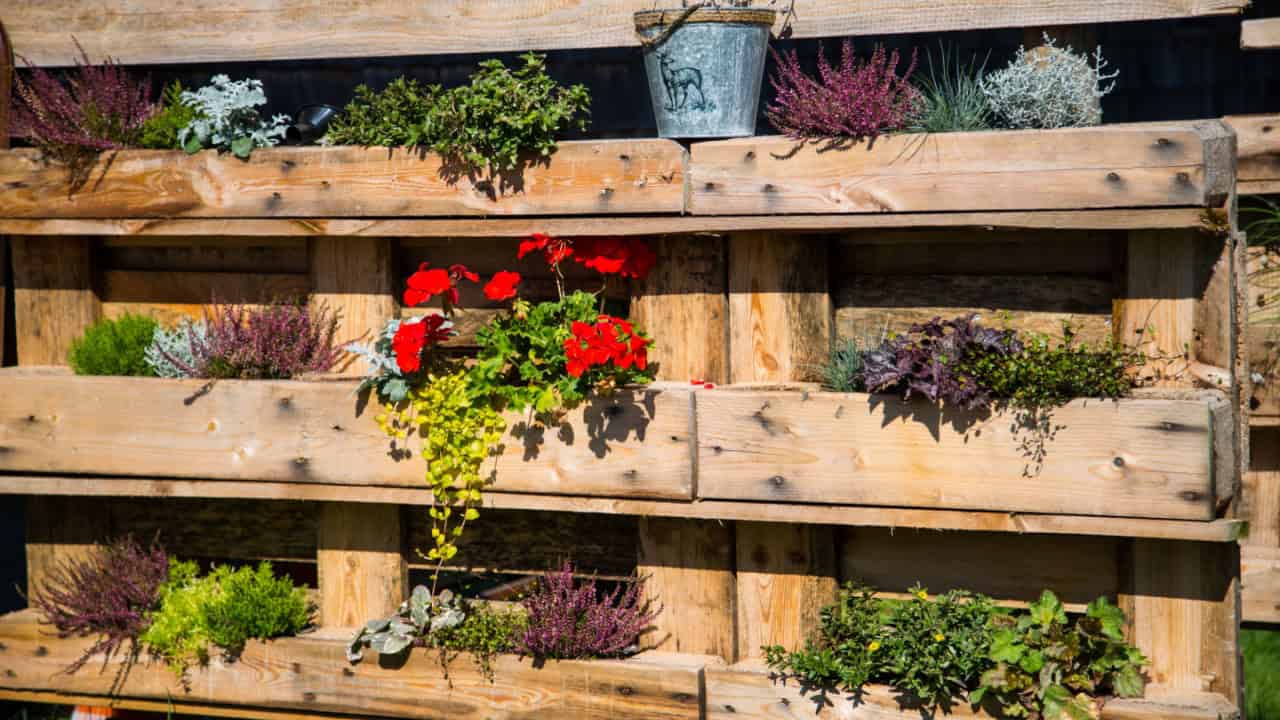
You need to grow vertically to make the best use of the space. There are pots designed in stands that can be placed against walls. You can also find hooked pots that hang from walls or the top of railings. You might also put up a trellis and hang your containers from the frame. A trellis also has the benefit of providing some privacy from a neighbor. You can also use containers on trellises to hide eyesores.
Consider Complimentary Potting
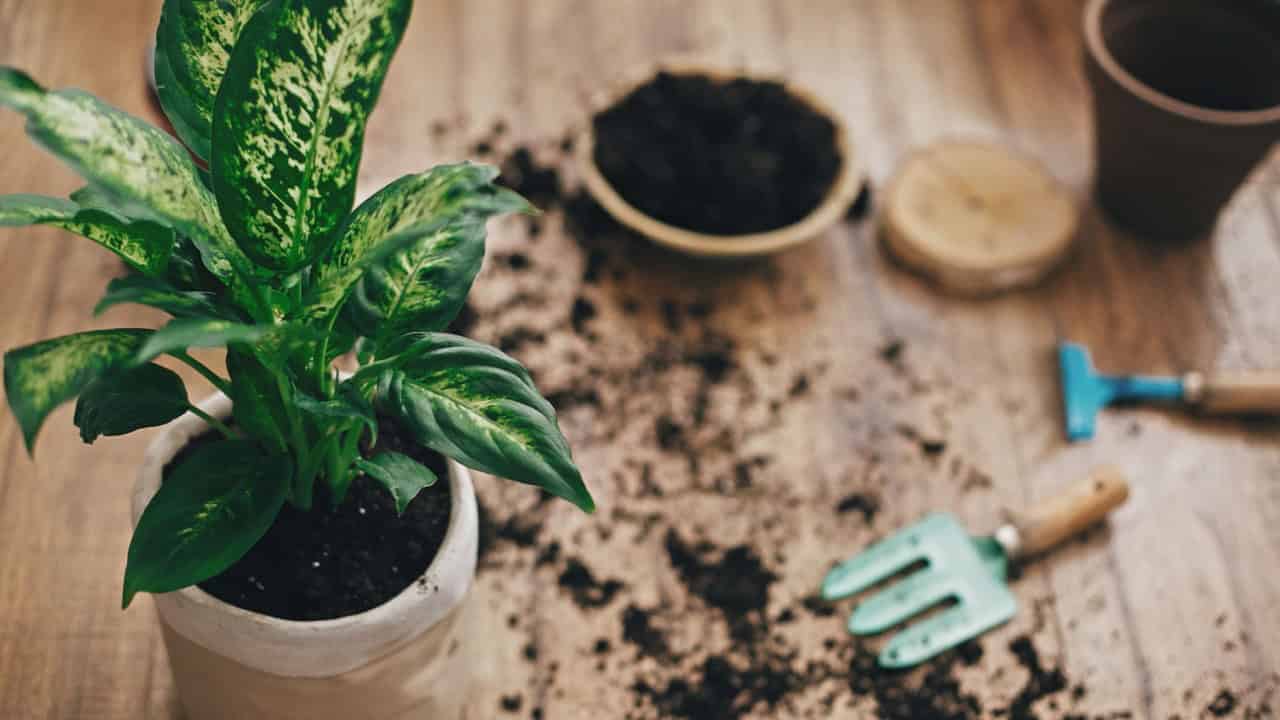
You also want to consider complimentary potting with taller plants, short shrubs, and herbs inhabiting the same pot. While it may seem counterintuitive, buying a bigger pot and planting many varieties in it can be a big space saver.
Grow on the Windowsills
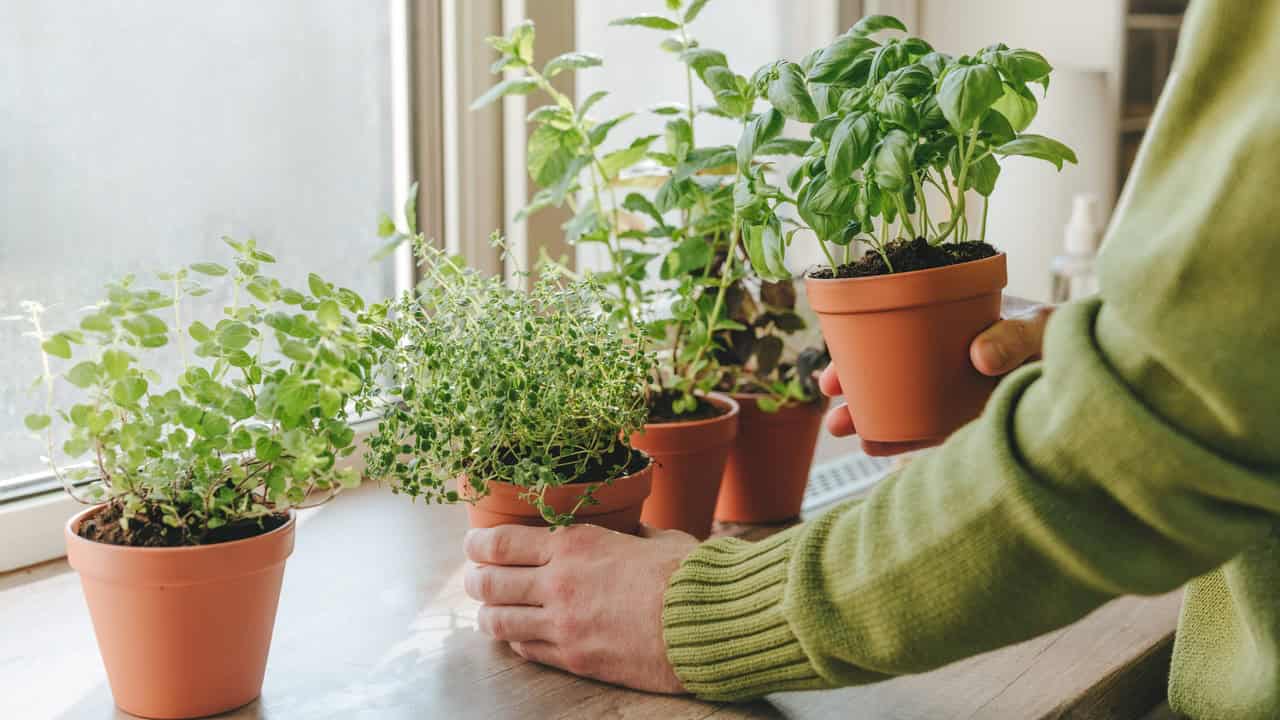
Your windowsill is another place worth using for your plants. Window boxes hung on the outside of your windows or from a balcony can be used to grow flowers, herbs, and many other small plants. The added bonus in this case is you already have it at the best light source.
What You Can Grow in Your Urban Garden Containers
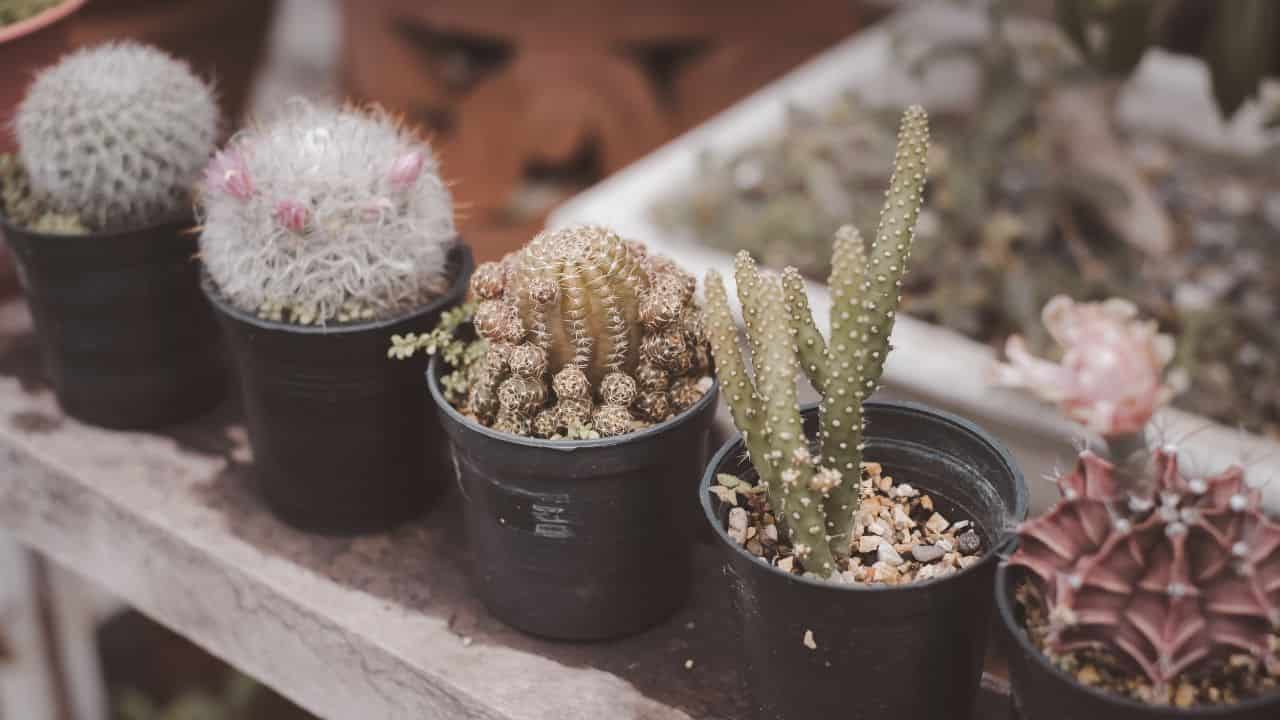
You’ll be surprised what you can grow in your urban containers. There are obvious choices, such as herbs in your window boxes. Succulents and alpines are a safe choice, as they need little care and can cope with less-than-ideal conditions. But there are many herbs, vegetables, fruit and flowers that will thrive in urban gardens too.
Grow Vegetables and Fruits in Containers For Sustainability

Most urban gardeners choose to grow vegetables, fruits, and herbs in containers to live a more sustainable life. The best plants to choose are those you want to eat. Do you love tomatoes? You can grow them. Peppers? You can grow them too. Eggplant, cucumbers, green onions, radishes, beans, and many more will thrive in your urban containers. Just be sure to choose varieties that are appropriate for container growing (usually listed on the seed packet or plant tag).
If you want to mix vegetables with your flowers, you can plant them both in a large pot; or for an aesthetic approach, use hanging pots with flowers that spill out.
Potting Your Plants

When potting your plants, there are some important steps to follow. First, make sure your pots have holes on the bottom to allow drainage. You can make a container out of almost anything, as long as there is sufficient room for roots to grow, and holes in the bottom to let excess water drain out. It’s easy to overwater plants, and you want to give a place for the excess water to escape. Without these holes, you will likely end up with dead container plants quite fast.
Potting soil should never be dug from the yard. Buy a high quality potting soil and add bagged compost and if necessary, organic fertilizer. Do not overfertilize your potted plants, as too much nitrogen (the first number on the fertilizer bag) can harm your plants or produce too much top growth relative to root mass. Only feed as needed, as any fertilizer the plant doesn’t use washes away into urban waterways, which causes many problems too numerous to list here.
Seeds or Seedlings?

If you’re a beginner, start with seedlings purchased from a local plant nursery to avoid frustration. More experienced growers or those who love to experiment will have plenty of success starting seeds indoors or sowing them directly in pots when the weather permits.
Know How Much Water Your Container Plants Need
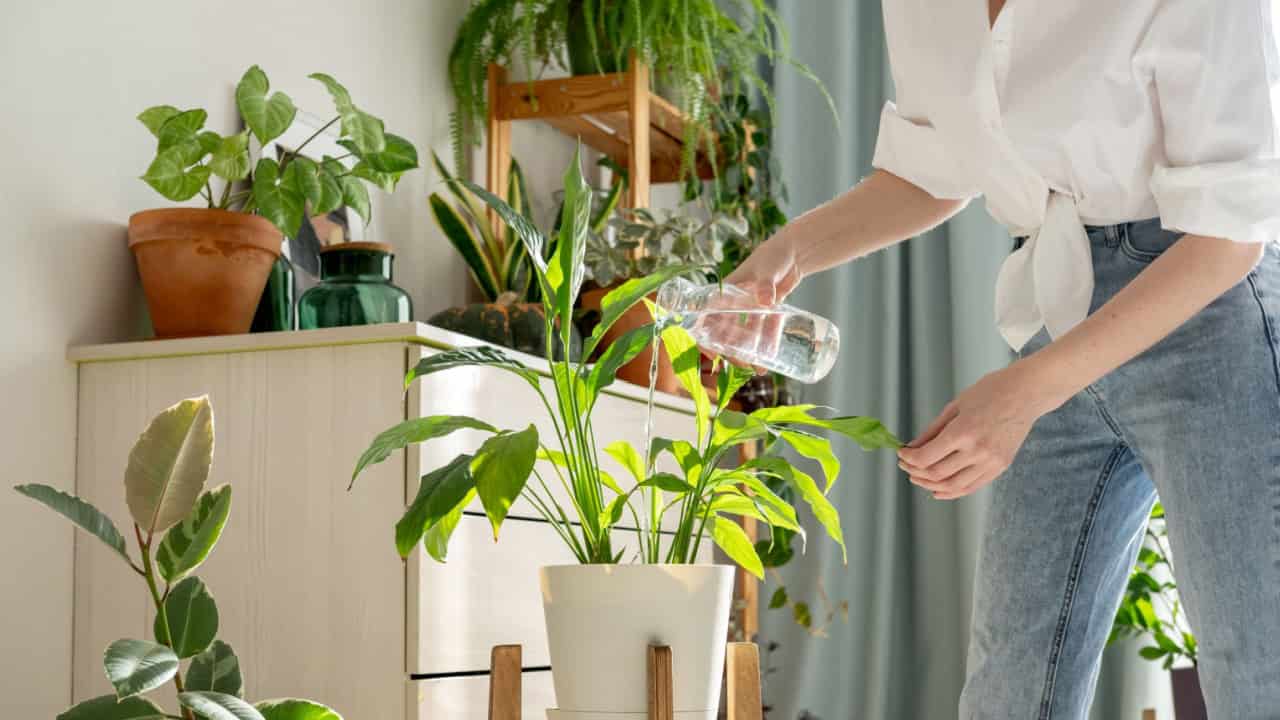
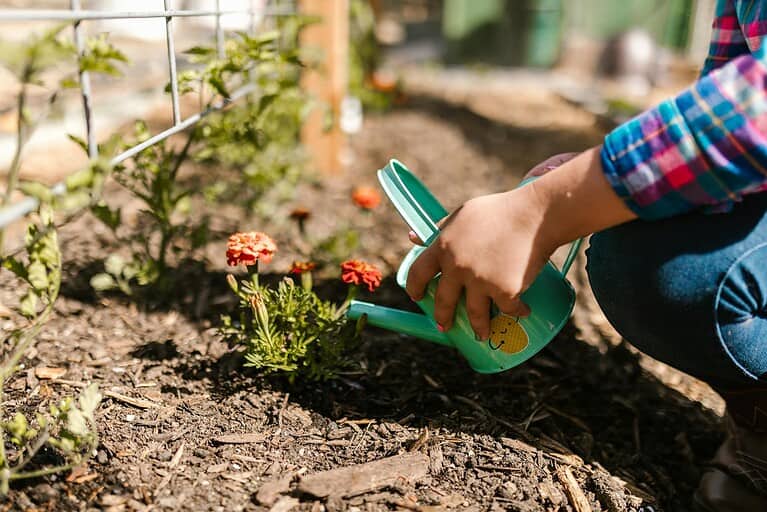
Purchasing a watering can or a garden hose is a necessity. Potted plants need more frequent watering than plants in the ground, as potting soil drains faster. This is especially true if the plants are in terra cotta pots. That means on average you’ll water your plants every 1-2 days in the absence of rainfall. If the summer is especially hot, you might have to water twice a day.
Keep a careful eye on how your plants look (don’t worry, you’ll learn). If they start to droop even slightly, they need water. You can also inspect the soil in the pots – stick your finger in up to the first knuckle. If it feels damp, it’s okay. If it feels on the dry side, water the plant. When watering, do so until water flows from the bottom of the pot – don’t just give the plants a little drink. As you’ll see when repotting, there is an enormous amount of root growth at the bottom of the container, so enough water needs to get down there to feed these roots daily. After a season or two, you’ll get to know the look of sufficiently wet potting soil vs needs-to-be-watered potting soil.