
With the growing emphasis on sustainability and environmental consciousness, many gardeners are shifting their practices to be more eco-friendly. The year 2024 is set to bring in a new wave of gardening trends, all centered around the idea of sustainability. These trends not only help the environment but also promote your garden’s health and productivity. Let’s explore seven sustainable gardening trends you should try in 2024 to contribute to a greener planet and a healthier garden.
1. Composting

Composting is a sustainable gardening practice that involves converting organic waste into nutrient-rich soil. This process not only reduces the amount of waste going to landfills but also enriches your garden soil, promoting plant health.
You can compost kitchen scraps like fruit peels, coffee grounds, and eggshells, as well as yard waste like leaves and grass clippings. Composting requires a little effort as you need to turn the compost pile regularly to aid the decomposition process. However, the benefits of creating your own nutrient-dense soil make it worth the effort.
2. Rainwater Harvesting

Rainwater harvesting is an excellent way to conserve water. This practice involves collecting and storing rainwater for later use, reducing your reliance on municipal water supplies, which are often treated with chemicals.
You can harvest rainwater by installing a simple system that includes a rain barrel and a downspout from your roof. Remember to cover your barrel to prevent mosquitoes from breeding. Also, use the collected water within a week to prevent stagnation.
3. Native Plant Gardening

Native plants are adapted to your local climate and soil conditions, making them more resilient and requiring less water and care than non-native species. Plus, they provide habitat for local wildlife, promoting biodiversity.
Start by researching plants native to your area. Your local cooperative extension or native plant society can be excellent resources. Once you’ve chosen your plants, remember that while they’re more resilient, they still require care, especially during establishment.
4. Permaculture
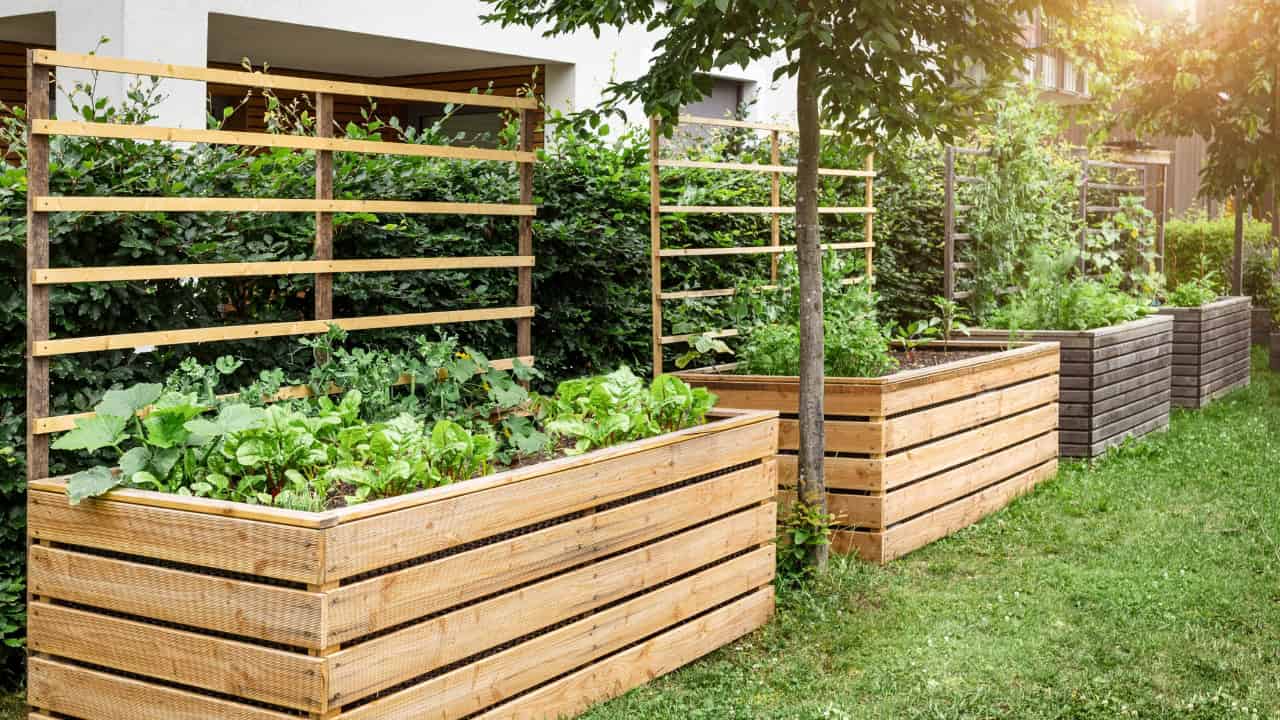
Permaculture is a sustainable design system that mimics nature to create a self-sustaining garden. This holistic approach to gardening considers how all elements of the garden interact, from plant species to water sources.
Implementing permaculture may involve creating swales to manage water flow, building raised beds for efficient planting, or designing a garden layout that maximizes sun exposure. The goal is to create a garden that requires minimal intervention and produces maximum yield.
5. Organic Pest Control

Organic pest control methods reduce the use of harsh chemicals in your garden, promoting a healthier and safer environment.
There are many organic pest control methods to try. Companion planting, for example, involves planting certain plants together to deter pests. You can also introduce beneficial insects, like ladybugs and lacewings, which naturally control pest populations.
6. Vertical Gardening
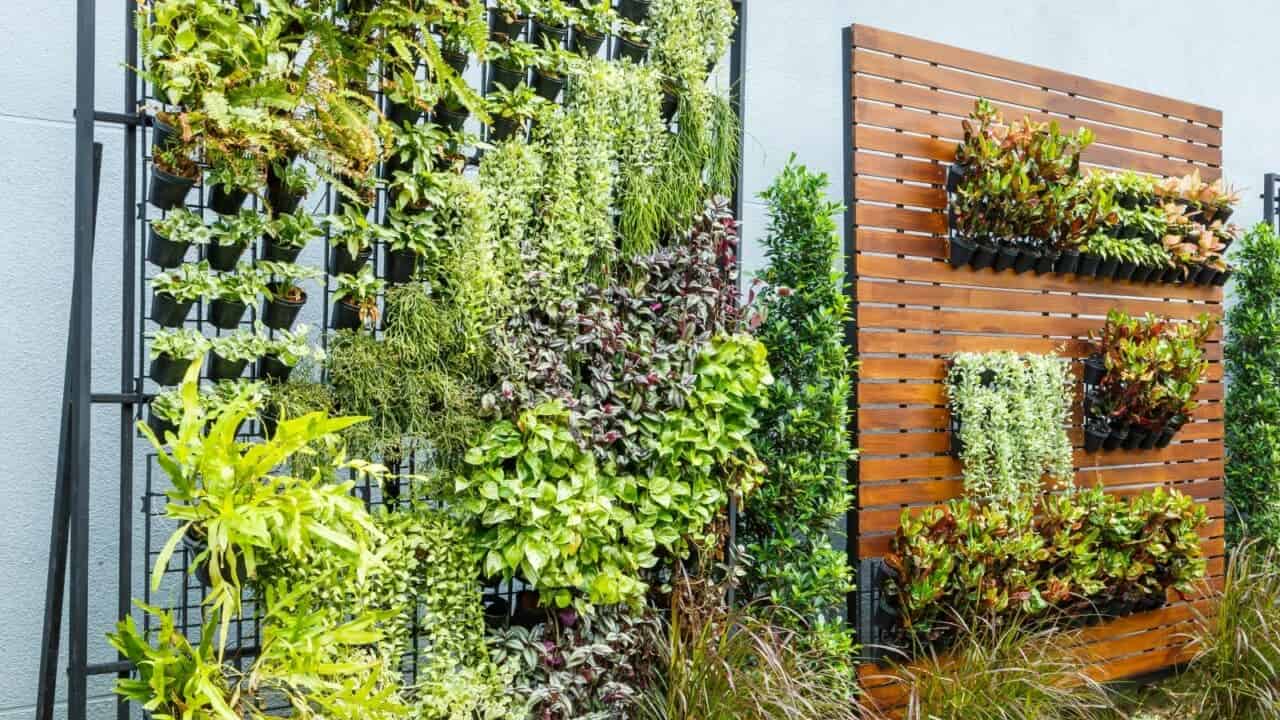
With urbanization increasing, space is becoming a luxury for many gardeners. Vertical gardening is a sustainable solution that maximizes your gardening space by growing plants upwards.
You can create a vertical garden using various structures, like trellises, hanging baskets, or pallets. This method is especially effective for growing vines, like beans and tomatoes. Plus, vertical gardening improves air circulation, reducing plant disease.
7. Growing Your Own Food

Growing your own food reduces your carbon footprint by eliminating the transportation and packaging associated with store-bought produce.
Start with easy-to-grow crops like lettuce, radishes, or tomatoes. Not only can you control what goes into your soil and onto your plants, but homegrown vegetables and fruits also often taste better than their supermarket counterparts. It’s a rewarding practice that’s good for the environment and your health.

