Mosquitoes, house flies, and other pesky pests can quickly turn a relaxing afternoon in your home into a battle against flying insects. While chemical sprays and traps can be effective, many people prefer a more natural approach to pest control.
Some plants, particularly herbs, release scents that can help repel flies. Whether scientifically proven or based on gardener wisdom, these plants can help create a fly-free zone in your outdoor spaces.
Advertisement
Here are some indoor plants that help you keep houseflies at bay in your home.
Basil

Basil is well known for keeping flies and gnats away, especially in kitchen areas. The strong scent of its essential oils deters flies from food spaces. Growing basil indoors offers a practical benefit: a culinary herb that naturally repels pests. It thrives in containers near sunny windows, making it an ideal indoor plant. It’s perfect for an indoor herb garden that doubles as a fly repellent. It’s an annual in USDA zones 10-11.
Lavender

Lavender’s fragrant aroma, rich in compounds like linalool, is a natural fly repellent. Its calming scent and beautiful blooms make it ideal for adding a touch of tranquility to any indoor space while keeping flies away. Lavender thrives indoors because it requires full sunlight and well-drained soil, which makes it perfect for sunny windowsills. It’s hardy in USDA zones 5-9 and adapts well to container gardening.
Mint

Mint is known for its potent menthol aroma, which makes it highly effective at deterring flies. It’s a hardy herb that grows easily in small pots, perfect for kitchen counters or near windows where flies tend to congregate. Mint grows well indoors because it requires moderate sunlight and well-drained soil. In USDA zones 3-11, mint is perfect for those looking for a functional and fragrant indoor plant.
Citronella

Citronella grass, famous for its fly-repelling properties, thrives indoors in large pots. Its citrusy aroma helps keep flies away from windowsills, entry points, and other areas. Citronella is a great indoor plant because it needs bright, indirect light, which is typical for indoor spaces. It’s hardy in zones 10-11 and adapts well to containers, making it a perfect indoor plant for sunny rooms.
Venus Flytrap

The Venus flytrap is unique because it actively captures and digests flies. This carnivorous plant is ideal for the indoor environment, as it thrives in bright, indirect light and high humidity, which are easier to maintain indoors. It’s also fascinating to watch, making it a conversation starter. Hardy in USDA zones 5-8, the Venus flytrap does best indoors, where you can provide the necessary conditions for it to thrive.
Rosemary
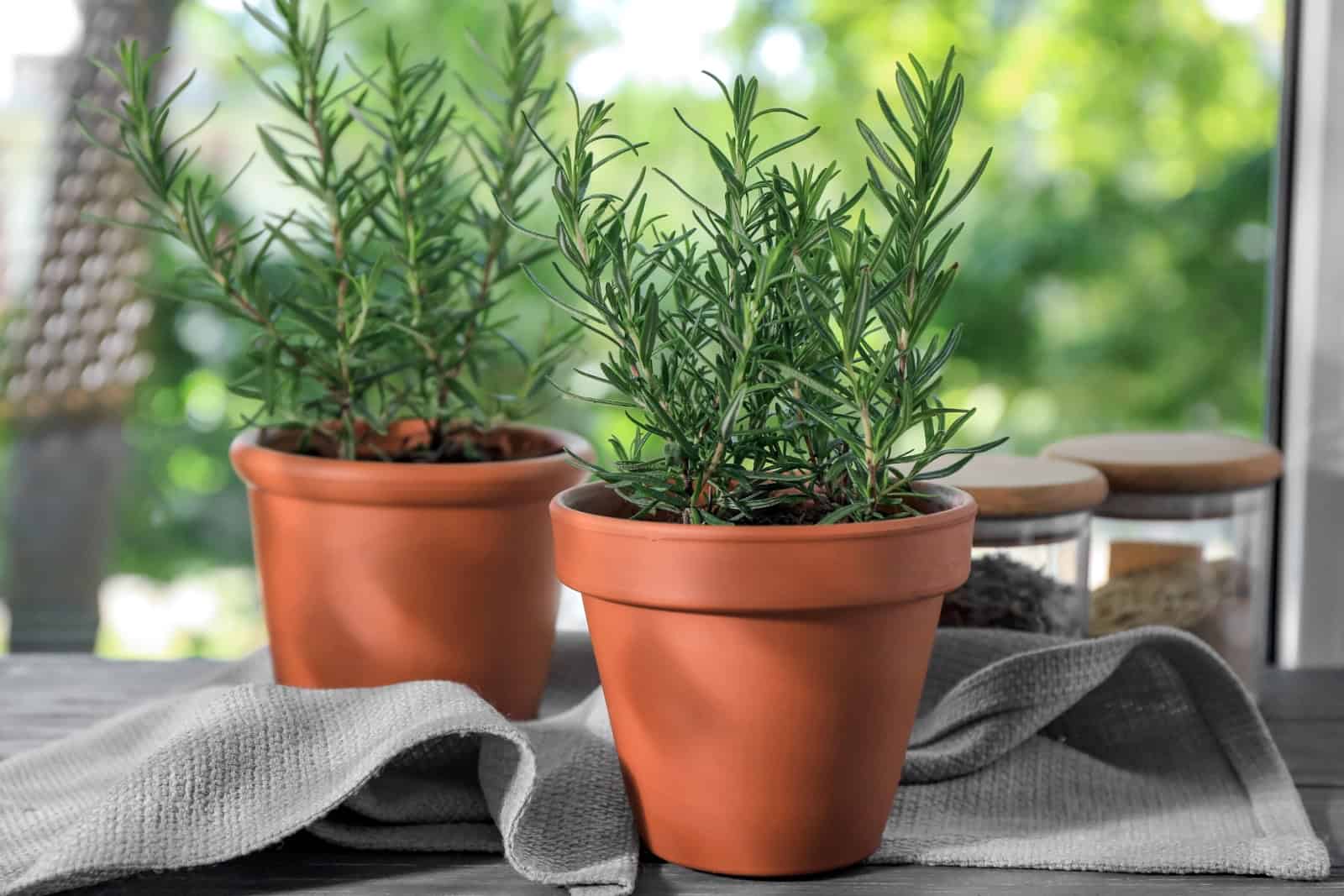
Rosemary’s woody scent, enriched with cineole and camphor, makes it an effective fly deterrent. It grows well in full sunlight and is best suited for indoor spaces that receive plenty of sun. Rosemary serves as a functional cooking herb and a natural fly repellent. Hardy in USDA zones 8-10, rosemary grows easily in pots, making it a perfect indoor plant for sunny spaces like kitchen windowsills.
Here’s a list of outdoor plants that you can plant in your backyard to keep houseflies away.
Marigolds

Marigolds produce pyrethrum, a natural insecticide that repels flies and other pests. They thrive outdoors because they require full sunlight and can grow easily in garden beds or containers. Marigolds are perfect for patios, porches, or any outdoor dining area, where their vibrant blooms also add beauty to the space. Hardy in USDA zones 2-11, marigolds are annual in all zones, making them a great addition to your outdoor garden.
Lemongrass
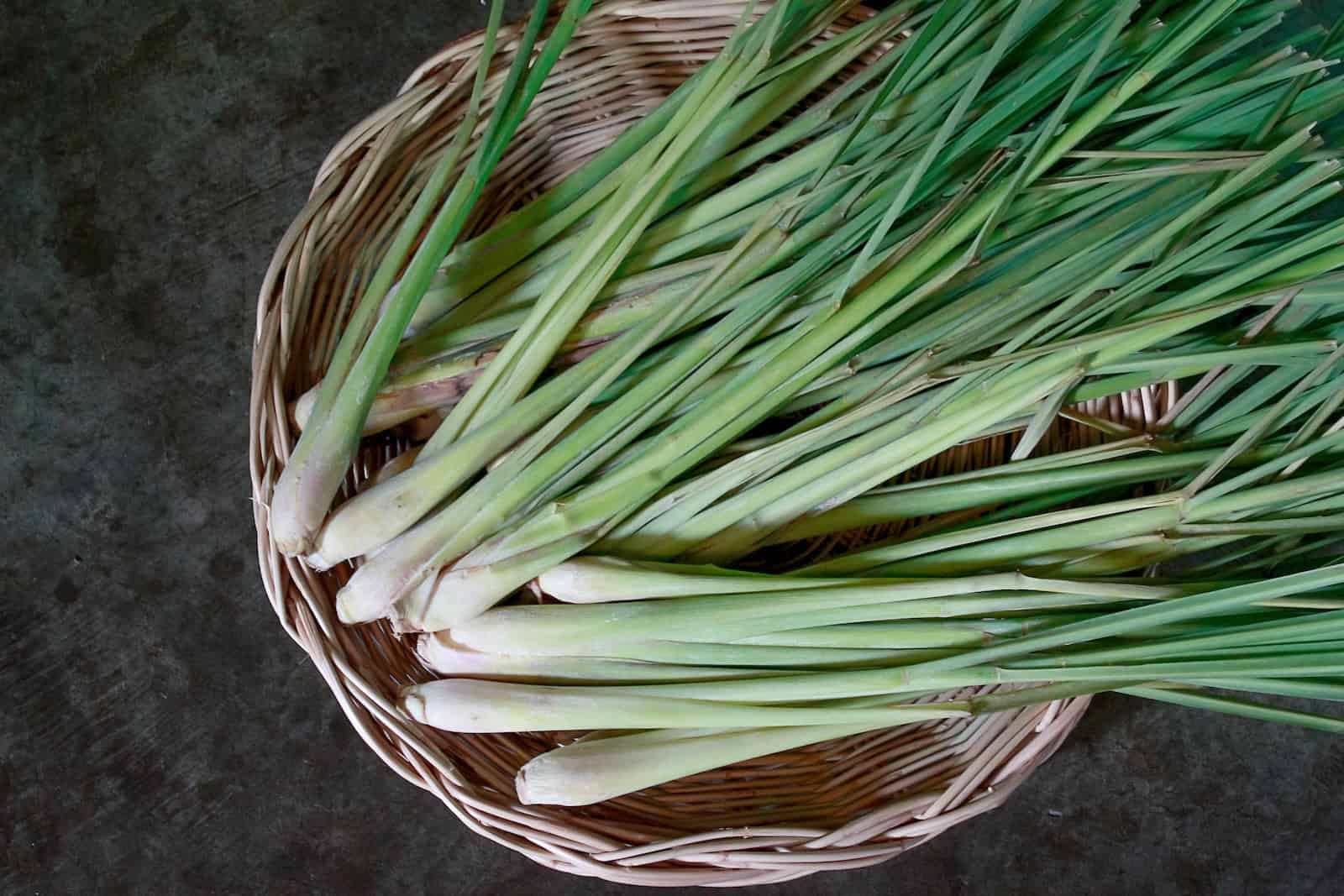
Lemongrass is a powerful natural fly repellent due to its high citronellal content. It thrives in outdoor garden beds or containers where it can soak up full sun. Its tall, grassy appearance adds visual interest to any garden or patio, while its citrus scent keeps flies away. Hardy in zones 10-11, lemongrass is perfect for warm climates, but it can also be brought indoors during colder months.
Pennyroyal
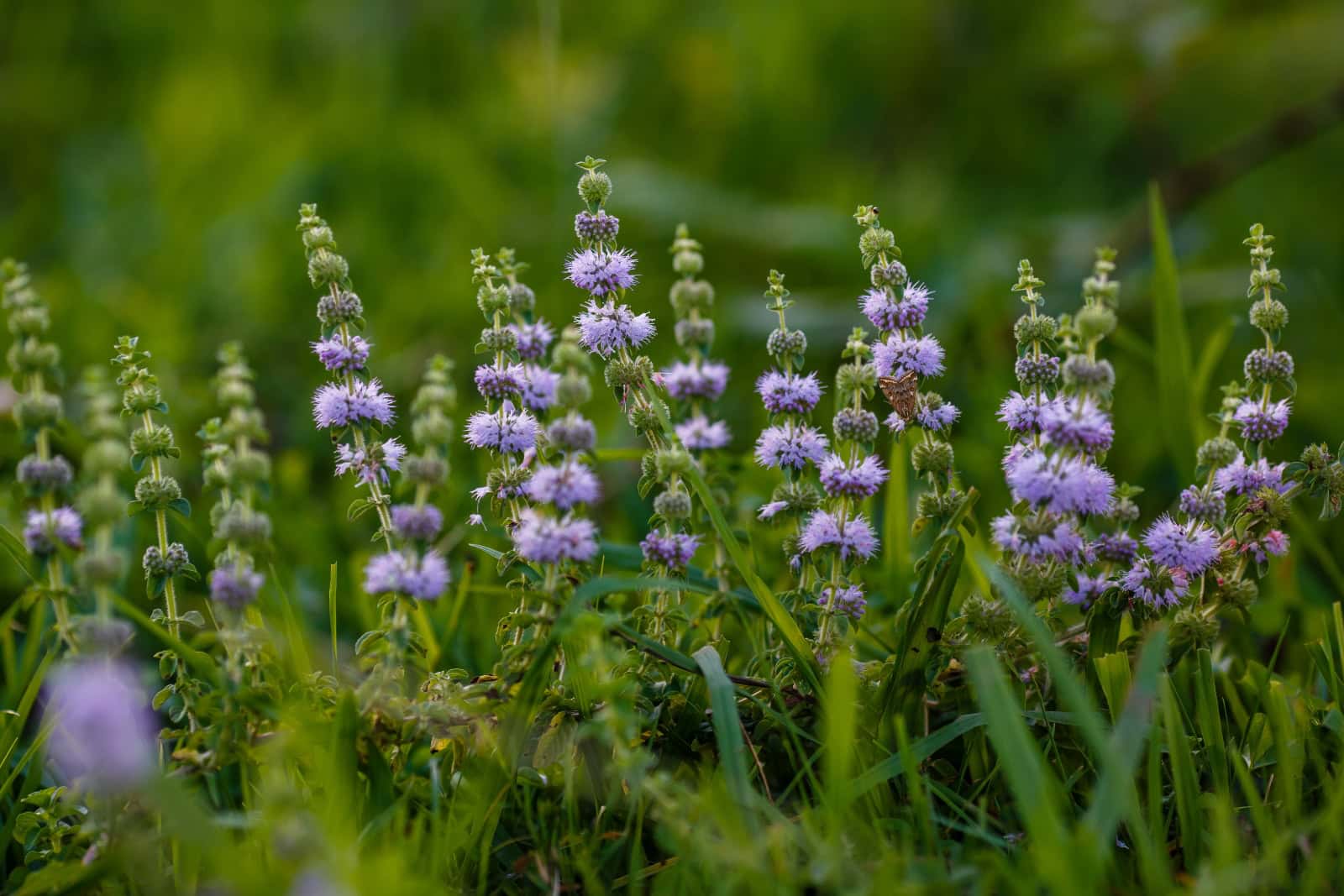
Pennyroyal’s minty aroma, thanks to its pulegone content, effectively repels flies. It’s ideal for outdoor spaces because it spreads easily and forms a natural ground cover. It thrives in garden beds, particularly near high-traffic areas like patios or picnic spots, where flies are most likely to gather. Hardy in USDA zones 6-9, pennyroyal is perfect for those looking for a natural way to create a fly-free zone in their outdoor spaces.
Chrysanthemums
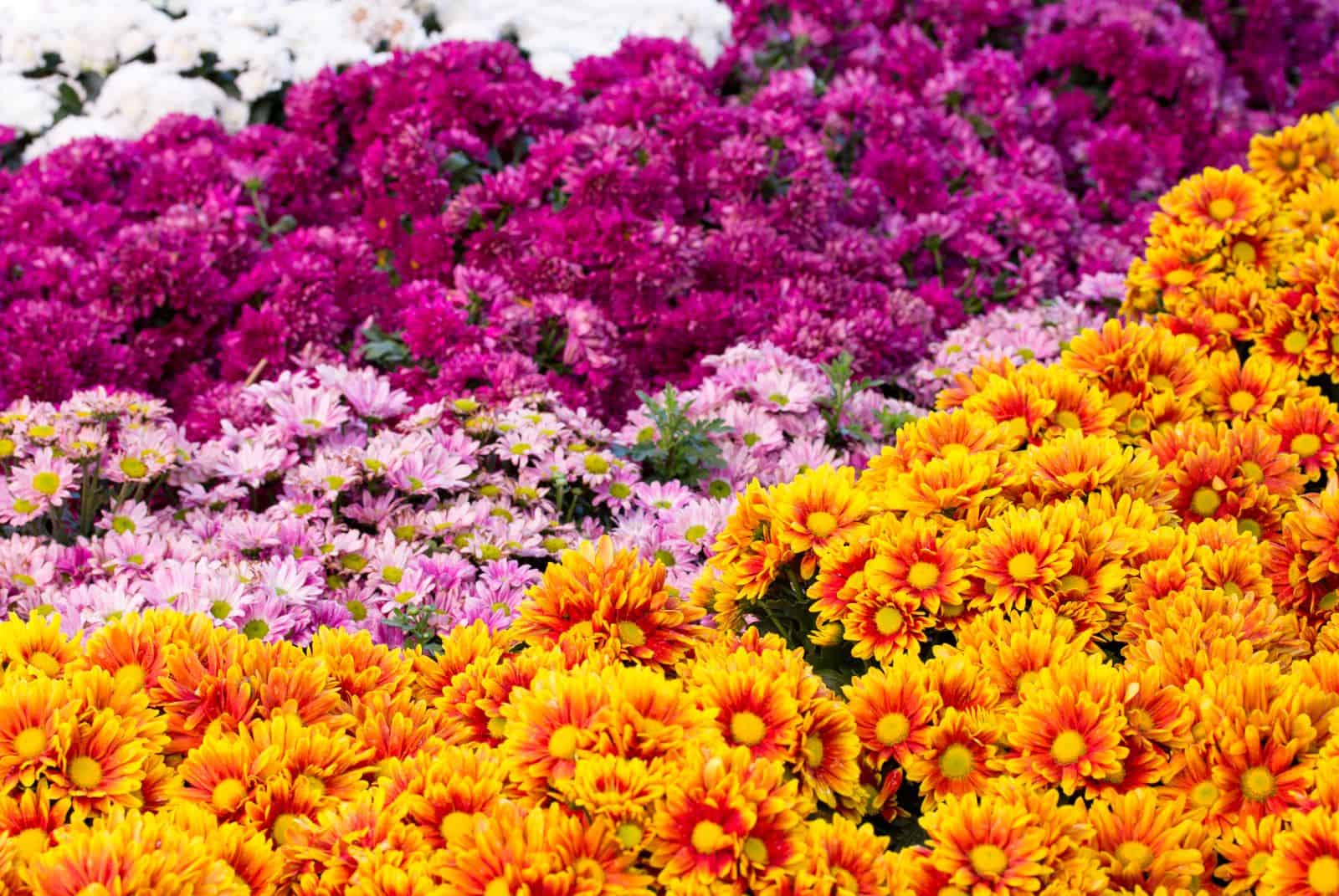
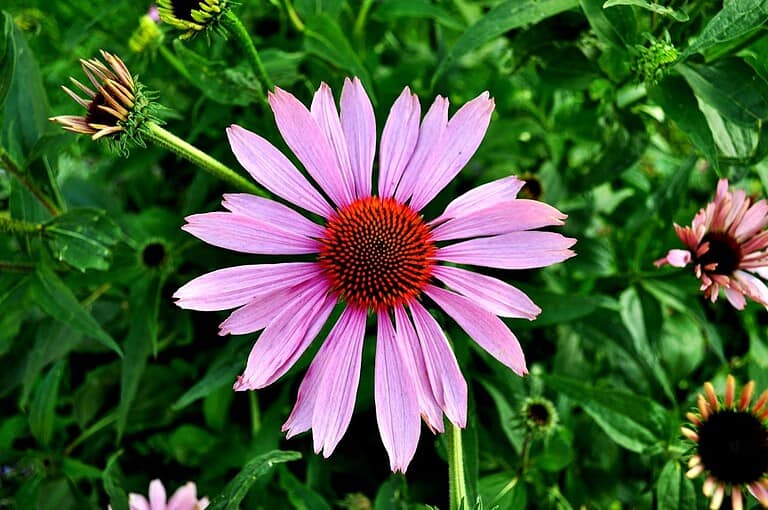
Chrysanthemums contain pyrethrins, natural compounds known to repel flies and other pests. They are perfect for outdoor gardens because they require full sunlight and well-drained soil. Their vibrant blooms not only brighten up your garden but also serve as an effective fly deterrent. In zones 3-9, chrysanthemums are a great addition to any outdoor seating area, keeping flies away naturally.
Bay Laurel

Bay laurel leaves are rich in cineole, a compound that flies find unpleasant. It’s an excellent plant for outdoor spaces, as it grows well in full sunlight and can be kept in pots or planted directly in garden beds. Bay laurels provide both aesthetic and functional benefits, serving as natural fly repellents and providing aromatic leaves for cooking. In USDA zones 8-10, bay laurel thrives in warmer climates.
Catnip

Catnip’s nepetalactone is a powerful fly repellent. It thrives outdoors because it grows well in garden beds or borders, where its soft, gray-green leaves create a charming, low-maintenance addition to the garden. It’s perfect for creating a fly-free zone around patios and outdoor seating areas. In USDA zones 3-7, catnip is an excellent outdoor plant that serves decorative and functional purposes.
Garlic

Garlic’s sulfuric compounds, particularly allicin, naturally repel flies. It’s best suited for outdoor spaces where it can grow in sunny garden beds with well-drained soil. Garlic keeps flies at bay and provides a flavorful addition to your culinary repertoire. Hardy in USDA zones 4-9, garlic thrives outdoors, and its dual-purpose nature makes it a great addition to vegetable gardens or patios.