Grocery shopping can feel like a game of budgeting roulette these days. With prices constantly creeping higher, it’s more important than ever to know which items are worth your money—and which are quietly draining your wallet.
Some products are marked up way beyond their actual value, especially those marketed for convenience or trend appeal. By steering clear of these overpriced grocery items, you can keep your food budget in check and stretch your dollars further with smarter substitutions.
1. Pre-Cut Fruits
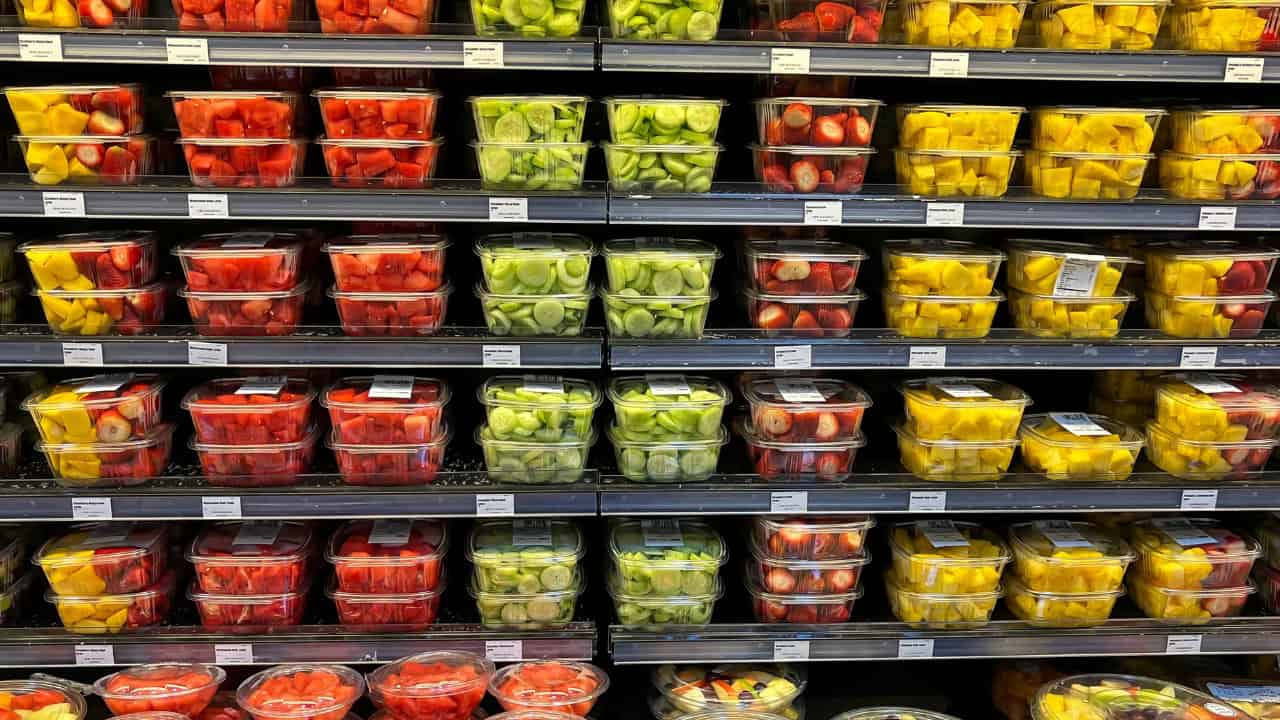
Buying pre-cut fruit might save you a few minutes in the kitchen, but it’ll cost you big at checkout. Retailers charge extra for the labor and packaging—sometimes doubling the price compared to whole produce.
Advertisement
Instead, pick up whole fruit and slice it yourself at home. It stays fresher longer, tastes better, and leaves more money in your pocket.
2. Brand-Name Spices
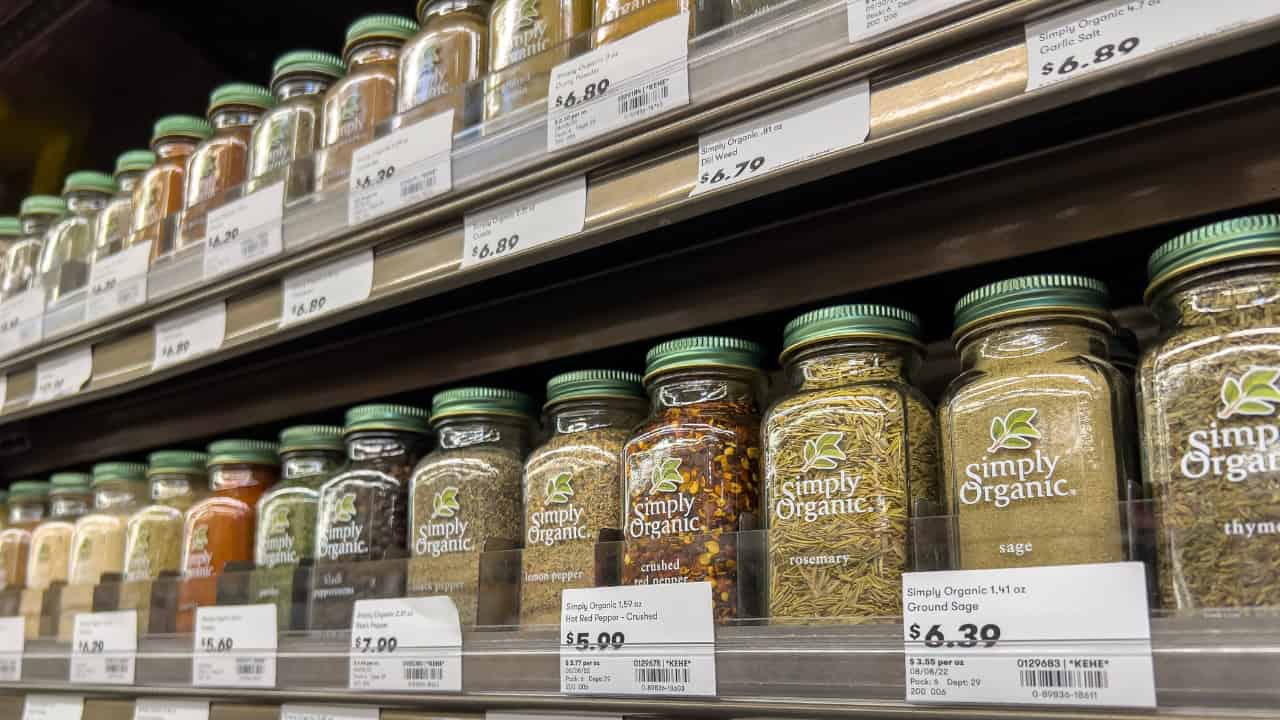
Name-brand spice bottles often come with a premium price that doesn’t reflect the actual contents. In many cases, you’re just paying for the label.
Try store-brand or bulk-bin options instead. Many are just as flavorful—sometimes fresher—and cost far less per ounce. For everyday herbs and spices, there’s rarely a reason to splurge.
3. Bagged Salad Mixes

While pre-packaged salads save time, they’re also among the most overpriced items in the produce aisle.
Bagged mixes often contain wilted leaves, air-filled packaging, and short shelf lives. Opt for whole heads of lettuce or bunches of greens instead—you’ll get fresher ingredients and more for your money.
4. Ready-to-Eat Meals

Microwavable dinners and pre-cooked entrees are quick, but the price tag often doesn’t match the quality—or portion size.
Many are loaded with sodium and preservatives, and you can recreate them at home for less. Batch cooking on weekends can help you stay fed all week without paying for pre-made shortcuts.
5. Imported Nuts
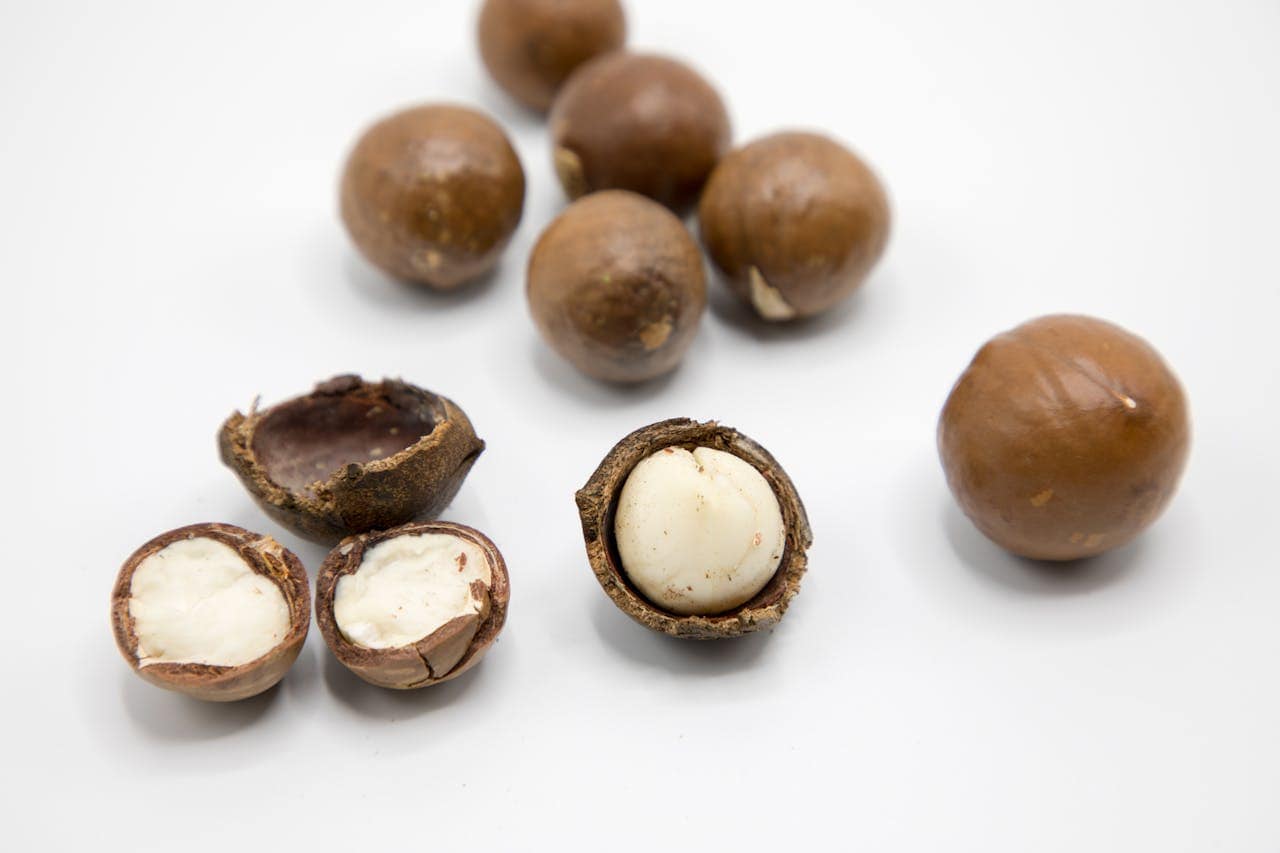
Nuts are a healthy snack, but imported varieties like Brazil nuts or Marcona almonds often come with sky-high prices.
For better value, stick with domestic options like California almonds or peanuts. Buy in bulk for even deeper savings—and skip the fancy packaging.
6. Name-Brand Cereals

You’re often paying for the box design, not the breakfast. Brand-name cereals are notoriously overpriced and frequently filled with sugar and additives.
Generic versions offer nearly identical taste and texture for much less. Try store brands from Aldi, Target, or Costco and compare—you might not even notice the difference.
7. Pre-Packaged Deli Meats
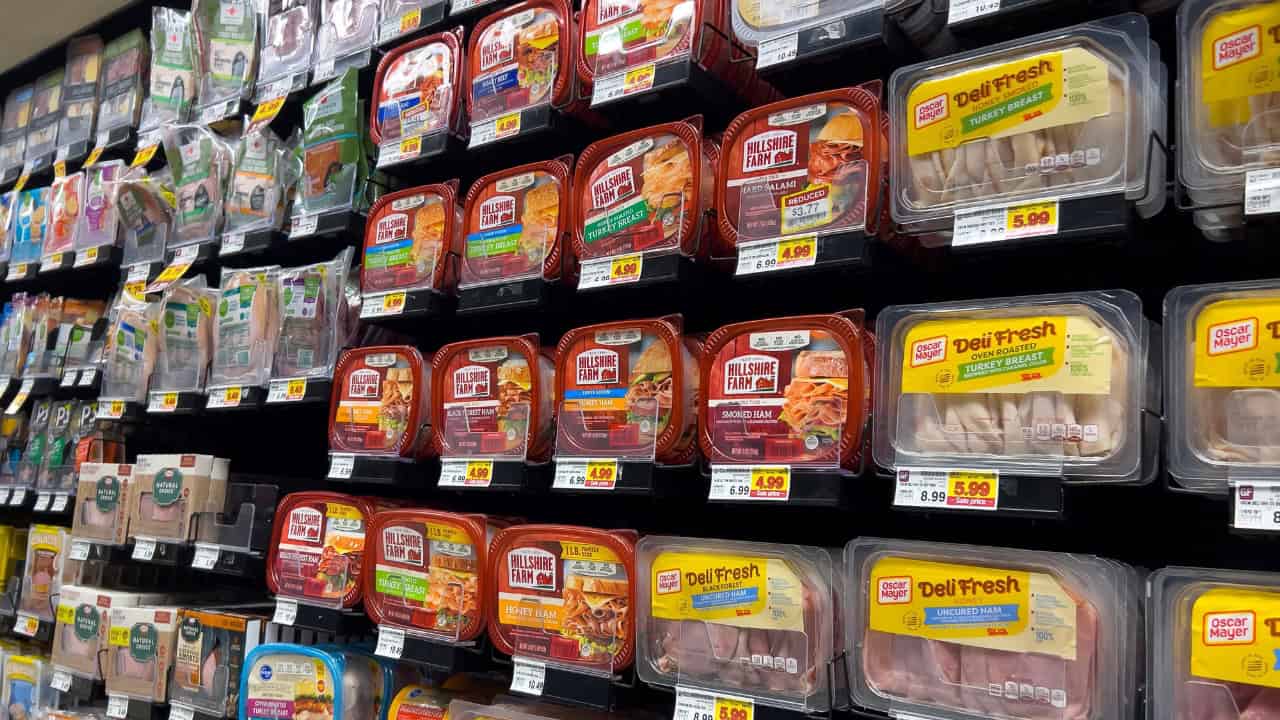
Pre-sliced deli meats in plastic containers often cost more per pound than freshly sliced options from the deli counter.
In-store deli cuts can be cheaper, fresher, and contain fewer preservatives. Buying in bulk and slicing at home can save money—and give you control over thickness and freshness.
8. Organic Produce
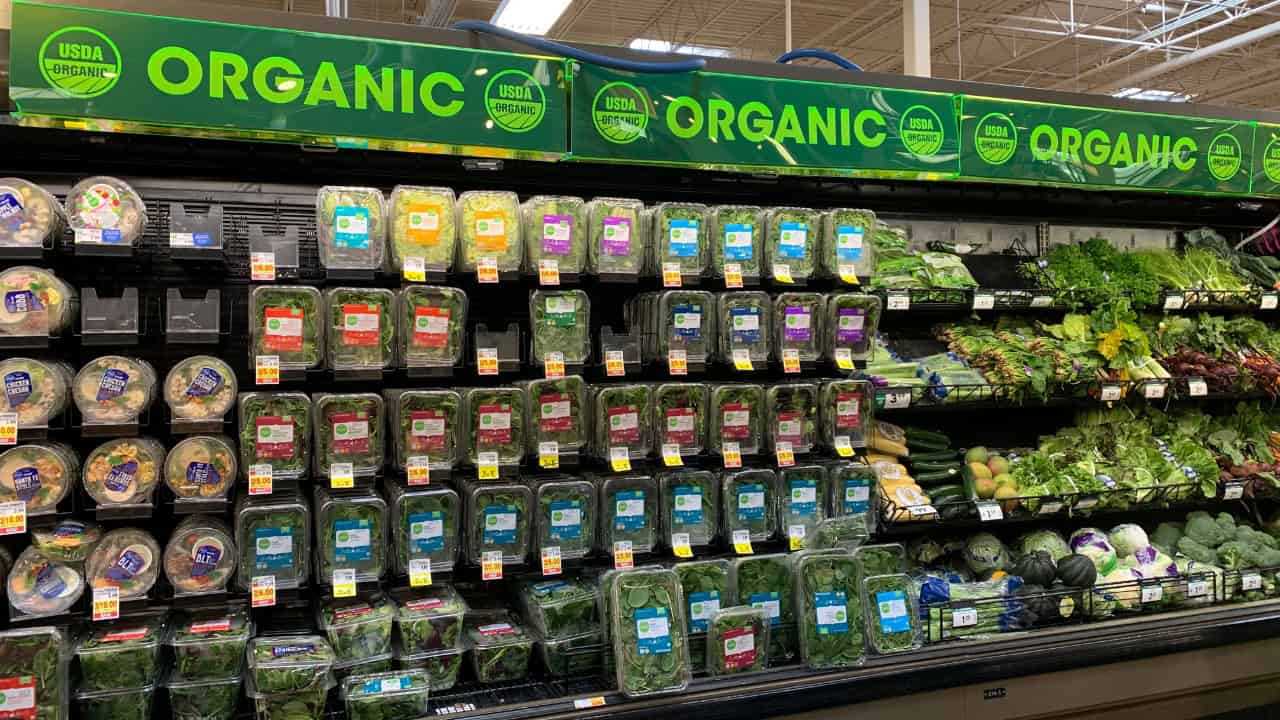
Going organic can quickly increase your grocery bill—especially when it comes to items where the difference is negligible.
Unless the produce is on the Environmental Working Group’s “Dirty Dozen” list, you may be overpaying for organic. Stick to conventional for thicker-skinned fruits like bananas and avocados, and save your budget for where it really counts.
9. Gourmet Cheeses
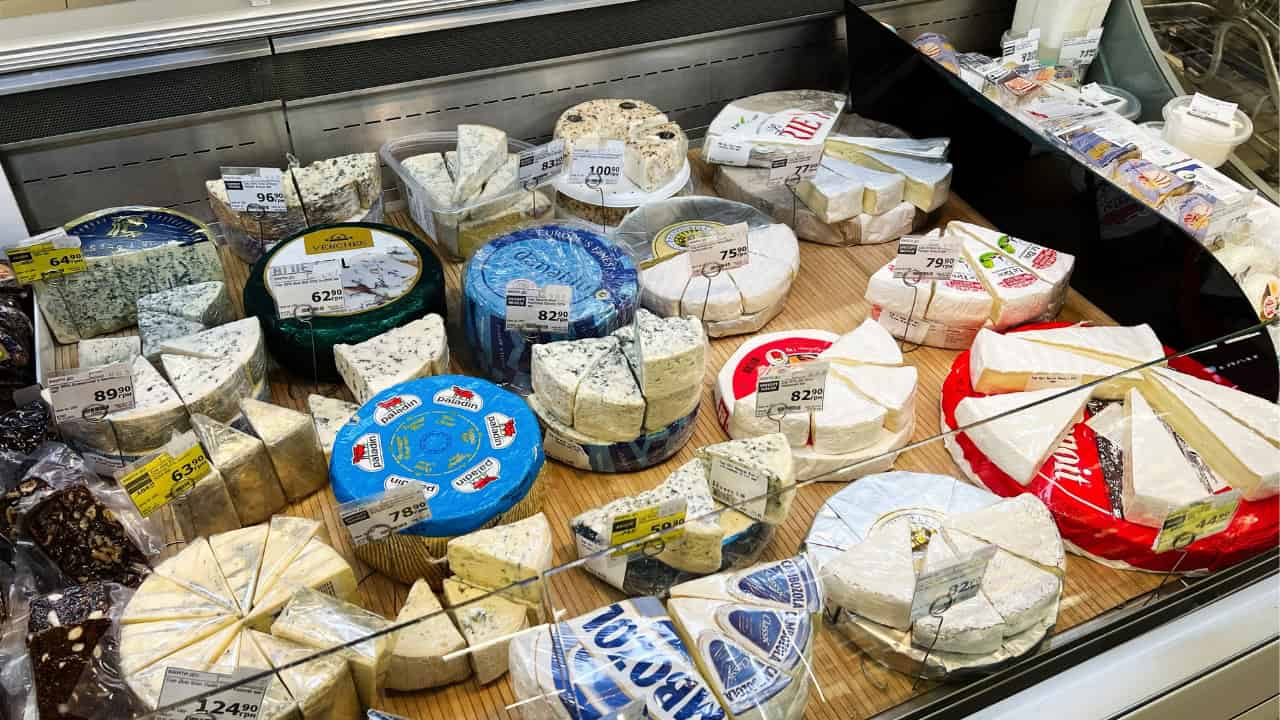
A wedge of imported brie might look tempting—but gourmet cheeses often come with eye-popping price tags.
You can find quality domestic options that taste just as good for a fraction of the cost. Try regional or store-brand cheeses and keep an eye out for sales to get the best bang for your buck.
10. Artisan Breads

That rustic loaf in the bakery aisle might be calling your name—but artisan breads often cost 3–4 times more than standard loaves.
Consider making bread at home or buying from local bakeries for better value. A basic loaf can cost pennies to make and tastes even better fresh from your oven.
11. Single-Serve Snacks

Tiny snack bags come with a big markup. You’re mostly paying for packaging and portion control.
Buy full-size versions and portion them out into reusable containers or snack bags at home. It’s cheaper and more environmentally friendly—and your wallet will thank you.
12. Bottled Water

Bottled water is one of the biggest grocery rip-offs. In many areas, tap water is perfectly safe and costs a fraction of a cent per gallon.
Invest in a reusable water bottle and a filter pitcher if needed. It’s a small change that leads to huge savings over time—not to mention less plastic waste.
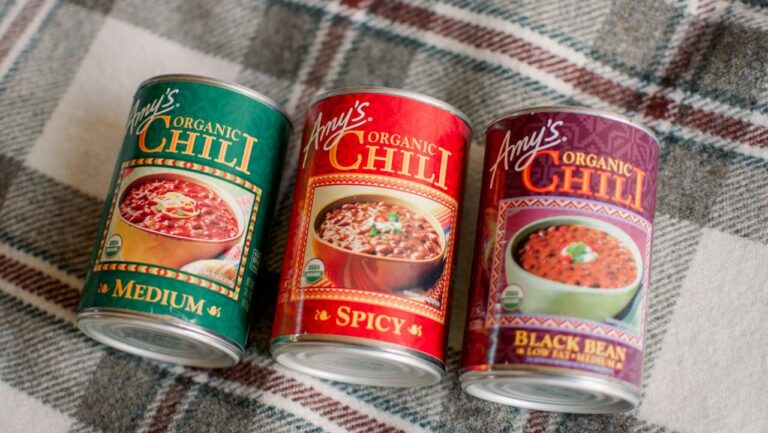
13. Prepared Soups
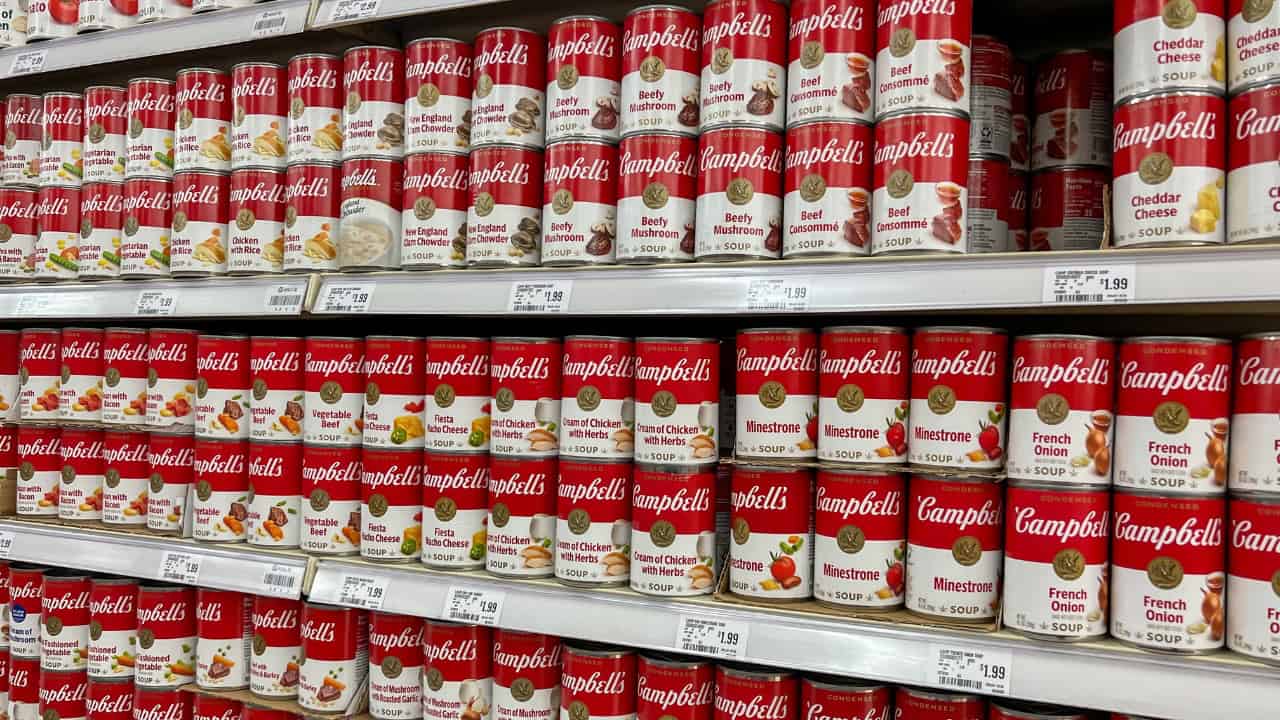
Canned and boxed soups are convenient—but you’re paying for every step of the processing and packaging.
Homemade soup takes minimal effort and lets you use up leftovers and fresh veggies. Make a big batch, freeze portions, and skip the overpriced cans next time you’re craving comfort food.
14. Granola Bars
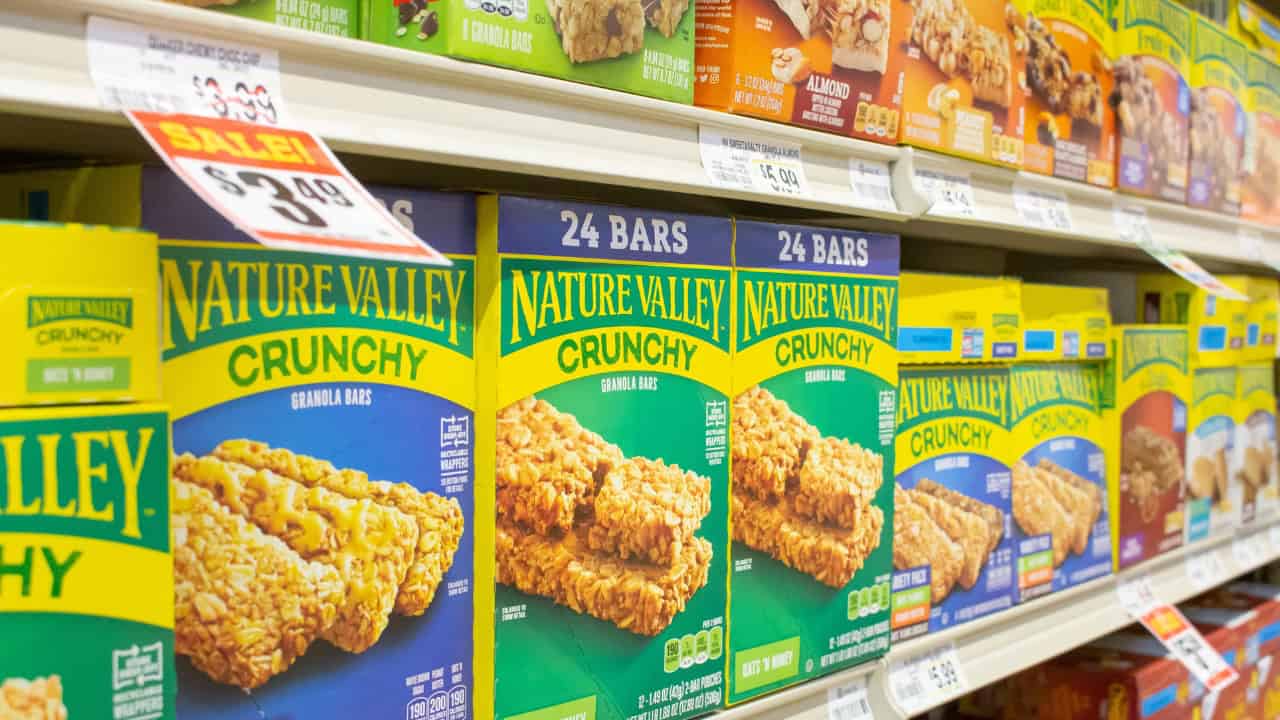
Granola bars can cost over $1 each and often contain more sugar than candy bars.
Homemade bars or trail mix can be made in bulk for a fraction of the cost—and with ingredients you recognize. If you do buy pre-made, check budget stores first for better deals.
15. Energy Drinks
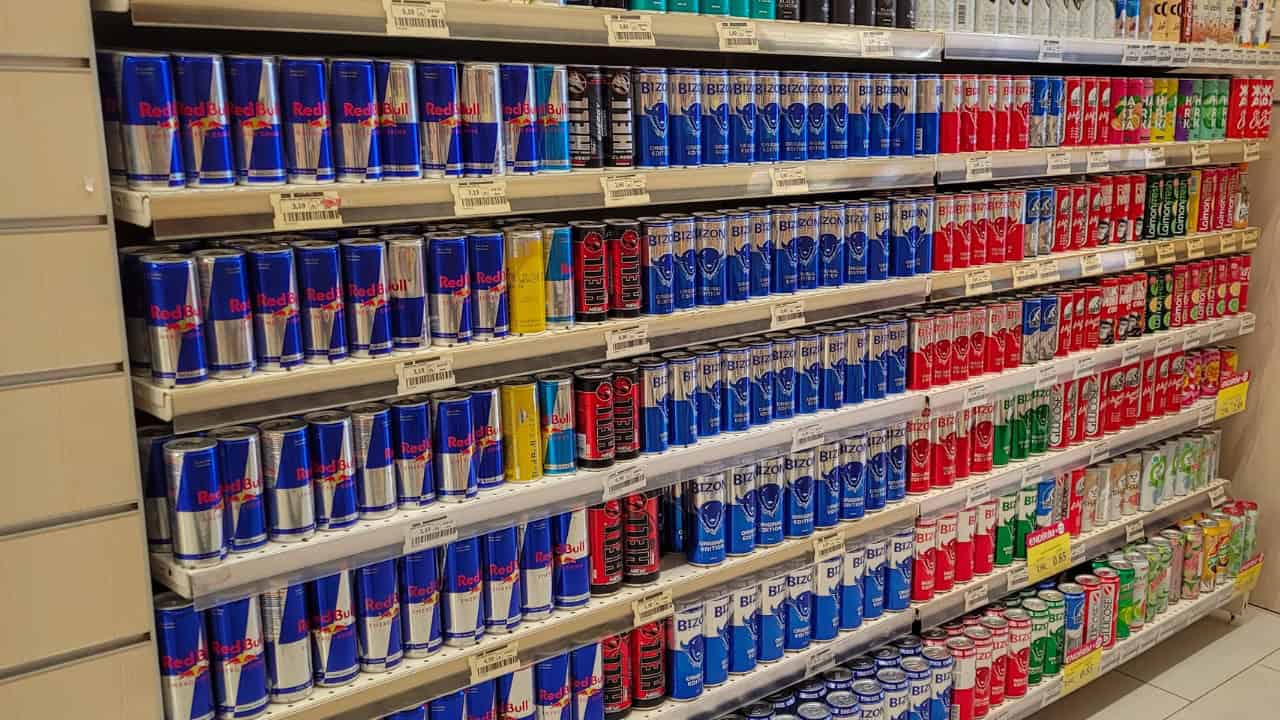
Energy drinks may promise a boost, but they’ll also zap your budget.
With prices creeping toward $3–$5 per can, it’s cheaper and healthier to get your caffeine fix from coffee or tea. Or try a homemade smoothie with natural energy-boosting ingredients.
Cutting out these costly beverages is an easy way to trim your grocery bill fast.