Plants often symbolize beauty, healing, and a touch of nature’s charm in our living spaces. But not all plants are as innocent as they appear. Some can be quite dangerous to both humans and pets. Let’s uncover 15 common poisonous plants that you might have in your home.
Daffodils

Daffodils are bright and cheerful spring flowers everyone loves. Unfortunately, they are actually toxic. All parts of the daffodil contain lycorine, especially the bulb. Eating any part, including the bulb, can cause nausea, vomiting, abdominal pain, and diarrhea. In larger amounts, it can cause issues like convulsions and irregular heartbeats. So be cautious about where you plant them or display those cute potted daffodils indoors, especially if you have kids or pets.
Advertisement
Morning Glory

Morning Glory plants are beautiful climbing vines with trumpet-shaped flowers that bloom in the morning. However, they contain lysergic acid amide, a toxin that can cause nausea, dizziness, and even hallucinations if ingested. The seeds are especially dangerous. They contain alkaloids that can make people anxious and uncoordinated and harm kids and pets.
Oleander
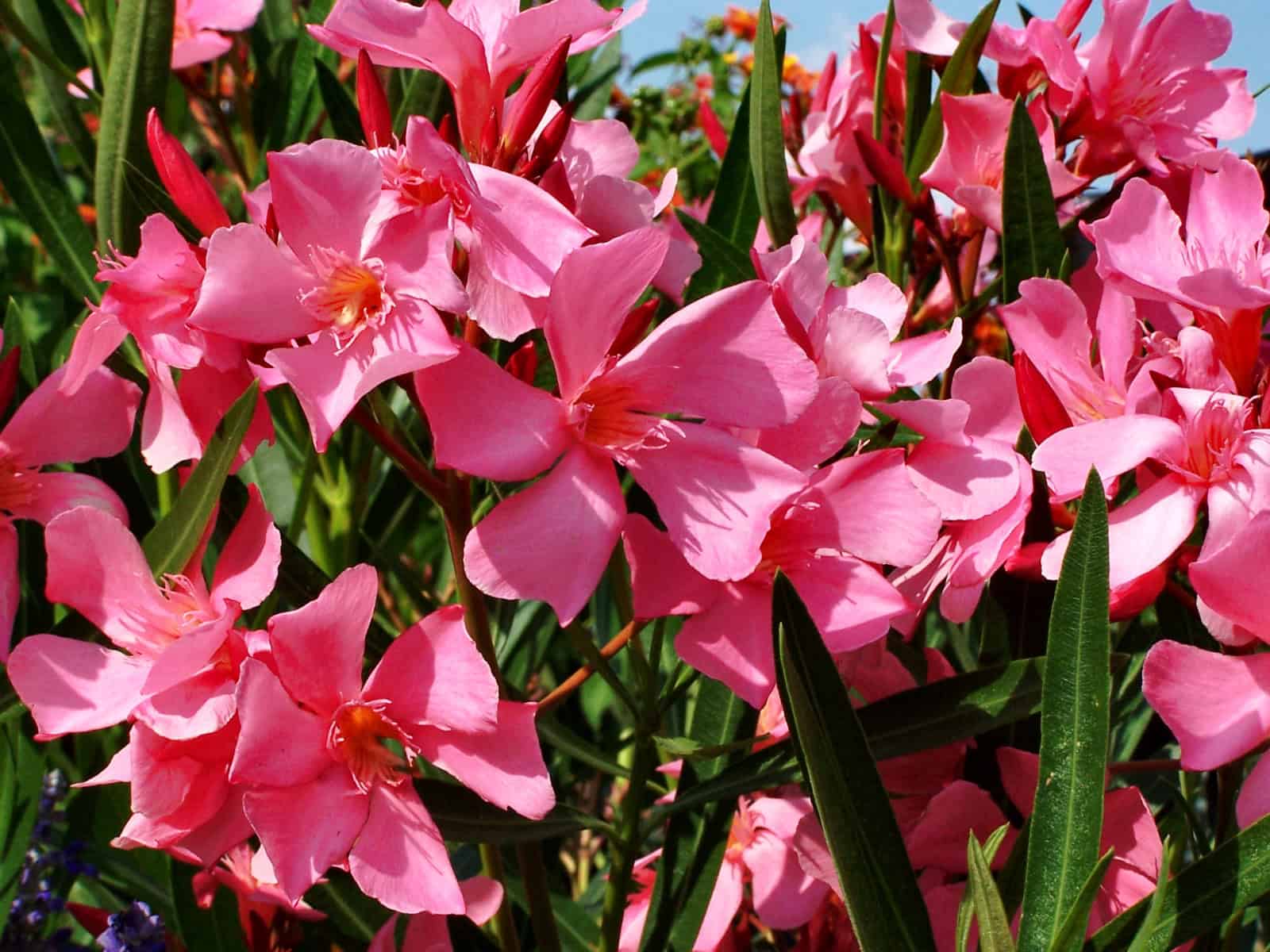
Oleander is a stunning shrub boasting vibrant flowers in shades of pink, red, orange, yellow, or white. However, it is important to handle oleander with caution, as every part of the plant is toxic. Oleandrin, found in its leaves and flowers, can cause severe health issues such as abdominal pain, drooling, and even death. Just one leaf can be fatal to a small child.
Lily Of The Valley
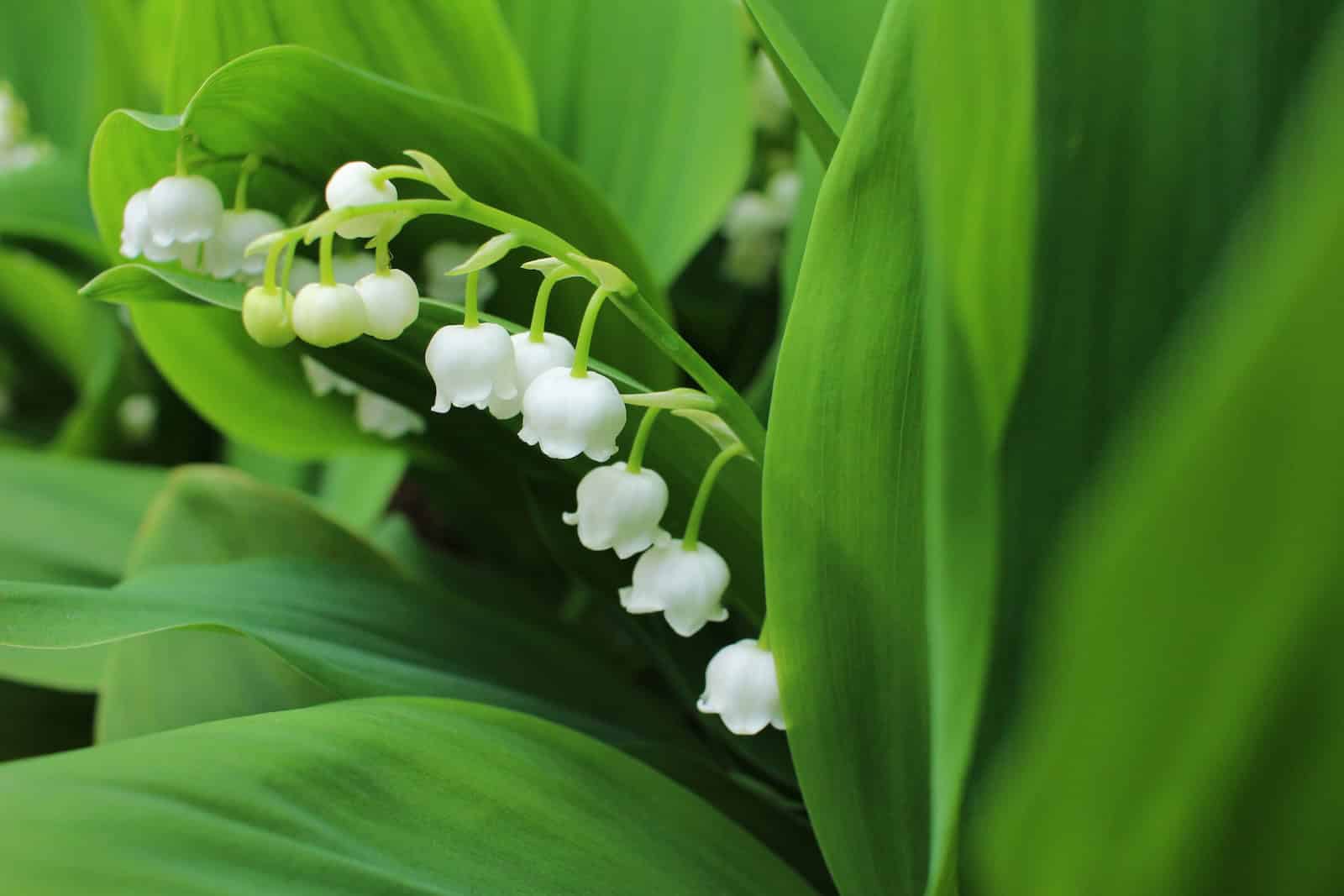
Lily of the Valley may look innocent with its cute, delicate bell-shaped flowers, but it is actually toxic. Every part of it, from flowers to berries, has cardiac glycosides, which, if ingested, can cause nasty symptoms like blurry vision, headaches, nausea, vomiting, and even an irregular heartbeat.
Yew

Yew shrubs, with their shiny evergreen needles and bright red berries, are popular in landscaping. Unfortunately, all parts of the yew plant (except the fleshy red berries) contain a toxin called taxine. If ingested, this can cause serious health issues like muscle tremors, breathing difficulties, dizziness, convulsions, or even sudden death in animals and cardiac arrest in humans. So, while they add beauty to gardens and parks, it is best to keep them out of reach of curious pets and kids.
Mistletoe

Mistletoe might be festive, but it’s best left out of your home. This holiday plant contains phoratoxin, making every part of it toxic if eaten. Even making tea from its berries or leaves is a bad idea. Pets who munch on mistletoe can suffer from vomiting, difficulty breathing, or a low heart rate.
Lantana
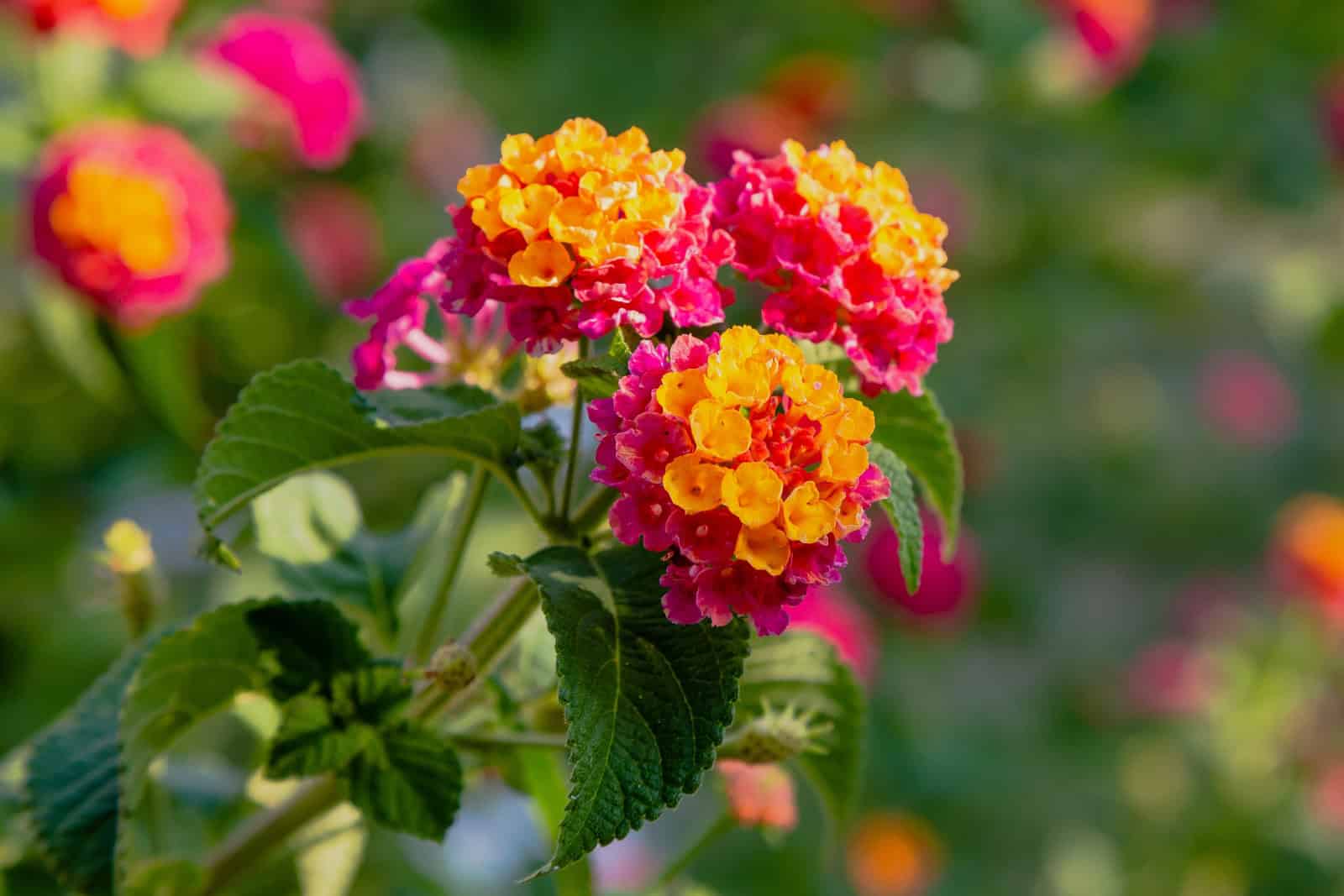
Lantana (Lantana camara) is a colorful and popular plant known for its bright blooms and ability to thrive in various climates. However, these beauties must be kept away from kids and pets because they contain toxic compounds. Ingesting any part of the plant can be harmful, leading to symptoms like vomiting and other health issues. So, you must always handle them carefully to keep everyone safe.
Giant Hogweed
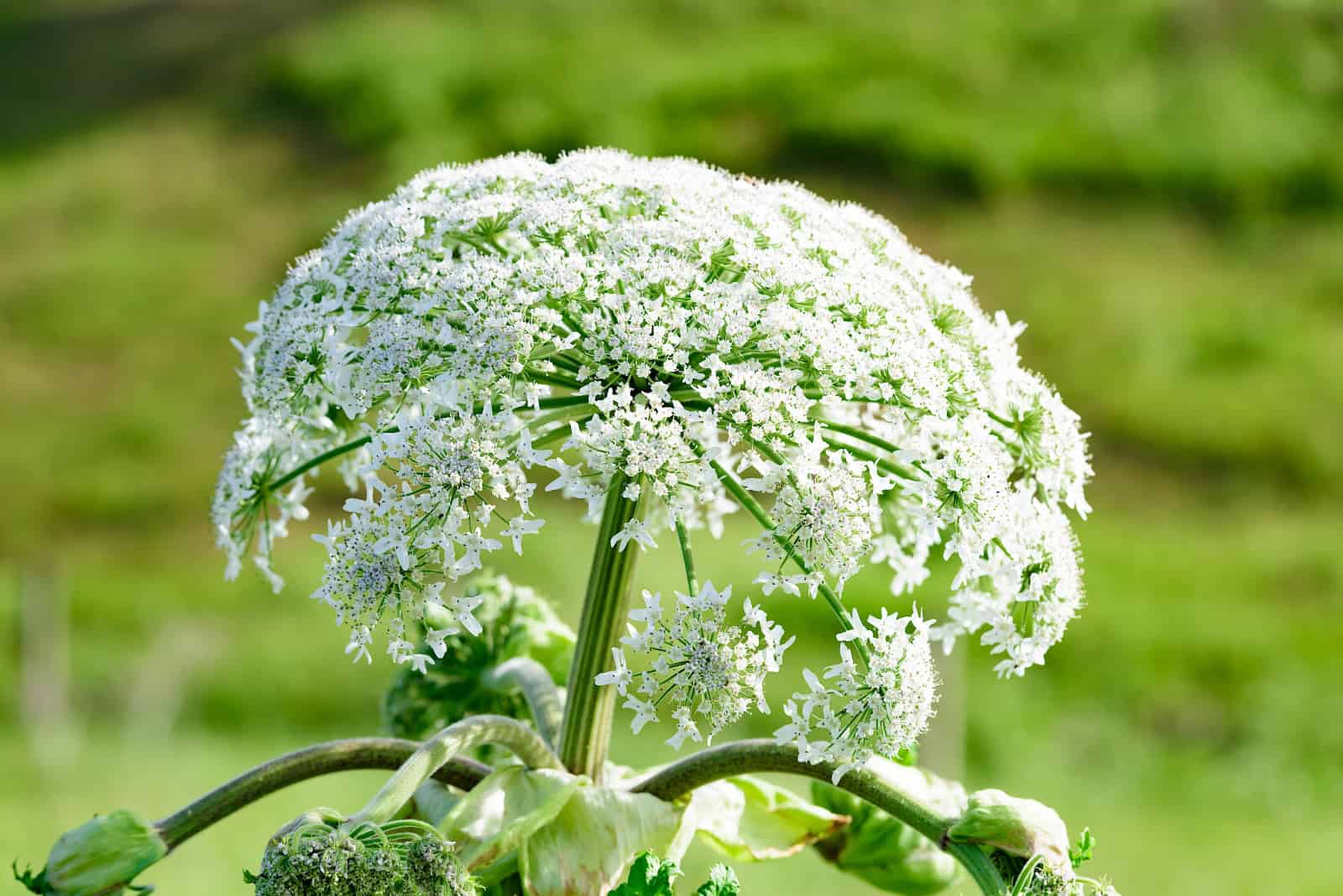
Giant Hogweed may look impressive with its tall, umbrella-shaped flower clusters, but it’s definitely one to avoid. The danger lies in the sap from its hollow stems, which can cause severe skin reactions like sunburn and blisters when exposed to sunlight. If the sap gets into your eyes, it can even lead to temporary or permanent blindness.
Caladium
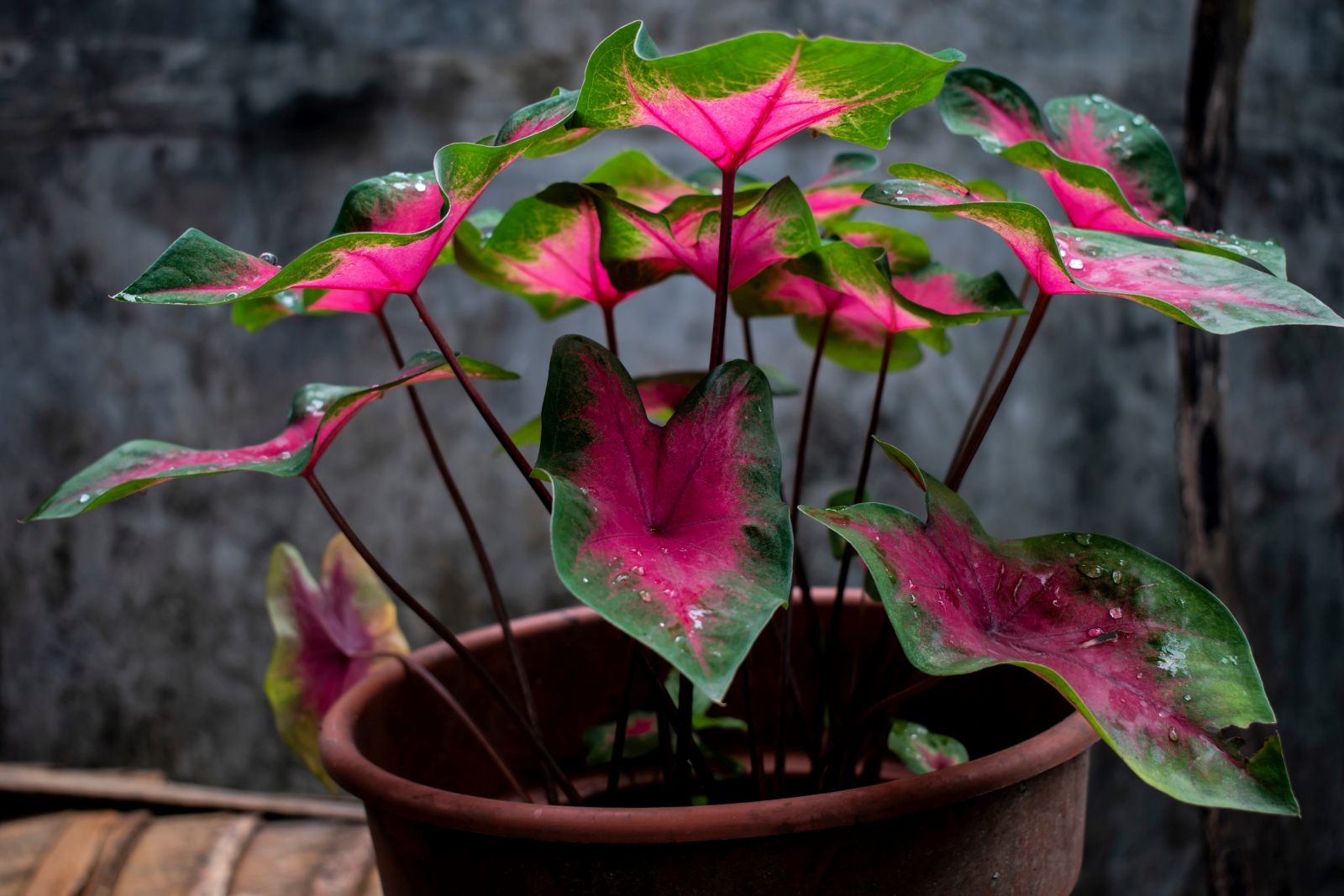
Caladium is a striking plant with heart-shaped leaves. However, it’s toxic to both pets and people. The plant contains insoluble calcium oxalates and a protein called asparagine, which can cause severe irritation and poisoning. If ingested, it can lead to oral irritation, swelling of the mouth, tongue, and lips, and even vomiting. All parts of the plant, including the bulbs, are poisonous, so it’s best to handle it carefully and keep it away from curious kids and pets.
Sago Palms
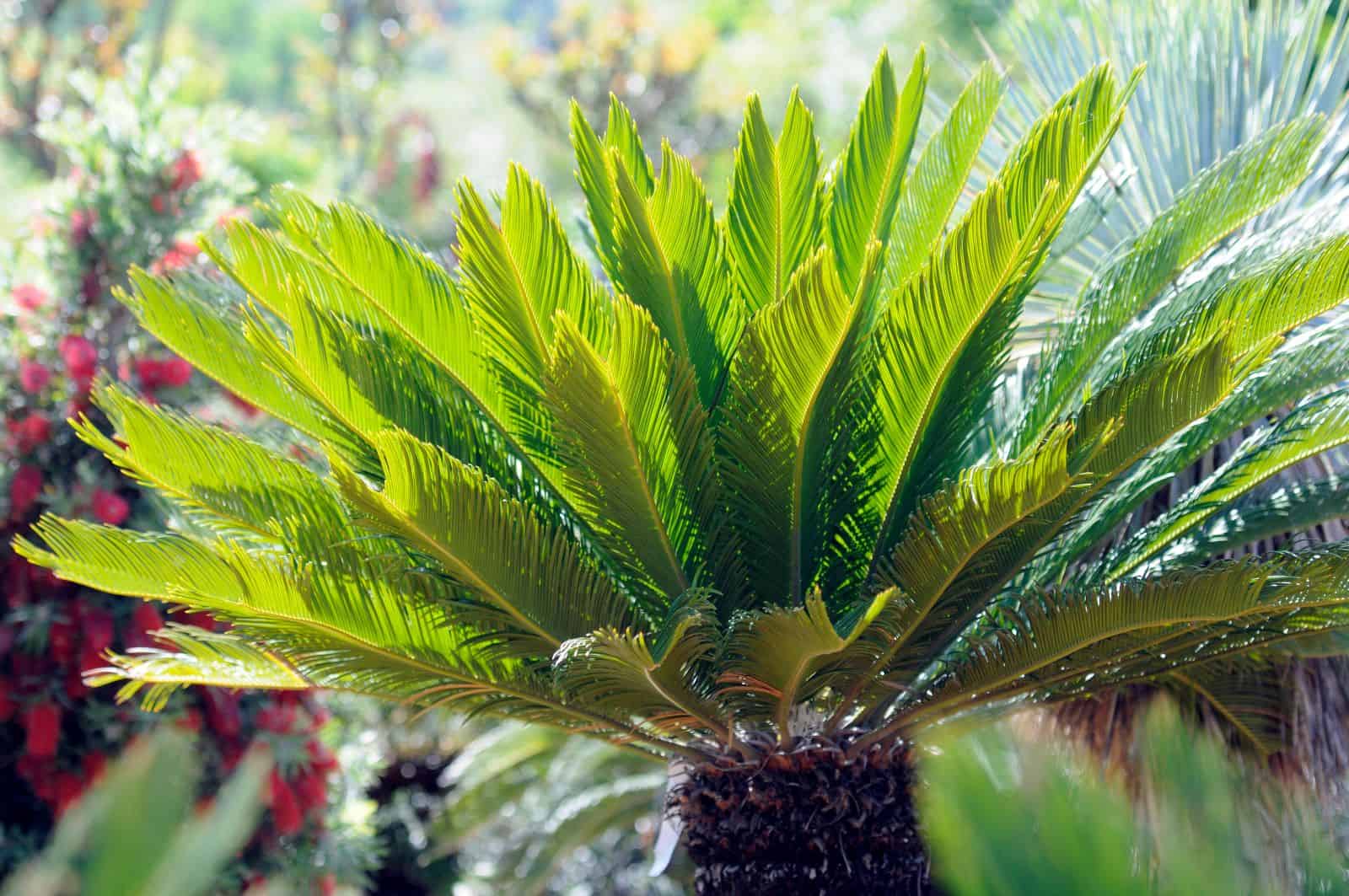
With their wispy, tropical vibe, Sago palms might look lovely, but they are not kid or pet-friendly. All plant parts, including the thorns, are toxic if ingested. The seeds are especially dangerous since they contain high levels of cycasin, a type of glucoside that can irritate the digestive system and even cause liver failure in significant amounts. Even a tiny nibble can have serious consequences, so keep these plants out of reach.
Rhubarb
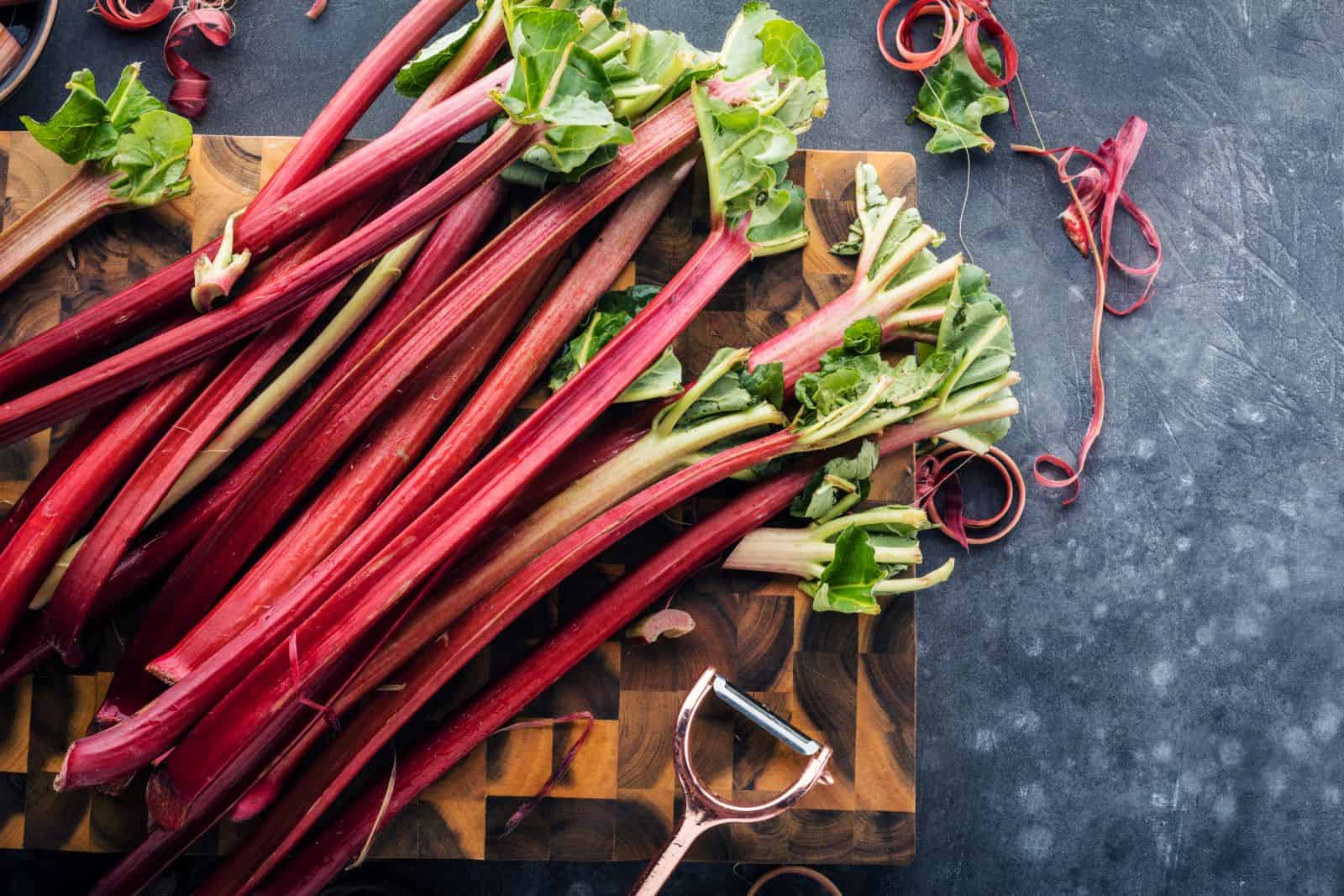
Rhubarb’s pretty pink stalks are a delicious spring treat, perfect for pies, muffins, and jams. But watch out for those large, heart-shaped leaves—they’re toxic as they contain high concentrations of oxalic acid. Eating the leaves can cause serious issues like difficulty breathing, nausea, and even kidney stones. So, while rhubarb stalks are a tasty addition to your baking, keep the leaves out of your recipes and away from pets and kids.
Foxglove

Foxglove may look beautiful with its tall, bell-shaped blooms, but it’s hazardous. Every part of the plant, including its berries, contains cardiac glycosides like digoxin and digitoxin, which are used to treat heart failure. Eating any part of foxglove can be like taking an unregulated dose of heart medicine, leading to nausea, vomiting, dizziness, and even heart failure.
Wisteria
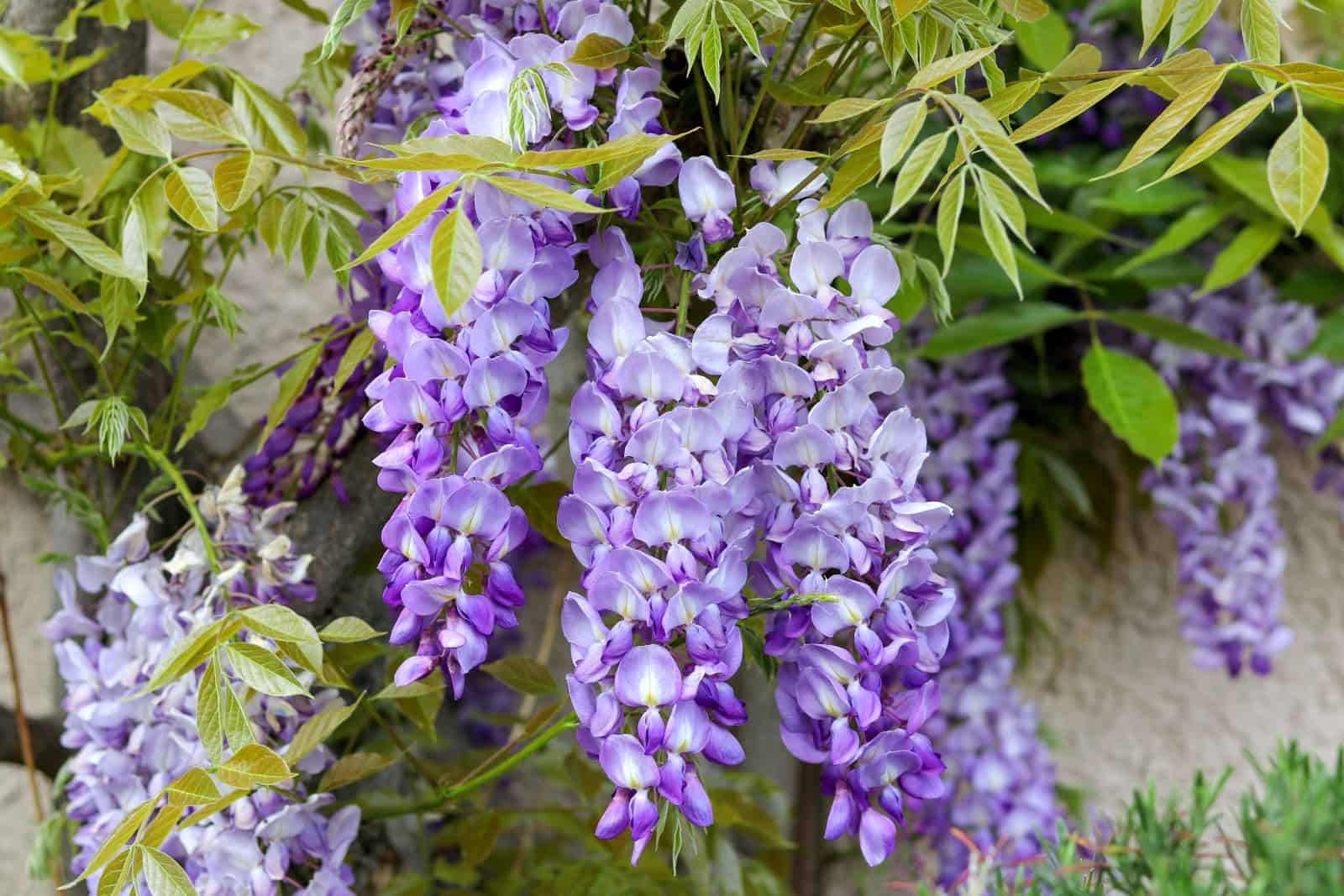
Wisteria is a beautiful climbing vine, but it’s toxic. All parts of Wisteria contain harmful substances like lectins and wisterin. The seed pods are especially dangerous for dogs, cats, and horses. If consumed, it can cause severe symptoms like vomiting, diarrhea, abdominal pain, and even an oral burning sensation. If you or your pets ingest any part of Wisteria, it’s best to seek medical help immediately.
Hydrangea
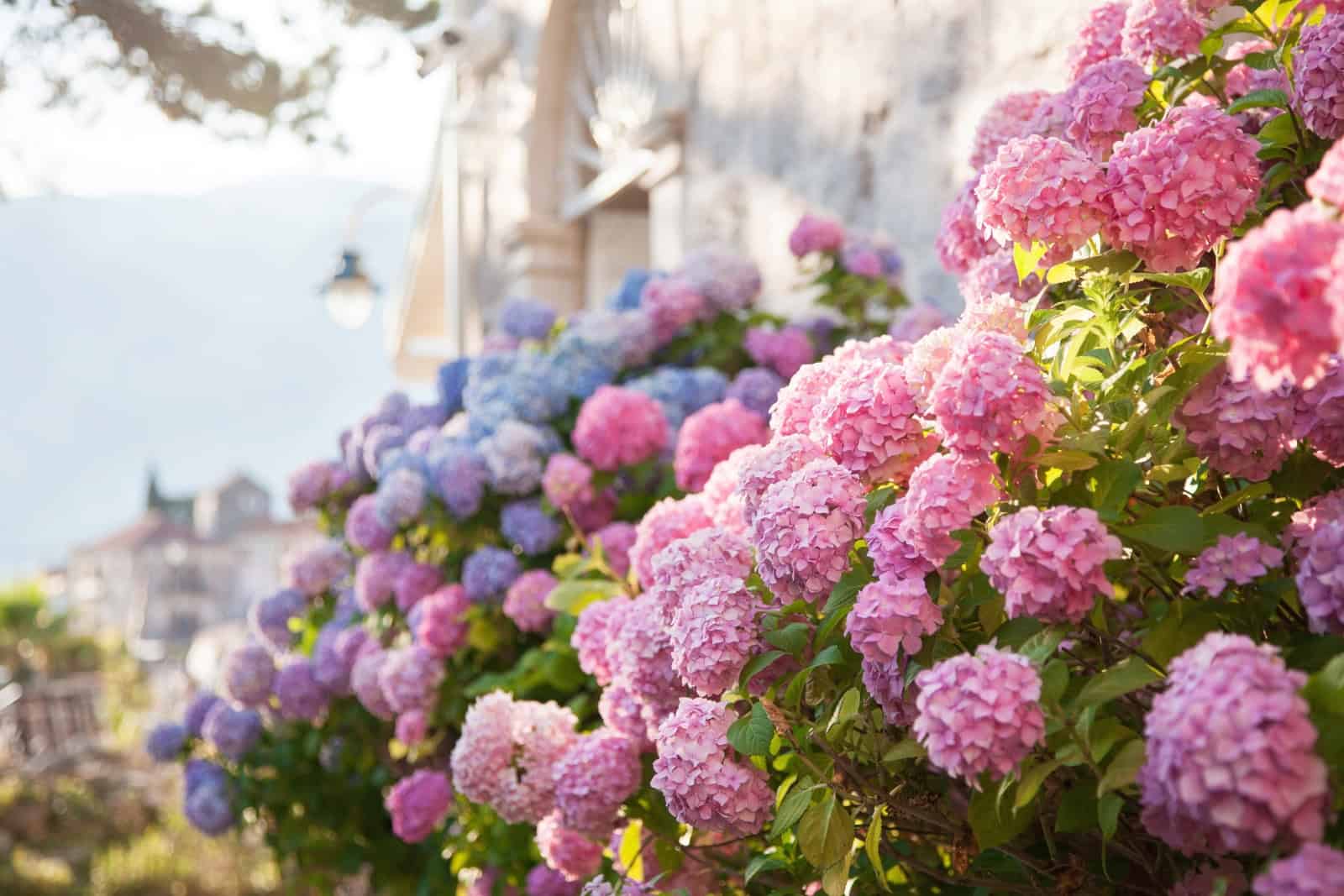
Hydrangeas are gorgeous and popular, but they contain a toxic compound called hydrangin, which breaks down into hydrogen cyanide when ingested. This can interfere with a body’s ability to use oxygen. While you don’t need to rush and uproot your hydrangeas, it’s important to know that pets and humans would have to eat quite a bit for it to be fatal. Still, if anyone accidentally ingests any part of the plant, it’s crucial to contact medical professionals right away.
Philodendron

Philodendrons are trendy houseplants that add a touch of green but can cause skin and mouth irritation. The sap of Philodendron contains calcium oxalate crystals, which can lead to pain, swelling, drooling, and vomiting if ingested. Severe reactions are rare, but keeping these plants away from kids and pets is best.