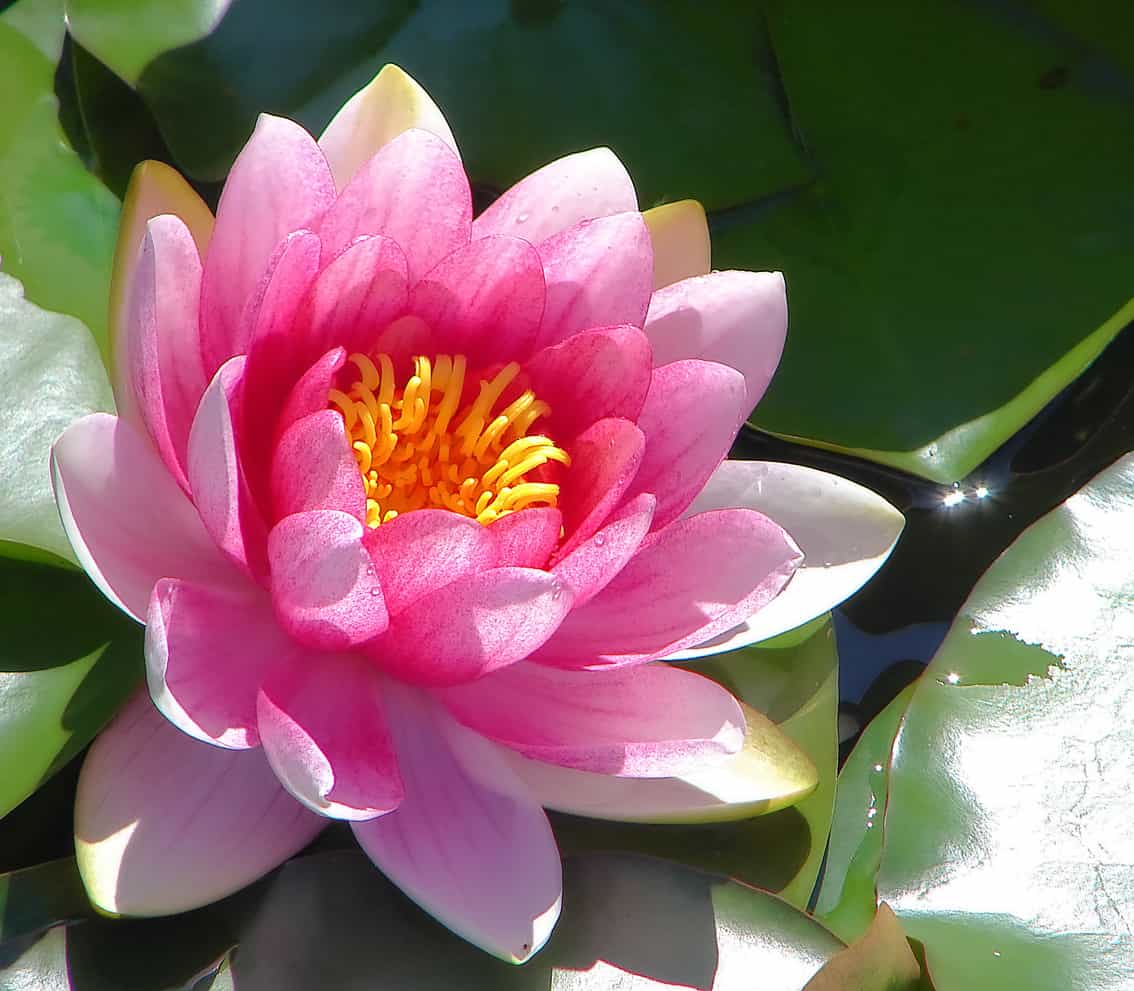
Stopping deer and rabbits from invading your garden can be challenging, especially in areas where these animals are prevalent. Fortunately, some perennials are naturally less appealing to them due to their strong scents, rough textures, or bitter taste. These plants not only deter unwanted visitors but also add beauty, color, and seasonal interest to your landscape.
Here is a list of deer- and rabbit-resistant perennials that thrive across various climates in the U.S.
Advertisement
Lavender (Lavandula spp.)
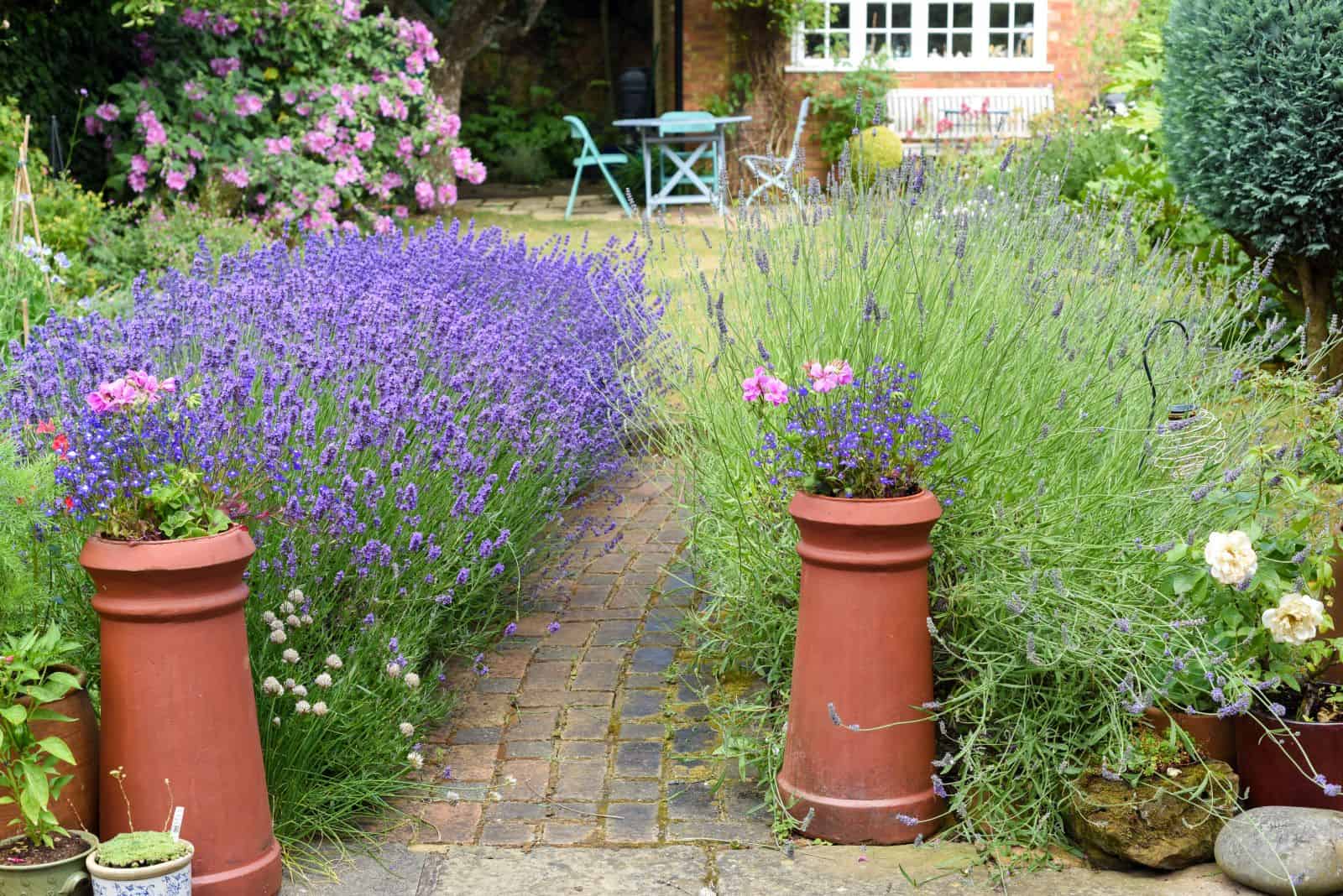
Lavender’s soothing fragrance might be a favorite among humans, but it’s far from appealing to deer and rabbits. Standing about 2 to 3 feet tall, this sun-loving perennial produces aromatic purple flowers that deter wildlife naturally. Lavender thrives in zones 5 to 9, preferring well-drained soil and lots of sunlight. Beyond being deer-resistant, it’s also hardy and drought-tolerant, making it ideal for a low-maintenance, pollinator-friendly garden.
Yarrow (Achillea millefolium)

With its spicy aroma and bright clusters of flowers, yarrow serves as a natural shield for your garden. This hardy perennial, suitable for zones 3 to 9, doesn’t appeal to deer and rabbits while adding a burst of color. Yarrow can grow till 3 feet in height and performs well in less fertile soils. Its resilience in challenging conditions makes it an enduring choice, even for beginner gardeners.
Russian Sage (Perovskia atriplicifolia)

Russian Sage offers silvery foliage and airy, lavender-blue blooms that grow 3 to 5 feet tall, creating a striking visual effect. Its sage-like scent deters deer and rabbits while it handles drought and poor soil with ease. Russian Sage typically thrives in hardiness zones 5 to 9 and performs best in full sun. With a long bloom period that extends from mid-summer into fall, it’s a resilient, colorful option for larger spaces.
Catmint (Nepeta spp.)

Catmint’s minty aroma is enough to keep deer and rabbits away, while its blue or lavender flowers attract bees and butterflies. Growing 10 to 24 inches tall, catmint thrives in zones 4 to 8, making it adaptable across a wide range of US climates. This perennial prefers full sun and can handle dry conditions, making it an easy-care choice for any garden looking to reduce pest activity naturally.
Bee Balm (Monarda didyma)
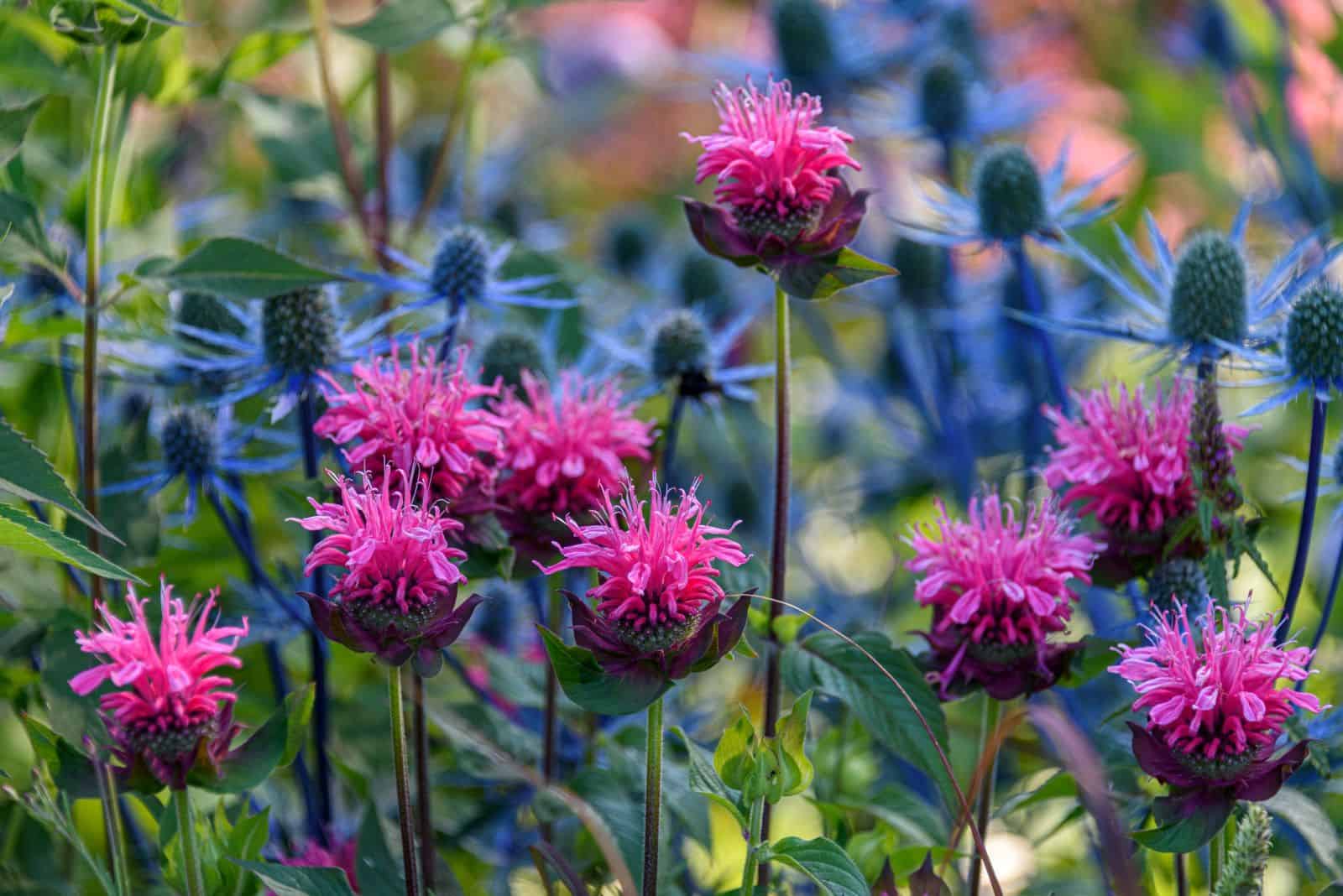
Bee Balm is a colorful, aromatic perennial that attracts pollinators like bees and hummingbirds but deters deer and rabbits due to its strong, minty scent. With its showy blooms and natural pest resistance, this plant can reach heights of 1 to 4 feet and adds a burst of red, pink, purple, or white flowers to gardens from mid-summer through early fall. Hardy in zones 3 to 9, Bee Balm grows best in well-drained, moist soil and can tolerate both full and partial sunlight.
Spike Speedwell (Veronica spicata)
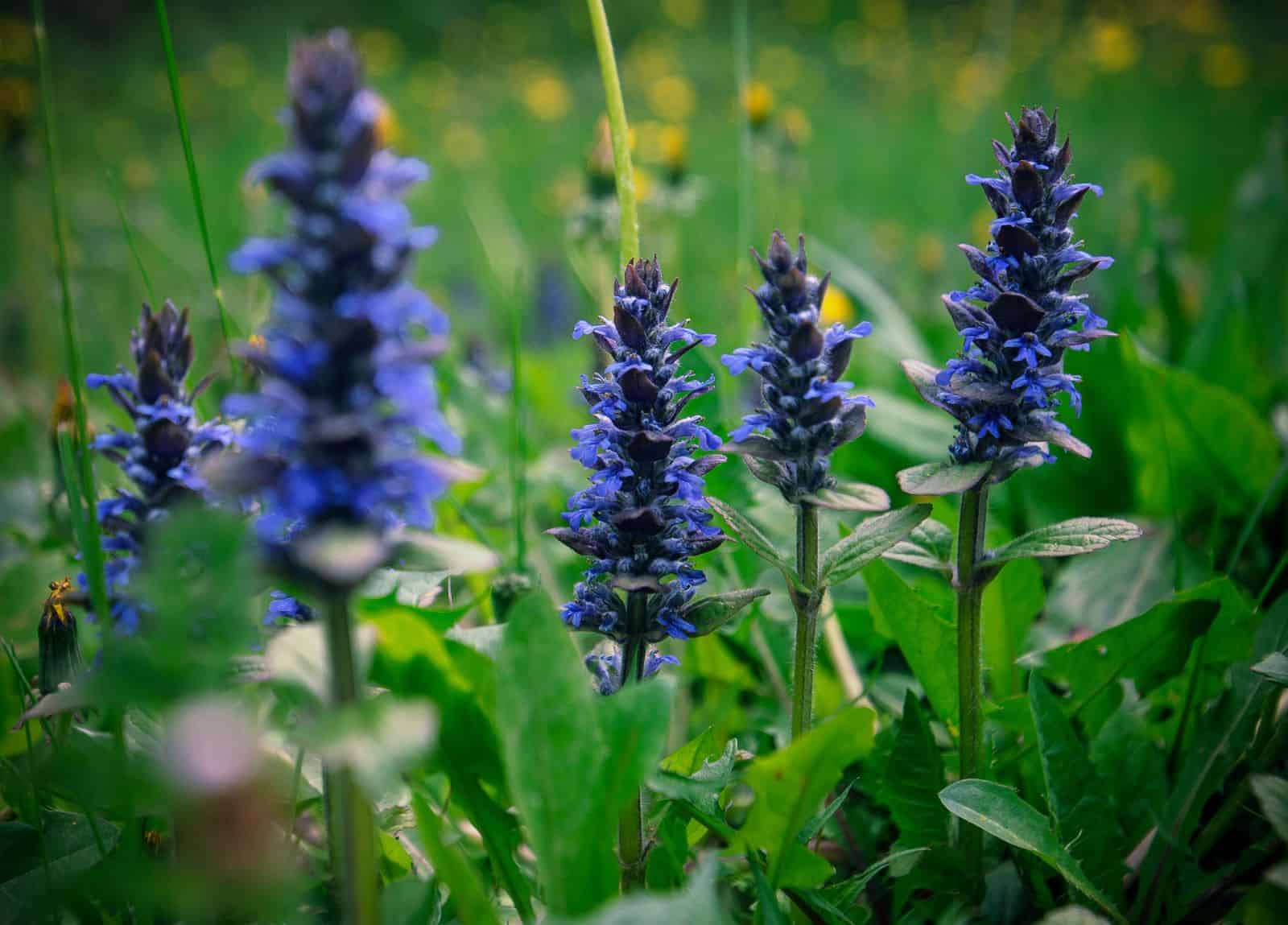
Spike Speedwell, with its tall, vibrant flower spikes, stands out in the garden while naturally discouraging deer and rabbits. Hardy across zones 3 to 11, this versatile perennial tolerates various climates and offers long-lasting color. Its tough leaves and slightly bitter taste make it less appealing to wildlife, while it thrives in bright sun and well-drained soil, making it an excellent choice for borders or cottage gardens.
Salvia (Salvia spp.)
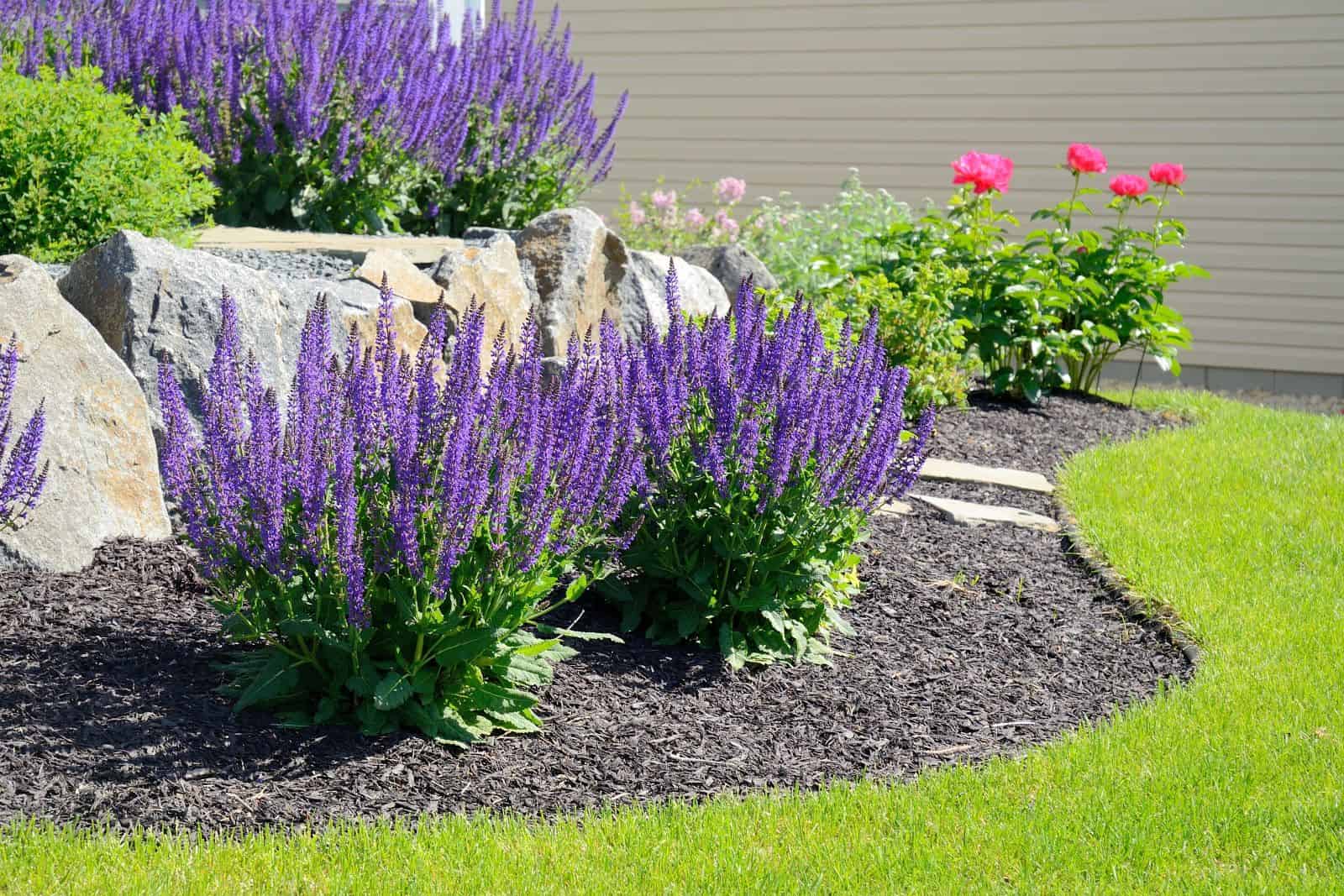
Salvia’s distinct aroma and rough texture make it unappealing to most grazing animals. Reaching heights of 1 to 3 feet, this perennial thrives in zones 3 to 10, depending on the species. Salvia produces vibrant blooms in shades ranging from purple to pink to red, spanning from spring through fall, and attract pollinators like hummingbirds. Salvia’s drought tolerance is a valuable feature for gardens in hot, dry areas, making it a colorful and hardy option.
Bleeding Heart (Dicentra spectabilis)

Bleeding Heart is a shade-tolerant perennial known for its delicate, heart-shaped flowers. Deer and rabbits avoid it due to its bitter taste and unappealing texture. This plant reaches heights of about 6 to 12 inches and thrives in zones 3 to 9, performing best in cooler regions. Blooming in spring, Bleeding Heart’s unique appearance adds charm to shaded areas while staying undisturbed by common garden pests.
Coneflower (Echinacea purpurea)

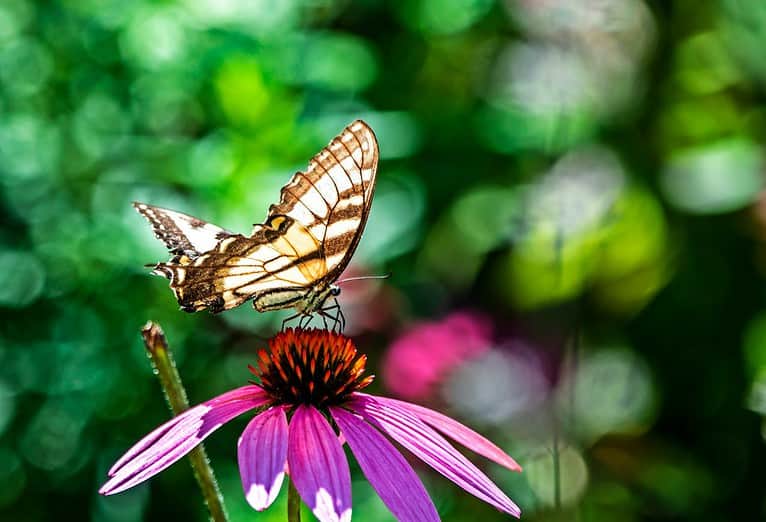
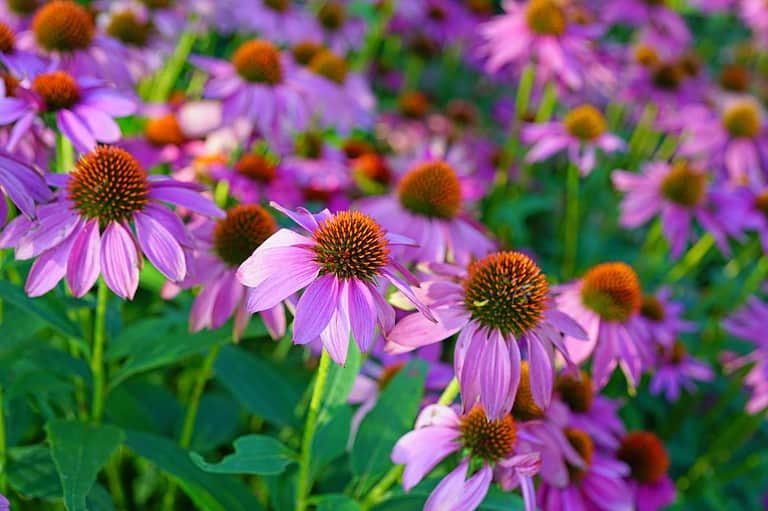
Coneflowers are known for their resilience and are a staple in pest-resistant gardens. Growing up to 3 feet tall, these perennials thrive in zones 3 to 9 and perform well in sunny spots. Available in shades of pink, purple, and white, deer and rabbits tend to avoid the rough, spiny foliage, while butterflies and bees are drawn to the vibrant blooms.
Bluestar (Amsonia tabernaemontana)
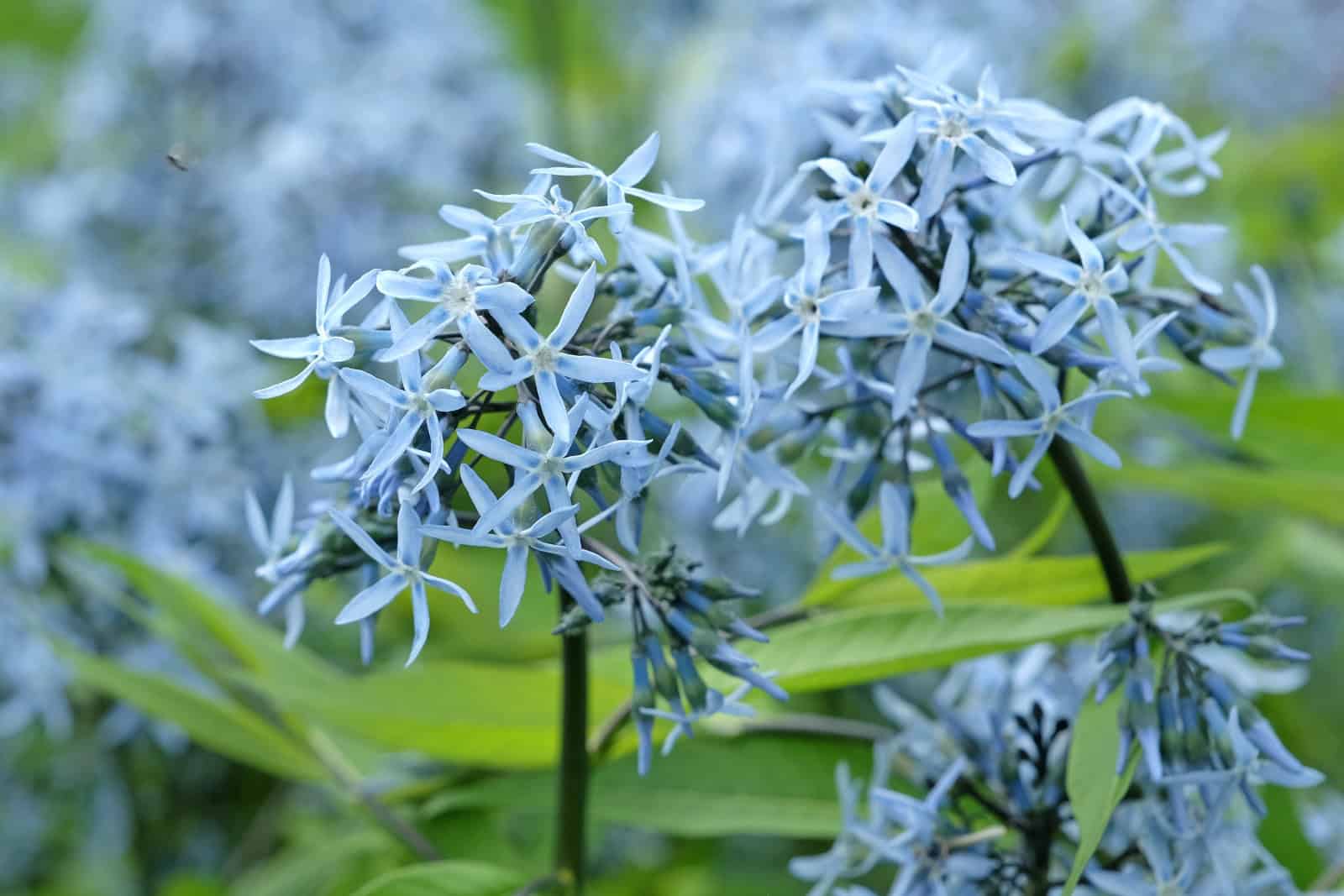
Bluestar is a versatile perennial popular for its vivid blue flowers that come in late spring. Growing 2 to 3 feet tall, it features slender, lance-shaped leaves that turn a lovely golden yellow in the fall, providing seasonal interest. This plant is typically hardy in zones 3 to 9 and thrives in well-drained soil with full sun to partial shade. Its somewhat bitter taste makes Bluestar unappealing to deer and rabbits, allowing it to flourish without damage.
Hellebore (Helleborus spp.)
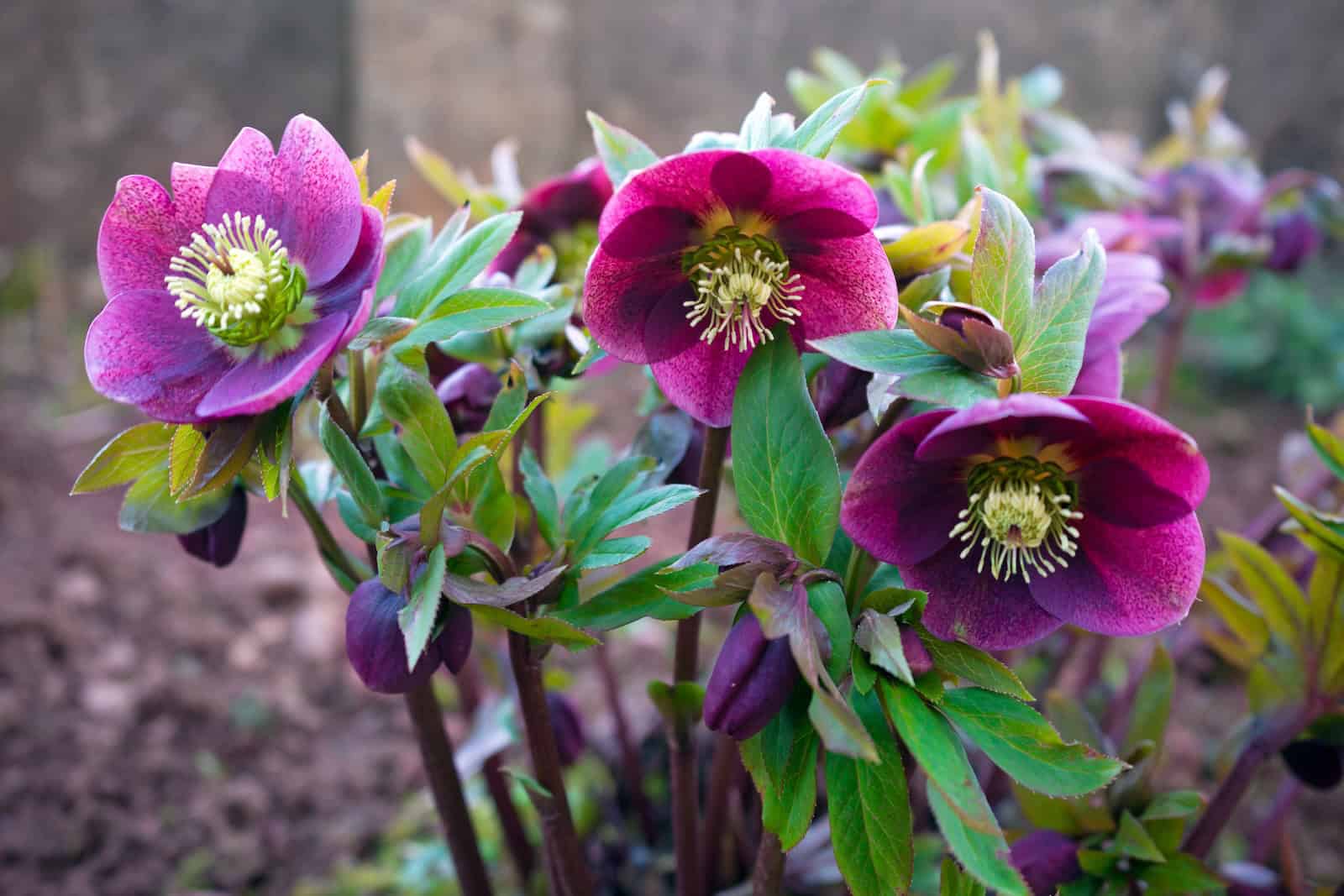
Known as Lenten Rose, hellebores are evergreen perennials that bloom in early spring, offering year-round interest. Their tough, leathery leaves and slightly toxic properties make them unattractive to grazing animals. Hellebores typically grow 1 to 3 feet tall and thrive in shaded areas, preferring zones 4 to 9. These low-maintenance plants are perfect for woodland gardens and add beautiful color with minimal attention.