Wouldn’t it be great to be able to grow vegetables year after year without the back-breaking process of digging and turning over soil? With no-dig gardening, you can, and it’s clear to see why it’s becoming a growing trend among vegetable growers everywhere. No-dig gardening helps to improve the health of your soil and you never have to pick up a shovel.
What is No-Dig Gardening?
No-dig gardening is based on pre-industrial farming techniques and the work of Masanobu Fukuoka. His book, The One-Straw Revolution, published in the 1970s, is a pioneering work in natural farming. American gardener Ruth Stout promoted no-dig gardening in the 1950s in her book Gardening Without Work, in which she advocated a “permanent” garden mulching technique.
Advertisement
No-dig gardening is exactly as its name implies – a vegetable garden cultivated with zero digging. This style of organic gardening maximizes the use of the “soil food web”, relying on the ecosystem of micro- and macro-biotic organisms in the soil, which are necessary for the healthy cycling of nutrients and the prevention of plant pests and diseases. When the soil food web is left undisturbed by digging, plants transfer a portion of the carbon energy they produce to the soil, and microbes that benefit from this energy convert available organic substances in the soil to the mineral elements the plants need to thrive.
It can feel a little daunting when you begin a no-dig garden. But once you’ve mastered the process of mulching, you’ll wonder why you ever picked up a shovel in the past.
Why is a No-Dig Garden a good alternative to traditional methods?
Conventional wisdom tells us that digging and turning over soil helps to incorporate nutrients from topsoil while creating looser soil for planting. But is this really the case?
But turning over the soil disturbs and disrupts its delicate ecosystem of bacteria, fungi, and other organisms that support a thriving, healthy soil. When you stop digging, you allow this natural system to thrive and support your vegetables.
No-dig gardening also makes weeding much easier. Tilling brings weed seeds to the surface, and once exposed to light, they germinate. With no digging, far fewer weed seeds germinate. Additionally, your garden is covered with a thick layer of mulch, which further suppresses weeds.
When should no-dig gardening be used?
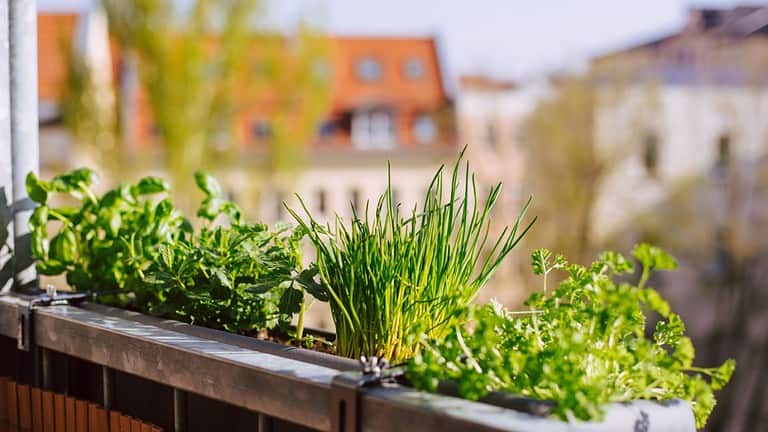
This gardening technique is growing in popularity among people with limited space to cultivate a garden. Urban gardeners and those with small backyard gardens love it because it requires less space.
It’s also a good choice if you have extremely hard ground or unworkable soil. Instead of toiling away with a shovel or tiller, this simple method allows you to work on top of hard ground without the back-breaking preparation work.
But this method is also a good opportunity for those with established vegetable gardens to try out a new method. Once you’ve experienced the ease with which you can grow using the no-dig method, you’ll never go back to picking up a shovel.
A 5-Step Guide to a No-Dig Garden
1. Prepare a Space for Your No-Dig Garden
Start by clearing an area for your garden of any debris and large rocks. Mow grass and cut back all weeds to ground level.
2. Add Organic Matter
Add a thick layer (around 10cm / 4″ deep) of organic matter to the area. This will smother the weeds beneath by preventing light and airflow. It will also provide the nutrient-rich material the roots of your vegetables will grow into. For this step, use high-quality compost or manure from an organic farm. After a few months, any weeds or grass beneath the garden bed will have rotted, and earthworms and other organisms will thrive and incorporate this material into the soil.
3. Build Up the Layers
Next add a 5cm (2″) layer of wood chips, making sure to keep it as separate from the bottom layer as possible. Straw also works well for this second layer if you have easy access to this. Building up the layers in this way reduces water evaporation from the soil and provides nutrients to the layer underneath. Once you’ve built up your mulch layers, there will be no need to add fertilizer down the road.
4. Plant in Spring
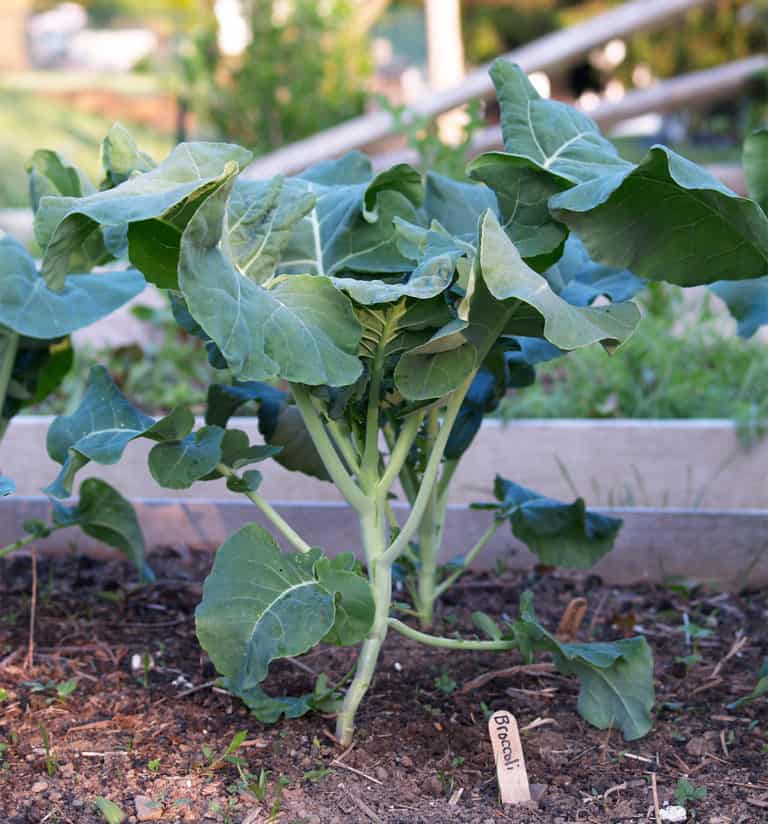
When the growing season arrives, you’re ready to start planting. Make a gap in the top layer to plant directly in the organic matter below. All vegetables grow well in no-dig beds, so choose your favorite varieties when planting season arrives.
5. Regularly Add Mulch
The magic behind no-dig gardening is the mulch that’s regularly added to the top layer. This organic matter protects the soil’s surface from erosion and prevents weeds from germinating. As the mulch breaks down, it fertilizes the soil and adds structure – no digging required. You can add mulch around your mature plants or wait to add it at the end of each growing season. When the previous layer of mulch begins to disappear, it’s time to add another layer. The best mulches for a no-dig garden include compost, wood chips, grass clippings, and straw.
No-dig gardening supports healthier, more nutrient-rich soil, and there is no back-breaking work of digging. Plus, it’s easy to set up and can be done anywhere, even with very little space. You’ll wonder why you didn’t start years ago.