Indoor plants not only enhance your home’s décor, but they also offer significant mental and physical health benefits. However, many plant enthusiasts unintentionally place their plants in spots indoors and end up damaging them. In this article, we’ve compiled a list of 10 places in your home where you should never place your houseplants.
Drafty Areas

People often place their houseplants near windows or exterior doors to give them some fresh air. However, the fluctuating temperatures from the drafty air outside and the indoor warmth can damage the plant.
Advertisement
It is better to place your plants in an area of your home where the temperature remains consistent throughout the day.
Too Close to Other Plants
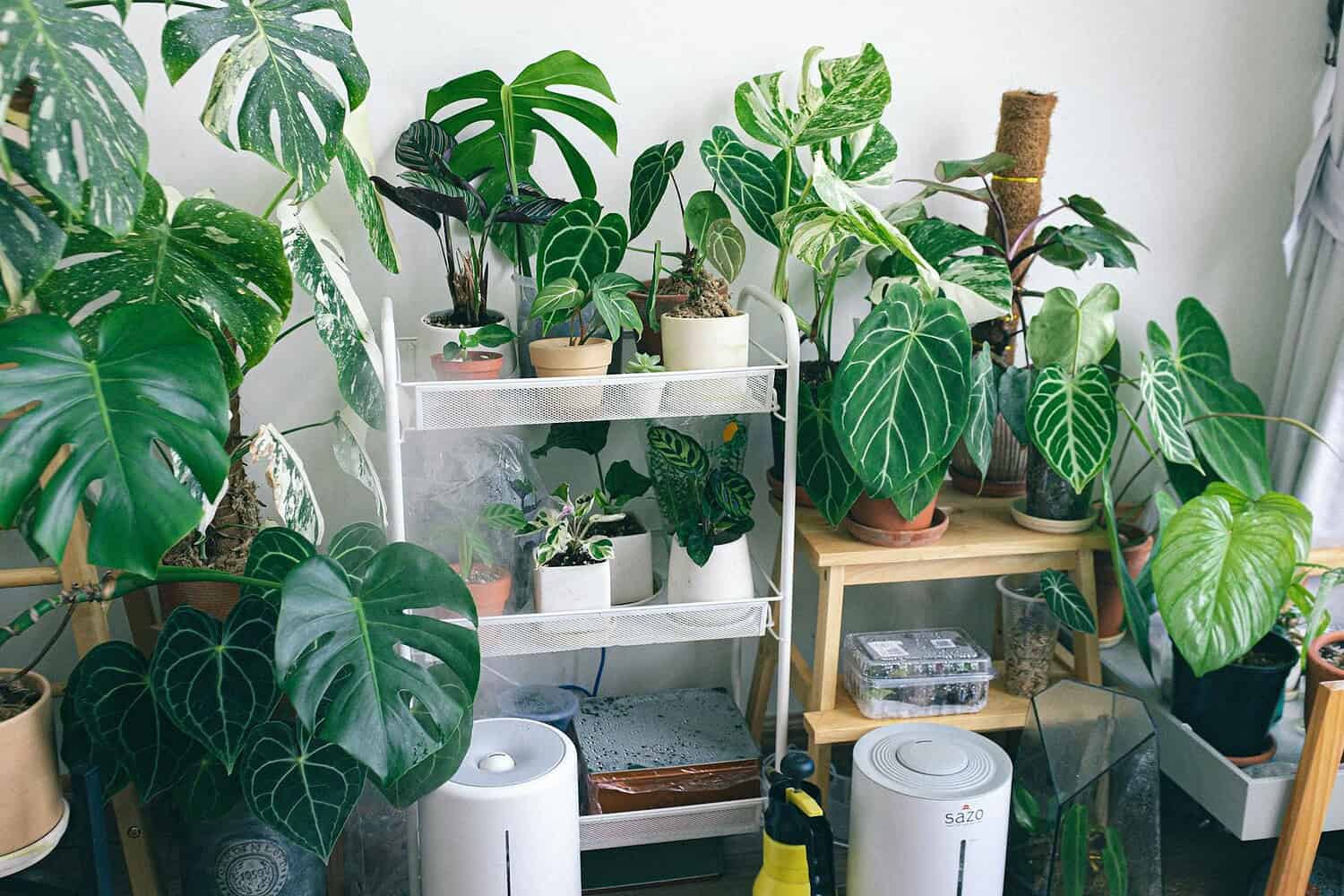
Indoor plants also need their personal space. Placing houseplants too close to one another can cause issues. If one plant blocks the light of the other plants, it may stunt its growth. Bugs infecting one plant can spread to its neighbors. Overcrowding can also cause poor air circulation, leading to fungal diseases. Make sure to give your plants enough space for better air circulation and overall health.
On Top of the Refrigerator
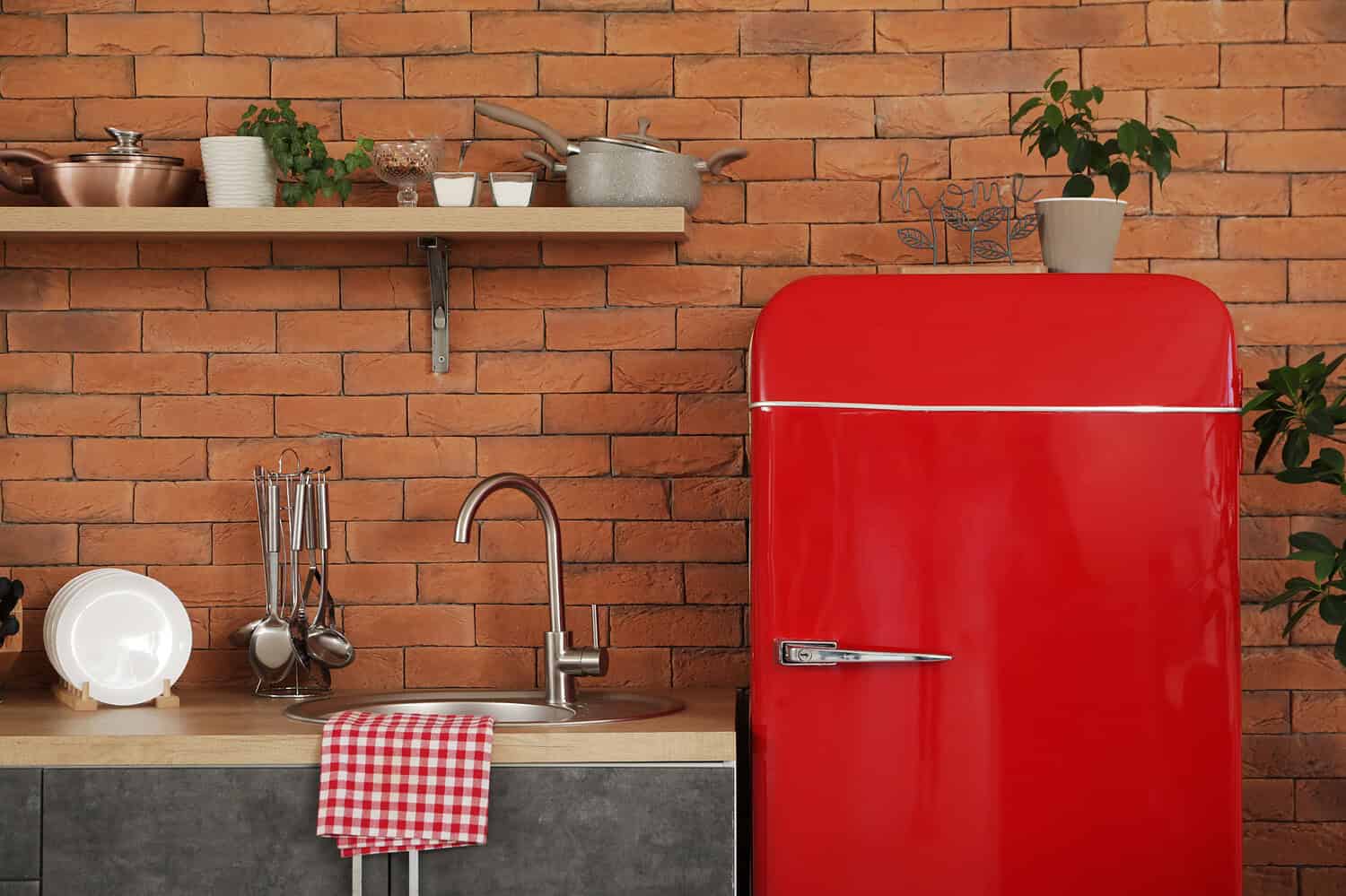
Although placing your indoor plant on top of the refrigerator may seem like a good idea, it’s not the best spot for its health. The area surrounding the refrigerator is often dry, and the heat it emits can damage your plant’s health.
This means you will have to water your plants more frequently, which can be a hassle due to the height. Additionally, refrigerators are typically situated away from windows, resulting in inadequate sunlight for your plant.
Close To Any Heat Source
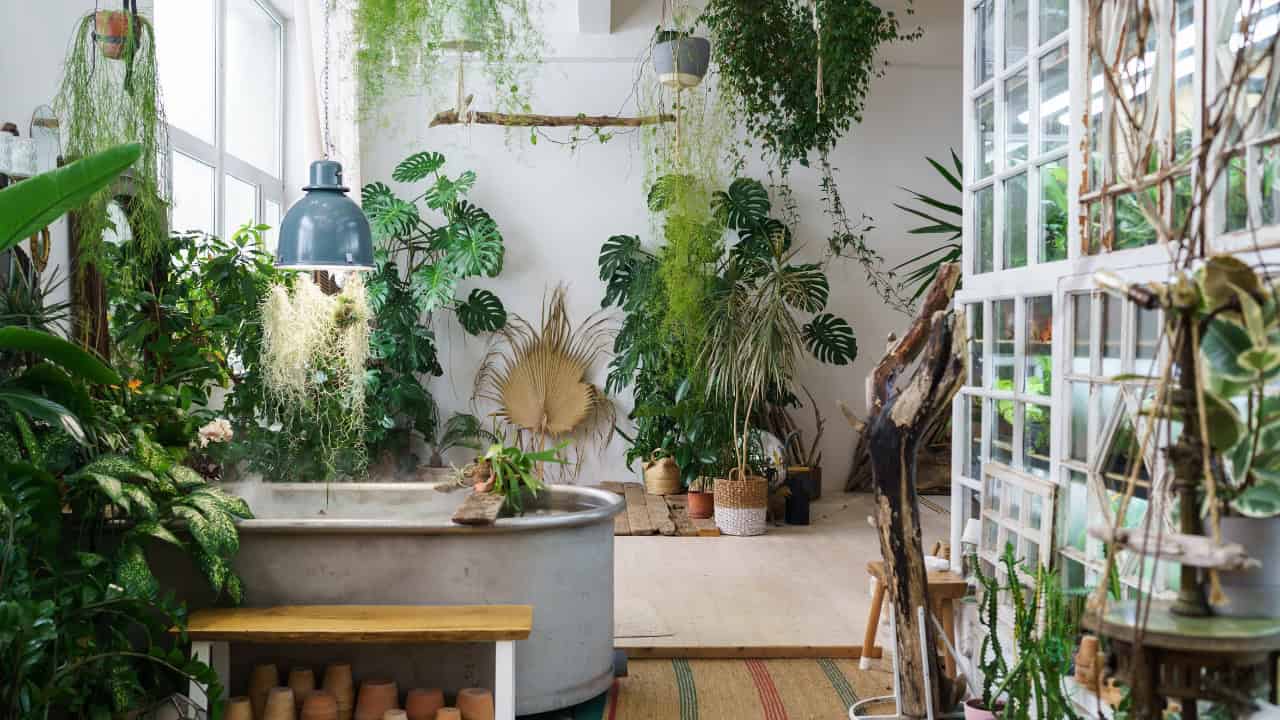
Never place your indoor plants near a heat source like radiators, space heaters, or heating vents. Exposure to low humidity levels and high temperatures can dry out the leaves and hinder plant growth. Succulents should ideally be placed three feet away from the heat source, while plants that require more humidity, like bamboo, should be positioned at least 10 feet away from the heat source.
Rooms Without Natural Light

Avoid placing your plants in a room without a window. All plants need some amount of natural light to grow and thrive. Placing plants in the basement, corridors, or pantries that lack natural light can cause them to wilt and die. Ensure your plants receive sufficient natural light by positioning them in well-lit areas with windows.
High Shelves
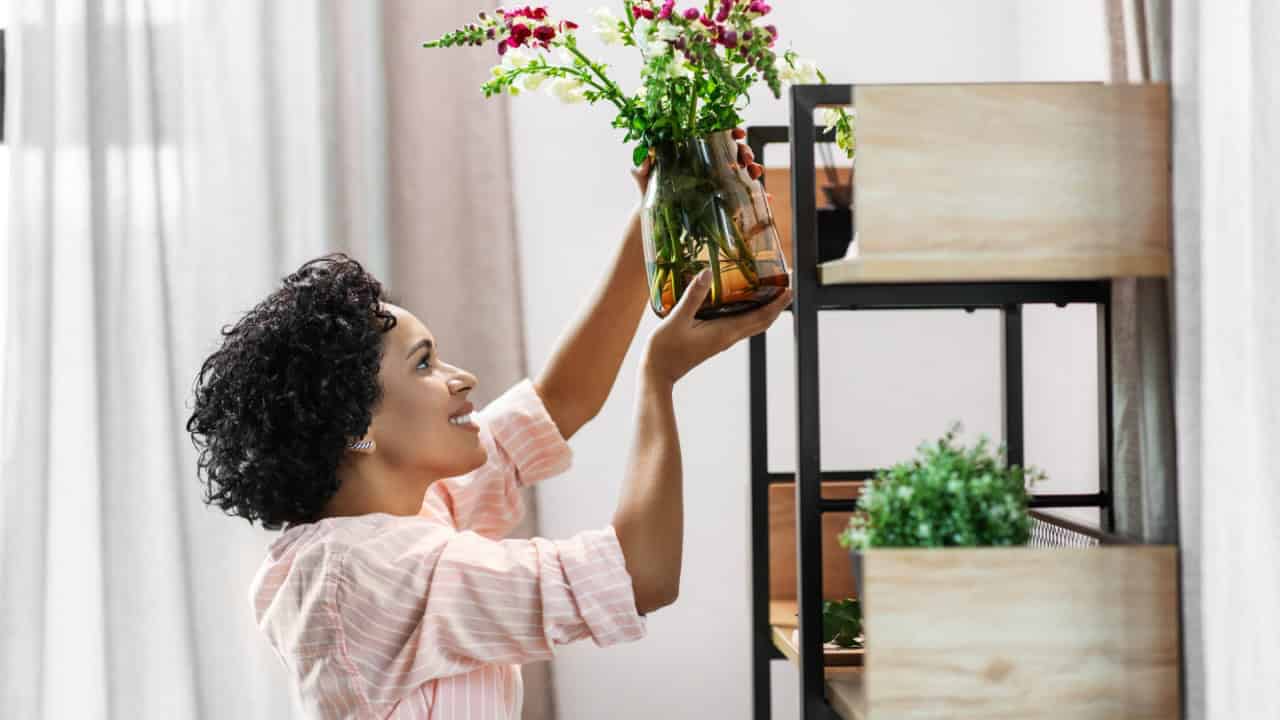
Many people place houseplants on high shelves to keep them out of reach from pets or young children. Unfortunately, they end up damaging their plant. Plants should be easily accessible, within arm’s reach, to ensure proper care. If you position them in spots that require a ladder or step stool to reach, they are more likely to be neglected. Therefore, it’s best to place your plants in areas where you can conveniently water and tend to them.
In Dark Corners
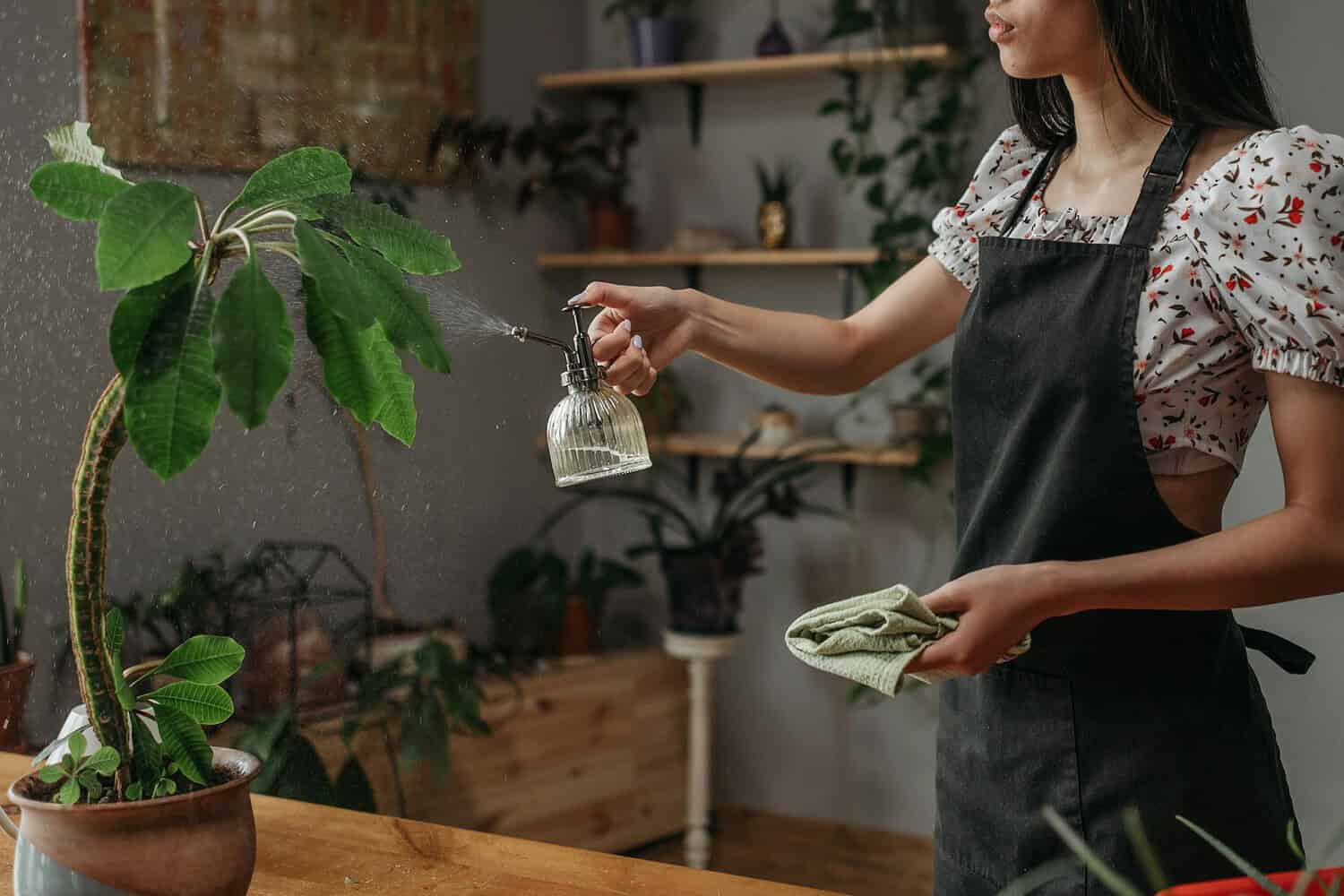
People often place their indoor plants in corners of rooms, but this is not a wise idea. Corners tend to be darker than the rest of the room, and the side of the plant facing the wall gets even less light, which can result in leaf loss. If the corner is the only place available, choose a low-light plant like a fern or spider plant and avoid tropical varieties like geraniums or passion flowers, as they require more light.
Near Electronic Equipment
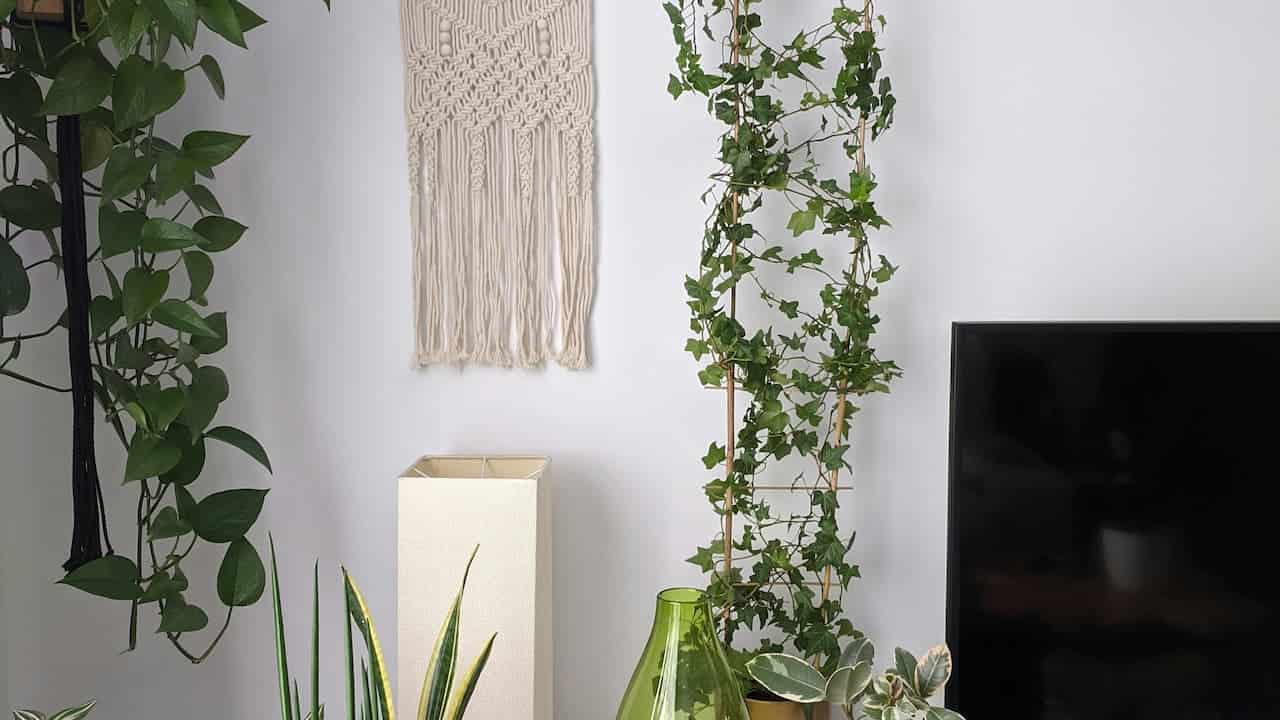
We have all heard that plants help reduce stress and may be tempted to add indoor plants to our office space. However, placing them too close to electronic equipment is not smart. When you water plants kept near computers, printers, or other electronics, it can lead to accidental splashes, which could damage these costly devices. Keep your plants at a safe distance from any electronics to avoid such risks.
On Top Of The Microwave
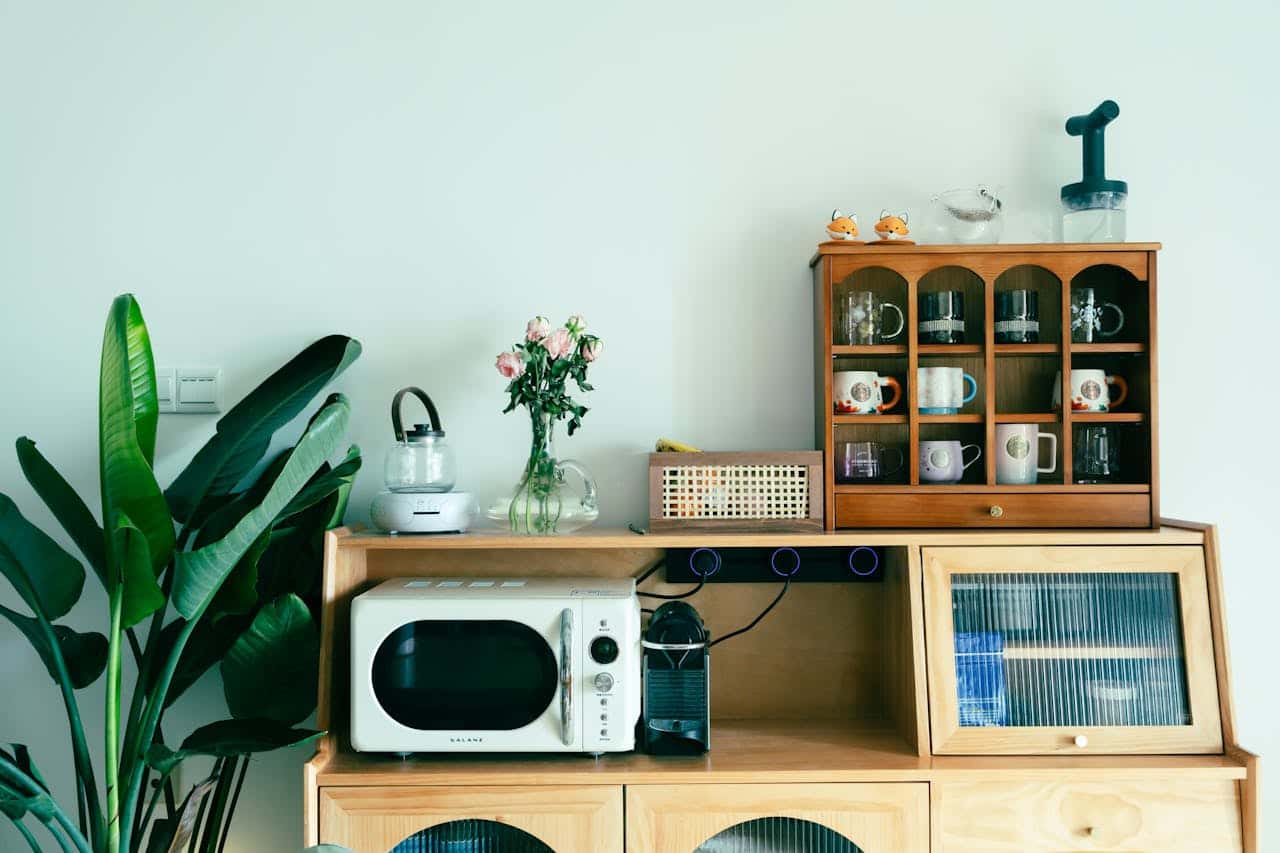
Avoid placing your plant on top or near your microwave. Microwaves give off heat when they work and create a warm, dry environment, which isn’t suitable for plants. Moreover, placing plants on top of the microwave can block the vents and damage them. The weight of the planter can also damage your microwave. Keep your indoor plants in a more suitable location, like a window sill.
Areas With Direct Sunlight
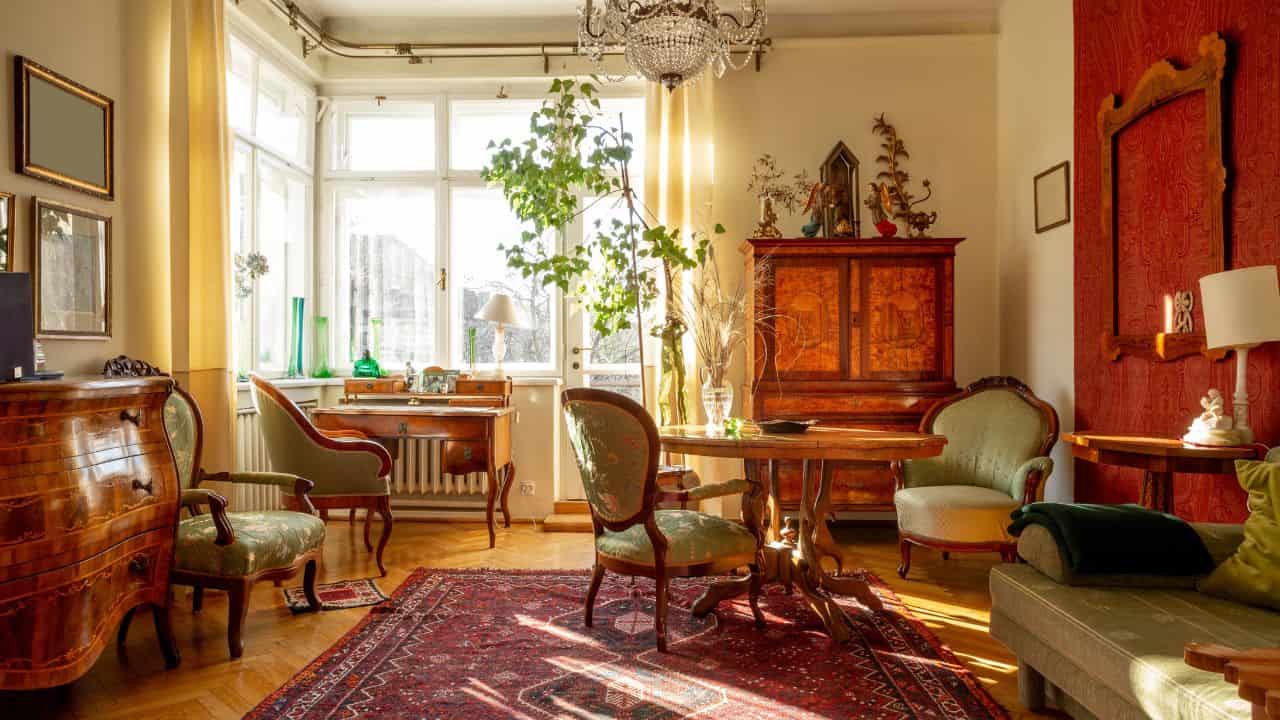
While sunlight is good for plants, many indoor plants thrive in partial shade. Placing them in areas within your home that get direct sunlight throughout the day can damage them. When exposed to too much sun, the chlorophyll in the leaves can break down, causing the leaves to become pale or fade. As the damage continues, these leaves then turn brown. So, find a balance and ensure your indoor plants are not subjected to excessive sunlight.