Mulching is one of the most common gardening practices, yet so many landscapers and gardeners do it all wrong.
You might not think there could be a “wrong way” to mulch, but there definitely is. Mulch not only beautifies your garden and suppresses weeds, it also interacts with the soil and serves as a home for beneficial insects and organisms. When done correctly, it helps to build and protect soil and support plants.
Advertisement
What Mulch Does for Your Garden (Besides Making It Look Pretty)

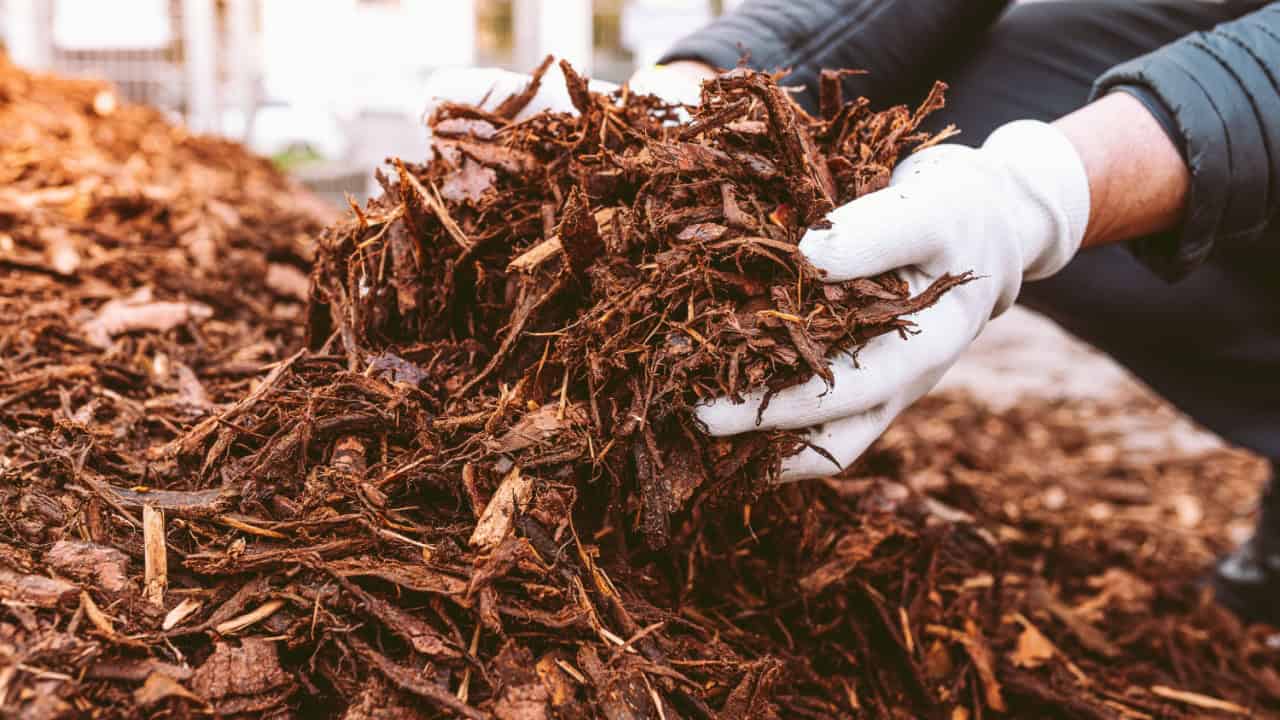
When you apply a wood-based mulch such as pine bark, cedar chips, or wood chips to your garden beds (no landscape fabric underneath!), the mulch interacts with the soil. It promotes gas exchange at the surface and slows and aids water penetration, which reduces erosion. Mulch also slows evaporation and reduces soil compaction, as foot traffic doesn’t come into direct contact with the soil. Over a number of seasons, the wood mulch slowly breaks down with the help of fungi at the soil surface, providing a type of composting.
But unlike composting, the breakdown of mulch is similar to how new soil is made in a forest. In woodlands, wood and leaves that fall from trees and plants sit on the soil surface and very slowly deteriorate. While doing so, this so-called duff layer supports the diverse ecosystem near the soil’s surface and eventually becomes the humic acids that feed plants. And it’s the same in your garden — think of mulch as future soil.
Mulch Is Not Just for Decoration
Unfortunately, many homeowners view mulch as strictly decorative, and that’s why inorganic products like dyed, shredded rubber “mulch” proliferate. These products do little to help your garden or its plants, and some can even become an environmental hazard. Inorganic mulches like rubber never completely break down and eventually need to be removed from gardens and shipped to a landfill. That is obviously not great for the ecosystem (this doesn’t include inorganic mulches like stone – see below).
Mulch Volcanoes May Kill Your Trees

Mulch should always be a few inches away from the tree trunk and never up against it, much less covering the base of the tree. Mulch isn’t needed after the first season when the tree has taken root, and after that point, it’s strictly decorative. And don’t worry about grass growing under a tree – it will not interfere with the tree’s uptake of moisture and nutrients. Tree roots grow deep in the soil, far below grass roots.
How Mulch Controls Weeds and Helps Soil
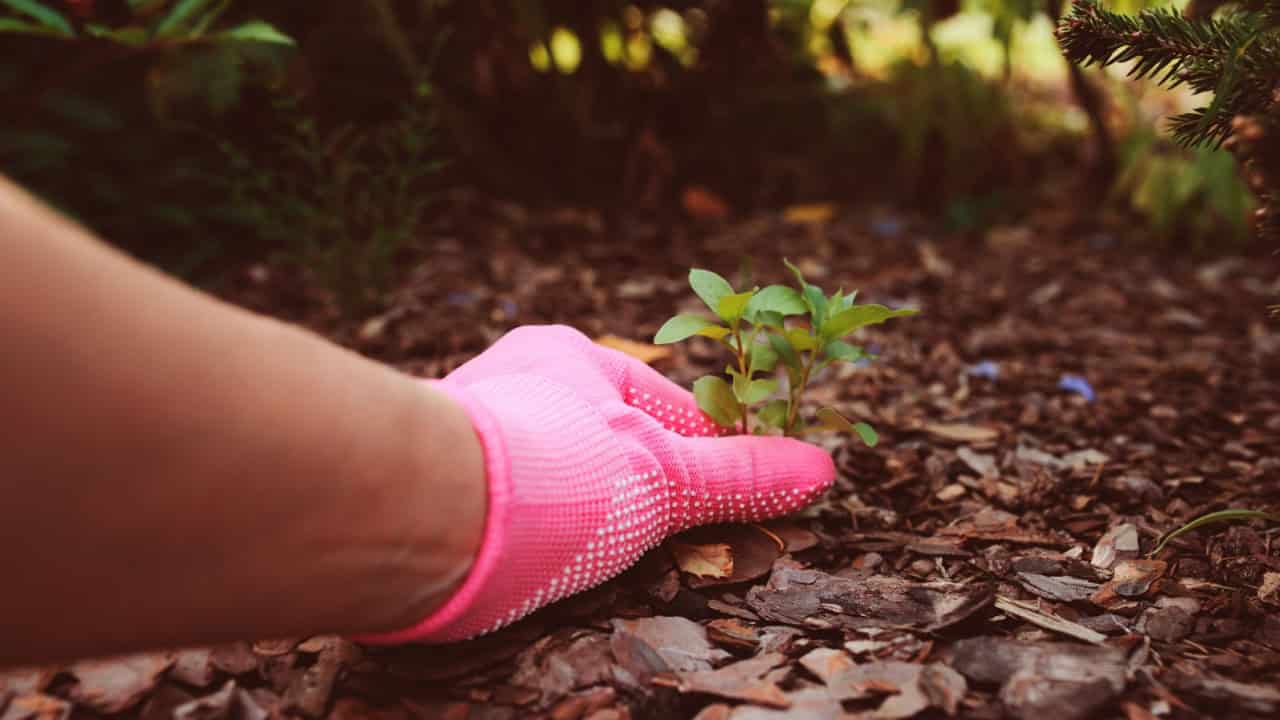
- Mulch blocks the sunlight that weed seeds need to germinate.
- Mulch acts as a barrier that makes it difficult for germinated weed seeds to become actual weeds.
- Mulches help to reduce soil compaction, since you step on the mulch and not the soil.
- Mulch captures water more efficiently than bare soil and reduces runoff.
- Mulch reduces evaporation from the soil by as much as 35%.
- Mulch buffers and stabilizes soil temperature. It keeps soil cool in the summer and protects it from deep freezes and frost heaves in the winter.
- Mulch alone can begin to build soil in as few as 3 years in areas with no topsoil (like some urban settings or recent construction sites).
What Materials Make the Best Mulch?

- Wood chips
- Pine Bark
- Shredded or ground wood products
- Grass clippings
- Shredded leaves (aka leaf mulch or leaf mold)
- Disease-free trimmings from pruned shrubs and trees cut into small pieces
Are Gravel and Rocks Considered Mulch?
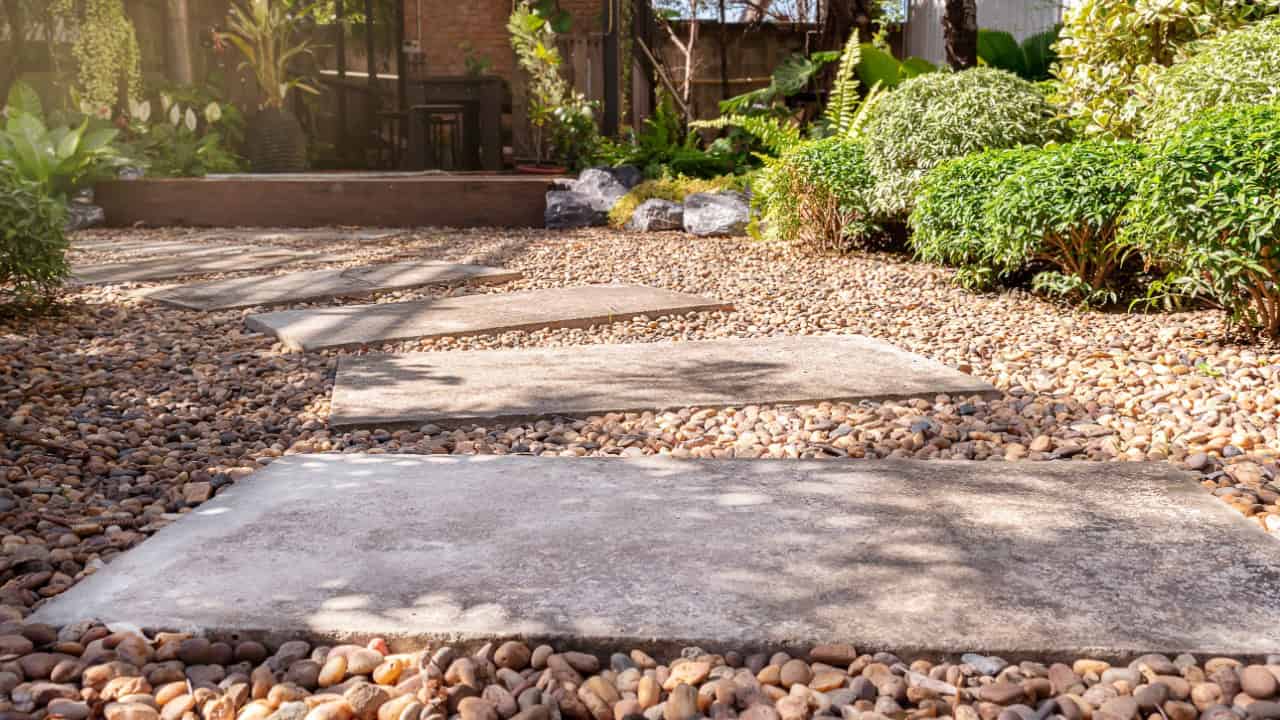
Stones, gravel, and other small rocks can be used as mulch, but are inorganic, so they won’t break down and contribute to building new soil. However, they do moderate water evaporation and soil loss, and can help retard wildfires near your home, so they definitely have their place.
- Small stones stacked at least 1″ deep are excellent for weed suppression.
- In arid areas prone to wildfires, stones and gravel are the recommended mulch at the edges of homes, as they won’t combust when fire approaches the house.
- In temperate areas, stones, rocks, and gravel can be used decoratively as edging in a garden bed, around downspouts to slow stormwater runoff and control erosion, in gravel drains, on walkways, or in areas that see heavy foot traffic or machinery (such as areas around outdoor central air conditioning units).
- If you use stones around plants, be aware that some mixes contain limestone which will alter the soil pH and may cause growing problems with some plants.
What Shouldn’t I Use for Mulch?

Landscape fabric (weed barriers), plastic sheeting, shredded and dyed rubber tires (or any rubber product), or anything that’s not organic (besides stone) should never be used as mulch. If it’s organic it will break down and help to build soil. If not (like rubber), it will just lay there, and eventually, you’ll have to ship it off to a landfill.
How to Mulch the Right Way

Before mulching your garden beds, add a 2-3″ layer of compost to feed your plants over the season. Then, add 1-2″ of mulch.
Mulch with big chips is great for walkways because it doesn’t break down quickly. In garden beds, use finely shredded mulch, like triple-ground wood mulch. Also, choose something brown in color so that it blends in with the soil. Keep the focus on the plants, not between them.
In perennial beds, be careful with your timing. If you have flowers that reseed every year, don’t cover your beds with mulch too early, or those seeds will never germinate. The same goes for plants that grow from bulbs. Wait until the plants have grown a few inches, and then mulch. You also want to wait until perennials that die back in winter emerge from dormancy and start growing. If you cover the crowns with mulch, there’s a good chance they’ll rot.
Let the leaves lay. Some landscapers remove fallen leaves, twigs, and other yard waste with a leaf blower before mulching. Don’t let them do this. Leave small plant debris and disease-free leaves in place and cover them with mulch. Mulch will aid in decomposition and support organisms at the soil surface, helping to build new soil.
Does Mulching Affect Ground-Nesting Bees?
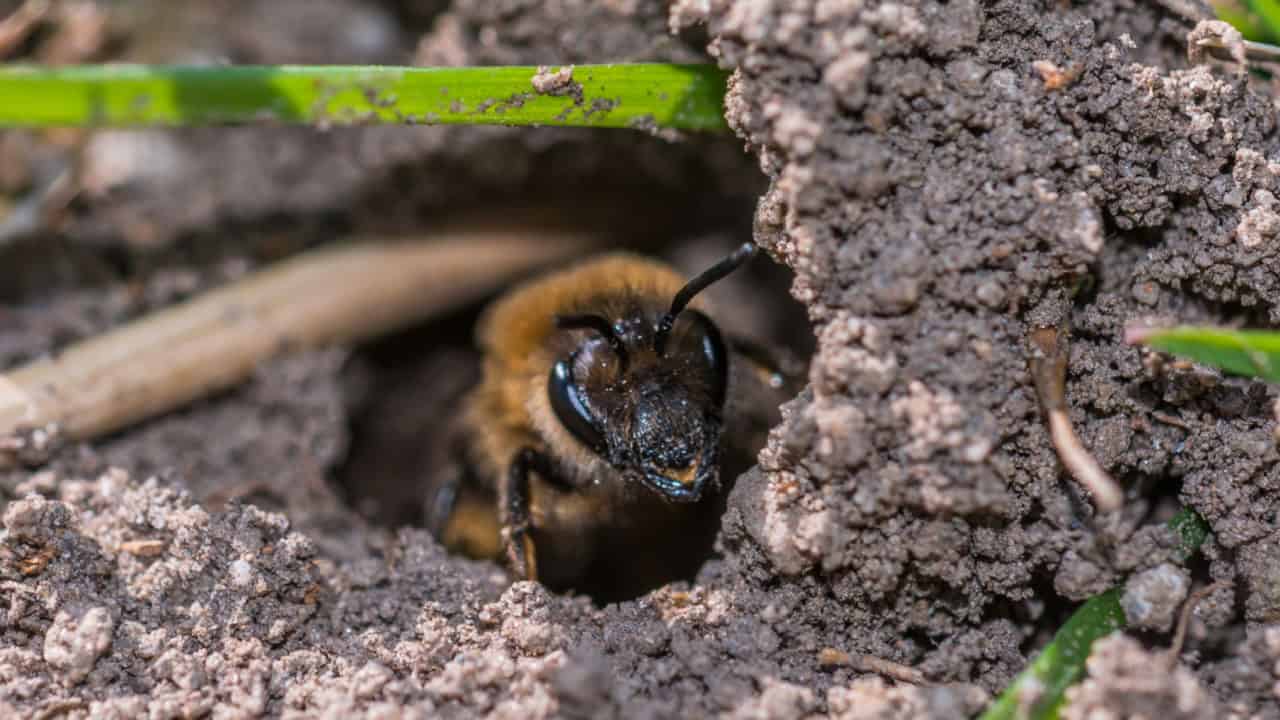
Most species of native bees nest in your garden soil. But you’d never know it, because they come and go so quickly and keep to themselves.
When mulching, please leave some bare spaces at the edge of your beds, or leave an entire bed mulch-free, as these bees cannot burrow (or won’t) under the mulch. A great alternative to mulching is to use native groundcovers that support pollinators and eliminate the need for mulch.
Mulching Vegetable Garden Beds
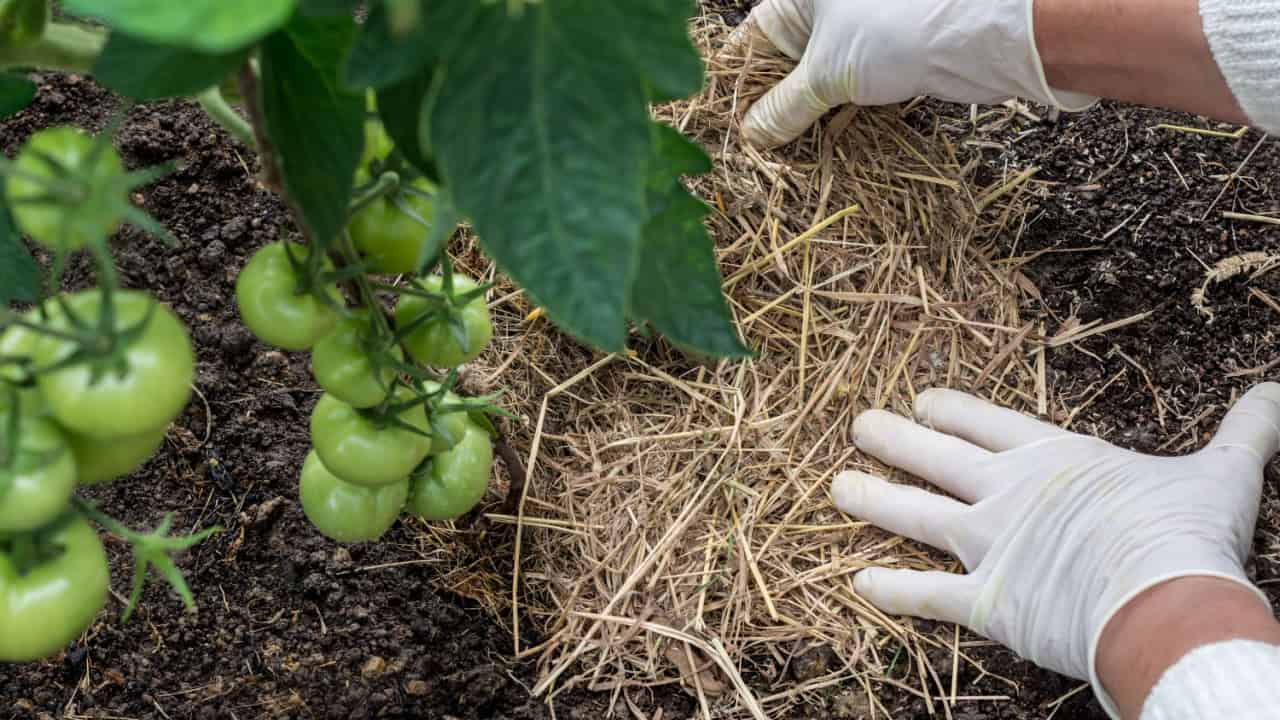
It’s okay to use finely shredded wood mulch in vegetable garden beds — it’s actually very good for suppressing certain fungal diseases. And, of course, use the big chips in walkways between your raised beds or in between rows in flat earth gardens. Also fine to use are straw, shredded leaves, and untreated (no pesticides) grass clippings. Don’t use hay like I did one year – I was pulling weeds in my veggie beds for about 4 years after that mistake.
Remember that the plants are the focus, not the mulch. When used correctly, mulch is a great friend to gardeners.