Homeowners’ associations (HOAs) have grown increasingly influential in American neighborhoods. While they were initially created to maintain property values and common areas, many HOAs have now expanded their reach, imposing regulations that affect everything from the color of your front door to the type of garden you can have.
Tight Restrictions on Garden Designs
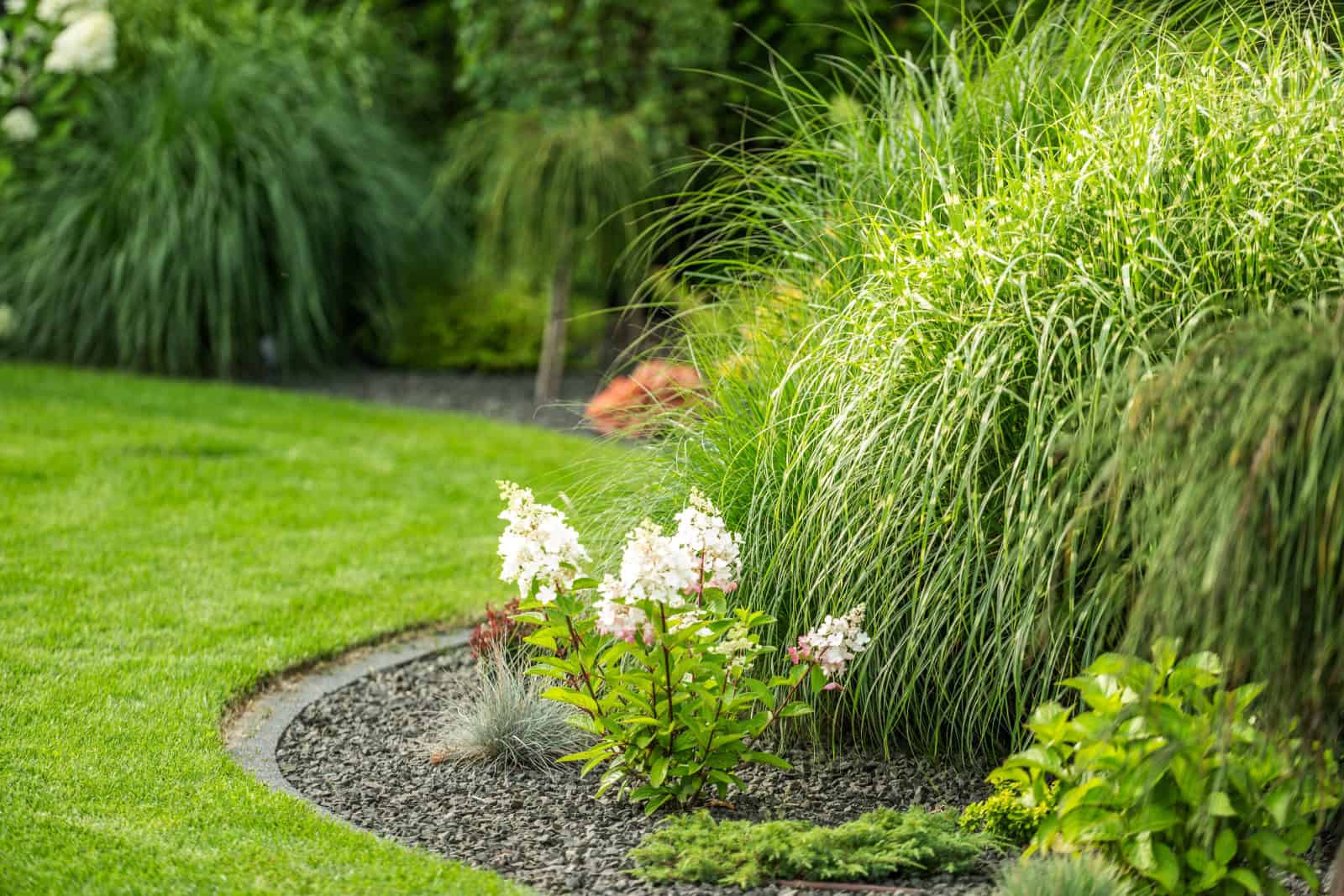
HOAs often impose strict rules on the types of plants, garden designs, and layouts that homeowners can use. Many communities have specific guidelines about the height, color, and species of plants, severely limiting creativity and personal expression. If you prefer a wildflower garden, vegetable patch, or even certain native plants, you may be at odds with HOA regulations.
Advertisement
Prohibiting Vegetable Gardens

Some HOAs explicitly forbid homeowners from planting vegetable gardens in their front yards, citing aesthetic concerns and labeling such gardens as eyesores. This stifles creativity and denies homeowners the opportunity to grow their own food, reduce grocery expenses, and embrace sustainable practices.
Discouraging Natural Landscaping
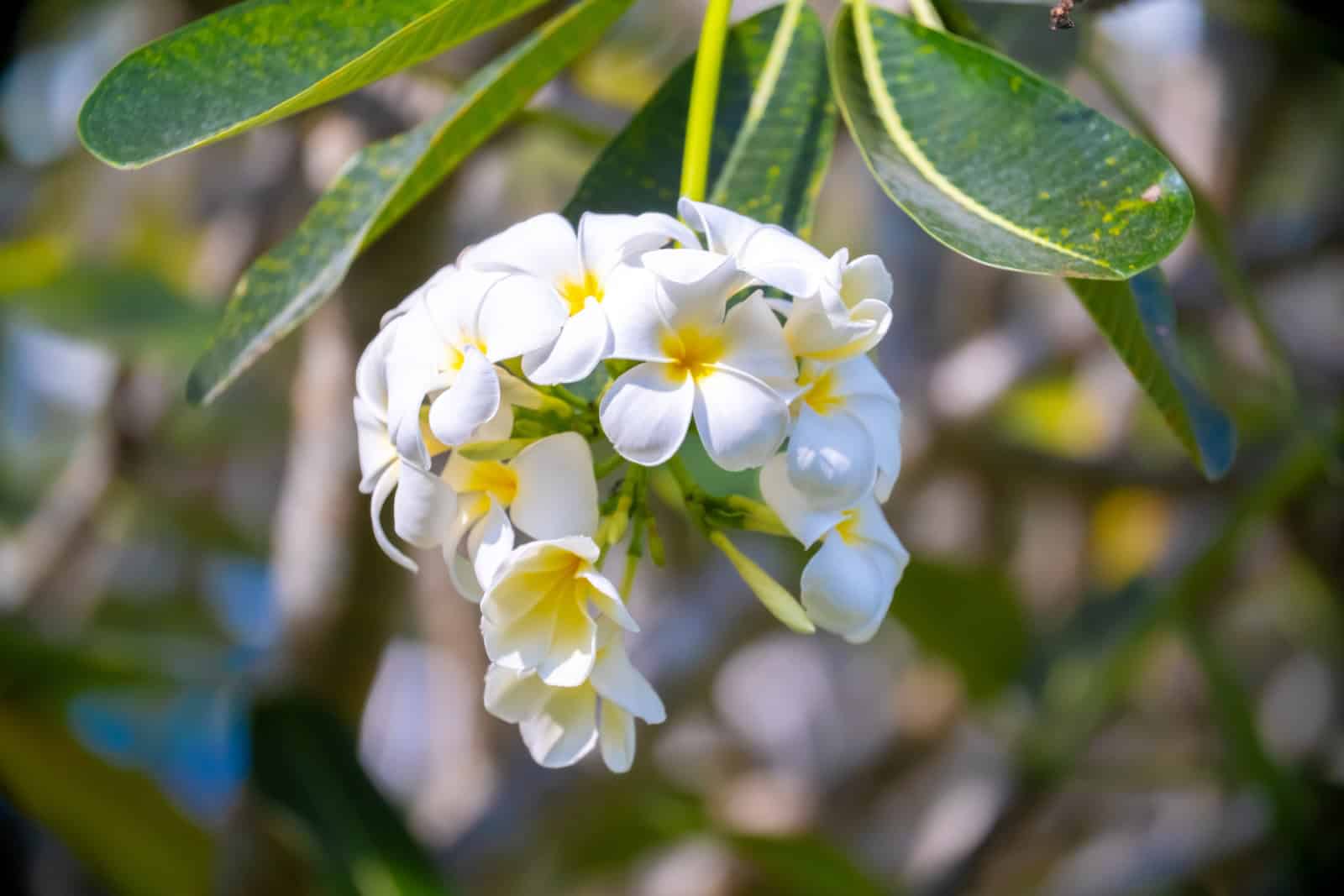
HOAs often favor manicured lawns over more natural landscaping approaches. Homeowners who wish to establish rain gardens to manage runoff and support local wildlife frequently encounter resistance. These associations often label such efforts as unkempt or unsightly. This mindset hinders sustainable landscaping practices and discourages ecological balance in residential neighborhoods.
Excessive Lawn Maintenance Rules

HOAs often impose strict standards on lawn height, appearance, and maintenance. While keeping a neat lawn is generally beneficial, these rigid regulations leave little room for homeowners to adopt environment-friendly practices like xeriscaping or planting drought-resistant plants that could save water, reduce maintenance costs, and support a more sustainable neighborhood.
Forcing Removal of Pollinator-Friendly Plants

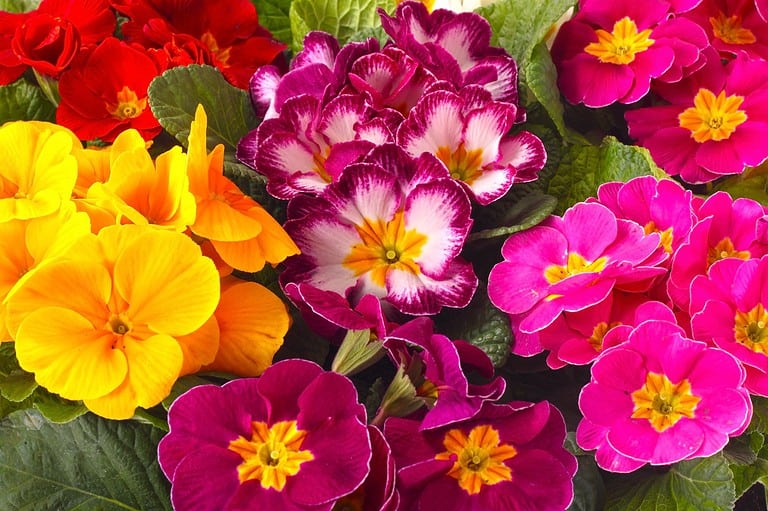
HOAs often discourage or ban pollinator-friendly plants because their appearance does not fit the community’s strict aesthetic guidelines. These plants are vital for supporting bees, butterflies, and other pollinators. By restricting them, HOAs limit homeowners’ potential to create sustainable gardens, ultimately hindering efforts to improve the neighborhood’s overall ecological health.
The War on Fences

Fences often become a major source of tension between homeowners and their HOAs. In many neighborhoods, strict rules regarding fence height, style, and materials prevent homeowners from building privacy fences that would shield their gardens. These limitations not only hinder the creation of personal outdoor spaces but also diminish the sense of privacy and security in their own homes.
Restrictions on Outdoor Utility Structures

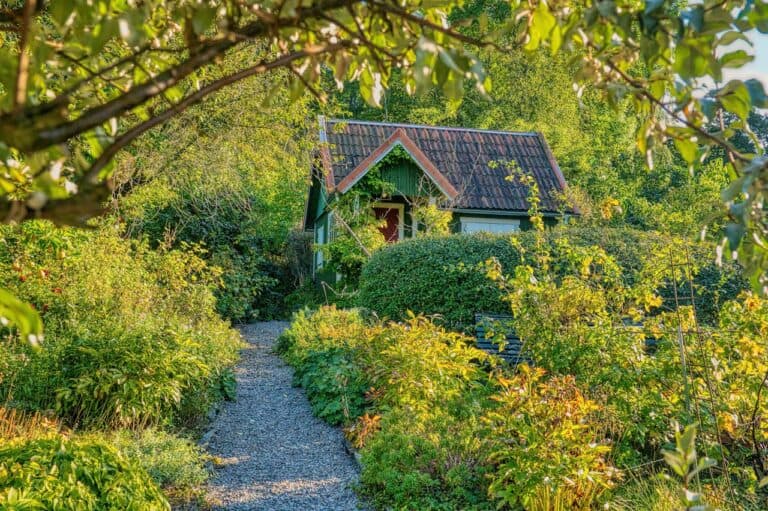
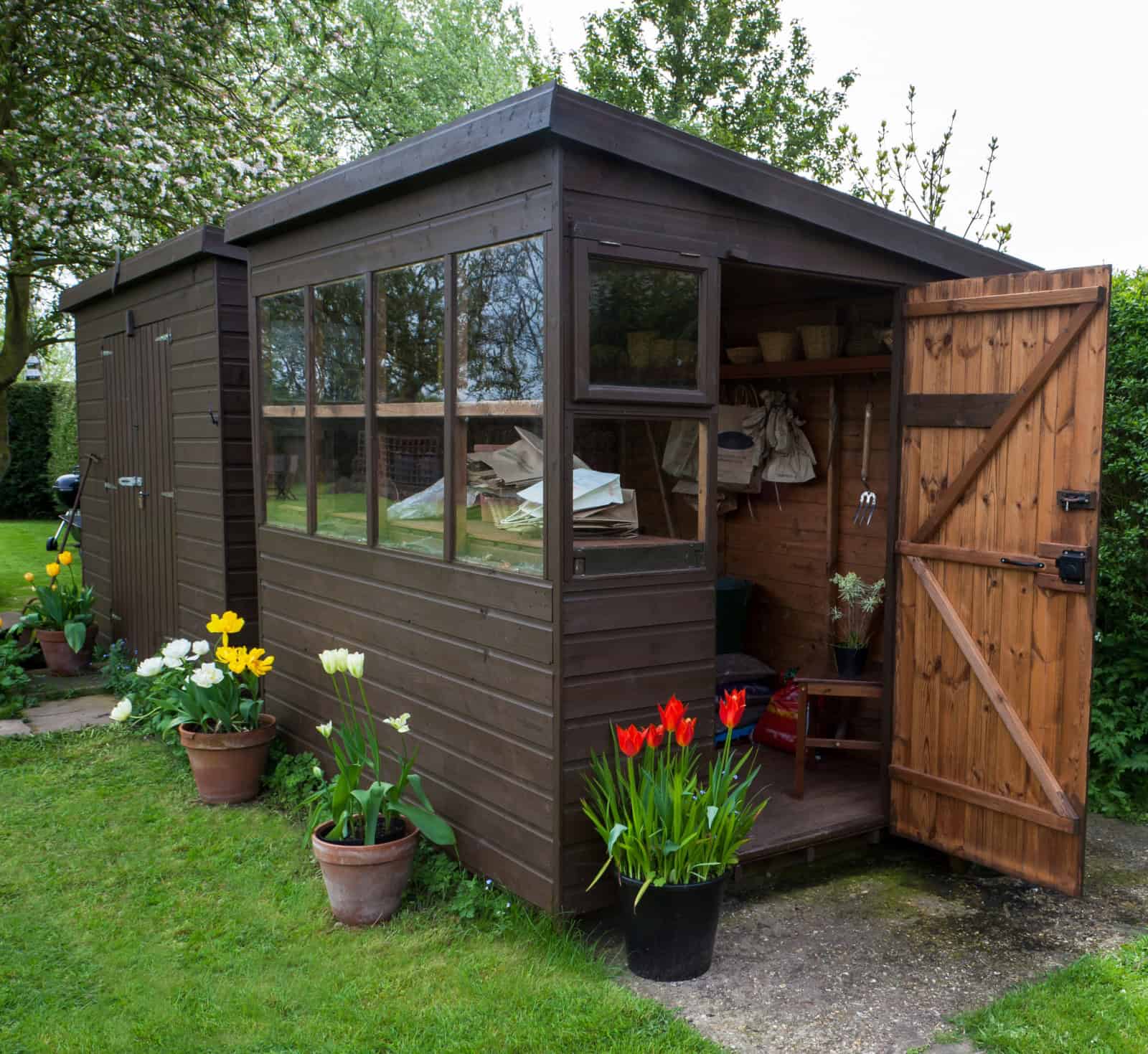
Many HOAs limit the use of outdoor utility structures like tool sheds, greenhouses, or rainwater collection systems, citing aesthetic concerns. These structures are essential for gardeners who need space to store tools, grow plants year-round, or adopt sustainable practices. Earlier this year, in Illinois, a resident incurred $53,000 in legal fees fighting an HOA mandate to relocate solar panels, which would have reduced their efficiency. Such restrictions hinder homeowners’ ability to pursue gardening and eco-friendly initiatives effectively.
Discouraging Outdoor Living Spaces
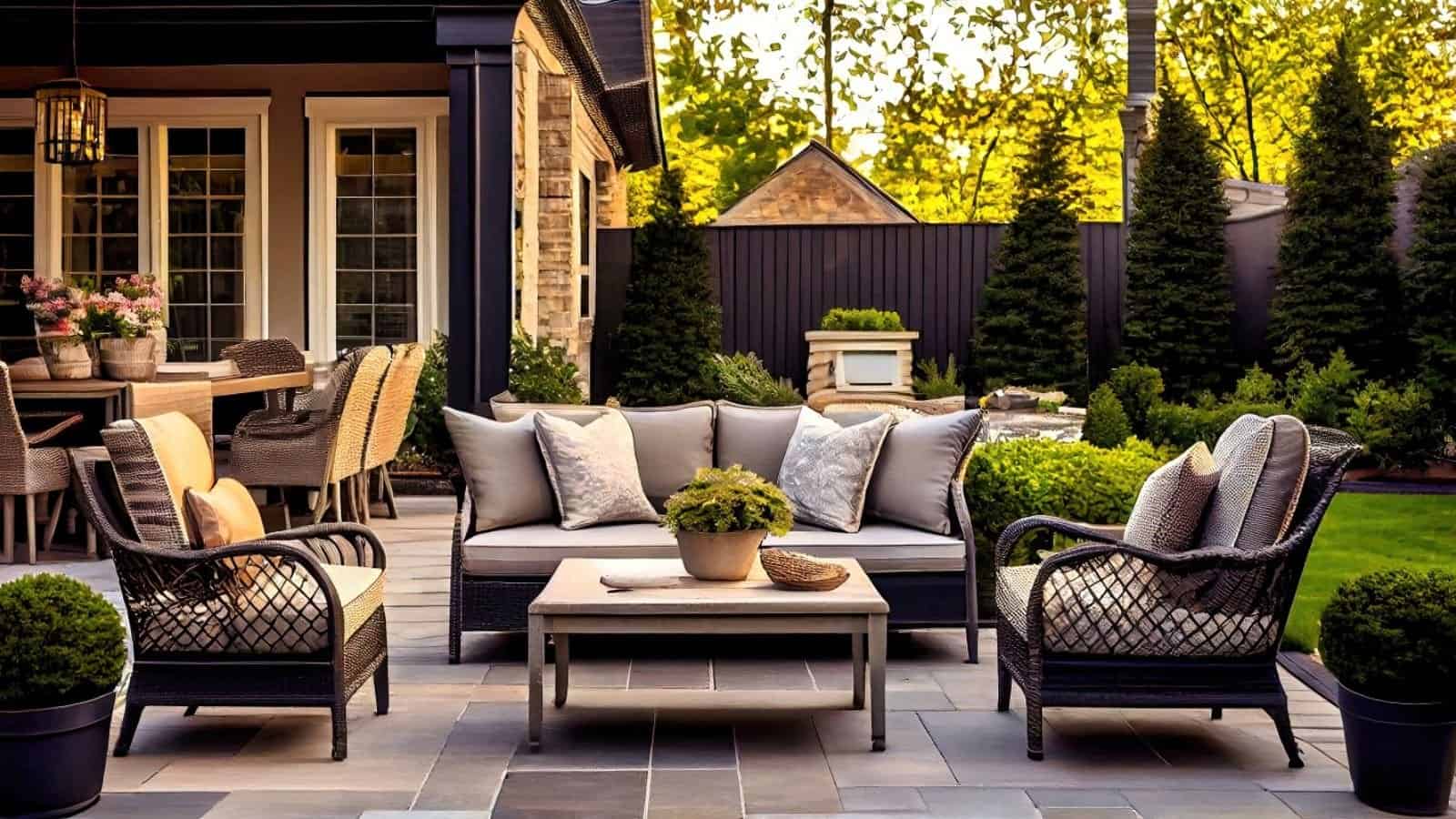
If you consider adding a deck, hot tub, or gazebo to your backyard, your HOA might oppose it. Many associations impose restrictions on such structures, citing concerns about maintaining curb appeal. This can deter homeowners from creating functional and enjoyable outdoor spaces for relaxation and entertainment.
Restrictive Rules on Outdoor Activities

HOAs often enforce strict rules on outdoor activities, including events and gardening schedules. Noise ordinances may limit when homeowners can use tools like lawnmowers or leaf blowers, disrupting those who prefer gardening in the evenings or on weekends. Additionally, restrictions on outdoor gatherings, like family barbecues or garden parties, often include guest limits, noise levels, and event durations. These rules can feel overly intrusive, especially when homeowners try to enjoy their outdoor spaces.
Financial Burden of HOA Fees

HOAs often charge mandatory fees for community upkeep, which can become a significant financial burden for homeowners. These fees typically cover amenities like pools, landscaping, or clubhouse maintenance, but not all homeowners utilize these services. These fees can feel excessive and unfair for those already managing tight finances. Moreover, the charges can increase unexpectedly, leaving residents struggling to budget.
Excessive Fines for Non-Compliance

Imagine coming home after a long day, leaving a rake or garden hose outside, and waking up to find a fine notice from your HOA. These fines often feel disproportionate, especially for small, accidental violations like an overgrown shrub or a forgotten trash bin. It’s not just about the money, it’s the feeling of being constantly watched in your own space that makes it even more frustrating.
Costly Home Improvement Approvals

Many HOAs make homeowners jump through hoops before making changes to their property, like adding a garden or upgrading landscaping. You’ll often need to submit detailed plans and pay fees just to get approval. On top of that, some HOAs require hiring professionals to meet their strict guidelines, which can drive up the cost of owning a home.
Unequal Enforcement of Rules

HOAs can sometimes feel like a game where the rules change depending on who’s playing. One neighbor might be fined for having weeds in their flower bed, while another gets away with a glaringly non-compliant structure. This inconsistency bothers residents the most, leading to an unhappy community where homeowners feel singled out and powerless to challenge favoritism or neglect in enforcing standards.
Monotonous Neighborhood Aesthetics

HOAs often push for uniformity in design, leading to identical-looking neighborhoods. This “cookie-cutter” approach to home exteriors stifles creativity and eliminates the charm of diverse, individualized houses. Homeowners may feel like living in a suburban version of a corporate office park rather than a vibrant community.
Clashing with Green Initiatives
HOAs often clash with eco-conscious homeowners trying to go green with rain barrels, solar panels, or composting areas. Many boards label these upgrades as “eyesores” that disrupt the neighborhood’s look. This narrow-minded approach discourages simple, sustainable changes that could benefit everyone.
Strangling Community Gardening Projects

Community gardening projects often encounter strong resistance from HOAs, which may impose regulations that prevent the development of food gardens or native plant initiatives. As a result, homeowners who want to create environmentally friendly spaces are frequently blocked by these restrictions.