Growing medicinal plants at home is a rewarding way to create your natural pharmacy. These plants add beauty to your garden and readily provide remedies for common ailments. With proper care and attention, you can cultivate these healing herbs and tap into centuries-old traditional medicine from your home or backyard.
Aloe Vera
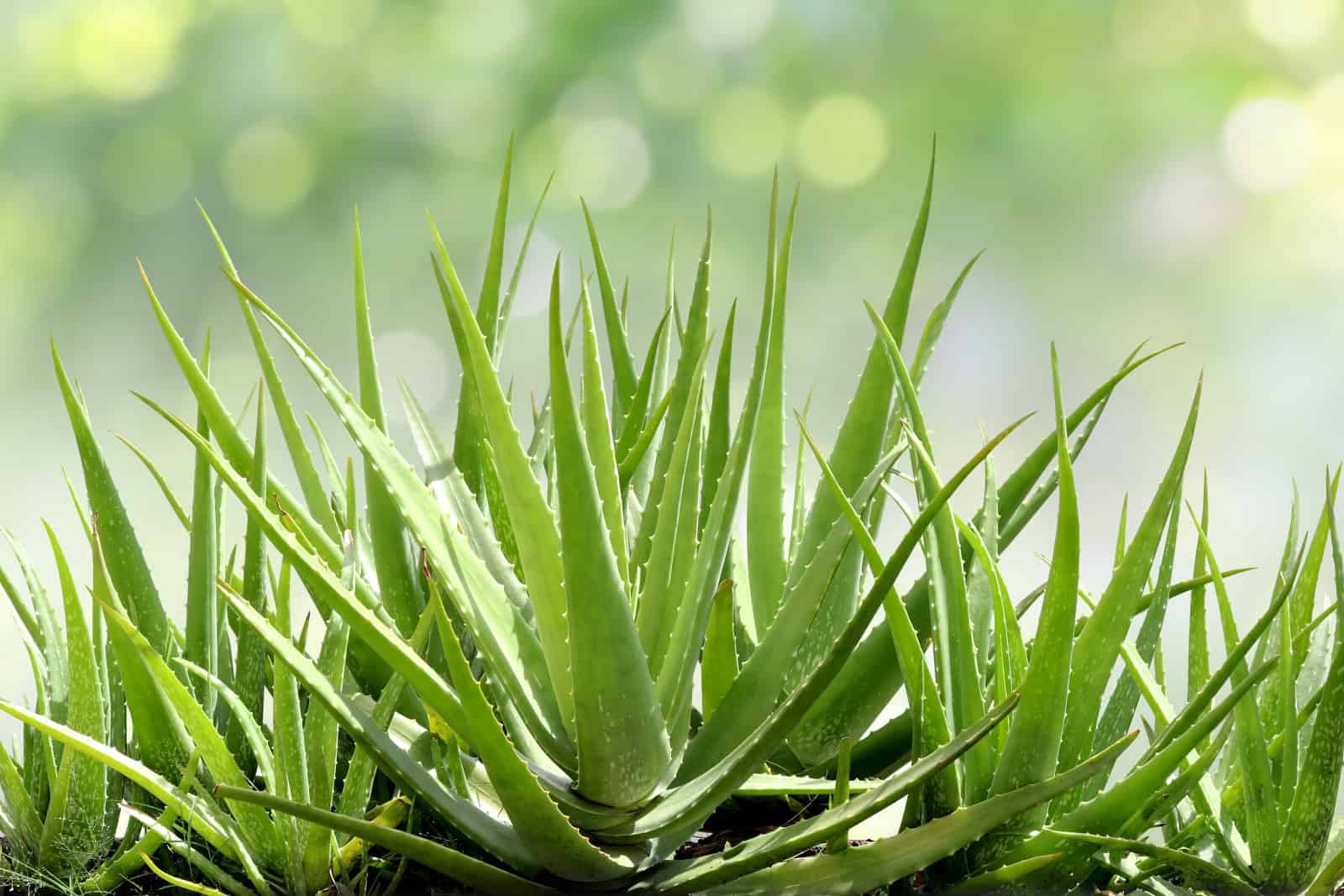
Aloe vera is a succulent that grows well indoors and outdoors in warm climates. The gel inside its thick leaves soothes burns, cuts, and skin irritations. Aloe needs well-draining soil and moderate watering. You can place it in bright, indirect light, and allow soil to dry between waterings. It is advisable to remove older leaves from the base to promote healthy growth.
Advertisement
Chamomile
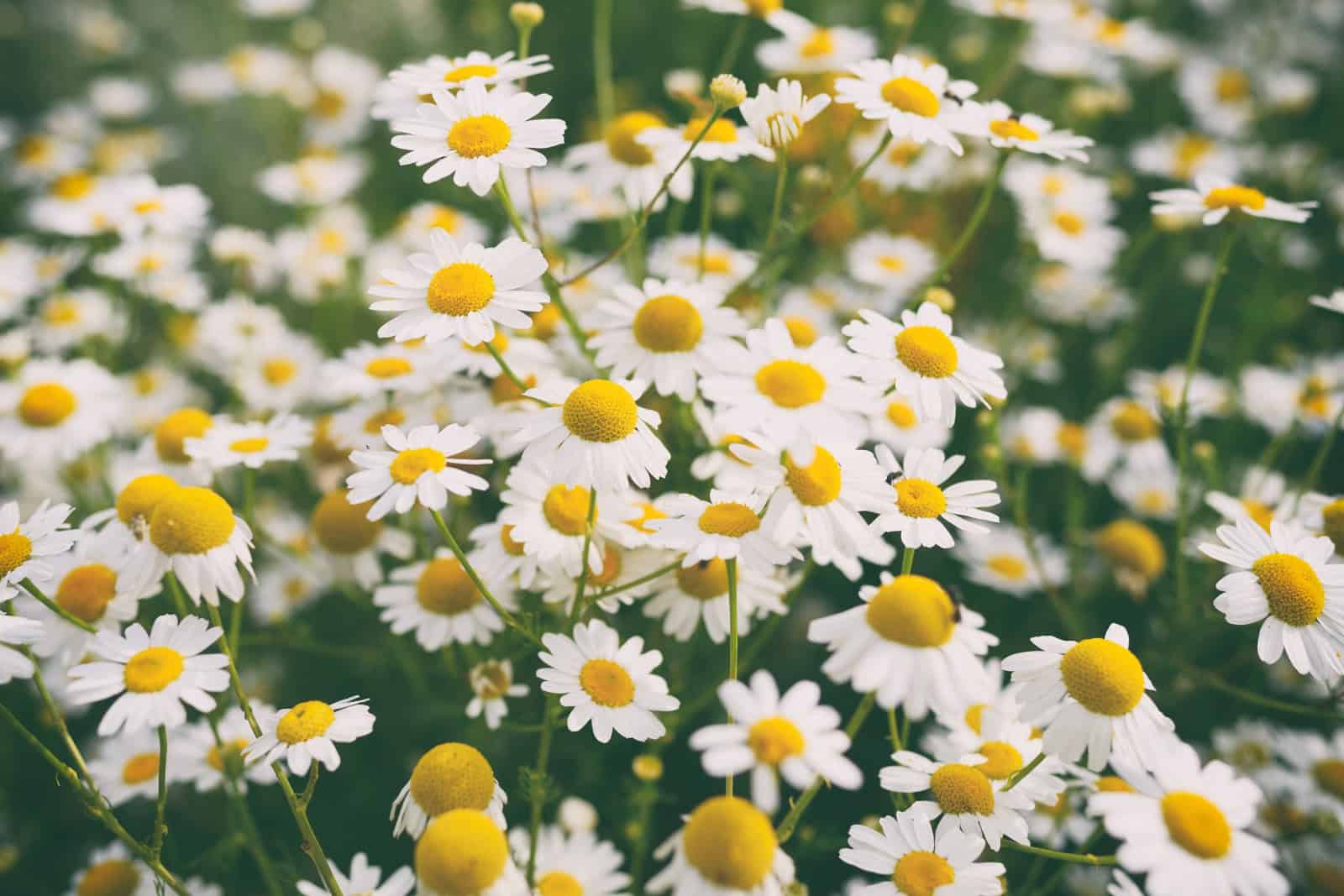
This herb produces small daisy-like flowers that make a calming tea. Chamomile grows best in cool conditions and needs minimal care. The flowers can be harvested throughout the growing season and dried for later use. It helps with sleep problems and anxiety. Plant it near cucumbers as a natural pest deterrent, and avoid over-fertilizing to encourage more blooms.
Calendula
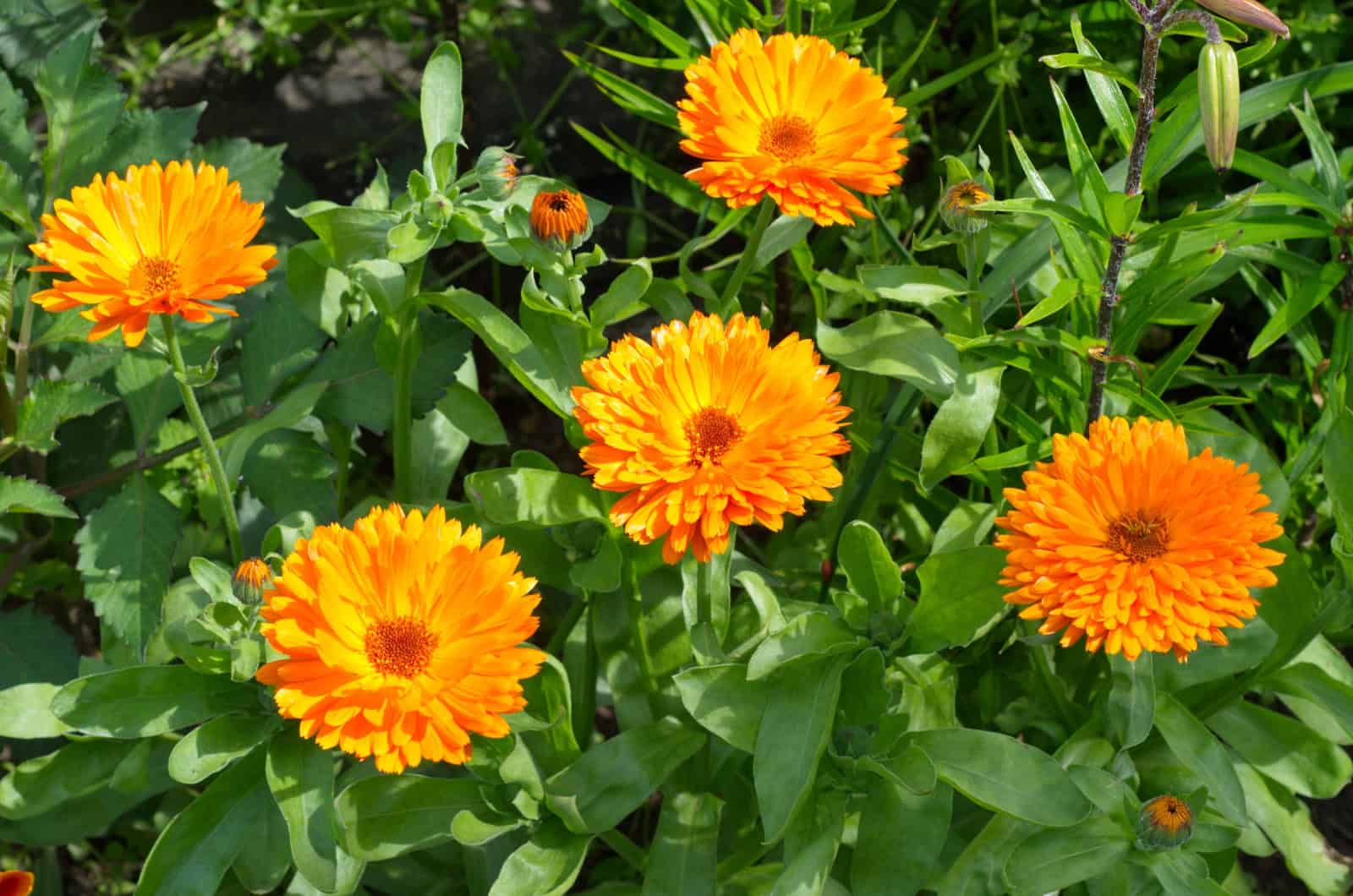
The bright orange and yellow flowers of calendula bloom throughout the growing season. You can grow it easily from seeds planted in spring as it tolerates most soil types. The flowers can be used to make healing salves for skin problems. Regular deadheading helps this plant to bloom continuously. Both its petals and whole flower heads have medicinal properties.
Peppermint

Peppermint is a versatile herb that thrives in partial shade and requires regular watering. Its leaves contain essential oils that help ease headaches, stomach discomfort, and nausea. The plant grows vigorously and you can use its fresh or dried leaves in teas. When planting, keep it contained as it spreads quickly through underground stems and can overtake other plants in your garden.
Basil
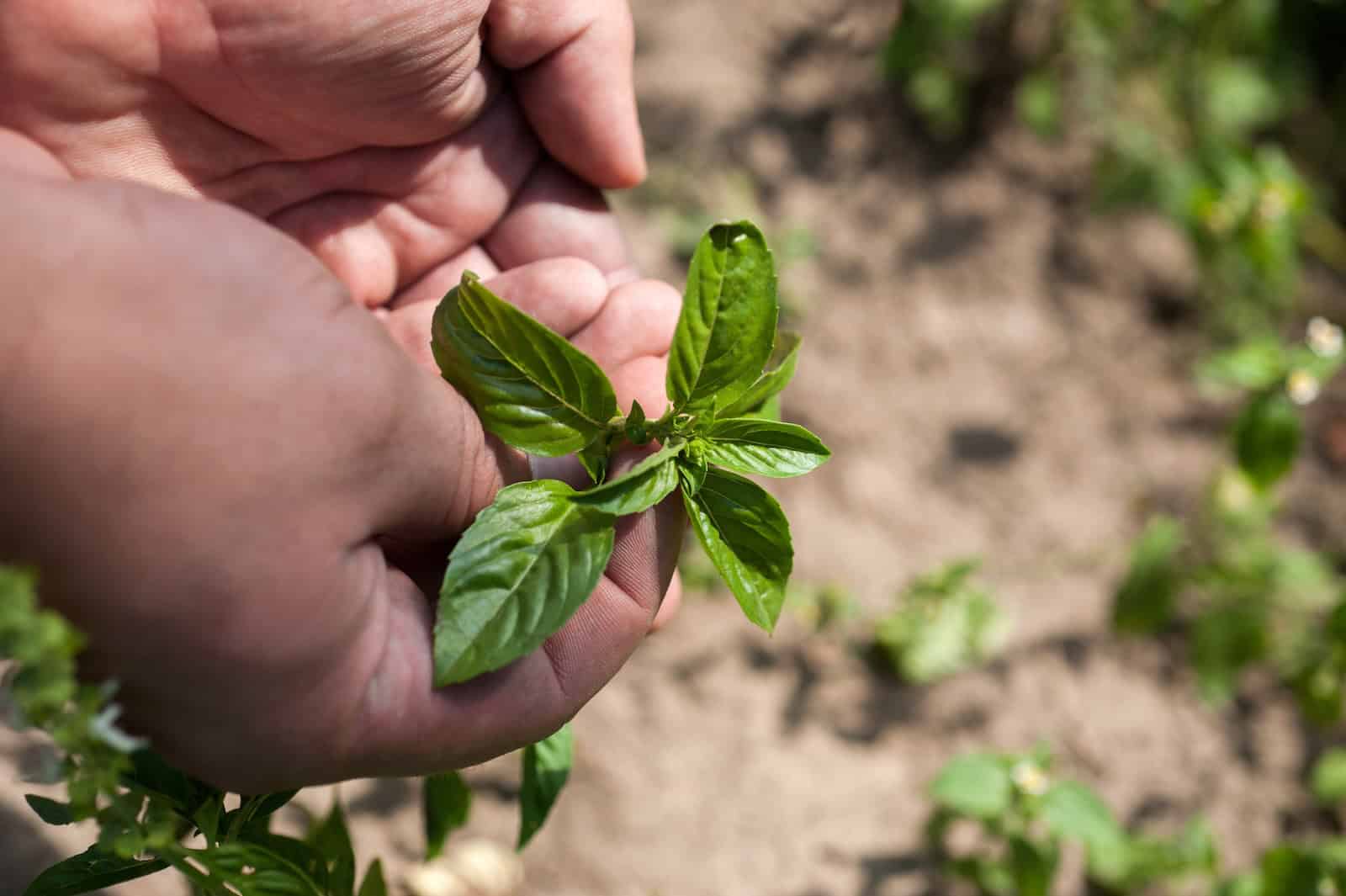
Basil is a common herb that offers more than just flavor. You should keep your basil plant under the sun as it prefers a warm climate. The leaves contain compounds that reduce inflammation and support digestive health. Regular harvesting promotes bushier growth. Start from seeds indoors before the last frost or buy young plants for an earlier harvest.
Echinacea

Echinacea looks like purple cornflower which is a hardy perennial that comes back year after year. It grows well in full sun and can handle dry spells once established. The roots and flowers are used to boost the immune system and help fight colds and flu. Regular trimming of dead flowers encourages more blooms, and the plant attracts butterflies and bees.
Rosemary
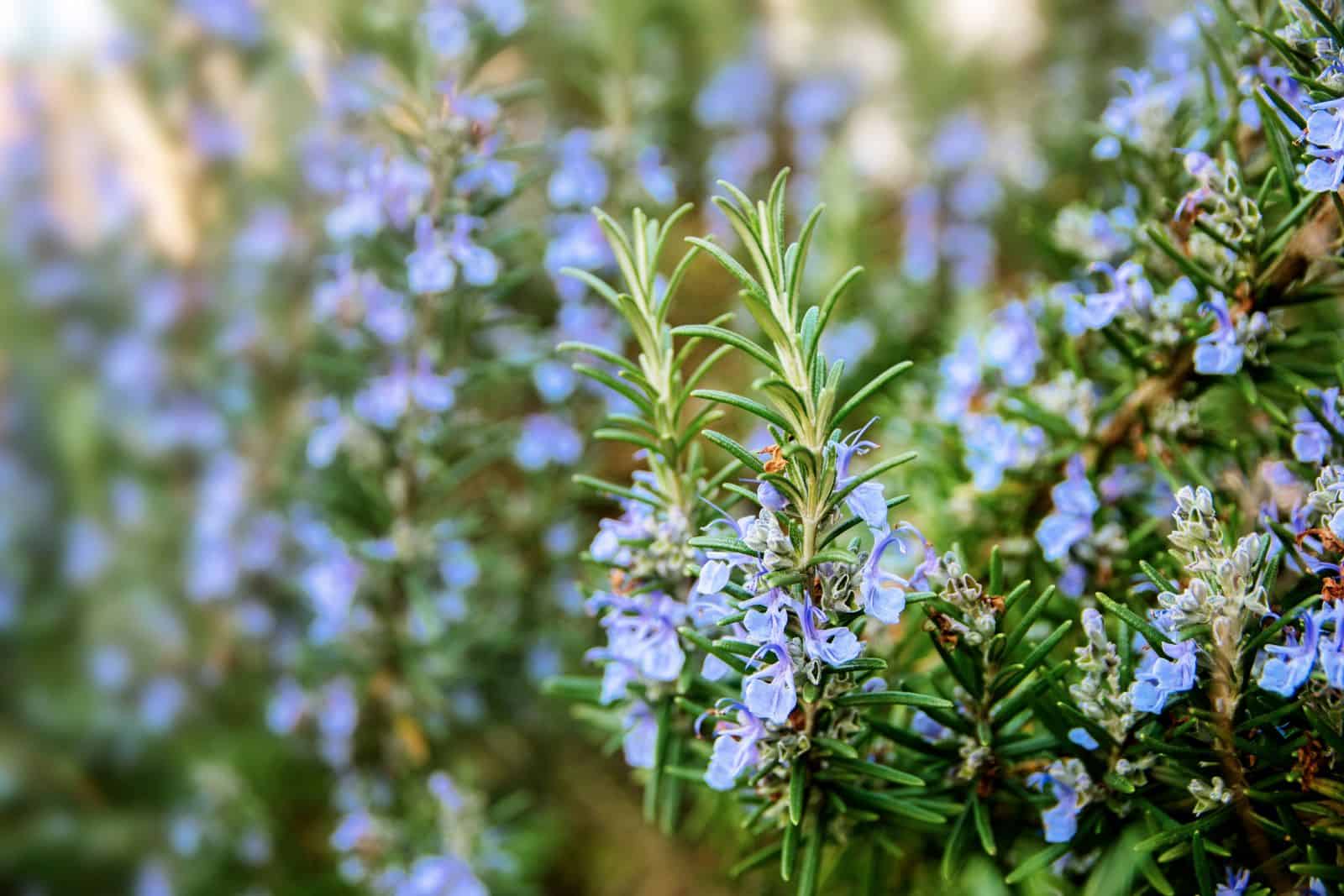
This woody herb grows into a small shrub with needle-like leaves. It needs full sun and good drainage to thrive. Rosemary is great for improving memory and concentration. It also reduces stress. The plant is drought-tolerant once it is established. Regular pruning maintains shape and encourages fresh growth. You can harvest its stems throughout the year.
Moringa
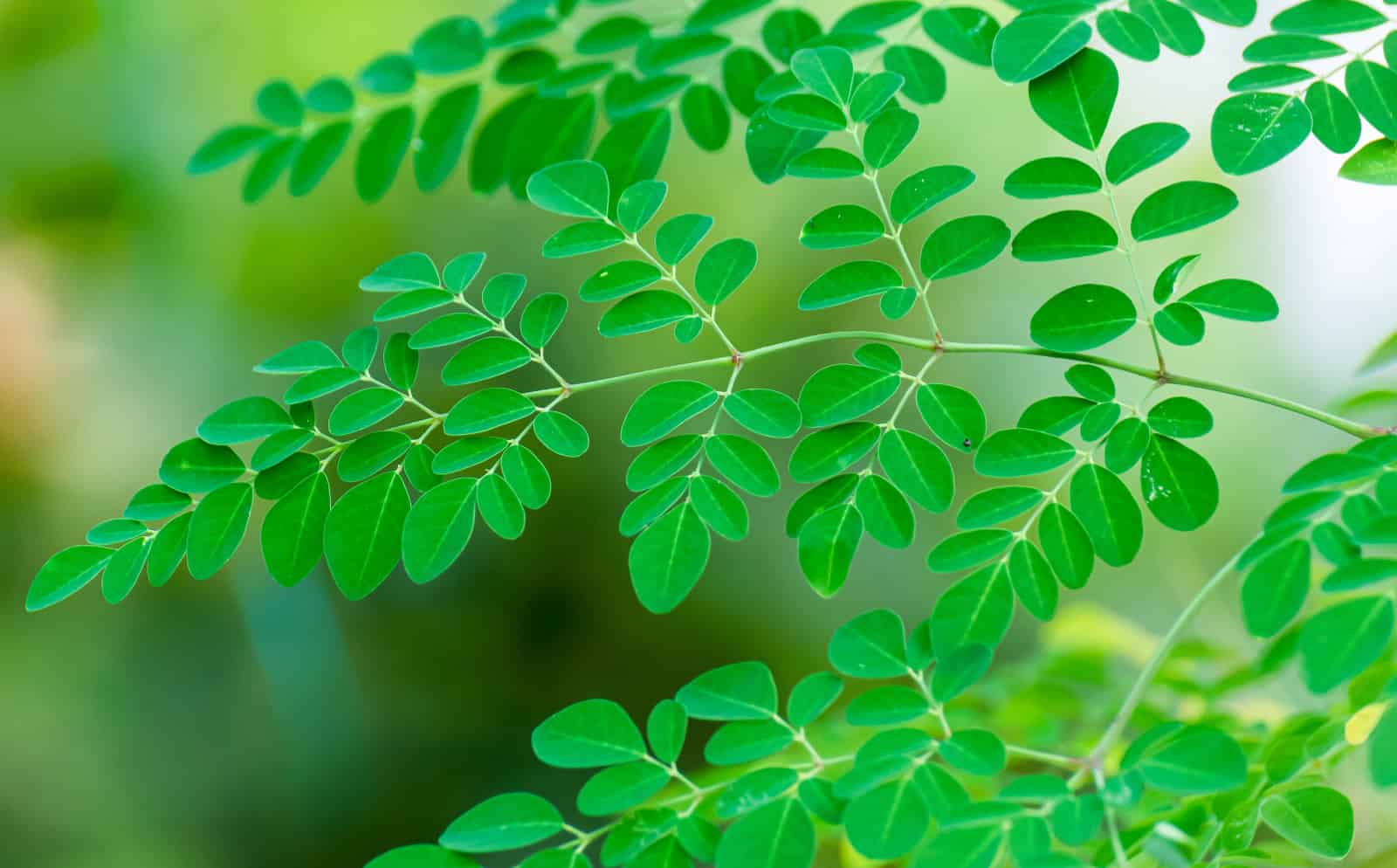
Moringa is a fast-growing tree that produces nutrient-rich leaves packaged with vitamins and minerals. It thrives in warm climates and can be grown in large containers. You can add the leaves to your soups and stews. It helps reduce inflammation, boost energy levels, and support immune function. By regular pruning, you can keep it a manageable size for home gardens.
Ginger
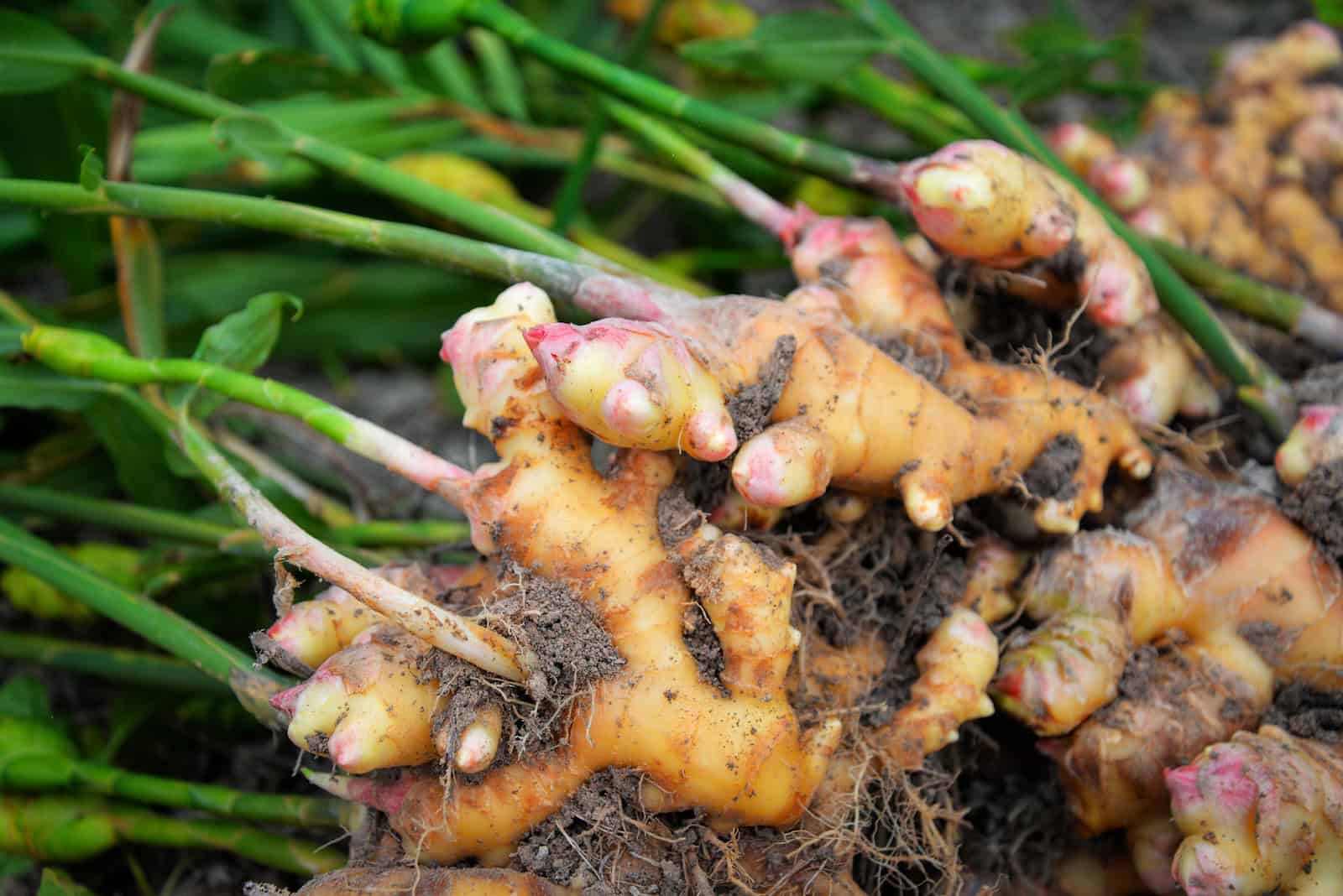
Growing ginger stars with fresh rhizomes planted in spring. Plant it in good quality and moist soil and keep it under partial shade. You can harvest the roots after their leaves die in fall. Fresh ginger helps with nausea, reduces muscle pain, and supports digestive health. Plant pieces with growth buds facing up, covered with two inches of soil.
Yarrow

Yarrow is a tough plant that has feathery leaves and clusters of small white flowers. Yarrow grows in moist soil types and handles drought well. The leaves and flowers help stop bleeding, reduce inflammation, and heal minor wounds. It makes an excellent companion plant in vegetable gardens by attracting beneficial insects and naturally repelling harmful pests.
Curry Leaves
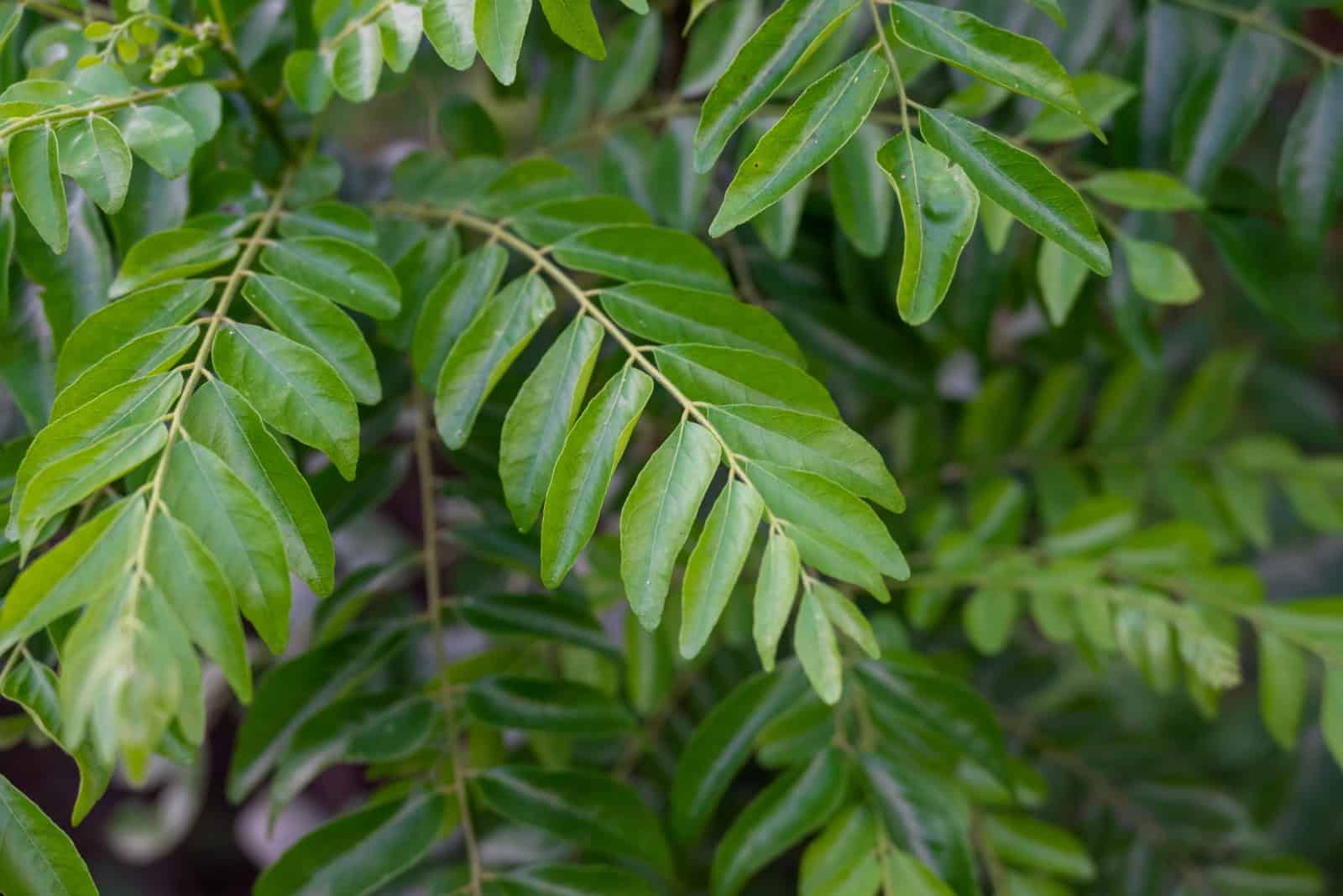
This aromatic plant produces small, shiny leaves used in cooking and medicine. It prefers warm temperatures and well-draining soil. The leaves help with digestion, reduce inflammation, and support heart health. You can start from young plants rather than seeds for better success. Harvest the plant regularly to get better growth and more leaves.
Passionflower

Passionflower is a climbing vine that produces unique purple flowers. It needs support to grow and prefers the sun. The leaves and flowers of this plant help with insomnia and anxiety when added to tea. Plant this in spring after the danger of frost passes. Mulch heavily in winter to protect roots in colder regions.
Thyme

Thyme is a low-growing herb that forms dense mats of fragrant leaves. You need to place this plant under the sun and give it well-draining soil. Its essential oils have strong antimicrobial properties. This makes it useful for treating coughs and respiratory issues. You can trim back its woody stems in spring to encourage new growth.
Sage
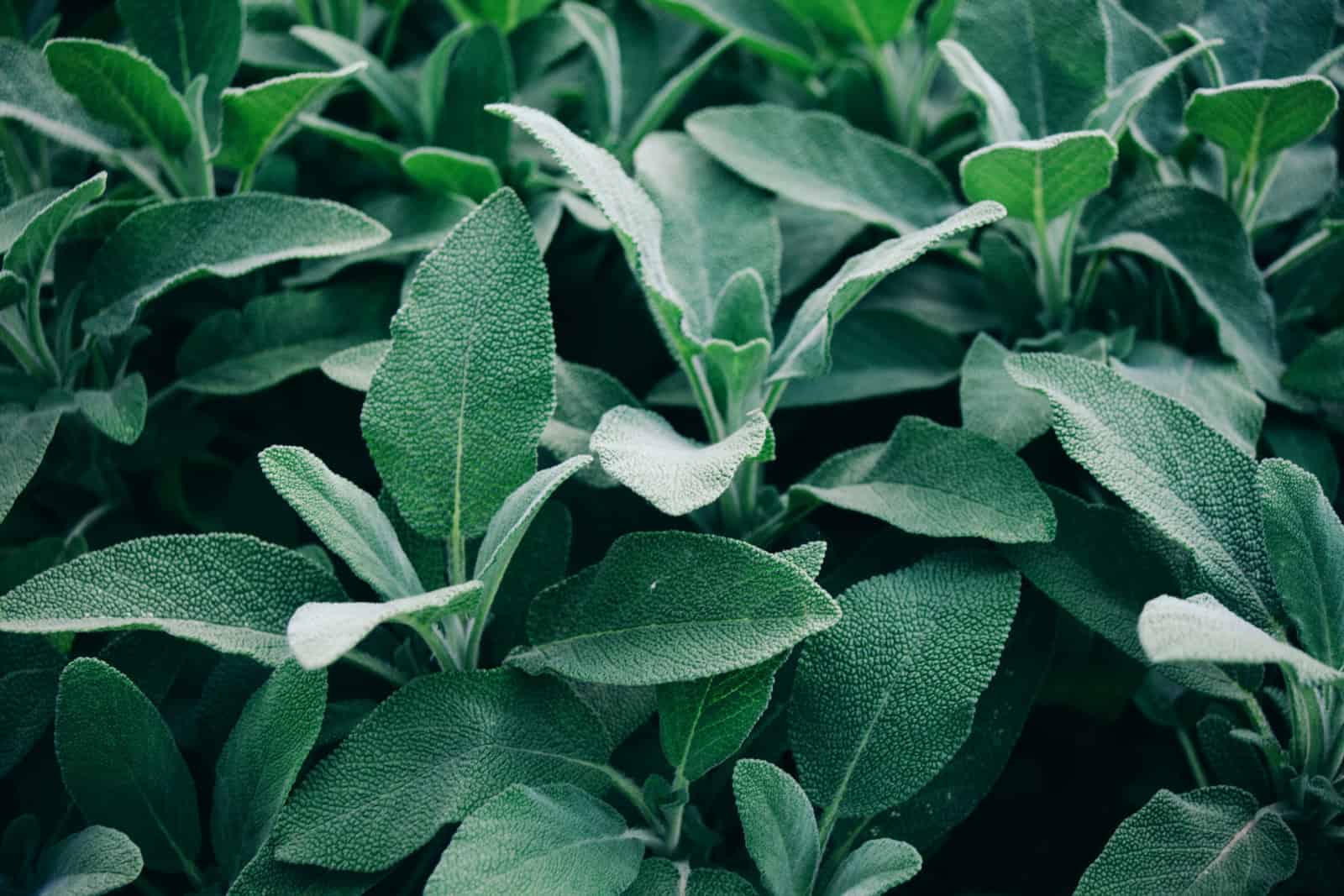
This gray-green herb has a strong-earthy scent. Sage prefers full sun but grows well in poor soil. The leaves help you with digestive issues and sore throat when used as tea. You can plant this in spring, spacing plants 18 inches apart. Cut old leaves and stems during spring which would help in the growth of new leaves. You should harvest before flowering for the best flavor.
Motherwort
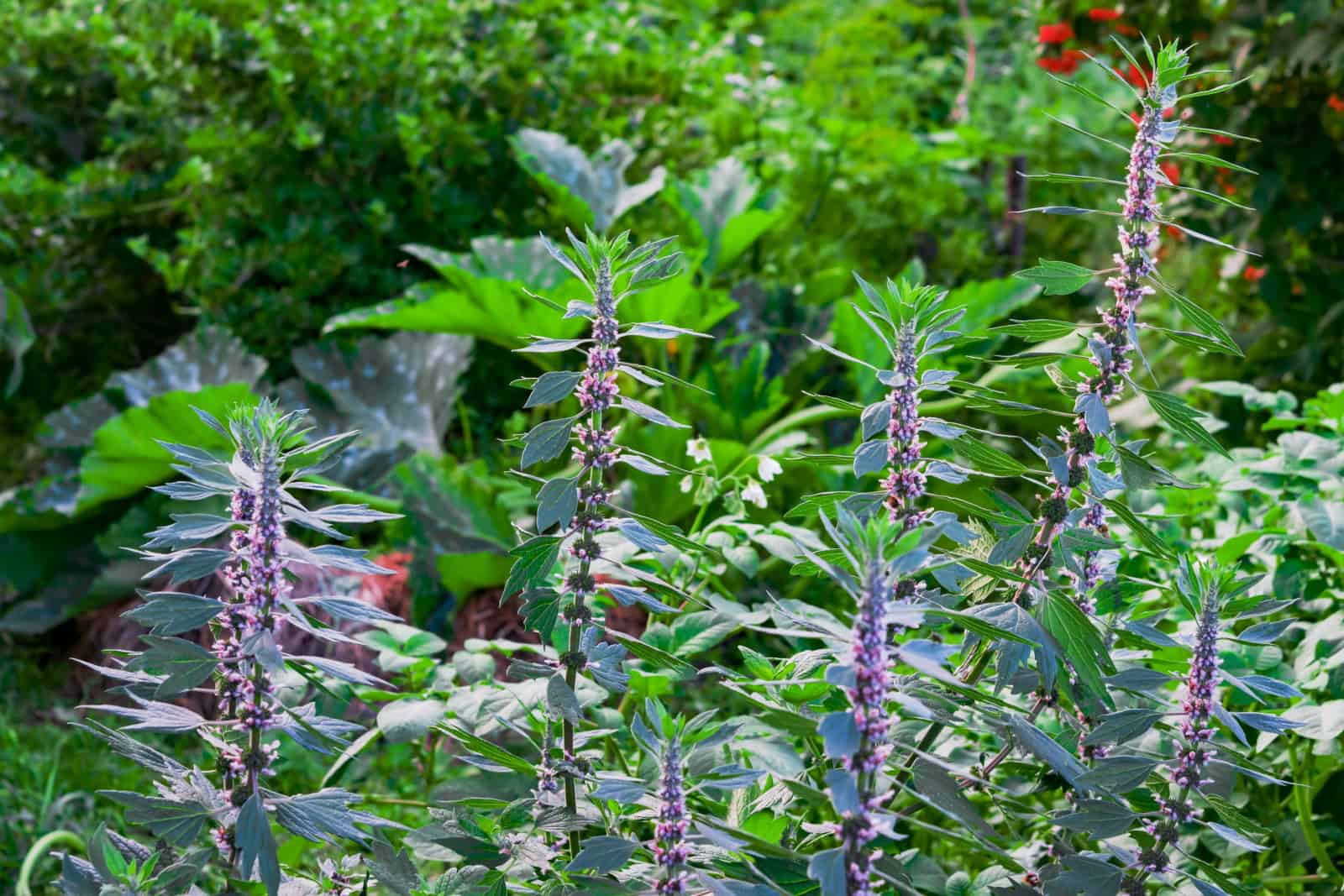
Motherwort is a tall herb that produces clusters of small pink flowers. It grows well in partial shade and average soil. The leaves of this plant help reduce anxiety and heart palpitations. You can cut back dead stems in late winter. The plant self-seeds readily, so remove flower heads if you don’t want it spreading.
Catnip
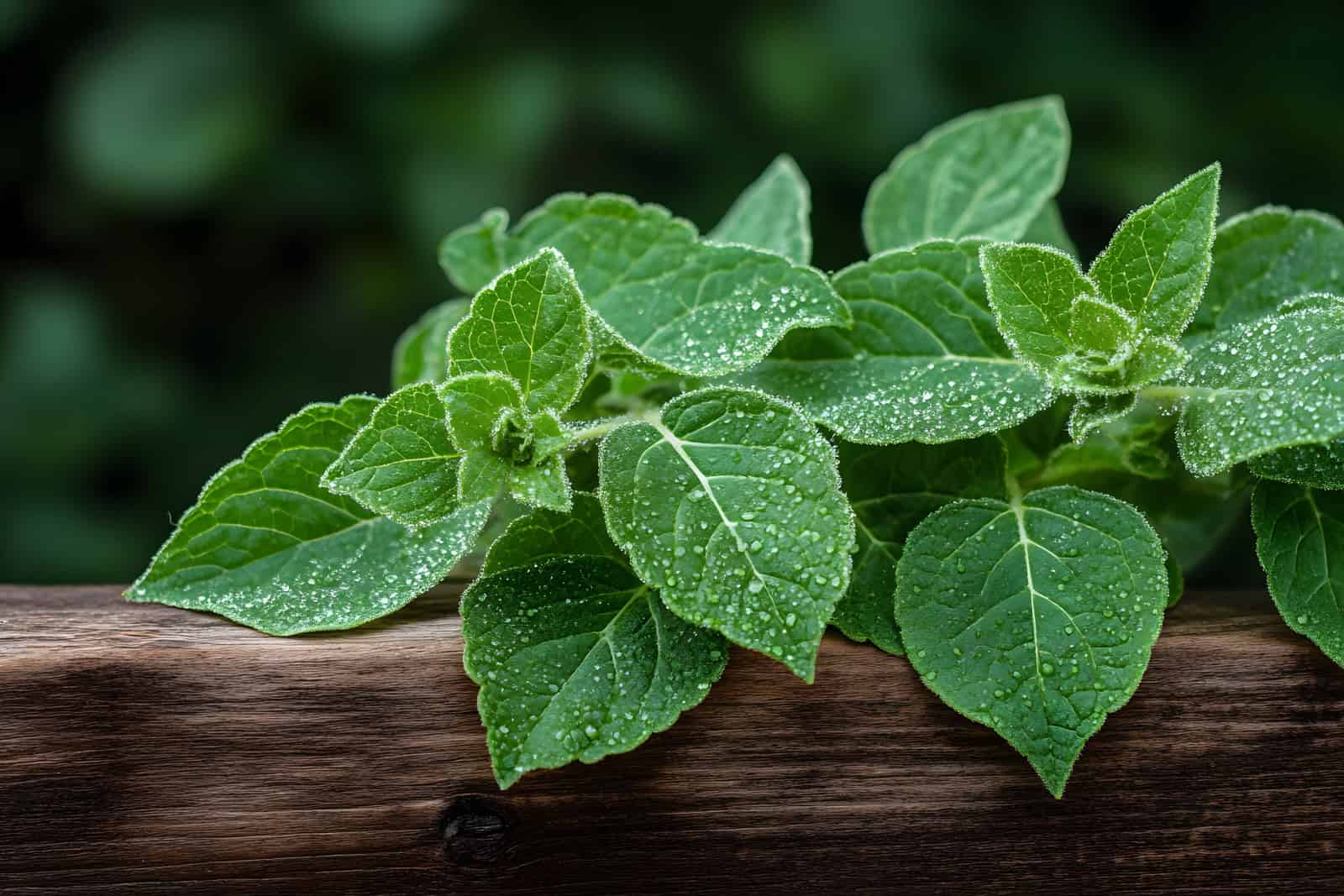
Beyond making cats happy, catnip is a valuable medicinal herb for humans. It grows easily in sunny spots and produces small lavender flowers. You can use the leaves in a tea to help you with anxiety and sleep problems. Keep it in containers to prevent spreading, as it is quite vigorous like its mint family relatives.