Some succulents look unusual and have earned funny names. These plants remind people of common objects, animals, or body parts. They have gained popularity not just for their easy care but also for their entertaining names that make plant collecting more fun.
Living Stones
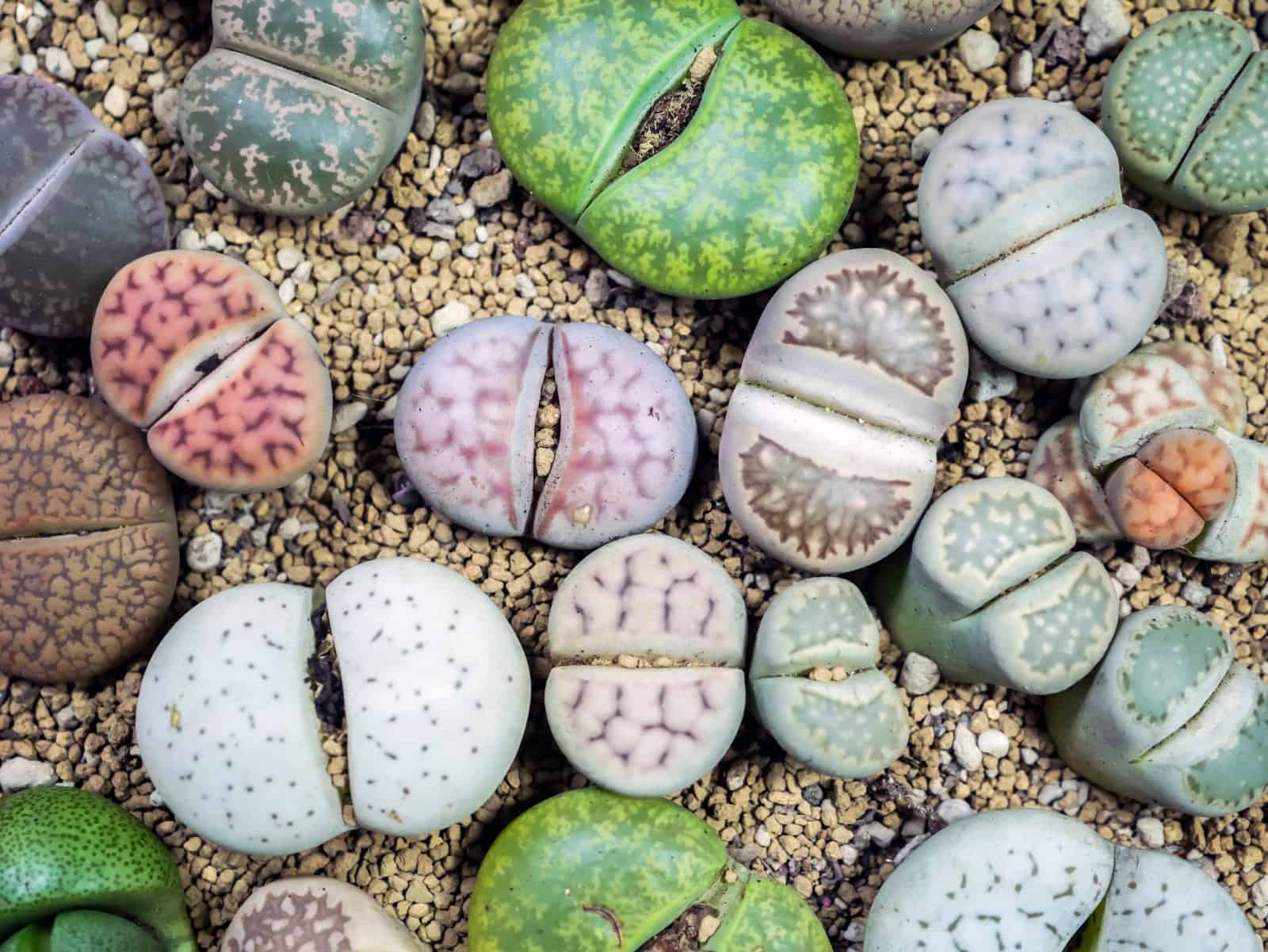
These are small succulents that have evolved to perfectly mimic the appearance of stones in their natural habitat. The plant body consists of two thick leaves that form a split surface on top. The color of this plant ranges from gray to brown to green, with patterns that blend into rocky environments. The new leaves emerge from between the old ones annually.
Advertisement
Ghost Plant
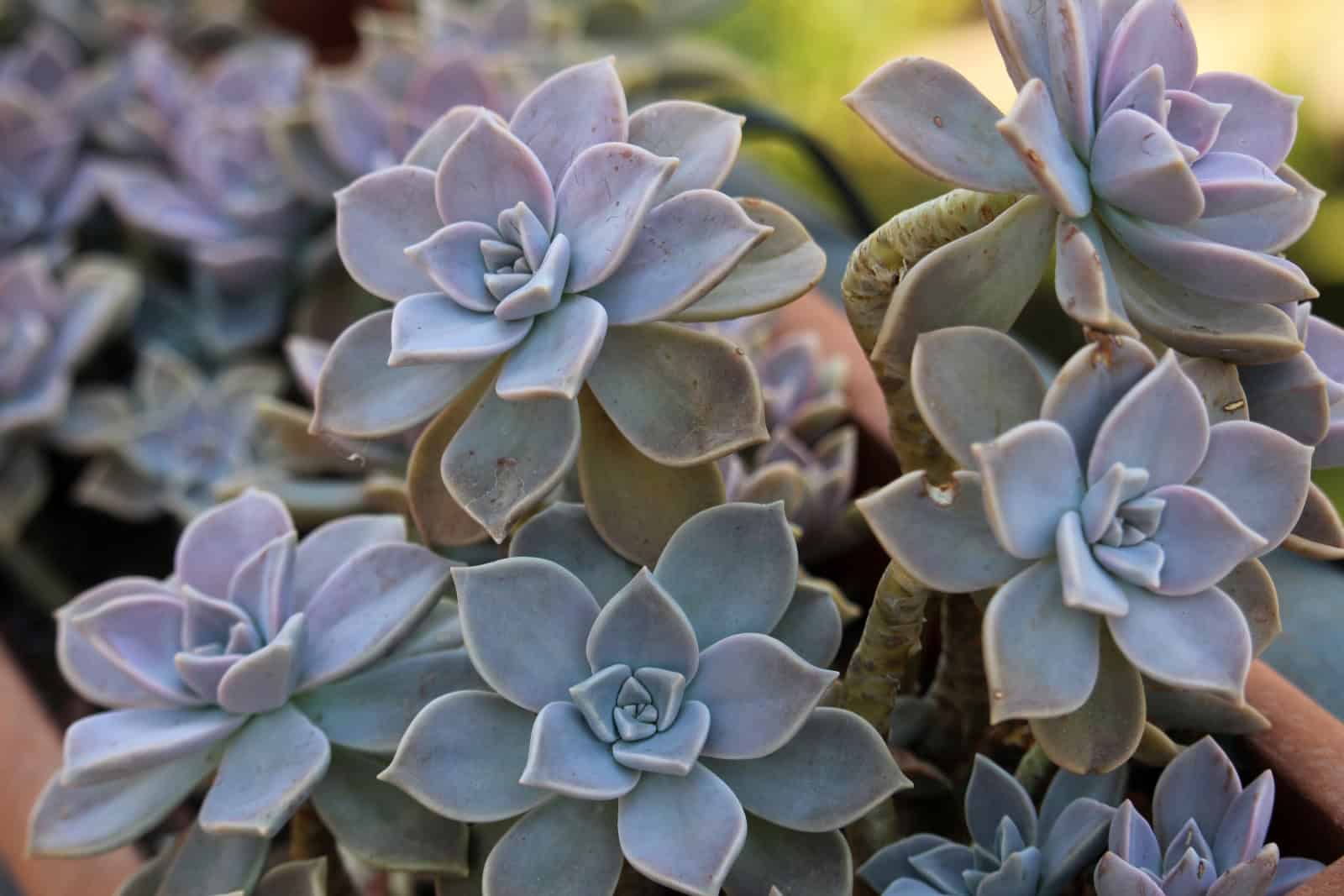
This plant looks pale with leaves almost translucent. It can look ghostly under certain lighting. The fleshy, gray-green leaves form a rosette. This gives the plant an otherworldly appearance that resembles an apparition or specter emerging from the soil.
Dancing Girl Ginger
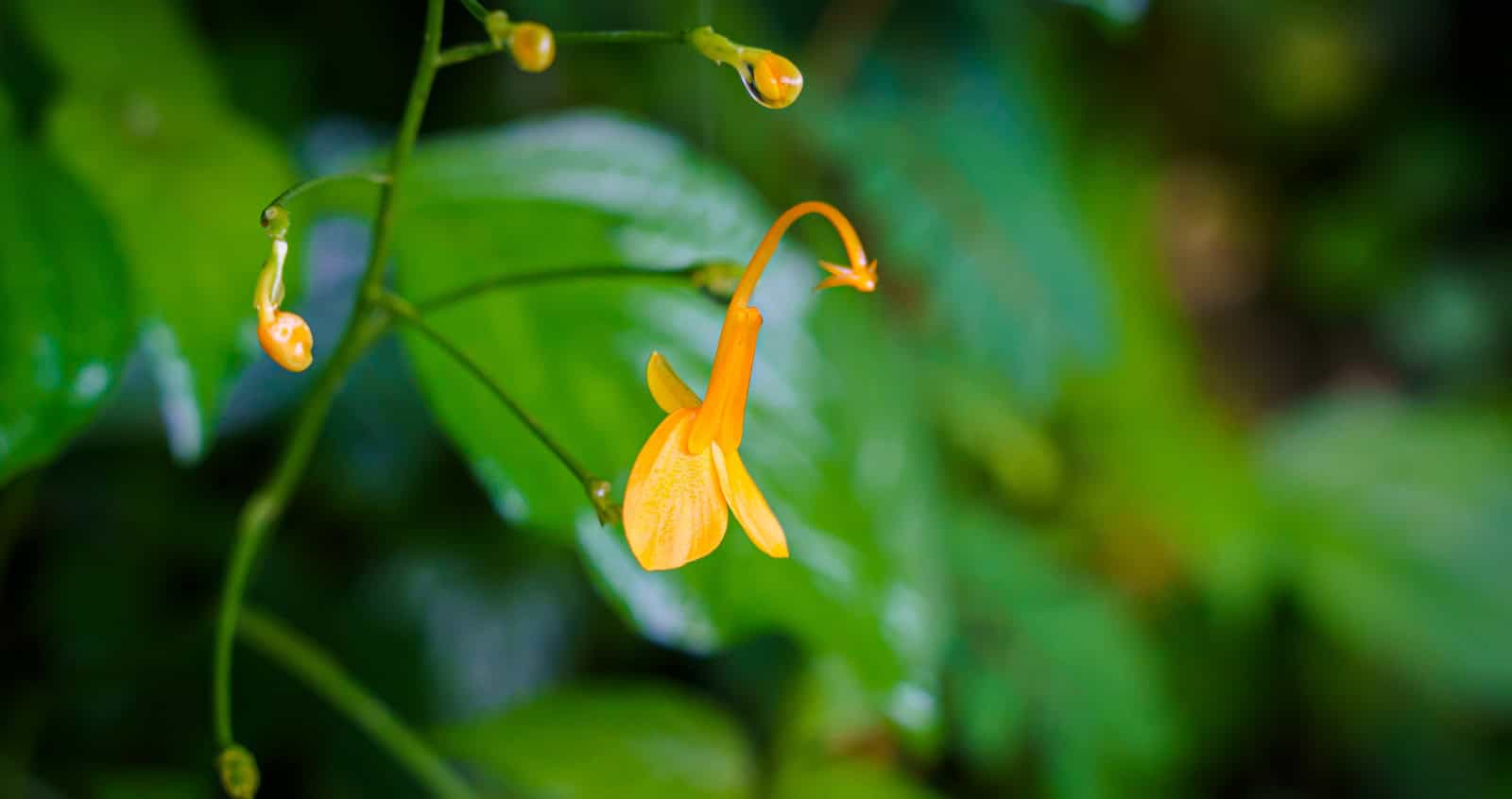
This perennial succulent features showy, spidery flowers in shades of yellow, white, orange, or purple. The delicate blooms appear to be dancing on top of the broad, green leaves. This resulted in the name of this plant as Dancing Girl Ginger.
Donkey’s Tail
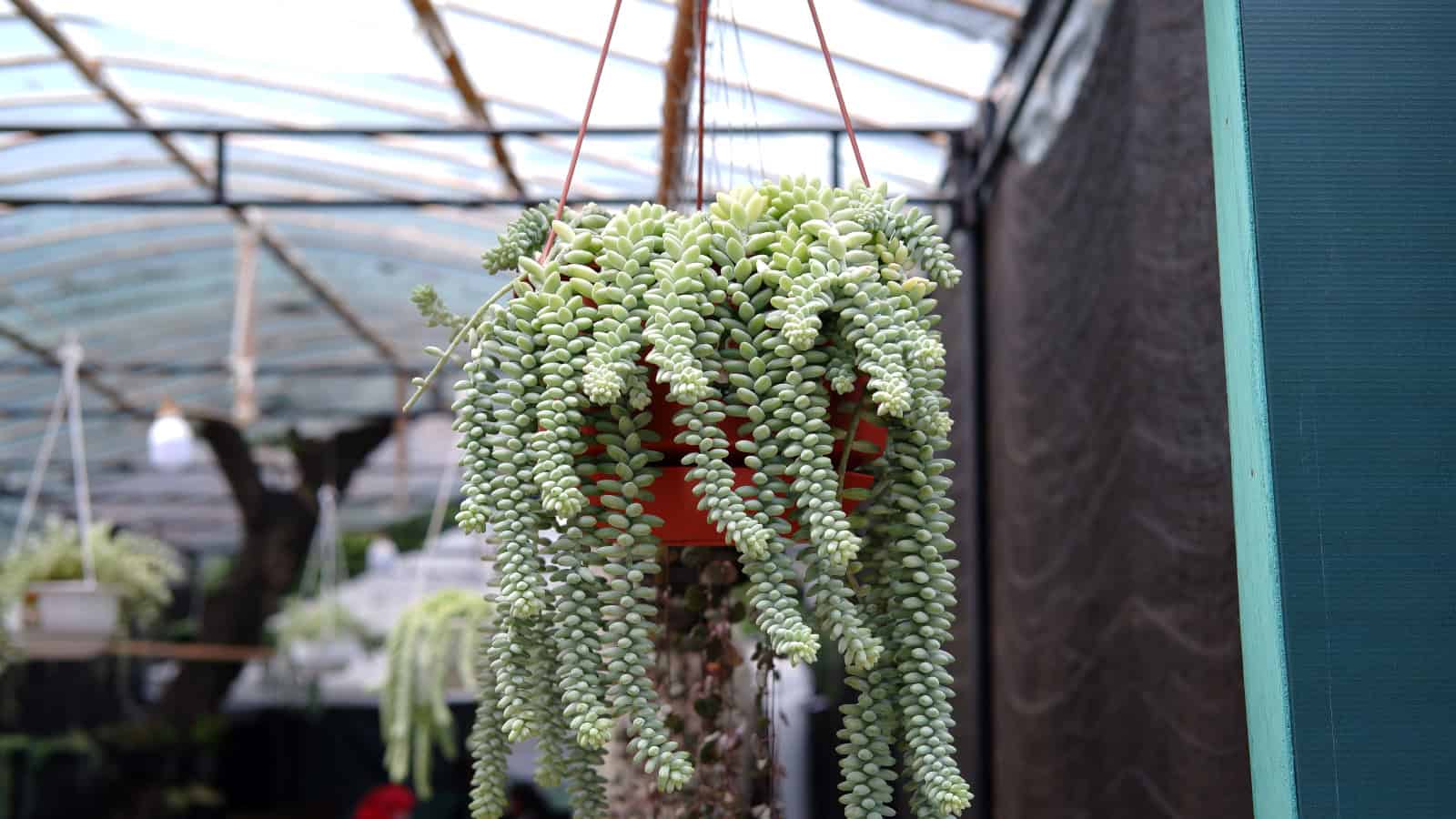
The Donkey’s tail plant features long, trailing stems covered with plump, green leaves. The arrangement of the leaves creates the unmistakable look of a donkey’s swishing tail. The cascading stems make Donkey’s Tail a popular choice for hanging baskets and pots where the trailing leaves can spill over the sides.
Candytuft

The common name for this flowering succulent comes from its small, oblong leaves and colorful blooms. Candytuft has clusters of white or pink flowers that resemble tiny tufts of candy. The leathery green leaves provide an appealing contrast to the bright blossoms.
Bear’s Breeches
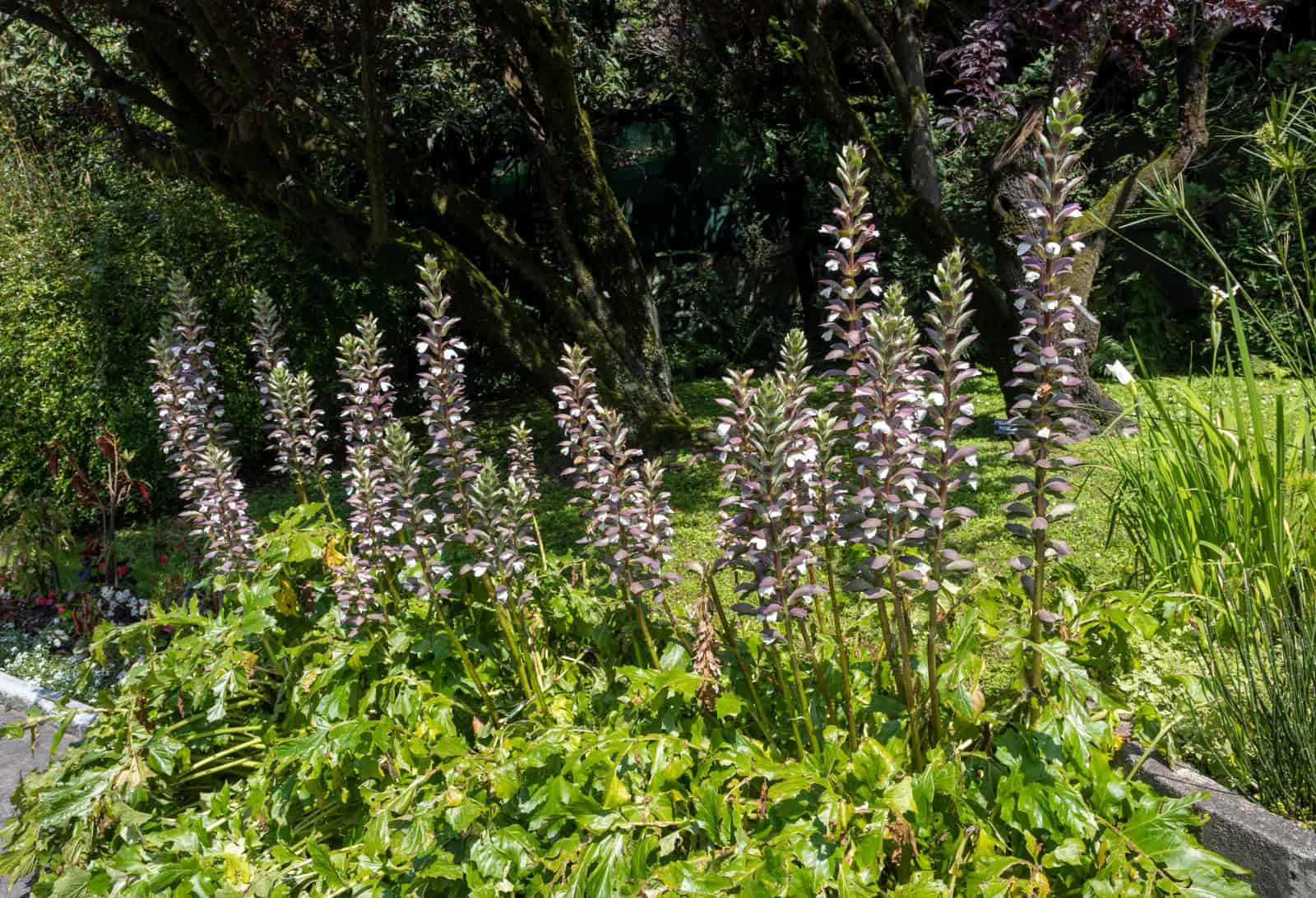
Bear’s breeches possess bold, spiny, glossy leaves that grow in clumps. These large perennials have an architectural, almost prehistoric appearance. The shape of the leaves is said to resemble the protective breeches or leggings worn by ancient warriors. This inspired the plant’s common name.
Hens and Chicks

The rosette-forming succulent earns its amusing moniker from the way new “chick” plants grow around the older “hen” plants. The compact clusters of leaves in shades of green purple, and red resemble a protective mother hen surrounded by her offspring.
Rabbit’s Ear
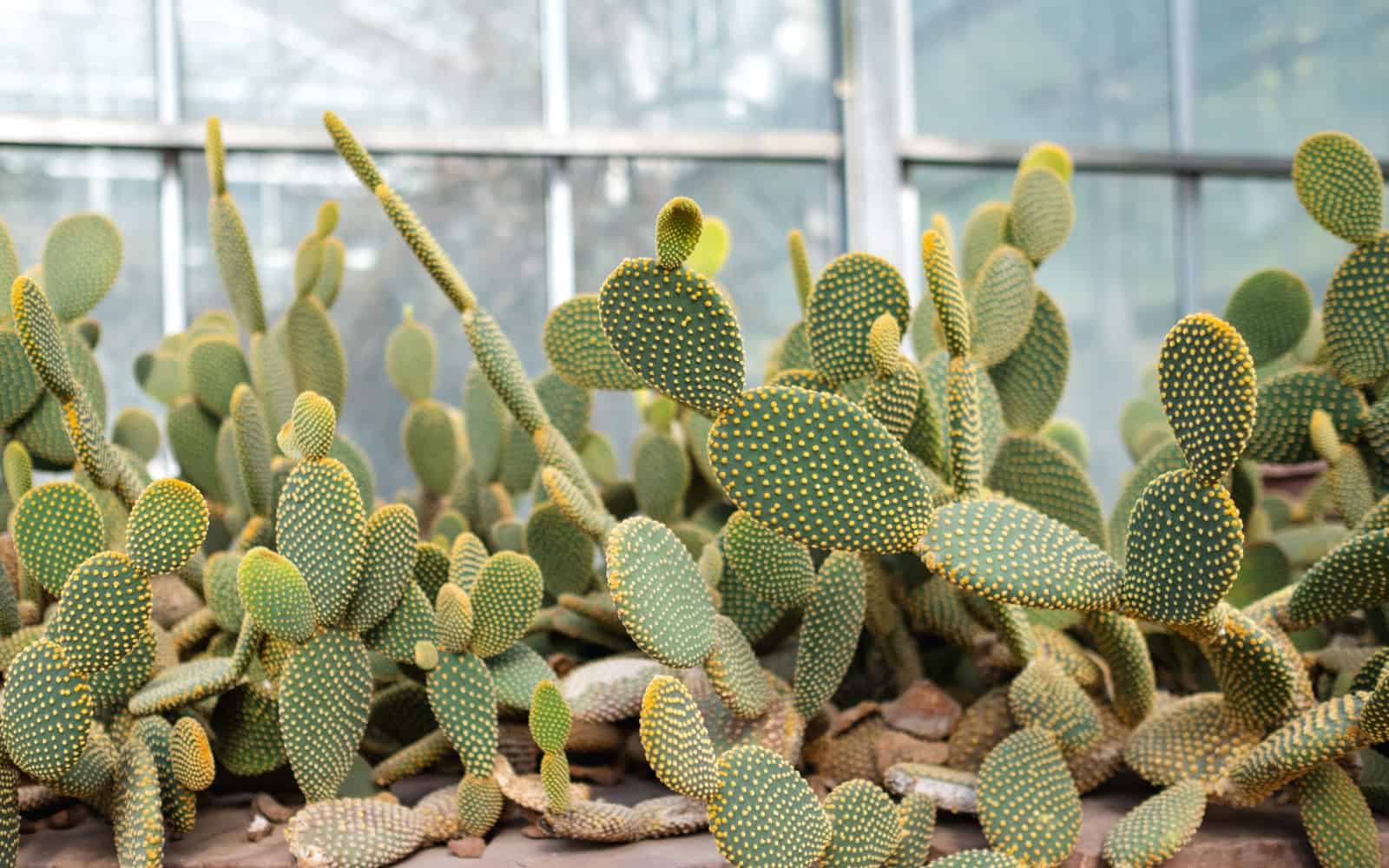
The fuzzy, ear-shaped leaves of this succulent give it a cute appearance. Each leaf rises from the base of the plant, creating a rosette formation. The grayish-green leaves look similar to that of a rabbit’s soft ears. This low-growing plant thrives under proper sunlight.
Drumsticks
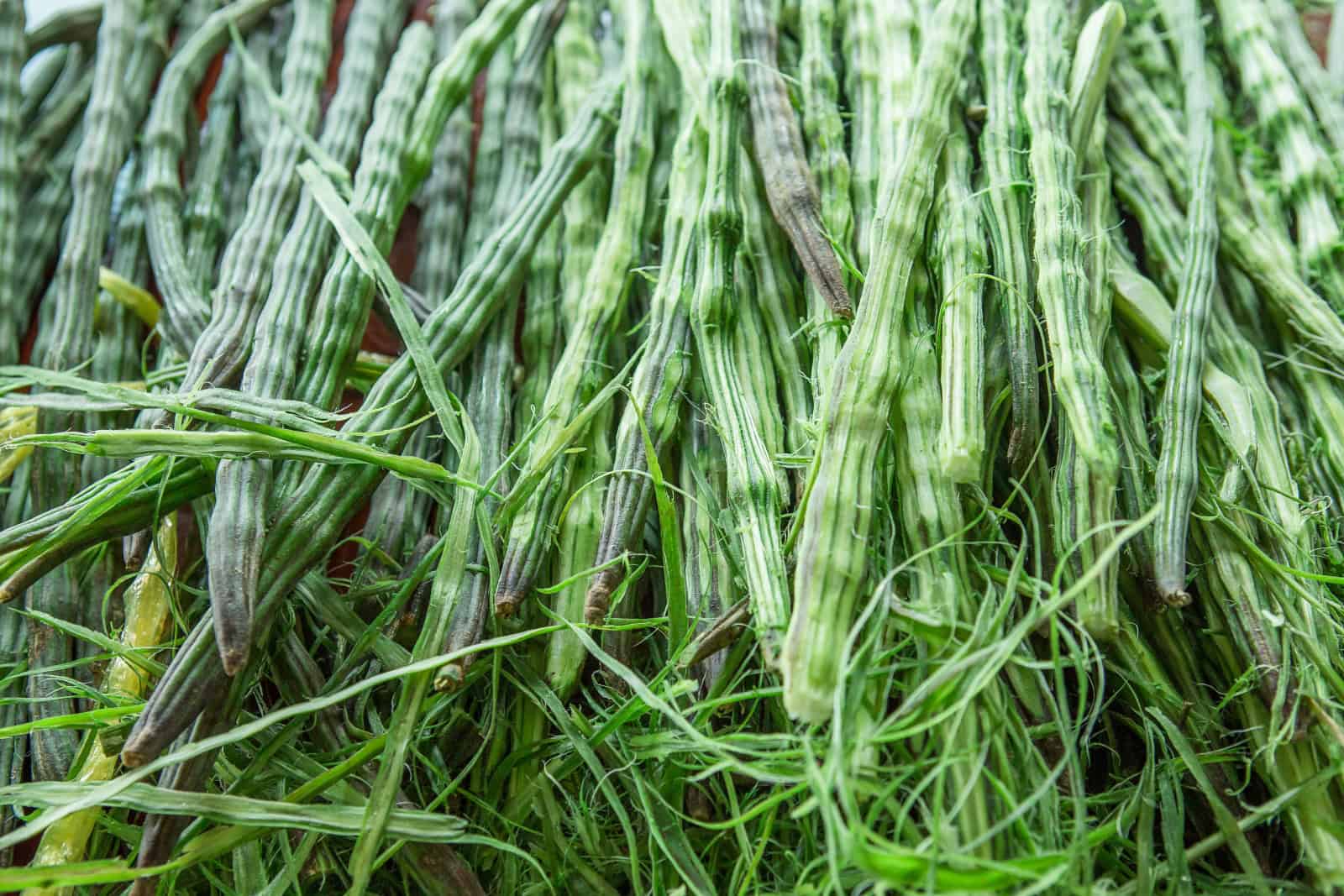
Drumsticks have spherical, yellow flowers that strongly resemble small drumsticks, resulting in its quirky name. The flowers of this plant complement its silvery-green leaves. Drumsticks have long-lasting cut flowers. It makes them ideal for bouquets and dried arrangements.
Lion’s Tail
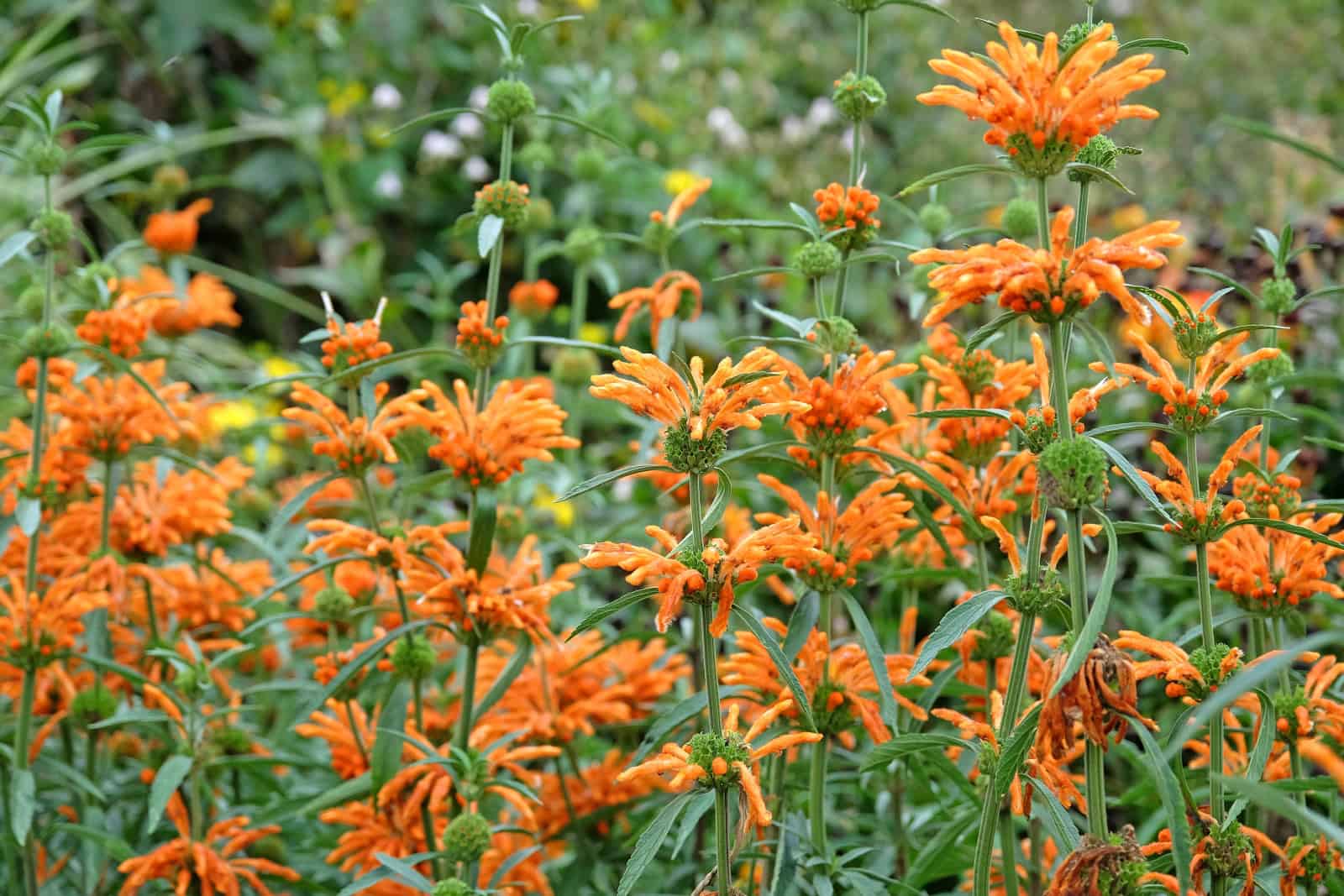
Fuzzy orange flowers grow in spherical shape along the stem of this plant. It creates an impression of a lion’s tail resulting in its name. The nectar-rich blooms attract birds and bees. Cutting down older flowers helps more blooms throughout the summer and fall seasons.
Butcher’s Broom
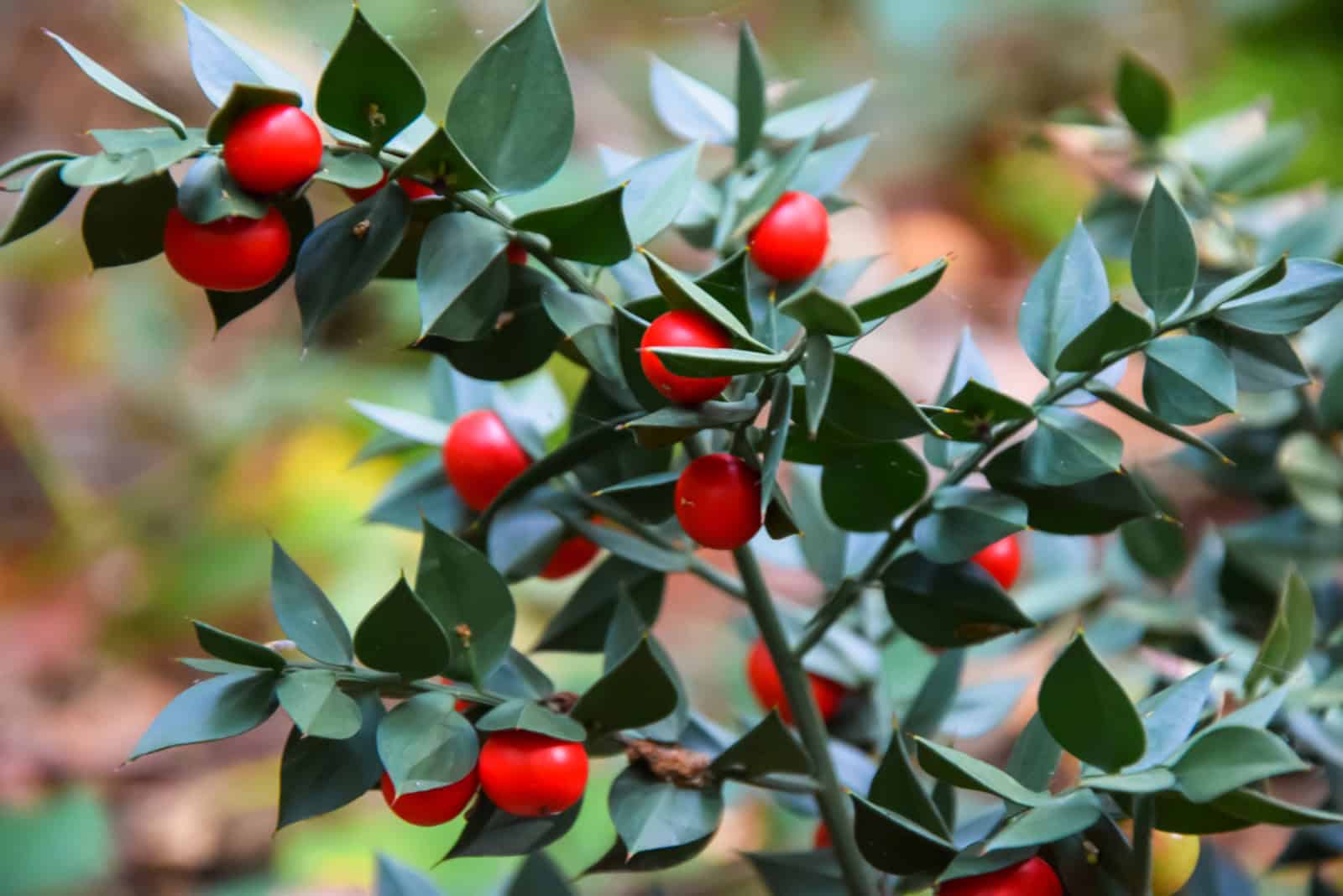
Butcher’s broom are leafless plants that produce large, pointed stems that resemble leaves. Small white flowers sometimes develop, followed by red or yellow berries. Despite the lack of true leaves, this plant has a unique, architectural appearance that makes it stand out in woodland or coastal gardens.
Jack-in-the-Pulpit
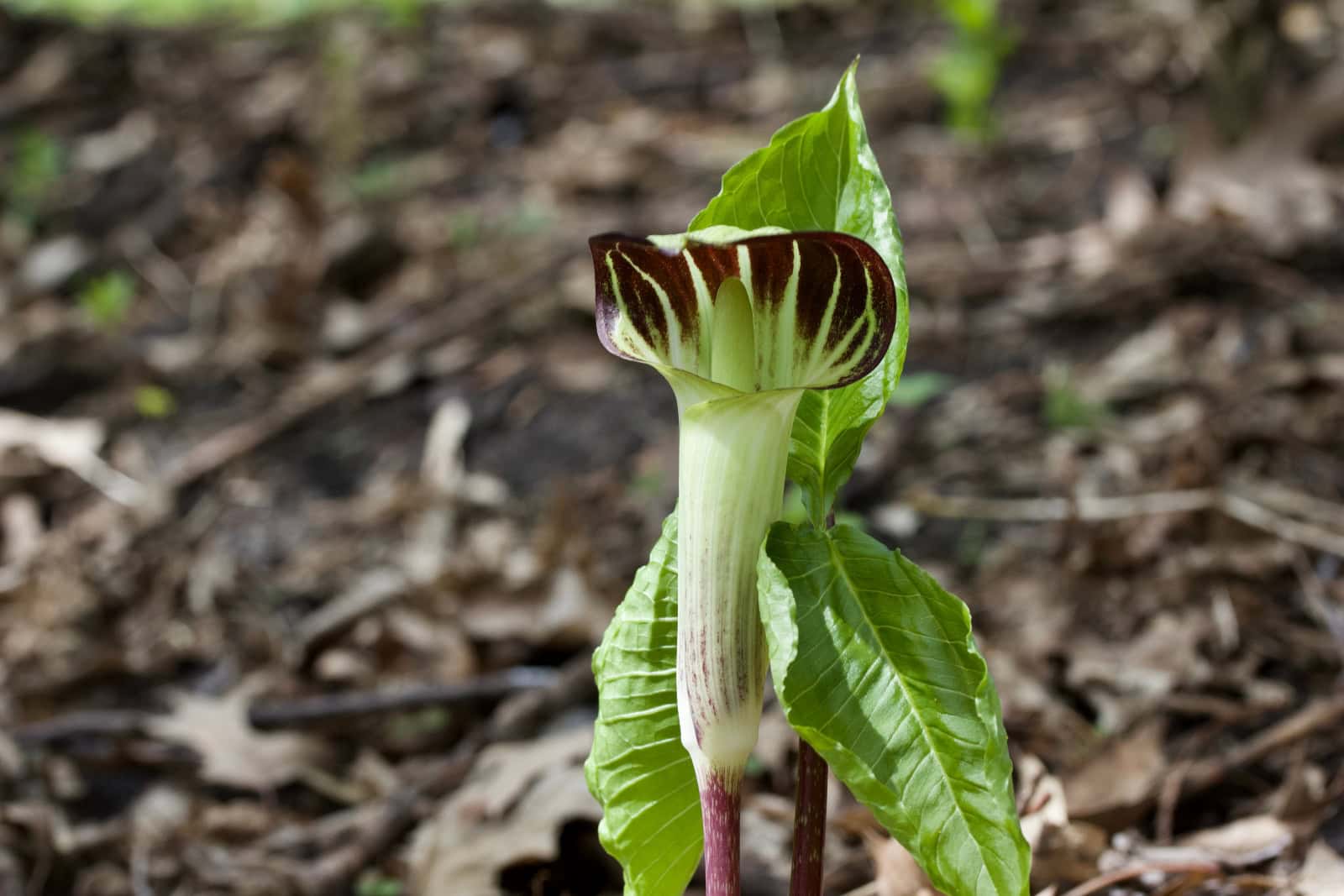
The arching, tubular flower of this plant has a unique, two-toned appearance, with contrasting stripes or spots. This unusual design gives the flowers the look of a preacher standing in a pulpit, inspiring its name. This plant thrives in moist, shaded woodland areas.
Zebra Plant
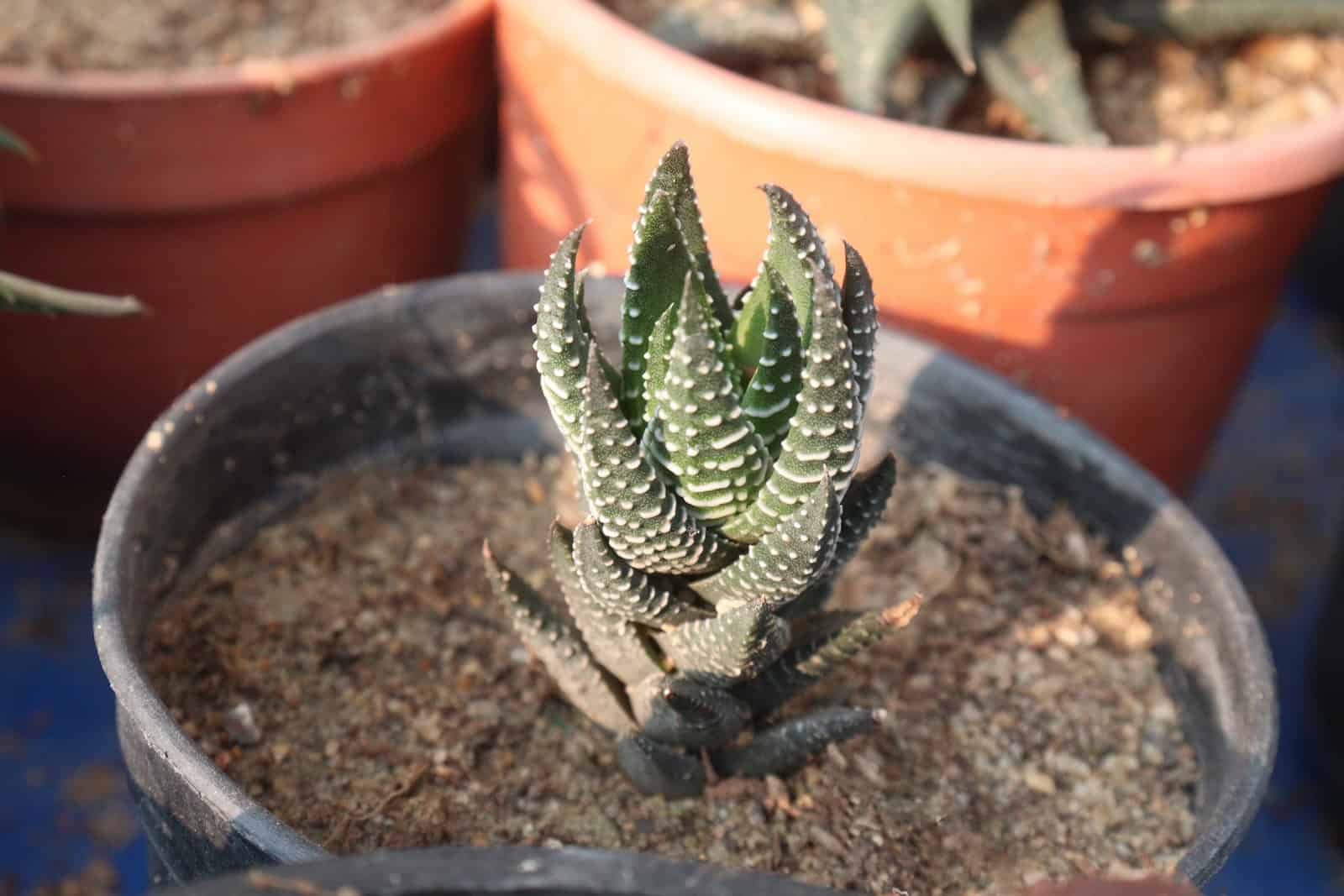
Zebra plant has bold stripes in shades of green, white, and pink leaves of this succulent. The distinct banding pattern instantly calls to mind the coat of a zebra, giving the plant its common name. It forms a compact rosette and does best in bright, indirect light.
Sneezeweed
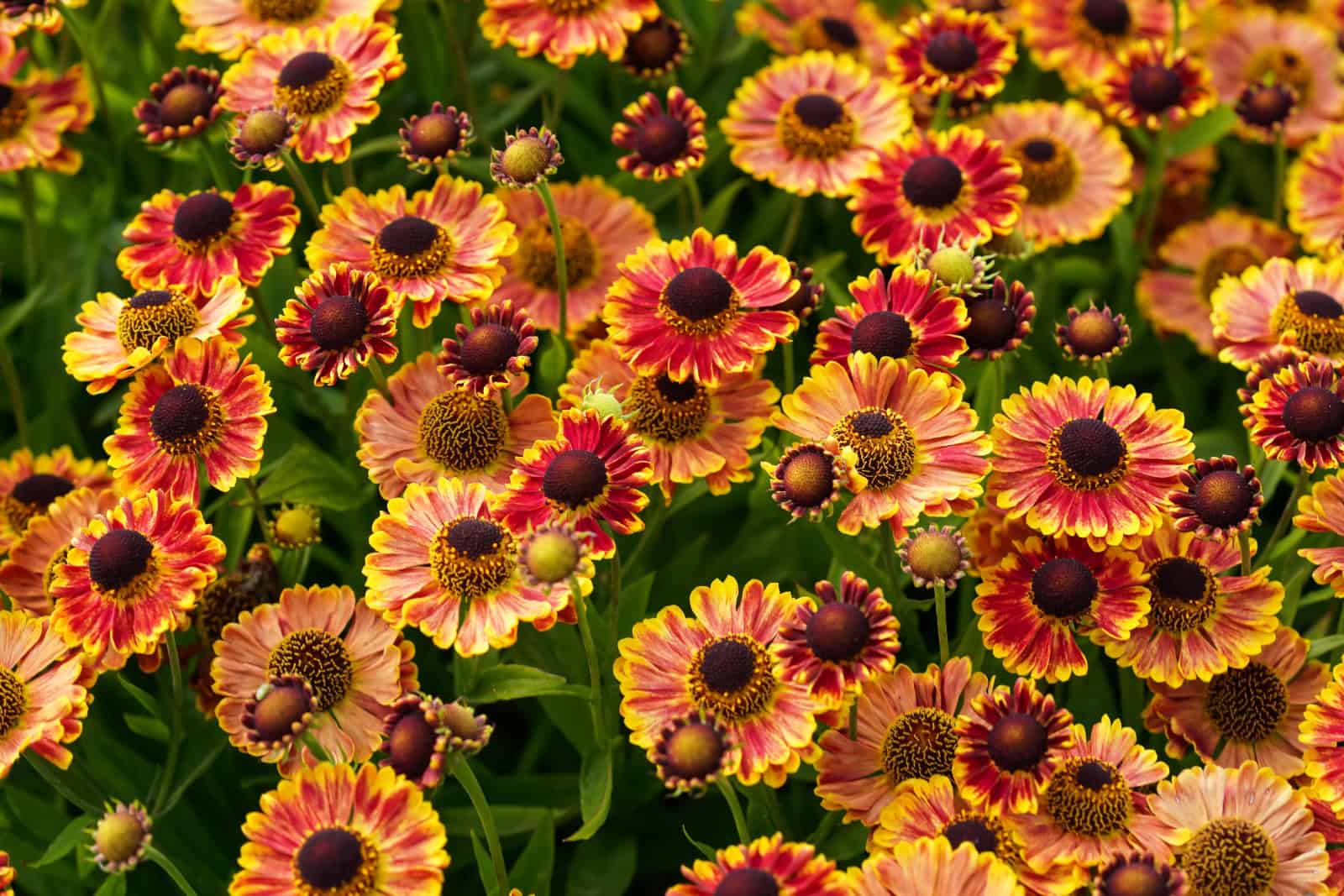
This plant has large, daisy-like flowers with prominent, speckled centers. The pollen-rich blooms can result in sneezing for some people, though the plant is actually not a true weed. Sneezeweed thrives in moist, sunny areas, and attracts butterflies.
Goat’s Beard

This perennial plant bears clusters of tiny, cream-colored flowers that cover its fuzzy, feathery stems in summer. The fluffy, bearded appearance is similar to that of a goat’s beard which is the origin of its common name. This succulent makes an excellent addition to woodland or shade gardens.
Mother-in-Law’s Tongue

Mother-in-law’s tongue is also known as snake plant. This is an easy-care succulent and is prized for its tall, sword-shaped leaves. The common name is a humorous reference to the sharp, pointed leaves, likening to the “sharp tongue” of a critical mother-in-law.
Nodding Ladies’ Tresses
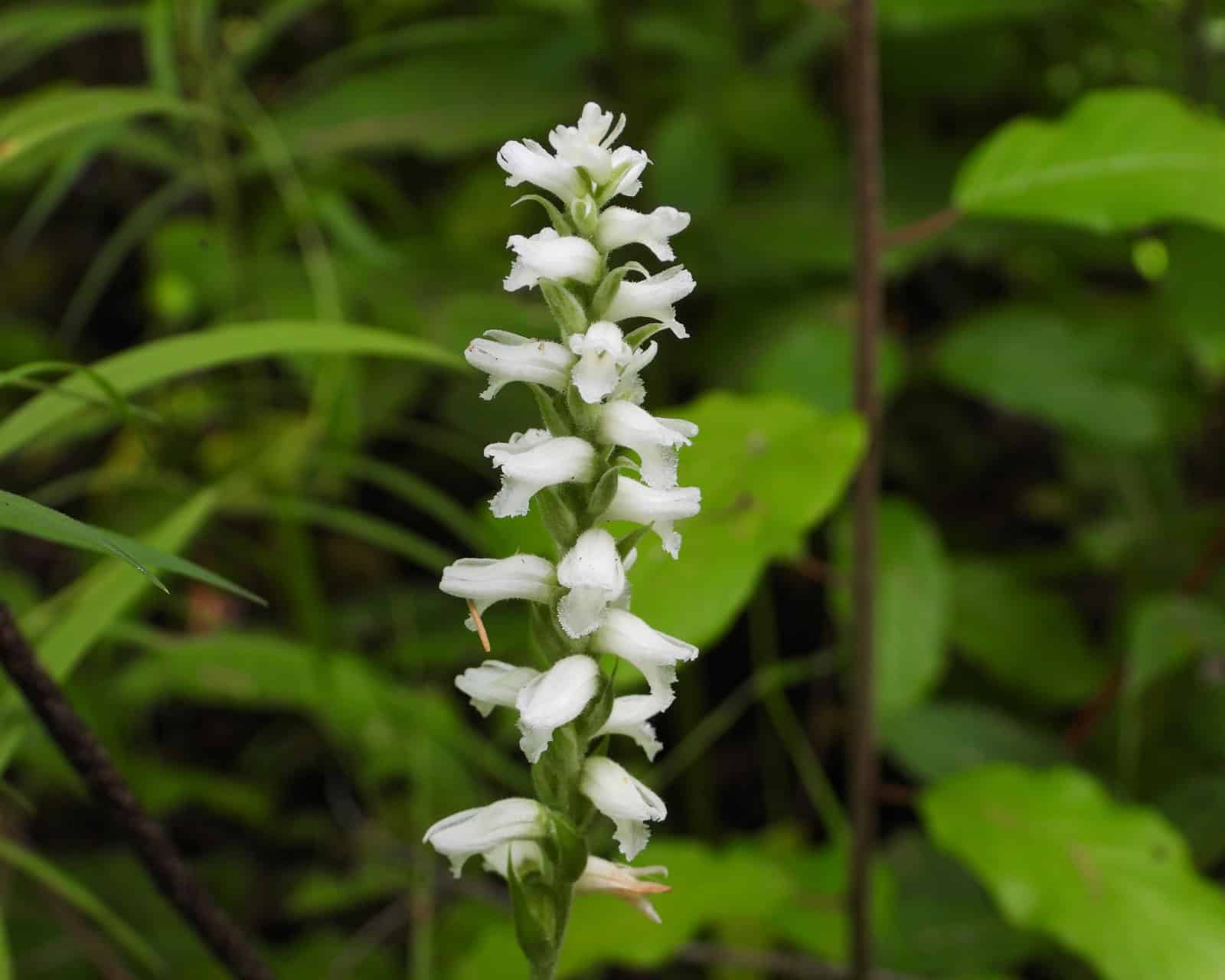
This delicate perennial has fragrant, bell-shaped white flowers that appear to spiral around the flower stem. It resembles the intricate hairstyle of a Victorian lady. The dark green, rosette-like leaves complete its graceful, old-fashioned appearance.
Turtlehead
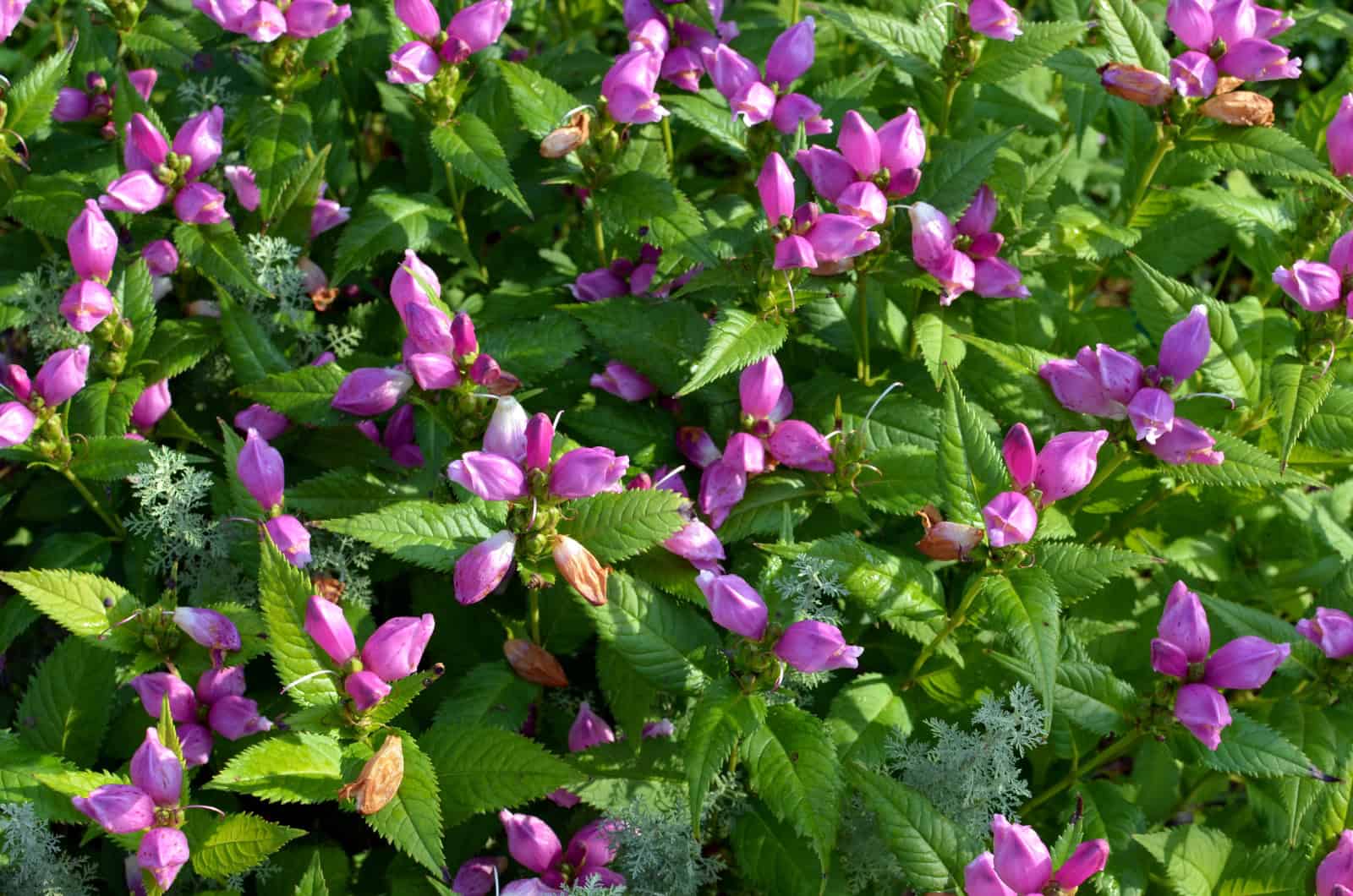
The small, puffy flowers of this plant have pointed, two-lipped petals that resemble the head of a turtle. It inspires the common name of this succulent. Turtlehead is a slow-growing perennial that produces its unique blooms for several weeks in late summer to early fall. It prefers moist, partially shaded conditions.
Pig’s Ear
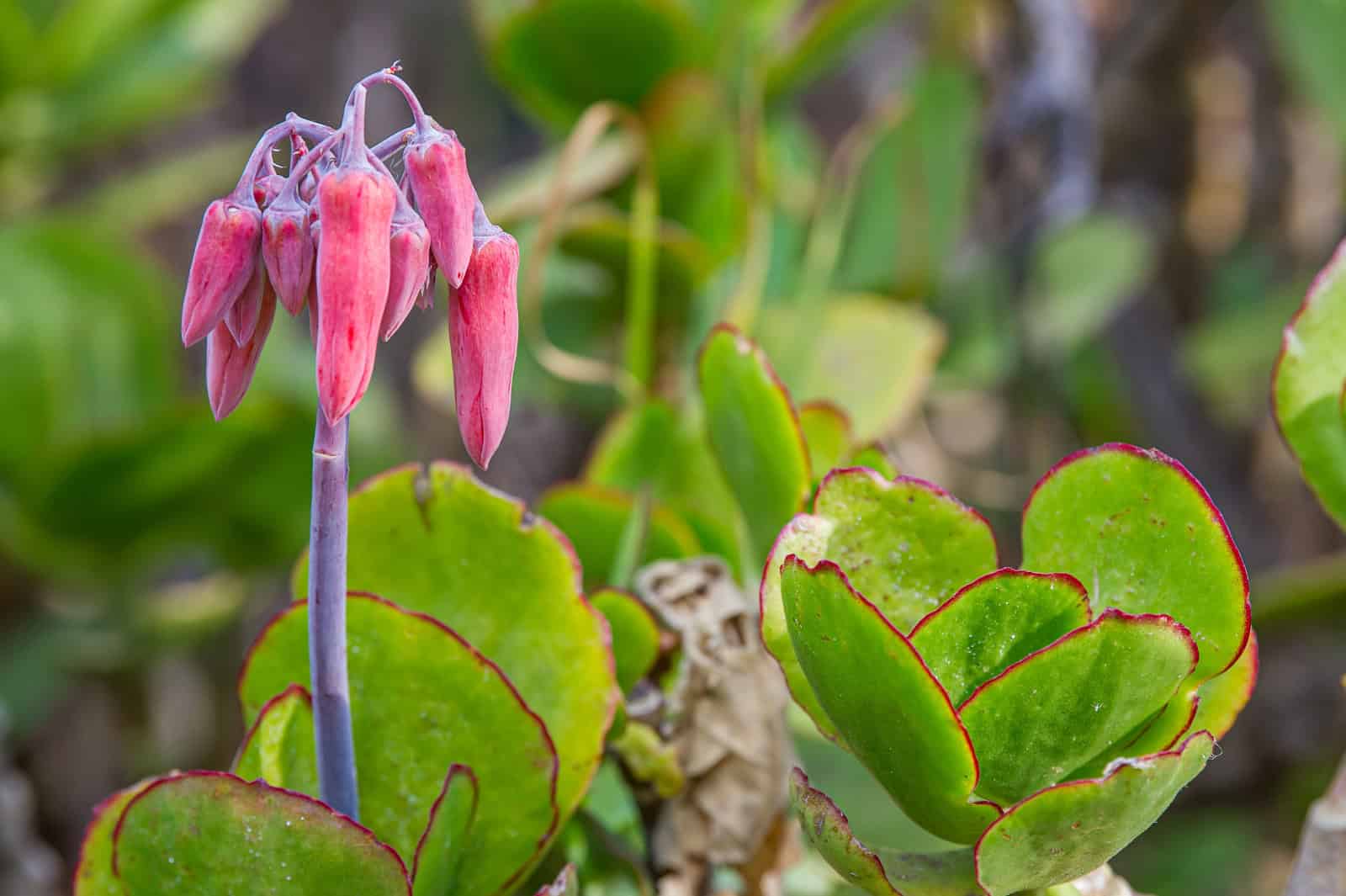
The leaves of this succulent grow thick and oval-shaped with a slight upward curve. Each leaf has a powdery coating and edges tinged with red. The overall shape strongly resembles pig ears, hence its common name. The plant produces bell-shaped flowers on tall stems during the blooming season.
Baby Toes

This succulent has small upright leaves that grow in tight clusters from the base. Each cylindrical leaf has a transparent tip that allows light to penetrate. The plant grows low to the ground and produces white flowers. The arrangement of leaves strongly mimics tiny toes pointing upwards in neat rows.