
Finding a baby bird can be surprising and might make you want to help right away. You might wonder what to do next or if you should step in at all. It’s common to feel unsure about how to handle the situation without causing harm.
The key is knowing when to act and when to let nature take its course. Understanding the basics can help you make the best choice for the bird’s safety and well-being. This guide will help you figure out what steps to take—and which ones to avoid—when you encounter a baby bird.
Check if the baby bird is a nestling (no feathers) or a fledgling (feathers and learning to fly)

First, look at the baby bird’s feathers. If it has few or no feathers and can’t hop or grip, it’s a nestling. Nestlings usually need to be returned to their nearby nest.
If the bird has feathers and can move around a bit but isn’t flying well, it’s a fledgling. Fledglings are often learning to fly and usually don’t need your help unless in danger. For more details, see this guide on baby birds.
If you find the nest nearby, gently place the baby bird back in it.

If you spot the nest close to where you found the baby bird, try to put it back carefully. Use clean hands and be gentle to avoid hurting the bird.
Don’t worry about your scent; the parents will still come back to care for their baby. Getting the bird back in its nest is usually the best thing you can do. For more details, check this guidance from the U.S. Fish and Wildlife Service.
If the nest is missing, put the bird in a shaded, safe spot close to where you found it.

If you can’t find the nest, don’t panic. Just move the baby bird to a nearby shady spot.
Keep it safe from pets and foot traffic. The parents usually stay close and will come back for it. Your scent won’t scare them off, so don’t worry about that.
Don’t worry about your scent; parent birds won’t abandon their babies because of human touch.

If you’ve touched a baby bird, don’t stress about leaving your scent behind. Most birds have a poor sense of smell and won’t notice human scent on their young.
Parent birds are focused on caring for their babies and won’t abandon them just because a person has handled them. So, you can gently place the bird back without worry.
Avoid feeding the baby bird yourself—it can do more harm than good

You might want to help by feeding the baby bird, but it’s best not to. Birds have very specific diets, and giving them the wrong food can hurt or even kill them.
If the bird refuses to eat, it’s usually because its parents are nearby and know how to care for it. Let nature take its course whenever possible. For more guidance, check out what experts say about when you should—and should not—rescue baby birds.
If the bird looks injured or weak, place it in a warm box with a soft towel.

If you find a baby bird that seems hurt or very weak, gently pick it up using clean hands or gloves. Put the bird in a small box lined with a soft towel to keep it comfortable.
Make sure the box has a few air holes and keep it somewhere warm and quiet. Avoid giving the bird food or water. Contact a wildlife rehabilitation center for help.
Contact a local wildlife rehabilitator or vet for advice or help right away.

If you find a baby bird that seems hurt or really out of place, reach out to a local wildlife rehabilitator or vet as soon as you can. They know exactly what to do and can give the best care.
Don’t try to treat the bird yourself. Getting professional help quickly is important for the bird’s chances of recovery and safety. For more guidance, check this injured and orphaned birds advice.
Walk away if the bird is a healthy fledgling; parents are probably nearby.
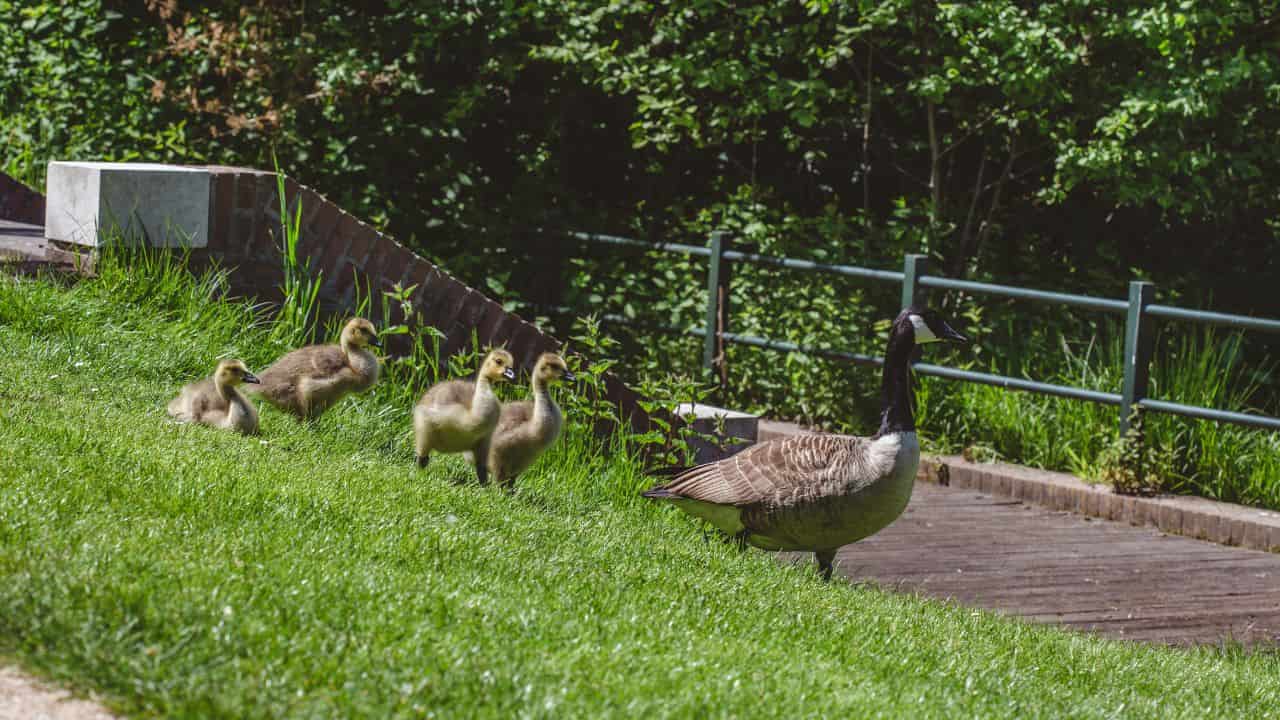
If the baby bird has feathers and can hop or flutter, it’s likely a fledgling. This means it’s learning to fly and its parents are usually close by.
You should leave it alone and give it space. The parents are probably watching and will continue to care for it. Moving or rescuing a healthy fledgling can do more harm than good. Let nature take its course.
Don’t take the baby bird home as a pet or long-term care—it needs its parents or a professional

You might feel like helping by taking the baby bird home, but it’s best not to. Wild birds need their parents for food and learning essential survival skills.
If you’re worried, contact a professional wildlife rehabilitator instead. They know how to care for baby birds properly without causing harm. Taking the bird away from its natural environment can do more damage than good, even if you mean well.
Avoid loud noises or sudden movements around the baby bird to reduce stress

When you’re near a baby bird, try to move slowly. Sudden movements can scare it and cause unnecessary stress.
Keep your voice low and avoid loud noises. Birds are sensitive to sound, and too much noise can make them frightened. Staying calm helps the bird feel safer. This makes it easier to decide what to do next without causing panic or harm.

