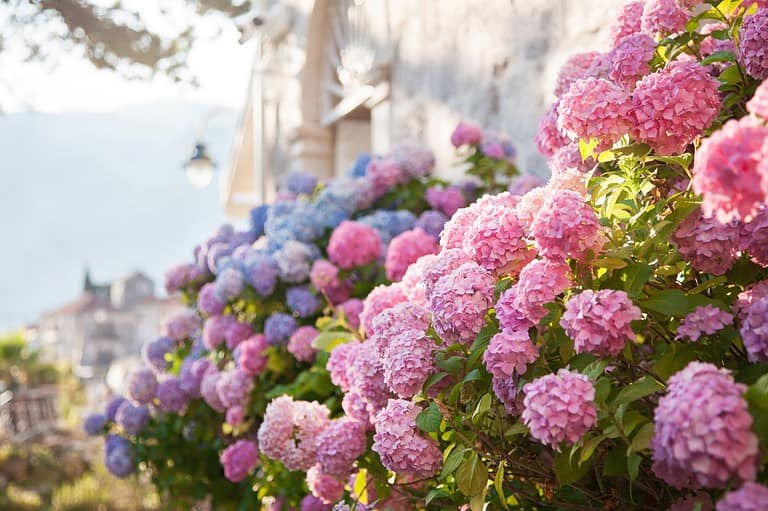
Death has been long associated with various flowers in different cultures and traditions. These flowers often appear in funeral services, memorial gardens, and gravesites to honor those who passed away. Through the ages, certain blooms have come to represent loss, remembrance, and the journey from life to death.
Carnation
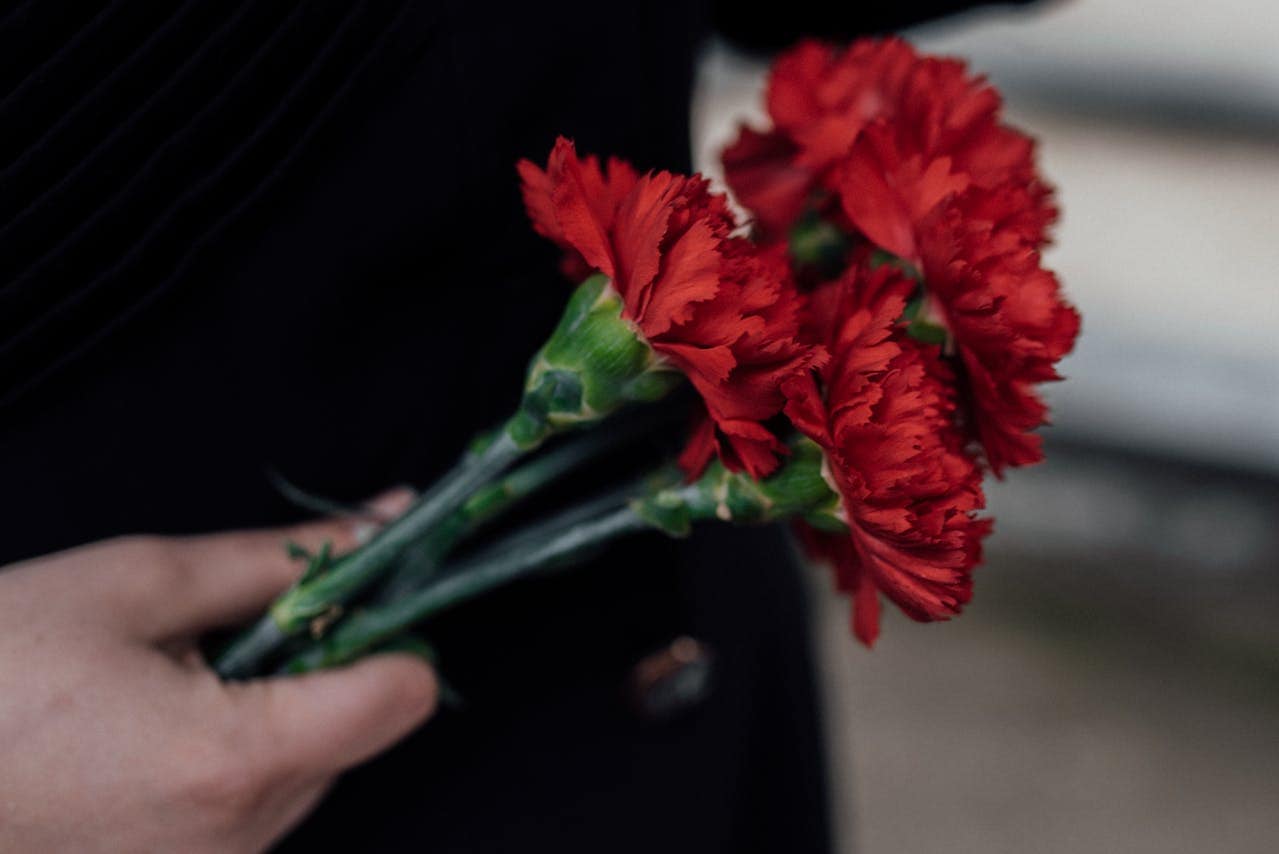
White and pink carnations are common flowers at funerals across many countries. People often choose these flowers because they last a long time and show respect for the dead. The white ones mean pure love, while the pink ones stand for remembering good memories. These flowers can handle different weather. It makes them perfect for both indoor and outdoor memorial services.
Advertisement
Hydrangeas
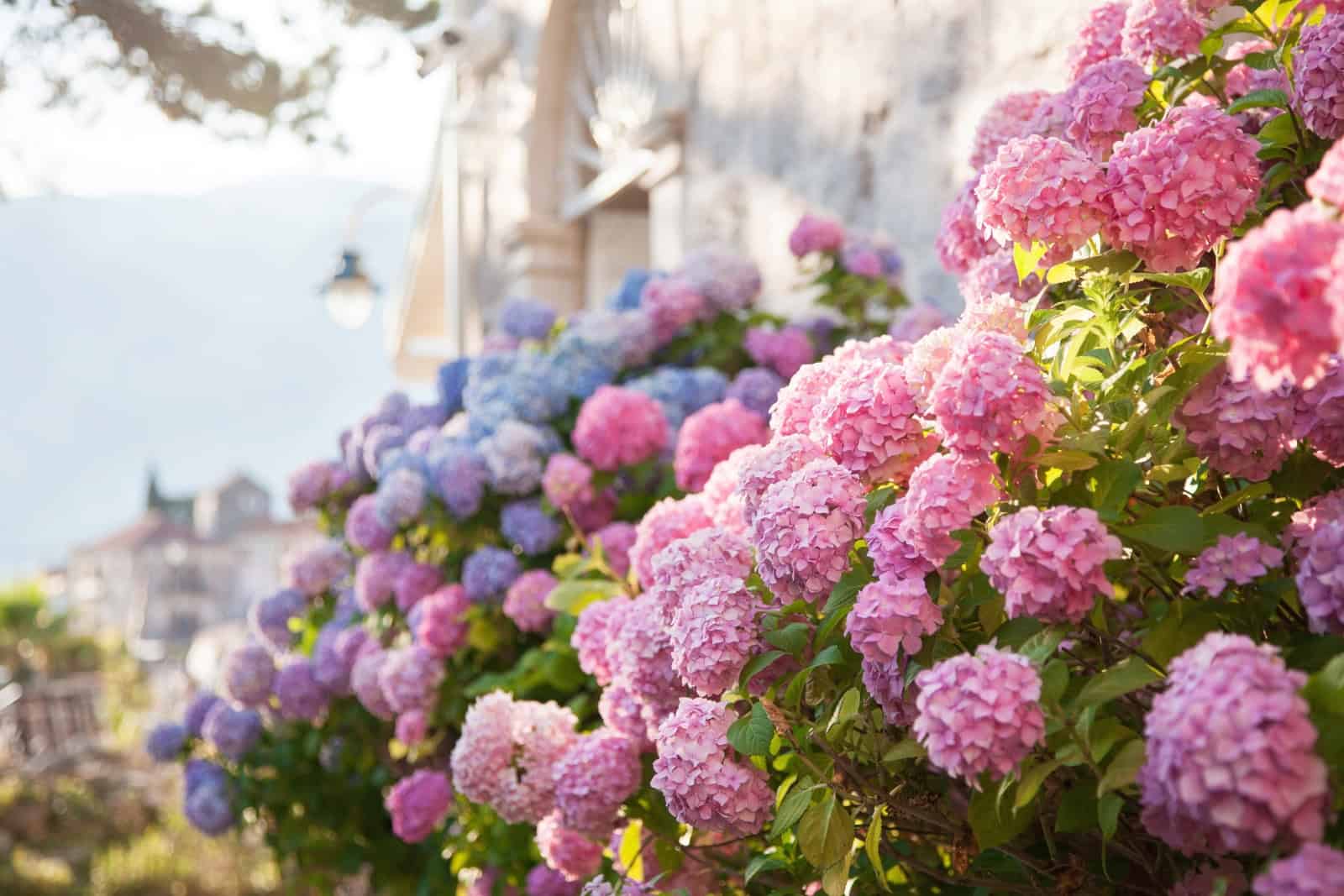
Hydrangeas can live for many years in a garden. The big, round flower heads bloom every year, bringing back memories of the person who passed away. These plants need regular care and they change color as they grow. They symbolize memories that stay with us but change over time. Many people plant them near graves or in memory gardens.
Red Poppy
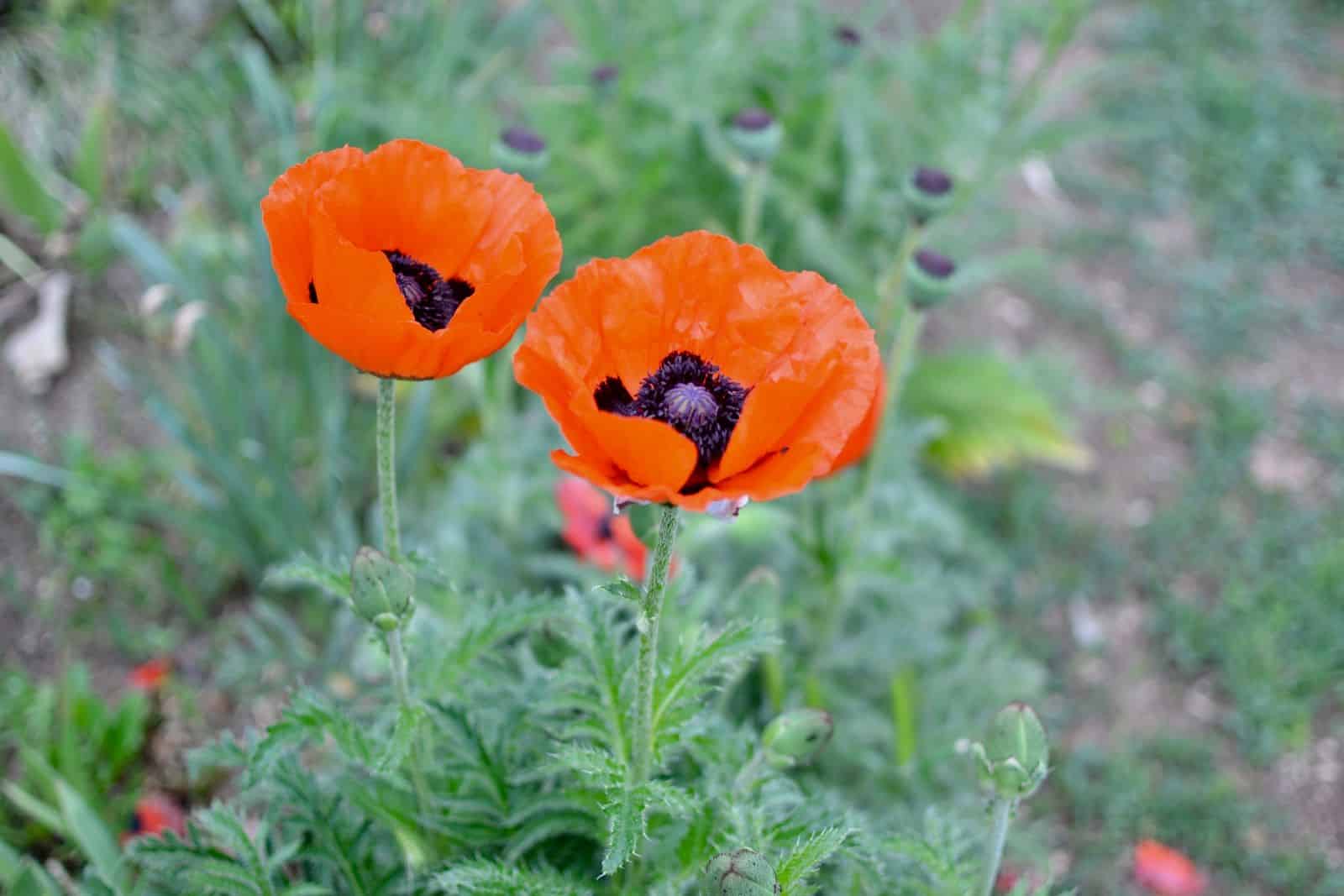
Red poppies grow in fields where many soldiers died during World War I. These flowers became famous because of a poem called “In Flanders Fields” about war deaths. People wear paper poppies on their clothes to remember fallen soldiers. The bright color reminds us of sacrifice and loss. These flowers now appear on many war memorials and graves around the world.
Goldenrod
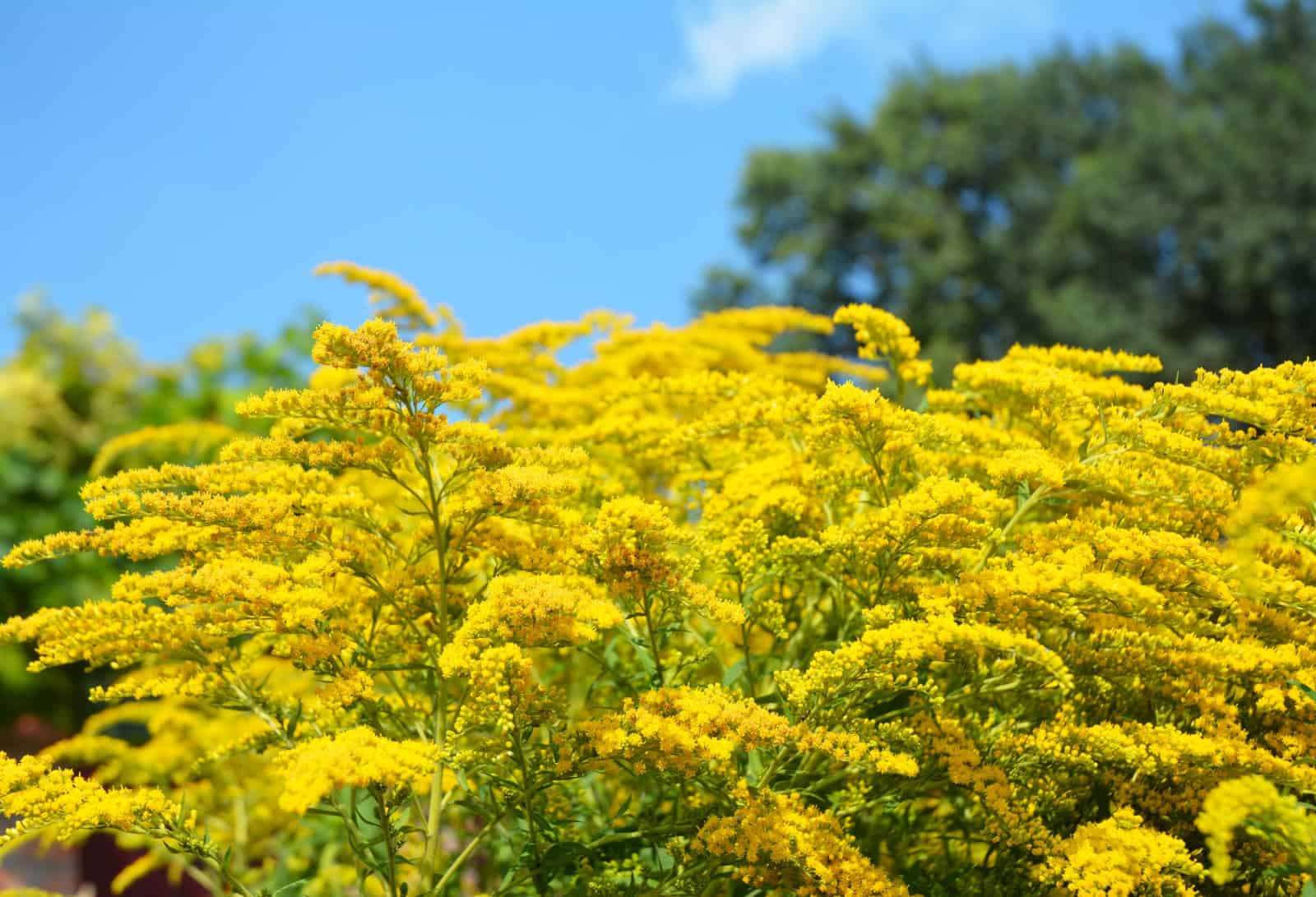
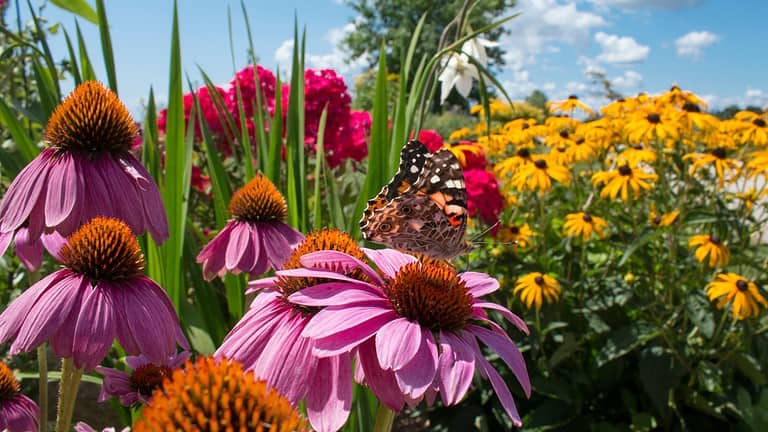
Goldenrod brings a bright yellow color to memorial gardens in late summer. Some people believe these flowers protect the dead on their final journey. The tall plants wave in the wind and create peaceful movement in cemetery gardens. Many cultures see yellow as a color of hope and new beginnings. These flowers attract butterflies, which some see as signs of those who have passed.
Black Rose
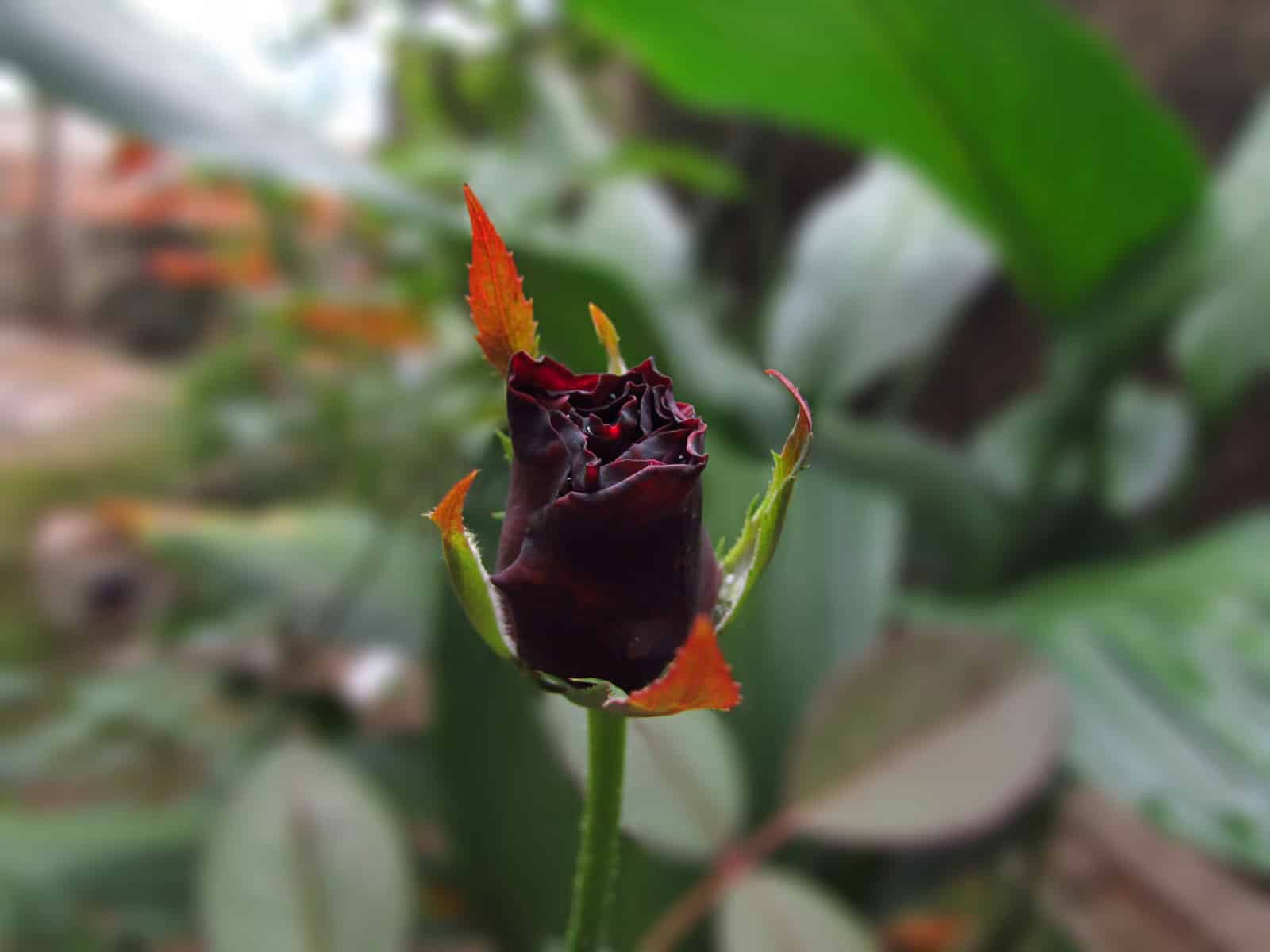
Dark red or purple roses often stand in for true black roses at funerals. People dye roses black to show deep sadness or the end of something important. These flowers appear in movies and books about death and loss. Some people give them to mark tragic events or final goodbyes. The dark color matches the mood of deep grief.
Dried White Rose
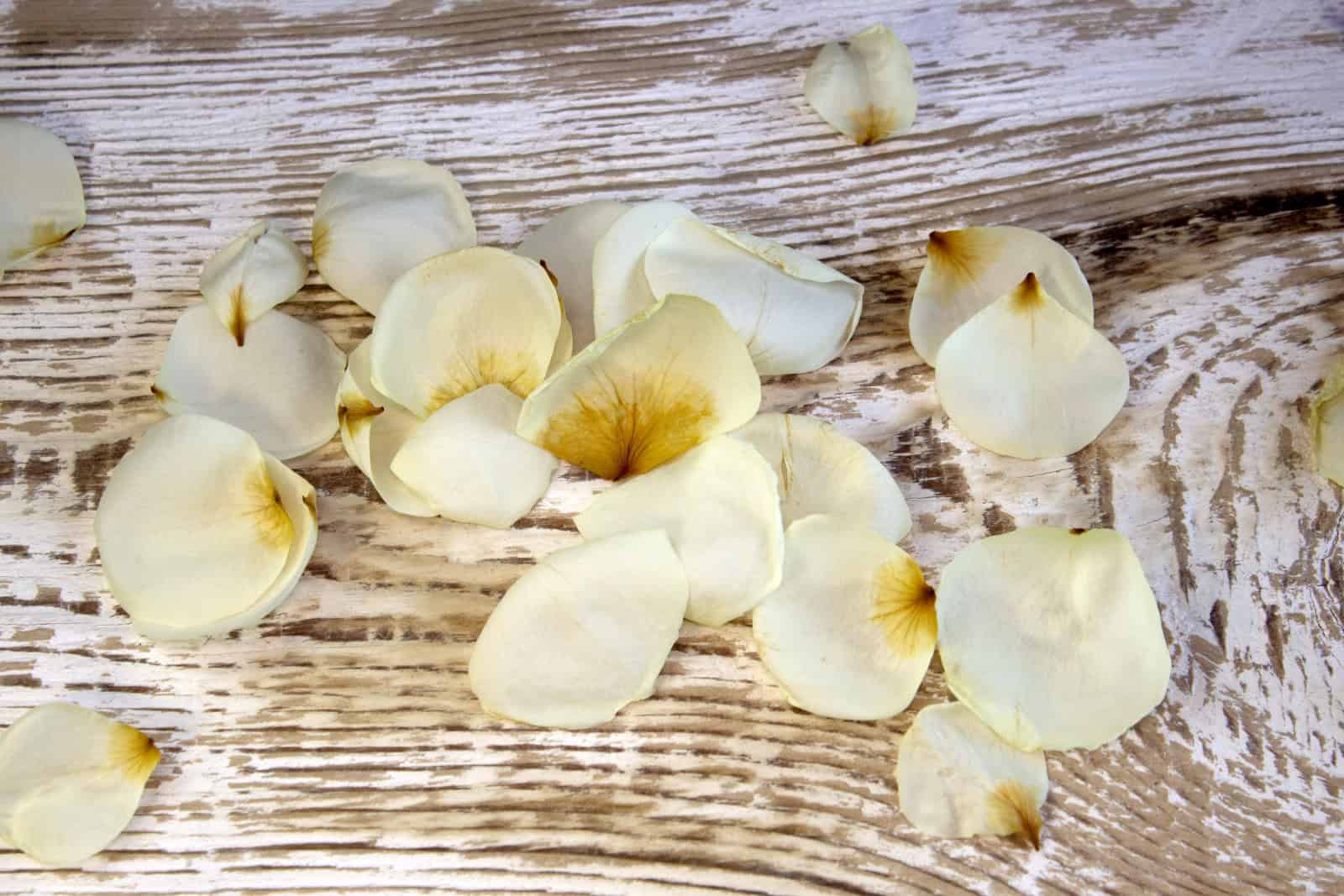
A dried white rose tells a different story than a fresh one. The process of drying shows the passing of time and life itself. People sometimes keep dried white roses from funeral services as memories. The pale, papery petals remind us that all living things fade away. These flowers often appear in memorial displays or memory boxes.
Forget-Me-Nots

These small blue flowers have a clear message in their name- remember me. These flowers grow in clusters, symbolizing memories of loved ones that stay together in our minds. The tiny blooms appear in spring, bringing hope after winter. People often plant these near headstones or in memorial gardens. The simple blue color represents loyalty to those we have lost.
Gladioli
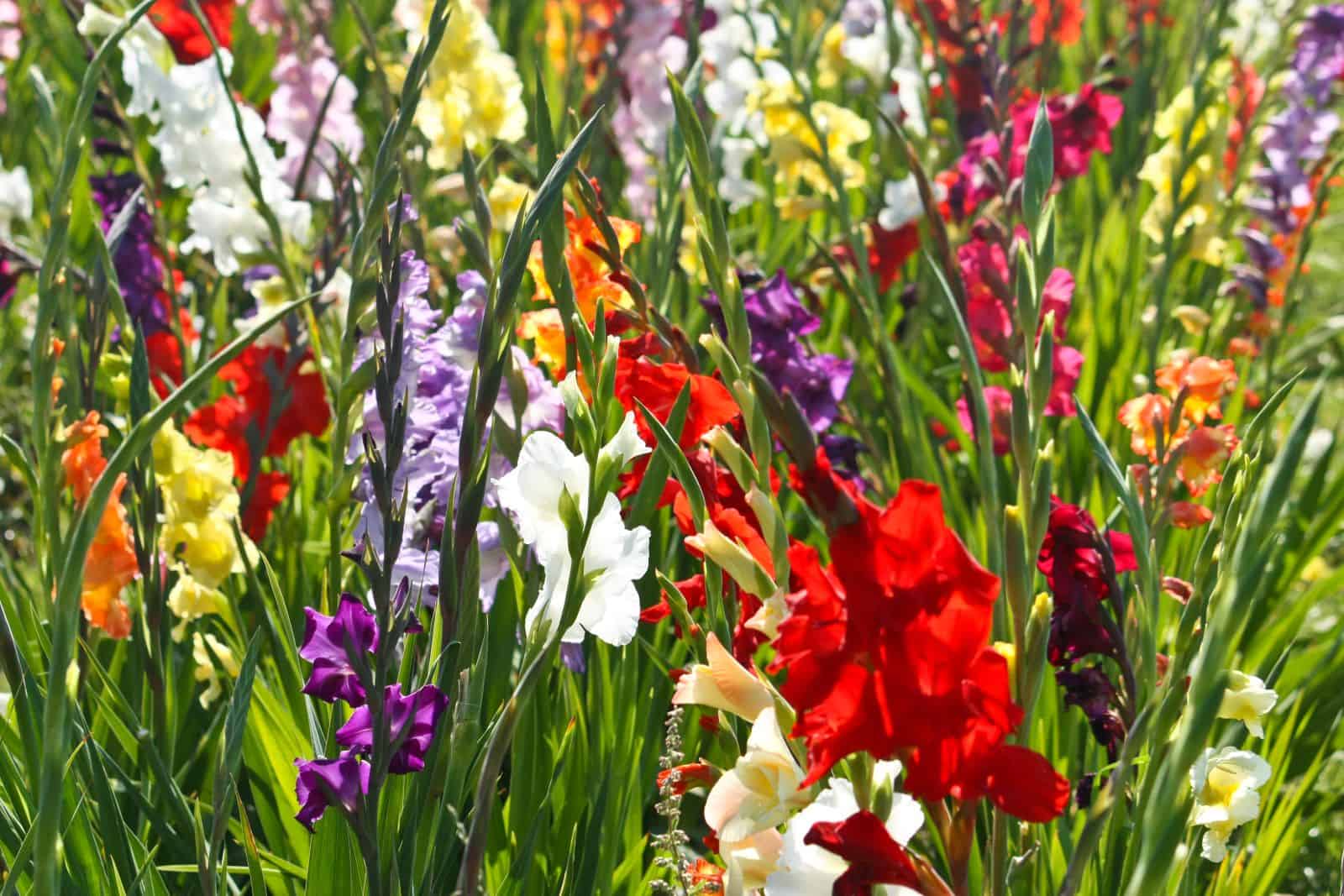
Gladioli stands tall and straight like a sword pointing to the sky. People send these flowers to show they admire the strong character of someone who died. The tall stems can reach several feet high, making them stand out in funeral displays. These flowers come in many colors, but white ones are most common at funerals. Families often place them near the casket during services.
Rosemary
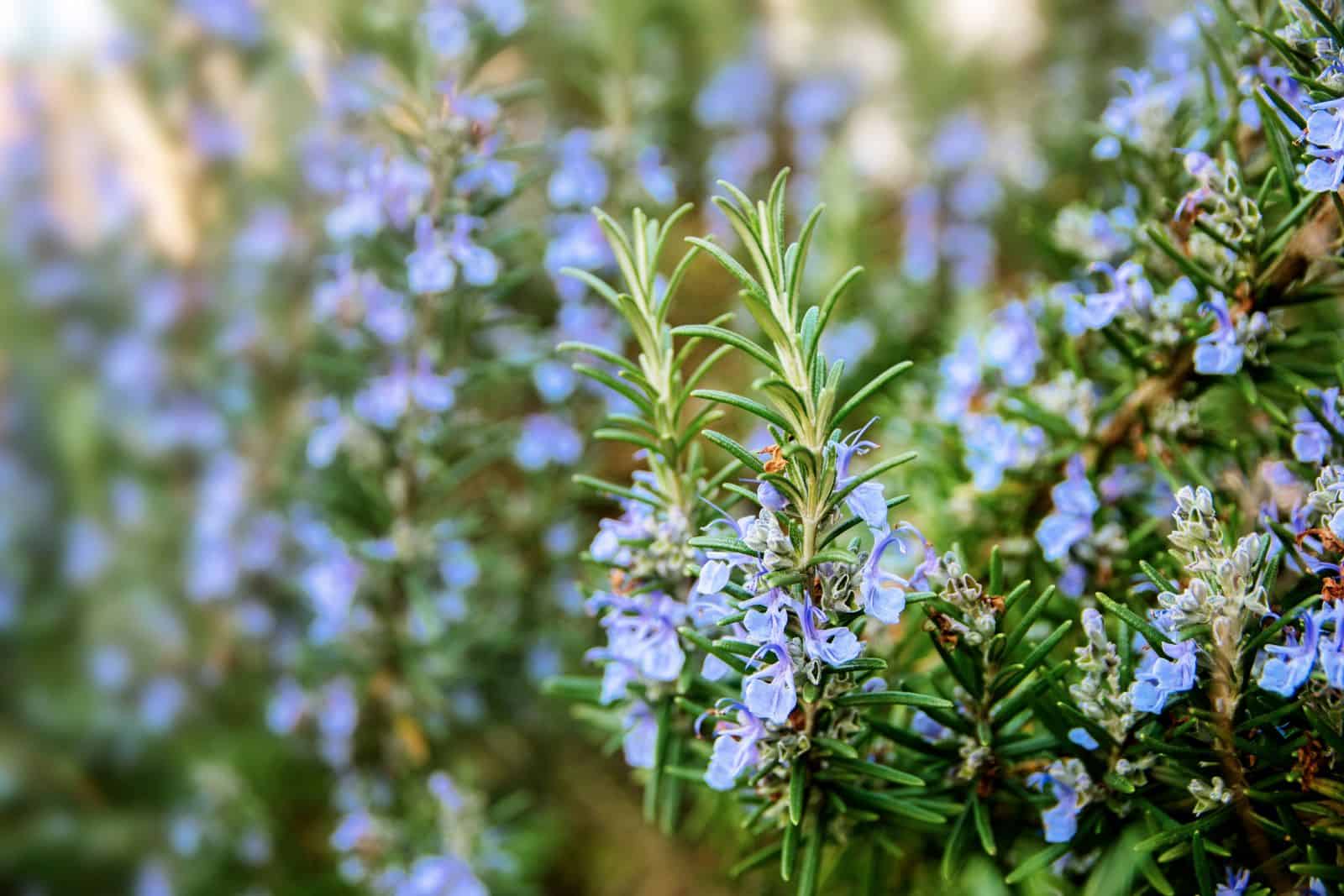
This herb has been linked to remembering the dead for thousands of years. Ancient people in Egypt and Rome used it in funeral ceremonies and burial practices. Shakespeare wrote about rosemary and memory in his play Hamlet, making more people use it at funerals. People often wear small sprigs of rosemary pinned to their clothes at memorial services.
Black Tulips
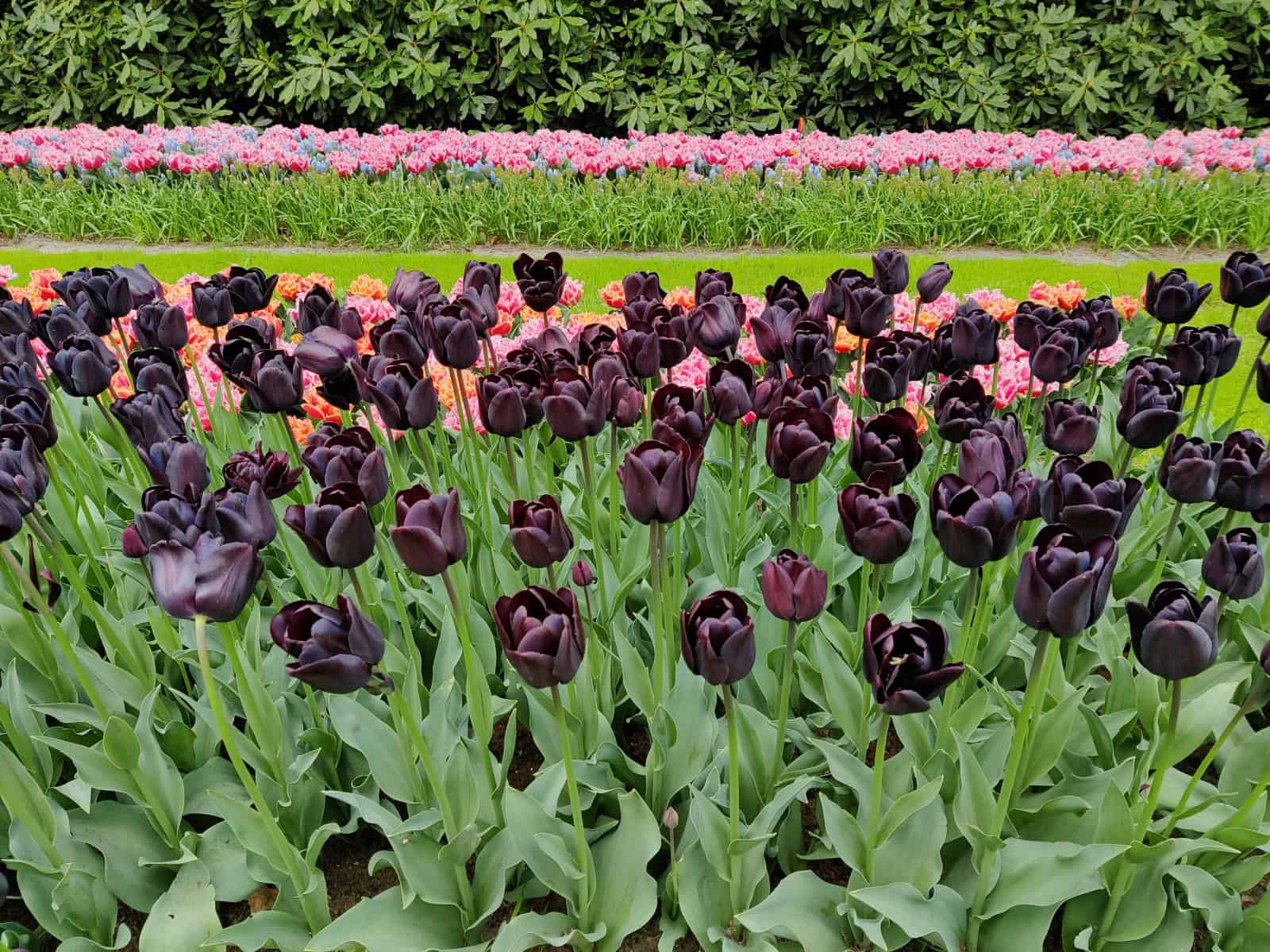
Black tulips are actually a very deep purple color that looks almost black. These rare flowers became popular in Dutch culture as a symbol of ultimate achievement and power. Gardens often plant them to create dramatic displays about life and death. Some people give these tulips to mark the end of a relationship or career. The dark color represents mystery and the unknown aspects of death.
Wolfsbane
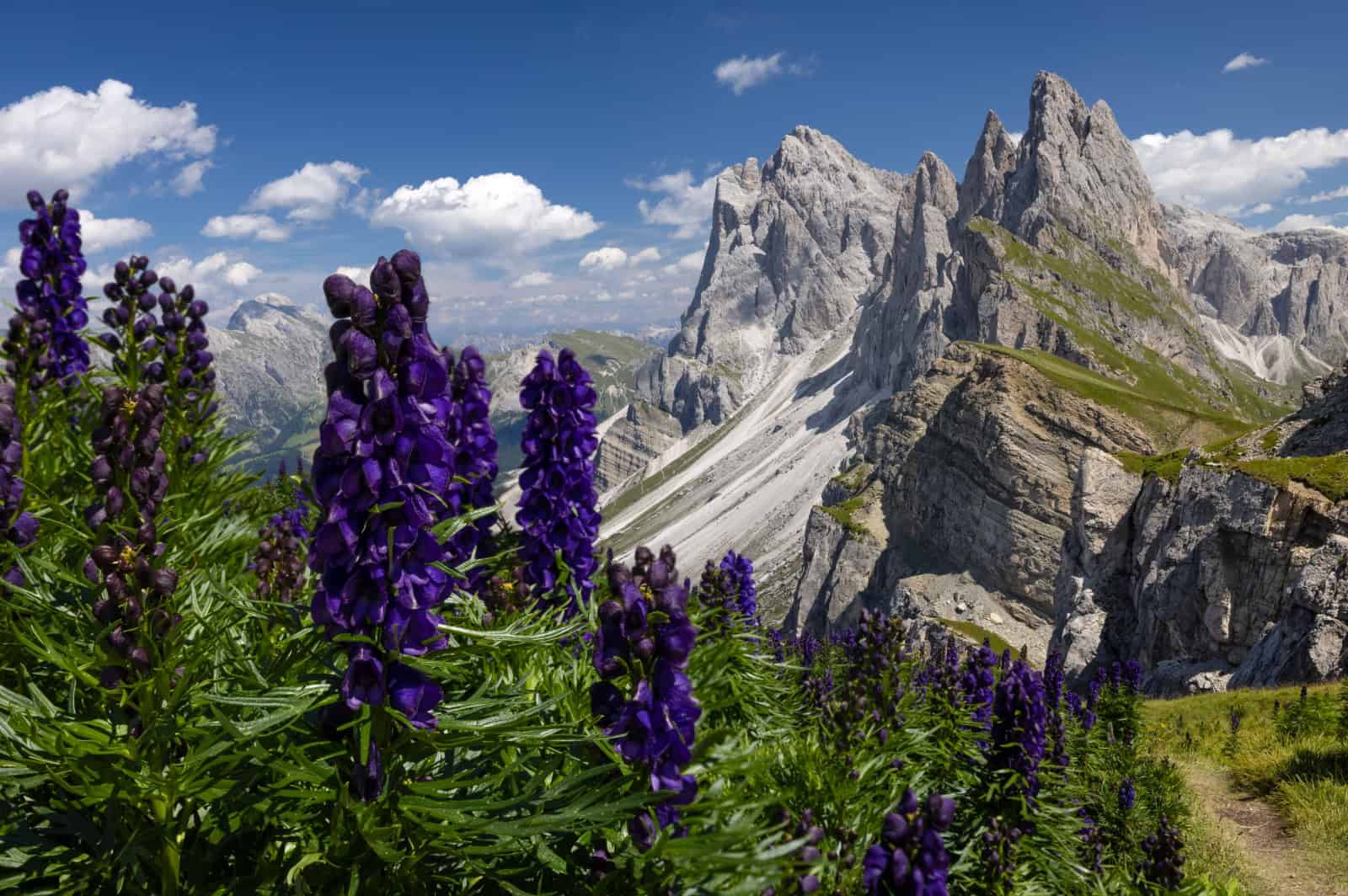
This purple flower is one of the most poisonous plants in the world. Ancient stories say it grew from the drool of a three-headed dog guarding hell’s gates. People once used this plant to make weapons more deadly in hunting and warfare. Old European stories connect it to evil magic and dark powers. The plant’s deadly nature makes it a symbol of danger and mourning.
White Lily
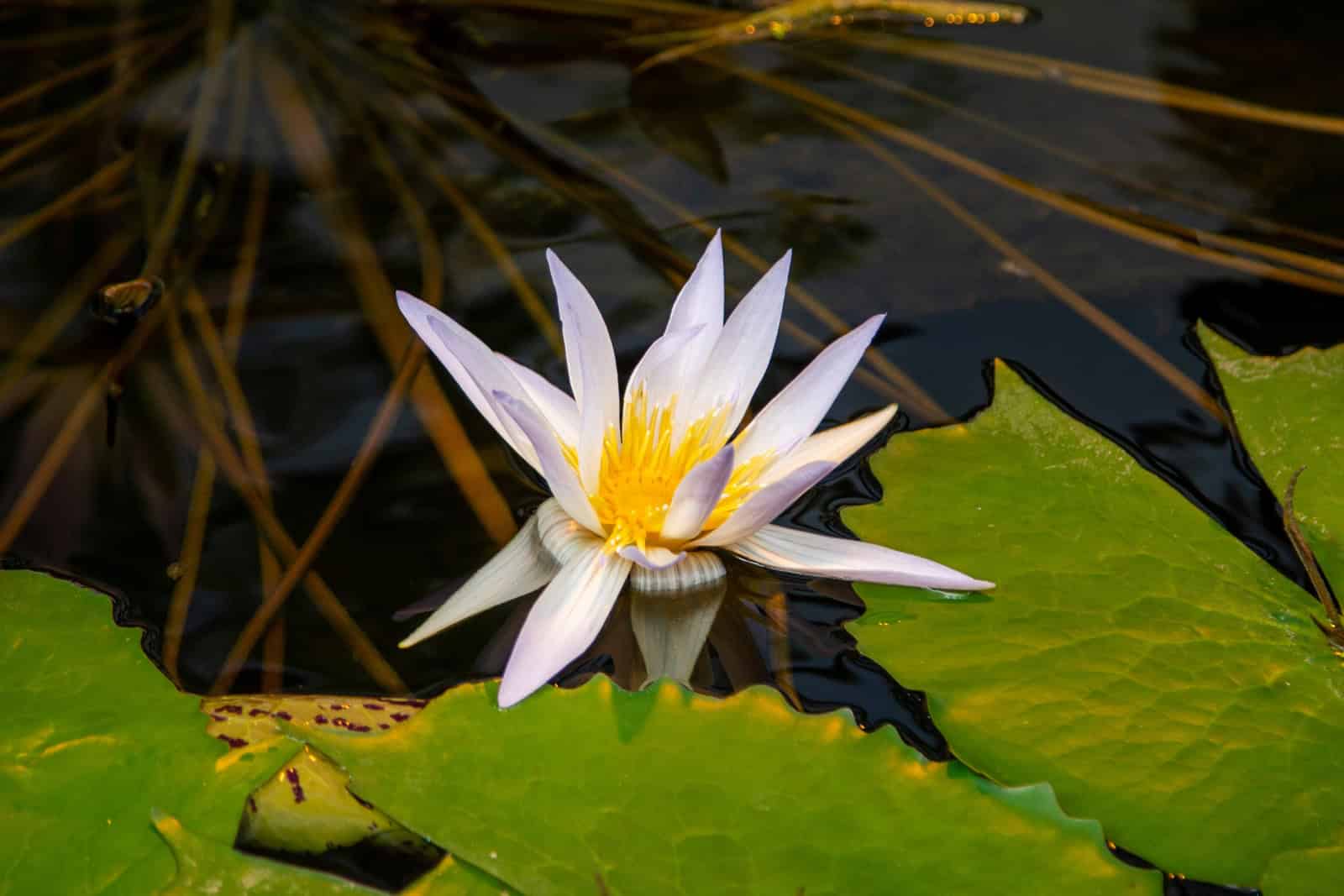
White lilies appear in most funeral homes and churches during services. Their pure white color represents the peace we wish for those who have died. The flowers give off a strong sweet smell that fills memorial spaces. Most people recognize these as traditional funeral flowers. Their trumpet shape points upwards, symbolizing the soul’s journey to heaven.
Red Spider Lily
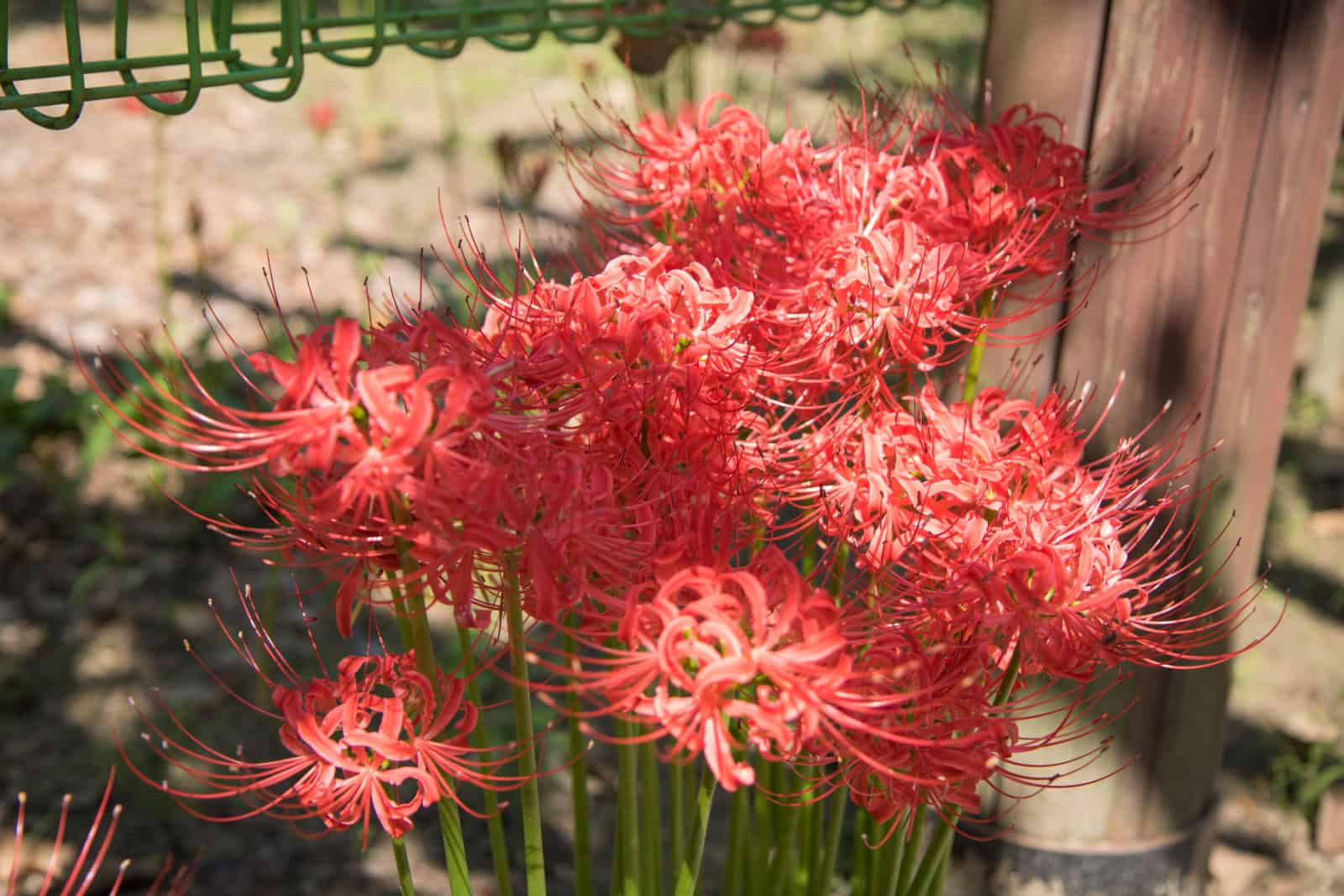
These red flowers often grow in graveyards. People plant them because their bulbs are poisonous and keep animals from digging near the graves. The bright red color stands out against cemetery stones. Many call them death flowers or ghost flowers. They bloom in the fall when many cultures remember their dead.
Monkey Orchids

These unusual orchids have dark colors and strange shapes that remind people of loss. Their faces look almost human, which can be unsettling to some people. The flowers hang down like they are looking at the ground with sadness. Their dark color fits with themes of mourning. They bloom in shady places, adding to their connection with death.
Rafflesia
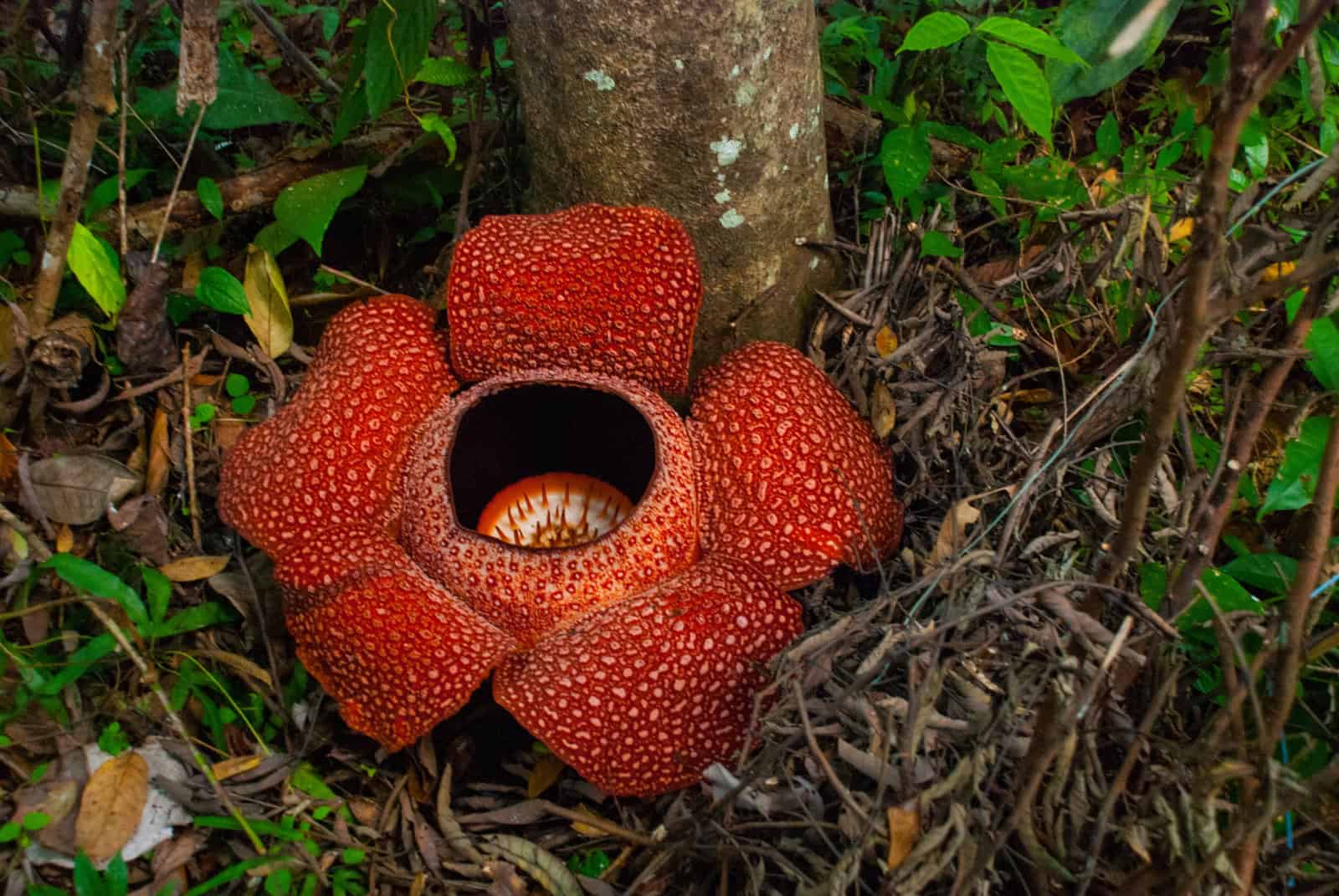
These rare flowers grow in rainforests and smell like rotting meat. It is the largest single flower in the world but it is a parasite for other plants. The smell attracts flies instead of bees or butterflies. Its red color and meat-like appearance connect it to death. This flower dies quickly after blooming.
Asphodel
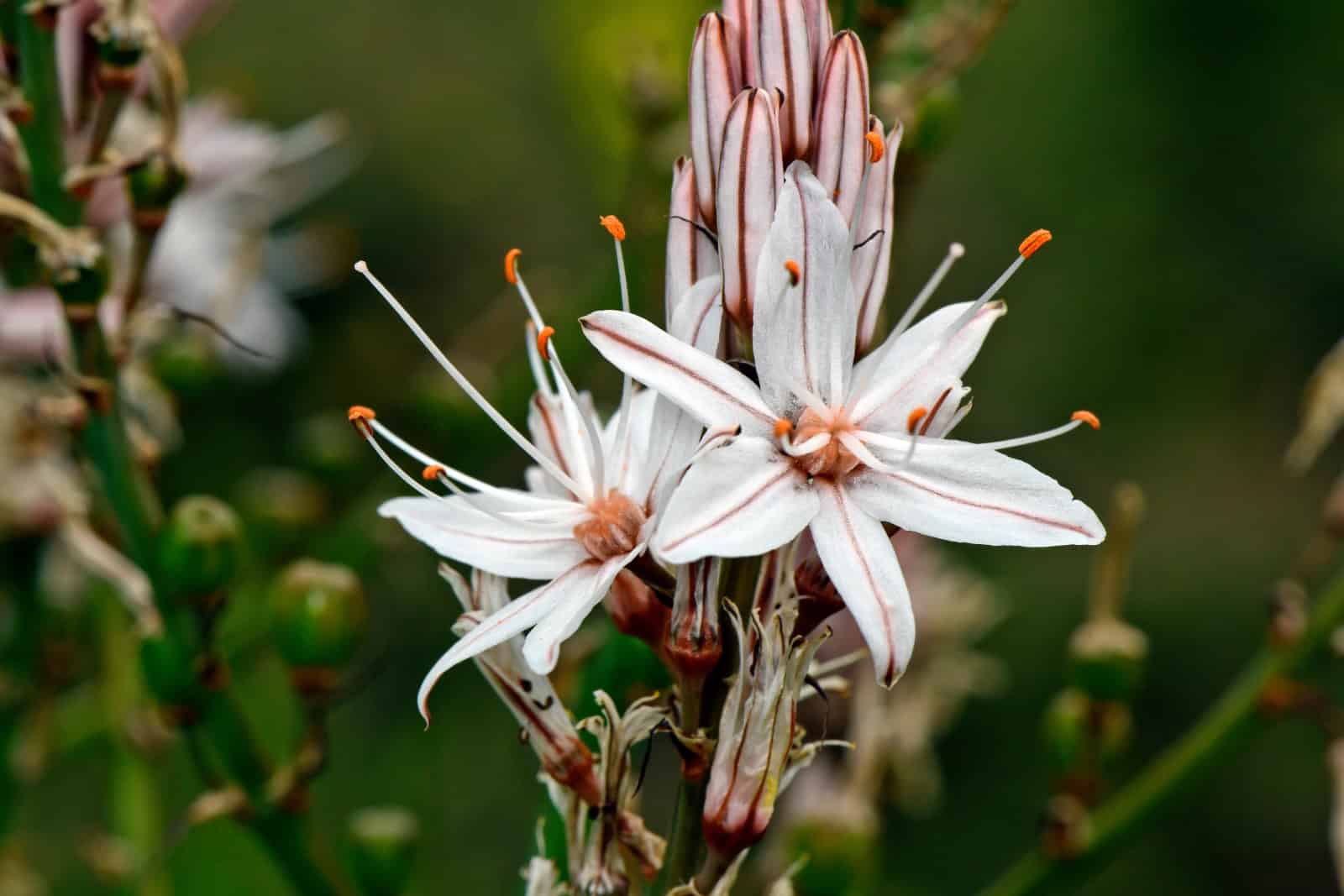
Old Greek stories mentioned these flowers in the land of the dead. The white flowers grow in places where other plants struggle to love. People once planted them near graves to help guide spirits. The plants spread easily and come back year after year.