Landscaping is more than just a way to increase your home’s curb appeal. It’s also an extension of your personal style, a way to create a sanctuary in your own backyard, and even a form of self-expression. However, as with any form of design, trends in landscaping come and go. What was once considered cutting-edge and modern may now be seen as outdated and passé.
If you’re planning on updating your garden or backyard this year, it’s essential to know what’s in and what’s definitely out. We’ve consulted with landscaping experts to bring you the top ten landscaping trends that are already past their prime.
Advertisement
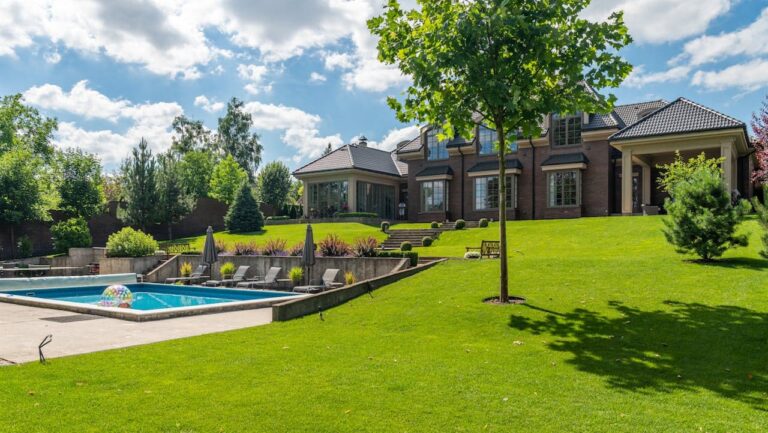
1. Overly Manicured Lawns

There was a time when a perfectly manicured lawn was the ultimate sign of a well-taken-care-of garden. However, this trend is quickly becoming outdated. Not only is it labor-intensive to maintain, but it’s also not environmentally friendly. Additionally, a too-perfect lawn often lacks character and personality.
Instead, experts are suggesting a move towards a more natural approach. This involves creating a landscape that works with your local climate and ecosystem rather than against it. Consider replacing your grass with native plants, which require less water and maintenance and are more likely to thrive. You can also incorporate meandering pathways and use ground covers like clover, which are not only beautiful but also beneficial for the soil.
2. Cookie-Cutter Landscapes
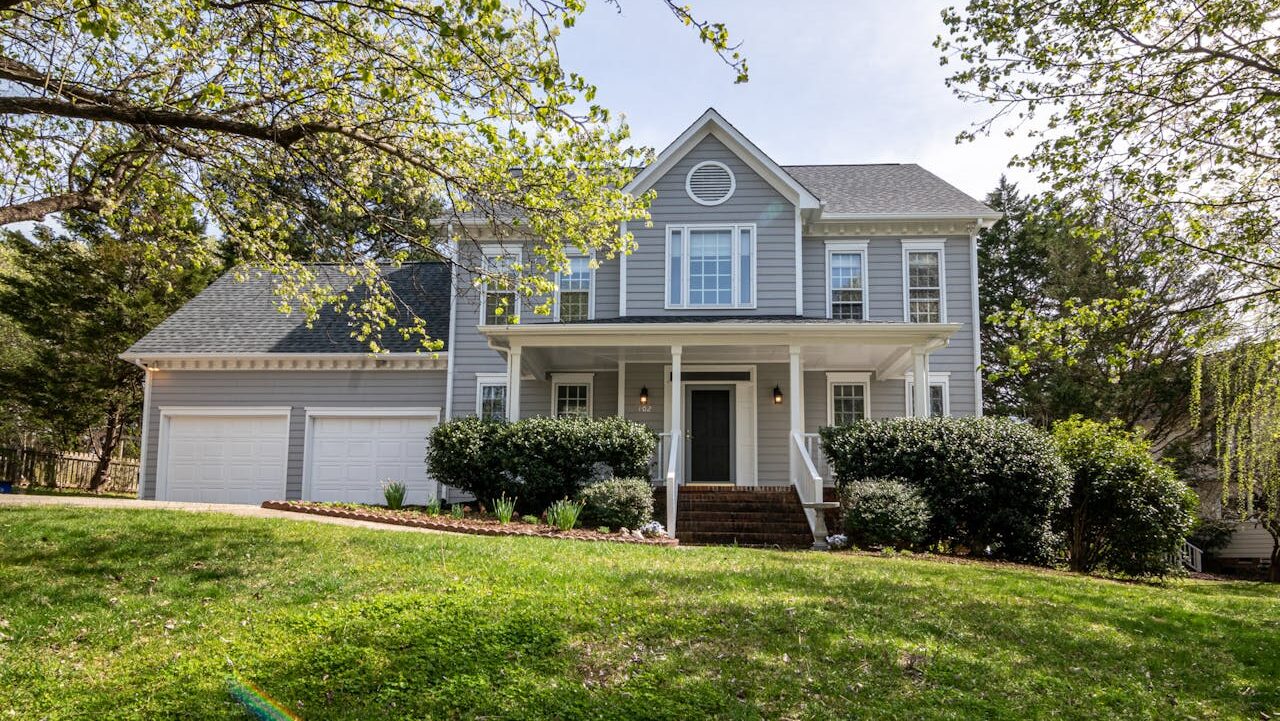
In the past, many homeowners aimed for a uniform look with matching plants and symmetrical designs. This trend, often referred to as the “cookie-cutter” landscape, is no longer in style. These landscapes lack individuality and can make your home look like every other house on the block.
Instead, experts suggest embracing a more personalized approach. Incorporate plants that reflect your personal taste, and don’t be afraid to mix and match different styles. Whether you prefer a wild and whimsical garden or a sleek and modern design, the key is to create a landscape that feels uniquely yours.
3. Excessive Outdoor Lighting
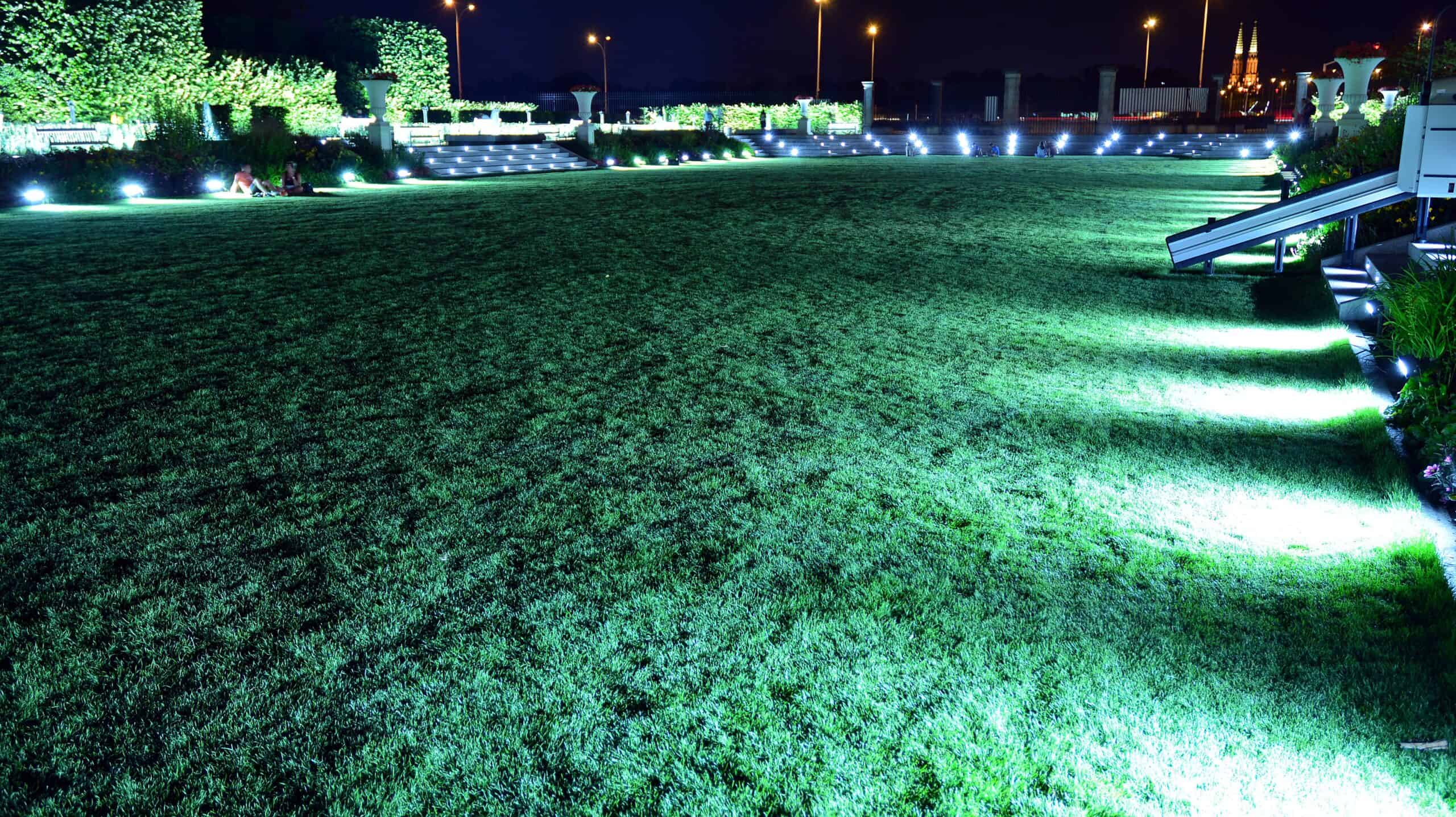
Outdoor lighting is an important aspect of landscaping design. However, the trend of excessive outdoor lighting is becoming outdated. Not only does this contribute to light pollution, but it can also make your yard feel less like a natural retreat and more like a brightly-lit parking lot.
The new trend in outdoor lighting is all about subtlety. Instead of flooding your yard with light, consider using strategically placed low-voltage lights. These can highlight features you want to emphasize, like a beautiful tree or a water feature, while keeping the overall ambiance soothing and natural.
4. Monoculture Plantings
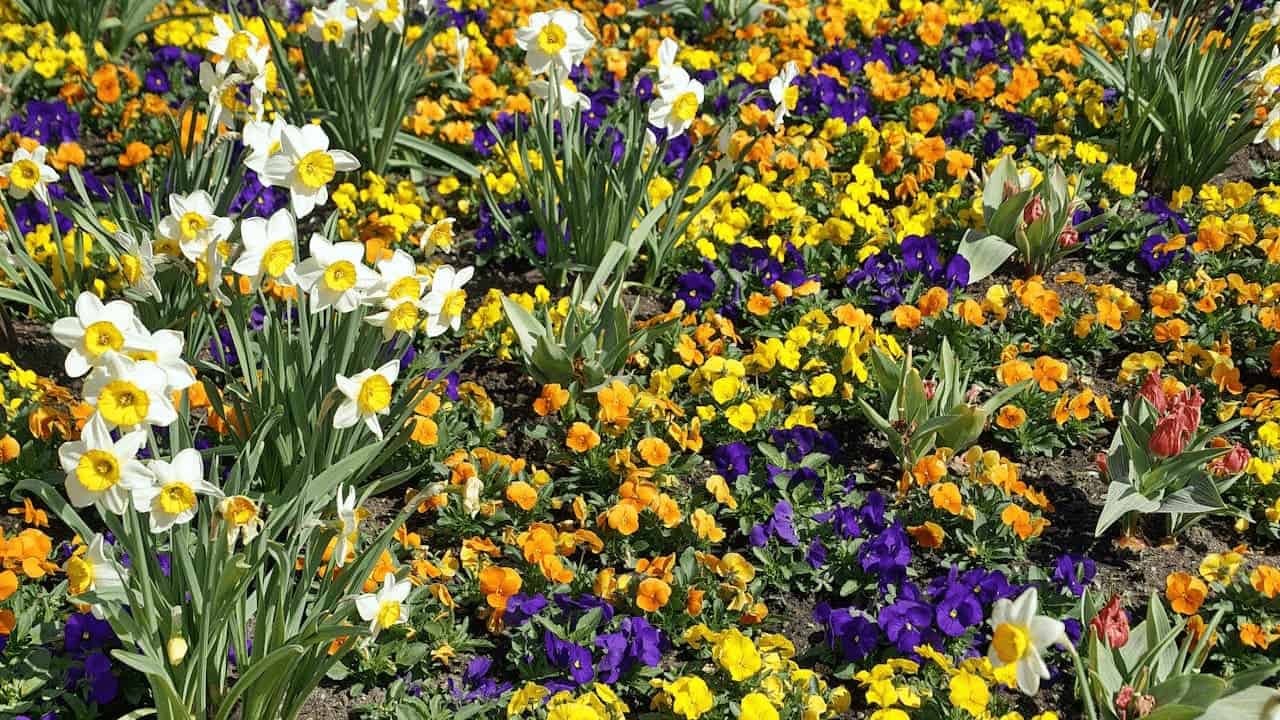
Monoculture, or the practice of planting the same species over a large area, was once a popular landscaping trend. However, this approach is not only boring but also problematic for biodiversity. A monoculture landscape is more susceptible to pests and diseases, and it offers little benefit to local wildlife.
Experts suggest moving towards a more diverse planting scheme. Mix different types of plants that bloom at different times of the year. This not only provides visual interest throughout the seasons, but it also creates a healthier and more resilient ecosystem in your garden.
5. Overly Thematic Gardens
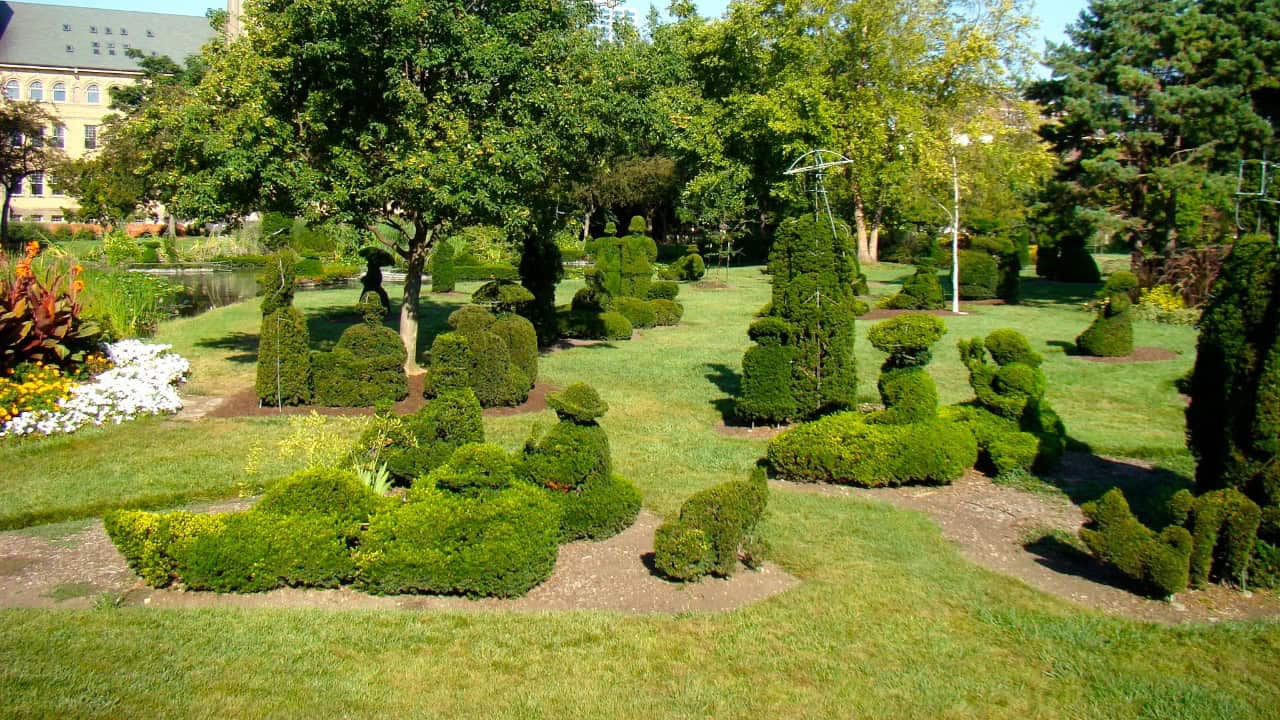
While having a theme can help guide your landscaping decisions, sticking too closely to a single theme can make your garden feel contrived and outdated. Whether it’s a Japanese zen garden or a tropical paradise, a too-thematic garden can lack depth and versatility.
Instead, consider incorporating elements of the theme you love without letting it take over your entire garden. This could mean mixing in a few tropical plants with your local flora, or creating a small zen-inspired corner in your garden, rather than converting the whole space.
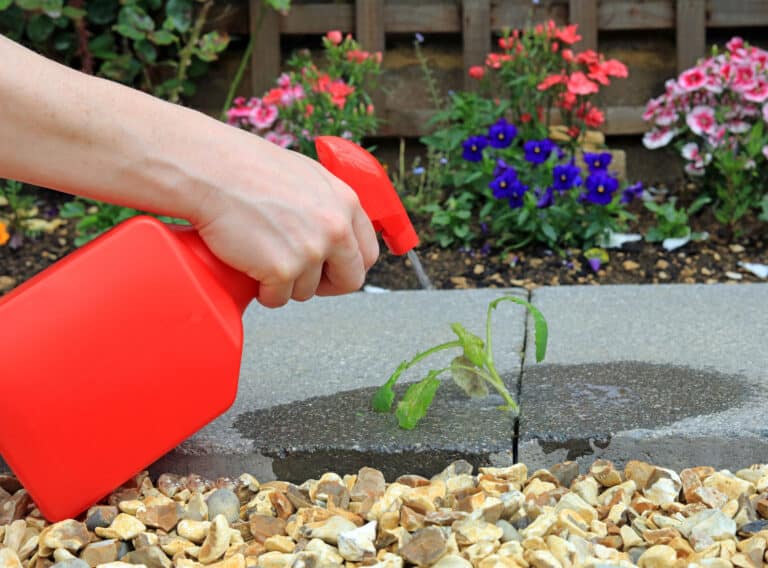
6. Overuse of Pesticides

Although pesticides can help manage pests, their overuse is a trend that needs to go. Pesticides can harm beneficial insects and animals, pollute water sources, and even pose health risks to humans.
Instead of relying heavily on pesticides, consider adopting more natural pest management strategies. For example, you can introduce beneficial insects like ladybugs and praying mantises, which are natural predators of many common garden pests. Companion planting, or planting certain types of plants together, can also help deter pests.
7. Neglecting the Front Yard
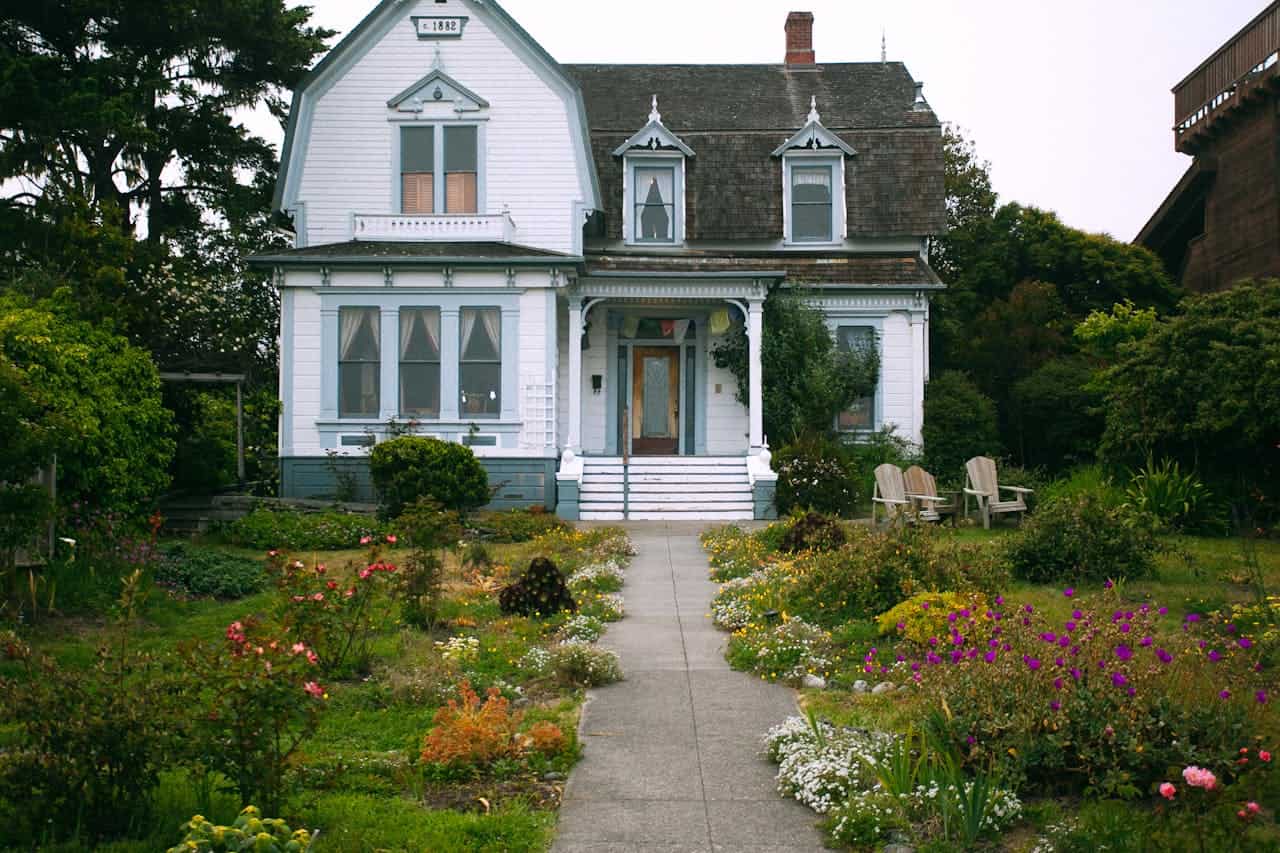
The trend of focusing all your landscaping efforts on the backyard while neglecting the front yard is outdated. Your front yard is the first thing people see when they visit your home, so it deserves just as much attention as your backyard.
Start by ensuring your front yard is tidy and well-maintained. Then, consider adding some eye-catching elements like a small water feature, an interesting tree, or a colorful flower bed. You could also add a path or a comfortable seating area to make your front yard more inviting.
8. Synthetic Lawns
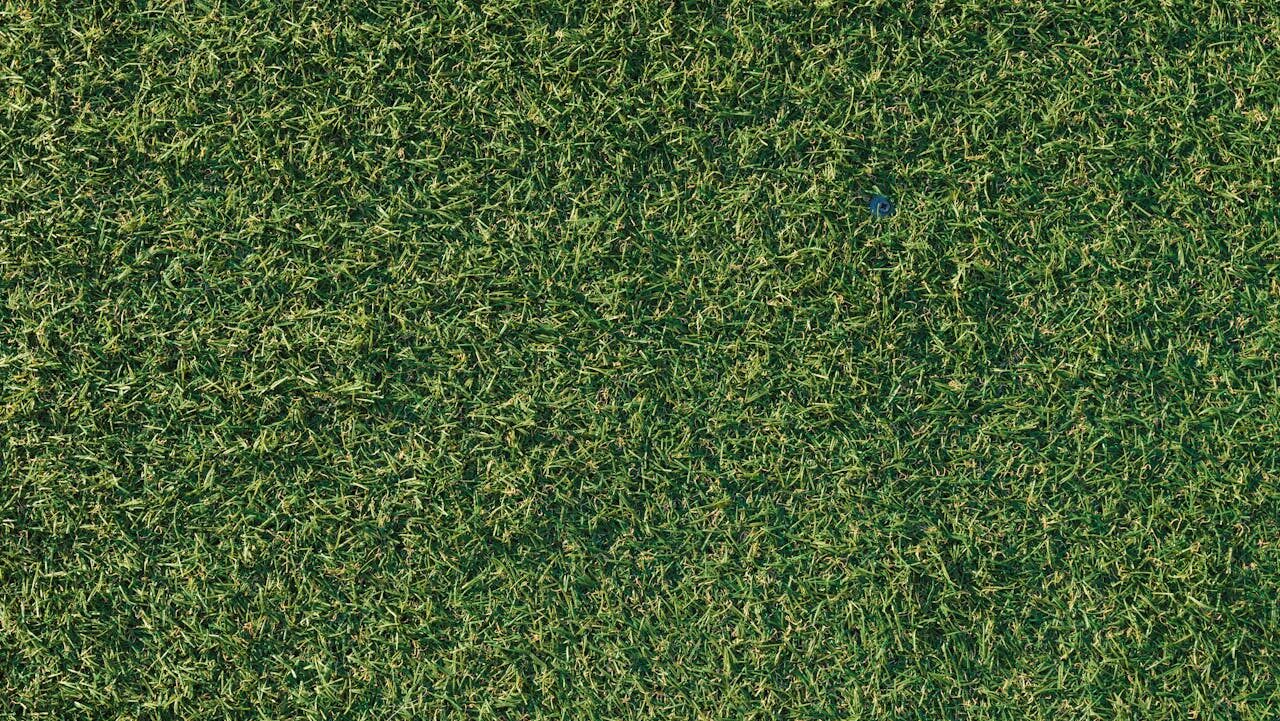
While synthetic lawns require less maintenance and are more durable than natural lawns, they are also less environmentally friendly. Synthetic lawns can’t absorb rainwater, causing runoff problems, and they don’t provide a habitat for beneficial insects and birds.
If you’re looking for a low-maintenance lawn alternative, consider using native grasses or ground covers that can tolerate your local climate. These alternatives can be just as beautiful as a traditional lawn, and they provide benefits for local wildlife and the environment.
9. Single-Season Landscapes
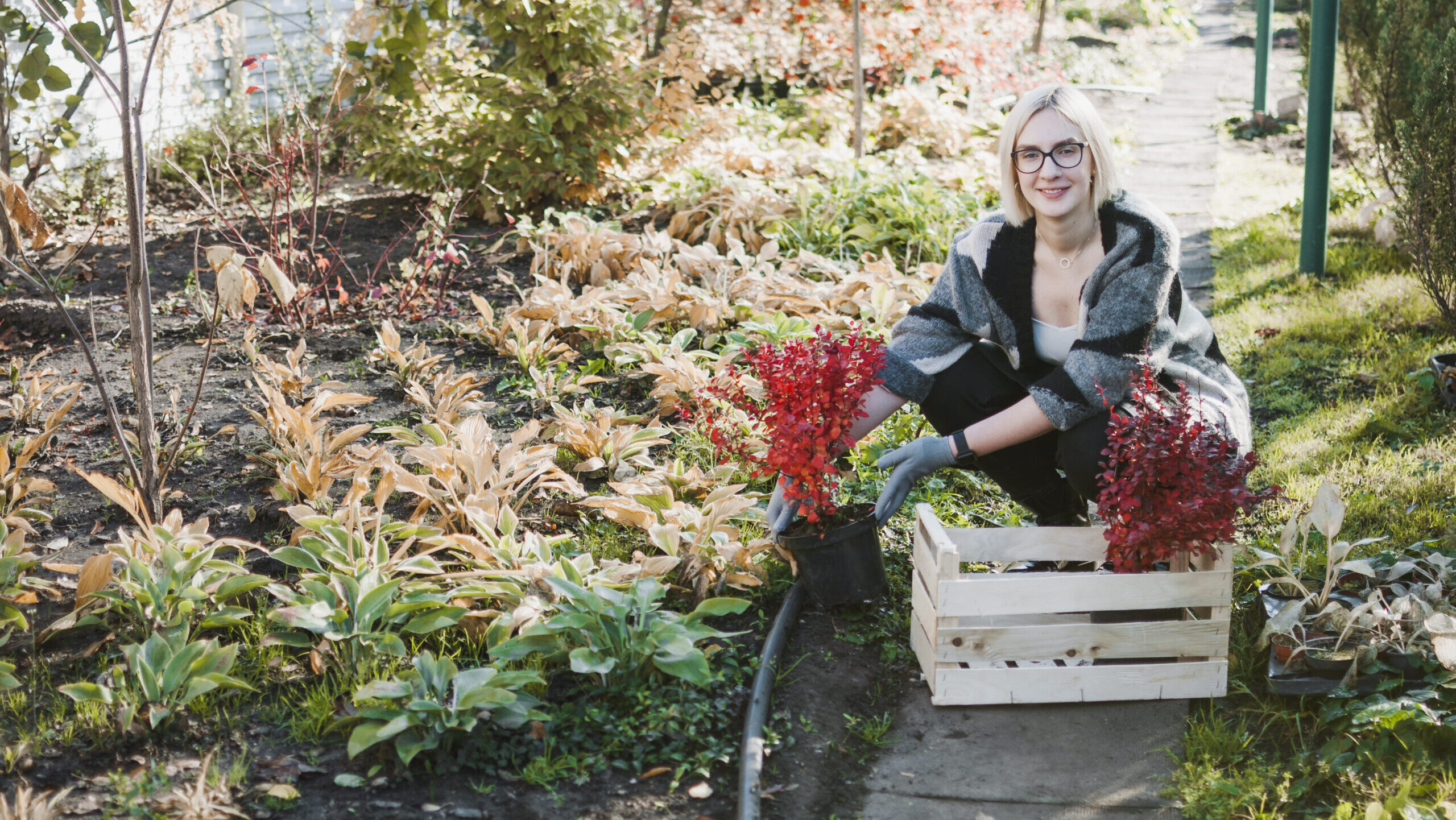
Designing your landscape to look its best during a single season is a trend of the past. Your garden should be a place of beauty and enjoyment all year round, not just during spring or summer.
To achieve this, incorporate plants that offer interest in different seasons. For example, some plants may bloom in spring, while others display vibrant foliage in fall or berries in winter. Adding evergreen plants can also ensure your garden remains vibrant even in colder months.
10. Ignoring Wildlife
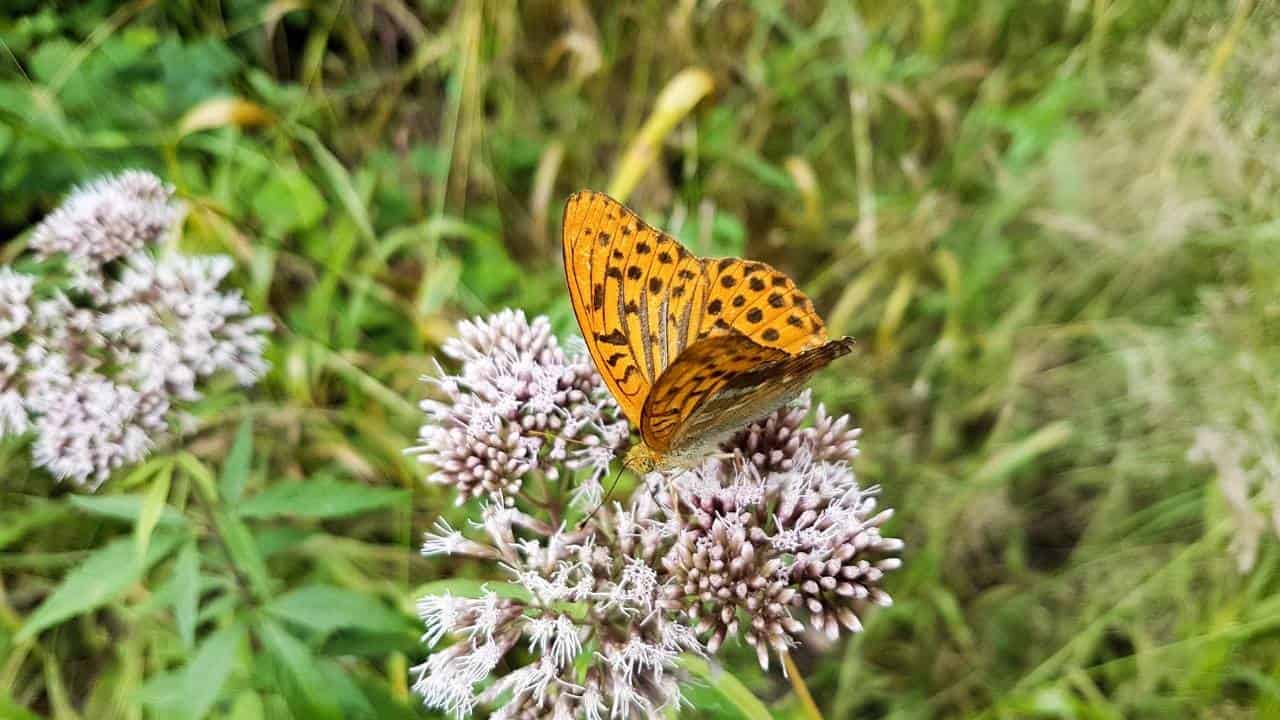
Gardens that don’t consider the needs of local wildlife are becoming less popular. A garden that supports local wildlife not only benefits the environment, but it also makes your landscape more lively and interesting.
Consider incorporating native plants that provide food and habitat for local birds, insects, and other animals. You could also add features like bird baths, bee hotels, or butterfly gardens to attract even more wildlife. This way, your garden can become a small sanctuary for local wildlife, contributing to biodiversity in your area.