Potatoes are a kitchen staple, but proper storage can be a challenge. This article provides 13 practical tips to help you store your potatoes correctly, preventing sprouting and extending their shelf life.
Choose The Right Variety

Research and choose varieties known for their good storage qualities to ensure your potatoes remain fresh for longer. Select late-season potatoes like Russet Burbank, Yukon Gold, and Idaho potatoes. These varieties have thicker skins and higher starch content, which makes them less likely to sprout. Sprout-resistant varieties like Elba, Carola, and Red Norland are excellent choices. These cultivars help minimize the risk of sprouting and extend the storage life of your potatoes.
Advertisement
Temperature Matters
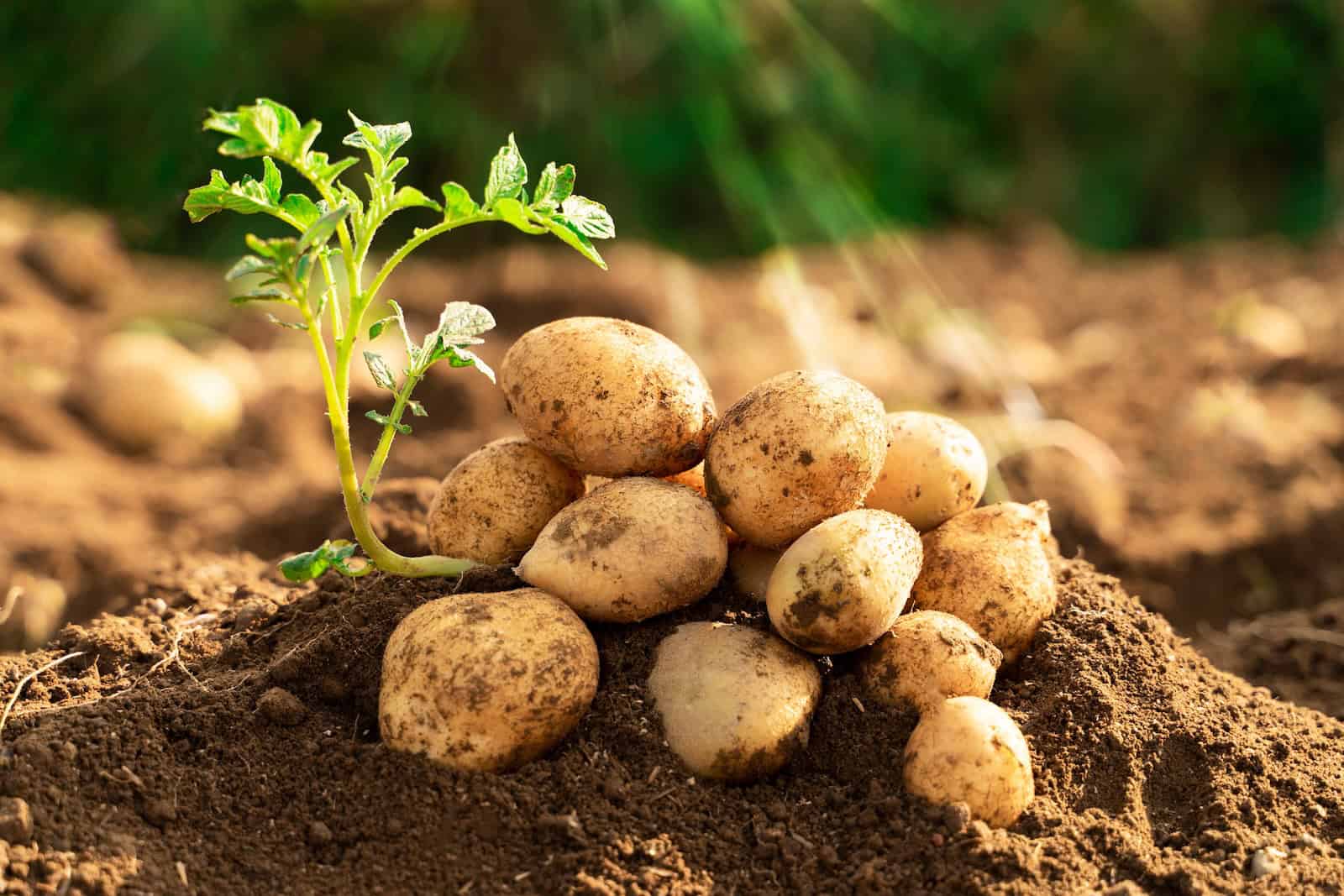
Proper potato storage hinges on maintaining the right temperature. Aim for a cool spot between 45-50°F (7-10°C) to prevent sprouting and spoilage. Storing potatoes in a pantry or on a countertop might not be ideal unless you live in a cooler climate. Instead, consider a cellar, basement, or a cool closet to keep your potatoes fresh longer.
Store Away From Light
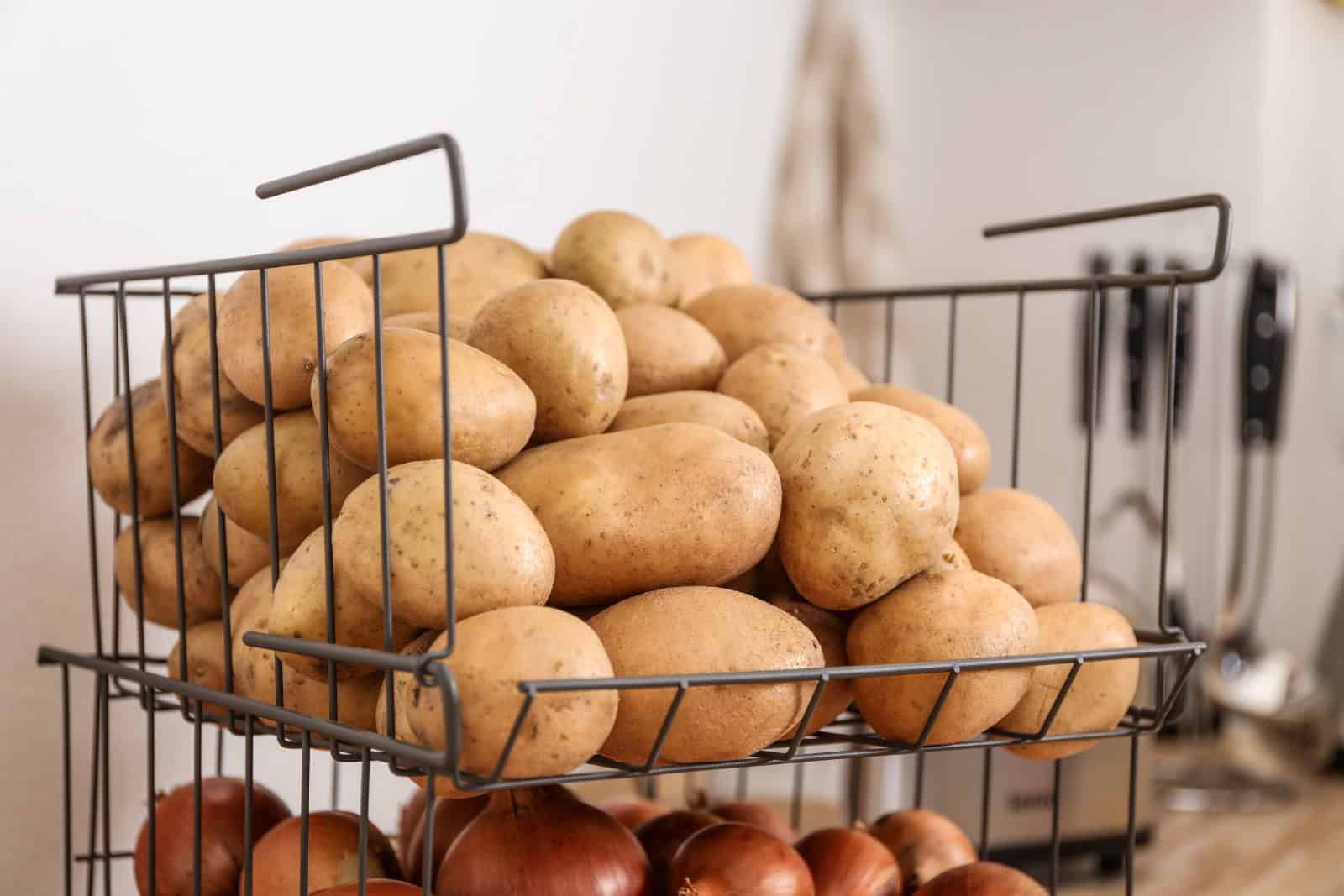
Potatoes are extremely light-sensitive, and exposure can turn them green and trigger the production of solanine, a harmful toxin. To maintain their quality and extend storage life, keep potatoes in a cool, dark place, away from direct sunlight and bright indoor lighting. Storing potatoes correctly prevents the formation of solanine, which can make potatoes bitter, inedible, and potentially harmful if consumed in large amounts.
Avoid Moisture
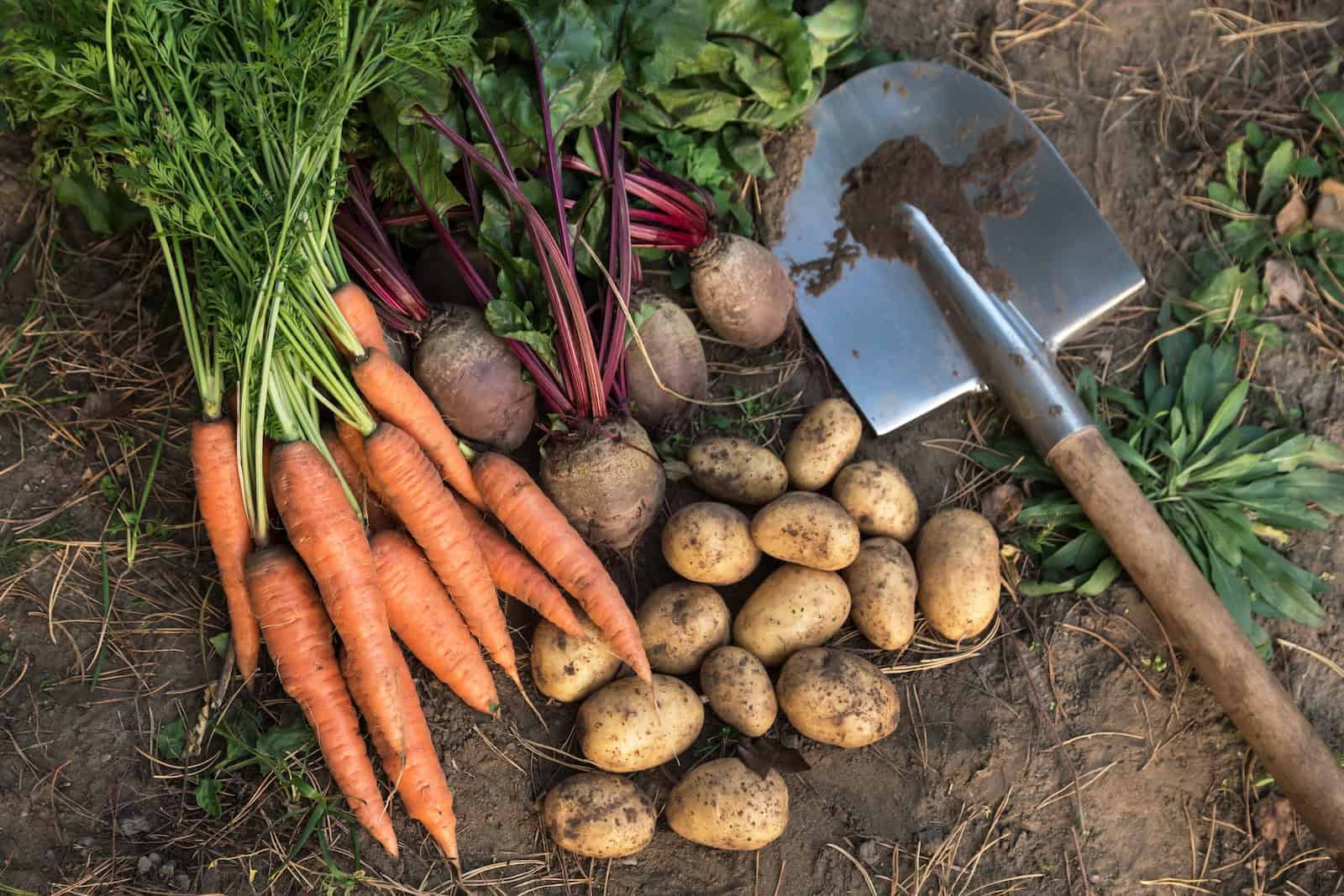
Moisture is a big no-no for potatoes, as it can cause them to rot and become moldy. Always keep them dry and avoid washing before storing them. Instead, brush off any excess dirt with a soft brush or cloth. Ensure your storage area is dry, and if potatoes become wet, dry them thoroughly before storing them to prevent sprouting and deterioration.
Ensure Proper Airflow

Potatoes need good air circulation to stay fresh and prevent sprouting. Avoid keeping potatoes in plastic bags, as they trap moisture and lead to spoilage. Instead, store potatoes in open containers like baskets, bins, or paper bags, or use materials such as mesh bags, burlap sacks, or cardboard boxes. These allow for proper airflow, keeping potatoes dry and extending their storage life.
Store Away from Ethylene-Producing Foods
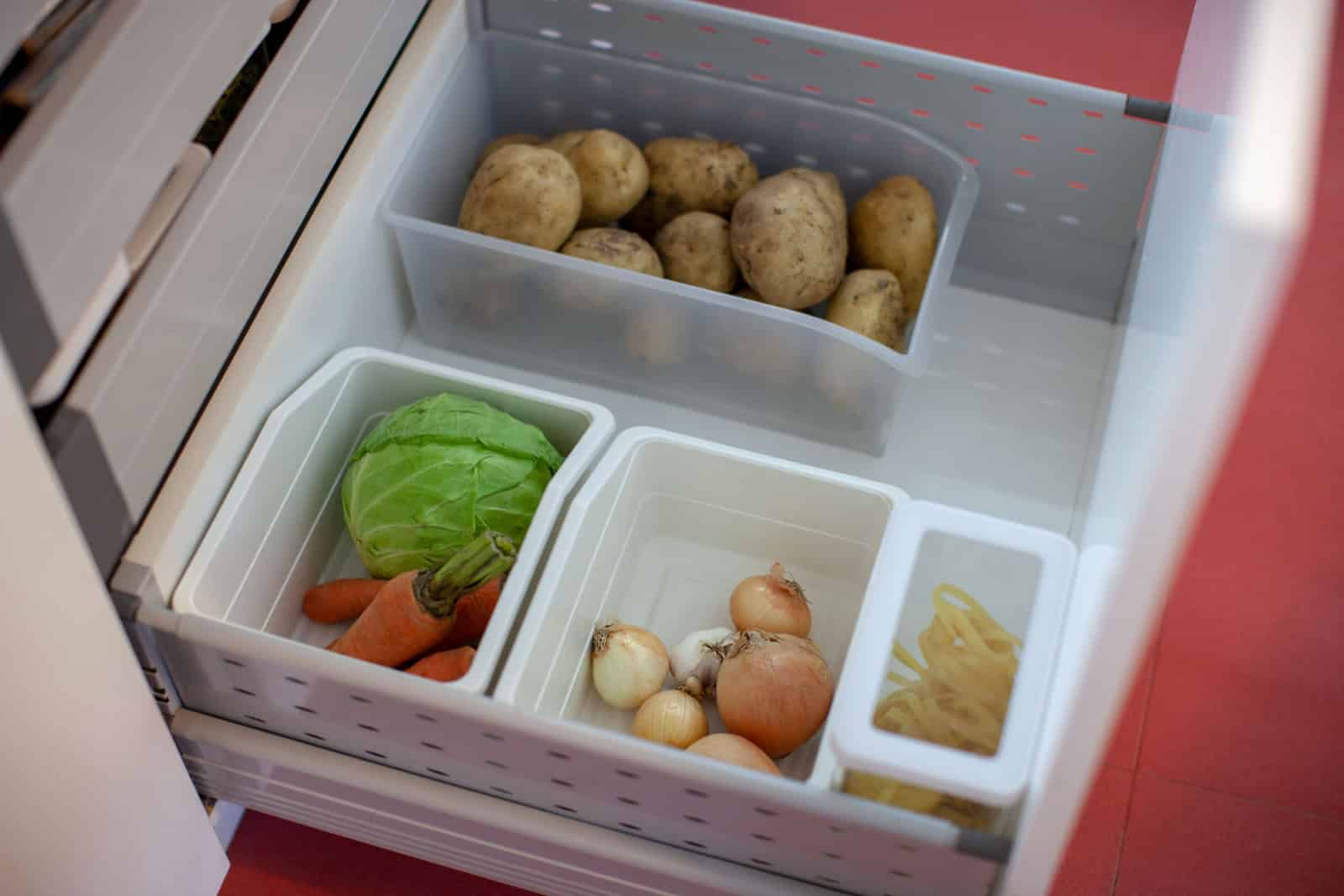
Some fruits and vegetables, like onions, tomatoes, apples, avocados, and bananas, release ethylene gas as they ripen. This gas can cause potatoes to sprout more quickly. To prevent this, store potatoes separately from these ethylene-producing items. Keeping them apart will help extend the shelf life of your potatoes and the other produce.
Avoid Refrigeration

Storing potatoes in the refrigerator may seem convenient, but it’s not ideal. The cold temperature converts the starch in potatoes into sugar, leading to an unpleasant taste and texture. When baked or fried, these sugars can react with the amino acid asparagine to produce acrylamide, a harmful chemical. Keep your potatoes out of the fridge for the best quality and safety.
Cure Potatoes Before Storage

Start by selecting bulky potatoes with thick skins, free from large puncture marks, soft spots, mold, or other damage. Instead of washing, brush off the dirt to avoid moisture that can cause sprouting. Place the potatoes on a newspaper sheet in a dark, ventilated area for a few weeks, ensuring they don’t touch. Finally, store them in a cool, dry, and well-ventilated place.
Rotate Your Potatoes

To avoid wasting your potatoes, rotate them regularly. Use the First-In-First-Out (FIFO) method: Put the newer ones at the back and use the older ones in front first. This way, you’ll always consume your potatoes before they go bad, keeping them fresh for longer.
Dust With Sulfur Powder
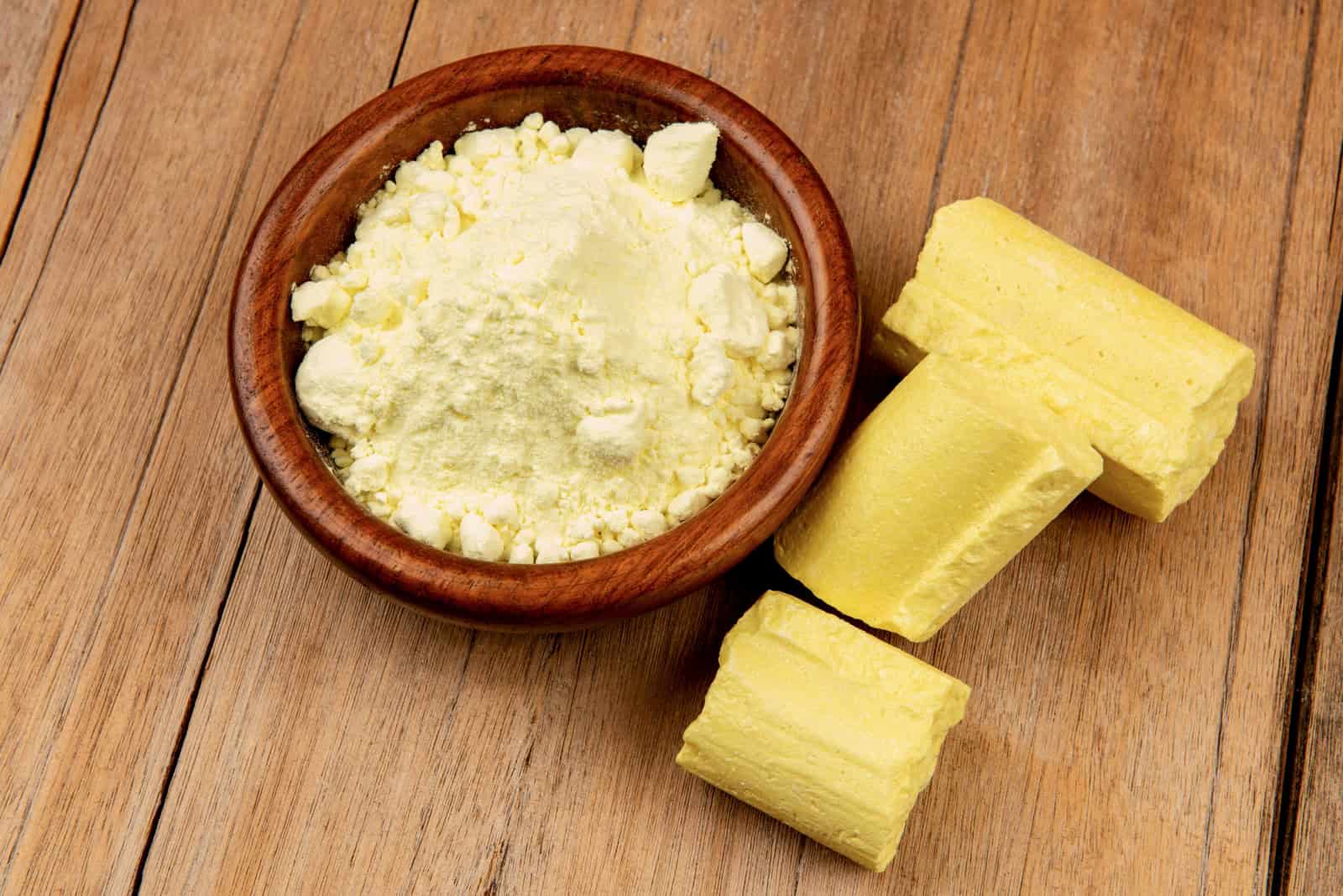
Sulfur powder acts as a natural fungicide, helping to prevent mold and inhibit sprouting in potatoes. Lightly dusting your stored potatoes with sulfur powder can reduce the risk of sprouting and extend the shelf life. You must always follow the manufacturer’s instructions and use the right amount of sulfur powder to avoid any unpleasant odor or taste.
Flip Them Regularly
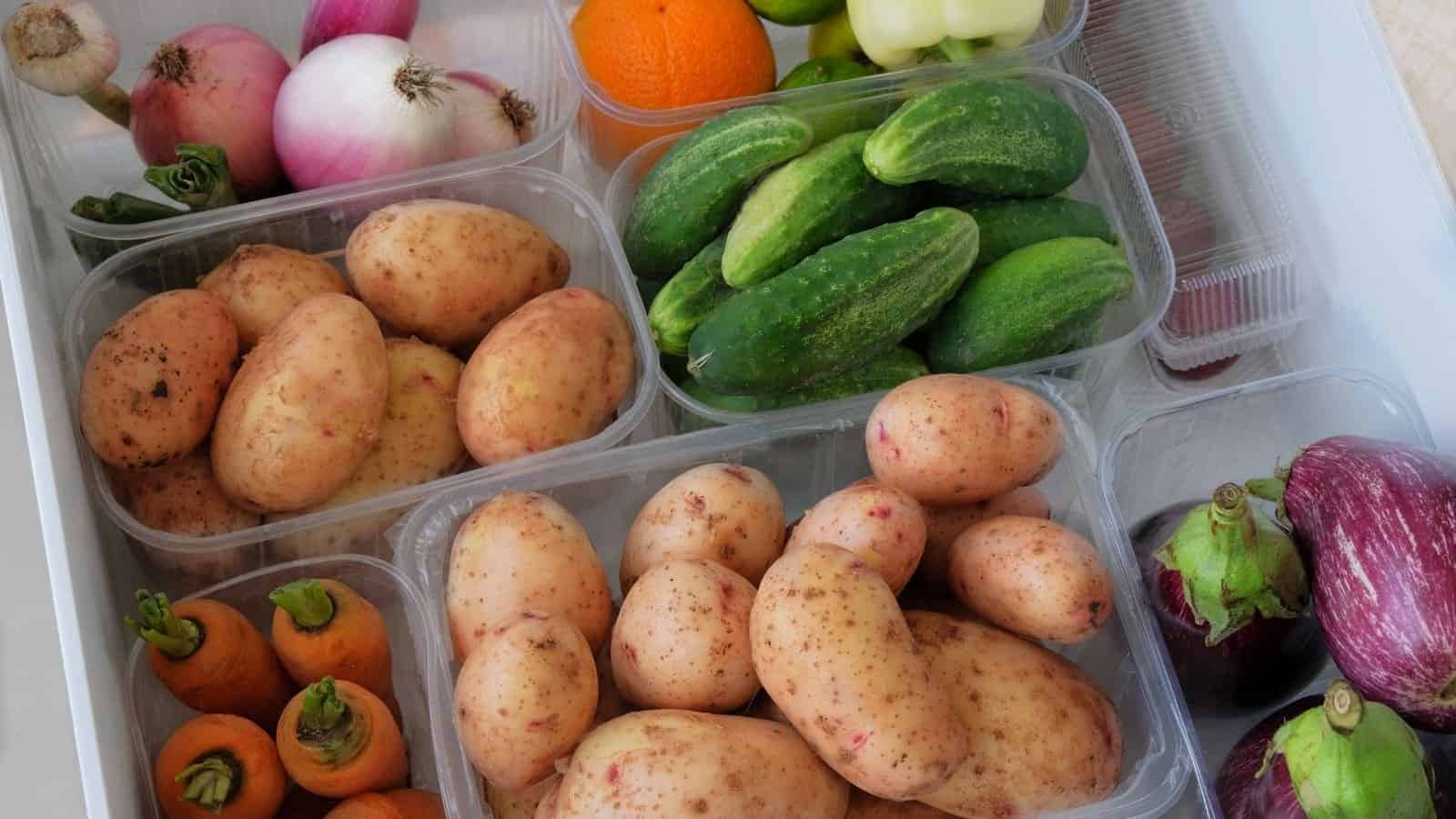
Even with ideal storage, potatoes might sprout over time. To stop this, give your potatoes a little flip every few weeks. This helps spread out the moisture and ethylene gas evenly, which delays sprouting and keeps your potatoes fresher for longer.
Use Mineral Oil

To keep your potatoes from sprouting, try coating them with mineral oil. This creates a moisture-retaining barrier on the surface. First, make sure the potatoes are clean and dry. Then, use a brush or cloth to apply a thin mineral oil layer and let them dry completely before storing. This natural trick helps keep your potatoes fresh for longer.
Toss Out Sprouted Or Rotten Potatoes
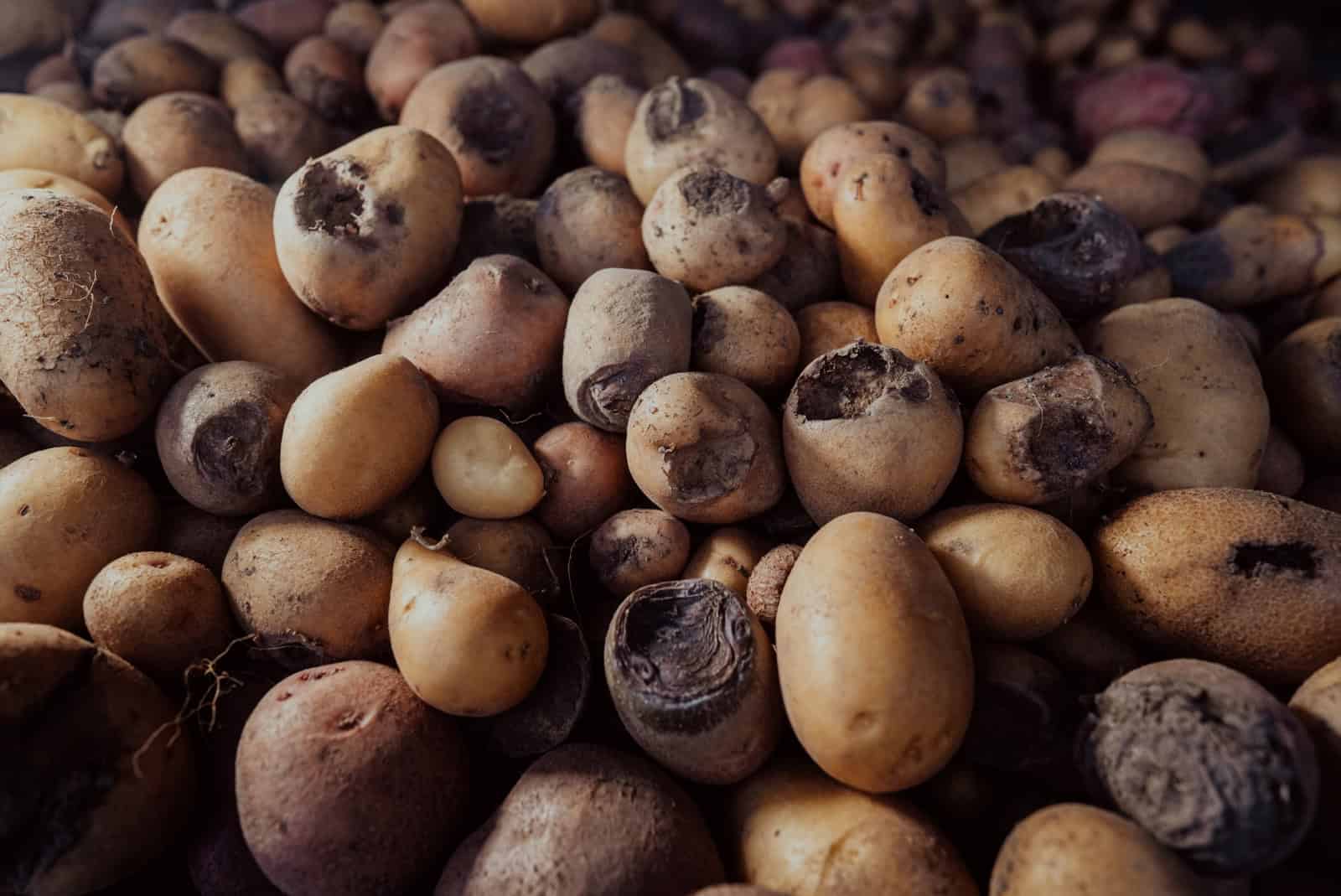
If you spot any sprouted or rotten potatoes, get rid of them immediately. This will help stop bacteria and mold from spreading. One rotten potato can affect the entire bag, so it’s crucial to regularly check your stored potatoes and discard any that show signs of spoilage.