A beautiful, fragrant garden doesn’t always need hours of maintenance. With the right low-maintenance plants, you can enjoy vibrant colors, soothing scents, and a thriving outdoor space with minimal effort.
Lavender (Lavandula angustifolia)
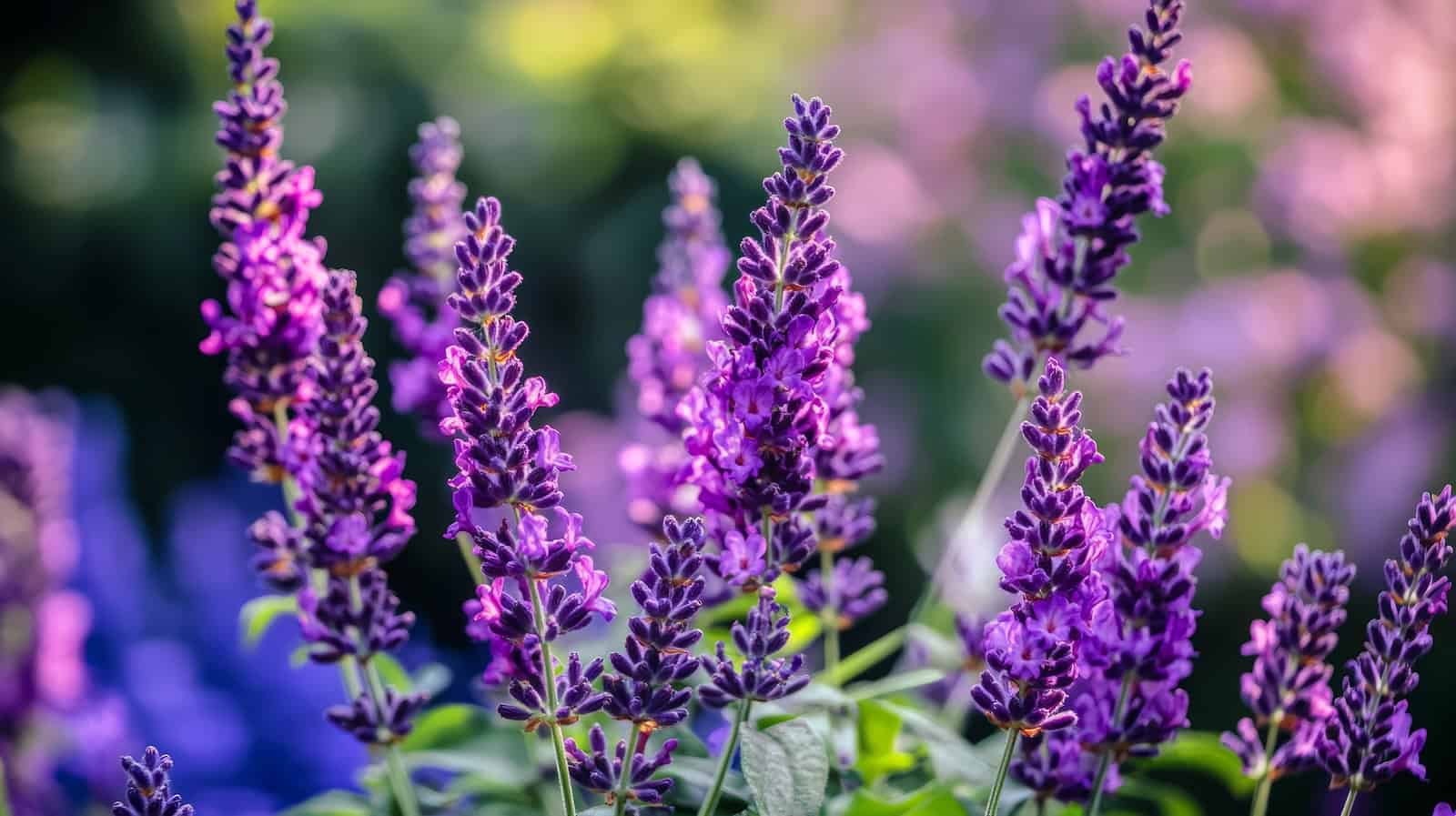
Lavender (Lavandula angustifolia) is a classic choice if you are looking for a low-maintenance plant with a soothing, therapeutic fragrance. It is known for its calming aroma and beautiful purple blooms. Thriving in USDA zones 5-10, it prefers sunny weather and a well-drained soil, making it ideal for dry, warm climates.
Advertisement
Once established, lavender is drought-tolerant, needing minimal water. Prune lightly after blooming to encourage more growth and maintain its shape.
Rosemary (Salvia rosmarinus)
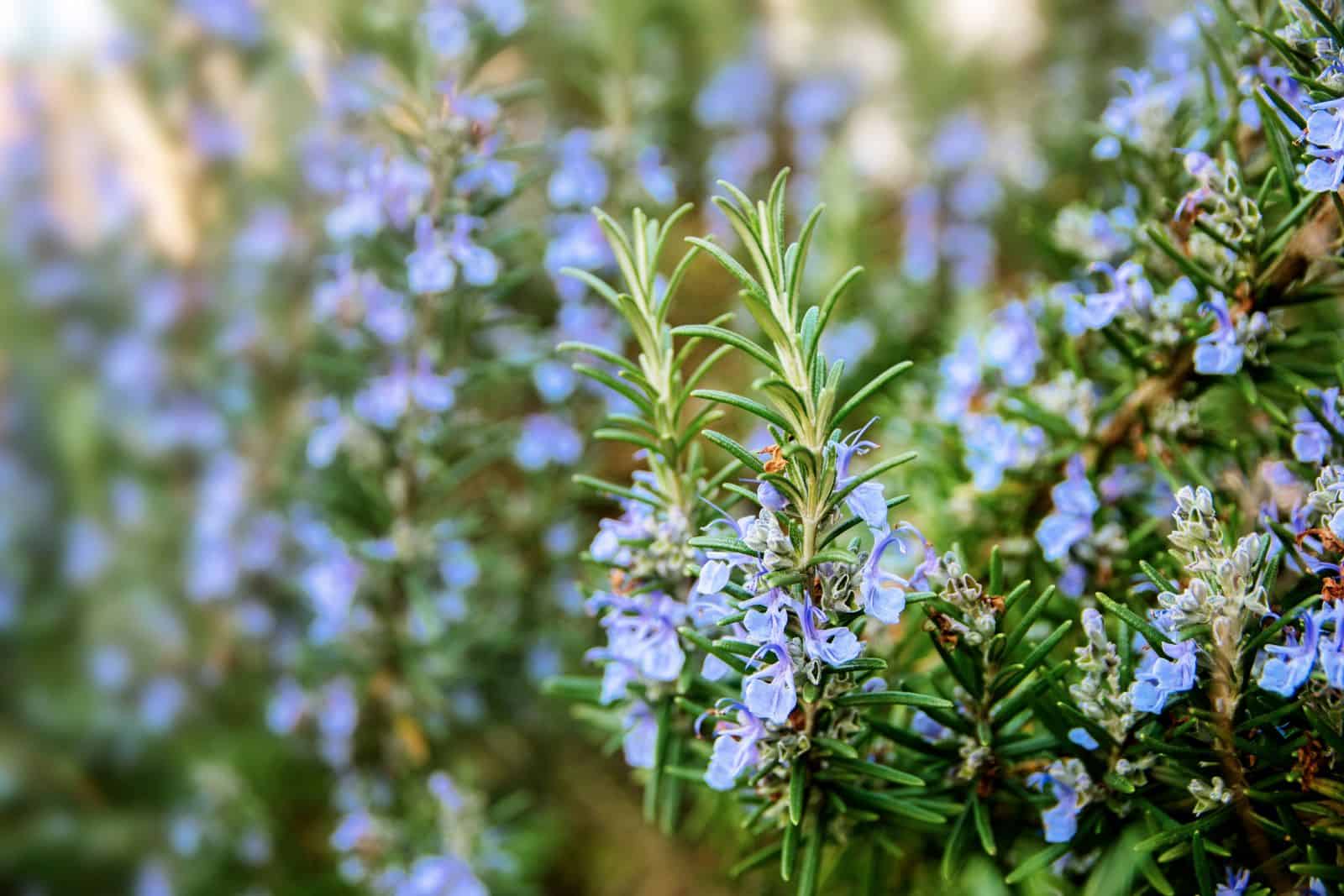
Rosemary, a hardy evergreen herb, offers a fresh piney aroma and versatile uses in the kitchen. Ideal for USDA zones 8-10, it grows well under extreme sunny weather with well-drained soil and requires minimal watering once established. In colder regions, pot rosemary indoors to protect it from frost. Pruning must be done in early spring to shape the plant and encourage denser growth. Placed around walkways or patios, rosemary releases a delightful fragrance when brushed, adding a sensory experience to your garden.
Catmint (Nepeta faassenii)

Catmint is a hardy, fragrant perennial with the soft lavender-blue flower clusters. Suitable for USDA zones 3-8, it thrives in full sun and poor soil with minimal watering, making it a great choice for tough spots. Trim it back after the first bloom to encourage a second flowering. Catmint’s gray-green foliage and subtle minty scent add texture, while the flowers attract pollinators like bees and butterflies.
Lemon Balm (Melissa officinalis)

Lemon Balm is a fast-growing herb with a bright, citrusy scent, well-suited to USDA zones 3-7. Thriving in full sun to partial shade, it’s adaptable to a variety of soils and moderate watering. This herb spreads quickly, so regular pruning helps keep it in check. Beyond its fragrance, lemon balm’s leaves are also popular for teas and culinary uses, making it a fragrant and practical choice for gardens or containers.
Russian Sage (Perovskia atriplicifolia)

Russian Sage is a drought-tolerant shrub with silvery leaves and long lavender-blue spikes. The plant is perfect for USDA zones 5-9 and tolerates heat and drought. This shrub grows well in rocky, well-drained soil with total sun exposure. Established plants require minimal water and only occasional pruning in early spring. Russian Sage’s airy, tall stems add structure to gardens, while its scent helps repel pests, making it both decorative and functional.
Thyme (Thymus vulgaris)

Thyme is a low-growing herb that works well as a fragrant ground cover. It’s suitable for USDA zones 5-9, is drought-tolerant, and thrives in dry, sandy, or rocky soil. Creeping thyme’s herbal fragrance increases in intensity when stepped on and this makes them perfect for pathways or borders. Lightly trim after flowering to keep it tidy and compact and encourage new growth. This easy-care herb attracts pollinators and brings texture and scent to your garden.
Peonies (Paeonia)

Peonies are known for their lush, early-summer blooms and subtle fragrance. Suited to USDA zones 3-8, they prefer full sun and rich, well-drained soil. While peonies require occasional watering during dry spells, they’re otherwise low-maintenance once established. A light dusting of compost in early spring can boost their growth. Their large, graceful blooms bring timeless beauty and elegance to any garden.
Sweet Alyssum (Lobularia maritima)

Sweet Alyssum is a gorgeous flowering groundcover with small, fragrant flowers that attract pollinators. Although native to Europe, the plant grows as a short-lived perennial in zones 9-11. It needs extreme sun exposure to partial shade and blooms profusely, even with minimal watering. Its honey-like fragrance is a lovely addition to warm climates, where it can act as a perennial. Sweet Alyssum’s delicate and pretty flowers are perfect for edging beds, filling gaps, or creating a carpet of dainty blooms.
Coneflower (Echinacea purpurea)

With their daisy-like blooms and light fragrance, Coneflowers are hardy perennials suited to USDA zones 4-9. They tolerate drought well and require minimal care, thriving in full sun and average soil. Remove spent flowers to extend their blooming season and attract butterflies. Coneflowers’ long-lasting flowers add vibrant color to summer gardens, making them a delightful, easy-care choice.
Bee Balm (Monarda)
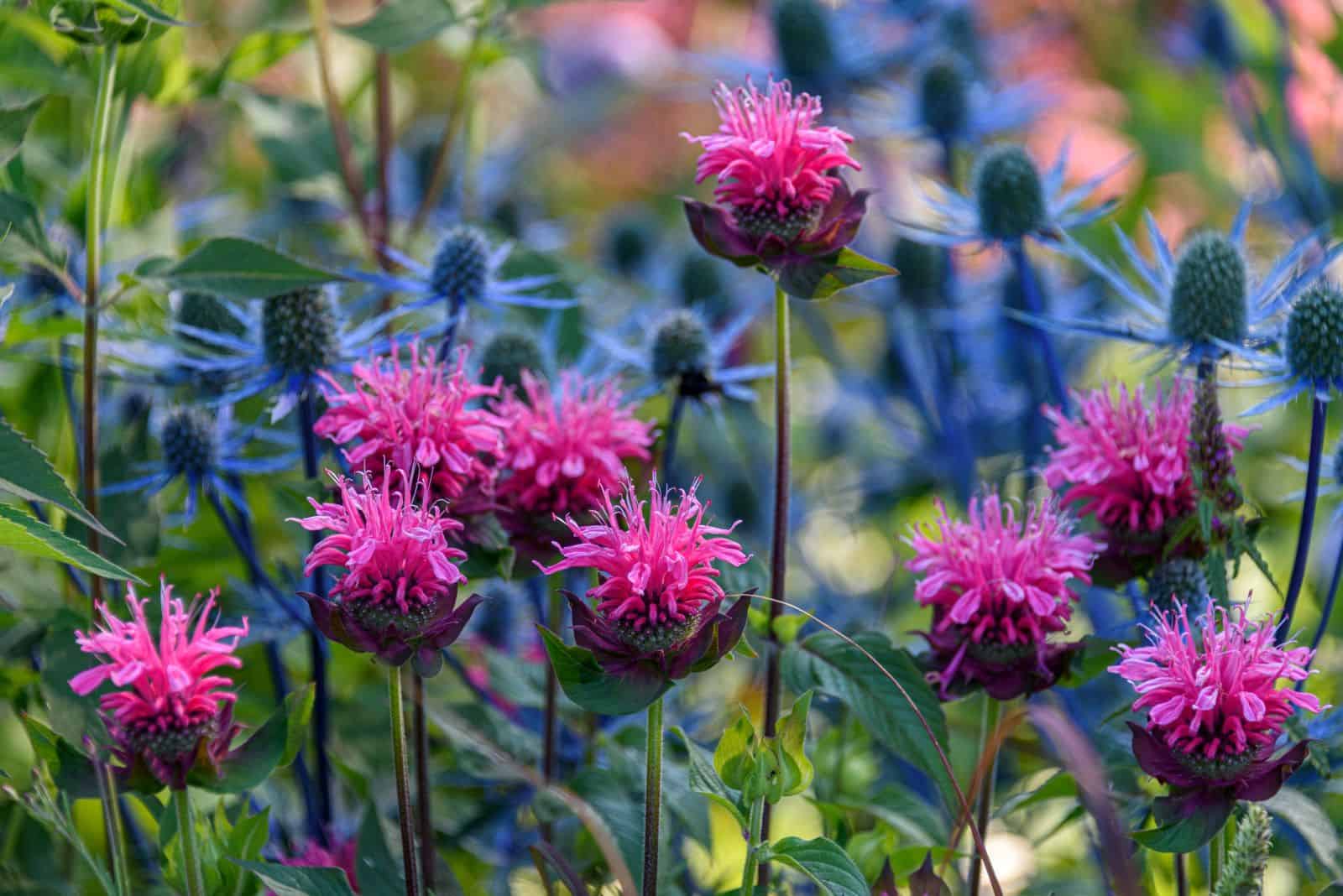
Bee Balm is a tall perennial with spiky, bright flowers and a fresh, minty scent that draws bees, butterflies, and hummingbirds. Growing best in USDA zones 3-9, it adapts to various soils and does well in full sun to partial shade. Moderate watering is needed, with pruning after flowering to encourage more blooms. Bee Balm’s bold appearance and minty fragrance add both visual interest and pollinator appeal to your garden.
Sedum
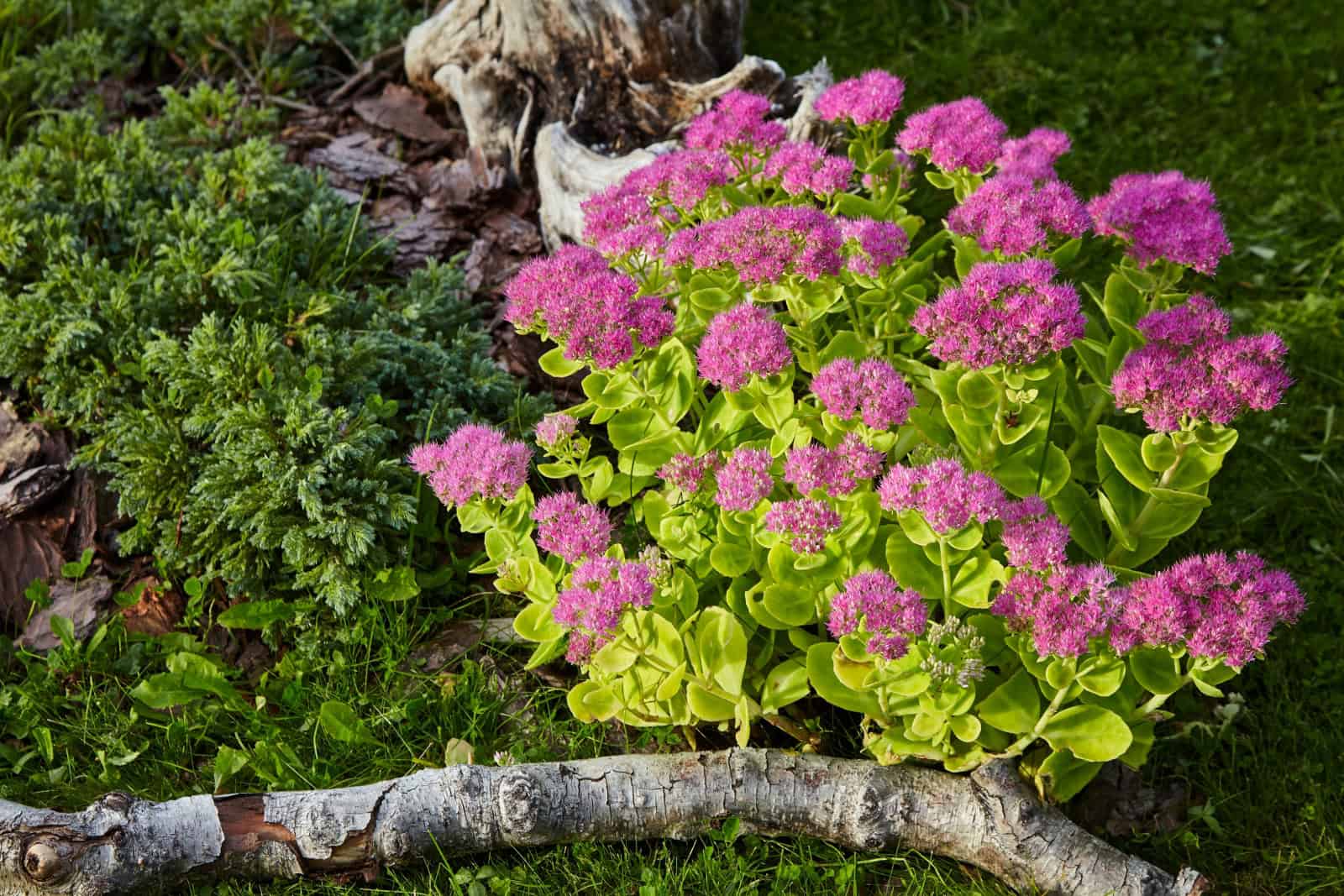
Sedum, also known as Stonecrop, is a drought-tolerant succulent perfect for USDA zones 3-9. It thrives in full sun with poor to average, well-drained soil, making it ideal for hot, dry spots. Sedum’s thick, water-storing leaves require minimal care, and its late-season blooms attract pollinators, adding color and interest to rock gardens or borders with minimal maintenance.
Jasmine (Jasminum officinale)
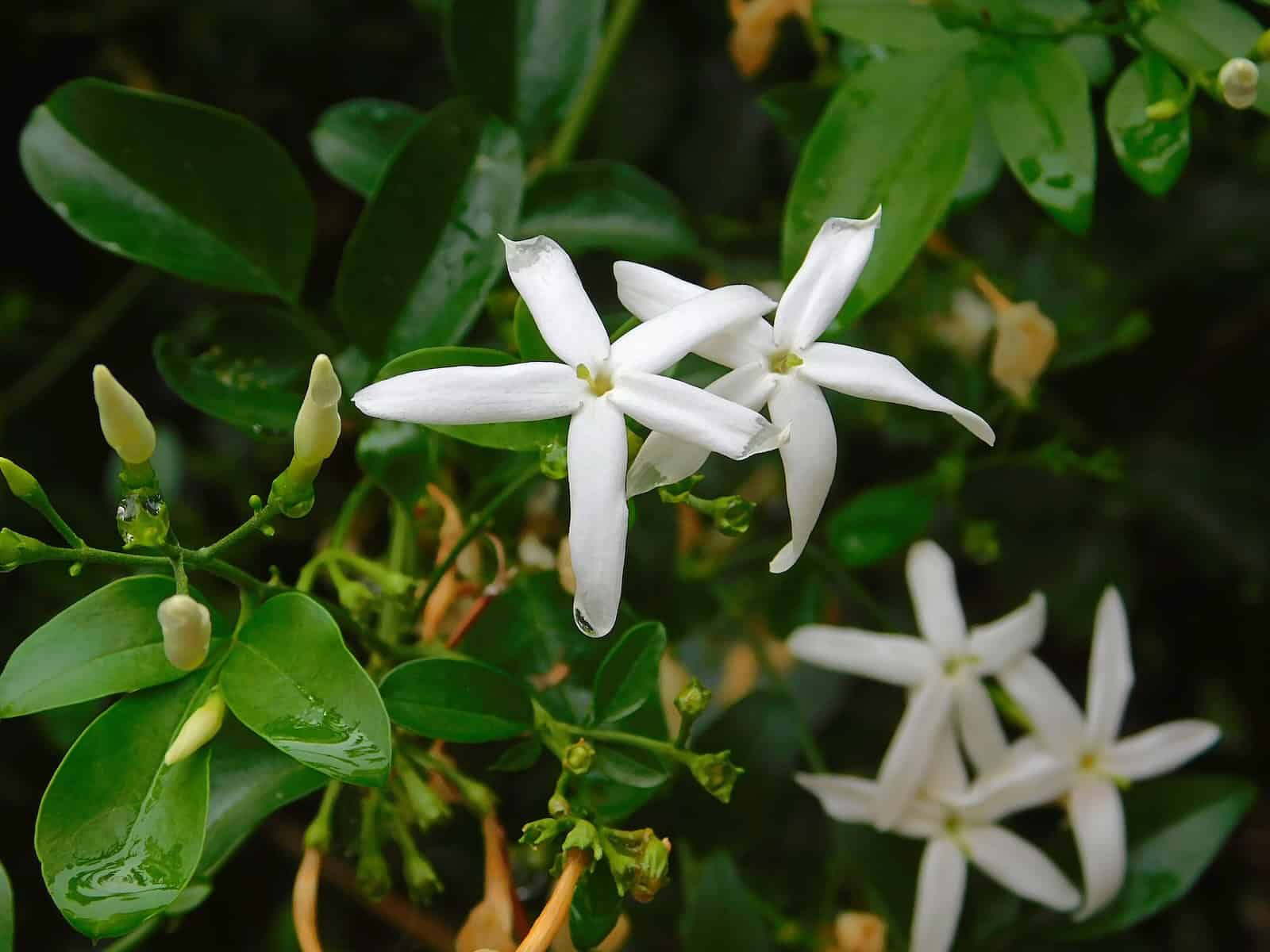
Known for its intoxicating fragrance, Jasmine is a classic climber that blooms best in USDA zones 7-10. Plant it under extreme sun exposure or partial shade with moderate watering, and provide a trellis or support for its climbing vines. Light pruning in early spring keeps it tidy and encourages more blooms. This star-shaped, romantic flowering plant is more suited to warmer regions, especially in the Southeast or West Coast. Northern gardeners can treat it as an annual or bring it indoors during winter.
Gardenia (Gardenia jasminoides)

Gardenia is prized for its glossy green leaves and creamy white, fragrant blooms. Best suited for USDA zones 8-11, it grows well in acidic, well-drained soil with partial shade. Gardenias require regular watering but shouldn’t be overwatered. An application of acidic fertilizer in spring can enhance blooming. With its strong perfume and striking appearance, Gardenia adds a touch of grace to shaded areas in your garden.