Add Bone Meal for Root Growth and Bigger Blooms: Busting the Garden Myth
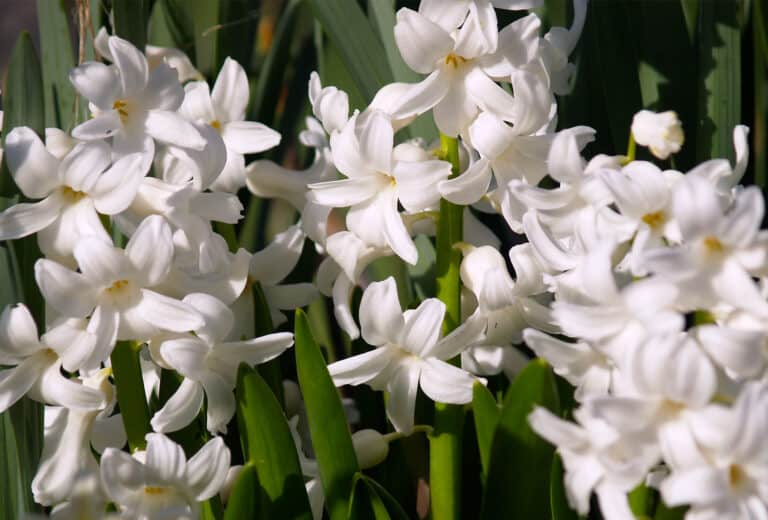
You may have heard that adding bone meal when planting bulbs will stimulate root growth and support big flower blooms. Unfortunately, this is a gardening myth.
How to grow organic annuals and perennials, including flowers and shrubs, with no chemical fertilizers or pesticides.
You may have heard that adding bone meal when planting bulbs will stimulate root growth and support big flower blooms. Unfortunately, this is a gardening myth.
Goldenrod gets a bad rap in the fall for causing allergies. The actual culprit is ragweed, whose pollen can travel hundreds of miles.
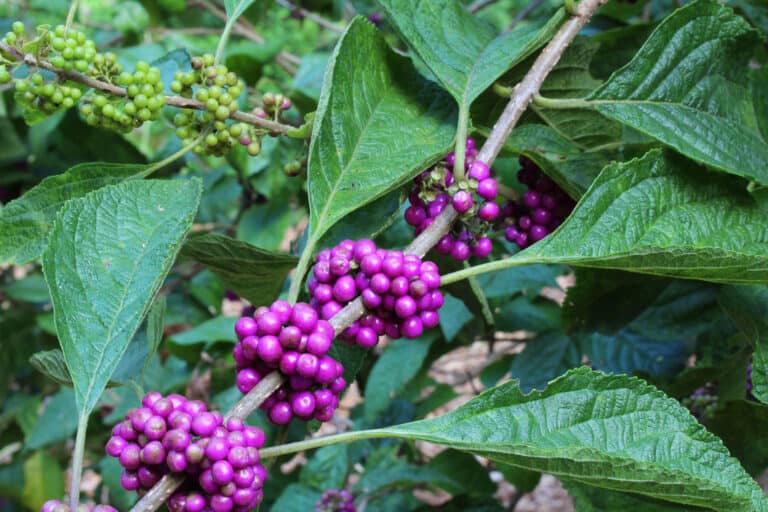
American Beautyberry is a dazzling plant for your fall garden. It attracts birds and other wildlife who feast on its bright purple berries.
Fall is the perfect time to plant or transplant just about anything, especially spring- and summer-flowering perennials.
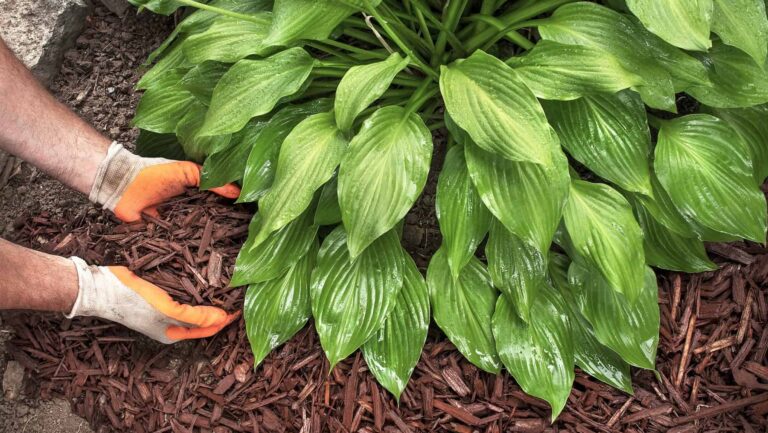
Mulching is one of the most common gardening practices, yet so many landscapers and gardeners do it wrong. When done correctly, it helps to build and protect soil and support plants.
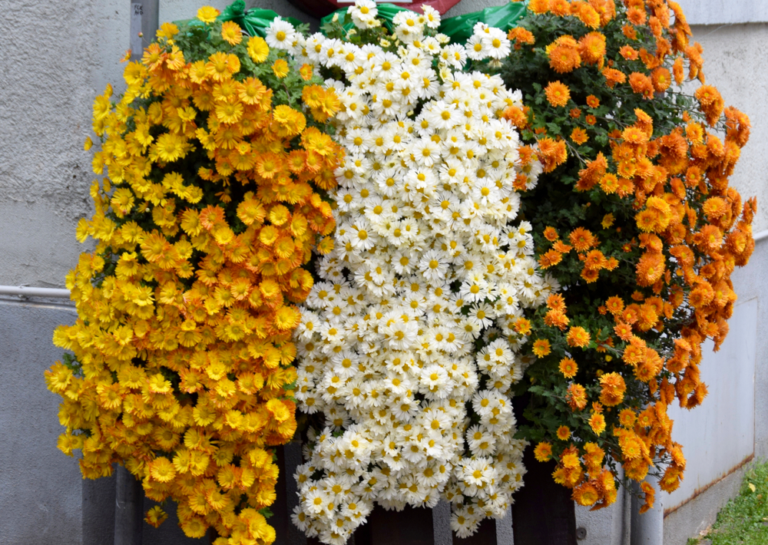
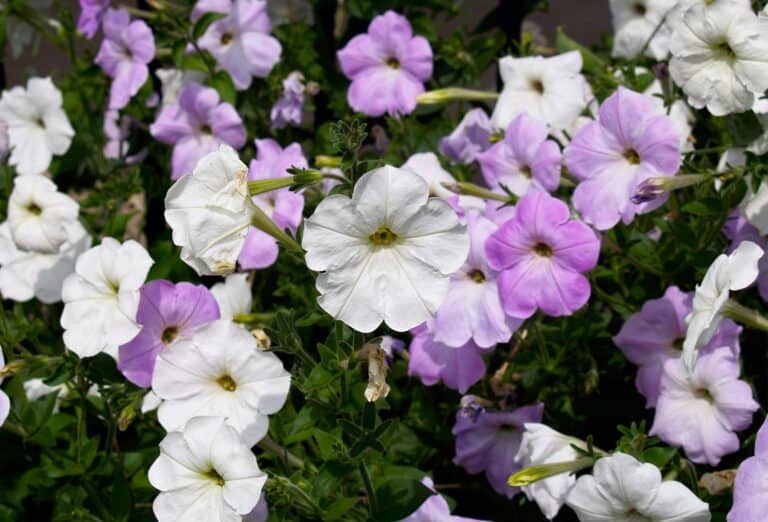
Cascading flowers are often called spillers or trailing plants because of their beautiful spilling effect in window boxes. They lend a subtle scent and ethereal ambience to your home.
Annual or perennial refers to how long your plant’s lifecycle is. Yet, some plants can be grown as perennials in warm areas and only as annuals in cold areas.
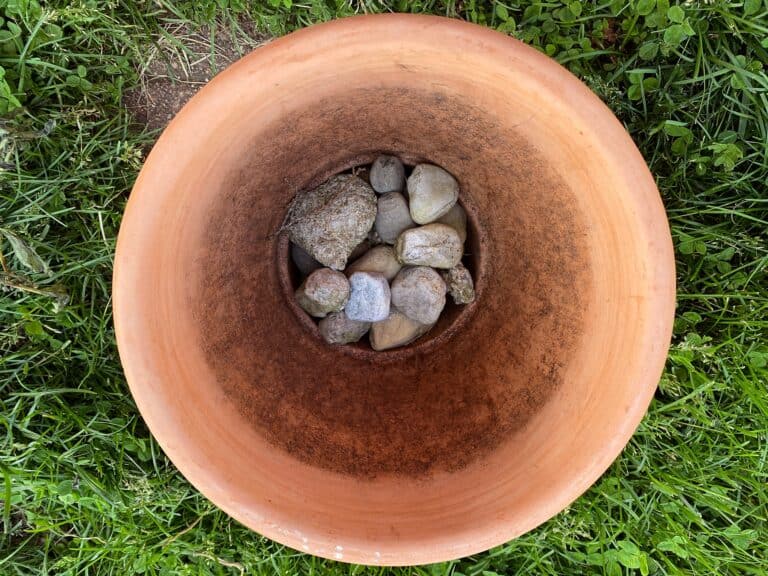
If you’ve been adding stones, gravel or other materials to the bottom of your flower pots to improve drainage, you may actually be harming and not helping your plants.
Fish emulsion and fish poop are great organic fertilizers for your garden and offer an environmentally friendly way to recycle fish waste. Additionally, fish emulsion is pretty easy to make at home.
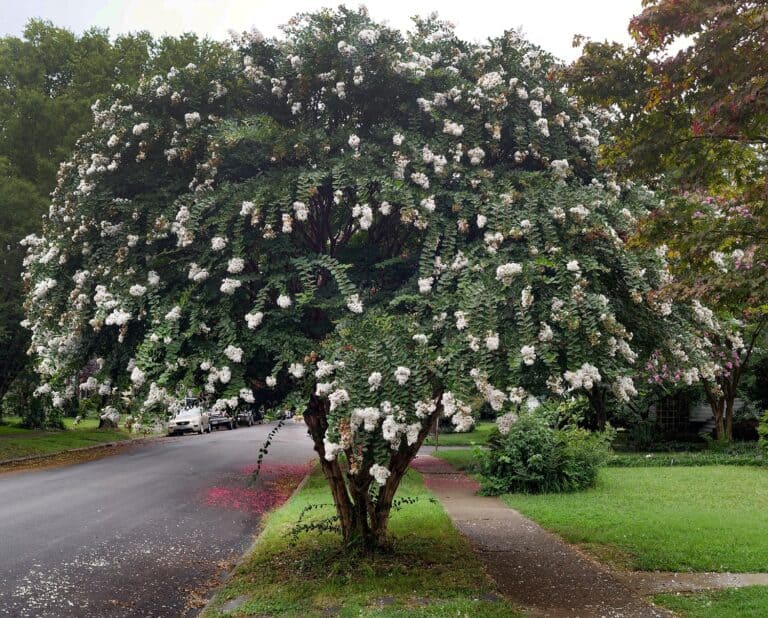
I decided to look up the definition of a tree or shrub in a botany book. The problem was, there is no clear definition.