Herbs are often associated with culinary delights, natural remedies, and fragrant gardens. However, not all herbs are universally celebrated. In some countries, certain herbs are restricted or outright banned due to their psychoactive properties, association with controlled substances, or environmental concerns.
If you’re an herb enthusiast, it’s essential to know which plants could get you into legal trouble depending on where you live. Here are 10 herbs you can’t legally grow in certain countries and why they’re restricted.
Advertisement
1. Khat
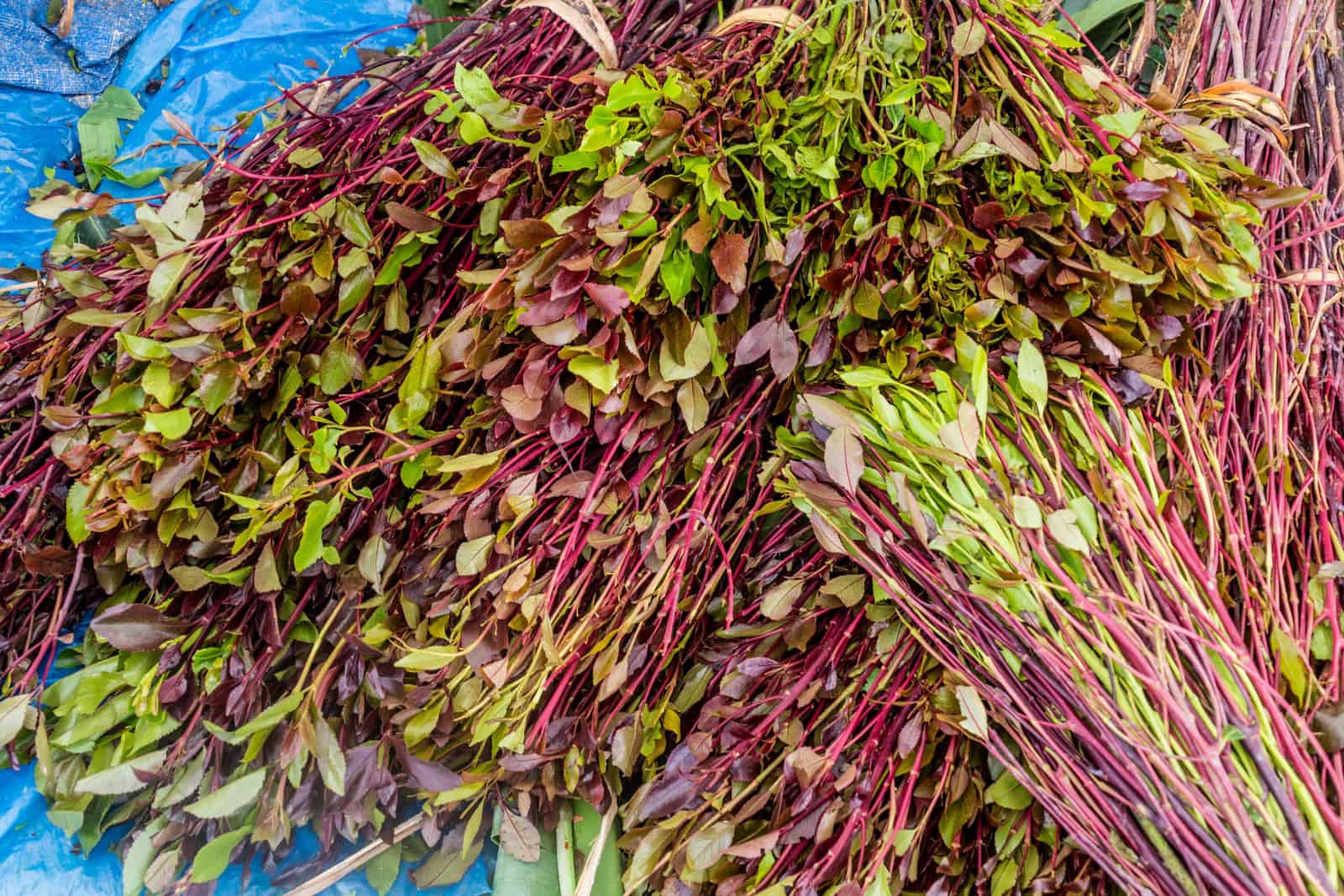
Khat, a plant native to East Africa and the Arabian Peninsula, is known for its stimulant effects when chewed. While it’s culturally significant in countries like Yemen and Ethiopia, khat is classified as an illegal drug in many nations, including the United States, Jordan and Turkey. Authorities cite concerns over its potential for abuse and dependency.
Why It’s Banned: Khat contains cathinone, a psychoactive substance that’s classified as a controlled stimulant in many countries.
2. Peyote

Peyote is a small, spineless cactus known for its psychoactive alkaloid mescaline, which induces hallucinogenic effects. While it’s a sacred plant in some Indigenous cultures, peyote cultivation is illegal to sell in every state in the United States except Texas.
Why It’s Banned: Peyote’s psychoactive properties place it on the list of controlled substances in many nations. Exceptions are sometimes made for religious or cultural use.
3. Cannabis

Cannabis is one of the most widely debated plants in the world. While it’s legal to grow in some countries like Canada, Uruguay, and certain U.S. states, it remains illegal in others, including much of Asia and the Middle East. Even hemp, a non-psychoactive variety of cannabis, faces legal restrictions in some regions.
Why It’s Banned: Cannabis contains THC, a psychoactive compound that is classified as an illegal drug in many countries due to its recreational use.
4. Coca

Coca leaves have been used for centuries by Indigenous people in South America for medicinal and cultural purposes. However, coca cultivation is illegal in most countries outside of South America because it is the raw material for cocaine production.
Why It’s Banned: Coca leaves contain alkaloids that can be processed into cocaine, a powerful and illegal narcotic in most of the world.
5. Opium Poppy

While opium poppies are grown legally for medicinal purposes in some countries, including Australia, Turkey and India, but cultivating them without a license is illegal in many places, such as the U.S. The seeds are commonly used in baking, but the plant’s sap contains opiates like morphine.
Why It’s Banned: The potential for processing opium poppies into narcotics makes unlicensed cultivation illegal in many regions.
6. Kava

Kava, a plant native to the South Pacific, is traditionally used to prepare a ceremonial drink with sedative and calming effects. While it’s legal in many countries, kava cultivation and use are restricted or highly regulated in countries due to concerns over liver toxicity.
Why It’s Banned: Some studies have linked kava consumption to liver damage, prompting bans and restrictions in certain countries.
7. Salvia divinorum
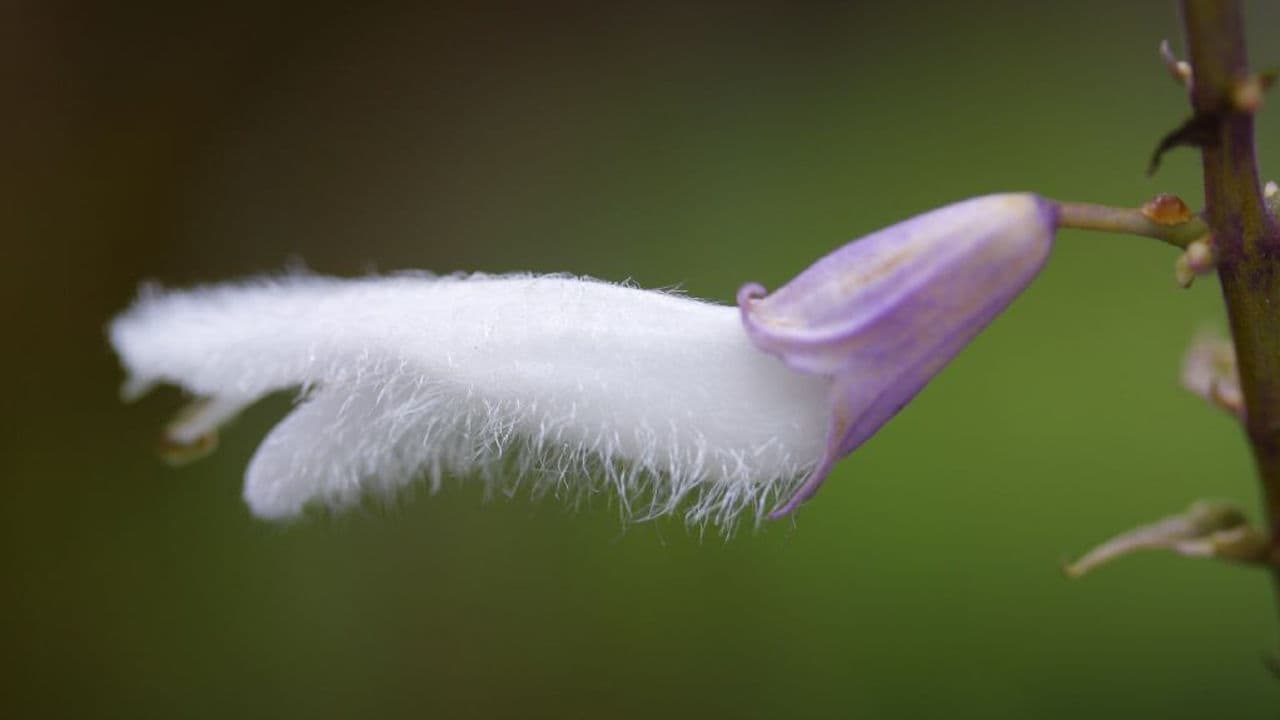
Salvia divinorum is a hallucinogenic herb that produces intense, short-lived psychoactive effects when smoked or chewed. It’s illegal in 32 states in the U.S.
Why It’s Banned: Salvia’s hallucinogenic properties have led to concerns over its misuse as a recreational drug.
8. Ephedra

Ephedra, also known as ma huang, has been used in traditional Chinese medicine for centuries to treat respiratory issues. However, ephedrine, a compound found in ephedra, is a precursor for methamphetamine production and has also been linked to serious cardiovascular side effects.
Why It’s Banned: Ephedra is banned or restricted in countries like the U.S. due to safety concerns and its use in illicit drug manufacturing.
9. Absinthe Wormwood
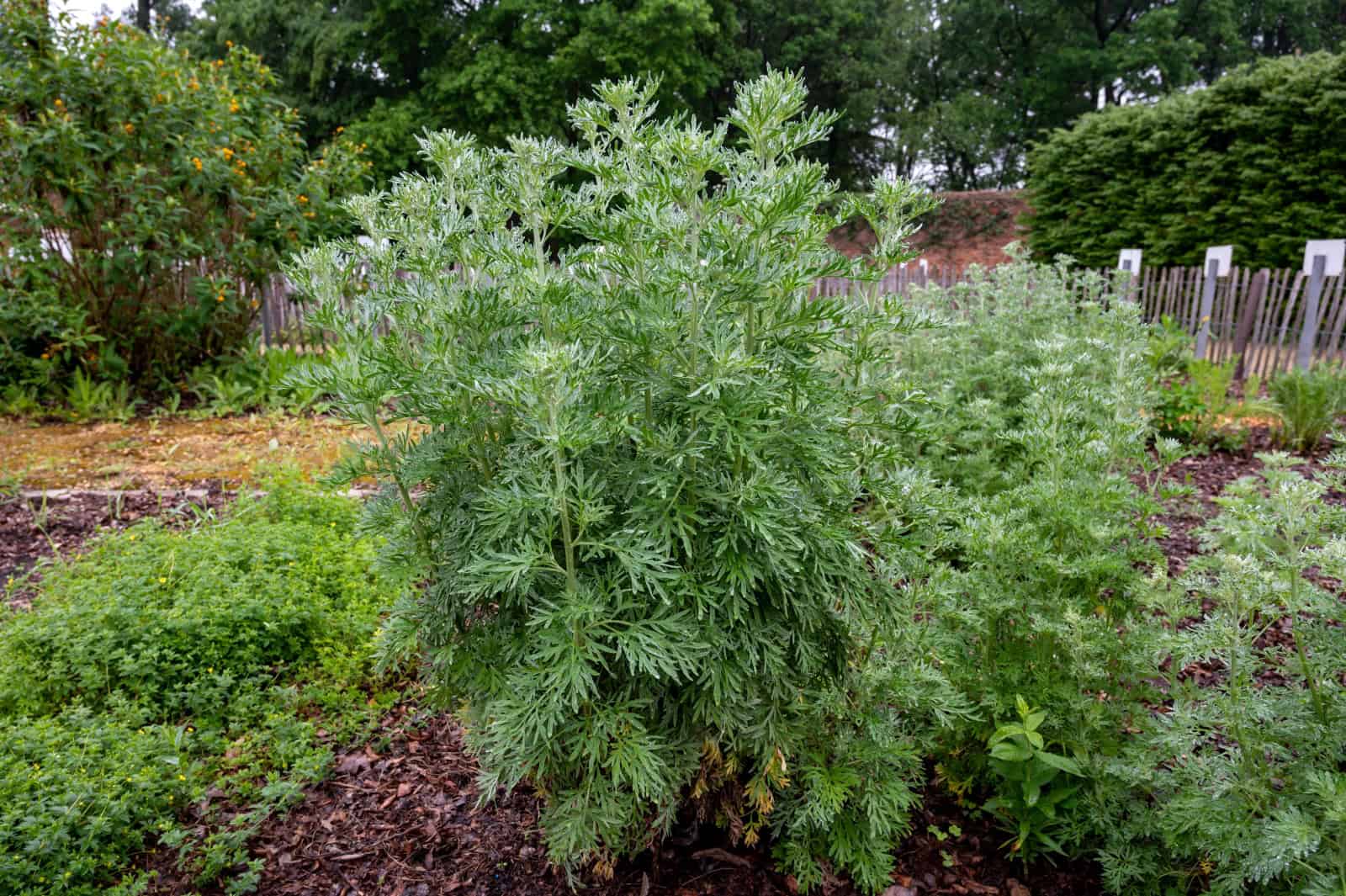
Absinthe wormwood is famous for its role in producing absinthe, a once-controversial alcoholic beverage. While the drink is now legal in many countries, the cultivation of wormwood is restricted in places where absinthe production is still regulated.
Why It’s Banned: Wormwood contains thujone, a compound once believed to cause hallucinations and other adverse effects.