
We’ve all been told things about gardening that sound like common sense—like putting eggshells in your soil or watering your plants with cold water to keep them cool in summer.
But not all of the gardening tips we’ve grown up hearing are actually good advice. In fact, some of them could even harm your plants! Let’s bust a few of these gardening myths and see what you should do instead to help your garden thrive.
You Need to Water Your Plants Every Day

One of the most common gardening myths is that plants need to be watered every day, especially during the hotter months. The truth is, watering your plants too frequently can actually harm them. Overwatering can lead to root rot and other plant diseases, especially if the soil doesn’t have time to dry out between waterings.
Instead of watering every day, check the moisture level in your soil first. Stick your finger about an inch into the soil—if it feels dry, it’s time to water. If it’s still moist, wait a day or two. Water deeply when needed, but avoid constant daily watering, as most plants do better with less frequent but thorough hydration.
You Should Always Plant by the Moon

You may have heard that planting according to the moon’s phases can make your garden grow better, but science doesn’t support this myth. While moon phases are important in some cultures for certain rituals, there’s no scientific evidence showing that planting during specific moon phases has any effect on your plants’ growth.
What you should do instead is pay attention to your local climate and growing seasons. Plant your seeds when the soil is warm enough for germination, and consider using a planting calendar to get the timing right for your area.
Coffee Grounds Are a Miracle Fertilizer
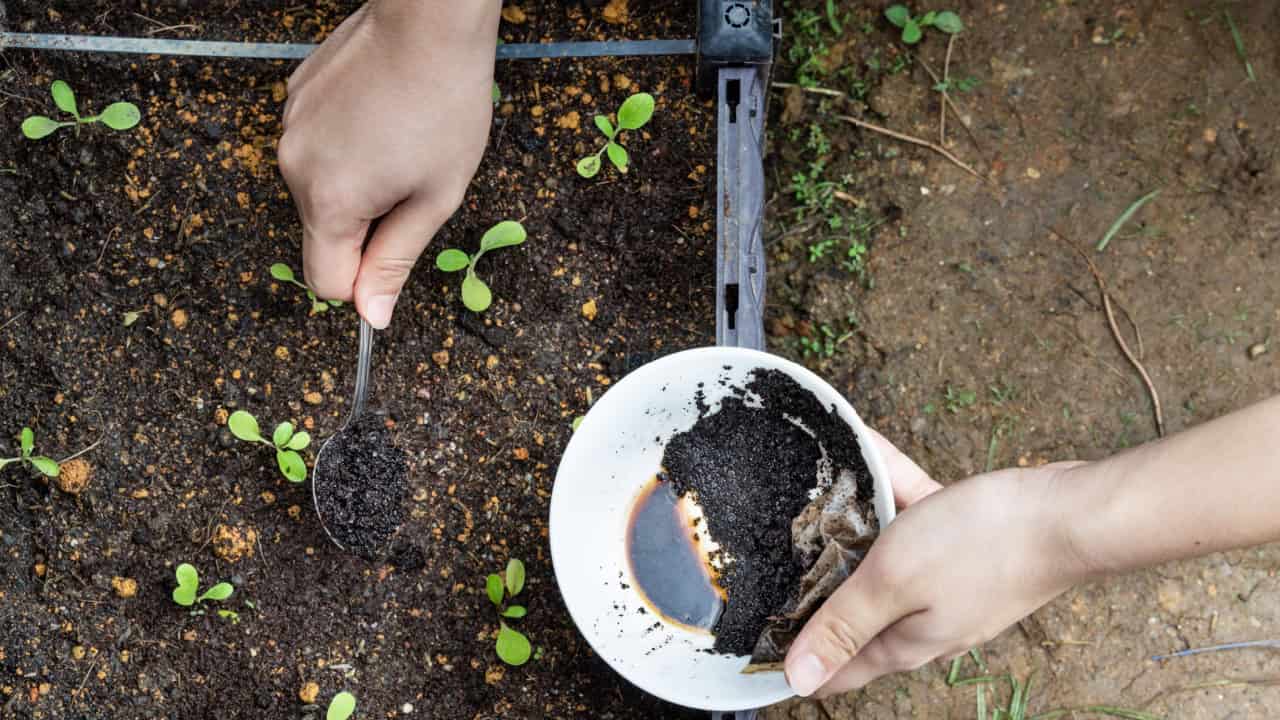
While it’s true that coffee grounds contain some beneficial nutrients like nitrogen, phosphorus, and potassium, they’re not the miracle fertilizer they’re often made out to be. Coffee grounds are acidic, and using them too heavily can make the soil too acidic for certain plants, which could lead to stunted growth.
Instead, use coffee grounds sparingly or mix them into your compost pile, where they can break down and balance with other materials. If you’re using coffee grounds directly on your garden, be sure to monitor your soil’s pH and only use them for acid-loving plants, like blueberries and azaleas.
You Can’t Plant in the Shade

Many gardeners believe that shade is the enemy of healthy plants, but that’s not true. There are plenty of plants that thrive in shaded areas, especially if you choose the right varieties. Shade-tolerant plants, like hostas, ferns, and astilbes, can make your garden lush and beautiful, even in those tricky, low-light spots.
Instead of giving up on your shaded garden areas, embrace the shade-loving plants that will thrive there. Choose varieties that are specifically suited for low-light conditions to create a stunning garden without needing full sun.
You Have to Buy Expensive Soil Amendments

It’s tempting to think that you need to spend a lot of money on soil amendments like fertilizers, soil conditioners, and other products to keep your garden healthy. However, many of these products are unnecessary and often packed with chemicals that aren’t great for your plants or the environment.
Instead, focus on enriching your soil naturally with compost, mulch, and cover crops. These organic methods improve soil structure, increase nutrient content, and help retain moisture—without the need for pricey soil amendments.
Planting Eggshells Will Prevent Pests
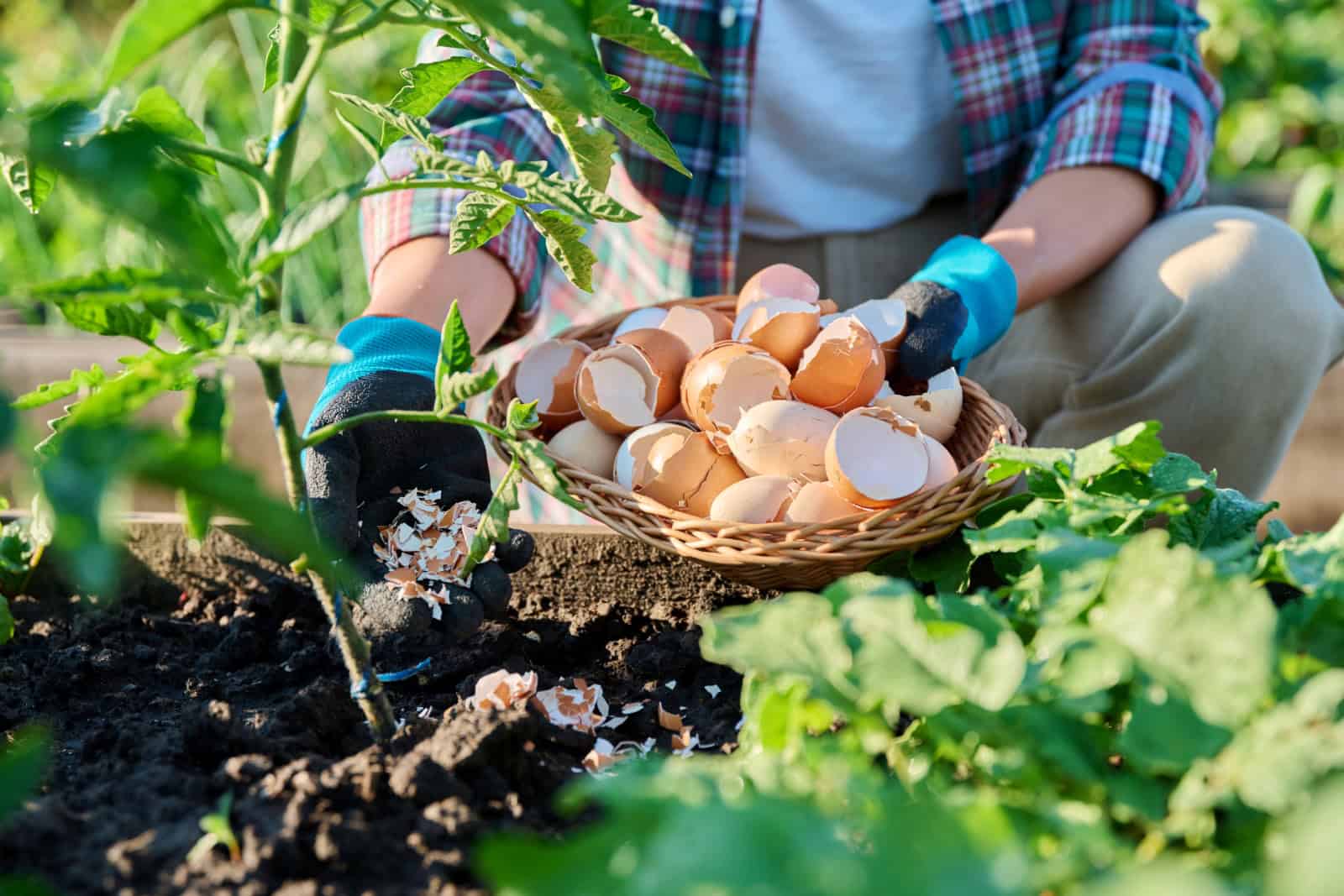
While it’s true that eggshells break down into calcium, they won’t necessarily deter pests like slugs and snails, as many gardening myths suggest. The idea that crushed eggshells can act as a barrier to keep these pests away is misleading. In fact, many pests can easily crawl over eggshells, and the sharp edges aren’t enough to harm them.
Instead of relying on eggshells to keep pests at bay, try using natural pest control methods like planting pest-repelling herbs (like basil or mint), setting up barriers with diatomaceous earth, or attracting beneficial insects like ladybugs.
All Plants Like the Same Amount of Sunlight

Not all plants are created equal when it comes to sunlight needs. While some plants thrive in full sun, others prefer partial shade or even full shade. Assuming that all plants need the same amount of light can lead to disappointment when your plants don’t grow as expected.
Instead, research the light requirements for each plant you want to grow. Some plants, like tomatoes and peppers, love full sun, while others, like hostas and ferns, thrive in shaded areas. By planting according to light requirements, you’ll create a more successful garden.
You Should Cut Back Plants in the Fall for Better Growth Next Year

It’s common advice to trim back perennials in the fall to help them grow back stronger in the spring. However, cutting some plants back too early can actually harm them. Many plants rely on their dead stems and leaves to protect themselves during the winter, and cutting them back can expose them to cold damage.
Instead, leave dead growth intact throughout the winter, and wait until spring to prune. This gives the plant more protection during the colder months, and it’s easier to spot dead growth in the spring when new growth starts to emerge.
Fertilizing Plants Means More Growth

While fertilizers provide plants with essential nutrients, more isn’t always better. Over-fertilizing can actually harm your plants by promoting too much leafy growth at the expense of flowers and fruit. Excessive fertilizer can also lead to nutrient imbalances in the soil.
Instead, fertilize according to your plants’ specific needs. Use organic fertilizers that release nutrients slowly and avoid the temptation to overdo it. Test your soil to determine what nutrients are lacking and use fertilizers accordingly.
Bigger Pots = Bigger Plants

It seems logical that putting your plant in a bigger pot will allow it to grow bigger, but that’s not always the case. Plants don’t necessarily need a large pot to thrive, and placing them in one that’s too big can cause their roots to struggle to establish themselves. In fact, larger pots retain more moisture, which can lead to root rot if the plant isn’t able to absorb the excess water.
Instead, choose a pot that’s just slightly larger than the plant’s root ball, allowing it to grow into its space naturally. This encourages healthy root development and prevents waterlogging.
You Should Deadhead Flowers to Make Them Bloom More

Deadheading—removing spent flowers—is often suggested to encourage more blooms, but this isn’t always the case. While deadheading can be helpful for some plants, others may not benefit from it. For example, some perennials naturally reseed themselves, and cutting off spent flowers can interfere with this natural process.
Instead of deadheading automatically, take the time to learn about the specific needs of your plants. Some plants, like roses or petunias, benefit from regular deadheading to encourage more blooms, while others, like echinacea or black-eyed Susans, do better when left to self-sow.
*This content was created with the assistance of AI.

