
I love a good gardening shortcut—anything to make life easier, right? But over the years, I’ve learned the hard way that some of these so-called “hacks” do more harm than good. I’ve mulched too much, tossed coffee grounds in the garden, and even tried that banana peel trick, only to realize later that I was making things harder on my plants.
Some of these mistakes are easy to fall for because they sound like common sense. But just because something is popular doesn’t mean it actually works. If you’ve been using any of these hacks, don’t worry—you’re not alone. Here’s what to skip and what to do instead.
Rocks in Pots Won’t Help Drainage

A layer of rocks at the bottom of a pot sounds like a great way to improve drainage, but it actually does the opposite. Water tends to sit on top of the rocks instead of draining through, which can lead to soggy soil and root rot—especially if your pot doesn’t have drainage holes.
If you want better drainage, skip the rocks and go with a high-quality potting mix. Adding perlite, pumice, or sand can help loosen the soil without creating a water trap. And if your favorite planter doesn’t have drainage holes, it’s worth drilling a few or using a plastic liner with holes inside.
Landscape Fabric Won’t Solve Your Weed Problem

Laying down landscape fabric seems like an easy fix for weeds, but it’s more trouble than it’s worth. It may block weeds for a while, but over time, dirt and debris settle on top, creating the perfect spot for new weeds to grow. Plus, it suffocates the soil underneath, making it harder for water, air, and nutrients to reach plant roots.
A better approach? Use organic mulch like shredded leaves or bark. It suppresses weeds while improving soil health as it breaks down. You can also plant ground covers or space plants close together to naturally block weeds without relying on synthetic barriers.
Homemade Fertilizers Aren’t Always Effective

Mixing up a DIY fertilizer might sound like a cost-effective way to feed your plants, but it’s not always reliable. Just because a homemade mix contains nitrogen or phosphorus doesn’t mean it’s in a form plants can actually absorb. Some recipes can even do more harm than good, either by being too weak to help or too strong, leading to nutrient imbalances or burned roots.
If you want to go the natural route, focus on composting or using well-tested organic fertilizers. These provide a balanced mix of nutrients in a form plants can actually use. Homemade solutions can be a fun experiment, but they shouldn’t be your only source of plant food.
Vinegar Won’t Get Rid of Weeds for Good

Vinegar weed killers get a lot of hype as a natural alternative to chemical sprays, but they only kill what’s on the surface. Vinegar burns the leaves, but it doesn’t reach the roots, so most weeds just grow right back. Plus, regular use can make your soil too acidic, which isn’t great for the long-term health of your plants.
If you need a safer way to deal with weeds, try pulling them out by hand, using mulch to block new growth, or using a targeted, pet-safe herbicide. Boiling water can also work for small areas—it kills weeds quickly without leaving behind harmful residues.
Banana Peels Aren’t the Miracle Fertilizer You Think
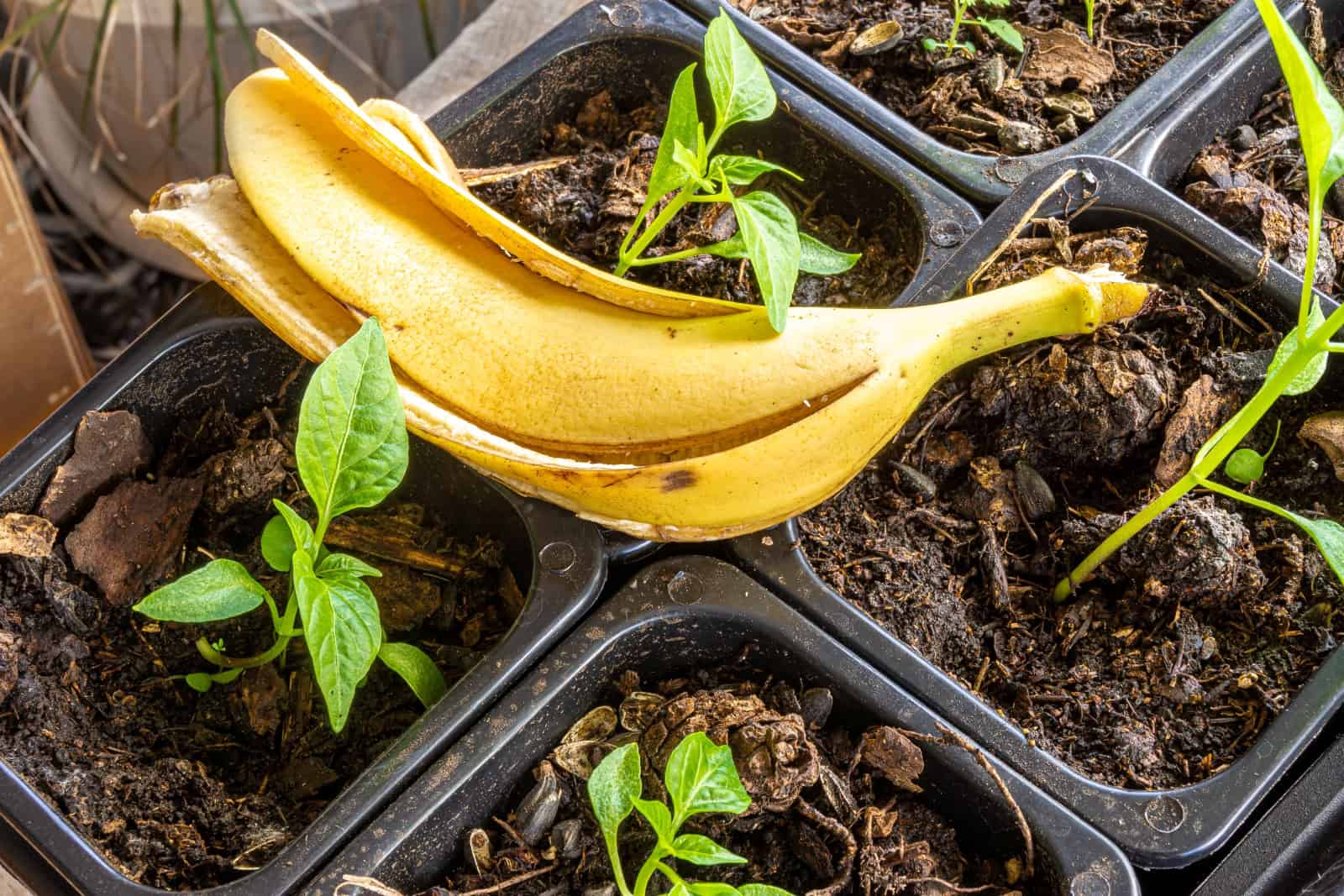
Tossing banana peels in the garden seems like a great way to give plants a nutrient boost, but it’s not as helpful as people make it out to be. While they do add potassium, they’re missing key nutrients like nitrogen, which most plants need to thrive. That means your garden might end up lacking the balanced nutrition it needs.
Banana peels also break down slowly, so if your plants need an immediate boost, they won’t get it. Worse, decomposing peels can attract rodents, flies, and even bigger pests. A better option? Stick with well-balanced organic fertilizers like compost, aged manure, or bone meal.
Coffee Grounds Can Backfire on Your Soil
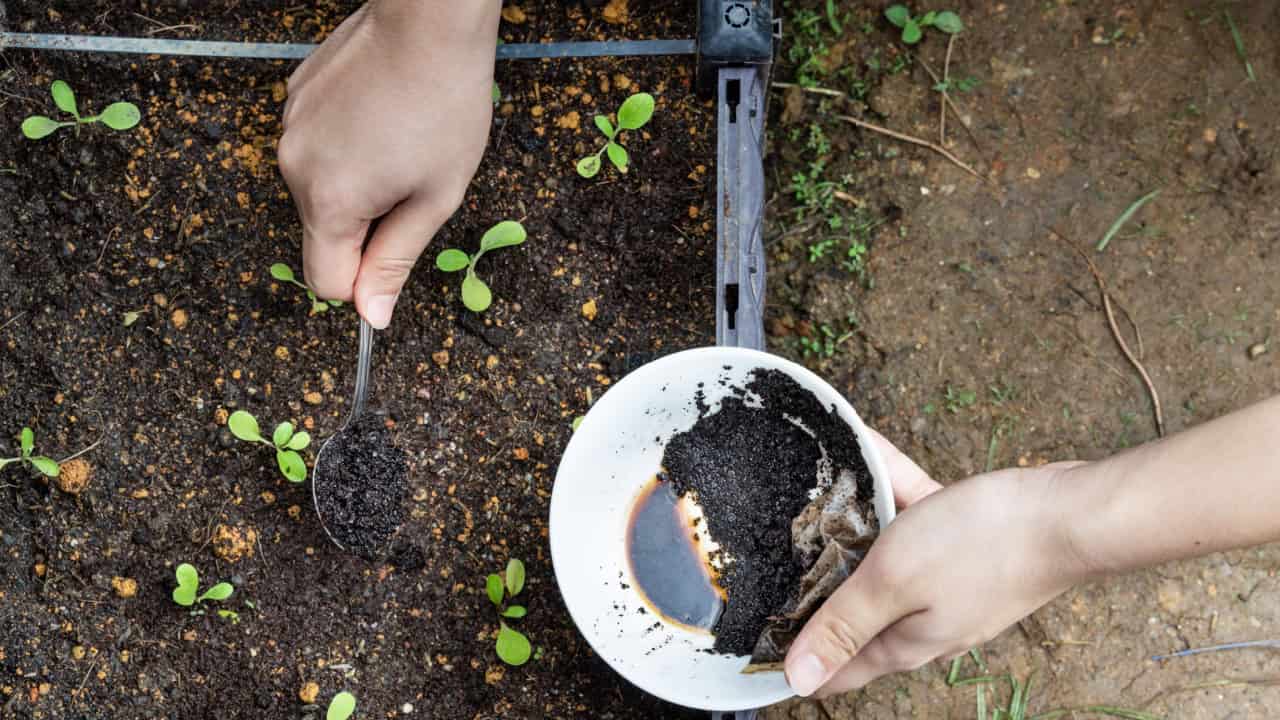
Coffee grounds get a lot of hype as a natural soil booster, but they can actually do more harm than good. They’re high in nitrogen, which is great in moderation, but they’re also acidic. Too much can throw off the soil’s pH, making it harder for some plants to grow.
Another problem? When coffee grounds are layered too thick, they form a crust that blocks water and air from reaching the roots. Instead of dumping coffee grounds directly onto your garden, mix them into a compost pile first so they can break down properly.
Eggshells and Salt Won’t Stop Slugs
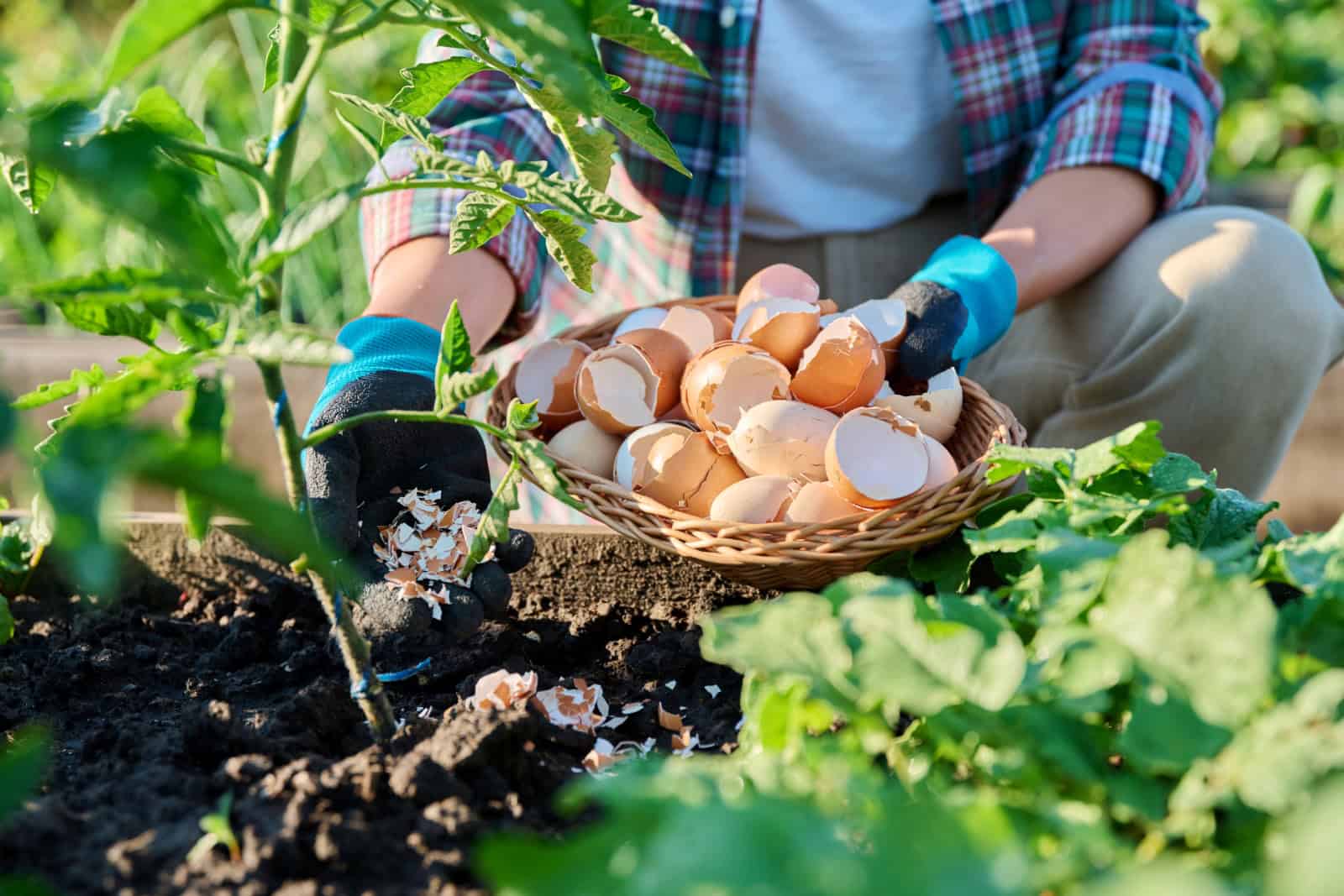
Crushed eggshells are often recommended as a natural barrier for slugs and snails, but they’re pretty useless. Slugs can glide right over them without a problem. As for salt? It does kill slugs, but it also wrecks your soil by making it too salty for most plants to survive.
If you want a slug-free garden, try something that actually works, like sheep’s wool. For whatever reason, slugs hate crawling over it. It also helps block weeds and adds nutrients to the soil as it breaks down. If you want a store-bought option, go for an organic, pet-safe slug bait.
Watering at the Wrong Time Can Hurt Your Plants

Overhead watering seems harmless, but doing it at the wrong time can cause more harm than good. Watering in the heat of the day leads to quick evaporation, and water droplets can magnify the sun’s rays, burning plant leaves.
The best time to water is early in the morning or late in the afternoon when temperatures are lower. Soaker hoses with timers can help ensure even watering while keeping moisture near the roots, where it’s actually needed. This also helps prevent diseases caused by excess moisture sitting on leaves overnight.
Too Much Mulch Can Hurt Your Plants

Mulch is great for keeping moisture in and weeds out, but piling it on too thick can backfire. When there’s too much, water and air struggle to reach the roots, creating the perfect conditions for root rot and fungal diseases. Plus, a thick layer can attract pests looking for a cozy hiding spot.
A good rule of thumb is to keep mulch at about 2–3 inches deep. Spread it evenly, and don’t let it mound up around plant stems or tree trunks. Giving your plants some breathing room helps them stay healthy while still reaping the benefits of mulch.
*This article was created with the help of AI.

