# 8 Tips for Growing a Lush Indoor Herb Garden
Indoor herb gardening is a great way to add fresh flavors to your meals, improve air quality, and brighten up your living space. Not only can it be a rewarding hobby, but it also provides a sustainable solution for having herbs at your fingertips. However, the idea of starting an indoor herb garden can seem daunting to many, especially if you don’t have a green thumb. But don’t fret! Here are 8 practical tips to help you grow a lush indoor herb garden.
Advertisement
1. Choose the Right Herbs
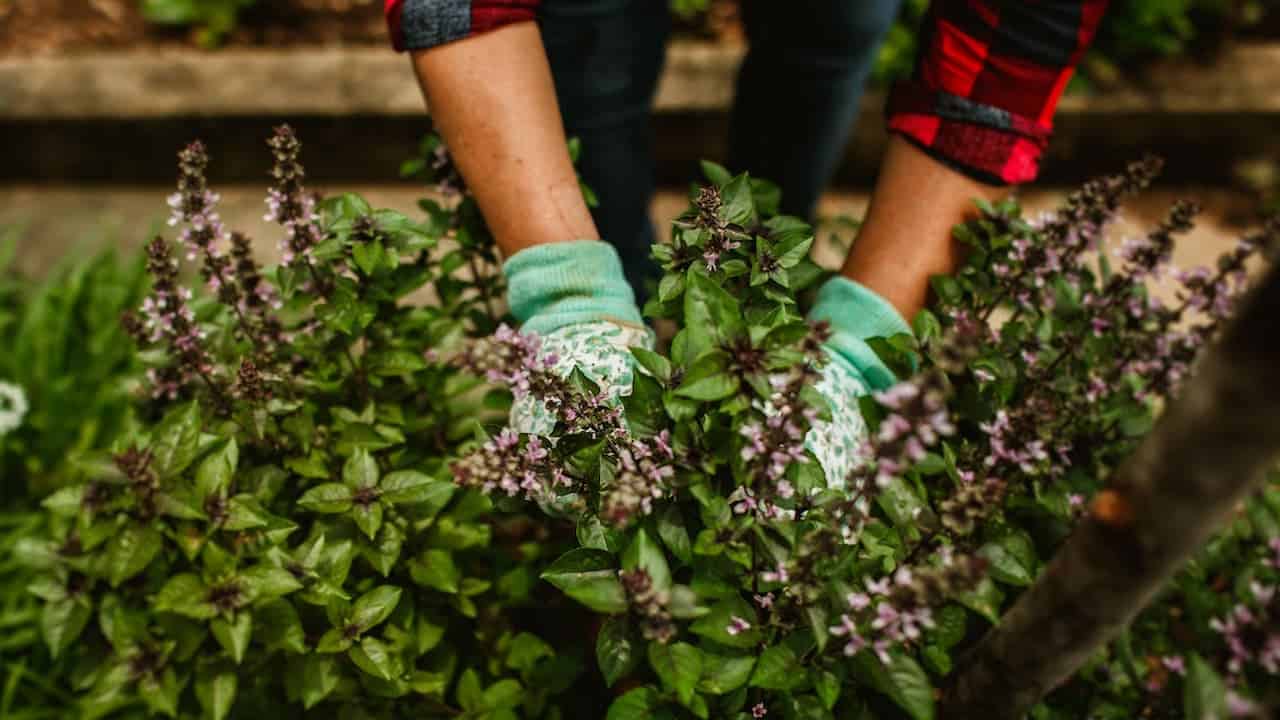
When starting your indoor herb garden, it’s essential to choose the right herbs that thrive indoors. Some popular choices include basil, parsley, thyme, oregano, chives, and mint.
These herbs not only grow well indoors but also have varied culinary uses, making them worth the space they occupy. For instance, basil can be used in pesto, salads, or homemade pizza, while mint leaves can be used in cocktails or to add a refreshing twist to your water. On the other hand, herbs like rosemary or dill, which require a lot of sunlight, might not do as well indoors unless you have a sunny window or supplemental light.
2. Provide Adequate Light

Herbs need a lot of light to grow, ideally 6-8 hours of sunlight per day. Place your herb pots near a south or southwest-facing window to get the most light.
If you don’t have access to a window with adequate sunlight, consider investing in grow lights. They are a great way to ensure that your herbs receive the light they need to thrive. Keep in mind that the type of light and the distance between the light and the plant are essential. Fluorescent or LED lights are ideal, and they should be placed 6 to 12 inches above the herbs.
3. Use the Right Soil
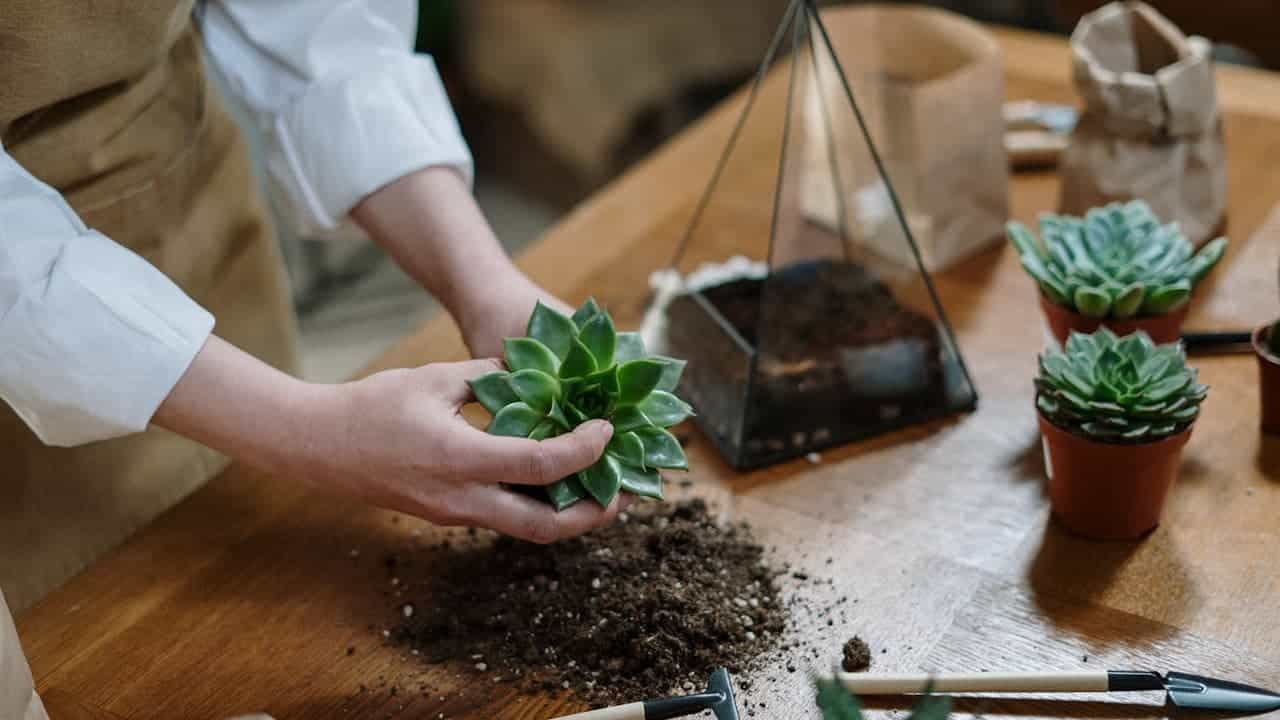
Herbs prefer well-draining soil. A good choice is a mix of two parts potting soil to one part coarse sand or perlite.
Avoid using garden soil as it can be too heavy and may contain disease organisms. The right soil mix will provide the necessary nutrients for your herbs and ensure good drainage, preventing roots from becoming water-logged and susceptible to rot.
4. Water Wisely

Overwatering is a common mistake when growing herbs indoors. It’s important to water your herbs just enough to keep the soil moist but not waterlogged.
As a rule of thumb, stick your finger an inch into the soil. If it’s dry, it’s time to water. Also, ensure your pots have drainage holes to prevent water from sitting at the bottom. It’s better to water thoroughly less often than to give small amounts of water frequently.
5. Choose the Right Pot
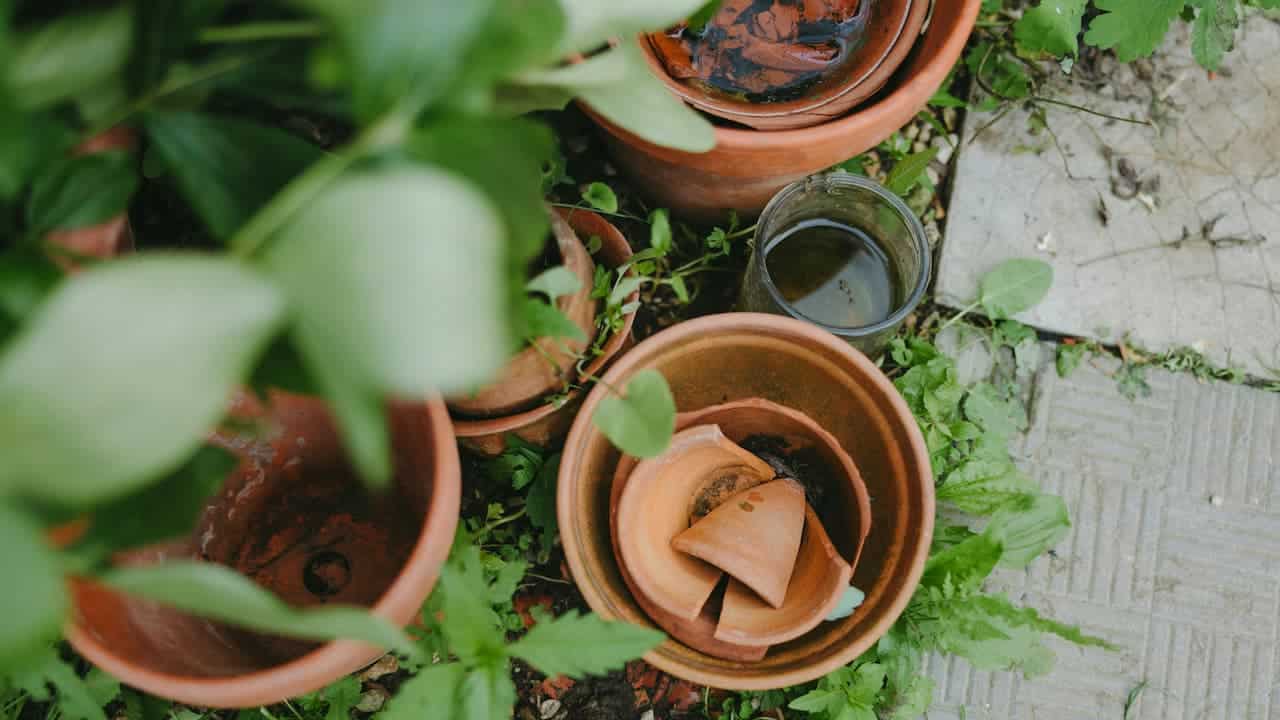
When it comes to choosing a pot for your herbs, consider the size and material. Herbs do not like to be crowded, so ensure each herb has its own pot or enough space to grow if planted with others.
Terracotta pots are an excellent choice for beginners because they are porous and allow excess water to evaporate. Remember, adequate drainage is crucial, so make sure the pot has one or more holes in the bottom.
6. Provide Plenty of Air Circulation

Good air circulation can help prevent fungal diseases, a common issue for indoor plants. To ensure your herbs have plenty of airflow, avoid overcrowding your pots and consider using a small fan to circulate the air.
Also, remember to rotate your herbs regularly to ensure all sides get exposed to light and air. Not only will this lead to more uniform growth, but it will also help keep your herbs healthy and vibrant.
7. Feed Your Herbs
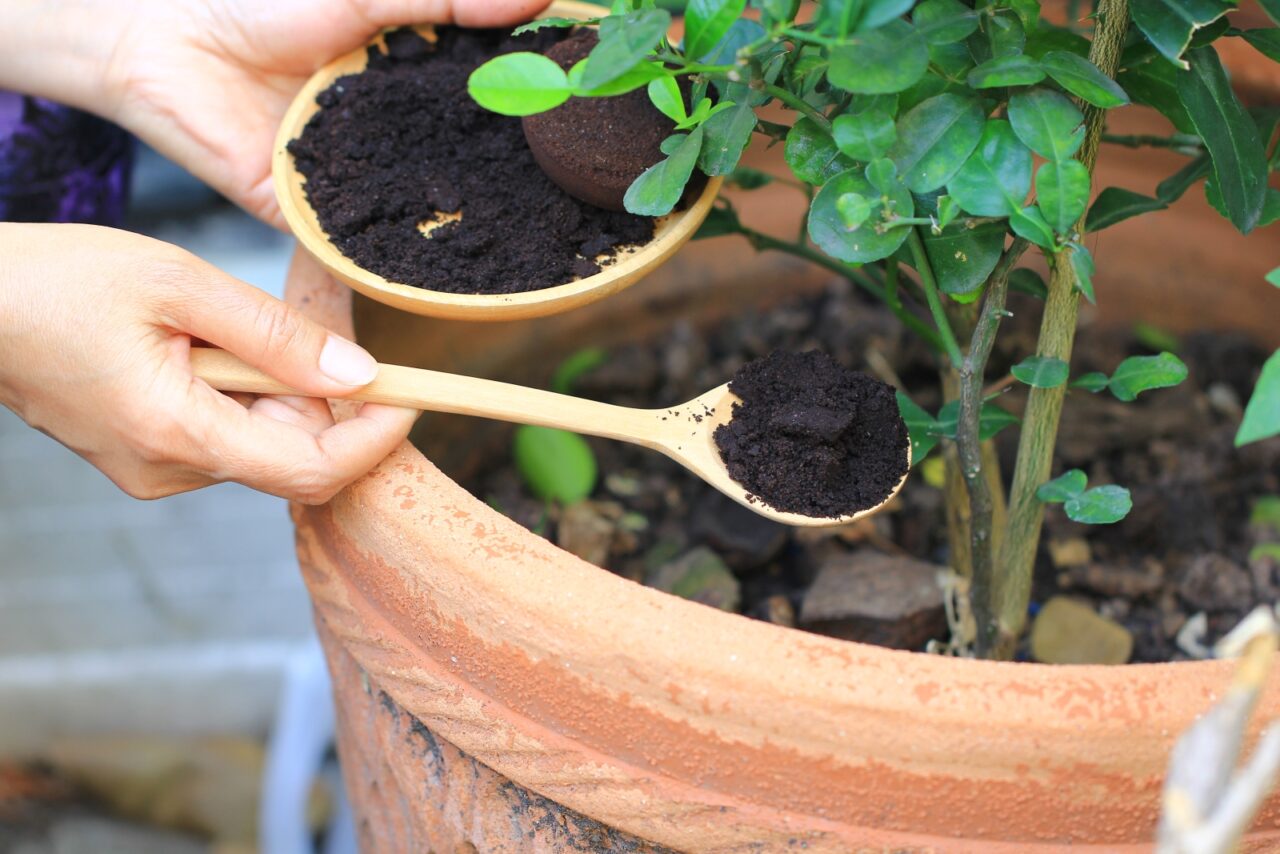
Herbs, like all plants, need nutrients to grow. While a good soil mix will provide some nutrients, you may need to supplement with a balanced liquid fertilizer every few weeks.
Remember, herbs are generally light feeders, so it’s essential not to over-fertilize. Too much fertilizer can lead to a lot of leafy growth but less flavor in your herbs.
8. Prune Regularly

Pruning your herbs not only keeps them from getting too large, but it also encourages new growth. Regularly pinching back your herbs will result in bushier and more productive plants.
For example, when basil reaches about 6 inches tall, pinch off the top set of leaves. This will encourage the plant to branch out and grow more leaves. Just remember, never remove more than 1/3 of the plant at a time to avoid stressing the plant.