Growing up, you probably saw at least one of these plants in your grandparents’ house—maybe perched on a windowsill or thriving in the corner of their living room. Back then, they weren’t just for decoration; they were the kind of plants you could rely on. Low-maintenance, tough-as-nails, and always adding a little life to the room. And now? They’re making a major comeback.
It’s funny how the things our grandparents loved often circle back into style, isn’t it? These plants aren’t just a throwback—they’ve proven their worth over decades. Whether you’re looking for something easy to care for or just want a piece of that old-school charm in your home, these classics are worth a spot in your plant collection.
Advertisement
Let’s take a look at why these “grandparent plants” are cool again and why you’ll want to snag a few for yourself.
Pelargonium
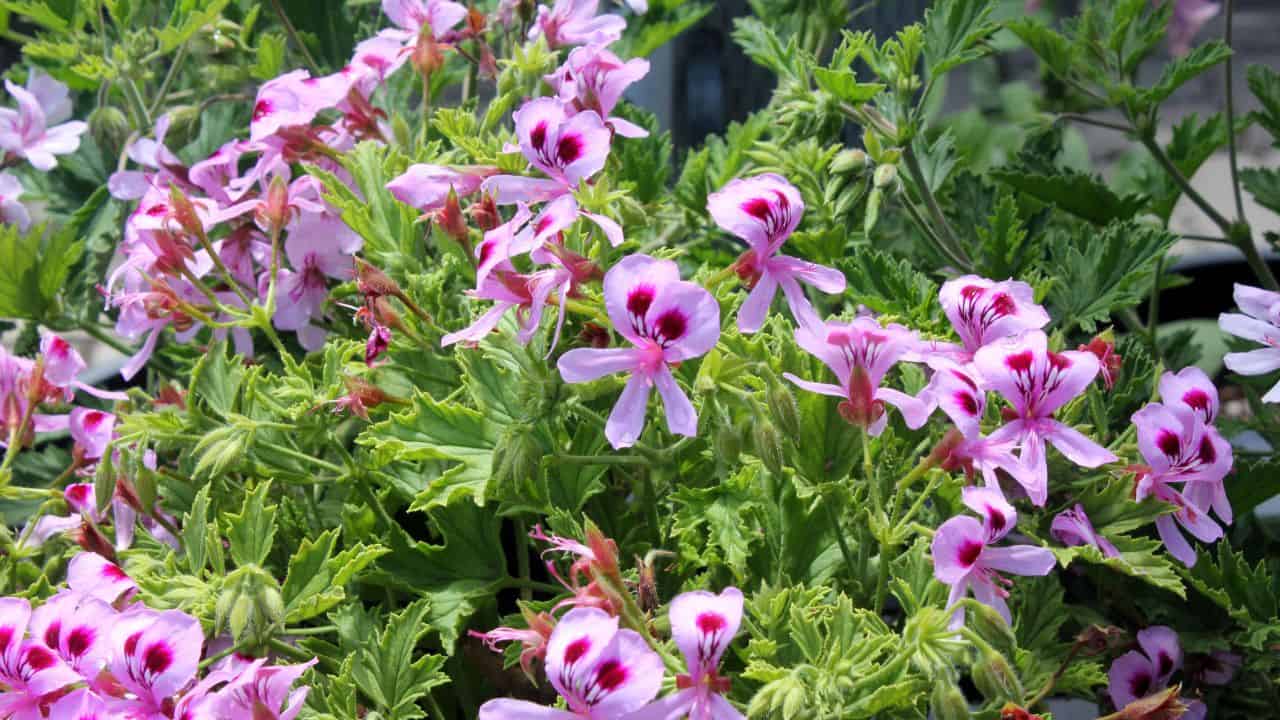
Pelargoniums, often mistaken for geraniums, might not be front and center in trendy plant circles, but they’ve earned their spot as a classic. With bold colors and a distinctive scent, they were a staple on balconies and porches for years. These plants aren’t about following trends—they’re about reliability. Blooming nearly all year and available in over 300 varieties, there’s something for every space and taste.
Pelargoniums are great for anyone looking for a low-maintenance plant. They handle heat, poor soil, and even the occasional forgetful moment. If your grandparents swore by them, it’s because they’re practically foolproof and guaranteed to brighten up any corner.
Christmas Cactus

The Christmas cactus might not steal the show like succulents or monsteras, but it’s been quietly thriving for decades. Originally from Brazil, it’s known for its incredible lifespan—some can live up to 70 years! What makes it special is its ability to bloom during the winter months, brightening up even the gloomiest days with its drooping stems and vibrant flowers.
This plant doesn’t demand much—just sunlight, consistent watering, and a little fertilizer now and then. If your family has passed one down, you’re lucky to have both a beautiful plant and a living piece of family history.
Spider Plant

The spider plant, or Chlorophytum comosum, has been a household favorite for decades. It was a must-have in offices and homes from the 60s through the 80s, and for good reason. This plant is practically unkillable. It thrives in low light, needs minimal watering, and even improves indoor air quality.
Whether perched on a windowsill or hanging in a basket, spider plants bring greenery into any space without demanding much in return. They’re a great option for anyone who wants something easy to care for—and they look great while doing their job.
Yucca
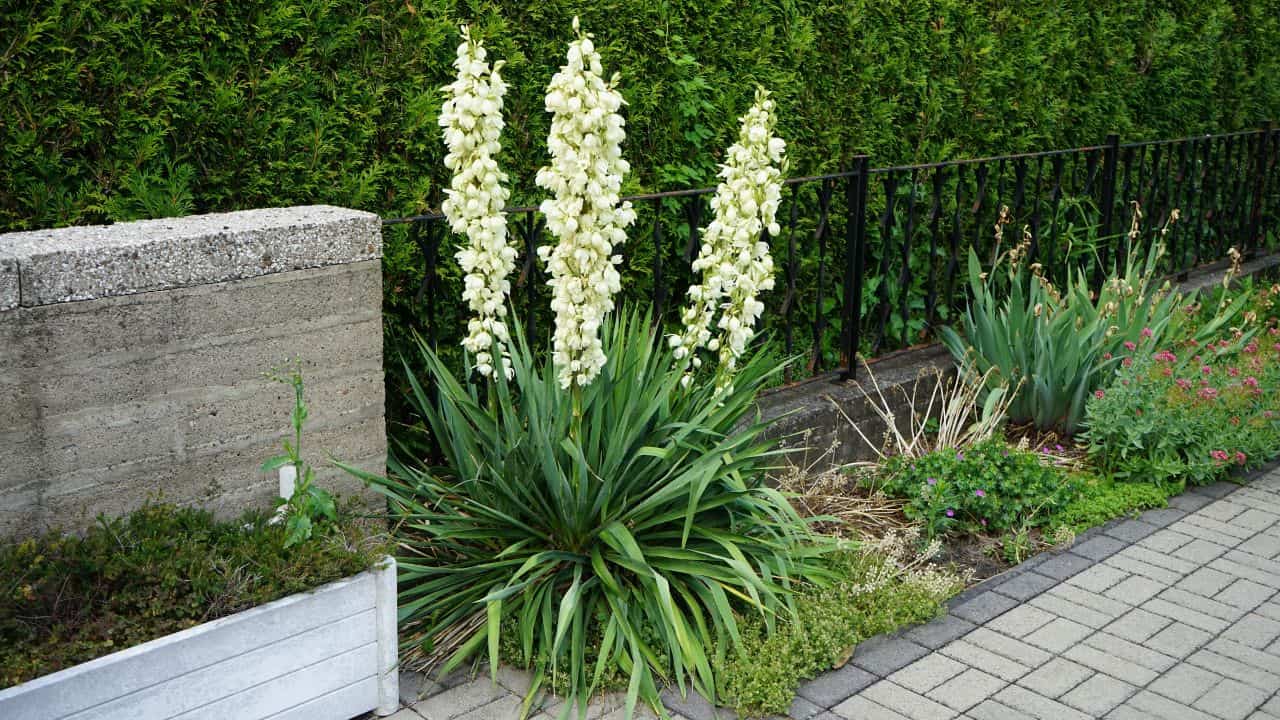
Yucca plants were a big deal in the 80s, gracing living rooms and offices alike. Over time, they fell out of favor, but now they’re making a strong comeback. With their tall, striking leaves, they’re perfect for adding a bold touch to your indoor or outdoor space.
That said, yuccas aren’t for everyone. They need lots of sunlight and regular watering to thrive. If your grandparents kept one alive, they probably had a trick or two up their sleeve—or maybe they just had the patience these plants require. Either way, if you’re ready to commit, a yucca can be a standout addition to your collection.
Cast Iron Plant

The cast iron plant has been a quiet favorite since the Victorian era, where it thrived in England’s grimy, industrial homes. By the 1940s and 50s, it made its way to American households, appreciated for its ability to survive in low light and require minimal care. Its nickname isn’t just for show—this plant is nearly indestructible, making it a perfect choice for those without a green thumb.
Modern varieties have stepped it up, offering beautiful variegated options alongside the classic deep green leaves. Whether you’re looking to channel some vintage vibes or just need a no-fuss houseplant, the cast iron plant delivers on all fronts.
Swiss Cheese Plant
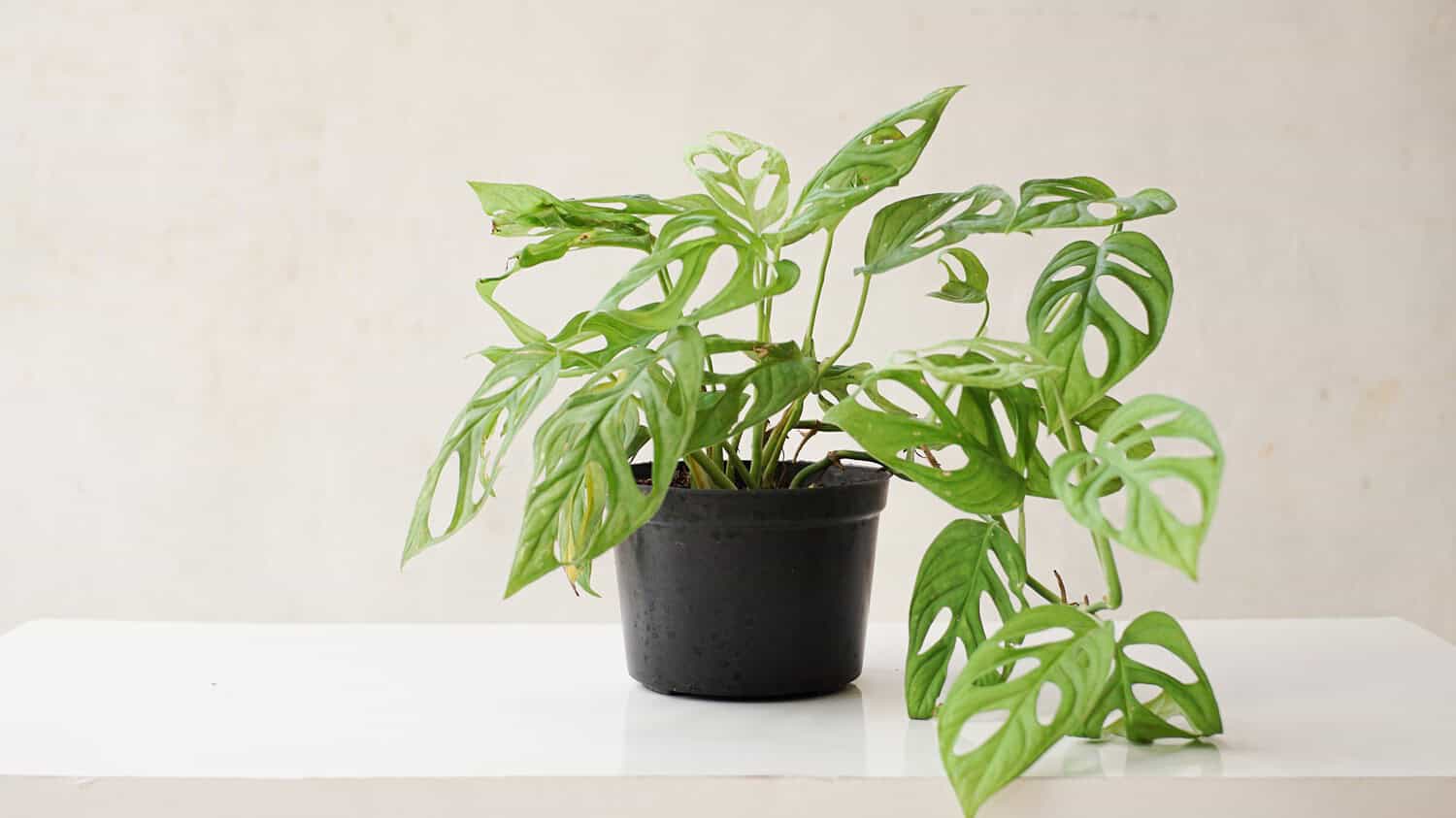
The Swiss cheese plant may not scream “grandma’s house,” but it had its heyday in the late 1950s. Its large, dramatic leaves with natural cutouts made it a design favorite during the mid-century modern era. Today, it’s a certified icon, appearing in homes, offices, and even Instagram feeds everywhere.
This plant does more than just look good—it’s also surprisingly easy to care for. Give it some bright, indirect light and a little water, and you’ll have a statement piece that grows with you. If you want to embrace a retro look with a modern twist, this is the plant for you.
Rubber Tree Plant
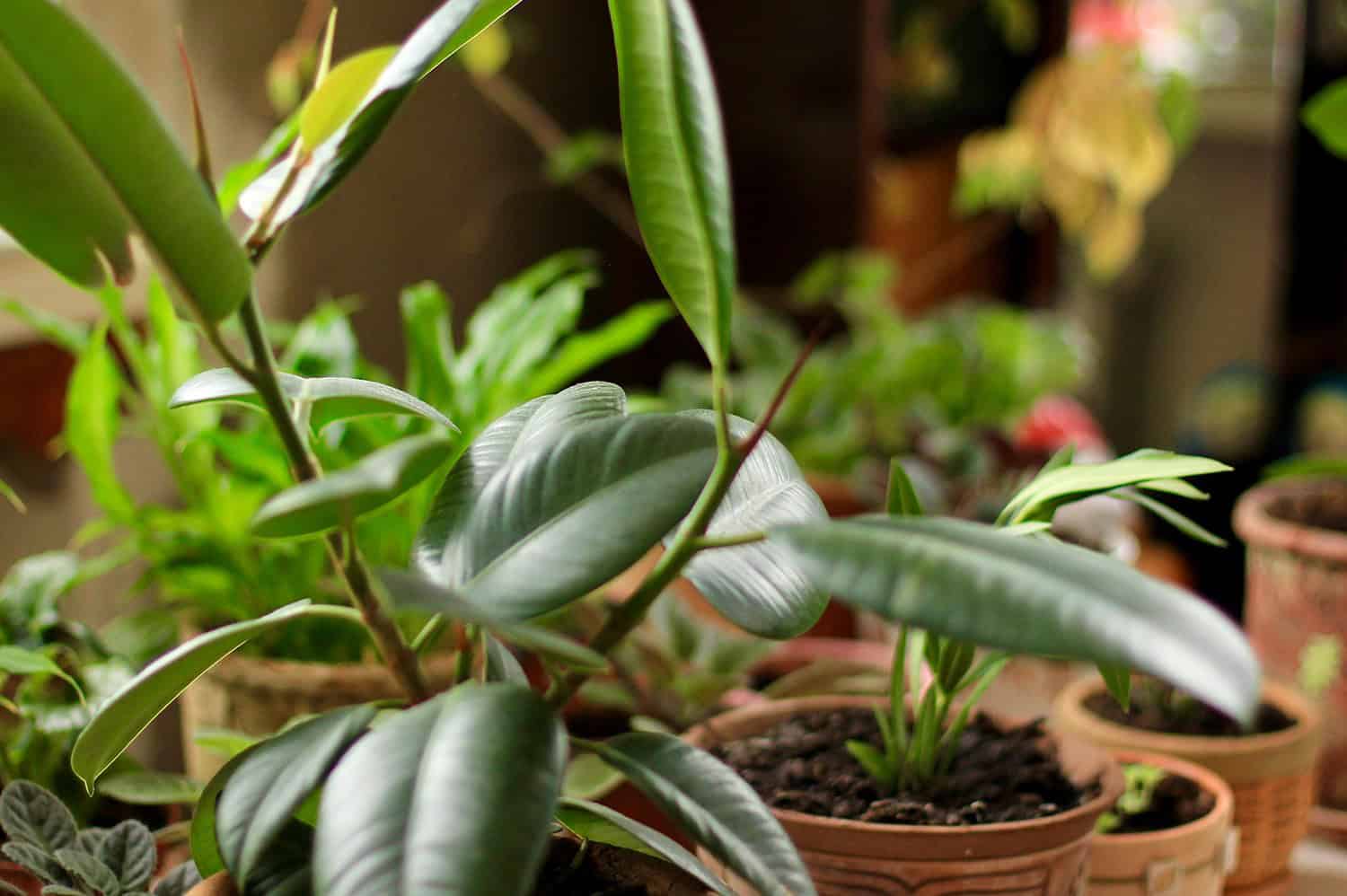
The rubber tree plant was practically a celebrity in the 1960s. Sleek, shiny leaves and low-maintenance care made it a must-have for space-age aesthetics. If your grandparents ever hummed “Oops, there goes another rubber tree plant!” you can thank this Ficus for inspiring that catchy tune. Sinatra himself sang about it, which is about as classic as it gets.
Rubber trees love bright, filtered light but can handle lower light if needed. Keep the soil lightly moist, and watch it grow into a tall, elegant houseplant. It’s timeless, easygoing, and ready for a comeback in modern homes.
Snake Plant
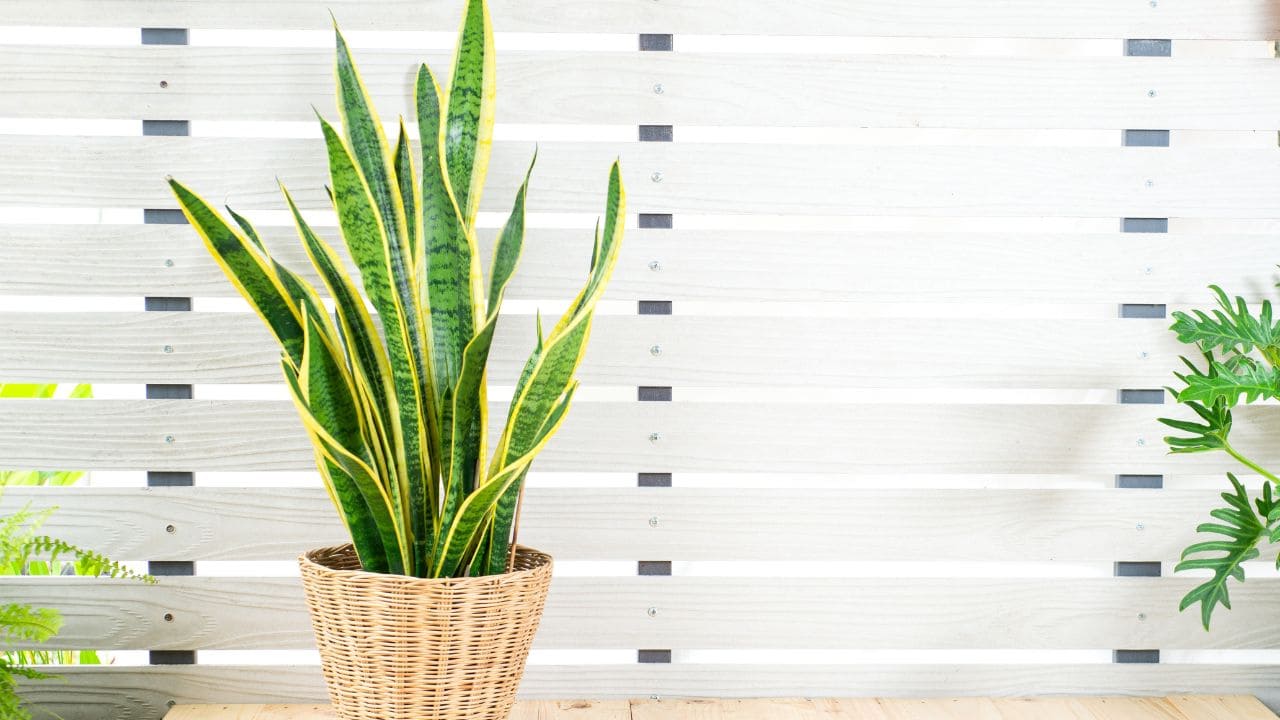
Snake plants have been holding it down for generations. Known for their resilience, these plants can survive almost anything—low light, missed waterings, you name it. In fact, they’ve been a household favorite for decades because they’re just that easy to care for. Whether it was your grandma’s go-to or your mom’s “set it and forget it” plant, snake plants are here to stay.
New varieties of snake plants keep things fresh, but the care remains simple: bright, indirect light is best, but it will survive in near darkness if needed. Just be sure not to overwater, as they’re prone to rot if left too wet. For a plant that’s both classic and foolproof, snake plants always deliver.
*This content was created with the help of AI.