
Starting a garden is exciting, but it’s also easy to feel like you’re figuring things out as you go. I’ve been there—spending hours picking out seeds and planning the perfect layout, only to realize halfway through the season that I’d made some rookie mistakes. The truth is, gardening is a mix of trial and error, but there’s a lot we can learn from folks who’ve been doing it for decades.
Seasoned gardeners, especially those who’ve been at it since before apps and Pinterest boards, have already made the mistakes we’re likely to stumble into. They’ve figured out what works, what doesn’t, and how to keep a garden thriving without unnecessary headaches. Whether it’s picking the right spot for your plants or avoiding a major overcrowding problem, learning from their wisdom can save you time, money, and frustration. Let’s talk about some of the most common missteps new gardeners make and how to steer clear of them.
Keep Your Garden Where You Can See It

Hiding your garden in a far-off corner might seem like a clever way to keep the HOA happy or to keep things tidy, but out of sight usually means out of mind. I’ve been guilty of this myself, only to realize too late that the plants were drooping, pests were moving in, or ripe veggies had gone to waste.
The fix? Put your garden where you can’t ignore it. Whether it’s outside the kitchen door, near a path you use every day, or even beside the patio, having it close by makes all the difference. You’ll spot wilting leaves or pest damage before things get out of hand, and you’ll actually use what you grow. Trust me, nothing beats grabbing fresh basil for dinner without having to trek to the back forty.
Don’t Plant More Than You Can Handle

I get it—planning a garden is exciting, and it’s so tempting to go all out. Been there, done that, and ended up overwhelmed by weeds and plants I didn’t even have time to harvest. A big garden looks dreamy on Pinterest, but in real life, it’s a lot of work.
Start small. Pick three to five vegetables or herbs you love and take a little time to learn what they need to thrive. You’ll thank yourself when the care feels manageable, and the harvest is something you can actually keep up with. Once you’ve got the hang of it, you can always add more next year. Baby steps really do lead to big rewards.
Timing Is Everything

Oh, the rookie mistake of planting too soon—I’ve definitely been there. One warm day after winter, and I’m out there, throwing seeds in the ground, only to watch the frost roll in and wipe everything out. On the flip side, I’ve also waited too long, only to end up with stressed plants struggling to make it through the summer heat.
Here’s what works: find out your area’s frost dates and use them as your guide. Seriously, don’t let the first warm day trick you. If you’re itching to start, spend the time prepping your soil or building a raised bed instead. Waiting just a little longer can save you from replanting and the heartbreak of seeing your garden fail before it even starts.
Don’t Cut Corners on Soil

I used to think dirt was just dirt. I mean, plants grow outside all the time, right? Turns out, soil quality makes or breaks your garden. If the dirt’s not packed with nutrients, your plants are basically eating junk food. They might survive, but they won’t thrive.
Before planting, take the time to prep your soil. If you’re planting in the ground, work in some compost or a quality garden soil. For container plants, use a mix designed for pots—it’s lighter and drains better. And if you’re going with raised beds, grab a mix made just for them. Investing in good soil upfront might feel like an extra step, but it’s a total game-changer. Healthy soil means healthy plants, and healthy plants mean a harvest you can actually be proud of.
Give Your Plants the Sun They Crave

Plants like tomatoes and peppers love the sun, and if they don’t get enough, they’ll struggle to grow or produce. I’ve made the mistake of planting in a spot that looked sunny enough, only to realize halfway through the season that the sun’s angle shifted, leaving my garden in partial shade. It’s frustrating to put in all that work and see little return.
If you’re short on sunny spots, try planting in containers you can move to chase the light—like on your patio or even the driveway. You can also focus on shade-tolerant plants like lettuce, kale, or parsley. Either way, check your plants’ tags for sun requirements to make sure you’re setting them up for success.
Don’t Pack Plants Too Close

When I first started gardening, I thought squeezing plants closer together would mean more food. Nope. Crowded plants compete for water and nutrients, and they don’t get enough airflow, which makes them vulnerable to disease. Plus, once everything grows, it’s nearly impossible to move through the garden without stepping on something.
Save yourself the headache by spacing plants according to the recommendations on their tags. It might look sparse at first, but those little plants grow faster than you’d think. Giving them room to spread out ensures they’ll stay healthy and produce better.
Keep Your Garden Close to Water

Nothing kills gardening motivation faster than hauling buckets of water across the yard every day. I learned the hard way that even the most enthusiastic gardener gets tired of dragging hoses in the heat of summer. Skipping a watering day or two can quickly turn into stressed plants and wilted leaves.
If you can, plant your garden near a water source. If that’s not an option, consider setting up a rain barrel or using soaker hoses to make watering easier. Check your soil often—when the top inch feels dry, water deeply at the base of the plants to keep them happy and hydrated.
Don’t Forget to Feed Your Plants
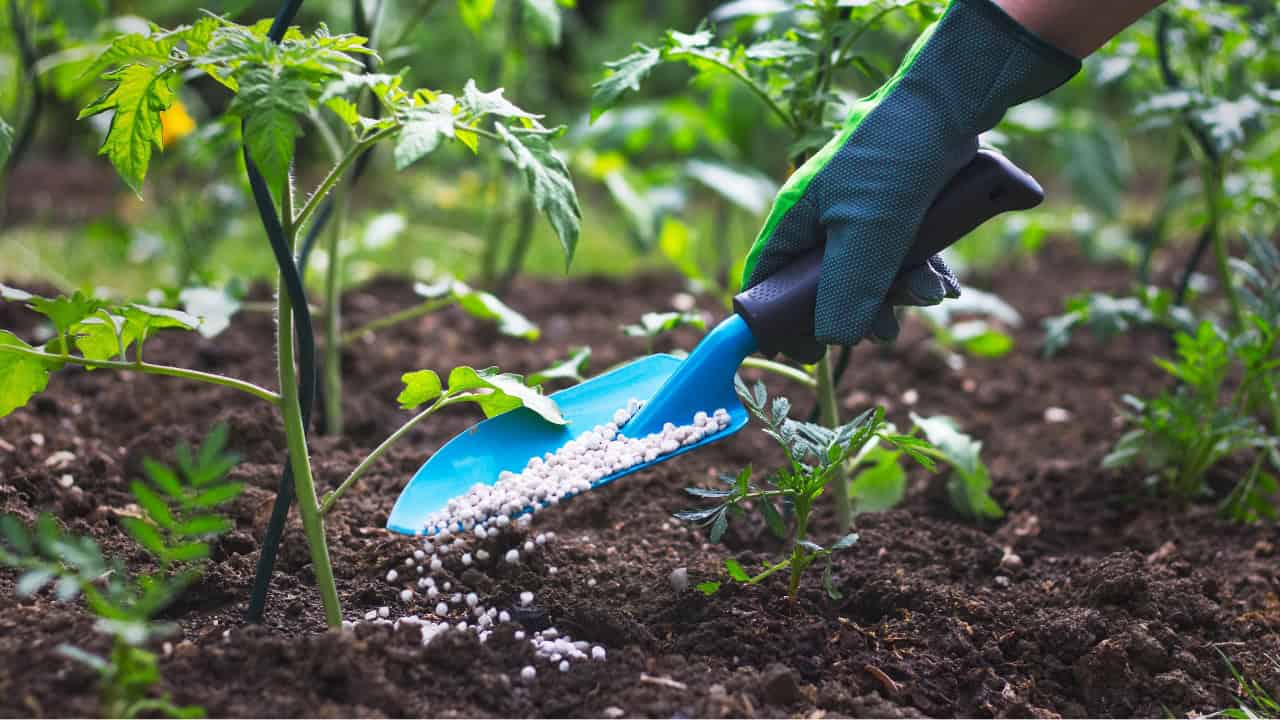
Plants need more than water and sunlight—they also need nutrients to grow strong and produce well. I used to think improving the soil once was enough, but over time, those nutrients get used up, leaving plants hungry and less productive.
Keep your garden thriving by feeding it regularly with a fertilizer made for veggies and herbs. Liquid plant food is a great option since you can mix it into your watering routine. Just follow the instructions on the label, and your plants will thank you with bigger, healthier harvests.
Harvest Before It’s Too Late

It’s so easy to wait too long to pick your veggies—I’ve done it more times than I care to admit. One day you’ve got a perfect cucumber, and the next, it’s overgrown and bitter. Basil that goes unpicked will flower and lose its flavor, and zucchinis can turn into baseball bats almost overnight.
Check your plants daily and pick anything that’s ripe. If you’re unsure, look at the plant tag or seed packet to see what ripe veggies should look like. Harvesting regularly not only keeps your produce in peak condition but also encourages plants to keep producing more. Win-win!

