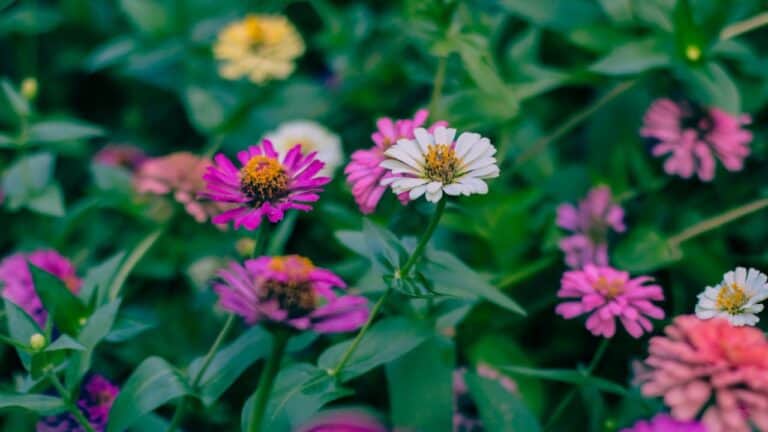
There’s a certain magic that comes with an herb garden. The robust smell of fresh rosemary, the soft touch of thyme and the sight of vibrant green basil can stimulate your senses and enhance your daily cooking experiences. Moreover, an outdoor herb garden isn’t just for those with vast, sprawling backyards. Even with limited space, you can design a beautiful and functional herb garden that thrives throughout the year. This blog post provides seven design ideas to inspire herb gardeners of all space sizes.
1. Vertical Wall Gardens
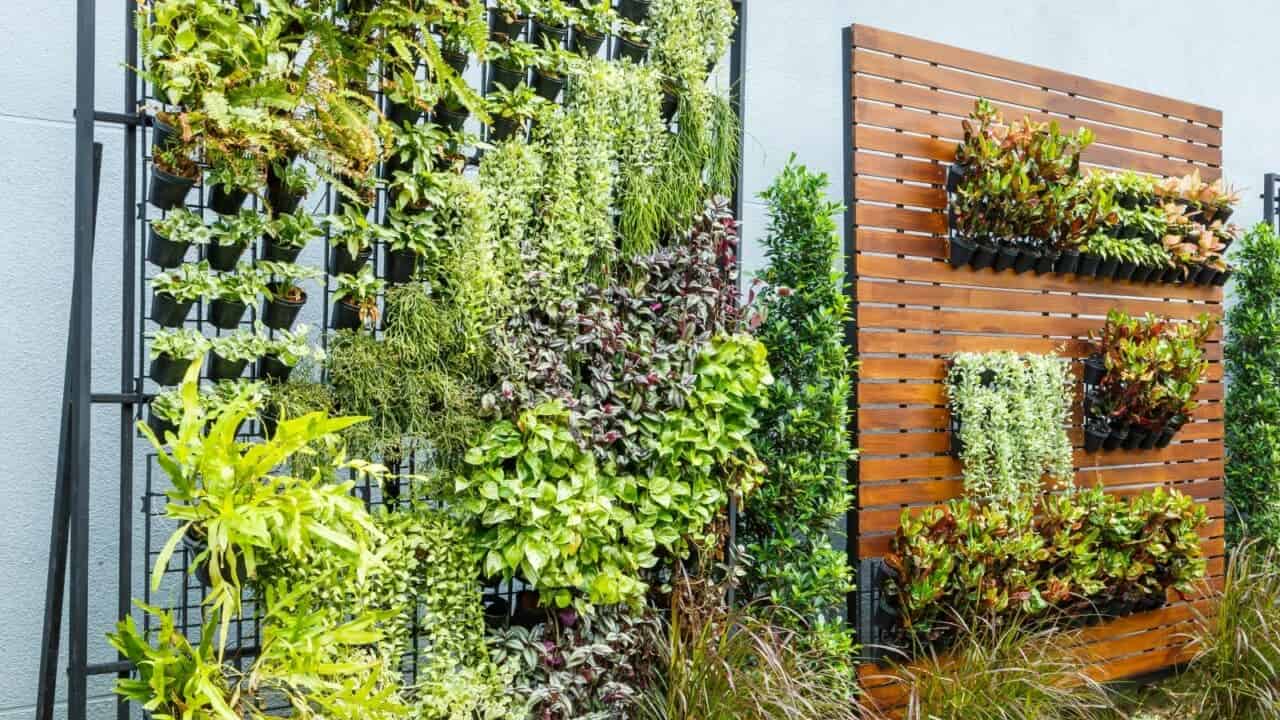
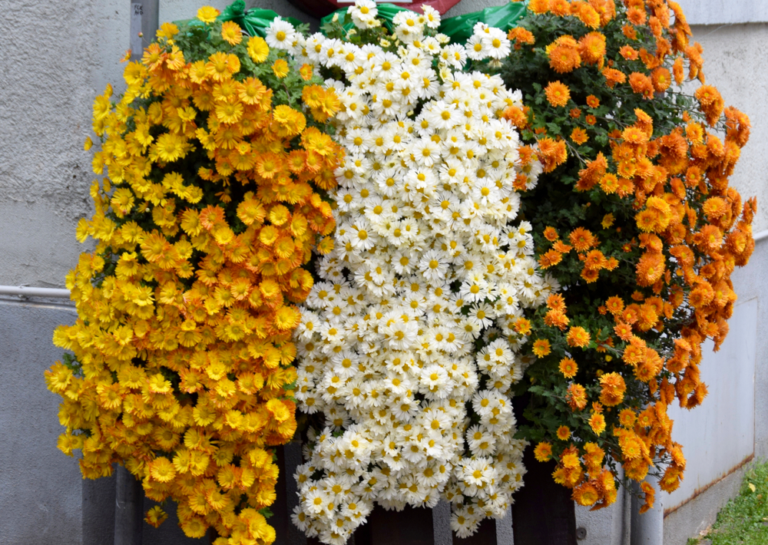
Vertical wall gardens are an excellent solution for those with limited outdoor space. With a vertical garden, you can grow a variety of herbs on your apartment balcony, patio, or even on a sunny wall near your kitchen window.
Advertisement
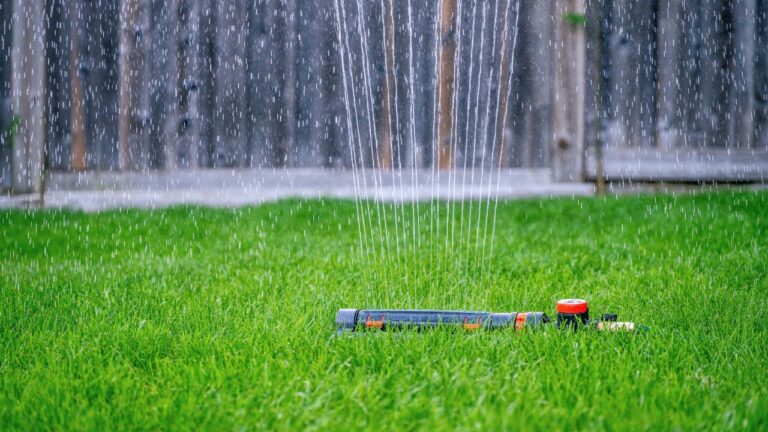
For example, you can use a hanging shoe organizer or a pallet to create your vertical garden. Fill each pocket or slot with soil and plant your favorite herbs. Ensure you have a good irrigation system in place, as vertical gardens can dry out quickly. Also, remember to position your garden in a place that gets ample sunlight, as most herbs need at least 6 hours of sun a day.
2. Tiered Herb Gardens
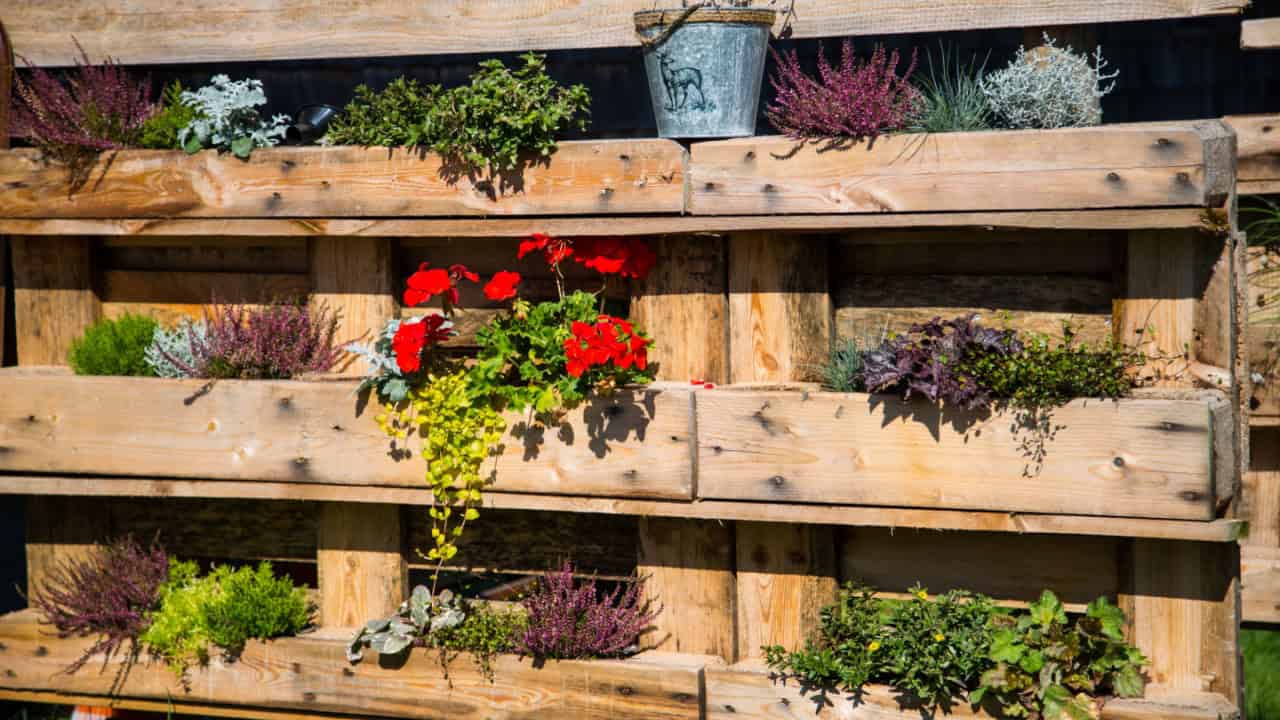
Tiered herb gardens are not only space-saving but also add a unique aesthetic appeal to your outdoor space. You can create a tiered garden using plant stands, stair risers, or even old cake stands.
Start with the largest pots on the bottom and gradually use smaller pots as you build upwards. This design allows every plant to get the sunlight it needs. When watering, start from the top tier to allow excess water to trickle down to the lower levels.
3. Window Box Gardens
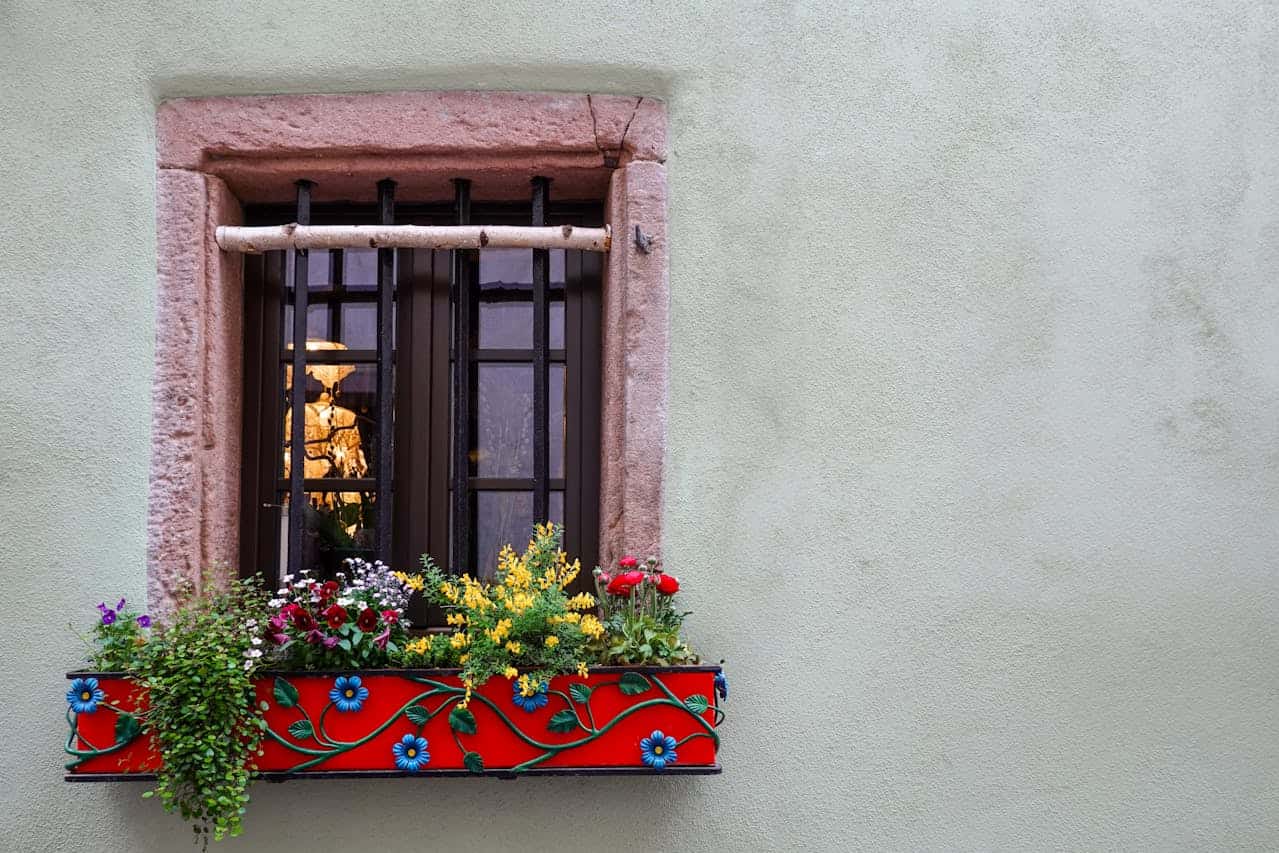
Window boxes are a classic choice for herb gardens. They provide ample sunlight exposure and are easy to access from inside your home.
Choose a window that gets at least six hours of sunlight each day. You can grow a variety of herbs in one large window box or separate them into smaller boxes for a more organized look. When watering, ensure the water drains out to prevent root rot.
4. Spiral Herb Gardens

A spiral garden is both a striking visual feature and a practical design for growing herbs. In this design, herbs that require the most sunlight and drainage are planted at the top, while those that need less sun are planted at the bottom.
You can build a spiral garden using stones, bricks, or any other material that can form a sturdy spiral structure. This garden design is particularly popular for growing Mediterranean herbs like rosemary, thyme, and oregano.
5. Raised Bed Herb Gardens

Raised beds can make it easier to tend to your herbs, and they also improve soil drainage. They can be made from a variety of materials, from wood to stone, depending on your aesthetic preferences.
Arrange your herbs based on their sunlight needs and growth habits. Taller herbs should be planted in the center or at the back of the bed, with shorter herbs at the front. Remember to leave enough space for each plant to grow without crowding its neighbors.
6. Container Herb Gardens
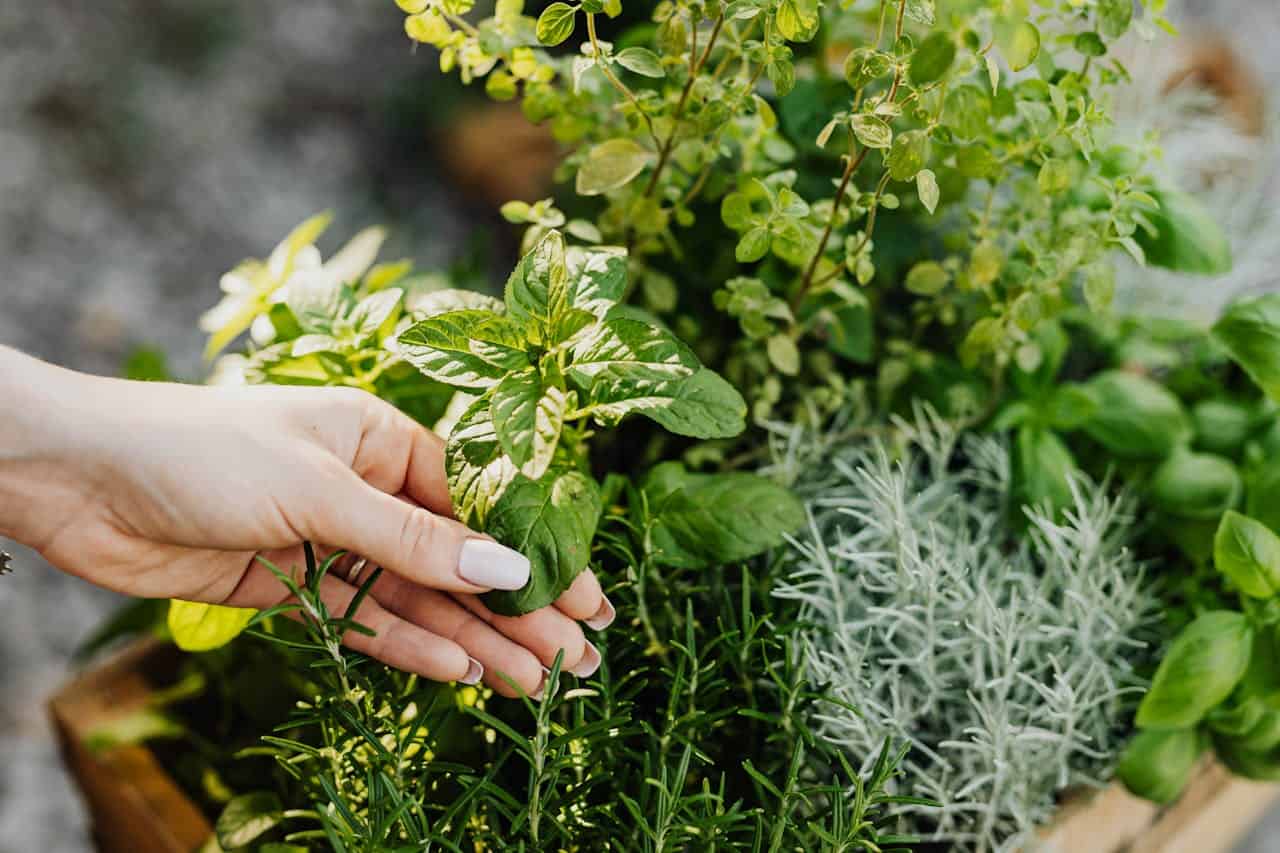
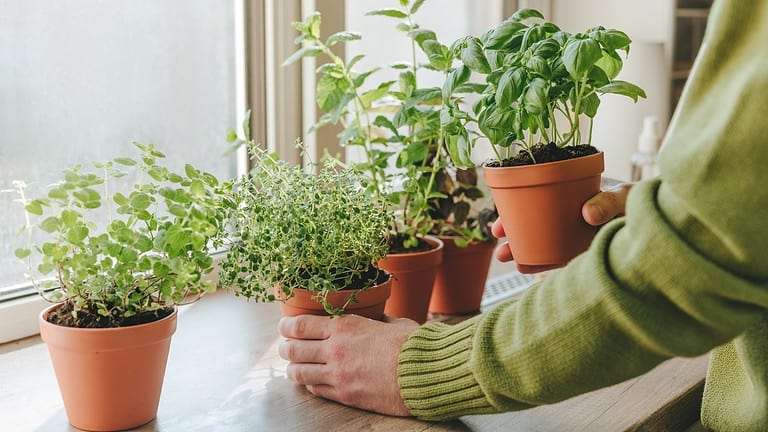
For those with very limited space, or for renters who can’t make permanent changes to their living space, container gardening is a great solution. This type of garden can be as small or as large as you want, and the containers can be moved around to catch the sun or to bring them indoors in colder weather.
Choose containers with good drainage and use a quality potting soil mix. You can grow each herb in a separate container, or create a mini garden in a larger pot by planting several herbs together. Just be sure to pair herbs with similar sunlight and watering needs.
7. Edible Landscape Gardens

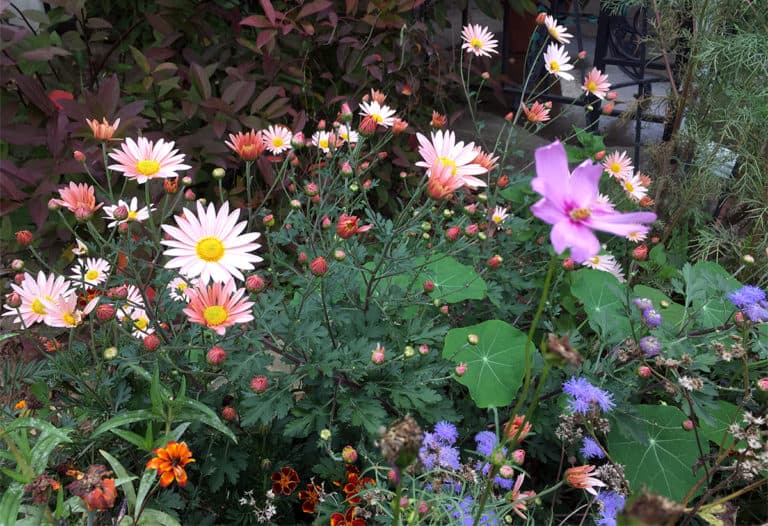
Edible landscaping is a fun and practical way to incorporate herbs into your existing garden design. Instead of growing herbs separately, you can plant them among your flowers, shrubs or vegetables.
For instance, purple basil can provide a vibrant color contrast to green plants, while rosemary can serve as a fragrant hedge. Remember to consider each herb’s growth habits and needs when selecting its location in your garden.