If you’re looking to quickly fill empty spots in your garden or yard, fast-spreading flowering ground covers can be a great solution. These plants not only cover bare soil but also add color and texture, making your space look fuller and more inviting in a short time.
Fast-spreading flowering ground covers provide an easy way to fill gaps while suppressing weeds and reducing maintenance. Whether you have sun or shade, there’s a variety of options that can work for your garden’s needs without much effort on your part.
Advertisement
Creeping Jenny
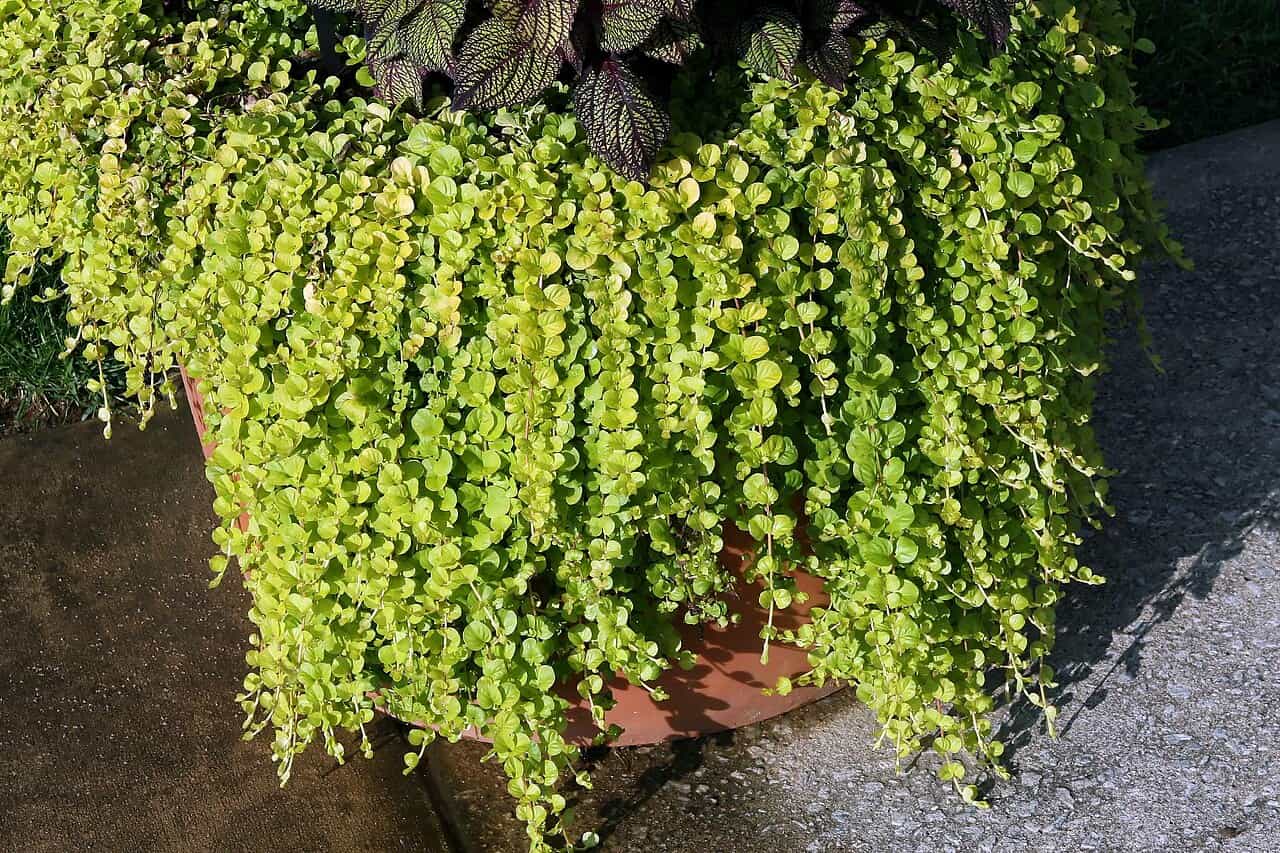
Creeping Jenny is great if you want a fast-spreading ground cover that adds bright color. Its golden, coin-shaped leaves create a cheerful mat that fills empty garden spaces quickly.
You can use it in borders, containers, or even hanging baskets. It’s low-maintenance and stays evergreen, making your garden look lively year-round.
Frogfruit
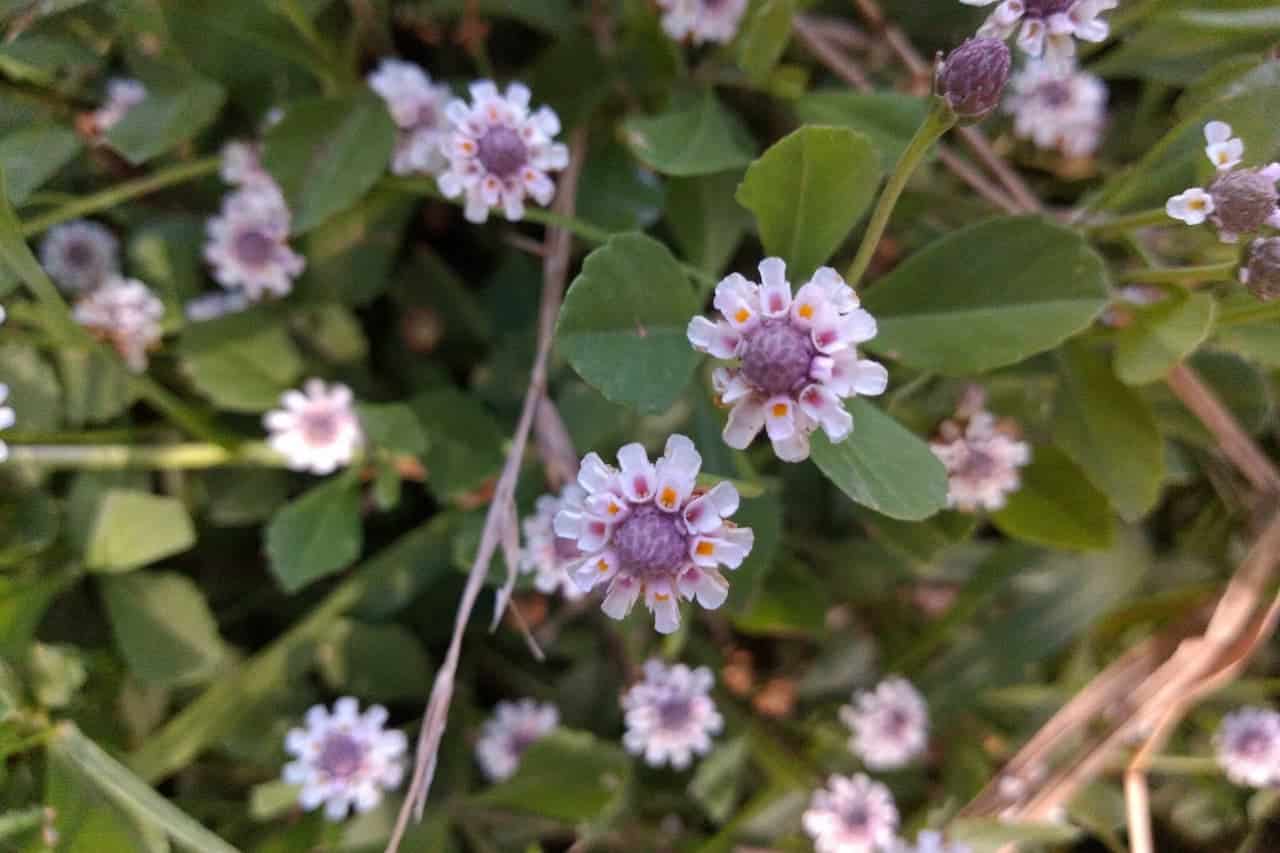
If you want a tough ground cover, frogfruit is a solid choice. It grows fast and spreads easily, filling in bare spots quickly.
You can plant it in full sun or partial shade, and it handles dry or moist soil without much fuss. It even tolerates salty conditions if you’re near the coast. Frogfruit stays low and green year-round, plus it blooms from spring through fall, adding some subtle flowers to your space.
Creeping Thyme
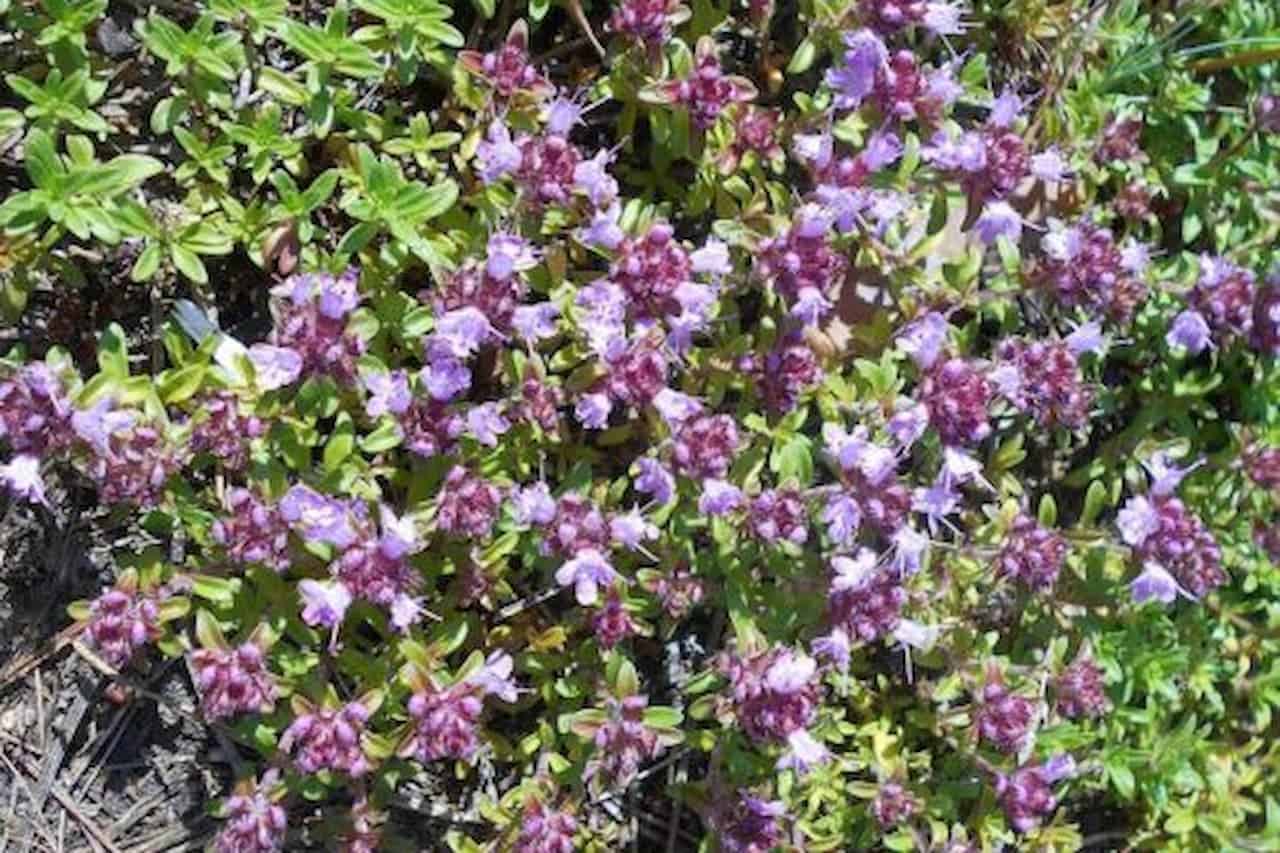
If you want a ground cover that spreads quickly and smells great, creeping thyme is a solid choice. It thrives in full sun and tolerates poor soil, making it perfect for tricky spots.
You’ll get tiny flowers in pink, purple, or magenta that add color without much effort. It’s also great for filling spaces between stepping stones in your garden.
Irish Moss
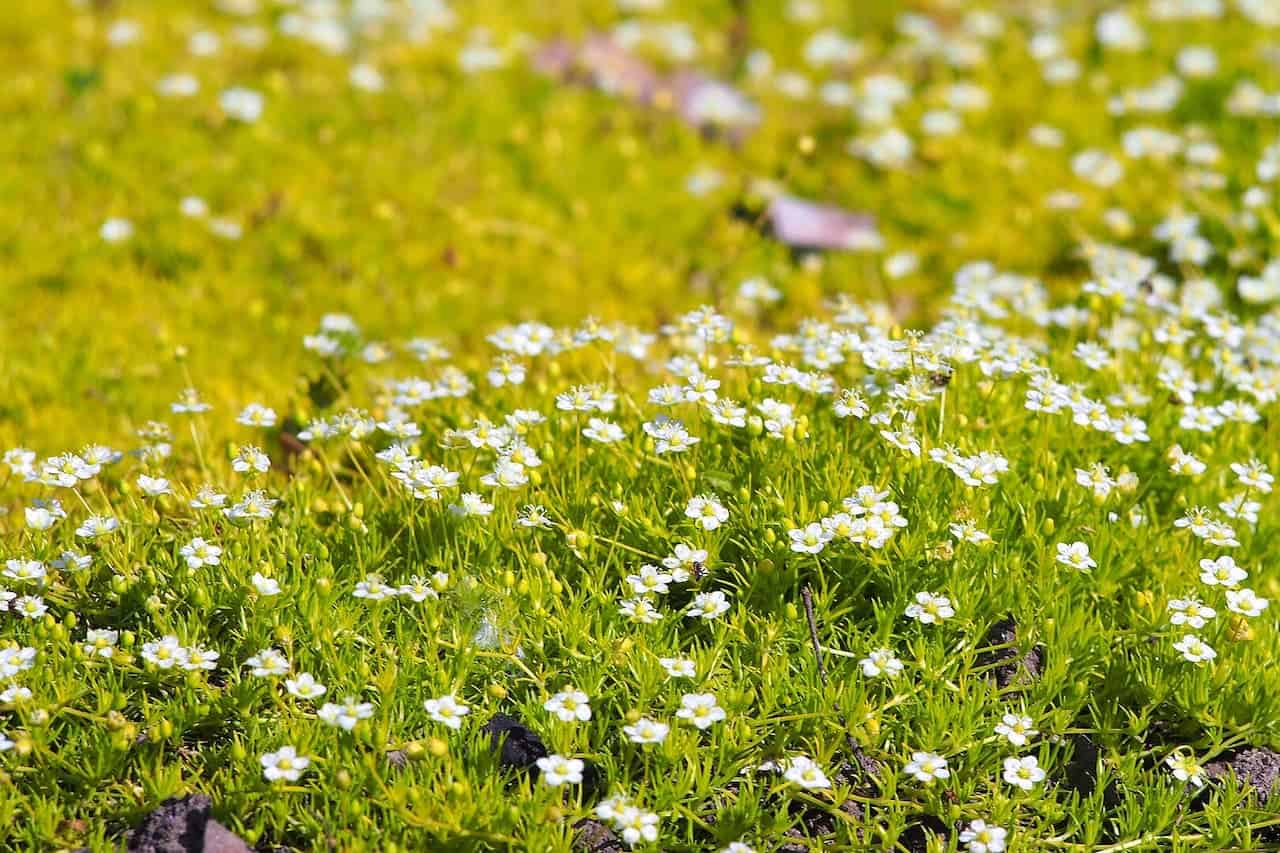
If you want a low-growing, soft ground cover, Irish Moss might be a good fit. It forms a dense, green carpet just 1-2 inches tall, perfect for filling gaps between stones or along paths.
You can plant it in full sun or partial shade, especially in hotter areas to avoid too much afternoon heat. It also produces tiny white flowers in spring, adding a subtle touch of color. It’s tough enough for light foot traffic and resists deer, making it practical for many gardens.
Clover

If you want something that spreads fast, clover is a solid choice. It fills empty spaces quickly and stays green most of the year.
It’s low maintenance and can handle a lot of foot traffic, making it perfect for lawns or garden areas. You’ll also like that clover helps improve your soil by fixing nitrogen.
Erigeron (Flea Bane)
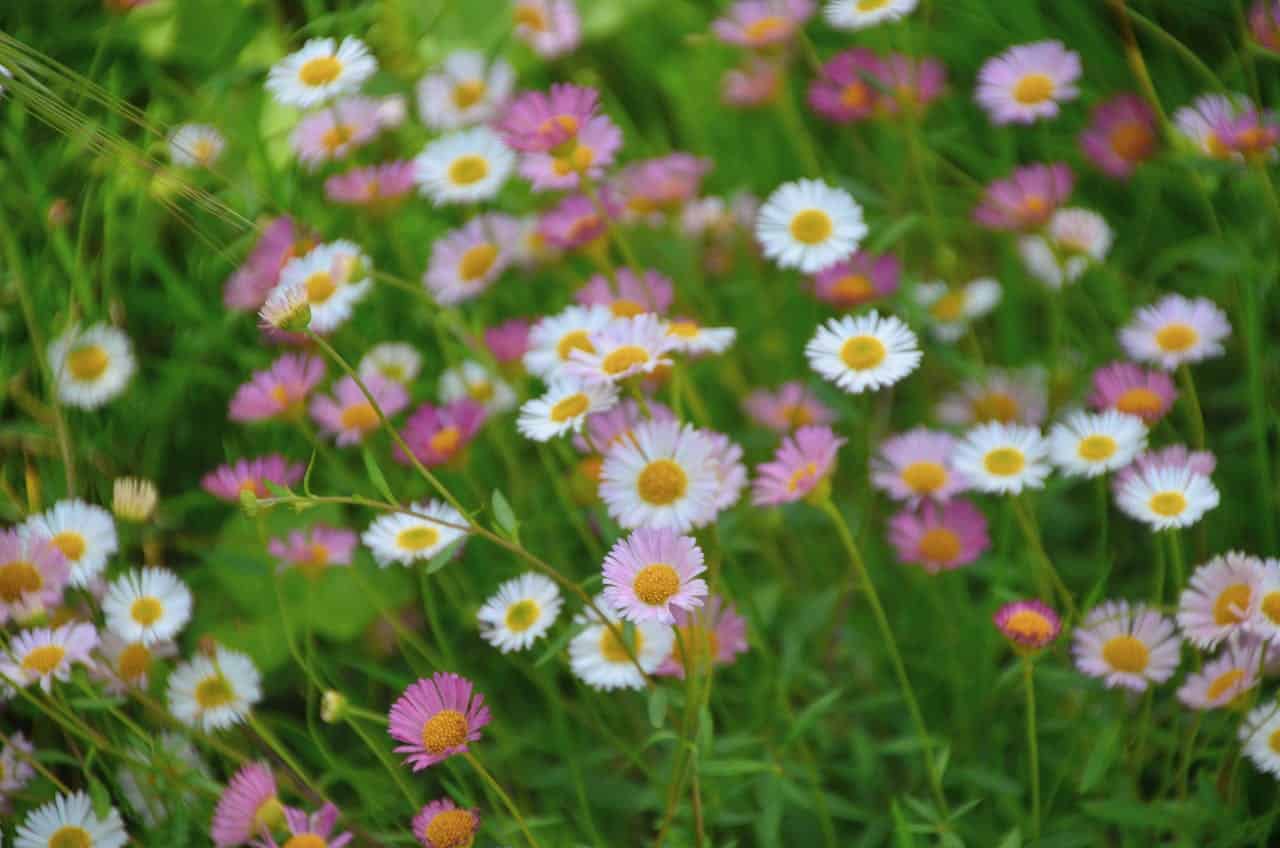
If you want a ground cover that spreads quickly and looks cheerful, Erigeron is a solid choice. It produces small daisy-like flowers for months and handles deer well.
This plant thrives in sunny spots and tolerates a variety of soils, making it easy to grow in many gardens. You can count on it to fill empty spaces without much fuss.
Catmint
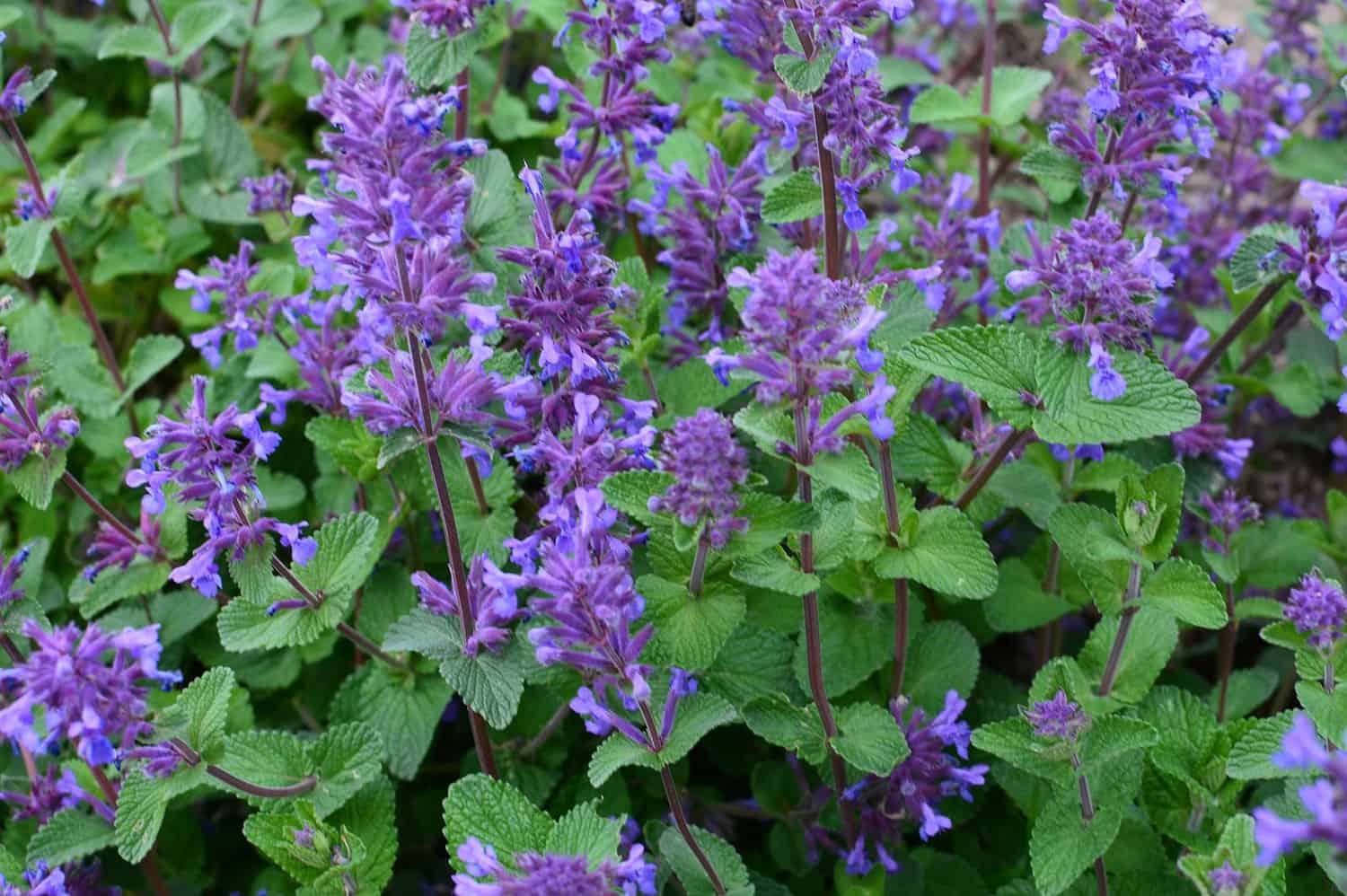
If you want a ground cover that spreads easily, catmint is a great choice. It grows in clumps but quickly spreads to fill in gaps around your garden.
You can use it to edge beds or let it spill over low walls for a relaxed look. It’s tough and handles both sun and some shade well.
Ice Plant
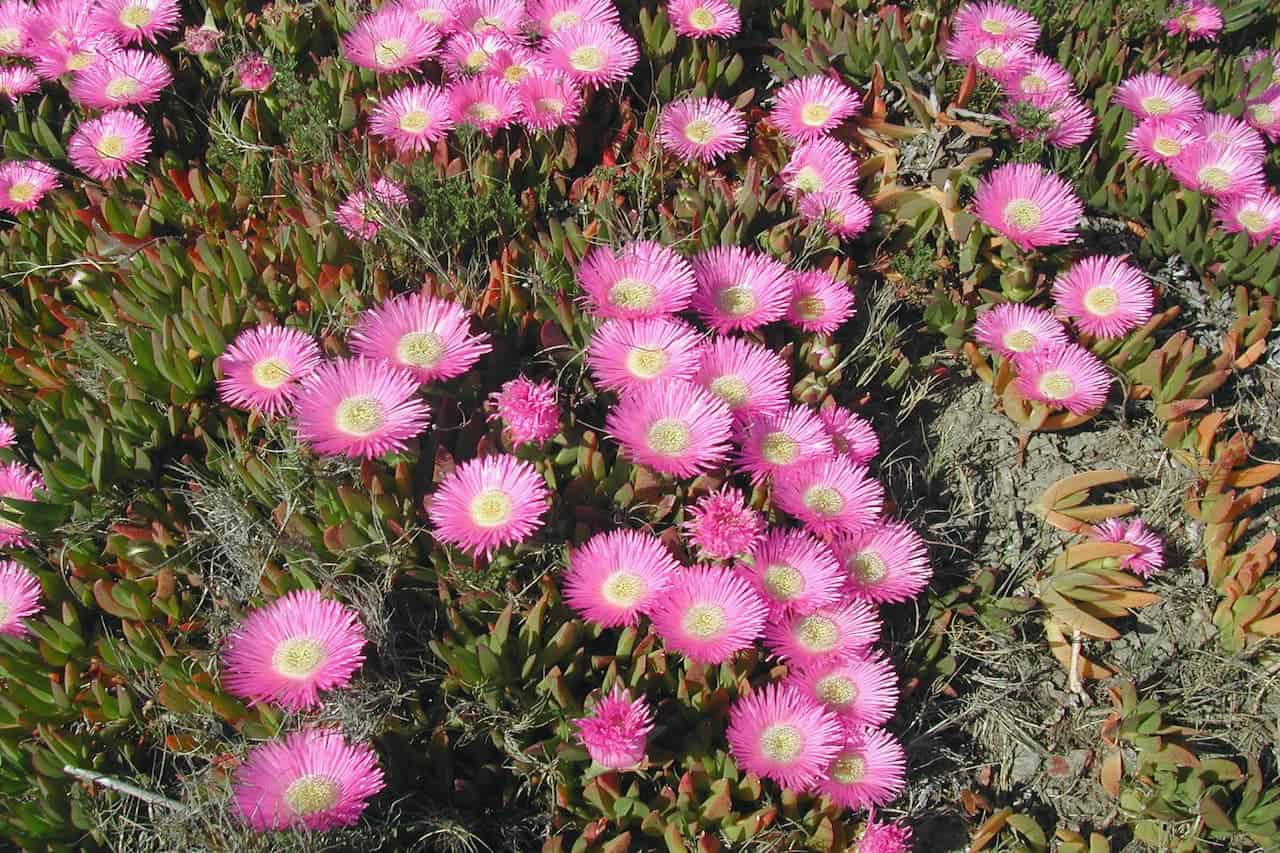
If you want a ground cover that spreads fast and looks bright, ice plant is a solid pick. It forms a low mat of succulent foliage that can cover about 2 feet wide, perfect for filling empty patches quickly. You’ll like how it handles sunny spots and needs very little maintenance.
Some types, like Delosperma brunnthaleri, do especially well in warmer climates. Plus, ice plants help suppress weeds while adding a splash of color to your garden. More details on fast-growing varieties can be found here.
Dichondra
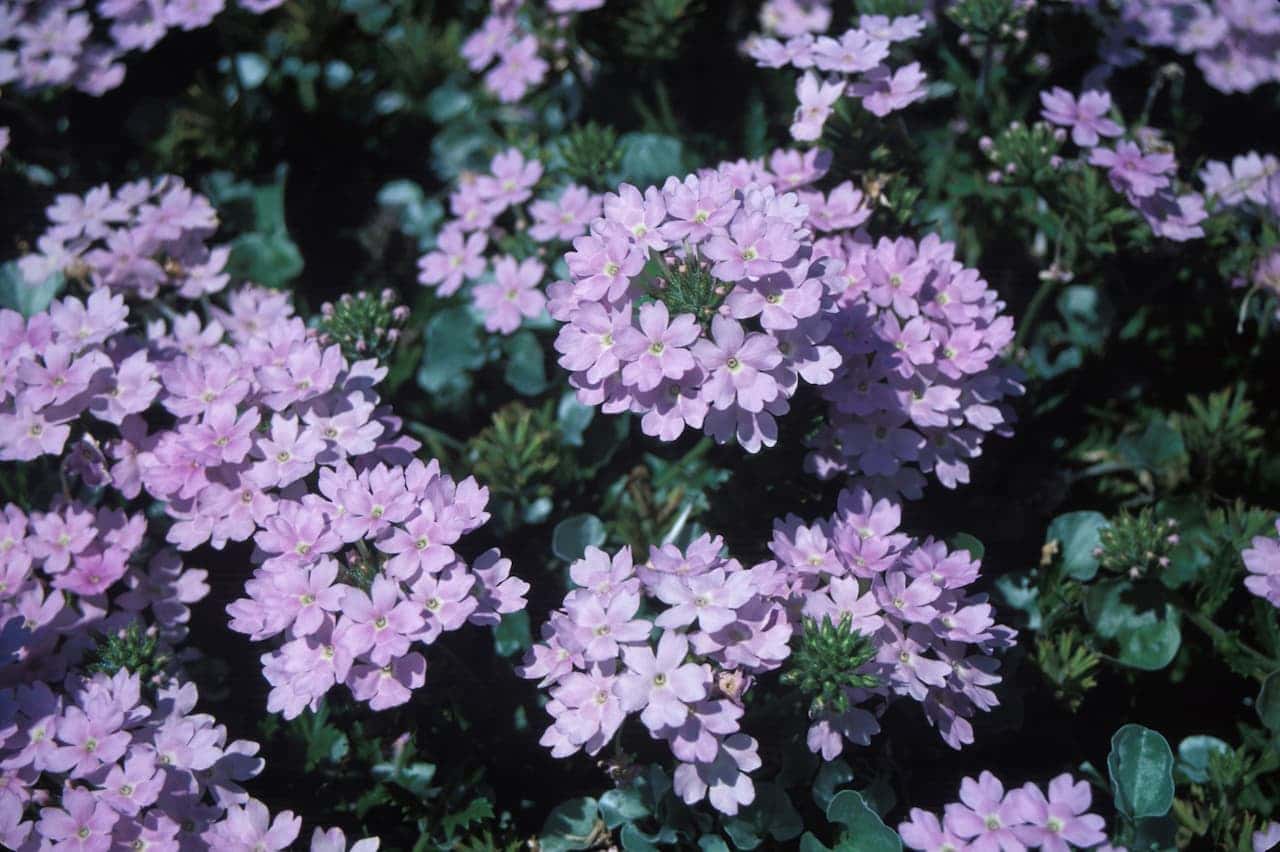
If you want a low-growing ground cover, dichondra is an easy choice. It only grows 2 to 3 inches tall and spreads fast to fill empty spots in your garden.
Dichondra handles heat well, making it great for warmer areas. You can grow it from seed, and it forms a nice, green carpet that’s low maintenance.
Ajuga (Bugleweed)
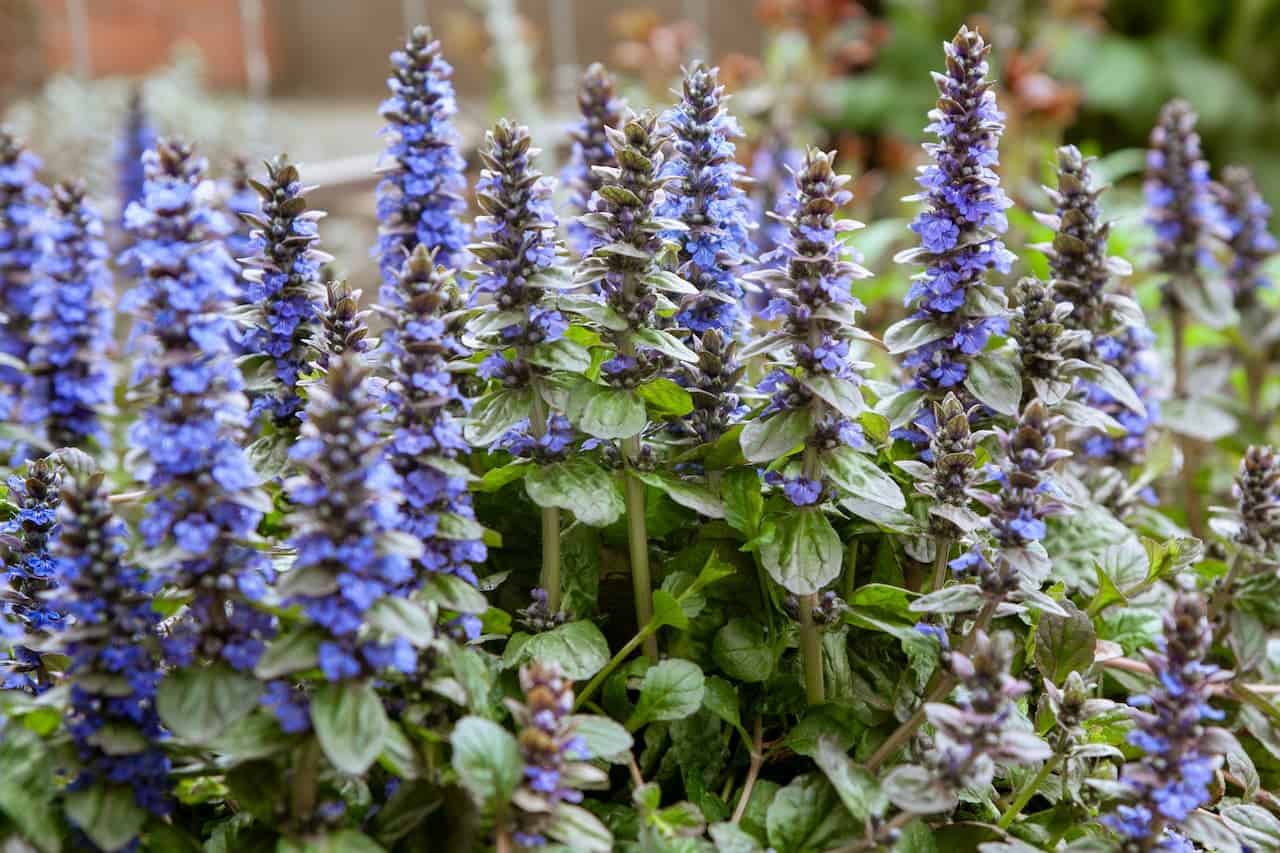
If you want a ground cover that spreads quickly with colorful leaves, Ajuga is a solid choice. It shoots runners across the soil to fill empty spots fast.
Ajuga works well in shady, slightly damp areas but can handle some sun too. It’s tough, low-maintenance, and even deer tend to leave it alone. You’ll also get attractive flower spikes that add some extra charm to your garden.
Sweet Woodruff
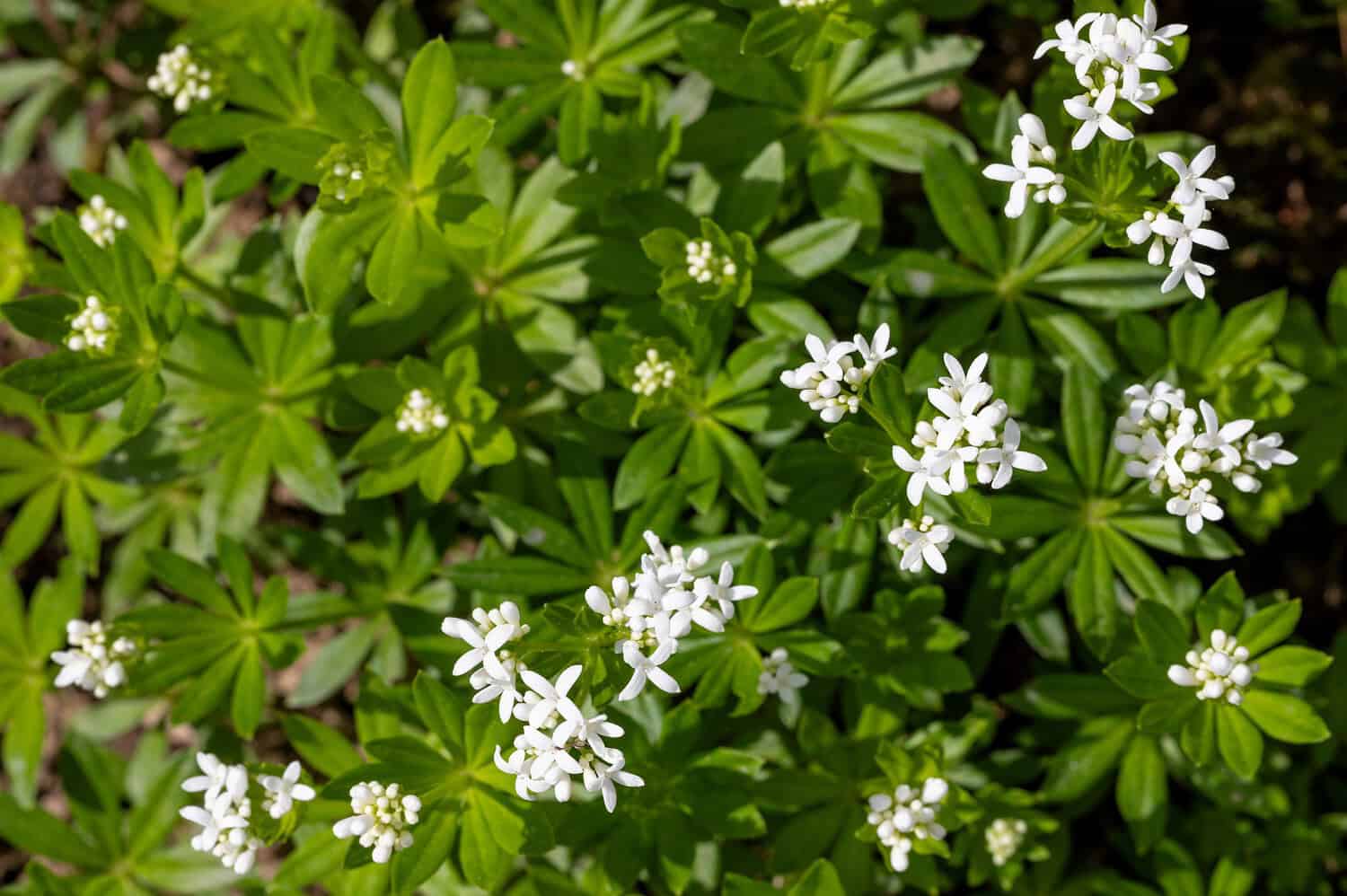
If you’re looking for a quick and easy shade-loving ground cover, sweet woodruff is a solid pick. It spreads fast and works well in tricky spots like under trees or in shady corners.
You’ll like that it fills gaps between stones or pavers nicely. Plus, it gives off a light, pleasant fragrance, making your garden smell fresh while covering bare spots.
Mazus
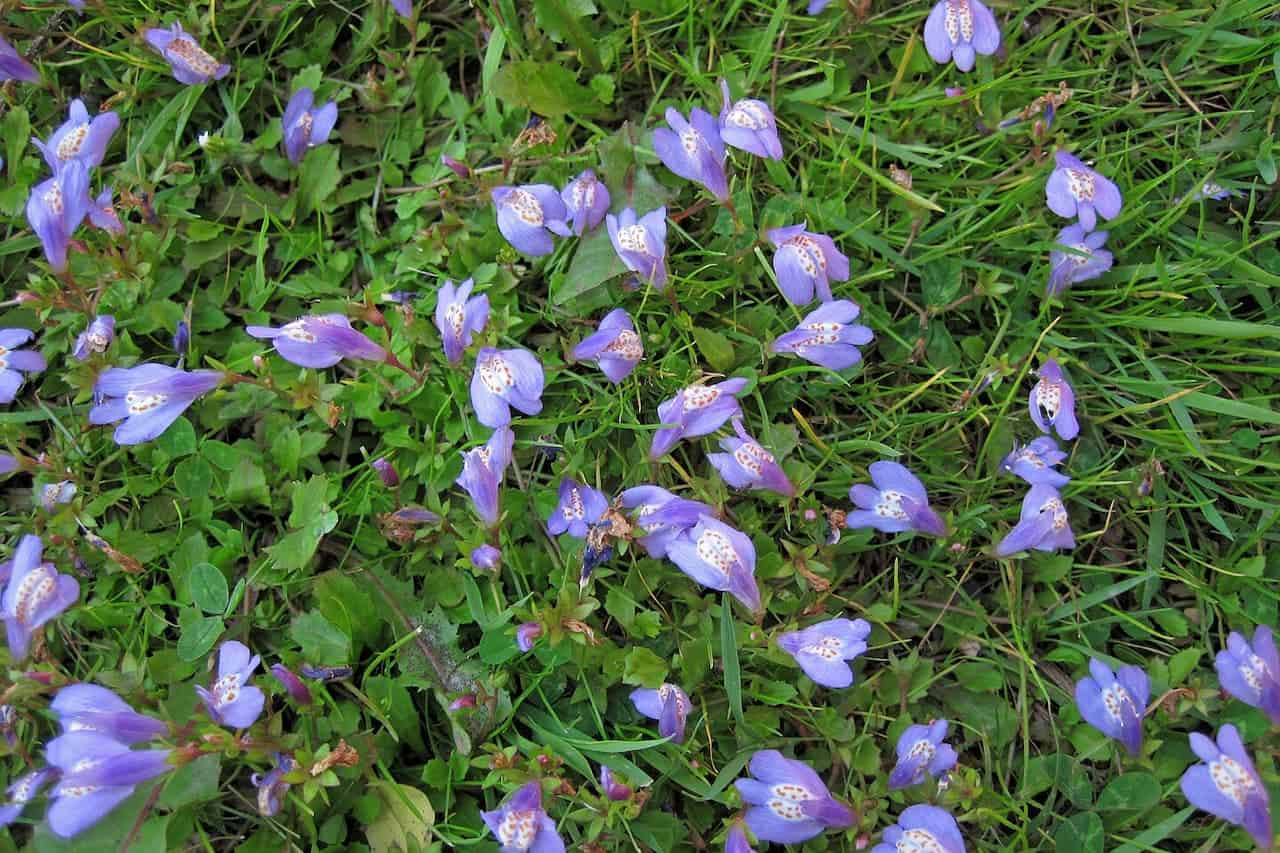
Mazus is a great choice if you want a low-growing ground cover that spreads quickly. It grows only about 2 inches tall and forms a dense carpet by rooting at its creeping stems.
You’ll like how fast it fills empty spaces without being invasive. It works well between stepping stones or under trees, adding small, colorful flowers throughout the growing season.
Lamium (Deadnettle)
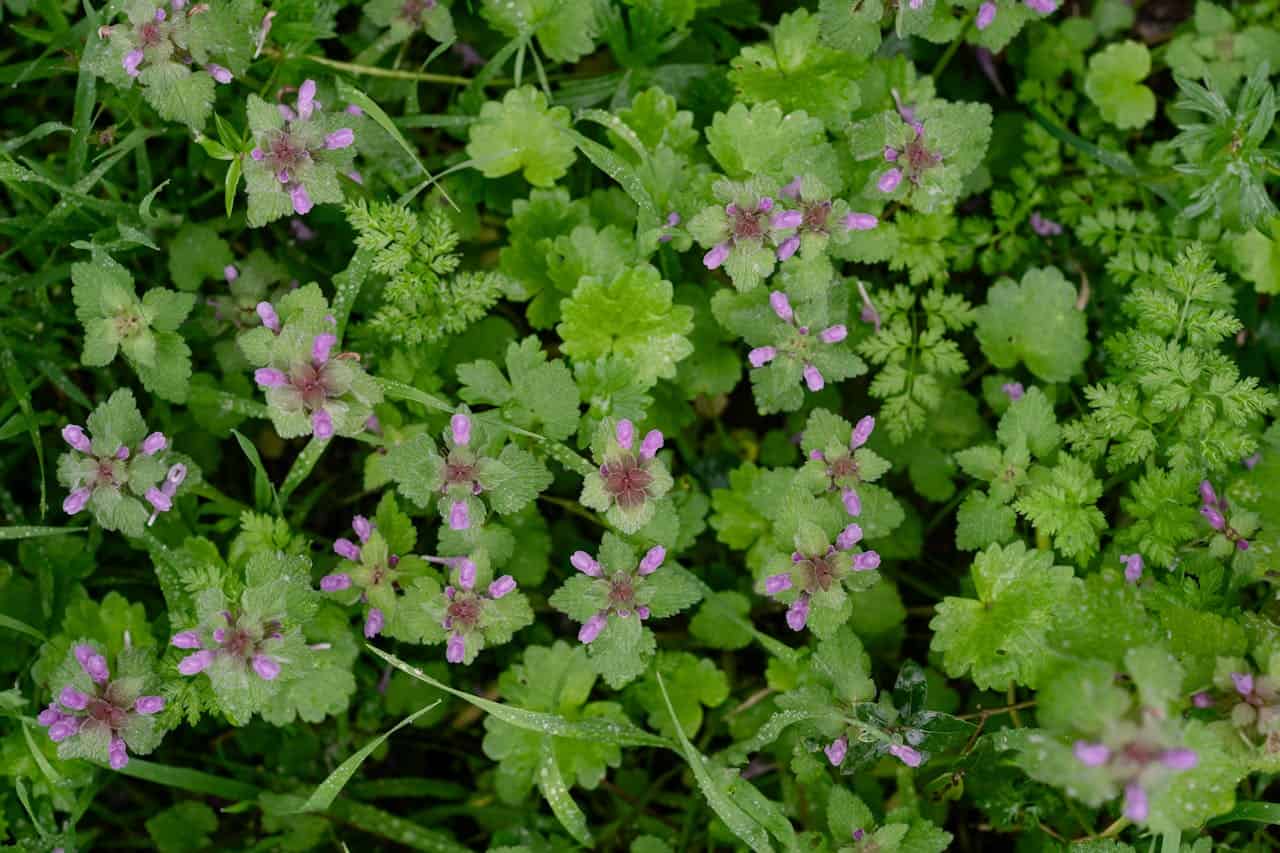
If you need quick coverage, Lamium, also called deadnettle, spreads fast and fills empty spaces in your garden. It’s great for shady spots and can handle dry soil better than too much moisture.
You’ll like the variegated leaves and flowers that bloom most of the summer. It’s low-maintenance and works well under trees.
Corsican Mint

If you want a low-growing ground cover that smells great, Corsican Mint is a solid choice. It spreads quickly in shady, moist spots and forms a dense, green carpet.
Its small leaves don’t crowd nearby plants, so your garden stays balanced. You can start it from seeds or small pots to fill empty spaces fast.
Sedum (Stonecrop)
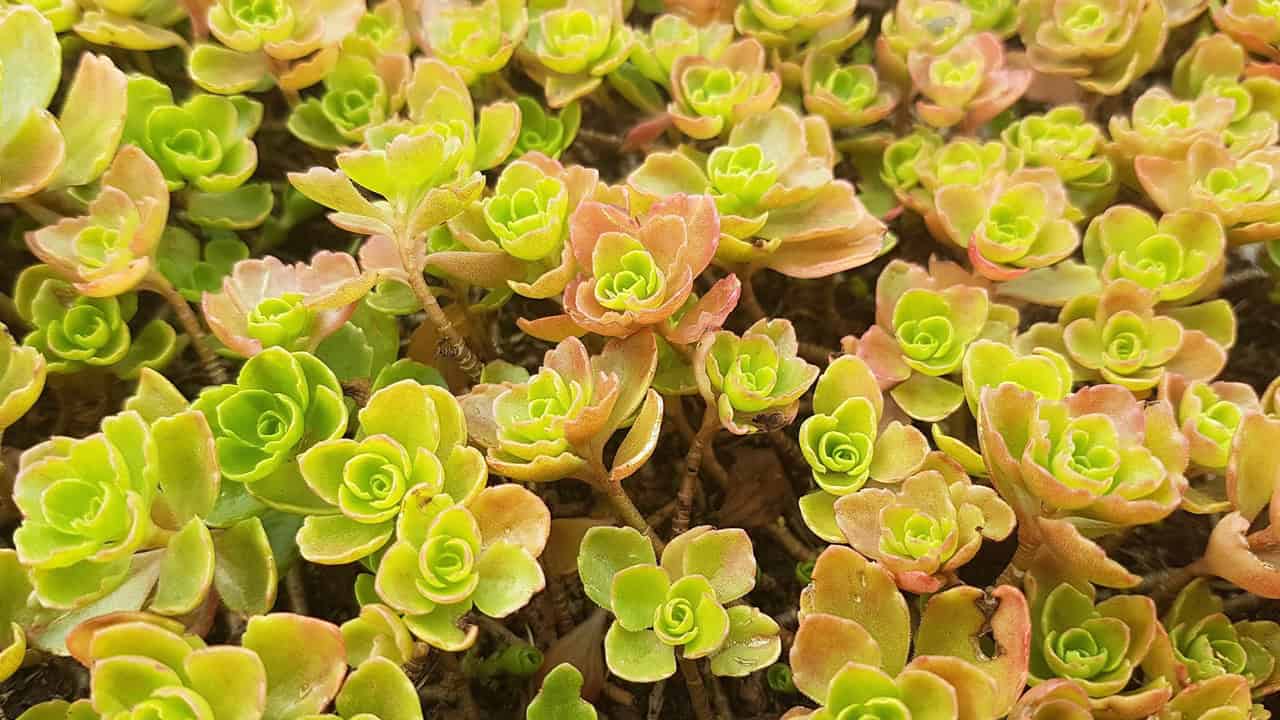
If you need a ground cover that spreads fast and fills empty spaces, sedum is a solid pick. These tough plants tolerate poor soil and drought, making them easy to care for.
You’ll find creeping sedum varieties that grow low, only a few inches tall, but spread wide. They also offer pretty flowers that attract pollinators to your garden.
Vinca Minor (Periwinkle)
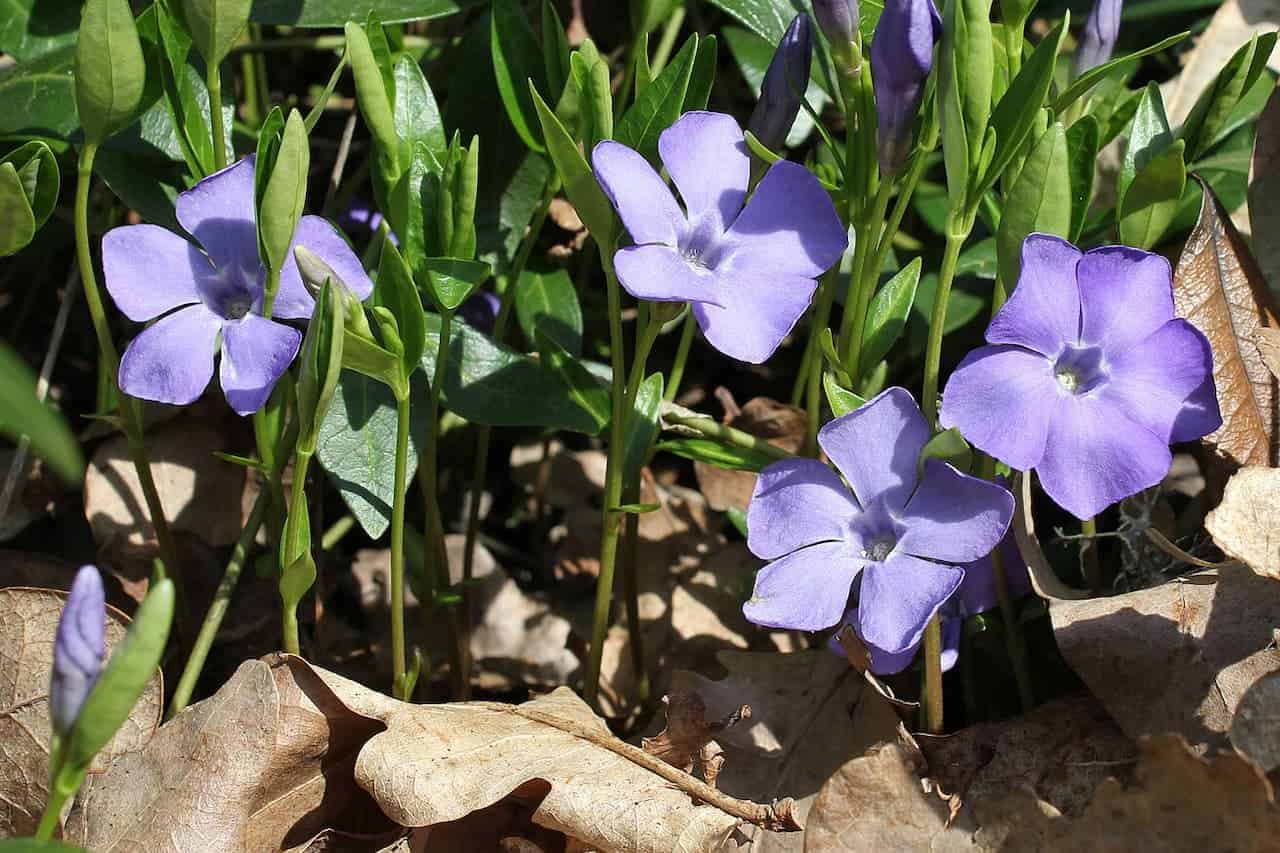
If you want a low-growing ground cover, Vinca Minor is a solid choice. It spreads quickly, filling empty spots with glossy leaves and small blue or purple flowers.
It’s great for shady areas and needs well-draining soil to thrive. Give each plant about a foot of space for faster coverage. You can even train it to climb walls or fences for added color.
Liriope (Lilyturf)
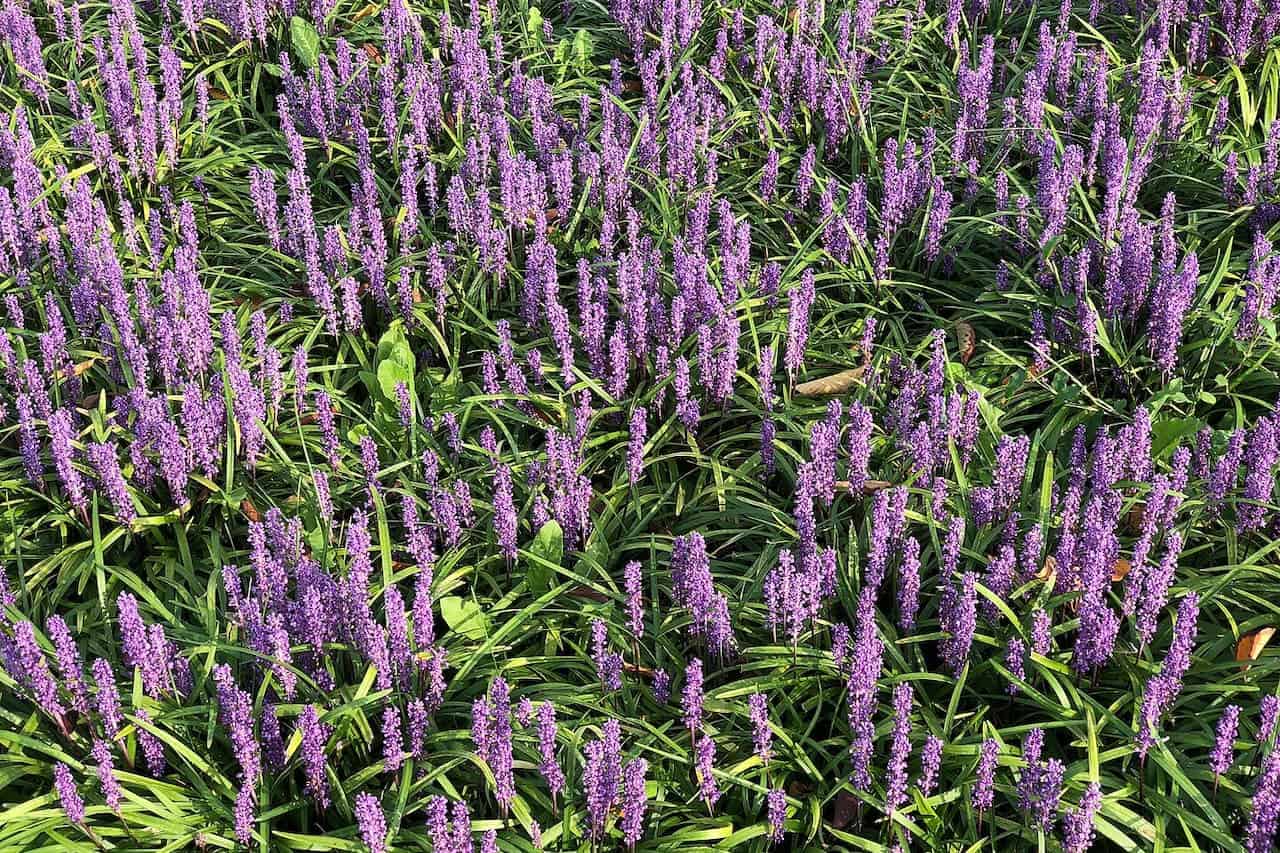
If you want a low-maintenance ground cover, liriope is a great pick. It spreads quickly and creates dense mats of grass-like leaves that fill empty spots fast.
You’ll find it works well in shady or partly sunny areas and does fine in various soil types. In late summer, it even adds tiny lavender or white flower spikes to your space.
Bugleweed
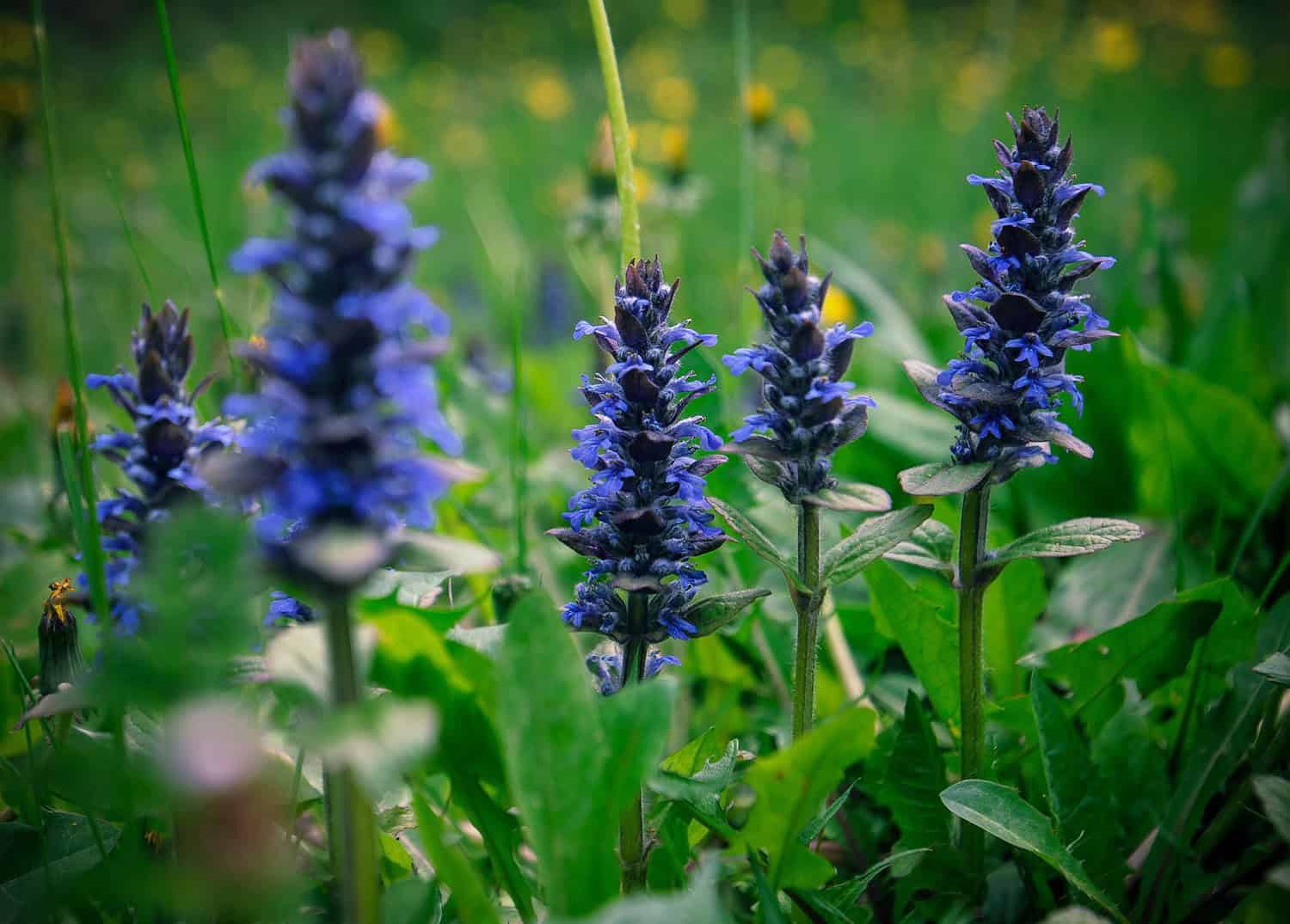
If you want a ground cover that spreads quickly, bugleweed is a solid choice. It grows low and shoots runners across the soil to fill in empty spots fast.
You can grow it in sun or shade, though it spreads best in shadier, slightly damp areas. It’s evergreen and can handle drought and deer, making it pretty low-maintenance for your garden.
Creeping Raspberry
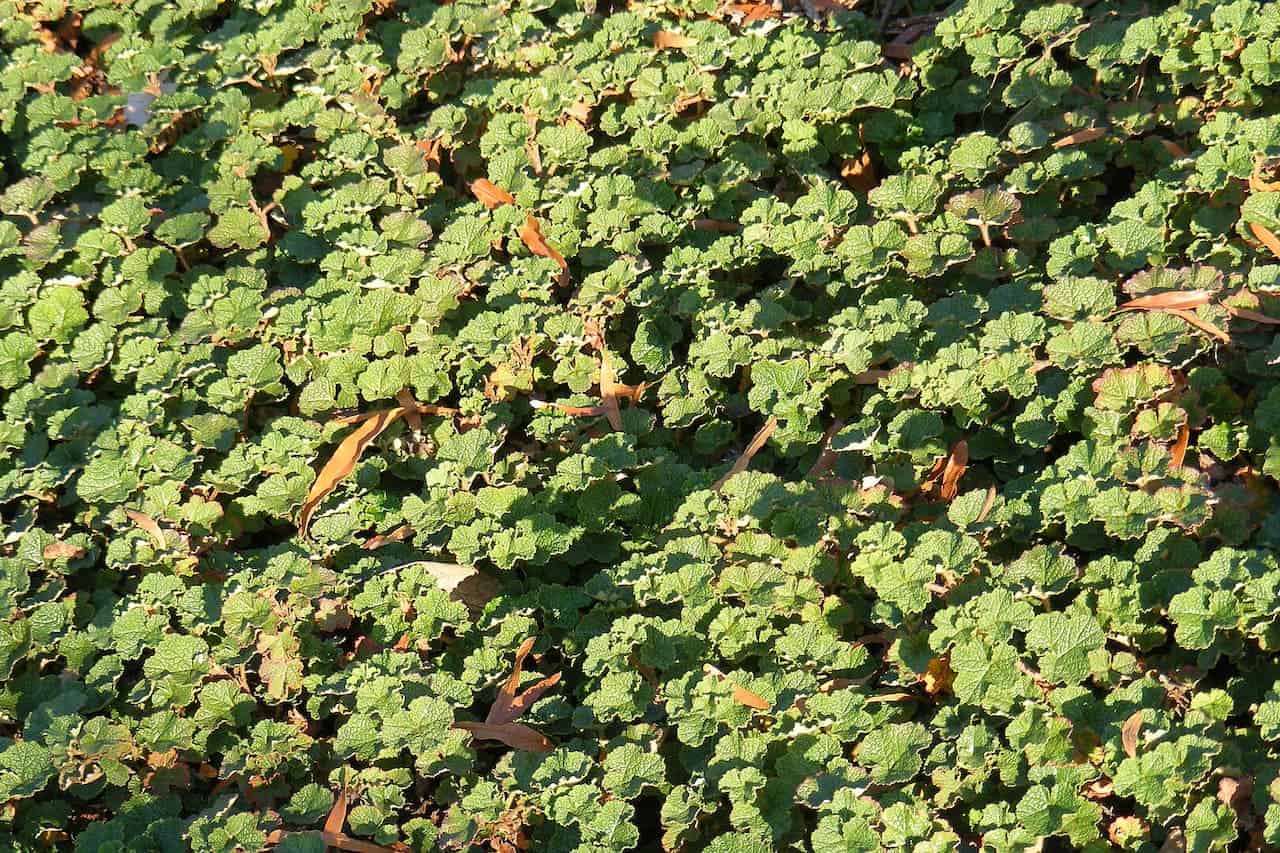
If you want a ground cover that spreads fast and handles tough spots, creeping raspberry is a solid pick. It grows well in both sunny and shady areas, making it versatile for your garden.
You’ll like its dark leaves and white summer flowers. Plus, it’s great at covering ditches or slopes and tolerates dry conditions.
Snow-in-Summer (Cerastium tomentosum)
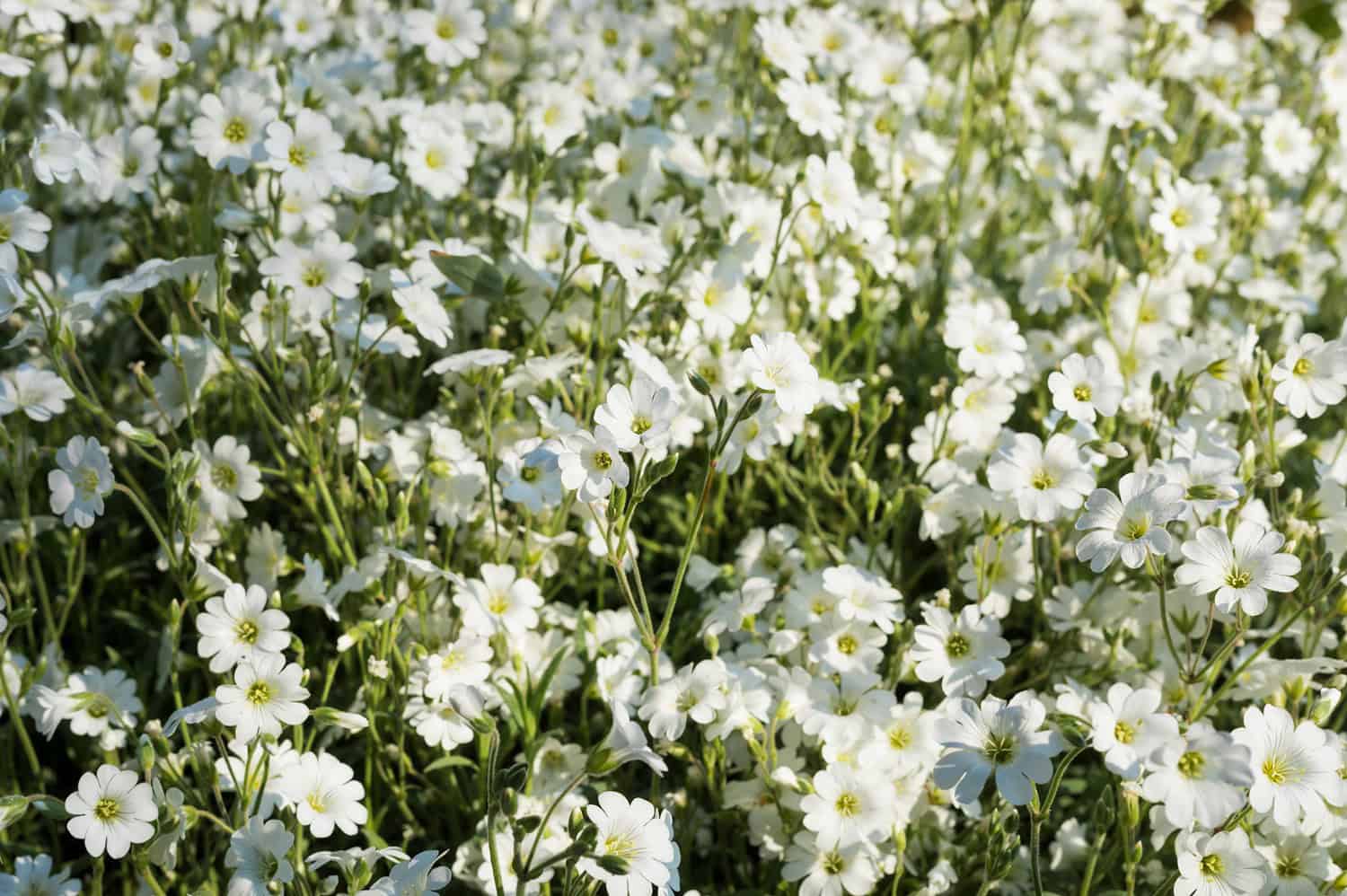
If you want a low-maintenance ground cover that fills empty spaces quickly, Snow-in-Summer is a solid pick. It creates a dense, silvery-green carpet with small white flowers that bloom in late spring.
You’ll like how it spreads without crowding other plants. Plus, it’s drought-tolerant and works well in sunny spots. Plant it in early spring or start seeds indoors to get a head start.
Blue Star Creeper (Isotoma fluviatilis)
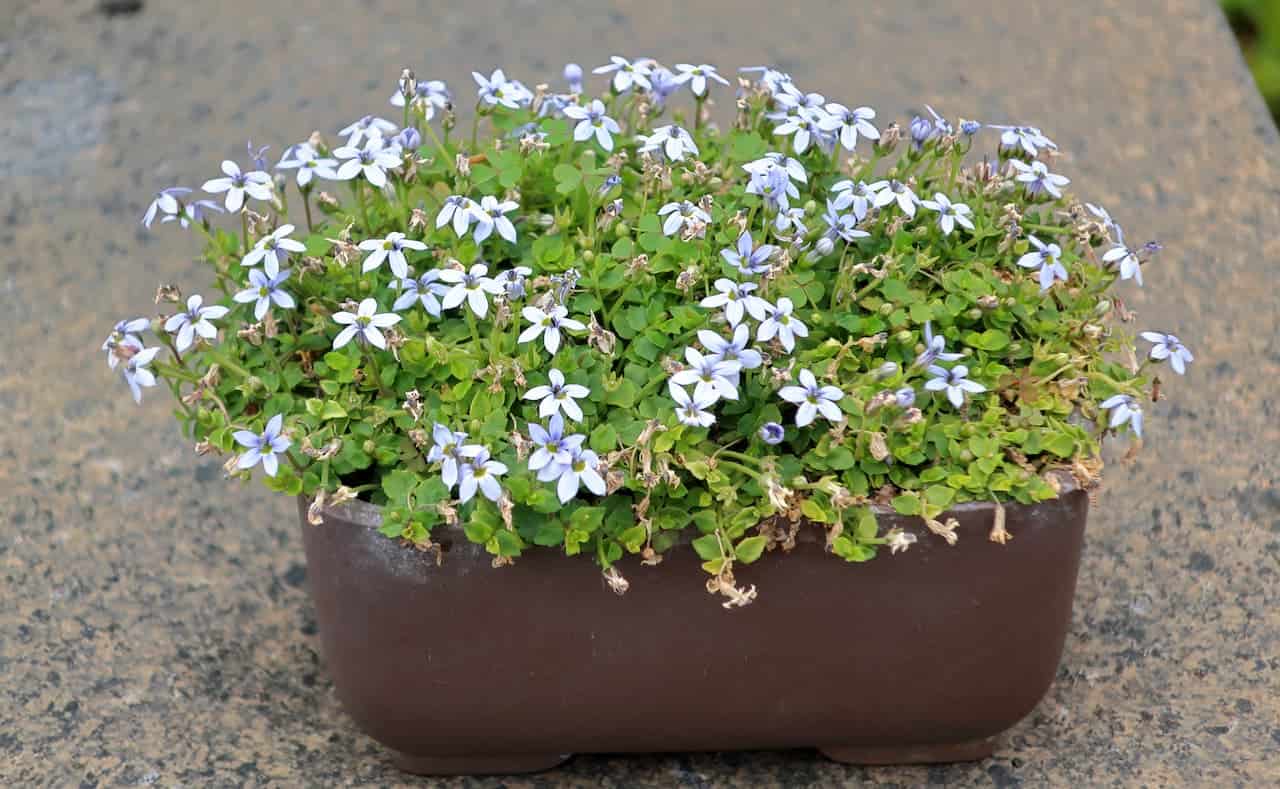
If you’re looking for a ground cover that spreads fast and adds a pop of color, Blue Star Creeper is a solid choice. It forms a dense, low green mat with tiny blue star-shaped flowers in summer.
This plant handles some foot traffic well, making it great for filling empty spaces or even as a lawn alternative. It grows best in full sun to partial shade.
Chamomile (Annual or Roman)
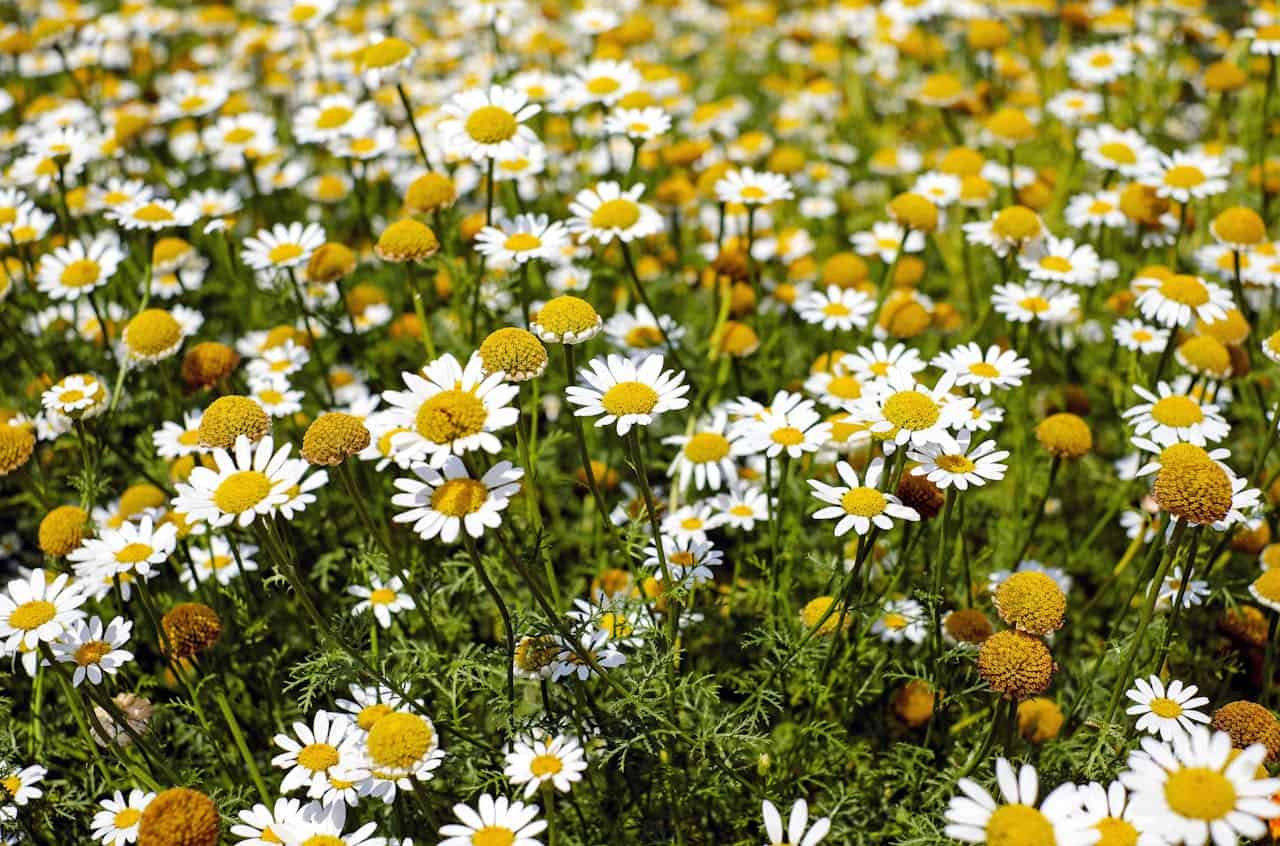
If you want a low-growing, fragrant ground cover, chamomile is a solid pick. Roman chamomile spreads by creeping stems and offers those cute daisy-like flowers in summer.
It’s easy to grow and works well in full sun. Plus, it feels soft underfoot, making it great for paths or open spots.
Bugloss (Anchusa)
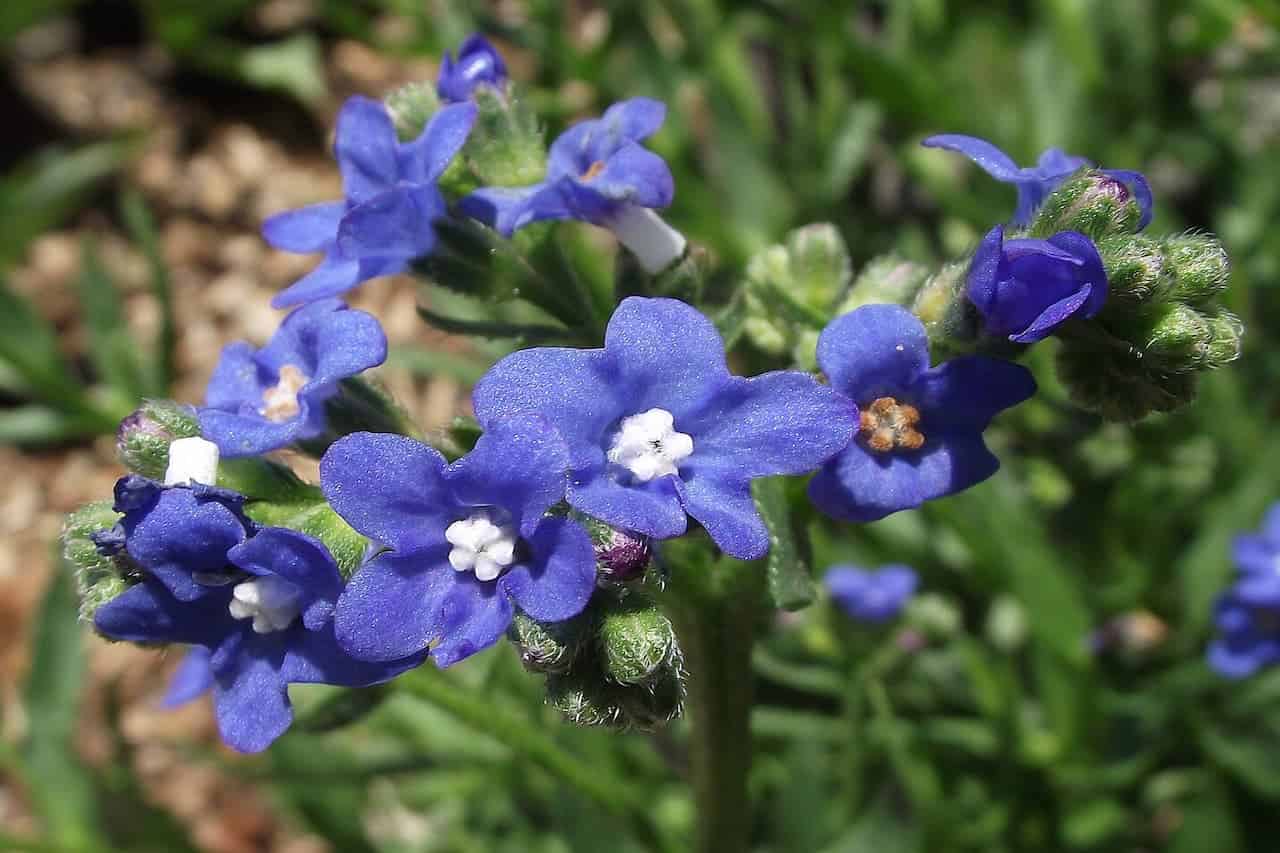
If you want a quick way to add color, bugloss is a good choice. It produces bright blue flowers that stand out in any garden.
You can grow it in full sun or partial shade, and it doesn’t need much fuss. It’s great for filling empty spots and borders with vivid, easy-care blooms. Bugloss spreads fast, so it’s perfect if you want ground cover that won’t keep you waiting.
Wild Strawberry (Fragaria vesca)
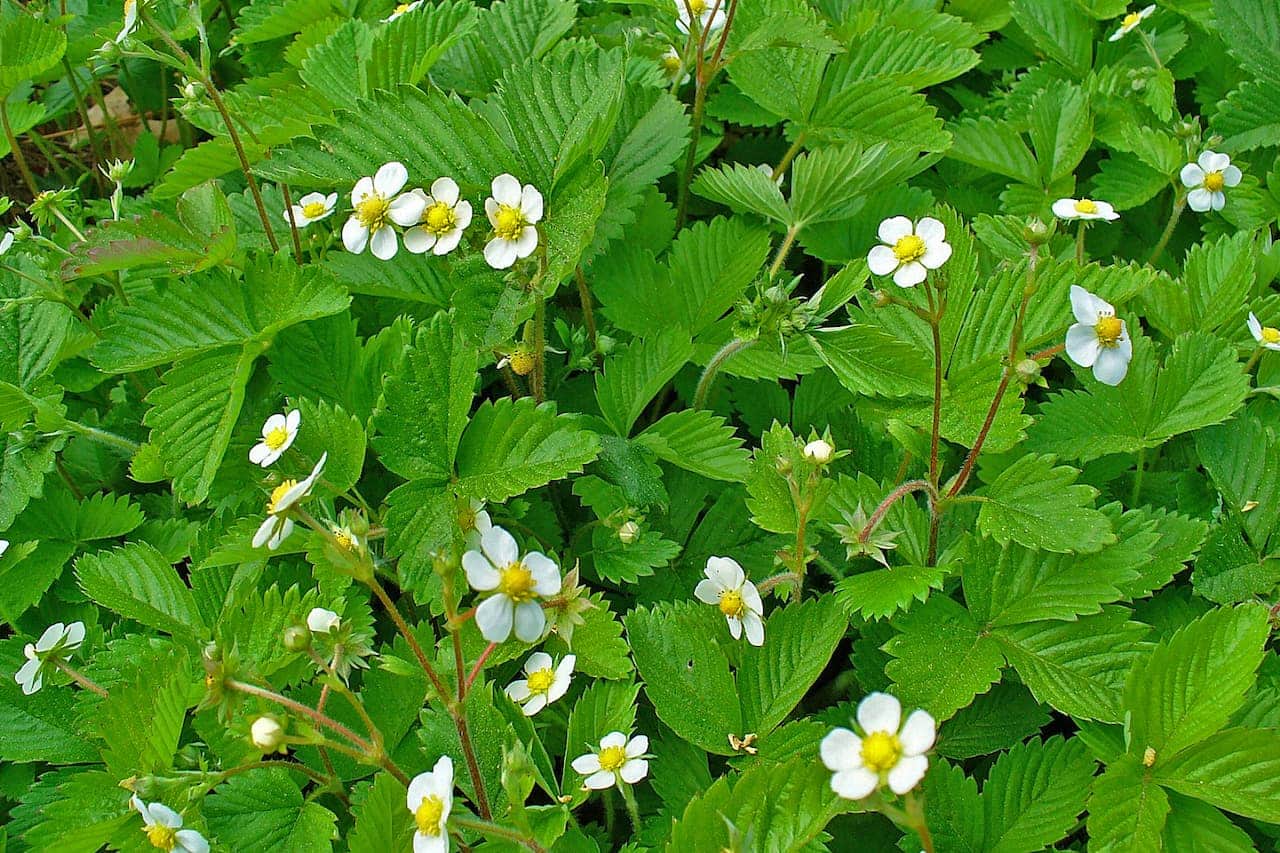
If you want a ground cover that spreads quickly, wild strawberry is a good pick. It sends out runners to fill empty spaces fast and adds a natural touch with tiny white flowers.
You can plant it in partly shady spots, like under trees, where it still thrives. Plus, you get small, edible berries as a bonus.
Mother of Thyme

If you want a ground cover that fills spaces quickly, Mother of Thyme is a good pick. It forms a dense mat that spreads fast, perfect for filling gaps between stones or garden borders.
This plant tolerates poor soil and loves full sun, making it low maintenance. Plus, its tiny flowers attract pollinators, adding some life to your garden.