
If you want your garden to burst with more blooms, knowing a few simple tricks can make a big difference. Growing vibrant flowers doesn’t have to be complicated or time-consuming.
These tricks will help you get the most flowers from your plants with less guesswork and more success. Whether you’re new to gardening or have some experience, these tips are designed to give your plants the extra care they need to thrive.
Cut back on nitrogen to encourage more blooms

If you want your flowers to bloom more, try reducing the nitrogen in your fertilizer. Nitrogen helps plants grow leaves and stems, but too much can mean fewer flowers.
As your plants start to bulk up before flowering, cut back on nitrogen. This shift encourages the plant to focus energy on blooms instead of foliage.
Deadhead spent flowers regularly

You should remove dead flowers from your plants to keep them looking fresh. Deadheading stops the plant from wasting energy on seed production.
When you deadhead, your plants will often produce more blooms. It’s a simple way to extend the flowering season and keep your garden lively.
Use bone meal for phosphorus boost

You can give your plants a slow-release source of phosphorus with bone meal. This nutrient helps develop strong roots and promotes healthy blooms.
Adding bone meal to your soil improves nutrient balance, which benefits flowering plants in particular. It’s especially useful if your soil is low in phosphorus. For best results, mix bone meal into the planting hole or topdress around established plants.
Plant in well-draining soil

You want your plants to avoid sitting in soggy soil. Well-draining soil helps prevent root rot and keeps your flowers healthy.
If your soil is heavy or clay-like, try mixing in organic matter like compost or shredded leaves to improve drainage. Some plants, like clethras, prefer wetter conditions, but most bloom better in soil that doesn’t hold too much water.
Mulch to retain moisture

Mulching helps keep the soil moist for longer, so you don’t have to water as often. It acts like a blanket, slowing down evaporation and protecting roots.
Before applying mulch, water your soil well. This way, the mulch seals in the moisture more effectively. Just be sure to pull it back from the base of plants in spring to let them grow faster.
Feed with a bloom-boosting fertilizer
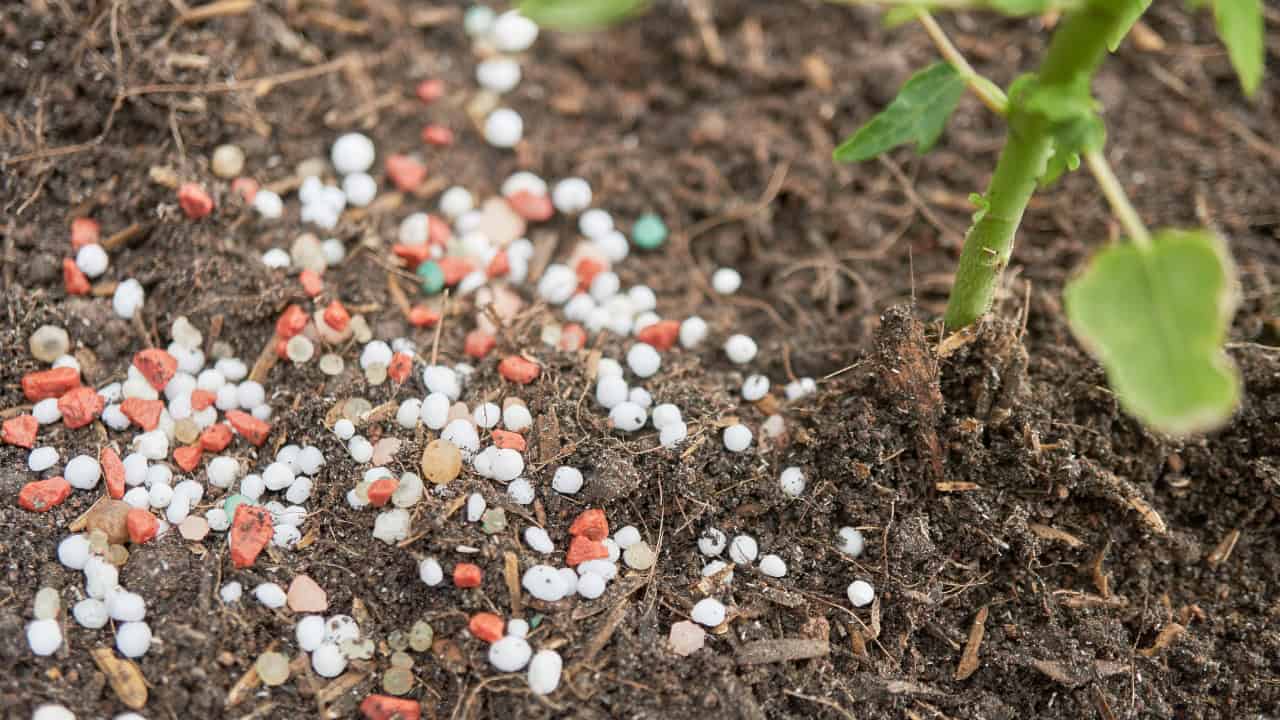
You can help your plants by using a fertilizer made to boost blooms. These usually have higher phosphorus to encourage flowers.
Be careful not to overdo it, as too much phosphorus won’t help and might harm your plants.
Choose full sun locations

If you want your flowers to really shine, pick spots that get at least six to eight hours of direct sunlight daily. Most bloomers need plenty of sun to produce vibrant, healthy flowers.
Pay attention to plant tags—they’ll tell you if your chosen flowers prefer full sun or part shade. Placing them correctly saves you time and helps your garden thrive.
Water deeply but less frequently

You want to soak your soil well, not just wet the surface. Deep watering encourages roots to grow down, making your plants stronger and better at finding moisture.
Try watering slowly so the water soaks in instead of running off. This helps the roots get the water they need without wasting any. Focus on watering at the base of your plants to avoid wet leaves, which can invite diseases.
Use companion planting like marigolds

You can boost blooms by planting marigolds near your flowers and vegetables. Marigolds attract pollinators like bees and butterflies, which helps your plants get pollinated.
They also bring in helpful insects like ladybugs that eat pests. Using marigolds as companion plants creates a natural pest barrier without chemicals, making your garden healthier and more vibrant.
Prune plants to shape and stimulate growth

When you prune your plants, you help them grow stronger and fuller. Cutting back old or crowded branches lets new shoots come through.
Pruning also shapes your plant, keeping it neat and encouraging more blooms.
Use Epsom salts for magnesium

If your plants look a little dull or aren’t blooming as much, Epsom salts can help. They provide magnesium, which helps with greener leaves and bigger blooms.
Mix about a tablespoon of Epsom salts in a gallon of water. Spray it on your plants every few weeks during their growing season for a boost. Just don’t go overboard, as too much can raise soil salinity and cause problems.
Avoid over-fertilizing with high nitrogen
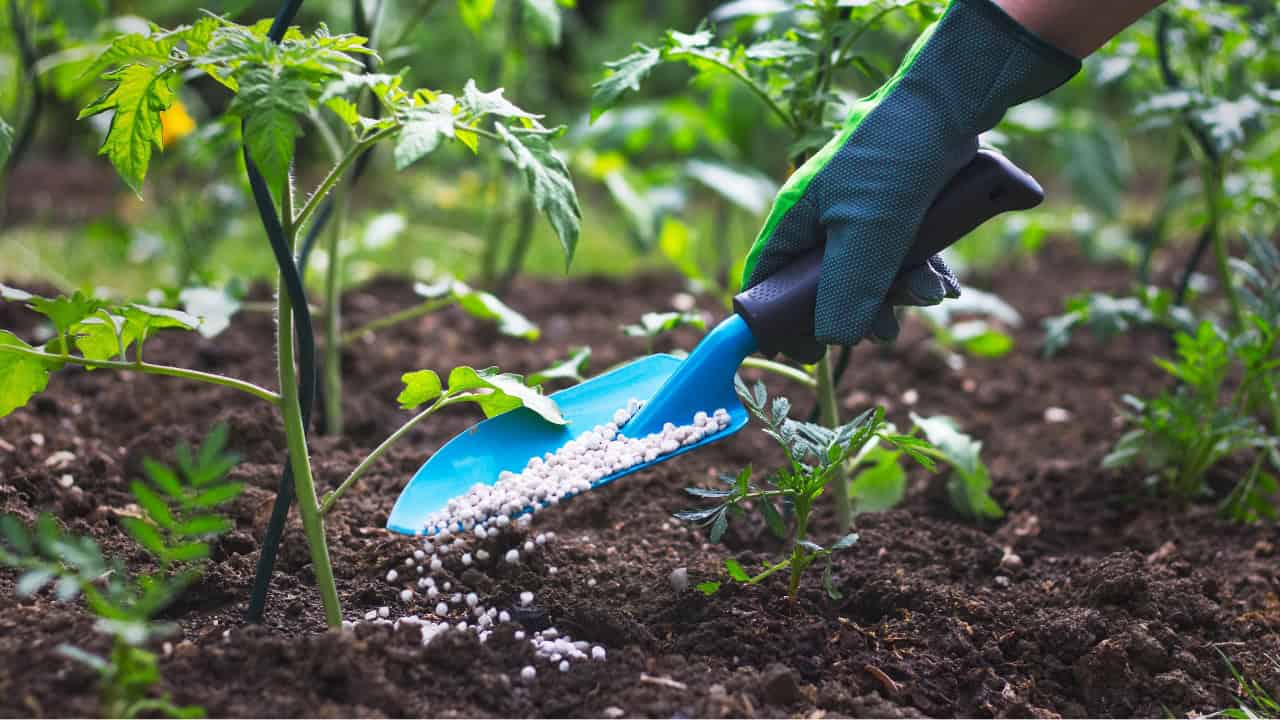
You might think feeding plants a lot of nitrogen will make them grow faster, but too much can actually harm your blooms. High nitrogen encourages leafy growth instead of flowers, which is the last thing you want when boosting blooms.
Be careful with fertilizer amounts and choose one balanced for blooming plants. If you suspect over-fertilizing, water your soil well to help dilute excess nutrients and avoid burning your plants.

