As any experienced gardener will tell you, growing your own fruit plants can be a rewarding and fulfilling hobby. You get to enjoy fresh fruits straight from your garden, and the plants themselves can be quite beautiful. But, like any living thing, fruit plants can run into trouble. If not treated promptly, these problems can spell disaster for your fruit harvest.
That’s why it’s crucial to recognize the signs that your fruit plants are in trouble, so you can take action before it’s too late. Here are 18 signs that your fruit plants are doomed:
Advertisement
1. Yellowing Leaves
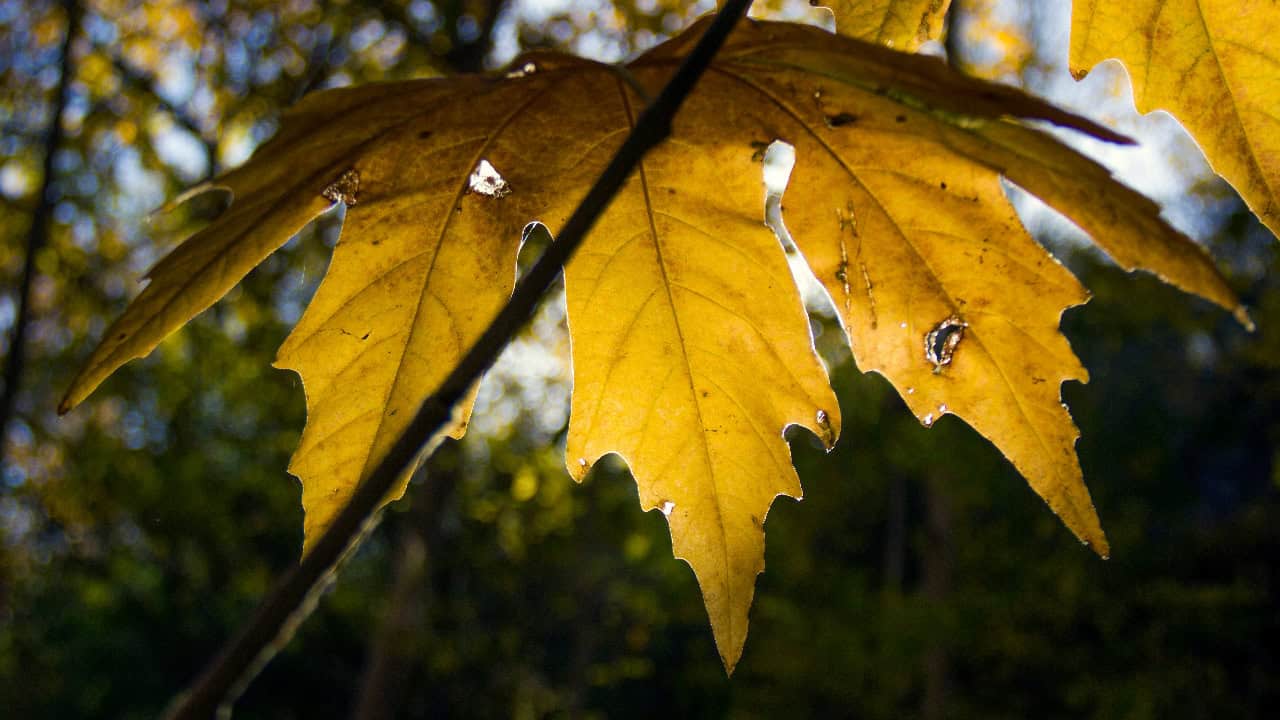
One of the most common signs of plant distress is yellowing leaves. This can be caused by a number of factors, including overwatering, poor drainage, nutrient deficiencies, or disease. If the yellowing leaves are accompanied by wilting, this could be a sign of a more serious problem.
For example, citrus plants suffering from Citrus Greening Disease will have yellow leaves and the fruit will be misshapen and bitter. In this case, the plant is infected by a bacteria spread by an insect called the Asian citrus psyllid. Unfortunately, there is no cure for this disease and infected plants should be removed to prevent spread to other citrus plants.
2. Spots or Blotches on Leaves or Fruit
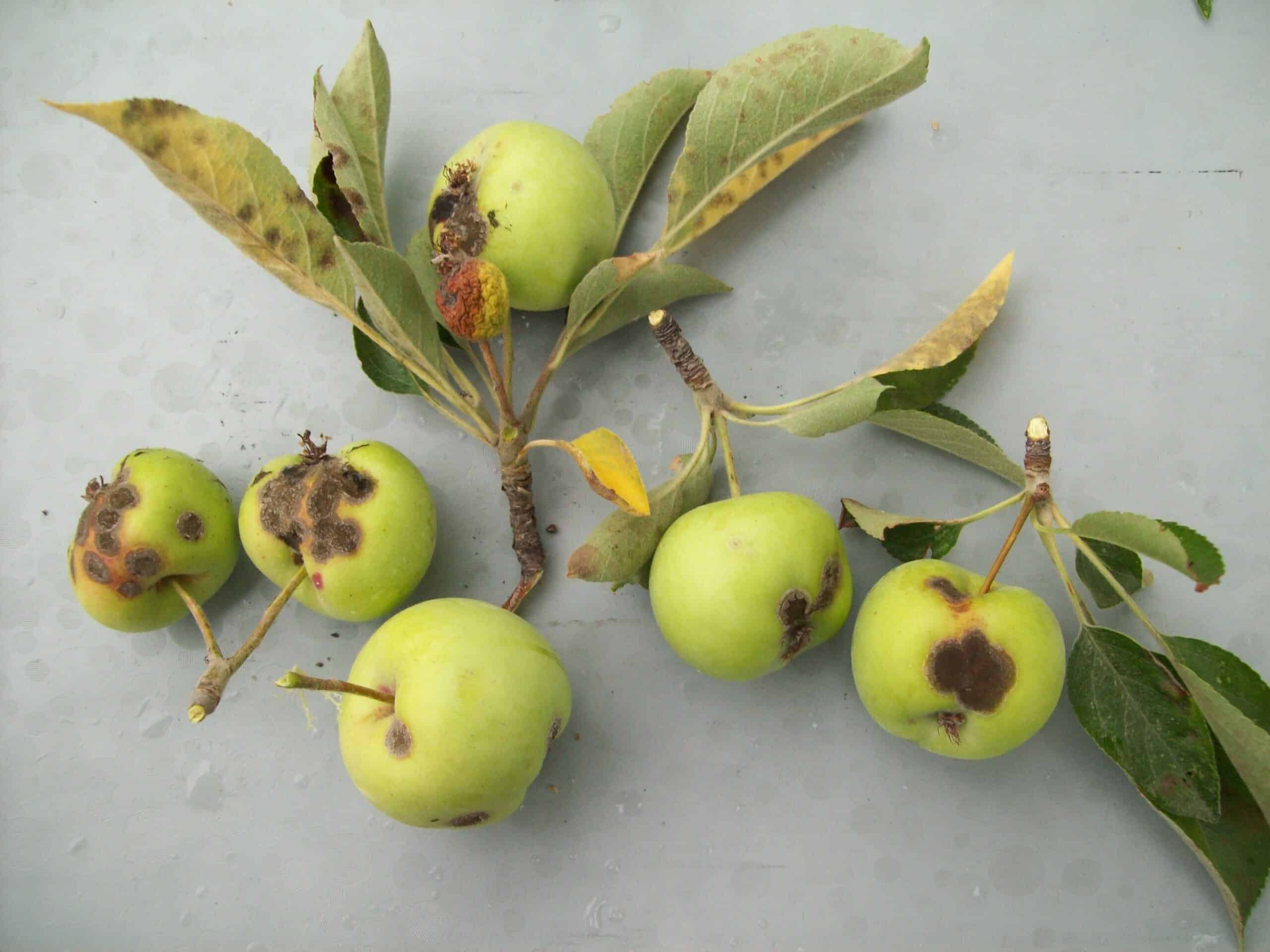
Spots or blotches on your fruit plants’ leaves or fruit can be an indicator of a fungal or bacterial infection. These can spread quickly and kill your plants if not treated promptly. Some common culprits include apple scab, peach leaf curl, or bacterial canker in cherries.
Apple scab, for example, is caused by a fungus and starts as olive-green spots on the leaves, which then turn black. The fruit will also have scaly, scab-like lesions. To prevent this, make sure to clean up fallen leaves and fruit, and consider using a fungicide in the early spring.
3. Wilting

Wilting is another sign that your fruit plants are in trouble. This could be due to a lack of water, but it could also be a sign of a disease or pest problem. For example, wilt in tomatoes can be caused by the fungal diseases Fusarium wilt or Verticillium wilt.
Both of these diseases cause the plant to wilt and yellow, and eventually die. There’s no cure once a plant is infected, so prevention is key. Rotate your crops to prevent these diseases, and make sure to dispose of infected plants away from your garden.
4. Poor Fruit Set

If your fruit plants are flowering, but not producing much fruit, this could be a sign that they’re not getting enough pollination. This could be due to a lack of pollinators like bees or butterflies, or it could be due to poor weather conditions.
For example, if you’re growing cucumbers and you notice that the female flowers (those with a small cucumber behind the flower) are dropping off without producing fruit, this could be due to a lack of pollination. To remedy this, you can try hand-pollinating the flowers, or consider planting flowers nearby to attract more pollinators.
5. Chewed Leaves or Fruit

Chewed leaves or fruit is a sure sign that pests are enjoying your fruit plants. From birds to insects to rodents, there are many creatures that can cause damage to your plants. Identifying the culprit is the first step to finding a solution.
For example, if you find that your apples are being chewed on, it could be due to apple maggot flies. These pests lay their eggs in the fruit, and the larvae then feed on the inside of the apple. To control these pests, consider using apple maggot traps, which lure in and trap the adult flies.
6. Leaf Curling
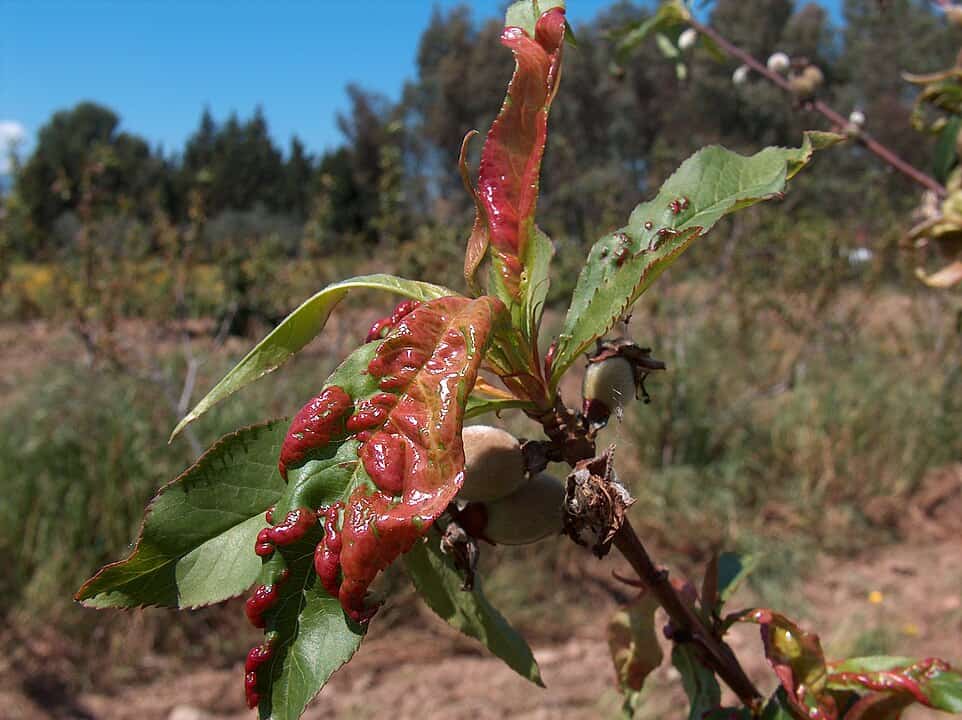
Leaf curling can be a sign of several problems, from pest infestations to disease to environmental stress. Aphids, for example, can cause leaves to curl and become discolored. They also produce a sticky substance called honeydew, which can attract other pests.
If you suspect aphids, check the undersides of your leaves for these tiny pests. They can be controlled with insecticidal soap or by attracting beneficial insects like ladybugs to your garden.
7. Stunted Growth
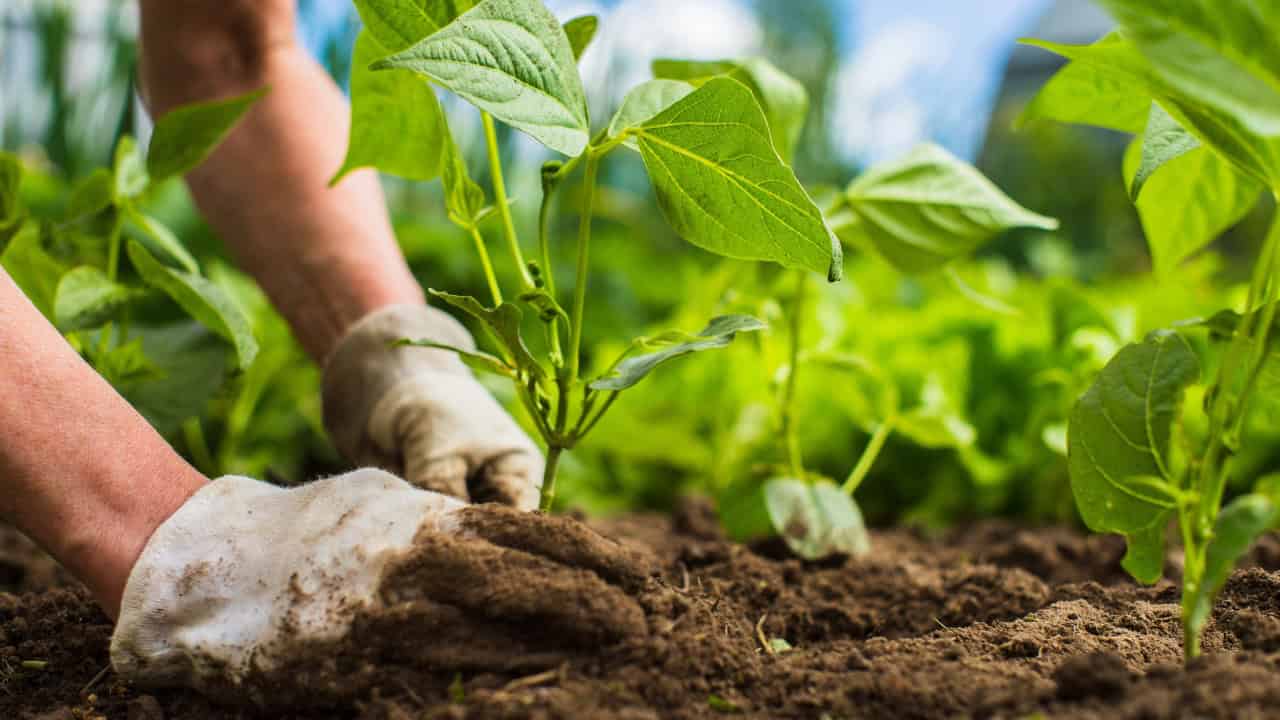
If your fruit plants are not growing as quickly or as large as they should, this could be a sign that they are not getting enough nutrients. This could be due to poor soil, insufficient watering, or a lack of sunlight.
You can test your soil to see if it’s lacking in any essential nutrients. If it is, consider adding a fertilizer that’s specifically designed for fruit plants. Also, make sure that your plants are getting enough water and sunlight.
8. Root Rot
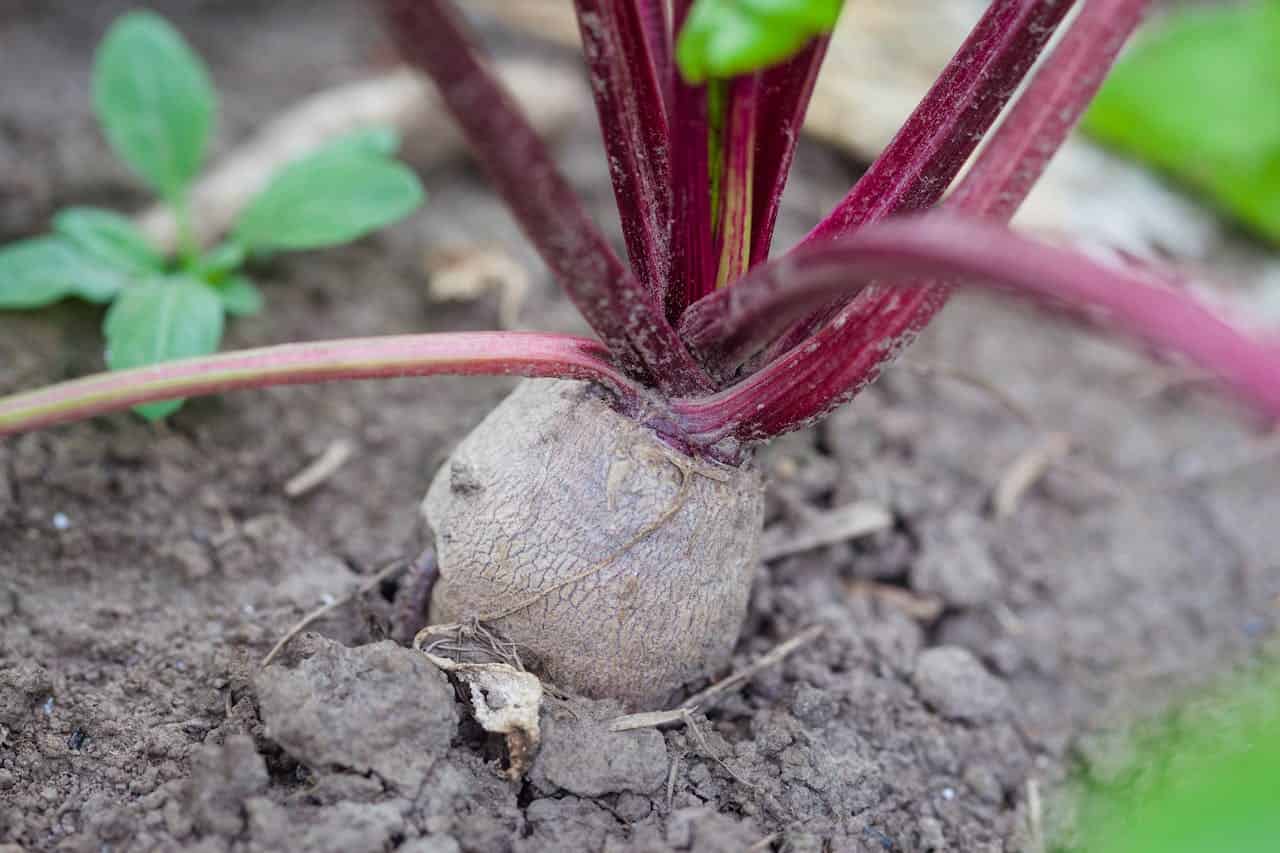
Root rot is a serious problem that can quickly kill your fruit plants. It’s caused by a fungus that thrives in overly wet conditions, and it causes the roots of the plant to decay.
If you notice that your plants are wilting, even though they’re getting plenty of water, root rot could be the culprit. To prevent this, make sure your plants have good drainage and don’t overwater them. If a plant is already infected, it’s best to remove it to prevent the fungus from spreading.
9. Cracked or Split Fruit
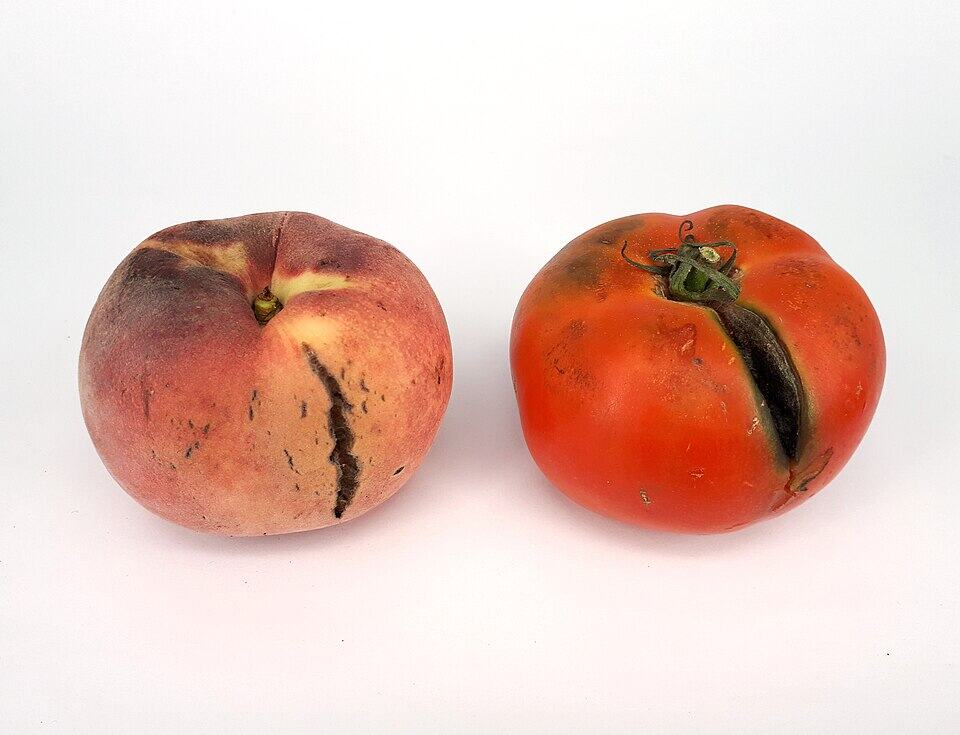
Cracked or split fruit can be a sign of inconsistent watering. When the plant gets too much water after a dry spell, the fruit can swell quickly and crack. This can also make the fruit more susceptible to disease and pests.
To prevent this, try to water your plants consistently, especially during dry spells. If you have a drip irrigation system, this can be a great way to ensure your plants get the right amount of water.
10. Powdery Mildew
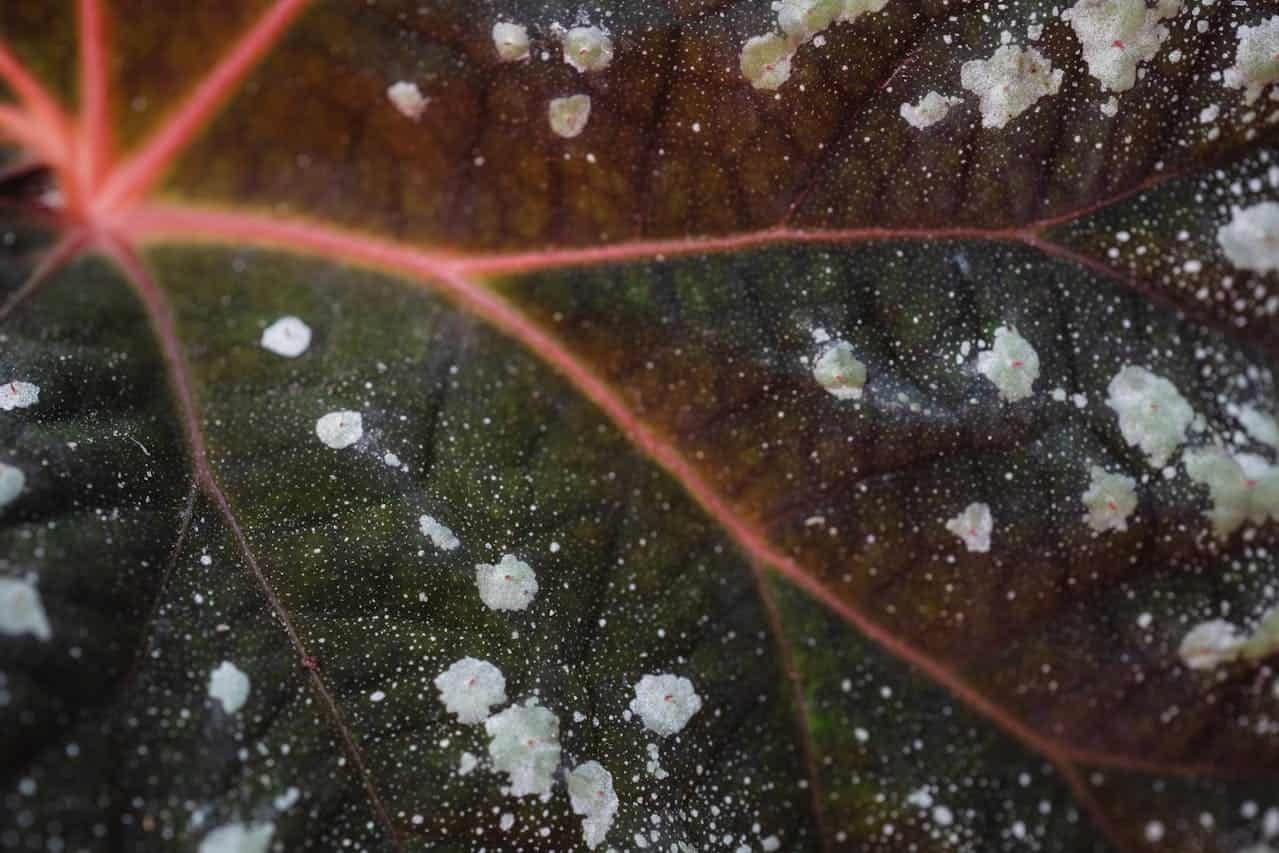
Powdery mildew is a common fungal disease that can affect a wide variety of plants, including fruit plants. It appears as a white, powdery substance on the leaves and stems of the plant. Not only does it look unattractive, but it can also stunt the plant’s growth and reduce fruit production.
To control powdery mildew, remove and dispose of infected leaves, increase air circulation around your plants, and consider using a fungicide.
11. Fruit Drop
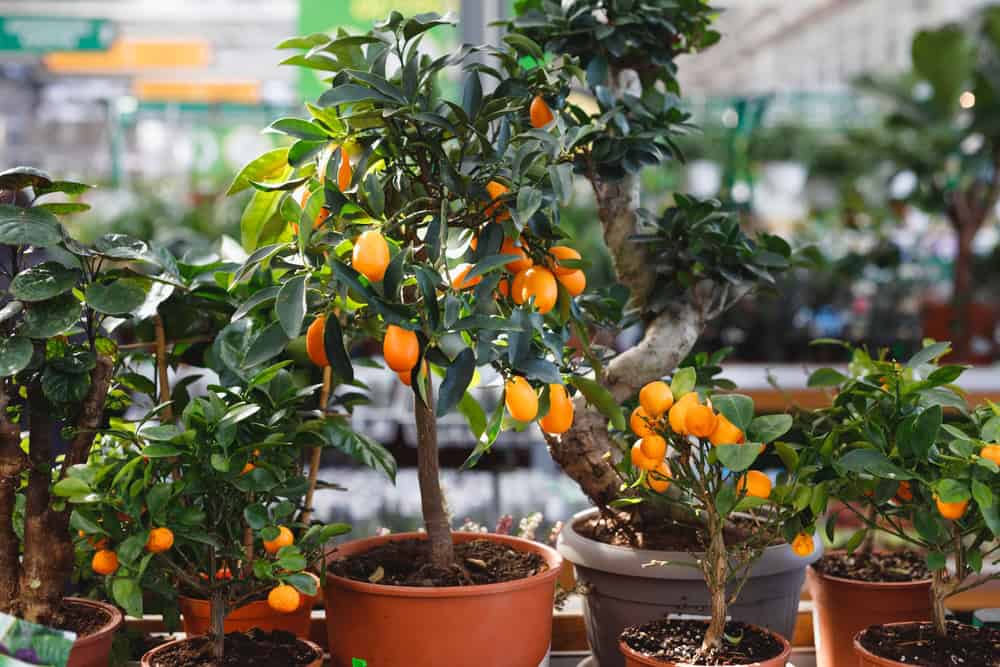
Fruit drop, or the premature dropping of fruit before it’s ripe, can be a sign of stress. This could be due to environmental factors like heat or drought, or it could be due to pests or disease.
For example, citrus trees can drop fruit prematurely if they’re stressed by too much or too little water, nutrient deficiencies, or pests like citrus thrips. Regular care and monitoring can help prevent fruit drop.
12. Leaf Scorch
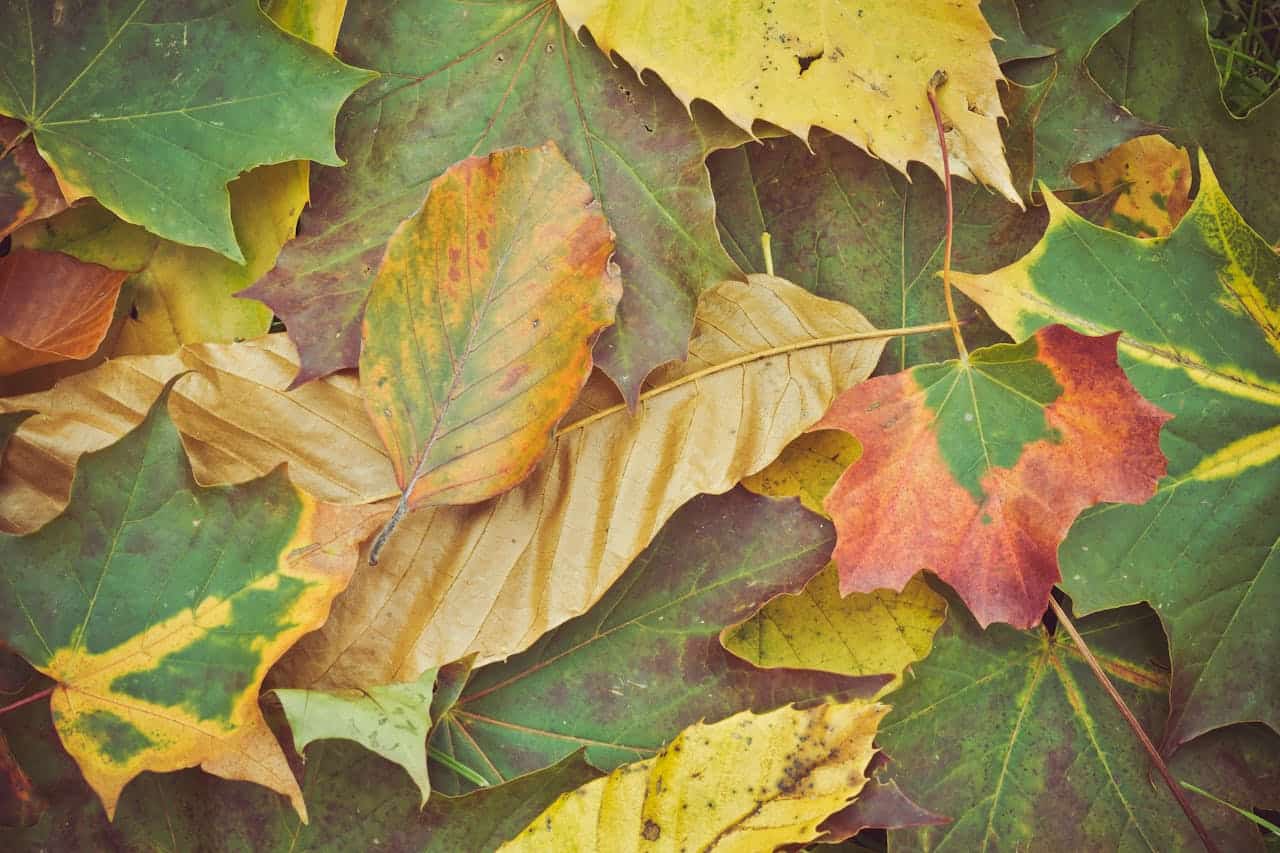
Leaf scorch, or the browning and drying of leaf edges, can be a sign of heat stress or water stress. It can also be caused by a high salt content in the soil.
If you notice leaf scorch, make sure your plants are getting enough water and are protected from extreme heat. If you suspect a high salt content in the soil, you can have your soil tested and amend it if necessary.
13. Cankers
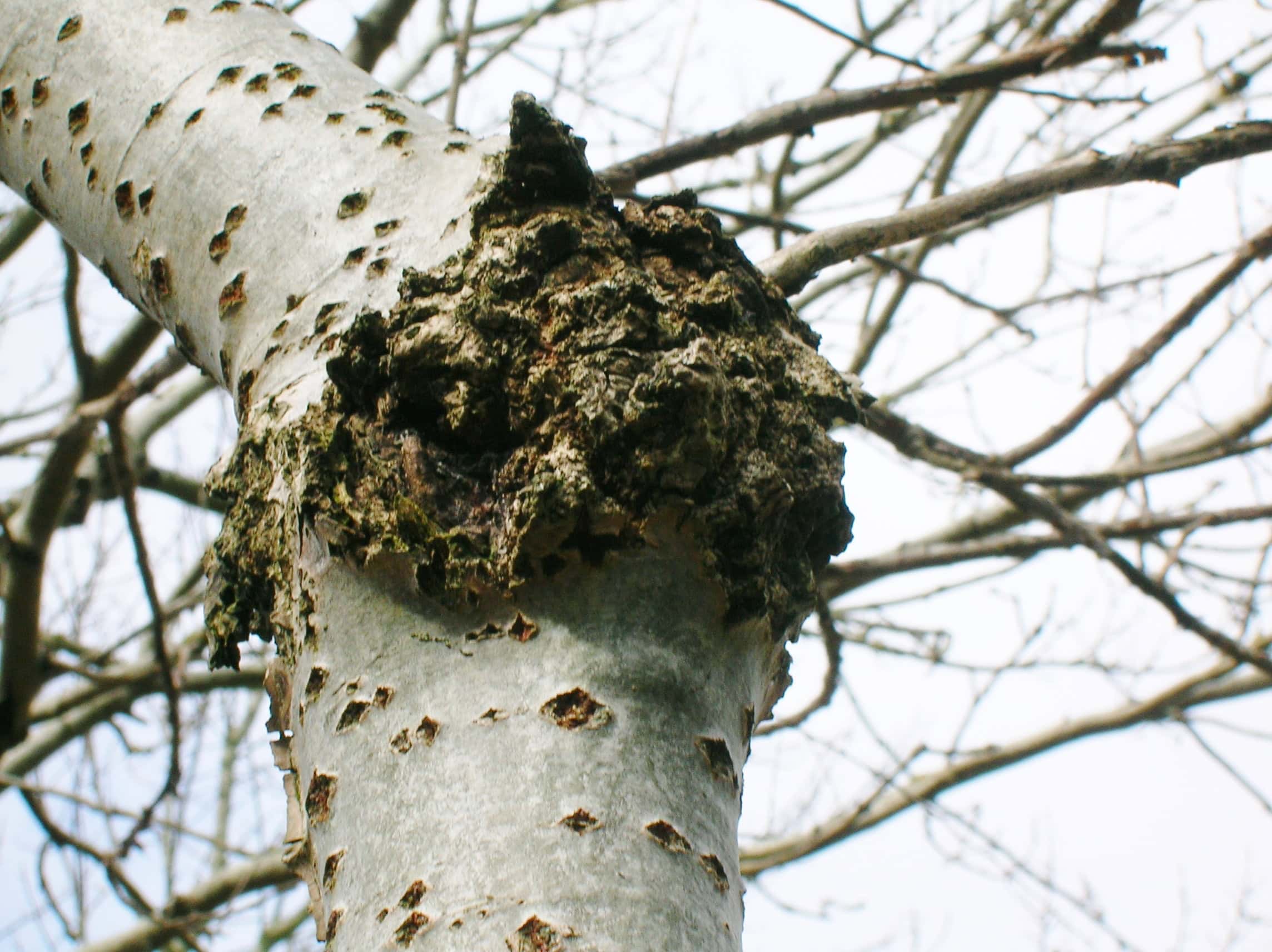
Cankers are areas of dead tissue on a plant’s stems or branches. They’re often caused by fungal or bacterial infections, and they can girdle a branch or stem, cutting off the flow of water and nutrients.
If you notice cankers on your fruit plants, it’s important to prune the affected areas to prevent the disease from spreading. Make sure to disinfect your pruning tools before and after use to avoid spreading the disease to other plants.
14. Bark Peeling or Cracking
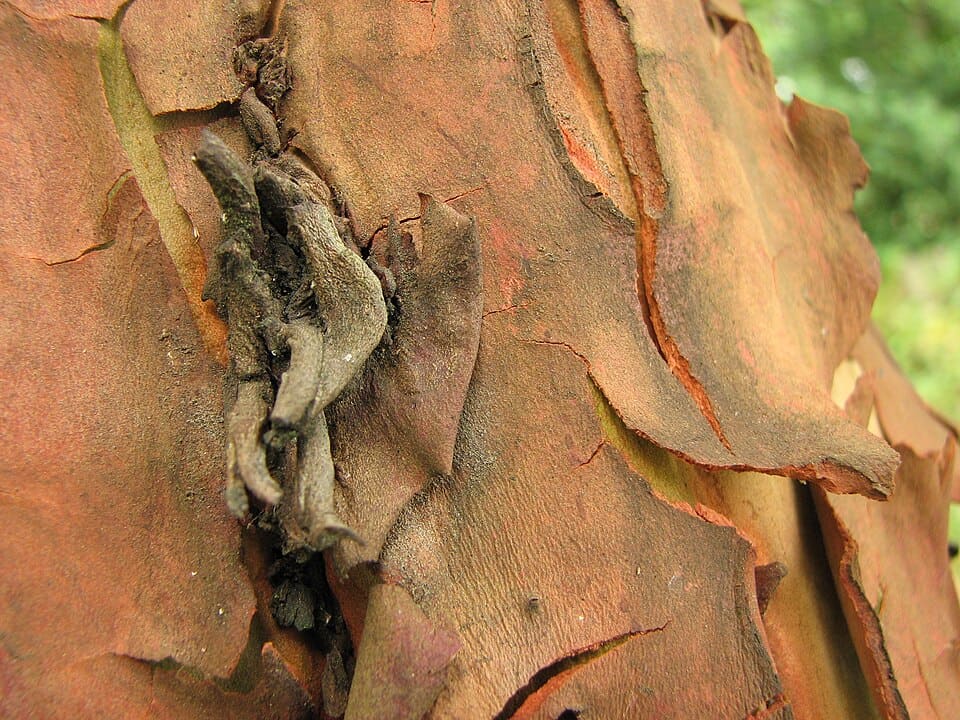
Bark peeling or cracking can be a sign of environmental stress, such as extreme temperatures or sunburn. It can also be a sign of pests or disease.
For example, peach tree borers can cause the bark to peel and crack, and they can seriously weaken or even kill the tree. If you notice this symptom, it’s important to identify and treat the underlying cause as soon as possible.
15. Lack of Flowering

If your fruit plants aren’t flowering, they won’t produce any fruit. This could be due to a lack of sunlight, nutrient deficiencies, or incorrect pruning.
For example, if you’re growing strawberries and they’re not flowering, it could be because they’re not getting enough sunlight. Strawberries need at least 6 hours of sunlight per day to flower and produce fruit.
16. Deformed Fruit
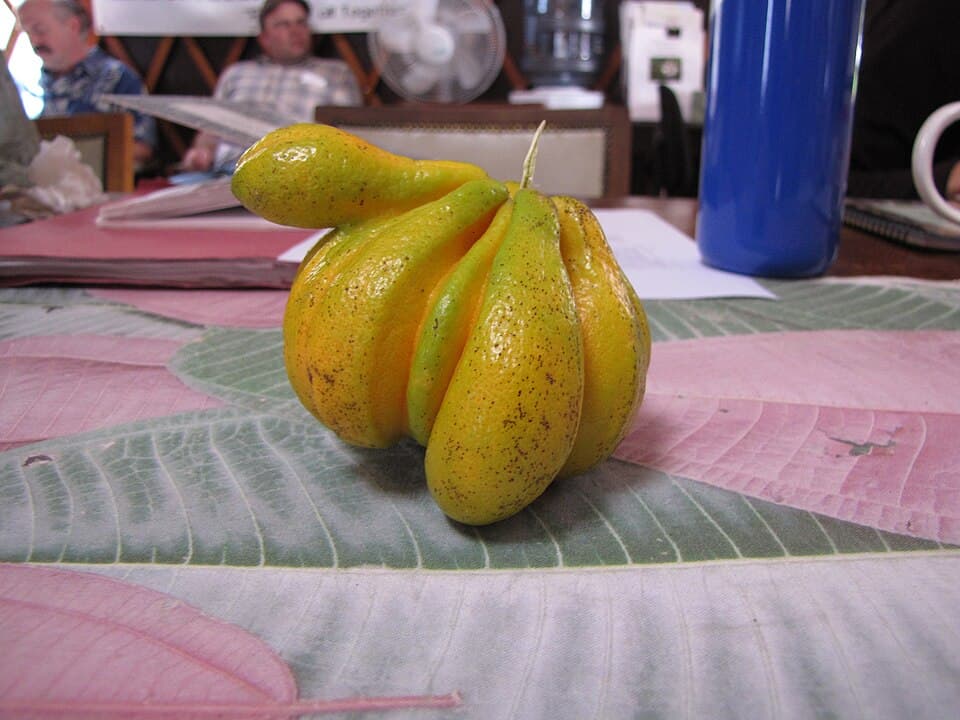
Deformed fruit can be a sign of pests or disease. For example, stink bugs can cause cat-facing in peaches, which results in misshapen, lumpy fruit.
If you notice deformed fruit, check your plants for signs of pests or disease, and treat accordingly.
17. Leaf Drop

Leaf drop, or the premature dropping of leaves, can be a sign of stress. This could be due to overwatering, underwatering, temperature extremes, or disease.
If you notice leaf drop, try to identify the cause and correct it. Regular care and monitoring can help prevent leaf drop.
18. Borer Holes
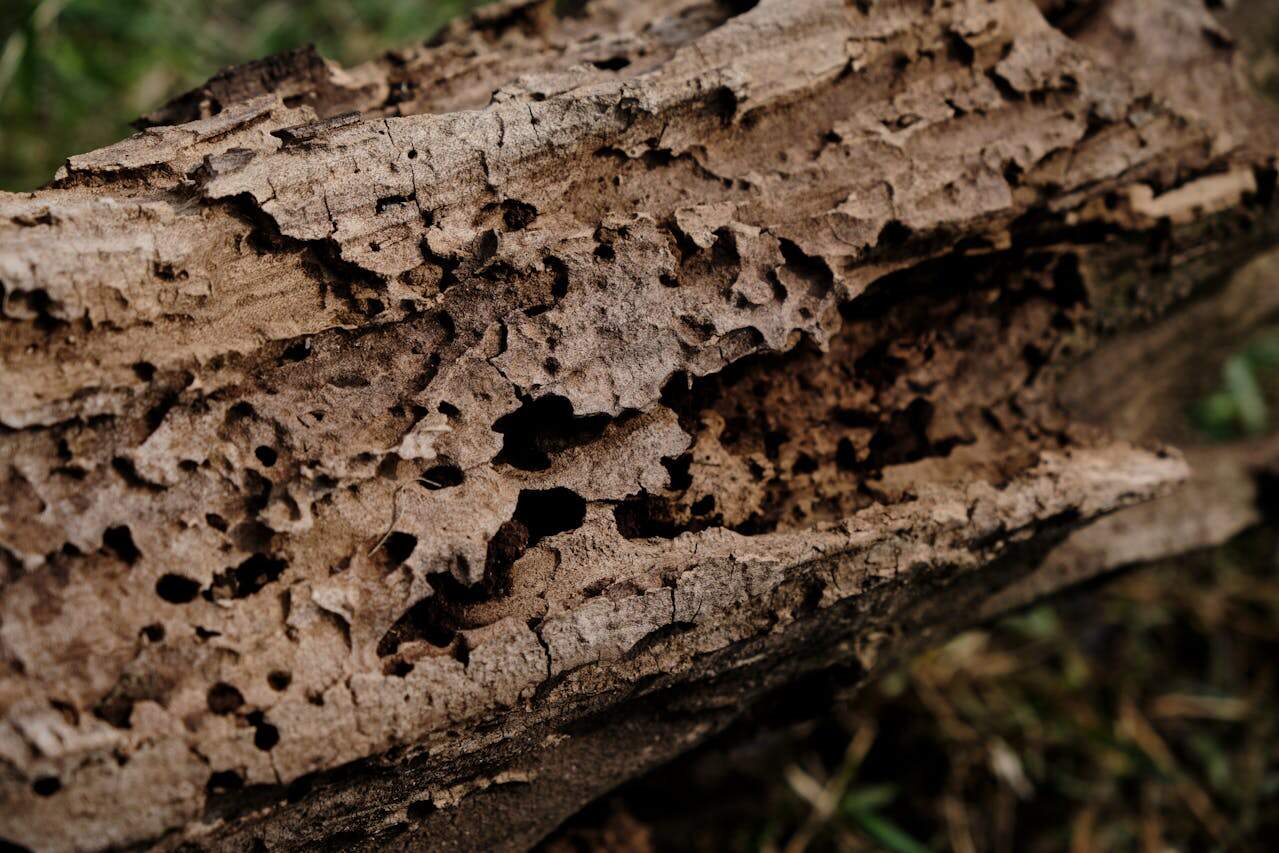
Borer holes are a sure sign that pests have taken up residence in your fruit plants. They can seriously weaken or even kill your plants if left unchecked.
For example, peach tree borers can cause extensive damage to peach trees, and they can be difficult to control. If you notice borer holes, it’s important to take action as soon as possible. This might involve using an insecticide or introducing beneficial insects to your garden.