We all know how annoying pests can be, whether they’re buzzing around our ears or munching on our garden plants. And while there are many commercial pesticides available, many of us prefer to use natural remedies in an effort to be more eco-friendly and less harmful to our health. However, not all natural pest remedies are as effective as they appear to be.
Some of them might actually do more harm than good, or simply do nothing at all. Therefore, it’s important to know which natural pest remedies are a waste of time and resources. So, let’s debunk some popular myths and look at 18 natural pest remedies that don’t work.
Advertisement
1. Beer Traps for Slugs and Snails

You might have heard that placing a dish of beer in your garden will attract slugs and snails, causing them to fall in and drown. While it’s true that these pests are attracted to the yeast in beer, this method is not as effective as it seems. First of all, it’s not a practical solution if you have a large infestation because you would need to use a lot of beer. Secondly, the beer can also attract other pests, like beetles, which can cause further damage to your garden.
Moreover, beer traps might even be counterproductive. They can potentially attract slugs and snails from neighboring yards, thereby increasing your slug and snail problem. While it’s certainly an eco-friendly solution, there are more effective natural remedies to tackle these pests, such as using copper tape around your plants or creating barriers with sharp materials like eggshells or grit.
2. Citronella Candles for Mosquitoes

Citronella candles are often marketed as a natural way to repel mosquitoes. The idea is that the scent of citronella is said to mask the scents that attract mosquitoes, such as carbon dioxide and lactic acid. However, studies have shown that citronella candles are not very effective in repelling mosquitoes.
Firstly, the amount of citronella released by these candles is usually not enough to deter mosquitoes. Secondly, the effectiveness of these candles diminishes with distance and wind conditions. So, unless you’re sitting right next to the candle with no wind, you’re likely to still get bitten. Instead of relying on citronella candles, consider using other natural mosquito repellents like oil of lemon eucalyptus or covering up with long sleeves and pants.
3. Cucumber Slices for Ants

The theory behind this remedy is that ants do not like the taste of cucumber, and they will avoid areas where cucumber slices are placed. While it’s true that some types of ants might avoid cucumber, this method is not effective in controlling an ant infestation. The cucumber slices will dry out quickly, and you would need to replace them frequently. Moreover, this method doesn’t address the root of the problem, which is usually a food source that’s attracting the ants in the first place.
Instead of relying on cucumber slices, focus on eliminating the food sources attracting the ants. Keep your kitchen and dining areas clean, seal your food containers properly, and seal any cracks or crevices where ants may be entering your home. If the problem persists, consider using a natural ant bait made from borax and sugar.
4. Coffee Grounds for Cats

It’s often suggested that scattering coffee grounds in your garden can deter cats because they don’t like the smell. However, this method is not only ineffective but also potentially harmful. Coffee grounds can be toxic to cats if ingested, and the caffeine can cause serious health problems.
Moreover, the smell of coffee grounds is not strong enough to deter cats, especially if they are used to visiting your garden. Instead of using coffee grounds, consider planting cat-repellent plants such as lavender or rosemary. Alternatively, use a cat-friendly deterrent like a motion-activated sprinkler to keep cats away from certain areas of your garden.
5. Vinegar for Fruit Flies
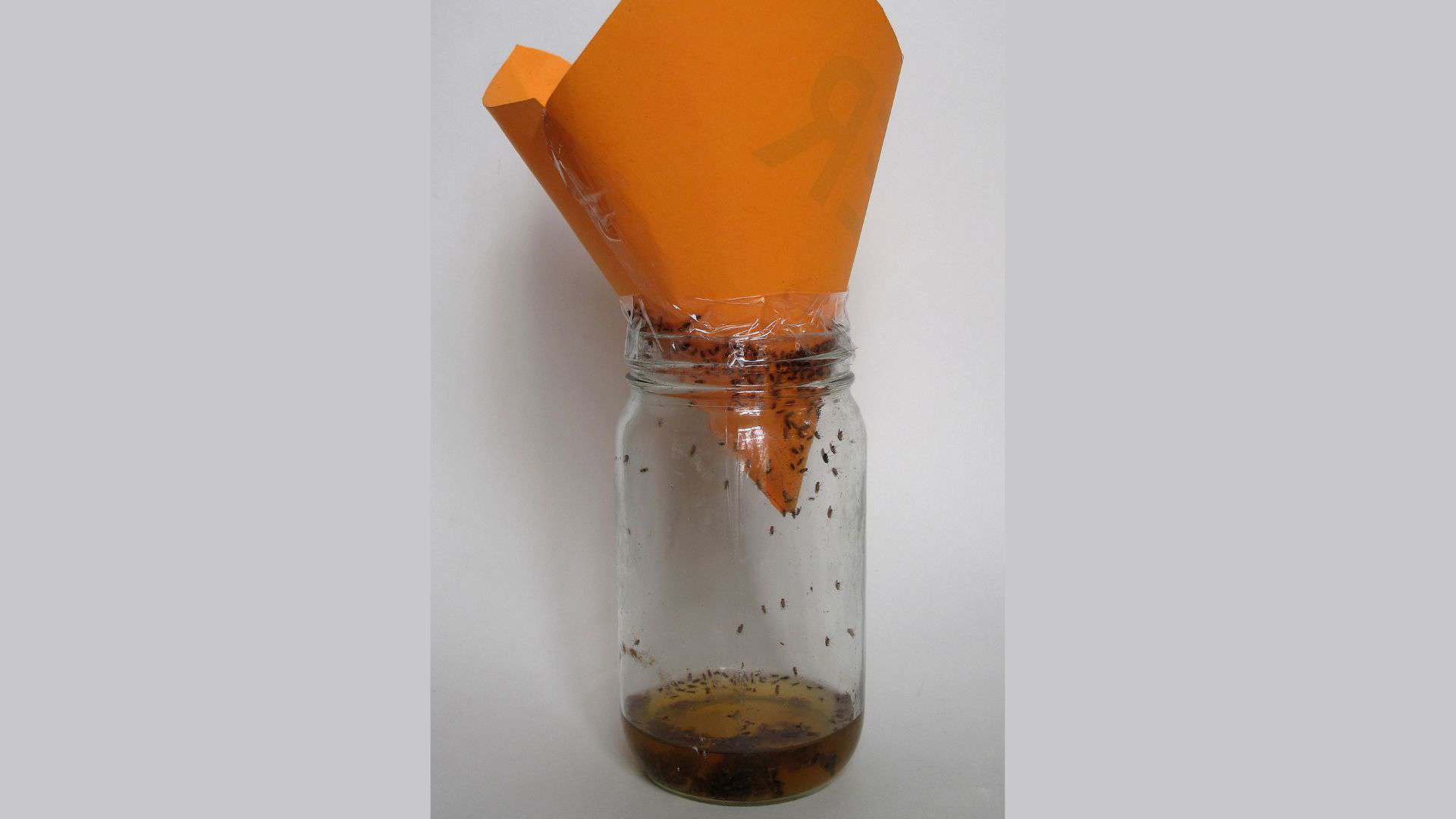
While it’s true that fruit flies are attracted to vinegar, simply placing a bowl of it in your home is not an effective way to get rid of them. The flies might be drawn to the vinegar, but without a proper trap, they’re likely to just fly around it without actually drowning.
An effective fruit fly trap requires more than just vinegar. You need to create a trap that fruit flies can enter but not exit. This usually involves covering the vinegar with plastic wrap and poking small holes in it, or using a funnel. Even then, this method is more of a temporary solution and doesn’t address the root of the problem. To prevent a fruit fly infestation, it’s important to keep your kitchen and dining areas clean, especially during the warmer months when fruit flies are most active.
6. Chalk Lines for Ants

The idea behind this method is that ants will not cross a chalk line because the calcium carbonate in the chalk disrupts their pheromone trails. However, this method is not effective in controlling an ant infestation. While some ants might avoid the chalk line, others will simply find a way around it.
Moreover, chalk lines are not practical in many situations. They can easily be washed away by rain or blown away by wind, and you would need to redraw them frequently. Instead of relying on chalk lines, focus on eliminating the food sources attracting the ants and sealing any cracks or crevices where ants may be entering your home.
7. Essential Oils for Bed Bugs

While some studies have found that certain essential oils, such as tea tree oil, can be toxic to bed bugs, using them as a standalone treatment is unlikely to eliminate an infestation. Bed bugs hide in tiny crevices and are resistant to many types of pesticides, making them difficult to get rid of.
Moreover, using essential oils to treat a bed bug infestation can be risky. Some people may have allergic reactions to the oils, and they can be toxic if ingested, especially by children or pets. If you suspect a bed bug infestation, it’s best to seek professional help.
8. Citrus Peels for Cats

It’s often suggested that scattering citrus peels in your garden can deter cats because they don’t like the smell. However, this method is not very effective. The smell of citrus peels is not strong enough to deter cats, especially if they are used to visiting your garden.
In addition, citrus peels can be harmful to cats if ingested. They contain essential oils that can cause gastrointestinal upset, and in large amounts, they can even be toxic. Instead of using citrus peels, consider using cat-friendly deterrents like a motion-activated sprinkler or plant cat-repellent plants such as lavender or rosemary.
9. Garlic for Mosquitoes

Garlic has been touted as a natural mosquito repellent, with some people even suggesting eating large amounts of garlic to keep mosquitoes away. However, there’s no scientific evidence to support this claim.
While it’s true that mosquitoes are attracted to certain odors, there’s no proof that eating garlic changes your body odor in a way that deters mosquitoes. Moreover, eating large amounts of garlic can cause digestive upset and other health issues. Instead of relying on garlic, consider using proven mosquito repellents like DEET or picaridin.
10. Cedar Chips for Fleas
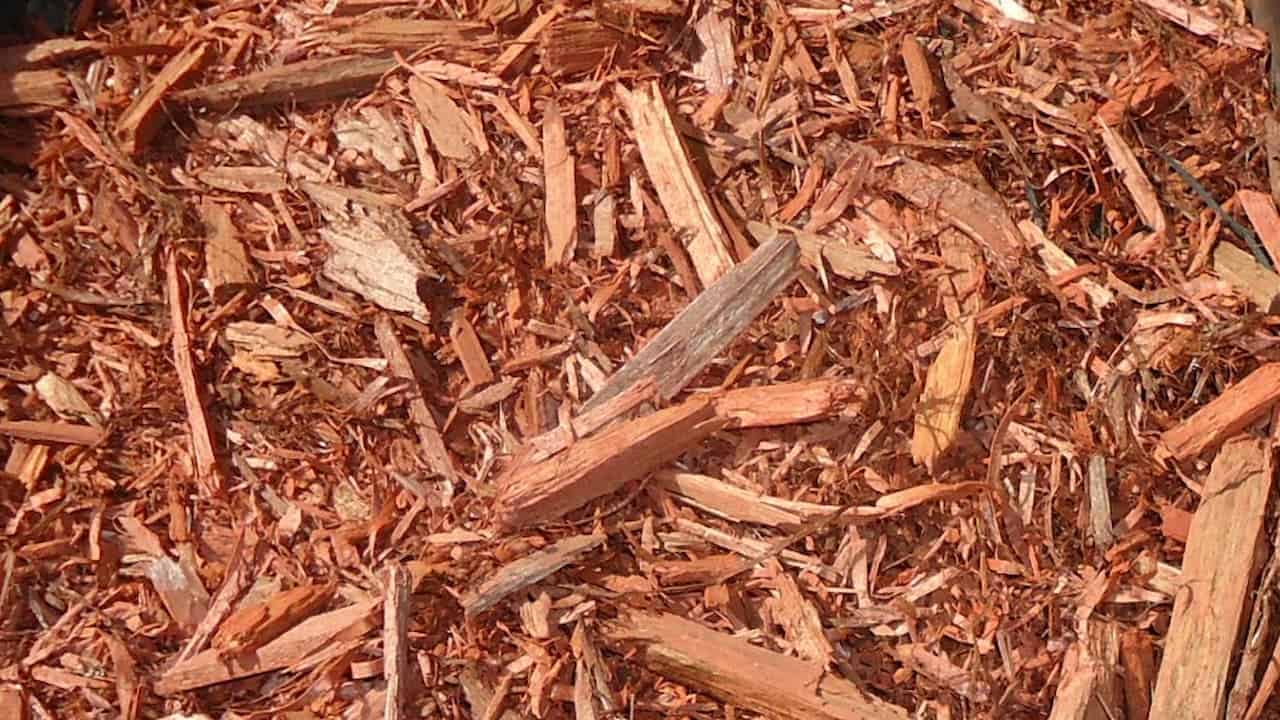
Cedar chips are often recommended as a natural flea repellent. The idea is that the scent of cedar is repulsive to fleas, and spreading cedar chips in your yard or around your home will keep fleas away. However, there’s no scientific evidence to support this claim.
While cedar chips might have some repellent properties, they are unlikely to be effective against a flea infestation. Fleas are highly adaptable pests that can survive in a variety of environments, and they are more attracted to your pets than to the cedar chips. Instead of relying on cedar chips, consider using proven flea control methods like regular flea treatments for your pets.
11. Mothballs for Snakes
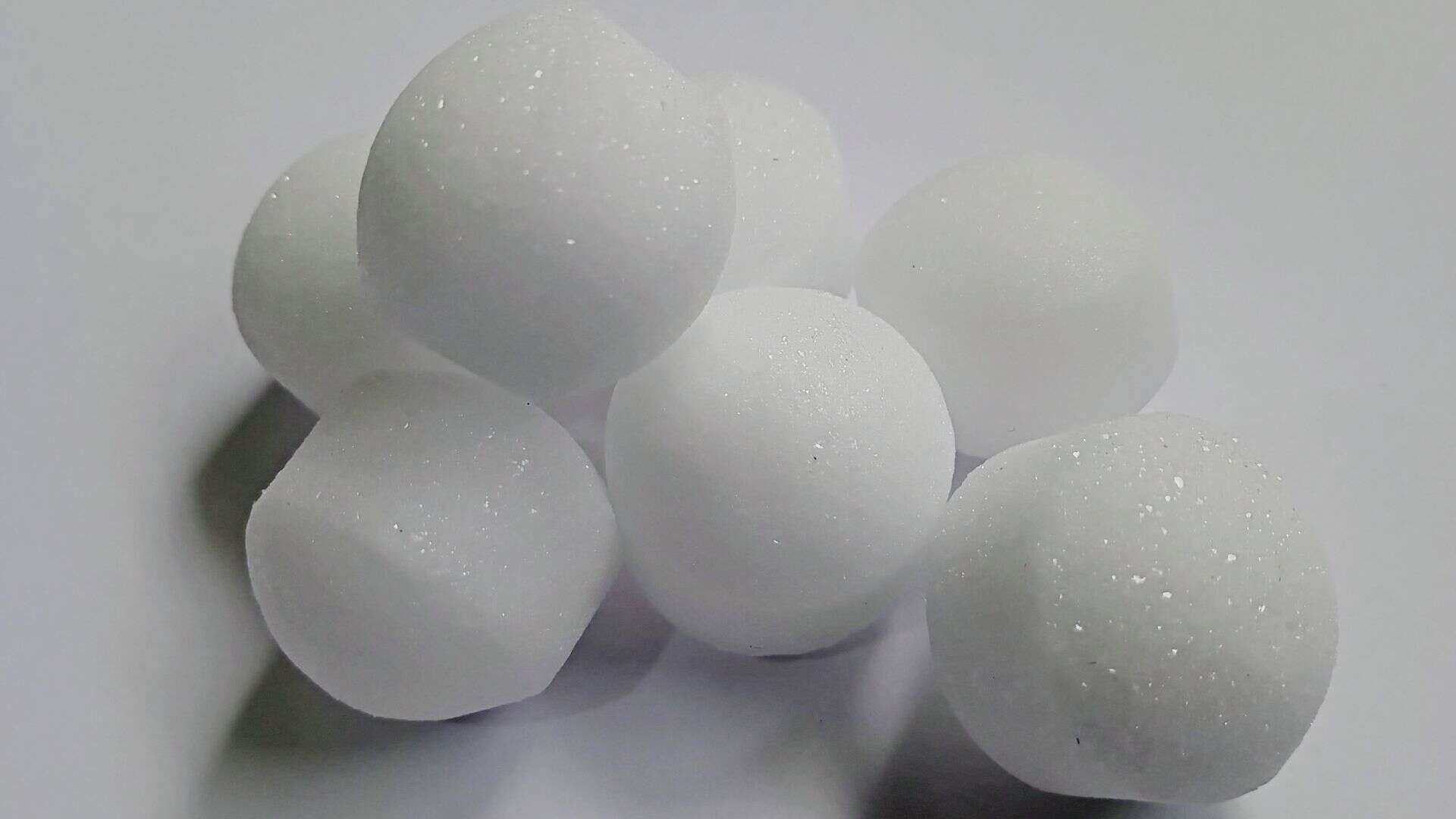
Mothballs are often recommended as a snake deterrent. However, this method is not only ineffective, but it’s also illegal and harmful to the environment. Mothballs are pesticides that are intended to kill moths and other fabric pests, and using them for other purposes is a violation of federal law.
Furthermore, the active ingredient in mothballs, naphthalene, is toxic to humans and pets. It can cause serious health problems, including respiratory issues, nausea, vomiting, and even neurological damage. If you have a snake problem, it’s best to call a professional wildlife removal service.
12. Cinnamon for Ants

While some ants might be repelled by the smell of cinnamon, using it as a standalone treatment is unlikely to eliminate an ant infestation. Ants are highly adaptable pests, and they can easily find a way around the cinnamon.
Moreover, using cinnamon as an ant deterrent can be messy and impractical. It needs to be reapplied frequently, especially after rain or watering. Instead of relying on cinnamon, focus on eliminating the food sources attracting the ants and sealing any cracks or crevices where ants may be entering your home.
13. Pepper for Rodents

Hot pepper or pepper spray is often recommended as a natural rodent deterrent. However, this method is not very effective. While rodents might be deterred by the smell of pepper, they are highly adaptable and will quickly find a way around it.
In addition, using pepper as a rodent deterrent can be harmful to humans and pets. It can cause eye and skin irritation, and if inhaled, it can cause respiratory problems. If you have a rodent problem, it’s best to seek professional help.
14. Ultrasonic Devices for Pests
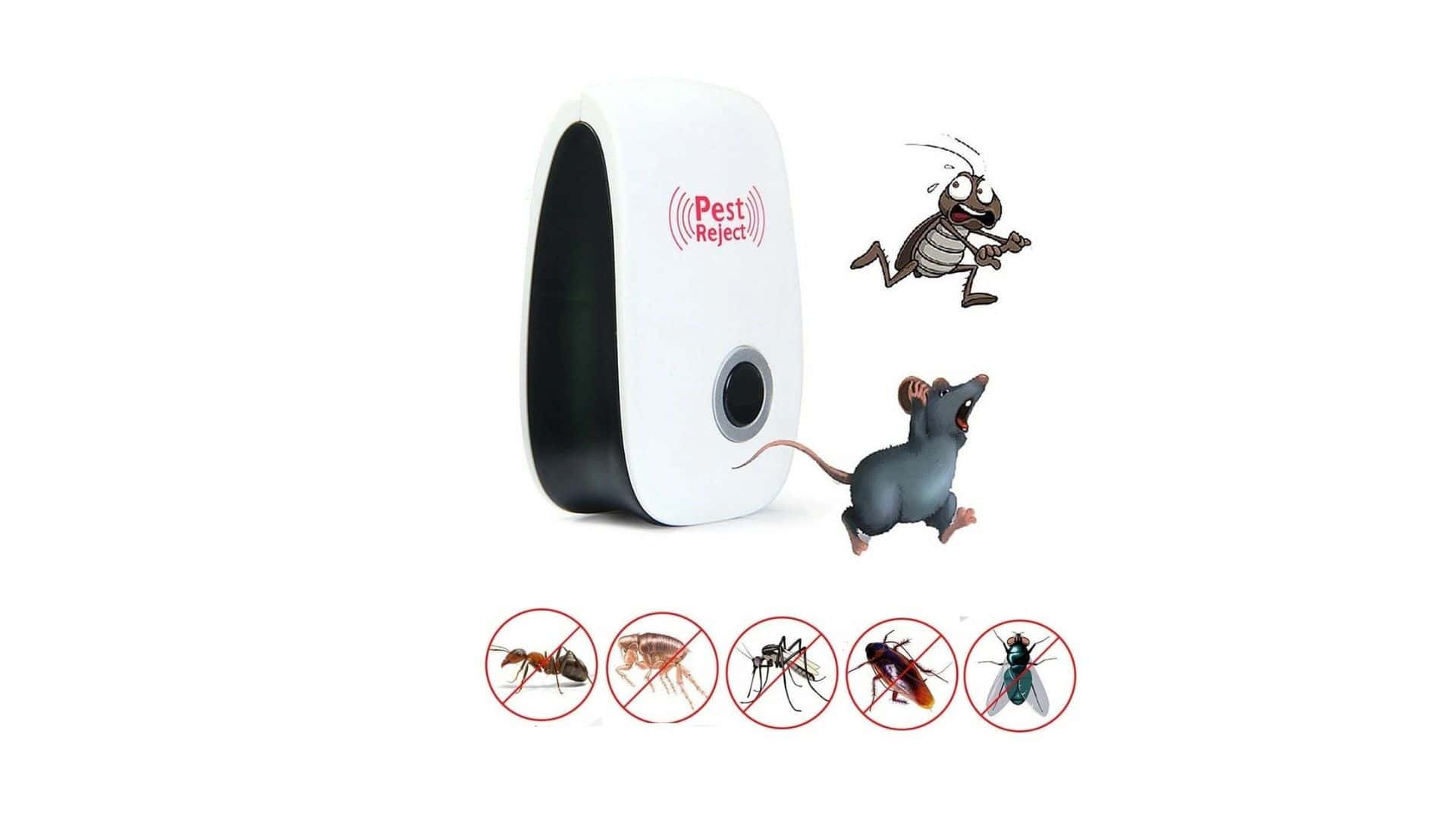
Ultrasonic devices are marketed as a humane and eco-friendly way to repel pests. They supposedly work by emitting high-frequency sound waves that are disturbing to pests but inaudible to humans. However, there’s little scientific evidence to support their effectiveness.
In fact, many studies have found that ultrasonic devices have little to no effect on pests. Pests quickly become accustomed to the sound and ignore it. Moreover, these devices can be harmful to pets, especially those that can hear high-frequency sounds, like dogs and cats.
15. Vanilla Extract for Mosquitoes
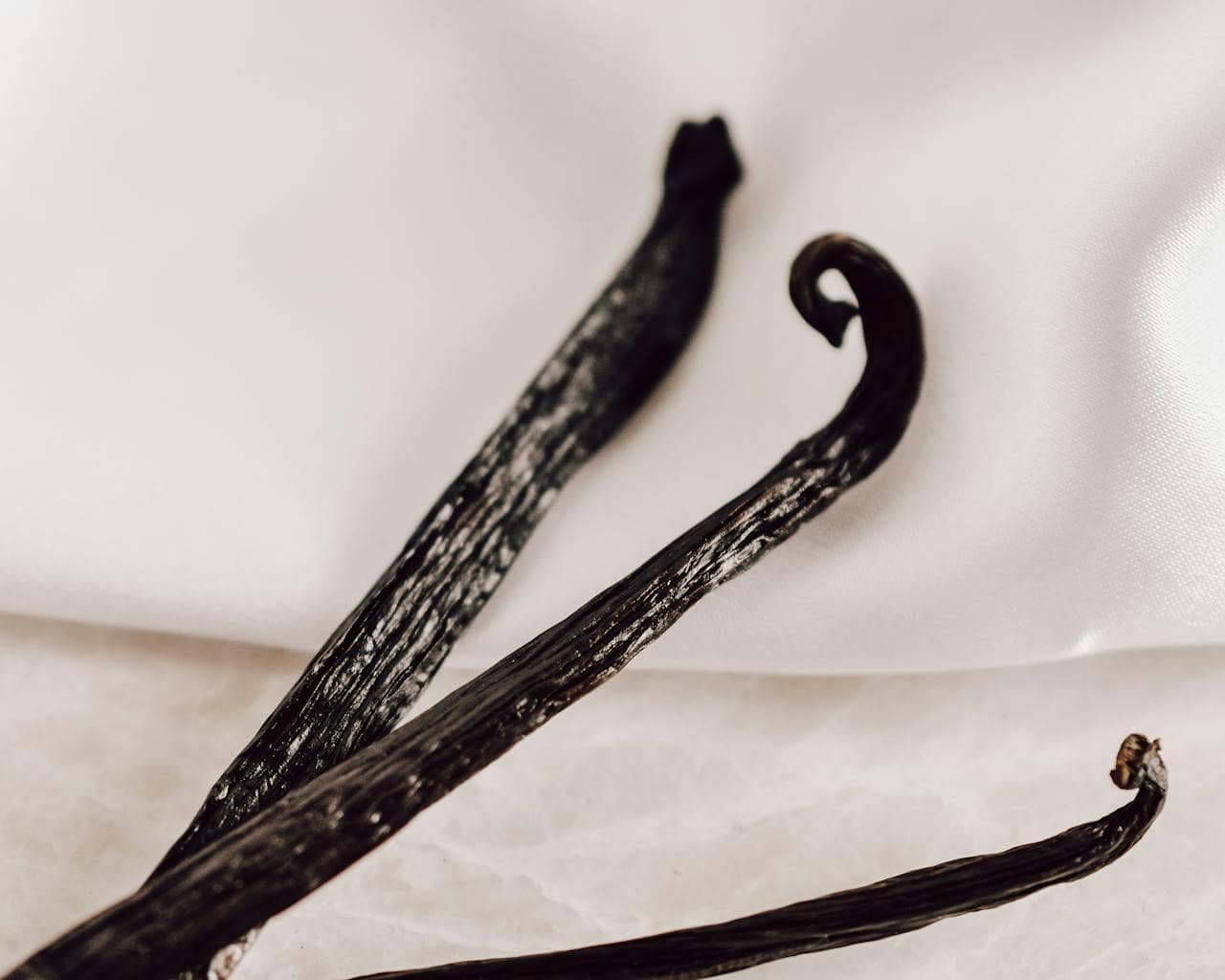
Vanilla extract is often touted as a natural mosquito repellent. However, there’s no scientific evidence to support this claim. While some people might find that mosquitoes are less attracted to them when they use vanilla extract, this is likely due to individual differences in body chemistry rather than the vanilla extract itself.
Moreover, using vanilla extract as a mosquito repellent can be messy and impractical. It needs to be reapplied frequently, and it can stain clothing. Instead of relying on vanilla extract, consider using proven mosquito repellents like DEET or picaridin.
16. Talcum Powder for Ants
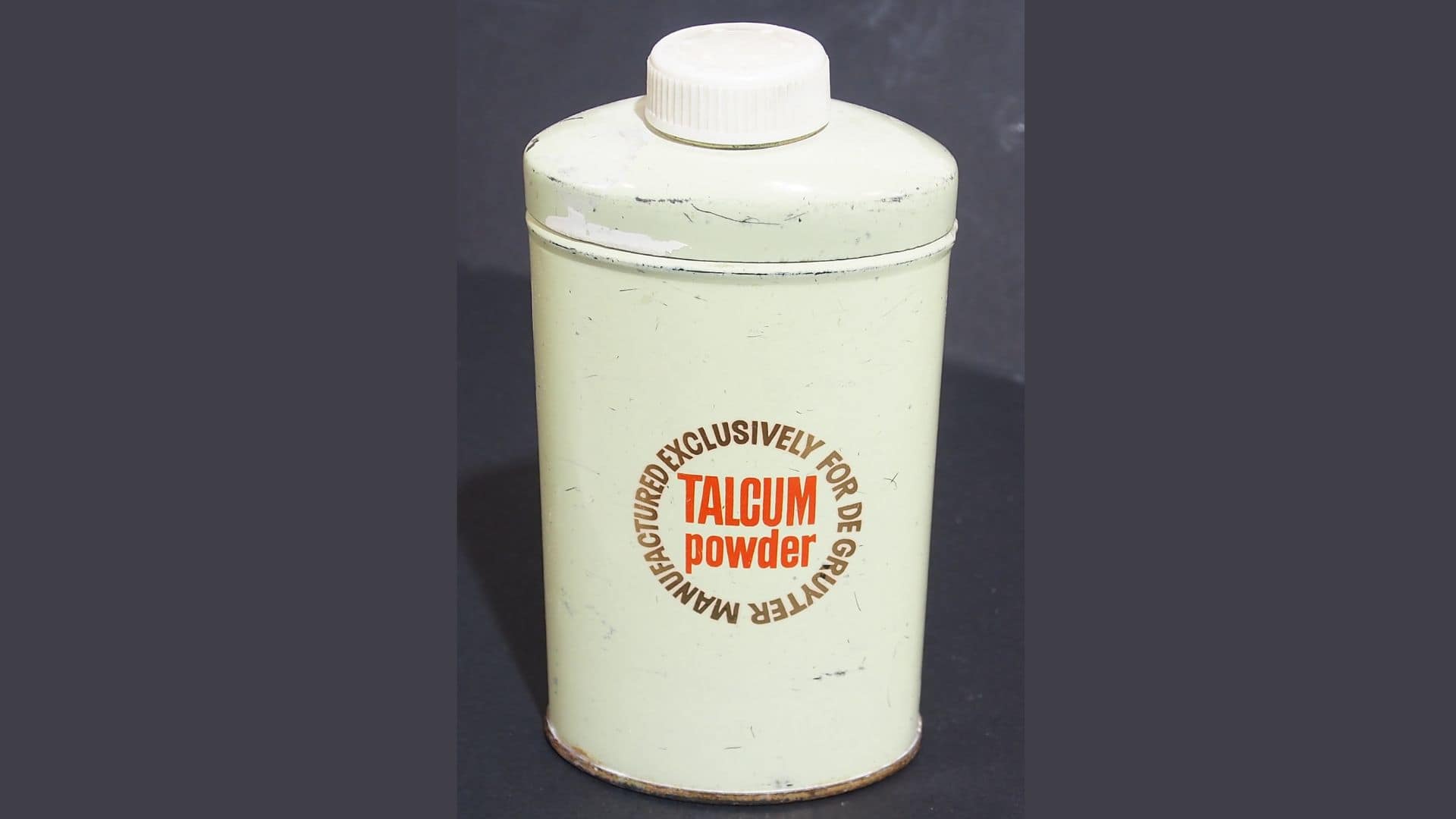
While some ants might be deterred by talcum powder, using it as a standalone treatment is unlikely to eliminate an ant infestation. Ants are highly adaptable pests that can easily find a way around the talcum powder.
Moreover, using talcum powder as an ant deterrent can be messy and impractical. It needs to be reapplied frequently, especially after rain or watering. Instead of relying on talcum powder, focus on eliminating the food sources attracting the ants and sealing any cracks or crevices where ants may be entering your home.
17. Soap Water for Aphids
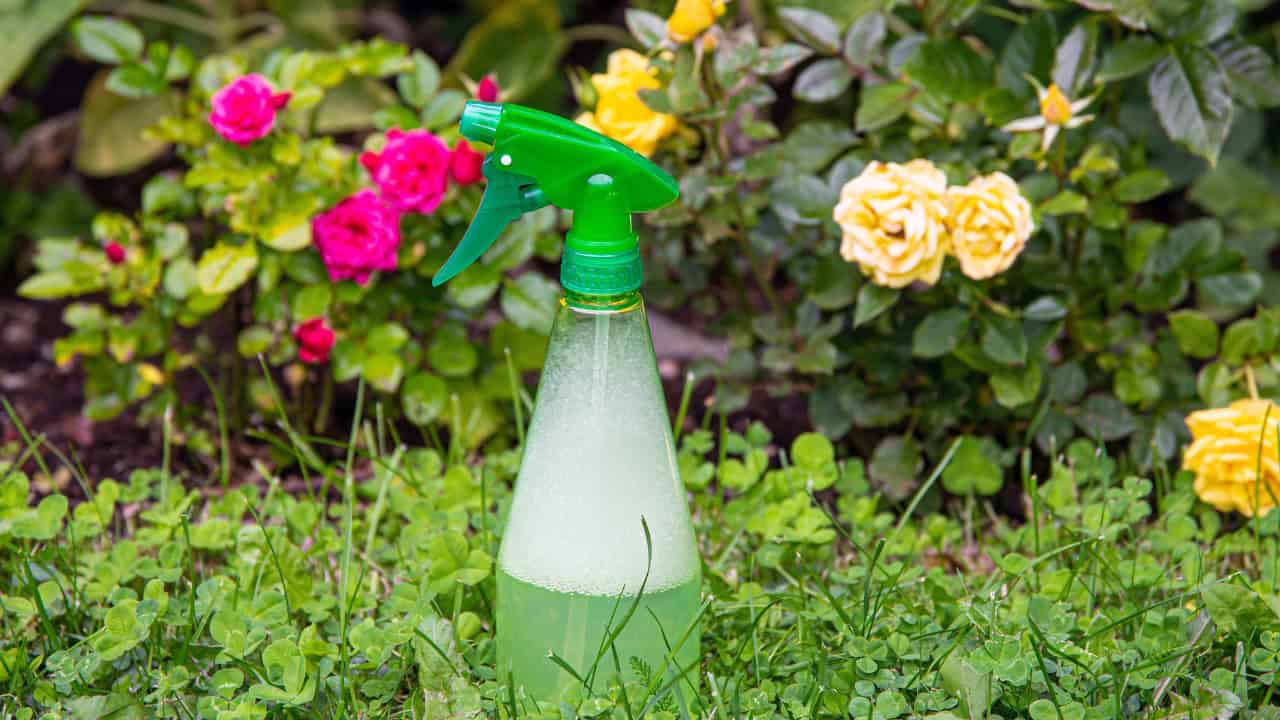
While soap water can kill aphids on contact, it’s not a practical solution for a large infestation. It’s time-consuming to spray each plant individually, and the soap can leave a residue on your plants which can affect their health.
Moreover, soap water doesn’t prevent new aphids from infesting your plants. It’s more effective to use natural predators, like ladybugs and lacewings, to control aphids. You can also use insecticidal soaps or neem oil, which are more effective and less harmful to your plants.
18. Eggshells for Slugs and Snails

Eggshells are often recommended as a natural deterrent for slugs and snails. The idea is that the sharp edges of the eggshells will deter these pests. However, this method is not very effective. Slugs and snails are capable of crawling over sharp objects, and they can easily navigate around the eggshells.
Moreover, using eggshells as a slug and snail deterrent can be messy and impractical. They need to be replaced frequently, especially after rain or watering. Instead of relying on eggshells, consider using proven slug and snail control methods like copper tape or barriers made from sharp materials like grit.