
In the realm of gardening, we often worry about the health, beauty, and productivity of our precious plants. However, we may not be paying enough attention to the hidden threats lurking beneath the soil or in the leaves. These threats are garden pests, and they can wreak havoc on your plants if ignored.
Let’s highlight 17 common garden pests you’re probably ignoring, providing insight into their identification, the damage they can cause, and control measures.
1. Aphids

Aphids are tiny, pear-shaped insects that feed on the sap of plants. They are often green or black but can also be yellow, pink, or white. These pests are capable of rapid reproduction, and if not controlled, they can cause significant damage to your plants.
Aphids suck the sap from the leaves, stems, and roots of your plants, causing wilting, yellowing, and curling. They also excrete a sweet substance called honeydew, which can attract other pests and lead to the growth of sooty mold. Regular inspection of your plants, introducing beneficial insects like ladybugs, and using insecticidal soap or neem oil are effective control measures.
2. Slugs and Snails

Slugs and snails are slow-moving pests that can cause significant damage to your garden. They feed on a wide variety of plants, leaving behind distinctive trails and large, irregular holes in leaves and fruits.
To control slugs and snails, try removing hiding places like debris and rocks, trapping them using beer-baited traps, or using barriers like copper tape or crushed eggshells. You can also use molluscicides, but make sure they are safe for wildlife and pets.
3. Caterpillars

Caterpillars are the larvae of butterflies and moths. While they play a crucial role in the lifecycle of these beautiful creatures, they can also be destructive pests. They feed on leaves, buds, and flowers, leaving behind a trail of chewed foliage and damaged plants.
Hand-picking caterpillars off plants is an effective control measure. Also, encouraging predators like birds and beneficial insects to your garden can help. If the infestation is widespread, consider using a biopesticide containing Bacillus thuringiensis.
4. Japanese Beetles

Japanese beetles are a major threat to a wide range of garden plants. They are easily identifiable by their metallic blue-green bodies with bronze wing covers. These pests feed on the leaves, flowers, and fruits of over 300 plant species, skeletonizing the foliage and leaving plants weakened or dead.
To control Japanese beetles, hand-pick them off plants early in the morning when they are less active. You can also use pheromone traps to catch them. However, these traps can attract more beetles to your garden, so place them away from the plants you want to protect.
5. Whiteflies

Whiteflies are tiny, white-winged insects that suck sap from plants. They are often found on the undersides of leaves. Like aphids, they excrete honeydew, which can attract other pests and lead to sooty mold growth.
Controlling whiteflies can be challenging due to their rapid reproduction. Regularly check your plants for signs of infestation and remove infested leaves. Using yellow sticky traps can also help catch these pests. For severe infestations, consider using insecticidal soap or a systemic insecticide.
6. Spider Mites

Spider mites are tiny pests that are hard to see with the naked eye. They suck sap from plants, causing leaves to turn yellow or bronze, curl up, and drop off. You may also notice fine webbing on the undersides of leaves.
To control spider mites, regularly mist your plants with water as these pests prefer dry conditions. You can also introduce predatory mites or use miticides if the infestation is severe.
7. Leafminers

Leafminers are the larvae of certain flies, moths, and beetles. They tunnel through the leaves of plants, leaving behind distinctive, squiggly trails. While they don’t usually kill plants, they can weaken them and make them more susceptible to other pests and diseases.
To control leafminers, remove and destroy infested leaves. Encourage beneficial insects, such as parasitic wasps, which can feed on and kill leafminers. For severe infestations, consider using a systemic insecticide.
8. Cutworms

Cutworms are the larvae of certain moths. They feed on the stems and roots of young plants at night, often cutting plants off at the base. During the day, they hide in the soil or under debris.
To control cutworms, remove plant debris and cultivate the soil in fall to expose overwintering larvae. You can also protect young plants with collars made from cardboard or plastic. For severe infestations, consider using a biopesticide containing Bacillus thuringiensis.
9. Codling Moths

Codling moths are a major pest of apples, but they can also attack pears and other fruit trees. The larvae burrow into the fruit, leaving behind frass and causing fruit to drop prematurely.
To control codling moths, use pheromone traps to monitor their presence and time insecticide applications. You can also wrap bands of corrugated cardboard around the trunks of trees to trap larvae. In fall, remove and destroy these bands to kill overwintering larvae.
10. Scale Insects

Scale insects are tiny, immobile pests that attach themselves to the stems, leaves, and fruits of plants and suck sap. They protect themselves with a waxy or armored scale, which can make them difficult to control.
To control scale insects, scrape them off plants with a soft brush or toothpick. You can also use horticultural oil or insecticidal soap. For severe infestations, consider using a systemic insecticide.
11. Root Knot Nematodes

Root knot nematodes are microscopic worms that live in the soil and feed on plant roots, causing the formation of galls or knots. Infected plants may show symptoms of nutrient deficiency, wilting, and stunted growth.
To control root knot nematodes, rotate crops, use resistant varieties, and add organic matter to the soil. You can also use biocontrol agents like beneficial nematodes.
12. Thrips

Thrips are tiny, slender insects that feed on the sap of plants. They can cause leaves to turn pale, silvery, or spotted, and flowers to become discolored or distorted.
To control thrips, remove and destroy infested plant parts. You can also use yellow or blue sticky traps to catch them. For severe infestations, consider using insecticidal soap or a systemic insecticide.
13. Cabbage Worms

Cabbage worms are the larvae of the cabbage white butterfly. They feed on the leaves of cabbage and other cruciferous vegetables, leaving behind large, irregular holes.
To control cabbage worms, hand-pick them off plants or use a biopesticide containing Bacillus thuringiensis. Encourage beneficial insects, such as parasitic wasps, which can feed on and kill cabbage worms.
14. Squash Bugs

Squash bugs are a major pest of squash and pumpkins. They suck sap from plants, causing leaves to wilt, turn black, and die.
To control squash bugs, hand-pick them off plants and destroy eggs found on the undersides of leaves. You can also use row covers to protect young plants. For severe infestations, consider using an insecticide.
15. Tomato Hornworms
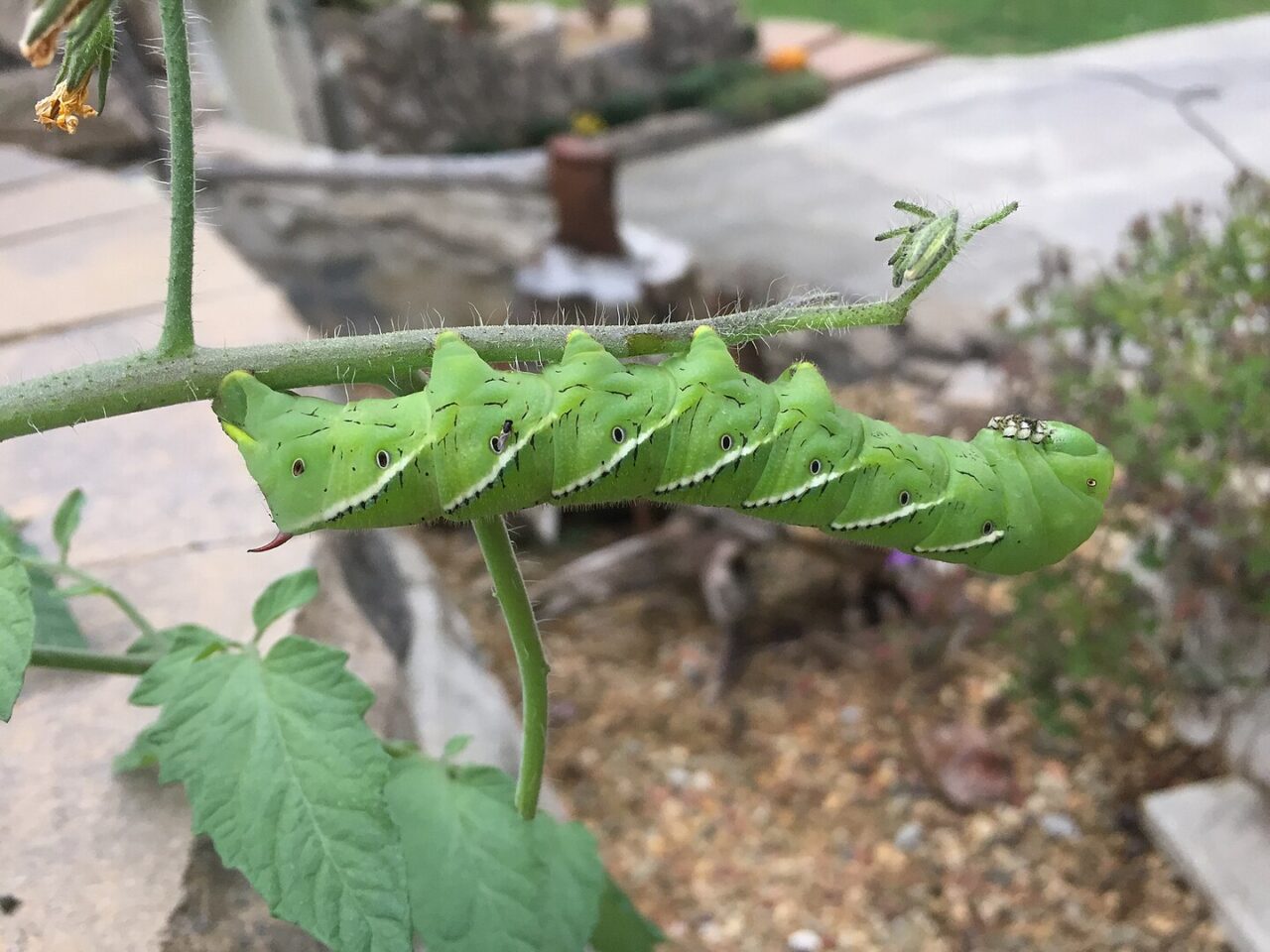
Tomato hornworms are large, green caterpillars that feed on the leaves and fruit of tomatoes, peppers, eggplants, and potatoes. They can cause significant damage in a short amount of time.
To control tomato hornworms, hand-pick them off plants or use a biopesticide containing Bacillus thuringiensis. Encourage beneficial insects, such as parasitic wasps, which can feed on and kill tomato hornworms.
16. Vine Weevils

Vine weevils are a major pest of ornamental plants and strawberries. The adults feed on leaves, while the larvae feed on roots, often killing plants.
To control vine weevils, hand-pick adults off plants at night and use a biopesticide to kill larvae in the soil. For severe infestations, consider using a systemic insecticide.
17. Colorado Potato Beetles

Colorado potato beetles are a major pest of potatoes, but they can also attack tomatoes, eggplants, and peppers. Both the adults and larvae feed on the leaves, often defoliating plants.
To control Colorado potato beetles, hand-pick them off plants and destroy eggs found on the undersides of leaves. You can also use row covers to protect young plants. For severe infestations, consider using a biopesticide or an insecticide.

