Growing your own vegetables at home is a fantastic way to ensure you always have fresh, healthy produce on hand. However, even with the best of intentions, you might find that your vegetable garden isn’t quite yielding the bounty you had imagined.
It can be a frustrating experience to spend time, effort, and money on a garden only to watch it fail. But fear not, gardeners, because we’re here to help. We’ve compiled a list of 17 common vegetable garden mistakes that could be killing your harvest – and how to avoid them.
1. Not Testing Your Soil

Before you start planting, it’s important to understand the condition of your soil. This will help you determine what type of vegetables will thrive in your garden.
If your soil lacks certain nutrients, your plants might not grow properly. For example, tomatoes need a lot of calcium, and if it’s not available in the soil, the plants can develop blossom end rot. You can use a home soil test kit to determine the pH and nutrient levels of your soil. If the test shows a deficiency, you can amend the soil with organic matter or fertilizer to improve its condition.
2. Planting Too Early

Planting too early is a common mistake that can cause your vegetables to die before they even get started. Each vegetable has a specific temperature range where it grows best.
For example, heat-loving crops like tomatoes, peppers, and eggplants need warm soil and air temperatures to thrive. If you plant them too early in the spring when the soil is still cold, they won’t grow well, and they might even die. As a rule of thumb, wait until after the last average frost date in your area to start planting warm-season crops.
3. Overwatering or Underwatering
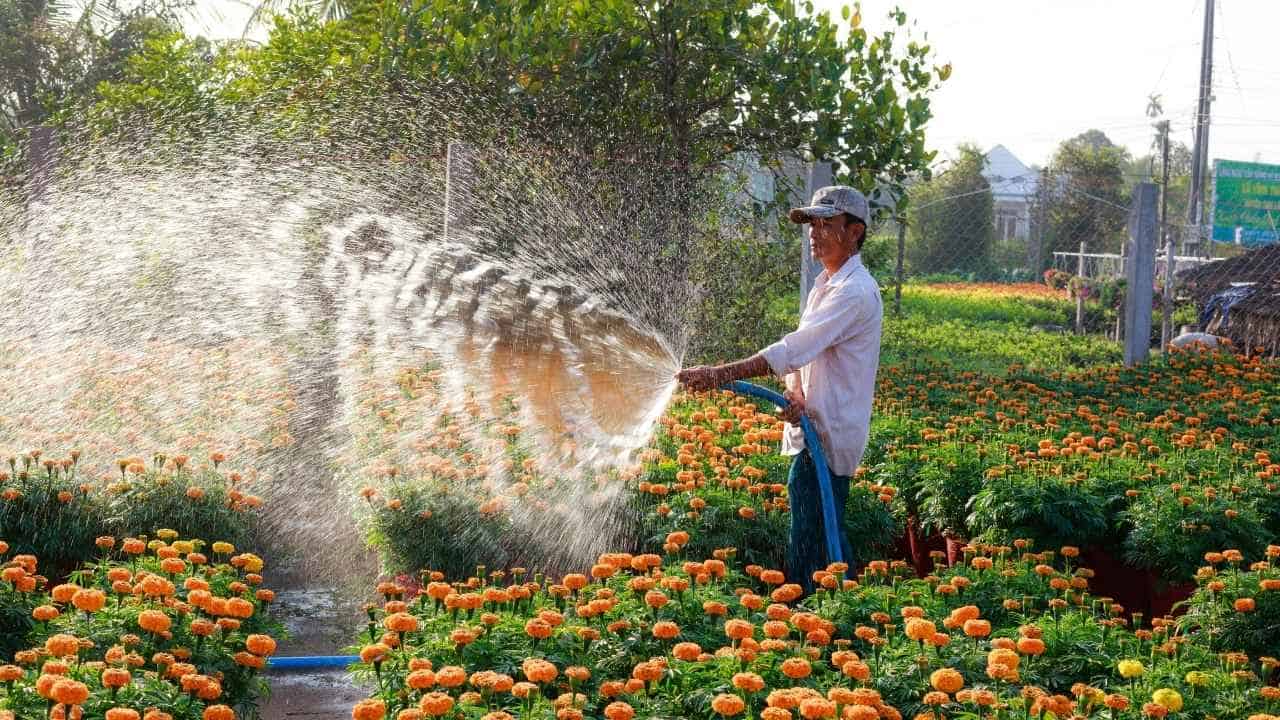
Water is crucial for plant growth, but too much or too little can be harmful. Overwatering can cause root rot, while underwatering can lead to dehydration and stunted growth.
A good way to determine when to water is to check the soil. It should be moist but not waterlogged. If the top inch of soil is dry, it’s time to water. Keep in mind that different plants have different water needs, so it’s important to research each plant’s watering requirements.
4. Ignoring Companion Planting

Companion planting is the practice of planting certain types of vegetables together to help each other grow. Some plants can deter pests that harm other plants, enhance growth, or improve the soil.
For example, planting marigolds near tomatoes can help deter nematodes that can damage tomatoes’ roots. On the other hand, planting corn and beans together is beneficial because beans can fix nitrogen in the soil, which corn needs in large amounts.
5. Neglecting to Rotate Crops
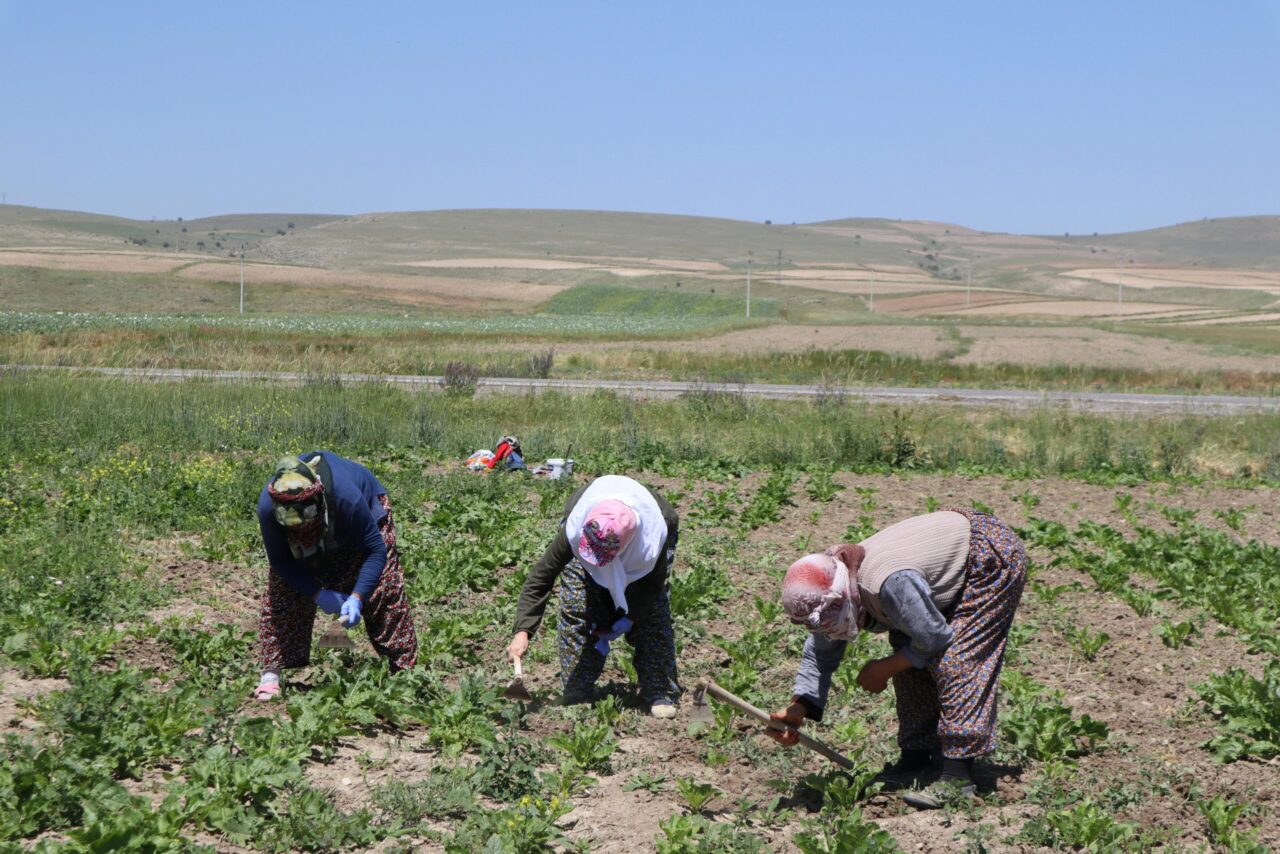
Crop rotation is an important practice that can prevent soil-borne diseases and pests. If you plant the same type of vegetables in the same spot year after year, it increases the chance of disease and pest infestation.
For example, if you planted tomatoes in a spot one year, plant a different type of vegetable there the next year. This can help break the life cycle of pests and diseases that are specific to certain plants.
6. Overcrowding Plants
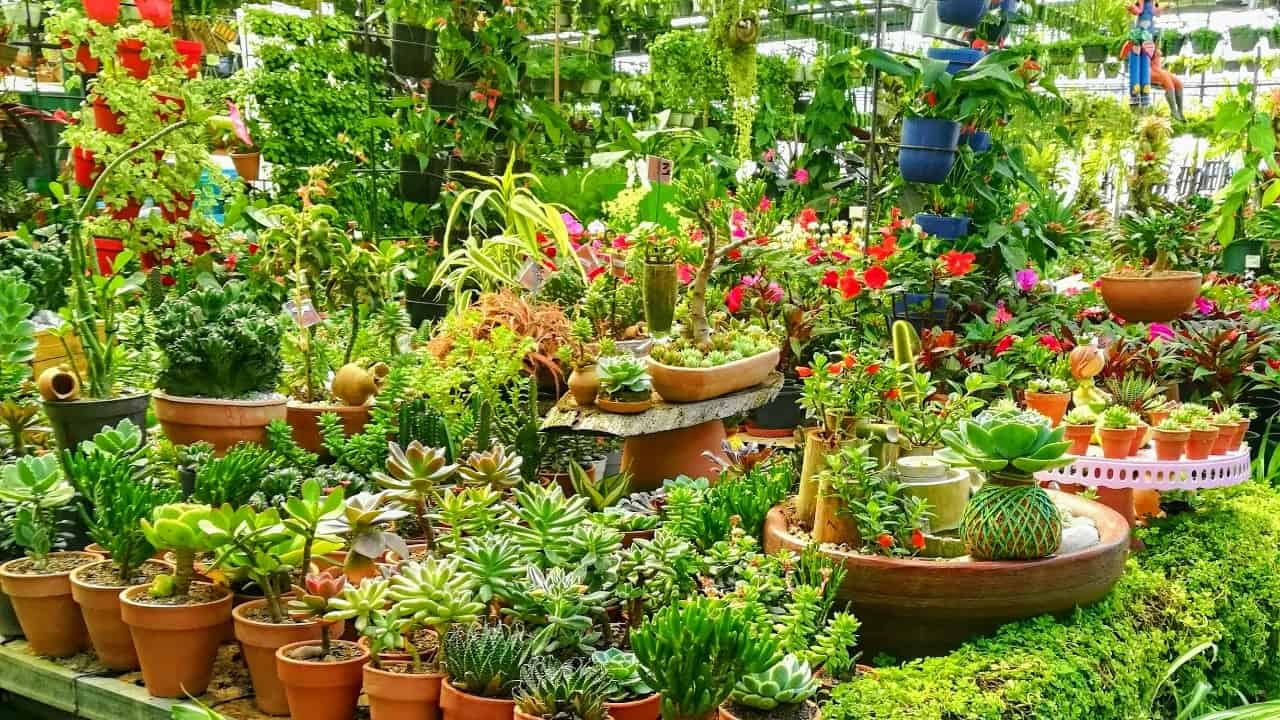
Overcrowding plants can lead to poor air circulation, which can increase the risk of disease. It can also lead to competition for water, sunlight, and nutrients.
When planting, make sure to space the plants properly. This varies depending on the type of vegetable, so be sure to research the recommended spacing for each type of plant you’re growing.
7. Not Weed Regularly

Weeds compete with your vegetables for water, sunlight, and nutrients. If left unchecked, they can significantly reduce your harvest.
Regular weeding is crucial for a healthy vegetable garden. You can prevent weeds by using mulch, which also helps retain soil moisture and regulate soil temperature.
8. Ignoring Pests

Pests can cause significant damage to your vegetable garden. It’s important to keep an eye out for common garden pests like aphids, caterpillars, and beetles.
If you notice a pest problem, it’s important to address it immediately. There are many organic and chemical pest control options available, so choose the one that best suits your needs and preferences.
9. Not Using Compost

Compost is a great way to add nutrients to your soil and improve its structure. It’s made from decomposed organic material, like food scraps and yard waste.
If you don’t use compost, you’re missing out on a free and effective way to improve your soil’s health. You can make your own compost at home or buy it from a garden center.
10. Planting Inappropriate Crops for Your Climate
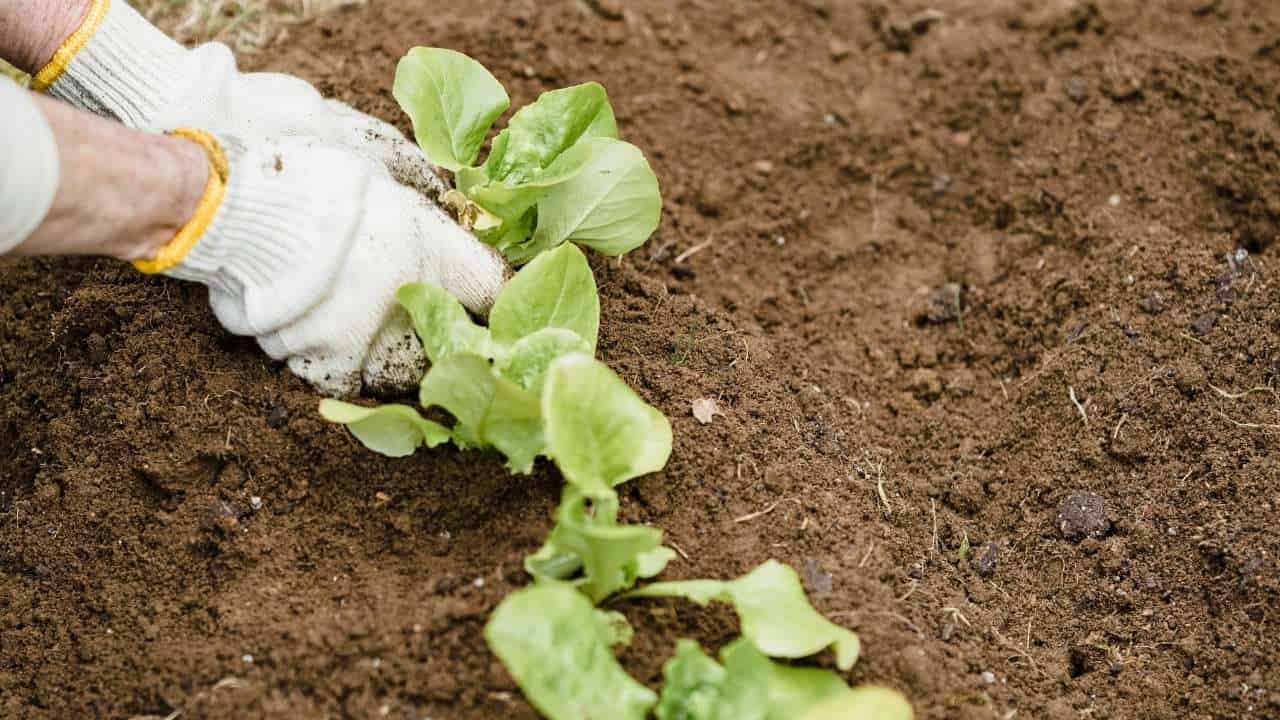
Different crops thrive in different climates. If you’re trying to grow a plant that’s not suited to your climate, you’re likely to struggle.
Research the best crops for your climate and stick to those. You can also experiment with different varieties of vegetables that are bred to perform well in specific conditions.
11. Planting All Your Seeds at Once
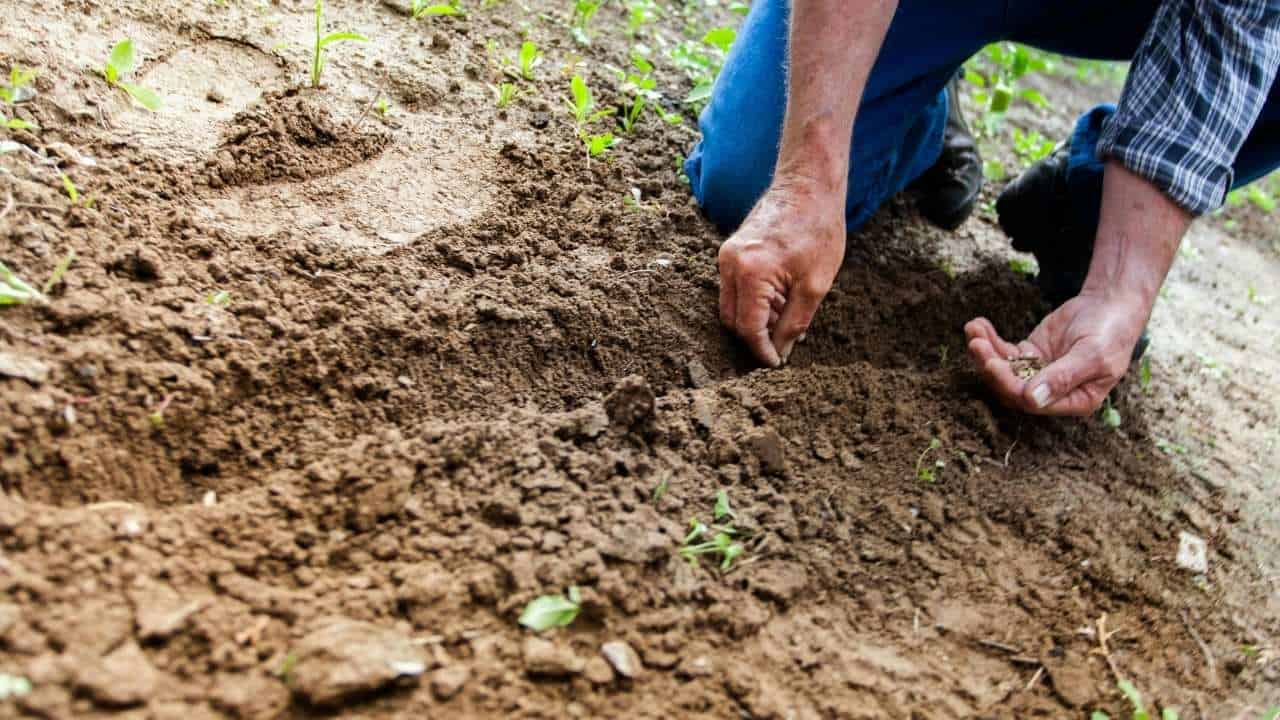
If you plant all your seeds at once, you could end up with a glut of vegetables all at the same time. Instead of planting everything at once, consider staggering your planting times.
This way, you’ll get a continuous supply of vegetables throughout the growing season. This is especially useful for crops like lettuce and radishes, which have a short growing season.
12. Neglecting to Harden Off Seedlings

If you start your seeds indoors, you need to gradually acclimate them to outdoor conditions before planting them outside. This process is known as hardening off.
If you neglect to harden off your seedlings, they could experience transplant shock when moved outdoors, which can stunt their growth or even kill them. To harden off seedlings, gradually expose them to outdoor conditions over a period of 7-10 days.
13. Not Checking for Diseases

Just like pests, diseases can significantly impact your vegetable garden. Regularly check your plants for signs of disease, like yellowing leaves, spots, or unusual growth.
If you spot any signs of disease, it’s important to act immediately. Depending on the disease, treatment options might include removing infected plants, using fungicides, or modifying watering practices.
14. Failing to Provide Support for Climbing Plants

Some vegetables, like tomatoes, cucumbers, and peas, need support to grow properly. If you neglect to provide support, these plants can become tangled or suffer from pests and diseases.
You can provide support using stakes, cages, or trellises. This not only helps the plants grow better but also makes harvesting easier.
15. Not Harvesting Regularly

Regular harvesting encourages more production. If you leave mature vegetables on the plant, it can signal to the plant that it’s time to stop producing.
Try to harvest vegetables as soon as they’re mature. For some crops, like zucchini and cucumbers, this might mean daily harvesting.
16. Using the Wrong Fertilizer
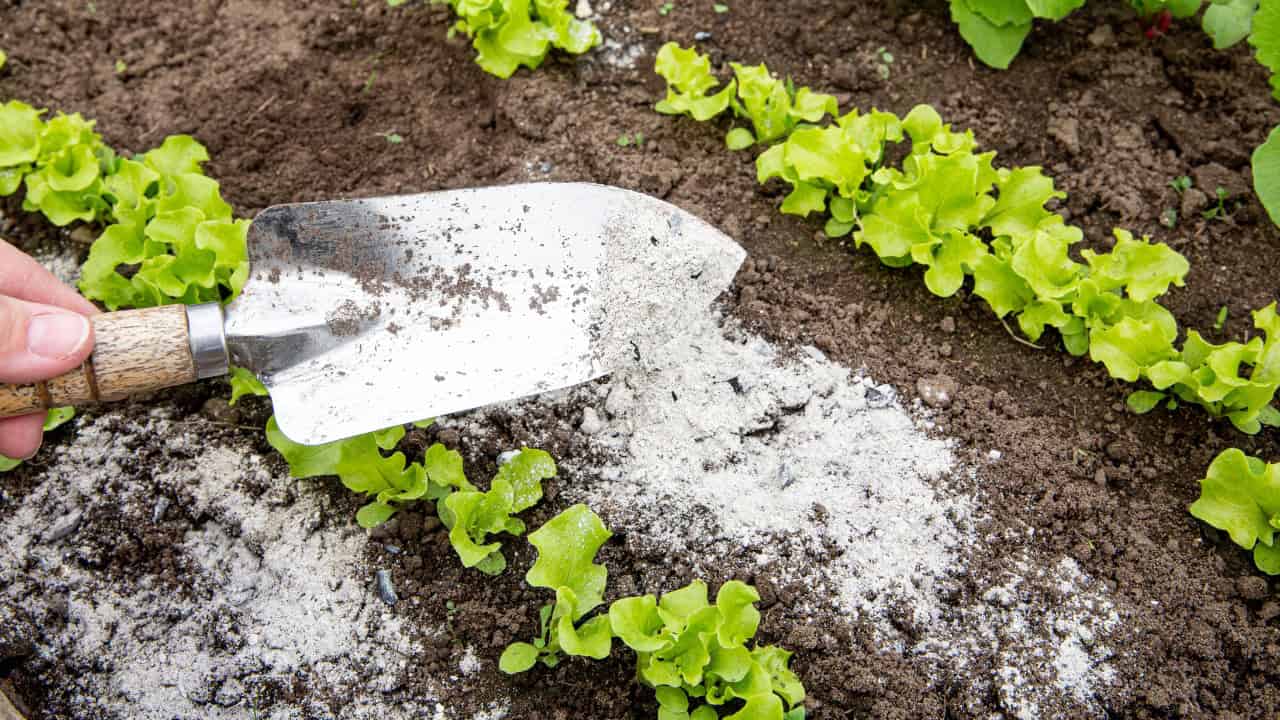
Using the wrong fertilizer can do more harm than good. Too much fertilizer can burn plants, while too little can leave them nutrient-starved.
It’s vital to use a balanced fertilizer that provides the right nutrients for your plants. You can find out what nutrients your plants need by researching the specific needs of each type of vegetable you’re growing.
17. Neglecting to Plan Your Garden

Failing to plan is planning to fail. This saying holds true for vegetable gardening as well.
Before you start planting, plan out where and when you’ll plant each vegetable. Consider factors like sunlight, soil condition, and the needs of each plant. A well-planned garden can help you avoid many of the mistakes on this list.