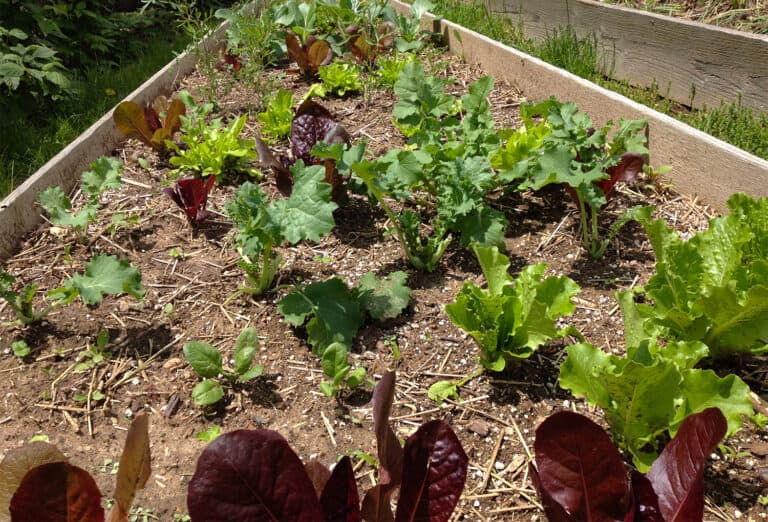
When it comes to gardening, rain often feels like a blessing. After all, free water falling from the sky means less time with the hose or watering can, right? Not so fast. Rain, especially when it’s excessive, can actually do more harm than good to your beloved plants.
Here are 17 reasons why your garden might actually hate the rain. Understanding these reasons will help you take better care of your garden and ensure its overall health and success.
Advertisement
1. Overwatering
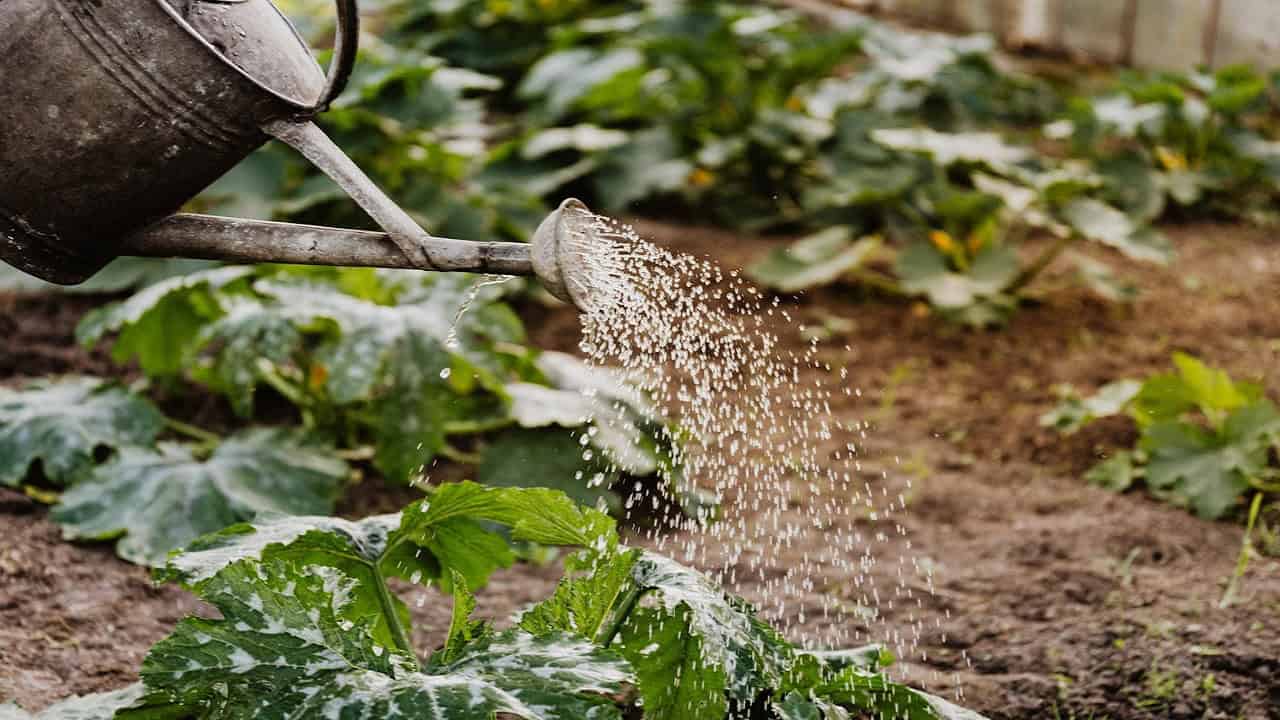
Rain, in excess, can lead to overwatering. Too much water in the soil can cause the plant roots to suffocate and rot, leading to poor growth or even death of the plants. Overwatered plants often exhibit symptoms such as yellowing leaves, wilting, root rot, and a stunted growth.
When the rain is relentless, consider moving potted plants under a shelter or inside, if possible. For garden beds, you might need to improve the soil’s drainage by adding organic matter like compost or coarse sand. Raised beds can also help prevent waterlogging.
2. Soil Erosion
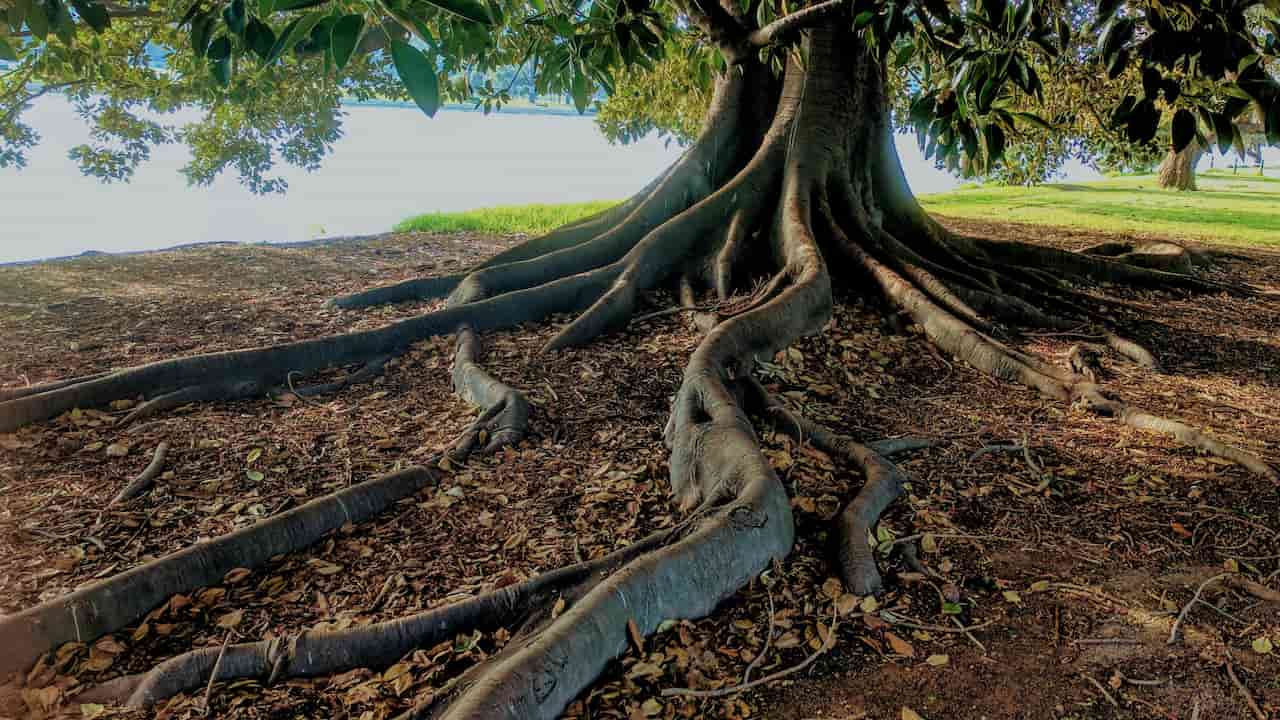
Heavy rain can cause soil erosion, washing away the nutrient-rich topsoil that plants need for their growth. This can leave your plants poorly nourished and struggling to thrive. Erosion also disrupts the planting area, which can affect the root systems of your plants.
To prevent soil erosion, consider implementing erosion control methods like using mulch or planting ground cover plants. Creating a terraced garden or building retaining walls can also help control erosion, especially on slopes.
3. Disease and Fungus

Rain creates a moist environment that is ideal for the growth of various plant diseases and fungus. Diseases such as blight, mildew, and rust, among others, thrive in damp conditions and can quickly spread across your garden in the aftermath of a rainstorm.
It’s crucial to monitor your garden closely after heavy rain and act swiftly at the first sign of disease. Regular pruning can also help improve air circulation and reduce moisture levels around your plants.
4. Pests
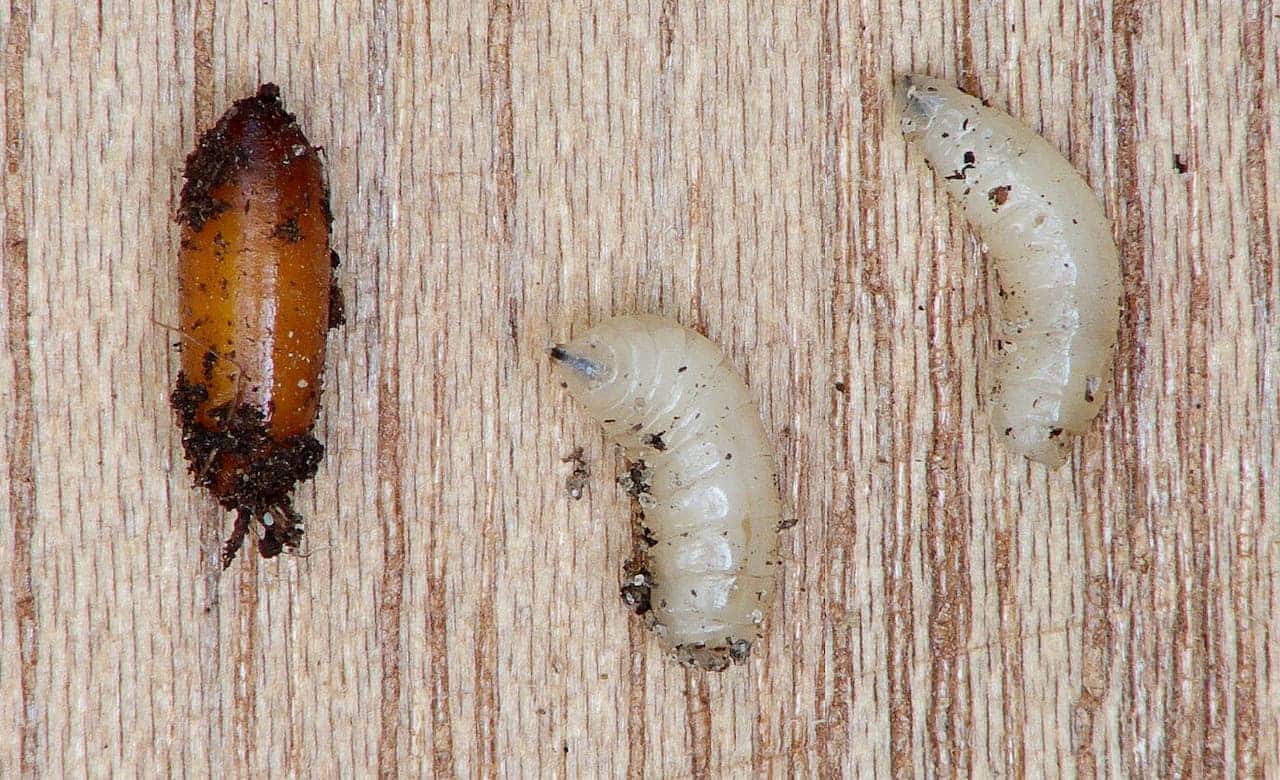
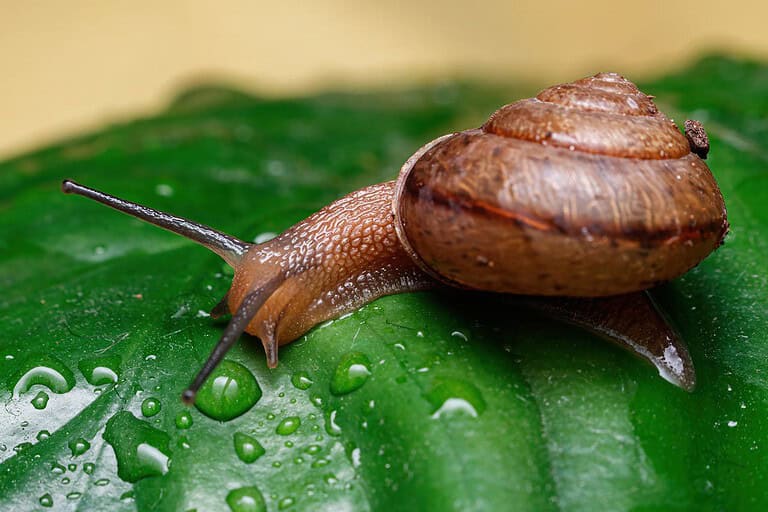
Rain can also encourage the proliferation of pests in your garden. For instance, slugs and snails love damp conditions, and a wet garden can provide a perfect breeding ground for these pests.
To keep pests at bay, consider using natural pest deterrents or barriers. Regularly inspect your garden for signs of pests, particularly after it rains.
5. Nutrient Leaching

Heavy rainfall can cause nutrient leaching, wherein the essential nutrients that plants need to grow are washed away from the soil. This can result in nutrient-deficient plants that display stunted growth, discolored leaves, and reduced yield.
To mitigate nutrient leaching, consider adding a slow-release organic fertilizer or compost to your soil. These amendments will help replenish lost nutrients and improve the soil’s water-holding capacity.
6. Compacted Soil

Rainwater, especially during a downpour, can compact the soil in your garden. Compacted soil has fewer air spaces and does not drain well, which can lead to waterlogged conditions and root problems for your plants.
To combat soil compaction, consider aerating your soil regularly, especially after a heavy rainfall. Adding organic matter can also help improve soil structure and prevent compaction.
7. Damaged Flowers
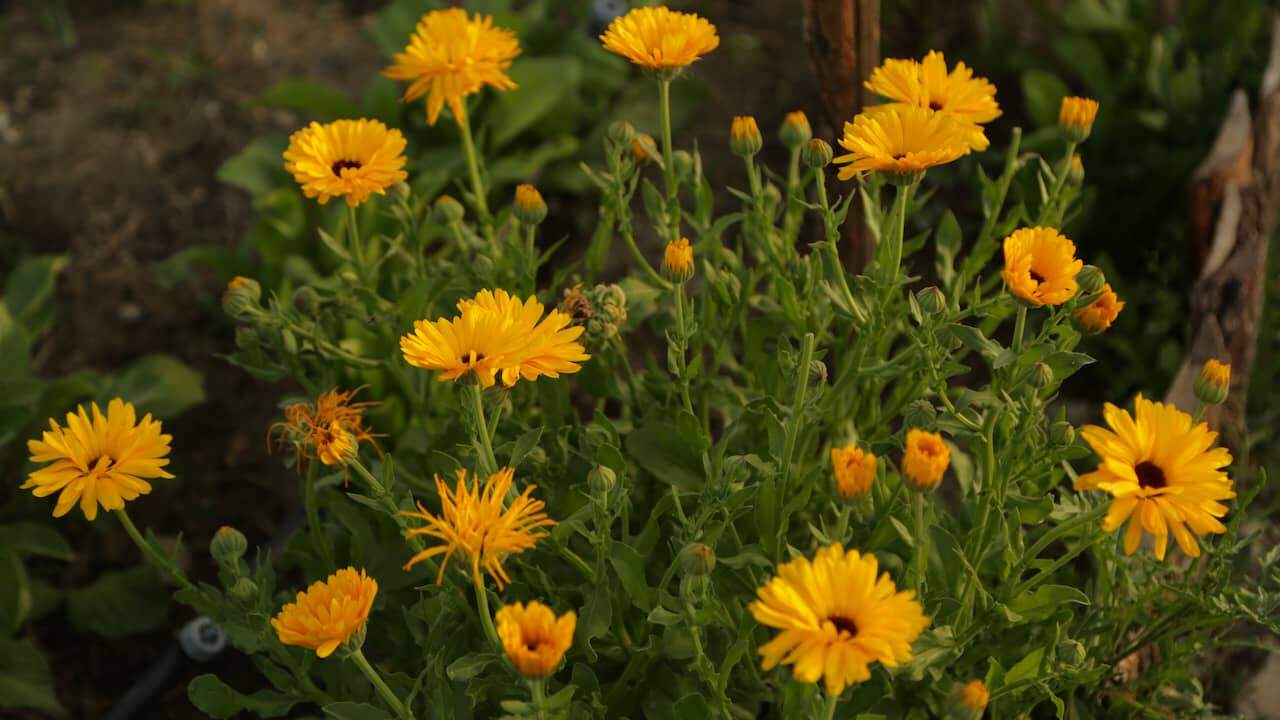
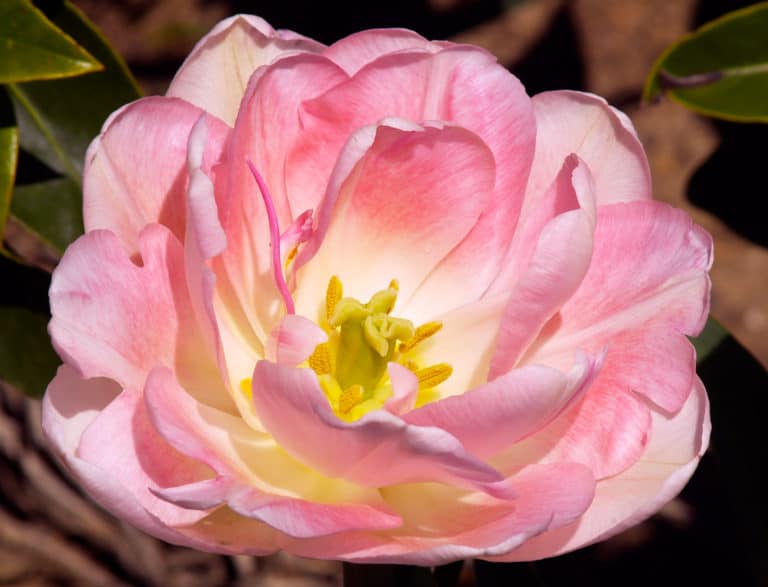
Rain can be particularly damaging to blooming flowers. Heavy raindrops can bruise petals, damage flower structures, and wash away pollen, negatively impacting the plant’s ability to reproduce.
To protect delicate flowers during rain, consider using a temporary cover, such as a sheet or tarp.
8. Seed Displacement
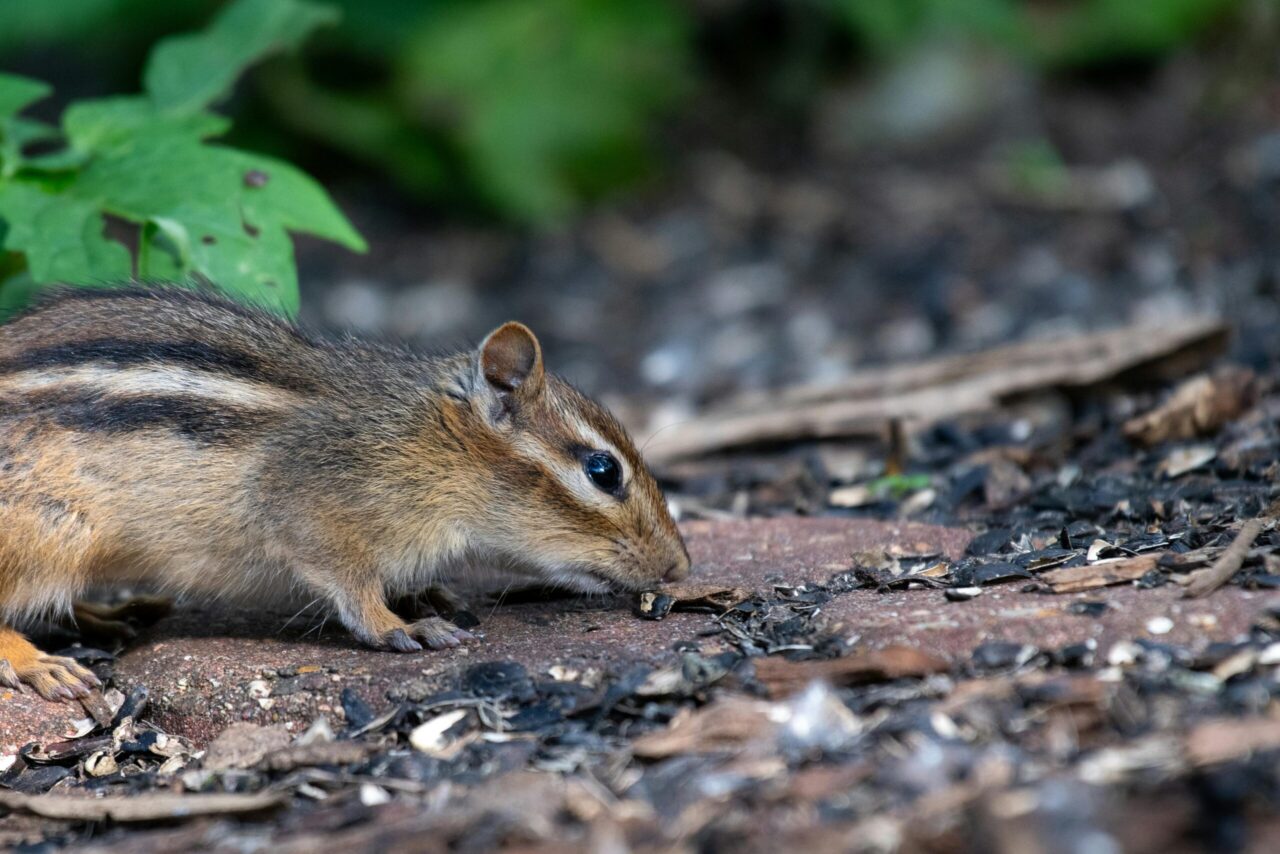
Rain can displace seeds, especially those that are newly sown. This can mess up your planting arrangement and may even wash your seeds away completely, wasting your effort and resources.
To prevent seed displacement, consider sowing your seeds a little deeper or using seed trays for starting seeds indoors during the rainy season.
9. Reduced Pollination
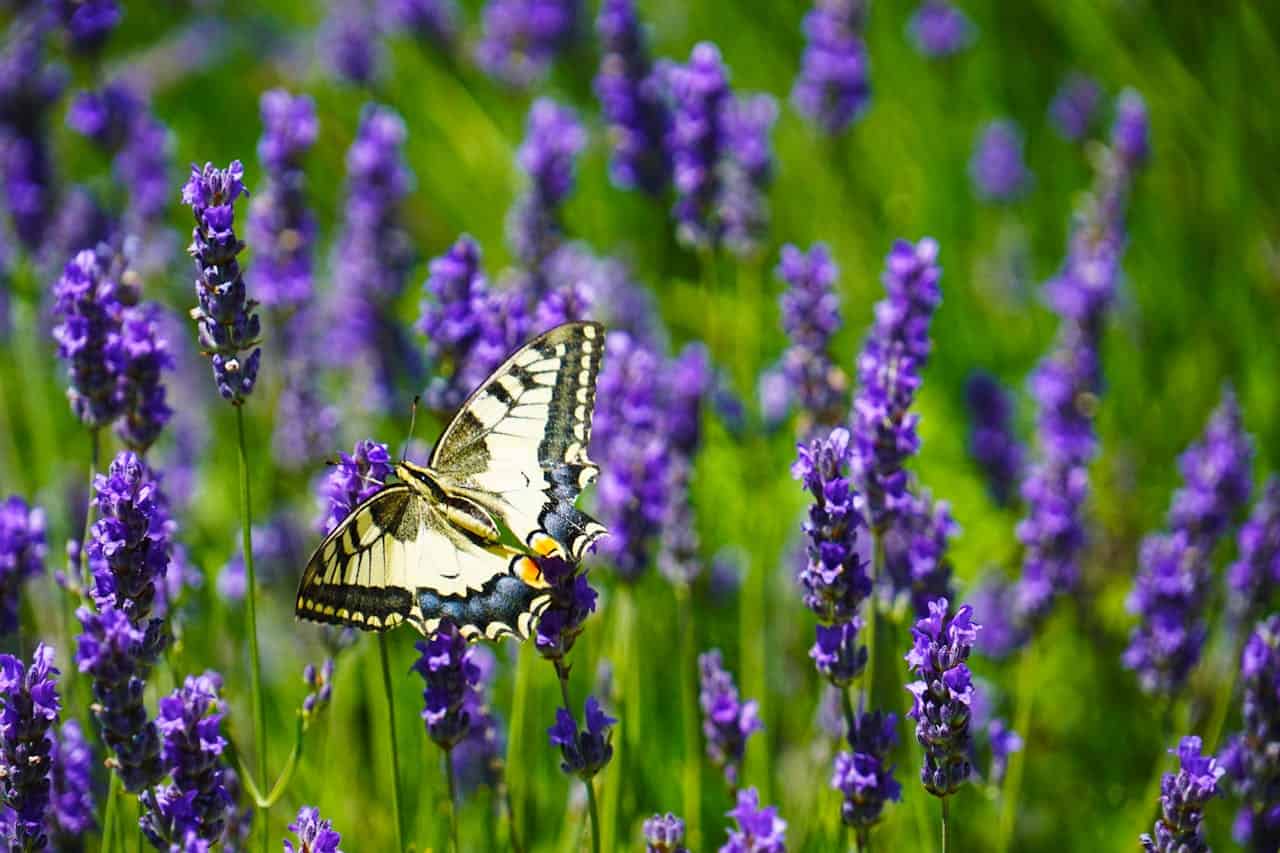
Rain can interrupt the pollination process as it can wash away the pollen before it gets a chance to fertilize the flower. This can lead to reduced fruit and seed production.
To ensure successful pollination, consider hand-pollinating your plants, especially if you’re growing fruits and vegetables.
10. Late Planting
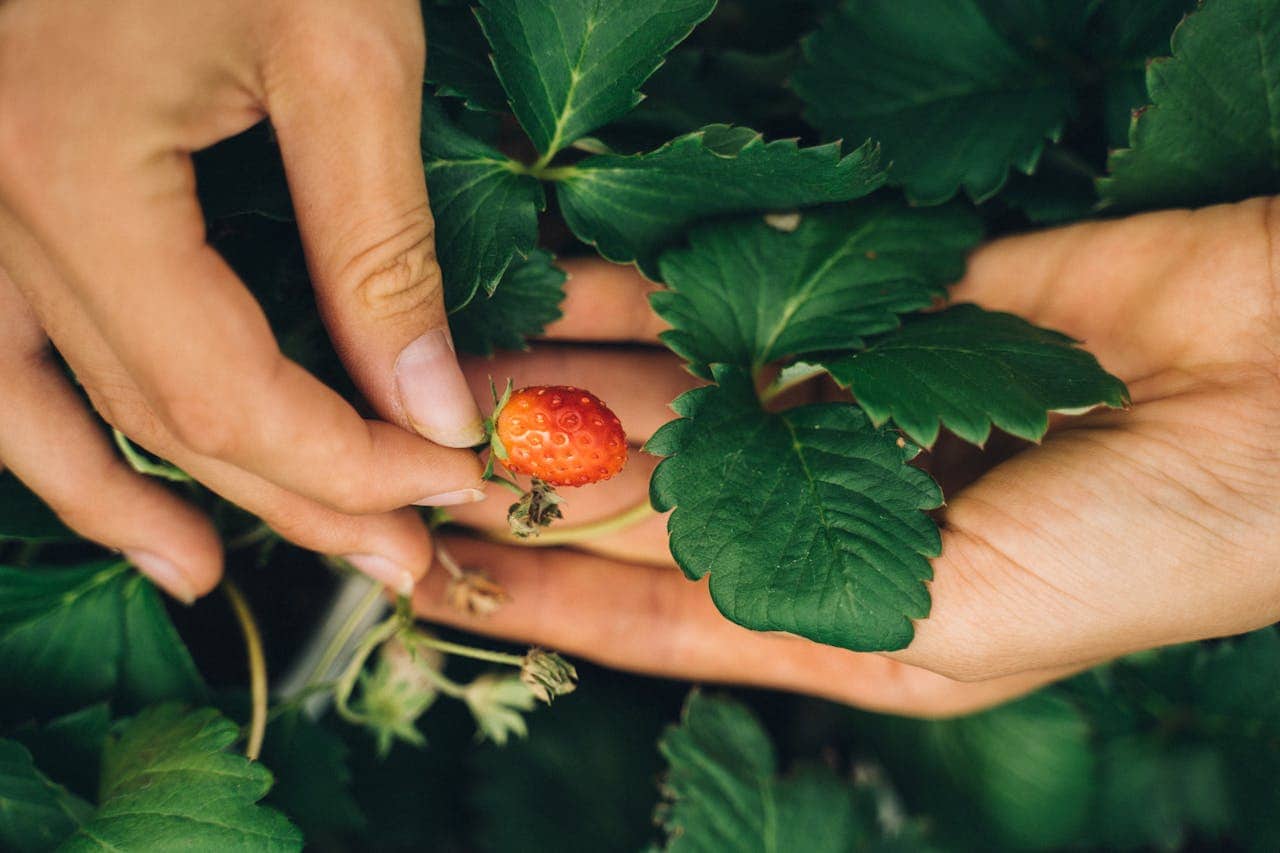
Excessive spring rains can delay planting as you’ll have to wait for the soil to dry out before you can work it. This can set back your gardening schedule and potentially reduce the growing season for your plants.
To counter this, consider using raised beds or containers that drain well and can be worked earlier in the season.
11. Weed Growth

Rain can stimulate weed growth. With their rapid growth rates, weeds can quickly take over your garden after a good rain, competing with your plants for resources.
To control weed growth, consider mulching your garden and pulling out weeds as soon as they appear.
12. Reduced Sunlight
Rainy weather is often accompanied by cloudy skies, which means less sunlight for your plants. Since plants need sunlight for photosynthesis, prolonged periods of rain can affect their growth and development.
When anticipating long stretches of rainy weather, consider using grow lights for indoor plants to supplement their light needs.
13. Waterlogged Compost

Rain can waterlog your compost pile, creating a soggy, smelly mess that doesn’t break down effectively. This can affect the quality of your compost.
To prevent this, consider covering your compost pile or bin during heavy rain.
14. Damaged Seedlings
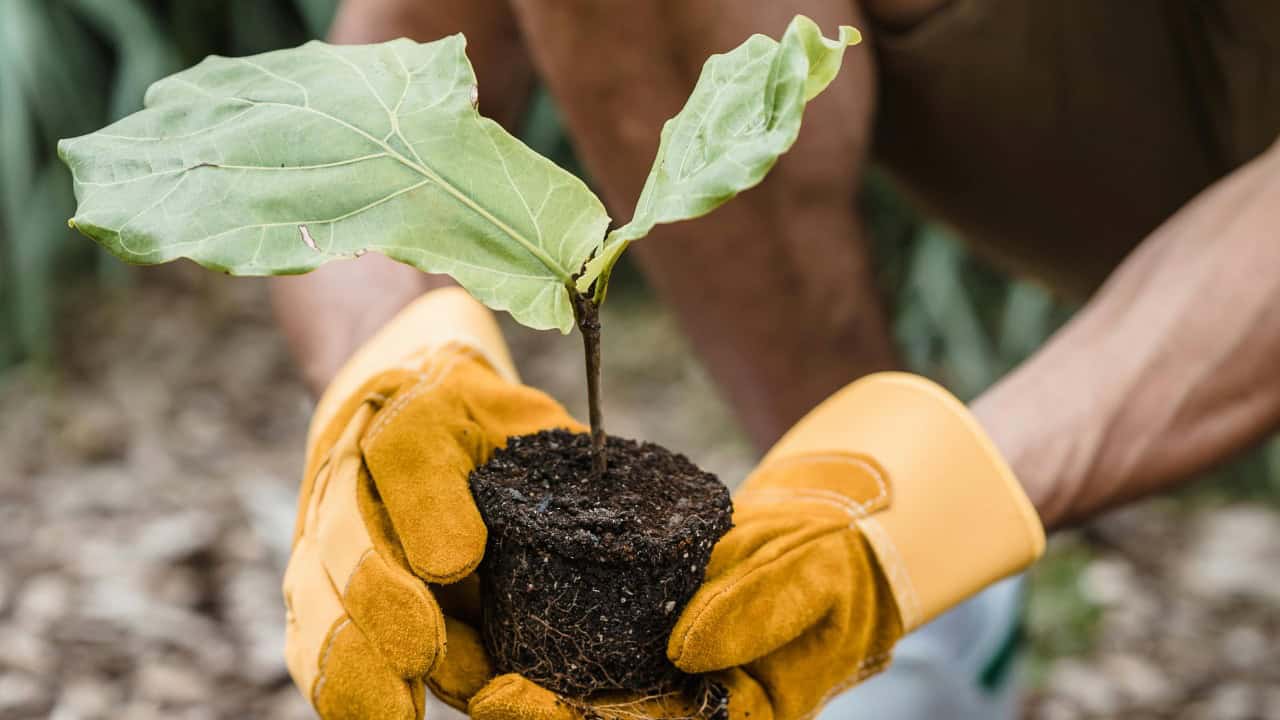
Heavy rain can damage young seedlings, breaking their fragile stems or completely washing them away.
To protect young seedlings, consider using cloches or row covers, or start them in a protected area and transplant them when they are stronger.
15. Frost Damage

If a heavy rain is followed by freezing temperatures, it can cause frost damage to your plants. The water in the plant tissues can freeze, damaging the cells and leading to discolored, wilted foliage and potential plant death.
To protect your plants from frost damage, consider using frost cloths or blankets, or move potted plants indoors if a freeze is forecasted.
16. Root Damage

Excessive rain can cause the soil to become waterlogged, leading to oxygen deprivation for the plant roots. This can cause the roots to become weak and even rot, damaging the plant’s ability to uptake water and nutrients.
To prevent root damage, ensure your garden has adequate drainage and consider using raised beds or mounds for plants that are particularly sensitive to waterlogging.
17. Muddy Mess

Heavy rain can turn your garden into a muddy mess, making it difficult to work in. Walking on wet soil can also lead to compaction, further damaging your garden.
To avoid creating a muddy mess, avoid walking in your garden when it’s wet and consider using stepping stones or paths to minimize soil compaction.