
Summer is that beautiful time of the year when gardens are in full bloom, buzzing with life and color. However, with the joy of summer also comes a host of problems that can turn your blooming paradise into a sad wasteland. From pests to drought, these garden nightmares can quickly rob your garden of its summer glow.
In this post, we’ll explore 16 common summer problems that can destroy gardens and offer valuable tips on how to combat them.
1. Drought

One of the common problems faced by gardeners during the summer is the lack of enough water for their plants. Drought can lead to wilting and death of plants if not appropriately managed.
Water is a critical ingredient for photosynthesis, the process through which plants make their food. Without sufficient water, this process is hindered, and the plant may die. To mitigate this problem, consider investing in a good irrigation system that can provide a consistent supply of water to your garden. You can also mulch your garden to help retain soil moisture and water your plants early in the morning or late in the evening to minimize evaporation.
2. Heat Stress

Heat stress is another common summer problem for gardens. Extreme heat can cause plants to wilt and lose their vibrancy, and in severe cases, it can lead to the death of the plant.
Plants cool themselves through a process called transpiration where they lose water to the environment through their leaves. However, during extreme heat conditions, this process can be overwhelmed, leading to heat stress. To protect your plants from heat stress, provide adequate water and consider shading your plants during the hottest parts of the day. You can also choose heat-tolerant plant varieties for your garden.
3. Pest Invasion

Summer is a time when pests such as aphids, beetles, and slugs are in full swing. These pests can cause significant damage to your garden by feeding on your plants.
Pests can be a major headache for gardeners. They can destroy leaves, stems, and fruits, leaving your plants looking ragged and unhealthy. To control pests, you can use natural predators such as birds and ladybugs, use insecticidal soaps or oils, or plant pest-resistant plant varieties. Regular inspection of your garden can also help you identify and deal with pest infestations early.
4. Fungal Diseases

High humidity and warm temperatures of summer provide perfect conditions for fungal diseases such as powdery mildew and blight. These diseases can cause significant damage to your plants, including leaf spots and wilting.
Fungal diseases thrive in damp, warm conditions. To prevent these diseases, ensure that your garden has good air circulation to minimize humidity. You can also use fungicides to control the diseases. Regular inspection of your garden can help you identify any signs of fungal diseases early and take appropriate measures.
5. Overwatering
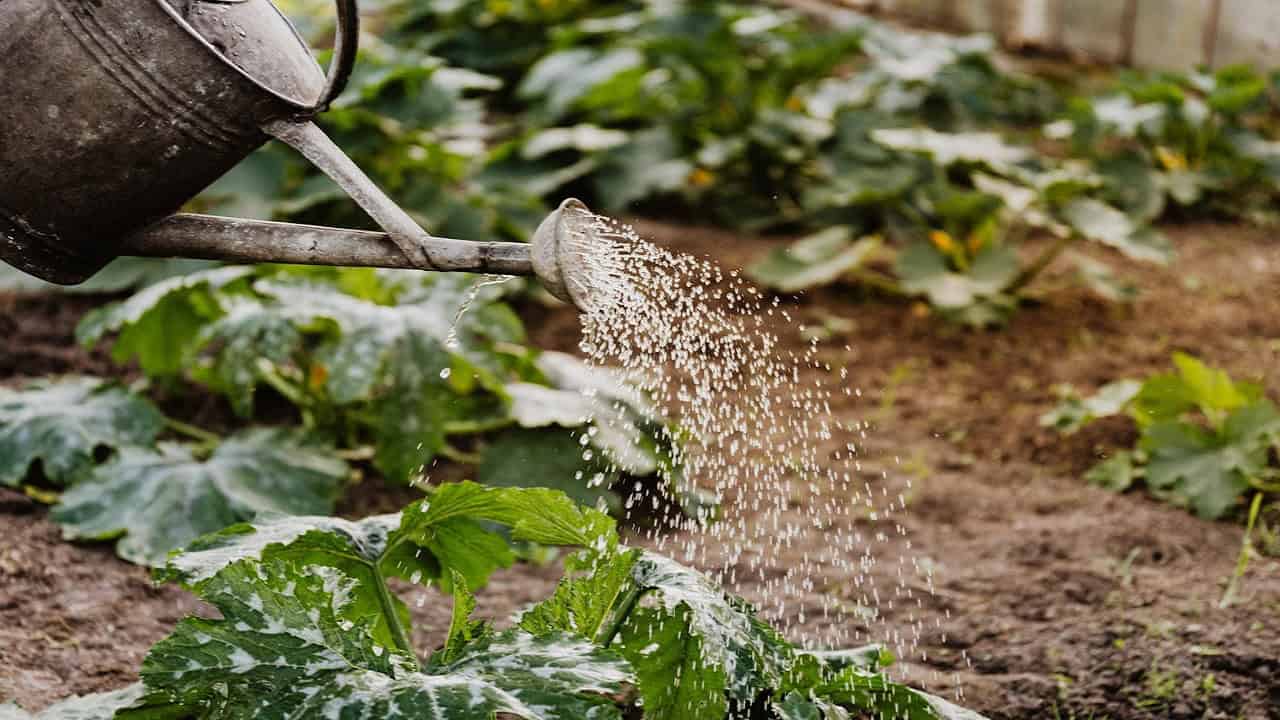
While water is essential for plant growth, too much water can be harmful. Overwatering can lead to root rot and other water-related diseases.
During summer, many gardeners are tempted to overwater their plants in an attempt to compensate for the high evaporation rates. However, overwatering can lead to waterlogged soil and root rot. To avoid overwatering, use a moisture meter to check the soil moisture levels before watering. Also, ensure that your garden has good drainage to prevent waterlogging.
6. Weed Invasion

Weeds are a common sight in many gardens during summer. These unwanted plants compete with your plants for nutrients, water, and sunlight, affecting their growth and productivity.
Weeds can be a real nuisance in your garden, especially during summer when they grow rapidly. To control weeds, you can use mulch to suppress their growth, hand-pull them, or use herbicides. Regular weeding can also help keep the weed population in check.
7. Improper Fertilization
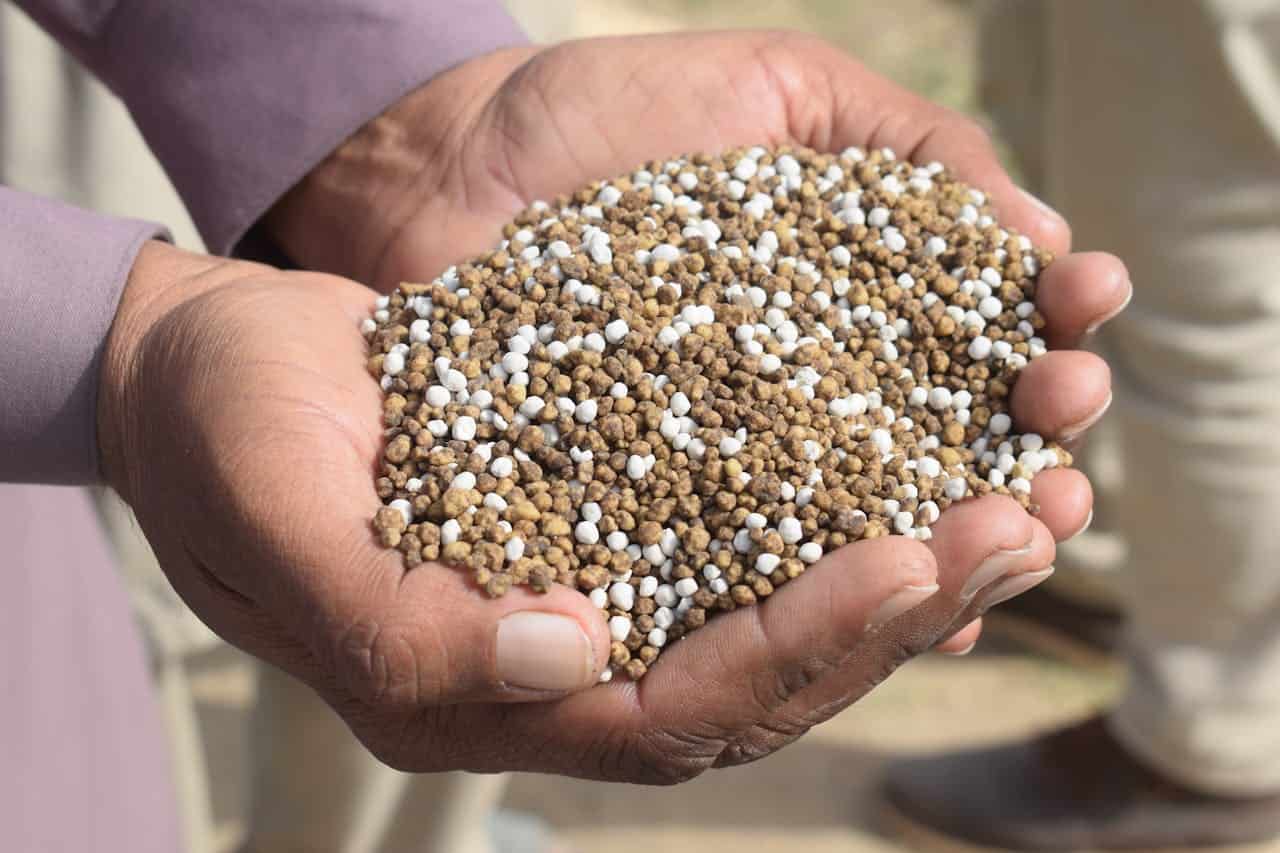
Fertilizer is crucial for plant growth, but too much or too little can harm your plants. Over-fertilization can lead to leaf burn, while under-fertilization can result in stunted growth.
The key to proper fertilization is understanding your plants’ nutrient needs and applying the right amount of fertilizer. You can use a soil test kit to determine the nutrient levels in your soil and adjust your fertilization accordingly. Also, remember to water your plants after fertilizing to prevent fertilizer burn.
8. Sun Scald

Sun scald is a condition where plant tissues get damaged due to intense sunlight. This is common in summer, especially in areas with high temperatures.
Sun scald can cause your plants to have discolored, bleached-out spots on their leaves, fruits, or stems. To protect your plants from sun scald, consider using shade cloths or plant umbrellas during the hottest parts of the day. You can also plant sensitive plants in areas of your garden that receive less intense sunlight.
9. Poor Soil Preparation

Proper soil preparation is crucial for successful gardening. However, many gardeners overlook this important step, leading to poor plant growth.
Your soil is the foundation of your garden. If it’s not well-prepared, your plants won’t thrive, no matter how much you water or fertilize them. Before planting, ensure that your soil is well-aerated and rich in organic matter. You can improve your soil structure by adding compost or well-rotted manure.
10. Neglect

While gardens can be a source of joy, they also require regular care and attention. Neglect can lead to a host of problems, including pest infestations, diseases, and poor plant growth.
Gardening is not a set-and-forget activity. Regular watering, weeding, pruning, and other gardening tasks are crucial for a healthy, vibrant garden. If you’re going on vacation, consider asking a friend or neighbor to look after your garden in your absence.
11. Improper Pruning

Pruning is an important gardening task that helps to improve plant health and shape. However, improper pruning can harm your plants and affect their growth.
When pruning, ensure that you’re using sharp, clean tools to prevent disease spread. It’s also important to prune at the right time. For example, spring-flowering shrubs should be pruned after they’ve finished blooming to avoid cutting off next year’s flowers.
12. Poor Plant Spacing

Proper plant spacing is crucial for healthy plant growth. Crowded plants can compete for resources, leading to poor growth and increased susceptibility to diseases.
When planting, ensure that you’re following the recommended spacing guidelines for each plant type. This will ensure that your plants have enough room to grow and access sunlight and nutrients.
13. Lack of Pollinators

Pollinators such as bees and butterflies play a crucial role in plant reproduction. However, the decline in pollinator populations can affect your garden’s productivity.
To attract pollinators to your garden, consider planting a variety of flowers that bloom at different times of the year. You can also provide habitat for pollinators by leaving some areas of your garden undisturbed and reducing the use of pesticides.
14. Soil Erosion

Soil erosion is a serious problem that can deplete your garden’s soil, affecting plant growth. It’s particularly common in sloping gardens and during heavy rains.
To prevent soil erosion, consider planting groundcovers or installing terraces or retaining walls in sloping areas. You can also use mulch to protect the soil surface and slow down water runoff.
15. Poor Drainage

Poor drainage can lead to waterlogged soil, which can harm your plants. It’s particularly common in heavy clay soils and flat gardens.
To improve drainage, consider incorporating organic matter into your soil to improve its structure. You can also install drainage pipes or create raised beds to improve water flow.
16. Nutrient Deficiency

Nutrient deficiency can lead to poor plant growth and discoloration. It’s often caused by poor soil fertility or incorrect fertilization.
To prevent nutrient deficiency, consider getting a soil test to determine the nutrient levels in your soil. You can then adjust your fertilization accordingly. Also, remember to rotate your crops to prevent nutrient depletion.

