We all know how important gutters are for our homes. They play a vital role in channeling water away from your home’s foundation, preventing potential water damage. However, a simple mistake in maintaining or installing your gutters can lead to severe flooding, causing costly damage.
Let’s highlight 17 common gutter mistakes that can cause flooding, and offer practical advice on how to avoid them. Knowledge is power, and understanding these common pitfalls can save you time, money, and a lot of headaches.
Advertisement
1. Ignoring Regular Maintenance
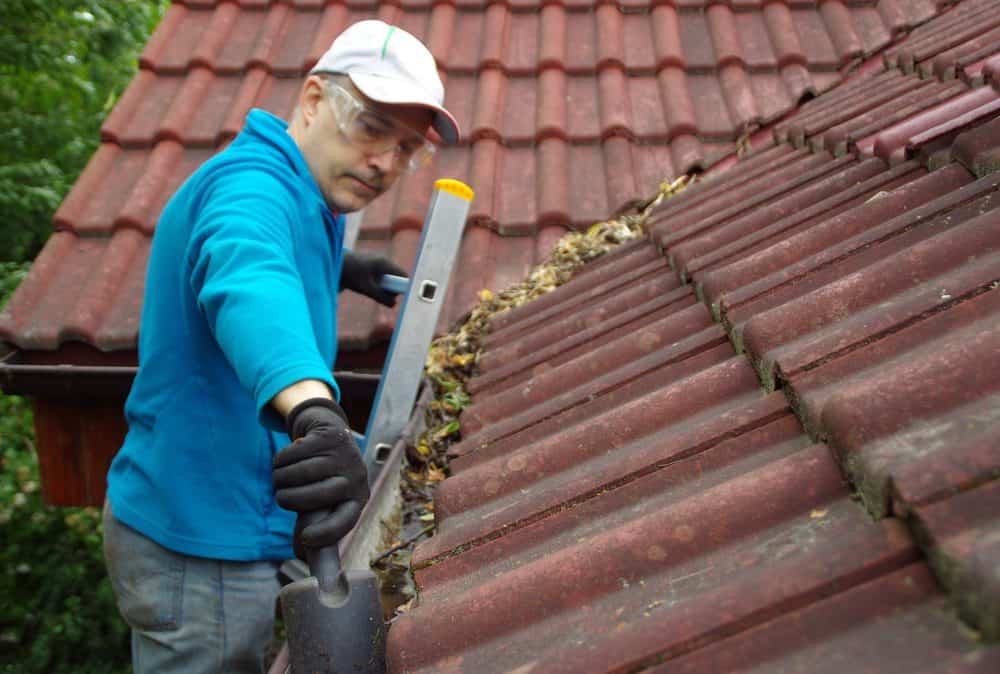
Gutters require regular maintenance to function optimally. If neglected, they can easily become clogged with debris such as leaves, bird nests, or even toys, causing water to overflow and potentially flood your home.
Take the time to inspect and clean your gutters at least twice a year, preferably during the spring and fall. Don’t forget to check after significant storms too, as these can often bring additional debris. If you’re uncomfortable doing this yourself, consider hiring a professional. Their expertise can catch potential issues early, preventing more serious problems in the future.
2. Incorrect Installation

Incorrect gutter installation can cause more harm than good. If gutters are installed at the wrong angle, water may not flow towards the downspouts, instead pooling and potentially causing leaks or overflow.
When installing gutters, make sure they are angled slightly towards the downspouts. This is called the pitch of the gutter. An optimal pitch allows water to flow naturally towards the downspouts, preventing pooling. If you’re unsure about the correct pitch, consider hiring a professional. The cost of hiring an expert is far less than the potential damage from incorrectly installed gutters.
3. Using Wrong Size Gutters

Using the wrong size gutters for your home can lead to overflow during heavy rains. Small gutters may not be able to handle large volumes of water, while large gutters may not fit properly on your home’s fascia.
To determine the correct size for your gutters, consider the size of your roof and the average rainfall in your area. If your roof is large or your area experiences heavy rainfall, you may need larger gutters to handle the water volume. Conversely, smaller roofs or areas with less rainfall may be fine with smaller gutters. Again, a professional can help you determine the correct size for your home.
4. Not Installing Gutter Guards
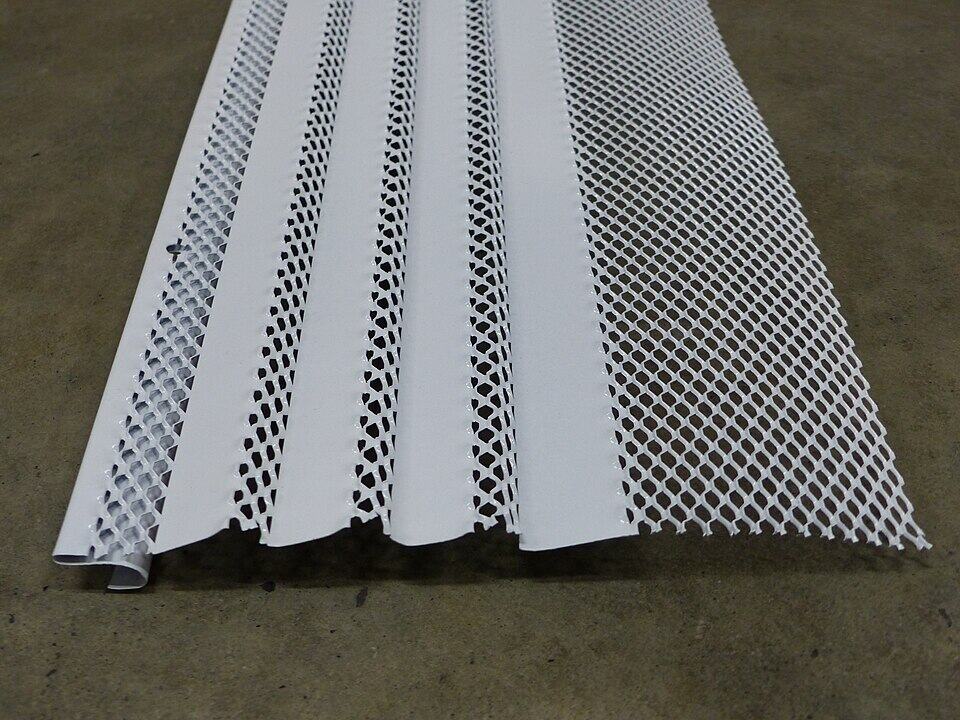
Gutter guards are protective covers that prevent debris from entering your gutters. Without them, leaves, twigs, and other debris can quickly clog your gutters, causing water to overflow.
Installing gutter guards can be a great investment in preventing clogs and ensuring smooth water flow. However, remember that even with gutter guards, regular maintenance is still essential. Gutter guards can reduce the amount of debris, but they can’t prevent it entirely. Check and clean your gutters regularly to ensure they’re functioning properly.
5. Insufficient Downspouts
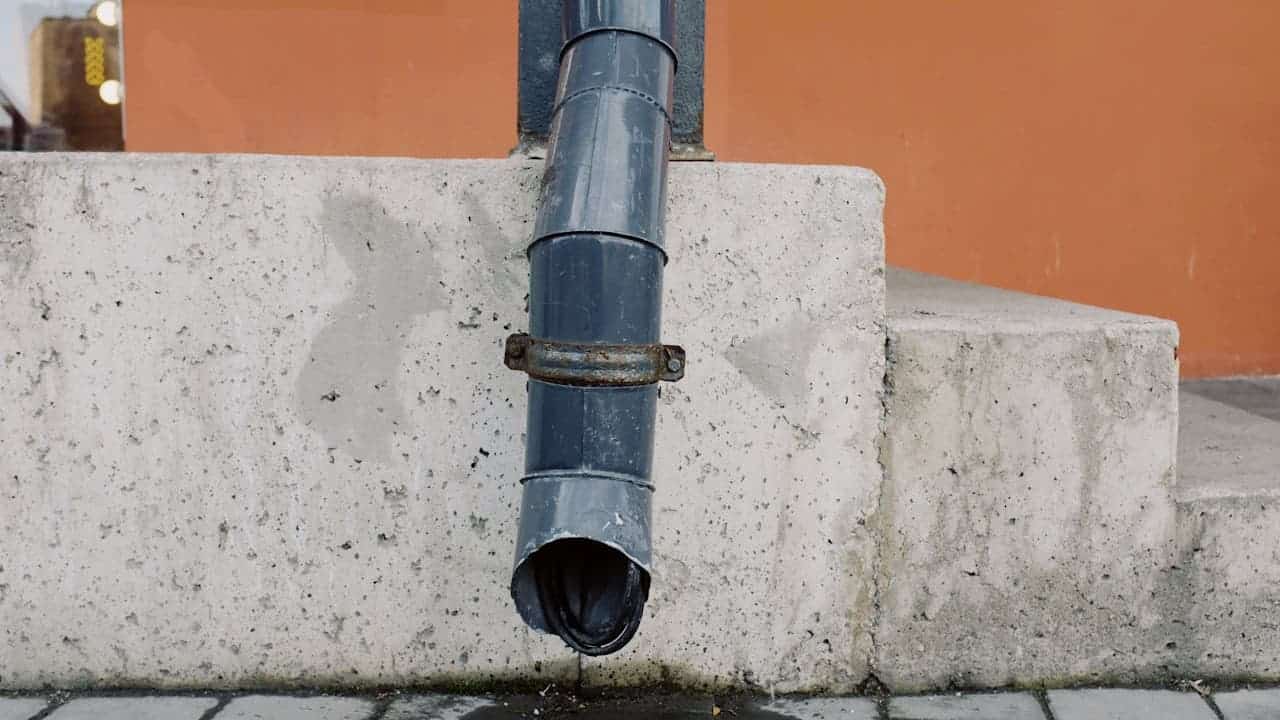
Downspouts play a crucial role in directing the flow of water away from your home. If there are not enough downspouts, or they’re too small, water can easily overflow from your gutters.
The number and size of downspouts needed depend on the size of your roof and the amount of rainfall your area typically receives. A general rule of thumb is to have one downspout for every 20-30 feet of gutter. Additionally, ensure your downspouts are directing water at least 5-6 feet away from your home’s foundation to prevent potential water damage.
6. Not Sealing Leaks and Cracks

Leaky gutters can cause water to drip down your home’s exterior walls, potentially causing water damage or even flooding. Small leaks or cracks may seem insignificant, but they can lead to major problems over time.
Inspect your gutters regularly for any signs of leaks or cracks. If you spot any, repair them promptly to prevent further damage. Silicone sealant is an effective and affordable solution for minor leaks or cracks. If the damage is significant, you may need to replace the affected section of the gutter.
7. Improperly Positioned Downspouts
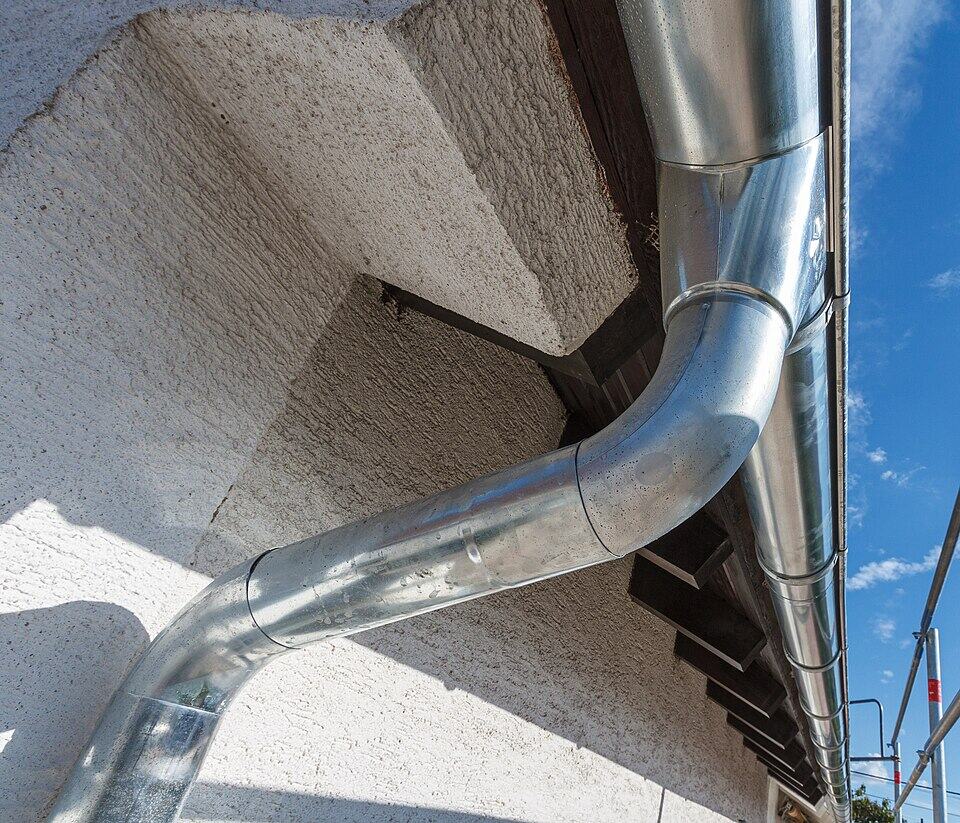
Even if you have enough downspouts, improperly positioned ones can still lead to flooding. If they are not directing water away from your home’s foundation, water can seep into the ground and potentially flood your basement.
Ensure that downspouts are directing water at least 5-6 feet away from your home’s foundation. Use downspout extenders if needed to achieve the proper distance. Also, consider directing the water towards a garden or other area that can absorb the water effectively.
8. Not Checking for Blockages
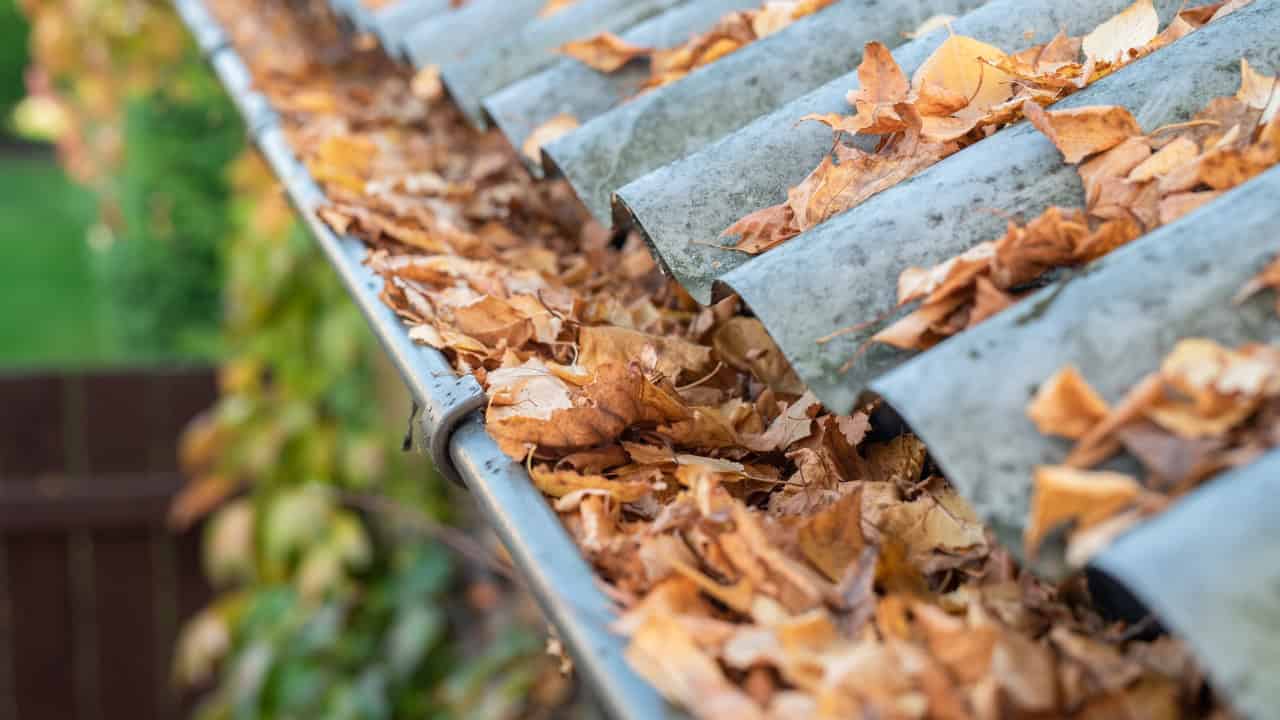
Blockages in your gutters or downspouts can prevent water from flowing freely, leading to overflow. These blockages can be caused by various debris, including leaves, bird nests, or even tennis balls!
Regularly check your gutters and downspouts for any blockages, especially after storms. Use a garden hose to flush water through your gutters and downspouts. If water isn’t flowing freely, there may be a blockage. Remove any visible debris and consider using a plumber’s snake to break up any hidden blockages.
9. Using Cheap Materials
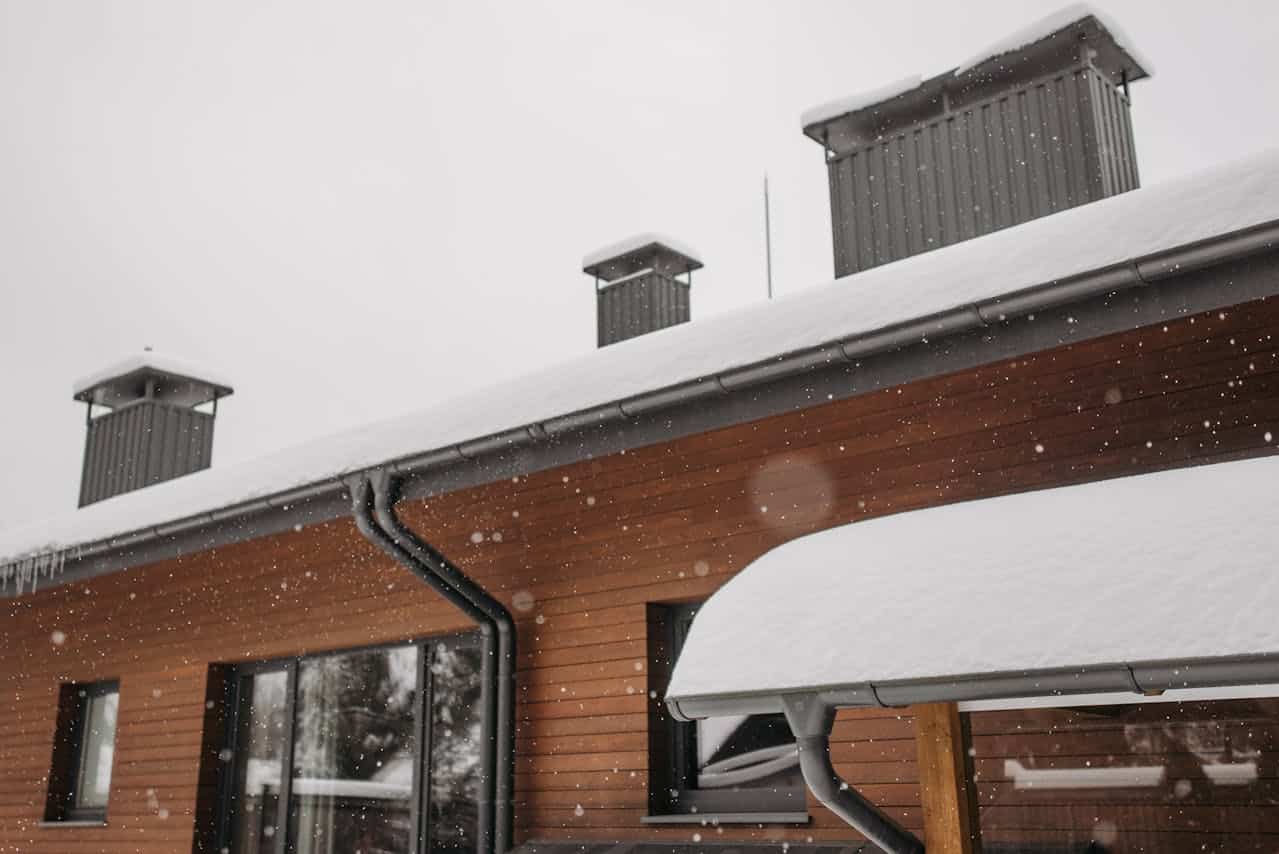
Cheap gutter materials may save you money upfront, but they can lead to major problems in the long run. Cheap materials may not be as durable, leading to leaks, cracks, or even full collapse.
Invest in high-quality gutter materials that can withstand the elements and the weight of water and debris. Aluminum is a popular choice due to its durability and affordability. Copper is another durable option, although it’s more expensive. Remember, a well-built gutter system is an investment in the long-term health of your home.
10. Not Considering Local Climate
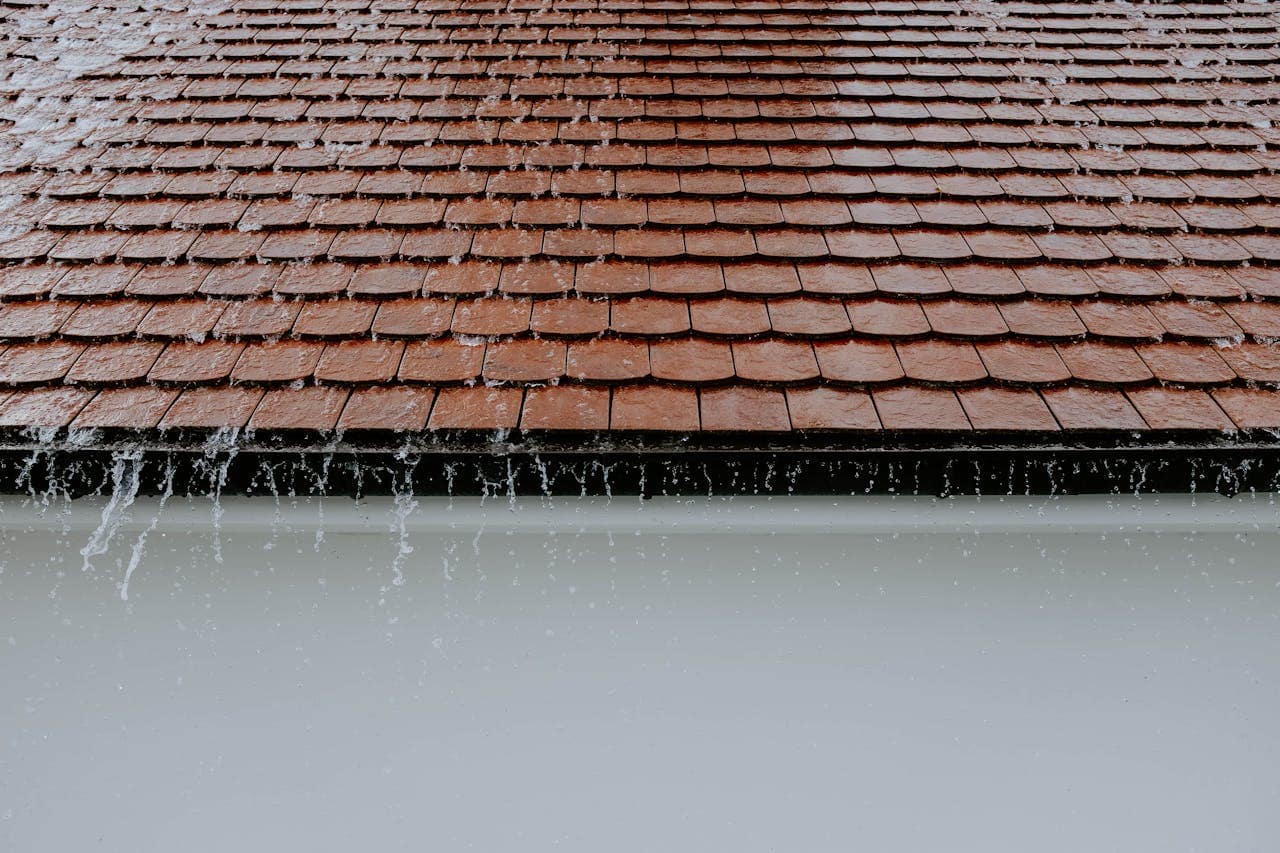
Your local climate can significantly impact the performance of your gutters. If you live in an area with heavy rainfall or snowfall, your gutters need to be able to handle the volume of water.
Consider your local climate when choosing your gutters. If you live in a rainy area, you may need larger gutters or additional downspouts. If you live in a snowy area, consider heated gutter systems to prevent ice dams. A professional can help you determine the best gutter system for your specific climate.
11. Neglecting to Install Splash Blocks
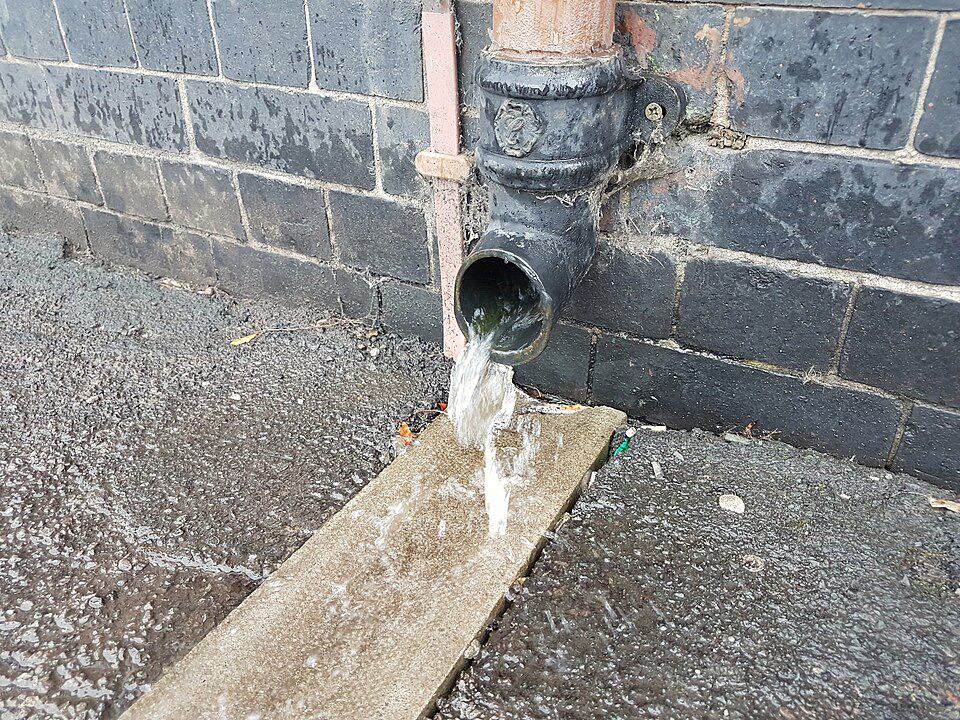
Splash blocks are devices placed under downspouts to help direct water away from your home’s foundation. Without them, water can pool around your foundation, potentially causing flooding.
Ensure your downspouts have splash blocks to direct water away from your foundation. They can be made of concrete, plastic, or rubber and are a simple yet effective tool in preventing water damage. Remember, it’s not enough to just have downspouts; they need to be directing water away from your home effectively.
12. Not Considering Gutter Color
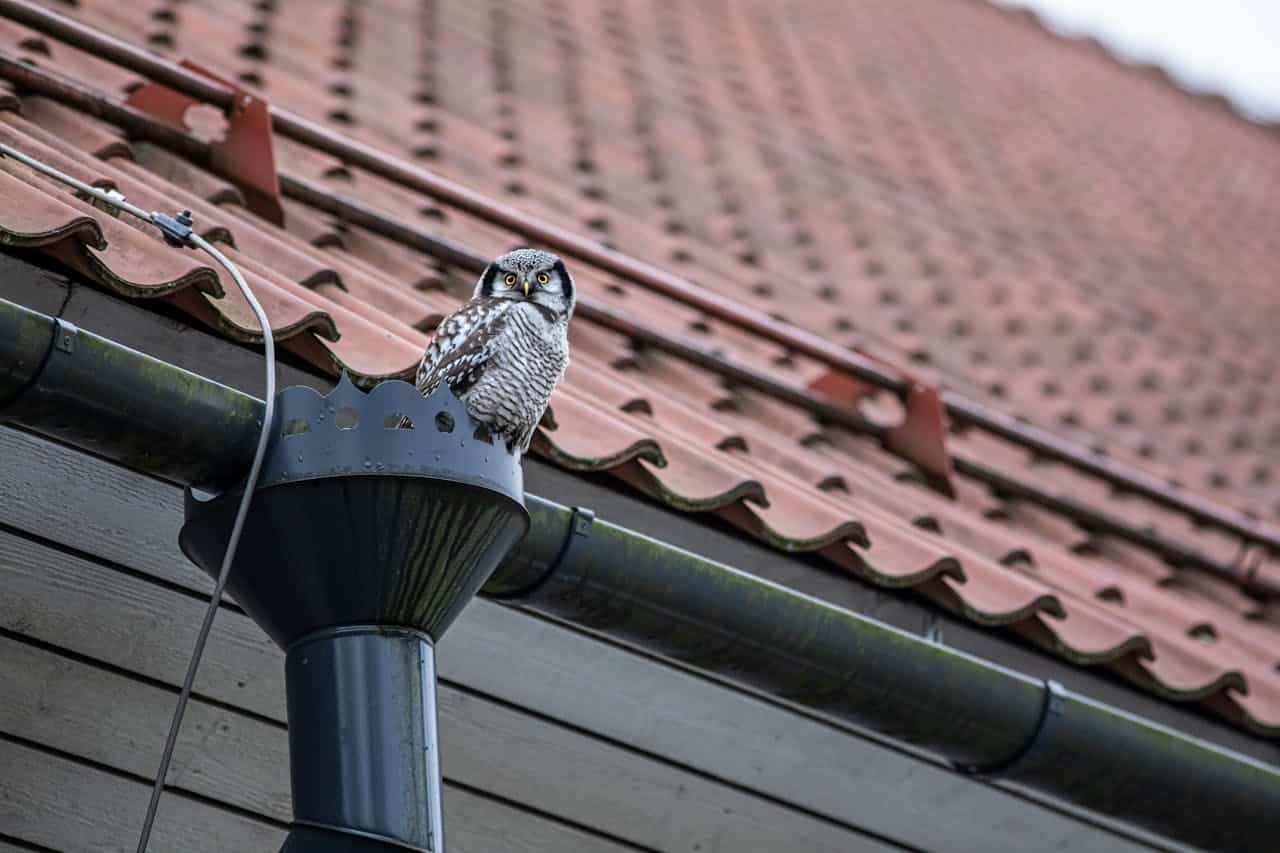
While the color of your gutters may seem like a purely aesthetic choice, it can actually impact their performance. Dark-colored gutters can absorb more heat, potentially causing snow or ice to melt and overflow.
Choose a gutter color that matches your home’s exterior but also takes into consideration your local climate. If you live in a snowy area, lighter-colored gutters may be a better choice to prevent melting. Additionally, consider gutter materials that resist heat absorption, such as vinyl.
13. Forgetting About Ice Dams
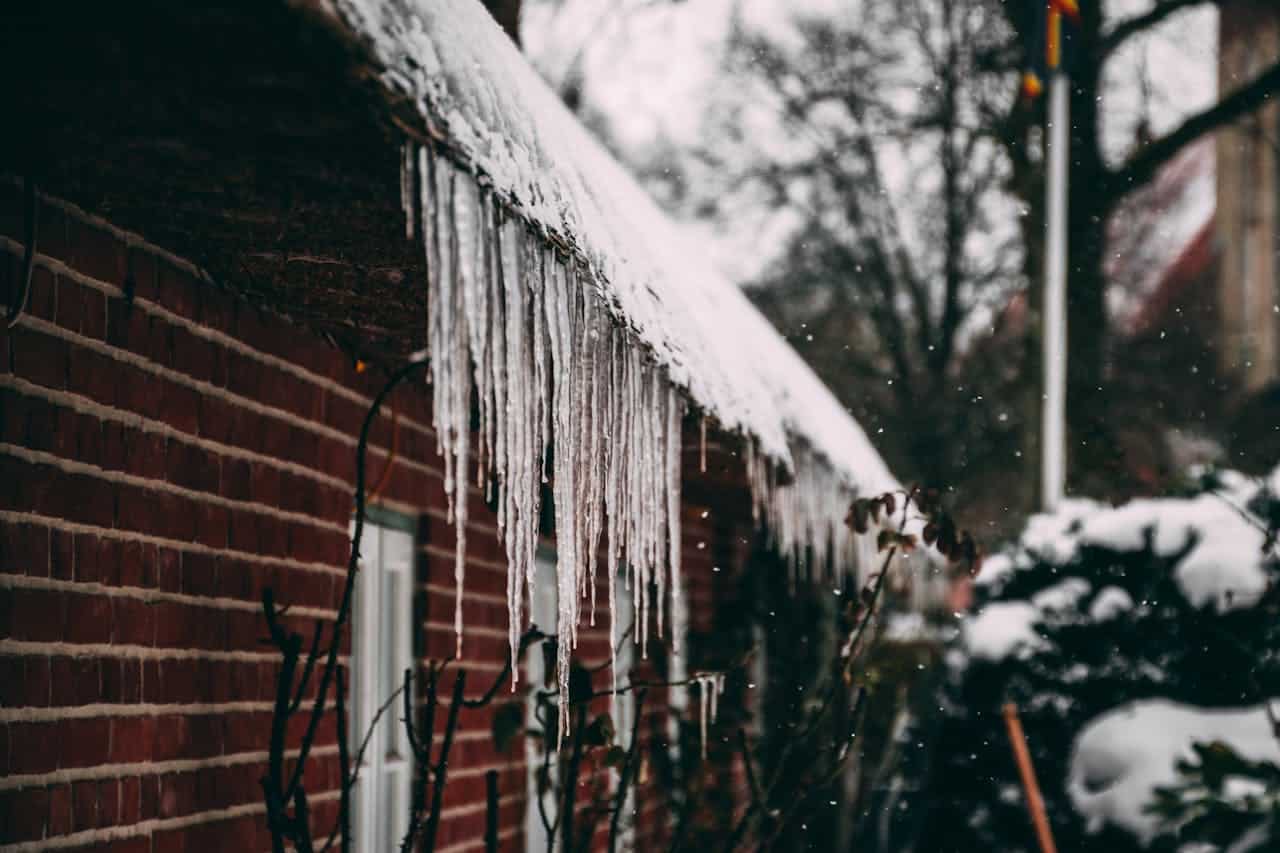
Ice dams can be a major problem for homeowners in colder climates. They form when snow melts, flows down your roof, and refreezes in your gutters, blocking water flow and potentially causing overflow.
Prevent ice dams by ensuring your attic is well-insulated and vented. Consider installing heated cables in your gutters to melt ice dams. Regularly check your gutters during winter and remove any ice dams promptly to prevent damage.
14. No Regular Inspections

Even with regular cleaning, it’s important to inspect your gutters regularly for any signs of damage or potential problems. Small issues can quickly become major problems if left unchecked.
Set a regular schedule for inspecting your gutters. Look for signs of wear and tear, such as rust, cracks, or sagging. Check the seams and joints for any leaks. If you spot any issues, repair them promptly to prevent further damage.
15. Ignoring Sagging Gutters
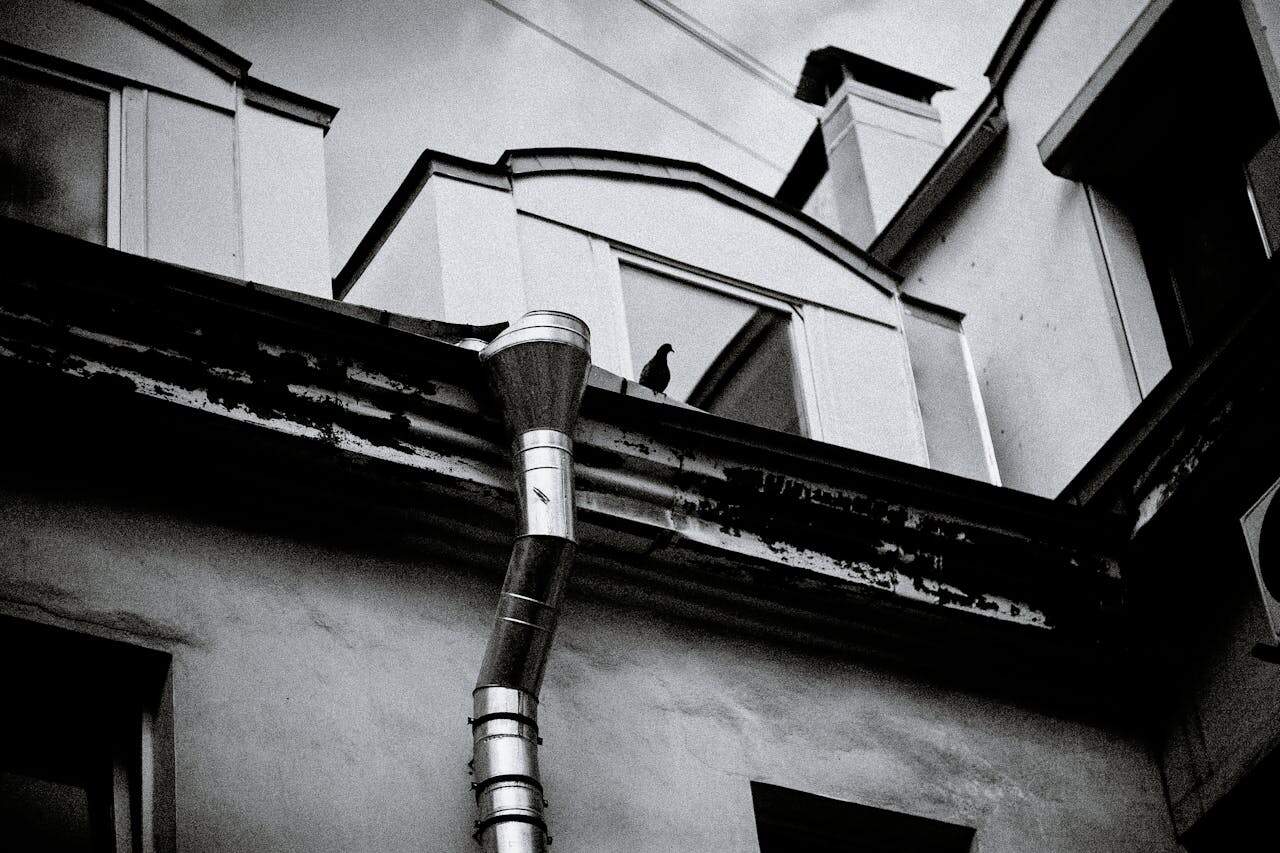
Sagging gutters are not just an eyesore; they can also lead to water pooling and potential overflow. Gutters sag when they’re overloaded with water or debris, or if the hangers are spaced too far apart.
Prevent sagging gutters by regularly cleaning out any debris and ensuring the hangers are properly spaced and secured. If you notice your gutters sagging, address the issue promptly. You may need to replace the hangers or even the gutters themselves.
16. Not Installing Enough Hangers

Hangers are used to secure gutters to your home. If there are not enough hangers, or they’re spaced too far apart, your gutters can sag or even collapse.
Ensure you have enough hangers to support your gutters. A good rule of thumb is to have a hanger every 2-3 feet. However, if you live in an area with heavy snowfall, you may need more hangers to support the additional weight. Always use high-quality hangers that can withstand the weight of water and debris.
17. DIY Without Proper Knowledge

While DIY gutter installation or repair can save you money, it can also lead to major problems if done incorrectly. Incorrect installation can lead to leaks, overflow, and even structural damage to your home.
If you’re not confident in your ability to install or repair your gutters, consider hiring a professional. They have the knowledge and experience to ensure your gutters are installed correctly and function optimally. Remember, gutters are an essential part of your home’s water management system. It’s worth investing in professional installation to prevent potential flooding and costly water damage.