
In every garden, structures are what add an extra touch of charm and functionality. They provide the perfect background for your colorful blooms, give a home to your climbing roses, and offer shade on hot summer days. However, like any other part of your home, garden structures are not immune to wear and tear. It’s essential to be aware of the signs that your garden structures might be failing, not only for aesthetics but also for safety reasons.
Let’s take a look at 16 signs that could indicate your garden structures are on the brink of failure.
1. Cracks and splits

One of the most obvious signs that your garden structures are failing is the presence of cracks and splits. These are often caused by the natural aging process, pressure from plant growth, or extreme weather conditions. While small, hairline cracks might not pose an immediate threat, larger, deeper ones could compromise the structural integrity of your garden features. Cracks and splits are especially common in wooden structures such as pergolas, arbors, and raised garden beds. If you notice such damage, assess its extent and depth. Small cracks can often be filled in with wood filler and painted over. However, larger cracks might require professional repair or replacement of the damaged section.
2. Rotting wood
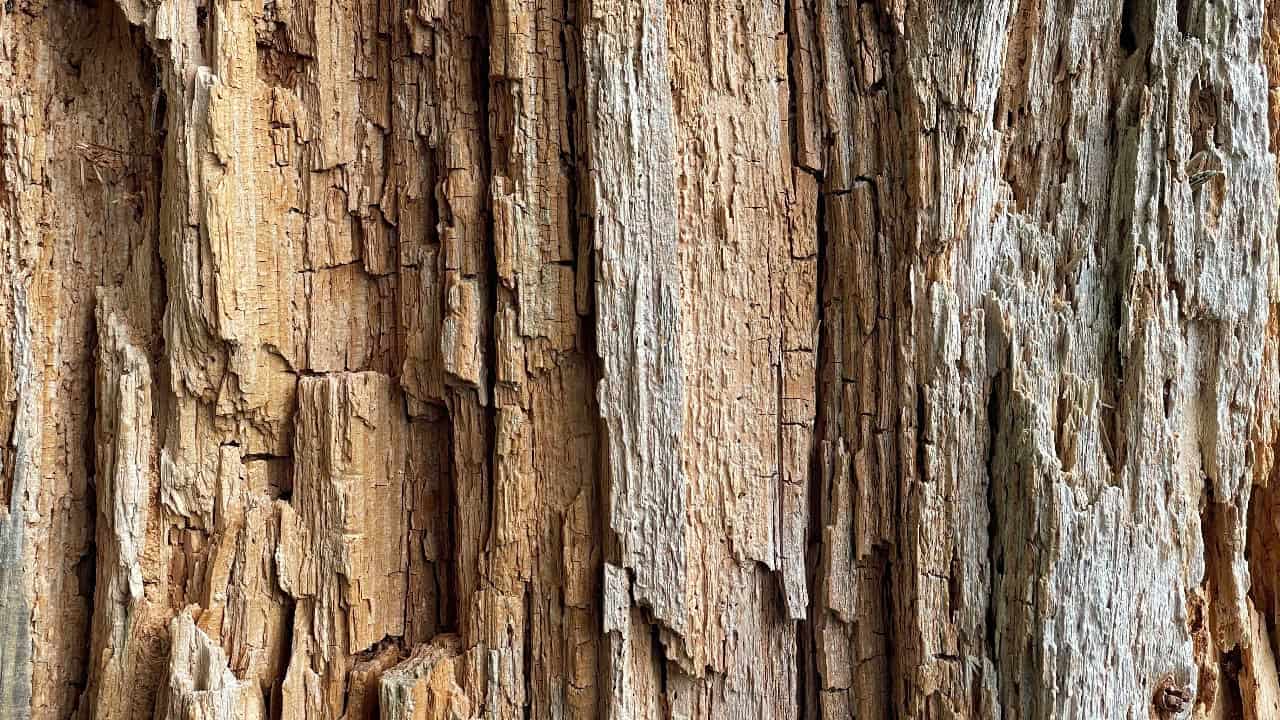
Wood rot is another common problem for garden structures. This is usually caused by fungi that thrive in damp, poorly ventilated conditions. Over time, the rot can weaken the wood and cause it to crumble, leading to structural instability. If you notice signs of rot, such as discolored, soft, or crumbly wood, it’s important to address the problem as soon as possible. You can often remove the affected area and treat the remaining wood with a fungicide. However, if the rot is widespread, the structure may need to be replaced entirely.
3. Sagging or leaning

A sagging or leaning structure is a clear sign that it’s failing. This can be caused by a variety of factors, such as a weak foundation, excessive weight, or deterioration of the materials over time. If your garden structure is sagging or leaning, it’s important to address the issue quickly to prevent further damage or potential accidents. This might involve reinforcing the structure, reducing the weight it’s bearing, or in severe cases, dismantling and rebuilding it.
4. Loose or missing fasteners

Fasteners like screws, bolts, and nails are what hold your garden structures together. If these become loose or go missing, it can compromise the stability of the structure. Regularly check your garden structures for any loose or missing fasteners. If you find any, replace or tighten them as soon as possible. If a structure consistently has loose or missing fasteners, it might be a sign of a bigger issue, like structural instability or material decay.
5. Peeling paint or stain
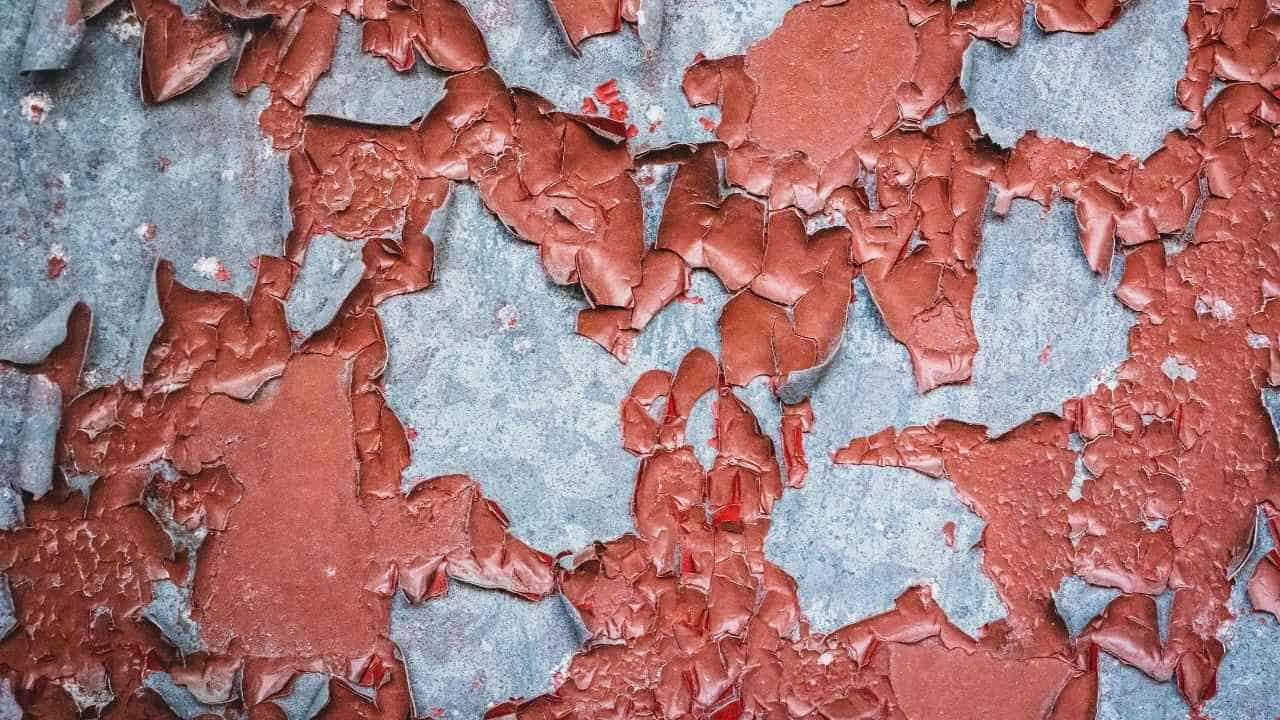
While peeling paint or stain is more of a cosmetic issue, it can be a sign that your garden structure is exposed to the elements and could be at risk of damage. The paint or stain on your garden structures doesn’t just make them look good – it also provides a protective barrier against moisture and UV rays. If your garden structures’ paint or stain is peeling, consider giving them a fresh coat. Not only will this improve their appearance, but it will also help protect them against weather-related damage.
6. Mold and mildew

Mold and mildew are not just unsightly; they can also cause structural damage and health problems. They thrive in damp, shaded areas and can quickly spread if not addressed. If you notice mold or mildew on your garden structures, clean it off as soon as possible. There are many anti-mold products available, or you can make a simple solution of vinegar and water. To prevent mold and mildew from returning, try to improve air circulation and sunlight exposure.
7. Rust

Rust is a common issue for metal garden structures. It’s caused by the reaction of iron and oxygen in the presence of water or moisture. Over time, rust can weaken the metal and lead to structural failure. If you notice rust on your garden structures, it’s important to remove it as soon as possible. You can often do this with a wire brush or sandpaper. Once the rust is removed, treat the metal with a rust inhibitor and repaint it to prevent further rusting.
8. Termites

Termites are a serious threat to wooden garden structures. They can chew through wood and cause significant structural damage. Signs of a termite infestation include small, round holes in the wood, sawdust-like droppings, and the presence of winged termites. If you suspect a termite infestation, it’s important to act quickly. You can use over-the-counter termite treatments for small infestations, but for larger ones, you may need to hire a professional exterminator.
9. Water damage

Water is one of the biggest enemies of garden structures. It can cause wood to rot, metal to rust, and paint to peel. Signs of water damage include discoloration, a musty smell, and soft or crumbly materials. If your garden structures are showing signs of water damage, try to identify the source of the water and address it. This might involve improving drainage, fixing leaks, or applying a water-resistant sealant.
10. Faded color

Over time, exposure to the sun can cause the color of your garden structures to fade. While this is primarily a cosmetic issue, it can also indicate that the structure is exposed to the elements and could be at risk of further damage. If your garden structures have faded, consider giving them a fresh coat of paint or stain. This will not only improve their appearance but also provide an extra layer of protection against the elements.
11. Gaps or holes
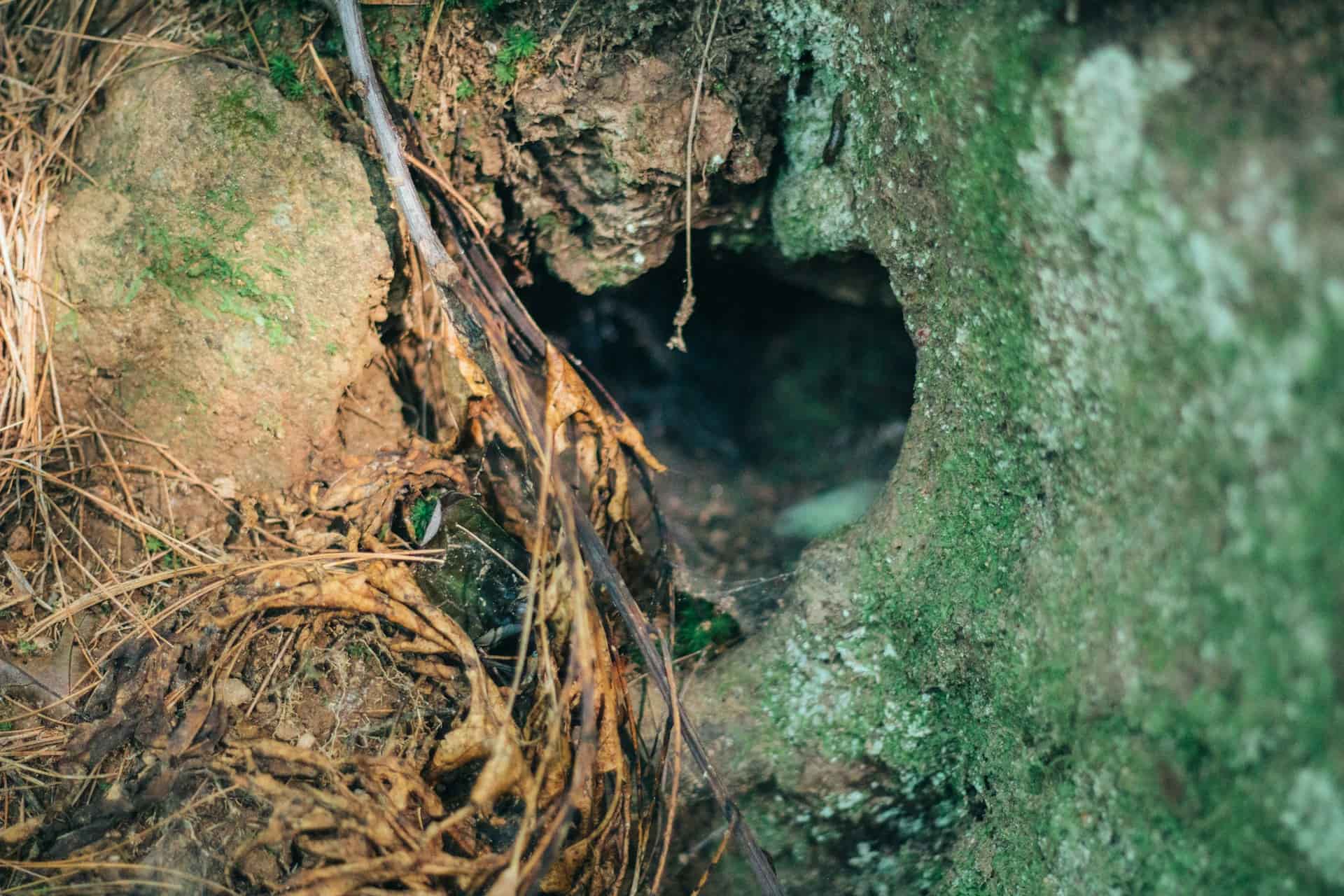
Gaps or holes in your garden structures can be a sign of various problems, from wood rot to termite infestations. They can also compromise the stability of the structure and let in pests and moisture. If you notice gaps or holes in your garden structures, it’s important to fill them in as soon as possible. You can use wood filler for small gaps or holes, but larger ones might require more extensive repairs.
12. Warped or distorted shape

A warped or distorted shape can indicate that your garden structure is under stress or has been damaged. This can be caused by factors like uneven weight distribution, inadequate support, or exposure to extreme weather conditions. If your garden structure is warped or distorted, it’s important to address the underlying issue. This might involve reinforcing the structure, redistributing the weight, or replacing damaged parts.
13. Loose joints

Loose joints can compromise the stability of your garden structure and make it unsafe. They can be caused by factors such as wear and tear, improper installation, or material decay. If your garden structure has loose joints, try to tighten them if possible. If the joints are too worn or damaged, you might need to replace them.
14. Difficulty opening or closing doors and windows

If your garden structure has doors or windows that are difficult to open or close, it could be a sign of structural issues. This could be caused by warping, foundation shifts, or deterioration of the materials. Try to identify the cause of the problem and address it. This might involve sanding down a sticky door, leveling a shifted foundation, or repairing damaged materials.
15. Unpleasant smells
Unpleasant smells can be a sign of various issues, from mold and mildew to animal infestations. These issues can damage your garden structures and make them unpleasant to use. If your garden structure has an unpleasant smell, try to identify the source and address it. This might involve cleaning off mold and mildew, sealing gaps to keep out animals, or improving ventilation.
16. Dampness or condensation

Dampness or condensation can indicate that your garden structure has a moisture problem. This can lead to issues like mold, mildew, and water damage. If your garden structure is damp or has condensation, try to improve ventilation and reduce humidity. This might involve installing vents, using a dehumidifier, or applying a moisture-resistant sealant. The health of your garden structures is vital, not just for the beauty of your garden but also for safety. Regularly checking for these signs and addressing any issues can help keep your garden structures strong, safe, and beautiful for years to come.

