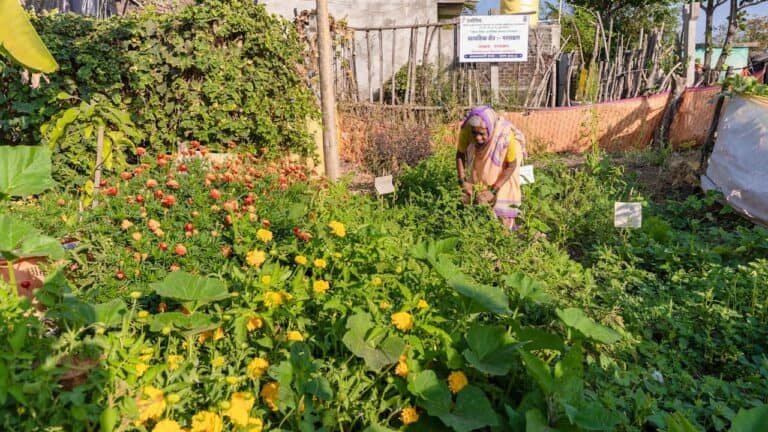
Gardening is a passion for many of us. It’s not just about the aesthetic appeal, but also the joy of nurturing life from a tiny seed to a full-bloomed plant. However, despite our best intentions, we could be harming our garden in ways we don’t even realize.
This post will help you identify the common mistakes we make that might inadvertently poison our plants. Let’s explore how to dodge these pitfalls and keep our gardens thriving and healthy.
Advertisement
1. Over-watering

Over-watering is one of the most common ways gardeners inadvertently harm their plants. While we might think we’re hydrating our plants, too much water can actually lead to root rot, which can prove fatal for many types of plants.
Root rot happens when plant roots sit in water for too long, which can cause them to suffocate and decay. Symptoms include yellowing leaves, stunted growth, and wilting. To prevent over-watering, research your plant’s specific water needs and use a moisture meter to make sure you’re not giving them too much H2O.
2. Using Non-composted Yard Waste
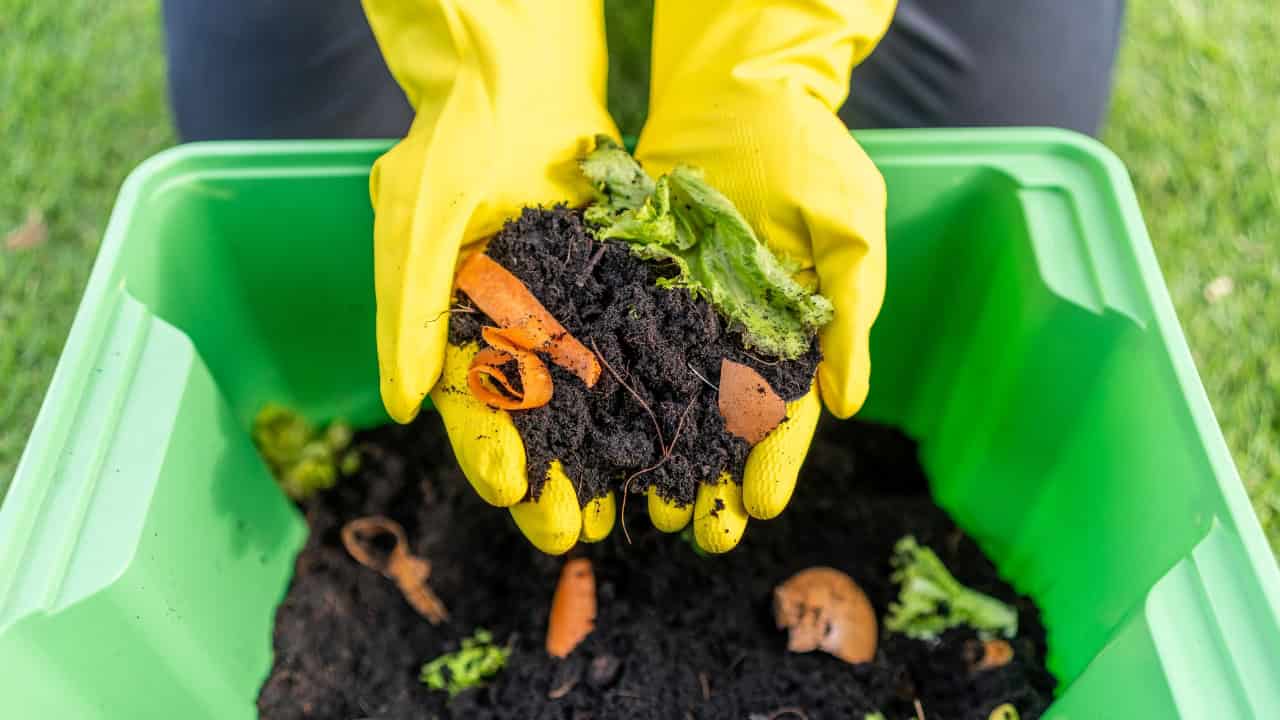
While composting yard waste is a great way to create organic matter for your garden, using non-composted yard waste can introduce diseases, pests, and weed seeds into your garden.
When yard waste is composted, it heats up to a temperature that kills off these harmful elements. If it hasn’t undergone this process, it can bring more harm than benefits. Always ensure your compost pile reaches the necessary temperature, usually between 130-170°F, and turn it regularly to ensure an even heat distribution.
3. Neglecting Soil pH
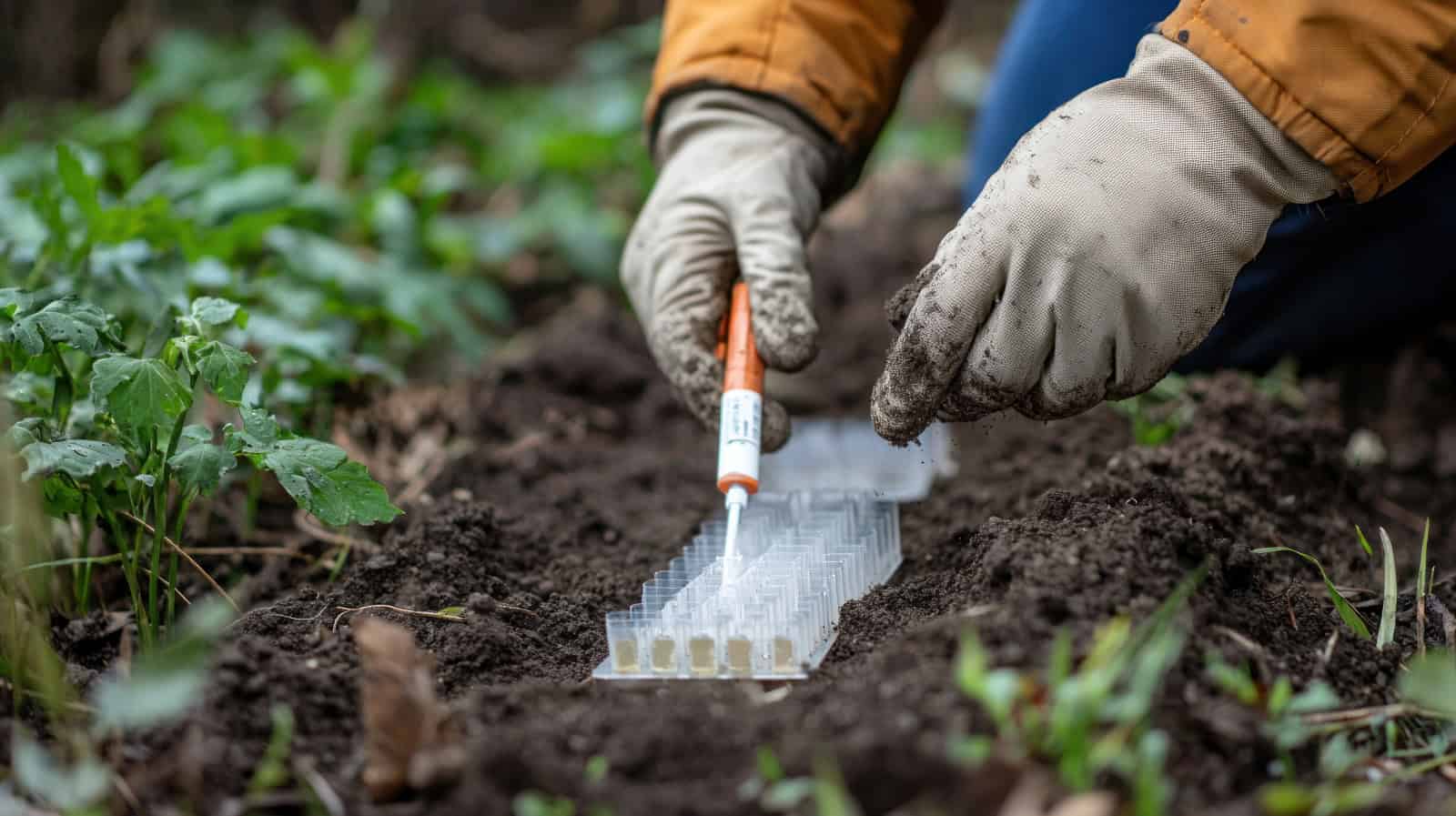
Many gardeners overlook the importance of soil pH, which can greatly affect plant health. If the pH is too high or too low, it can limit a plant’s ability to absorb nutrients, leading to nutrient deficiencies.
Most plants prefer a pH between 6.0 and 7.0. You can easily test your garden soil’s pH with a home test kit available at most garden centers. If your soil’s pH is off, you can adjust it using lime to raise pH or sulfur to lower it.
4. Using Chemical Pesticides

While chemical pesticides can certainly get rid of pests, they can also harm beneficial insects and soil microbes that help your plants thrive. They can also leave harmful residues on your plants.
Instead, consider using organic pest control methods like introducing beneficial insects, using DIY sprays made from natural ingredients, or planting companion plants that naturally repel pests.
5. Planting in the Wrong Location

Plants, like people, have their preferences when it comes to light, temperature, and moisture. Planting in the wrong location can stress plants, which can make them more susceptible to diseases and pests.
Before planting anything, research their ideal conditions and try to match them as closely as possible. Consider factors like sunlight, soil type, and drainage.
6. Over-fertilizing
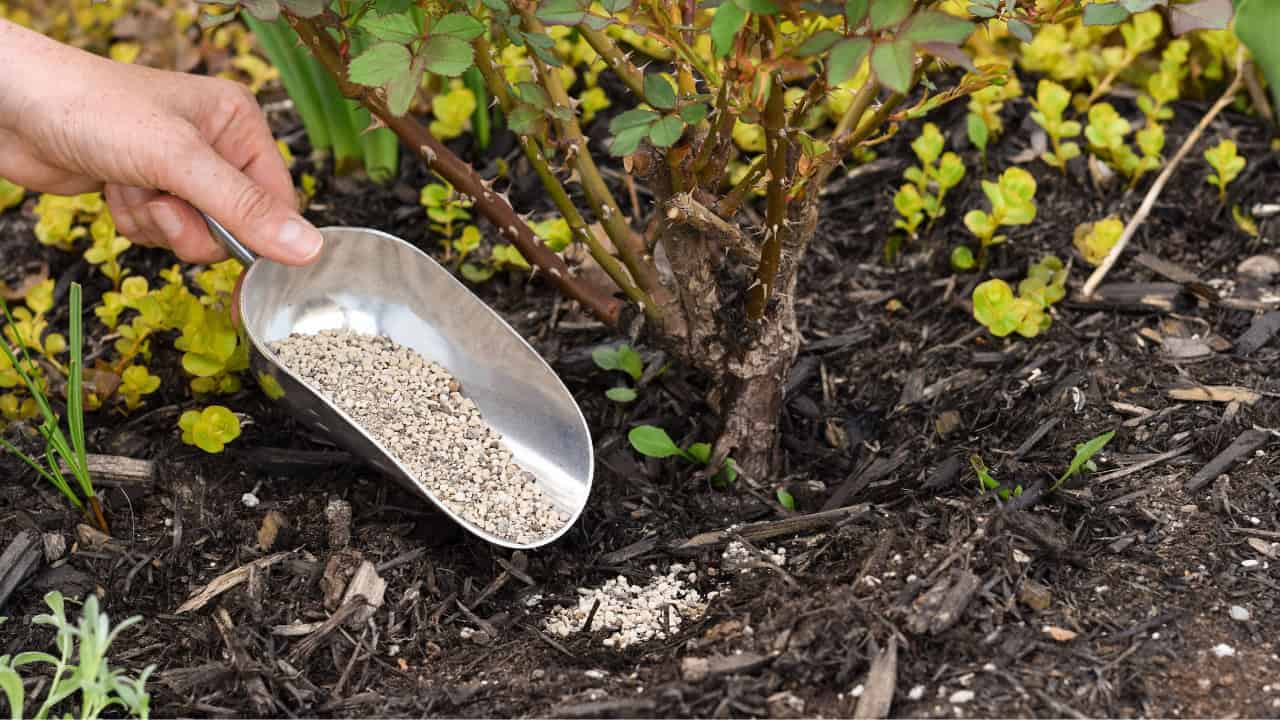
Fertilizer is a great way to provide your plants with the nutrients they need to grow, but too much of a good thing can be harmful. Over-fertilizing can burn plant roots and reduce their ability to absorb water.
To avoid over-fertilizing, be sure to follow the package instructions carefully, and remember that more isn’t always better. Consider using slow-release fertilizers, which provide nutrients over a longer period of time.
7. Ignoring Companion Planting

Companion planting is the practice of planting certain plants together that benefit each other. Ignoring companion planting can lead to increased pest problems and competition for nutrients.
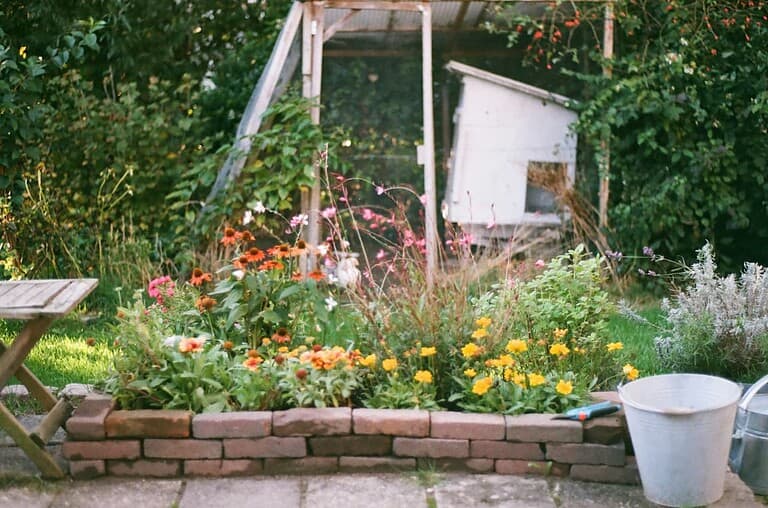
Research which plants make good companions and try to incorporate them into your garden. For example, marigolds can help repel pests, while beans can provide nitrogen to the soil, benefiting neighboring plants.
8. Not Rotating Crops
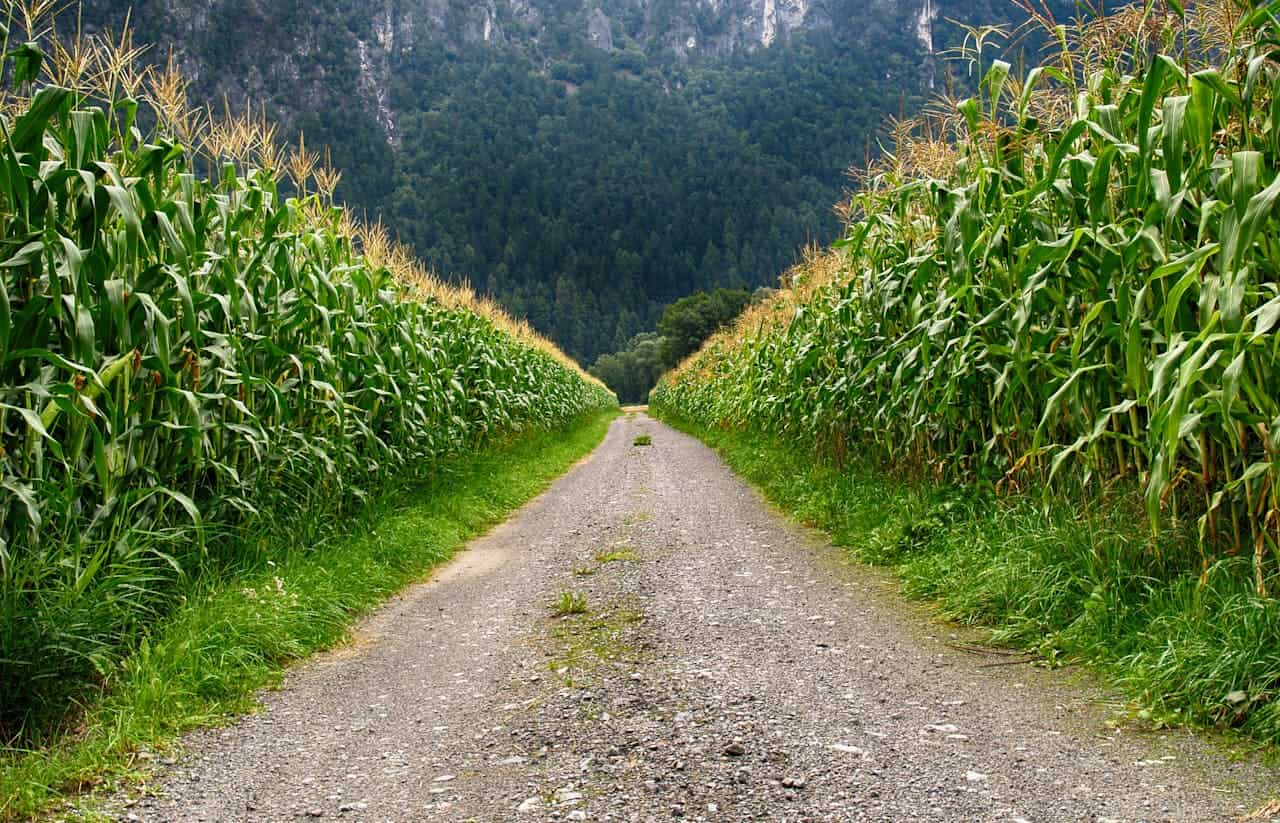
Crop rotation is a practice that can help prevent the build-up of pests and diseases in the soil. If you plant the same thing in the same place year after year, you can inadvertently create a perfect environment for problems to thrive.
Try to rotate your crops each year, especially if you’re growing vegetables. This not only helps keep pests and diseases in check but can also improve soil fertility.
9. Planting Too Closely Together

Planting too closely together can lead to competition for light, water, and nutrients, which can stress plants and make them more susceptible to problems.
Be sure to space your plants according to their mature size, not their size when you plant them. This may mean your garden looks a bit sparse at first, but your plants will thank you in the long run.
10. Ignoring Weeds

Weeds can compete with your plants for nutrients, water, and light. If left unchecked, they can take over your garden.
Make weeding a regular part of your garden maintenance routine. Consider using mulch to help suppress weeds and conserve soil moisture.
11. Using Treated Wood

Treated wood can contain harmful chemicals that can leach into your soil and harm your plants.
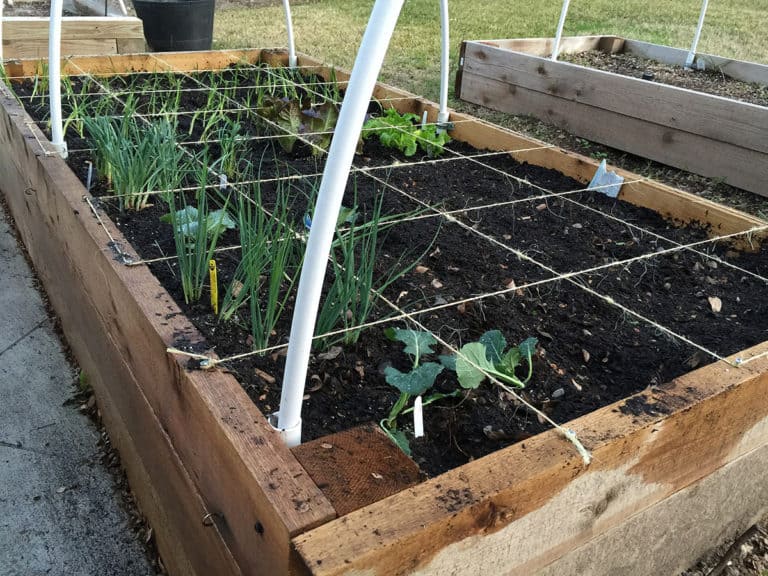
When building raised beds or other garden structures, opt for untreated, rot-resistant wood like cedar or redwood.
12. Not Pruning

Pruning helps keep plants healthy by removing dead or diseased wood, promoting air circulation, and encouraging new growth.
Neglecting to prune can lead to overgrown plants with poor air circulation, which can promote the spread of diseases.
13. Overlooking Mulch
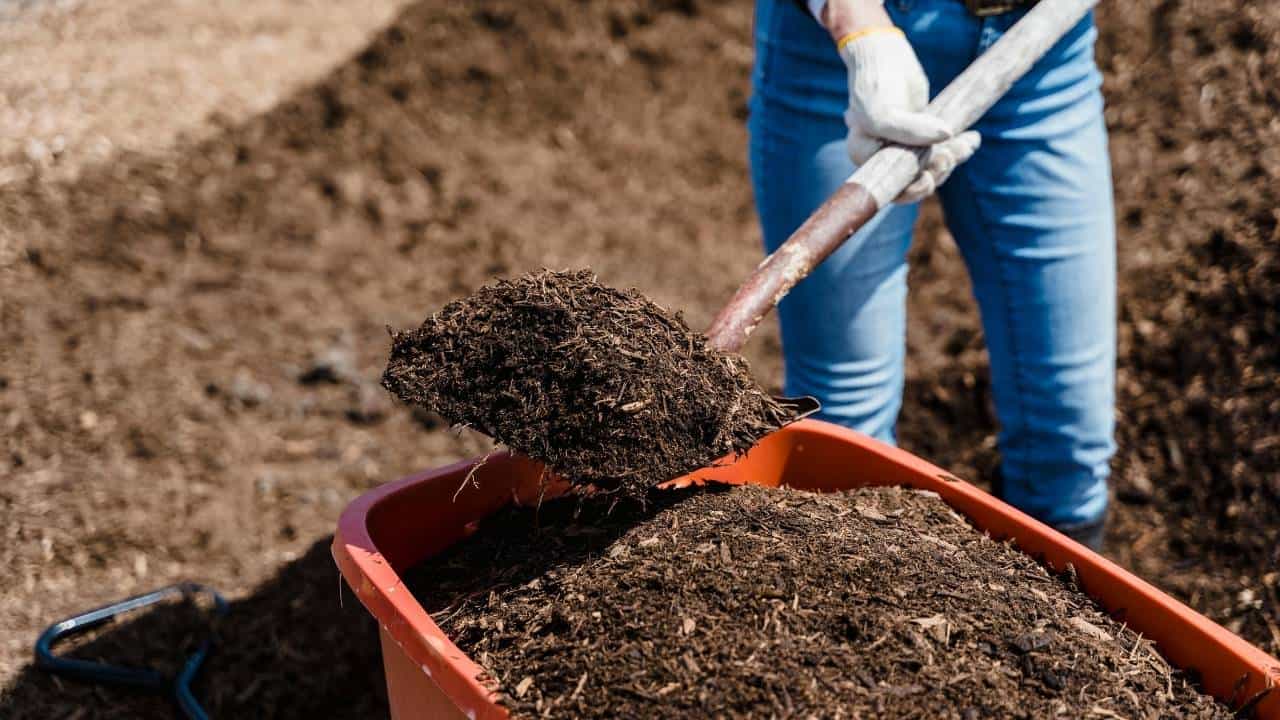
Mulch is a gardener’s best friend. It helps conserve soil moisture, suppress weeds, and can add nutrients to the soil as it decomposes.
Ignoring mulch can lead to drier soil, more weeds, and a less healthy garden overall.
14. Planting Invasive Species

Some plants, while beautiful, can quickly take over a garden and crowd out other plants.
Research any new plants you’re considering to make sure they’re not invasive in your area.
15. Planting Too Early or Late

Planting too early or late in the season can stress plants and reduce their chances of survival.
Pay attention to recommended planting times for your area to ensure your plants get off to the best start possible.
16. Ignoring Local Pests and Diseases
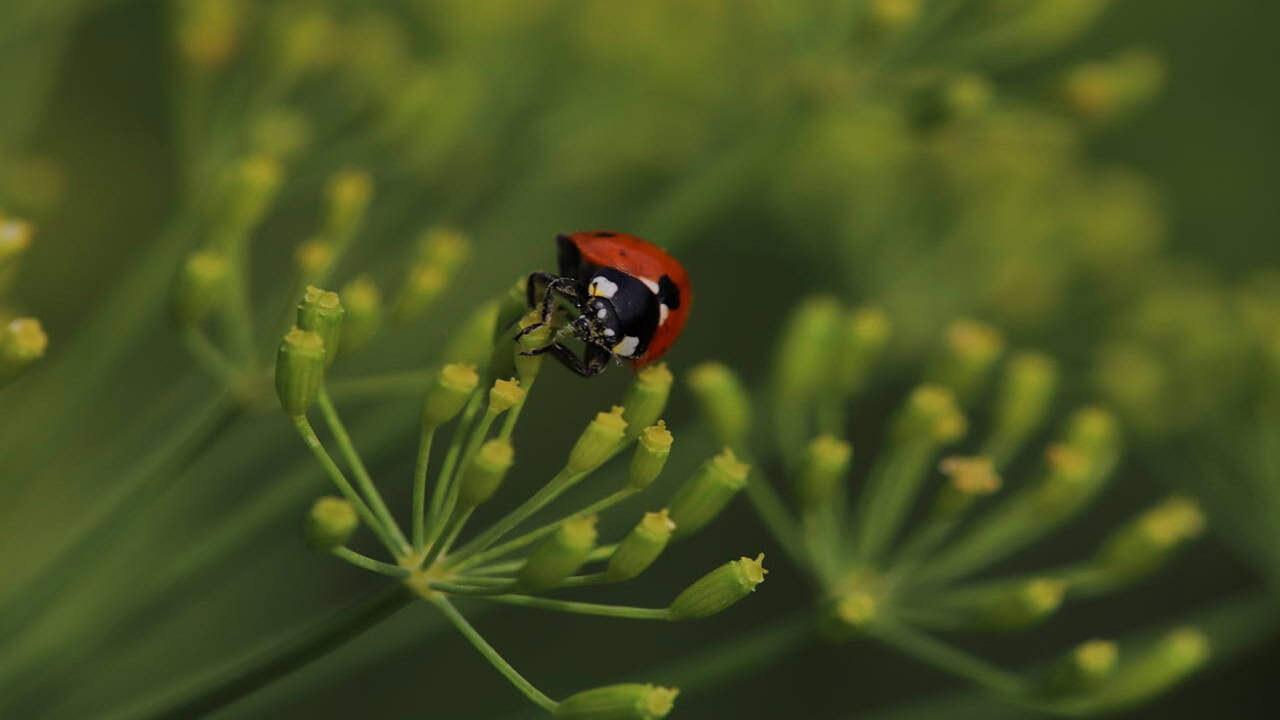
Every area has its own unique set of pests and diseases. Ignoring these can lead to major problems in your garden.
Stay informed about common pests and diseases in your area and take proactive measures to prevent them.