
We’ve all been there – that moment of dread when you look at your garden and realize it’s the worst on the block. It’s overgrown, uninviting, and lacks the charm that your neighbor’s gardens have. But don’t despair! Even the most neglected garden can be revived and turned into a beautiful oasis.
This post will give you 17 reasons why your garden may be lagging behind, along with practical advice on how to fix these issues. Let’s reclaim your garden’s glory!
1. Lack of Planning

Your garden isn’t just a random collection of plants. It requires thoughtful planning to ensure that it’s visually pleasing and functional. If your garden seems disorganized, it might be because there’s no clear plan guiding its design.
Start by deciding what you want from your garden. Do you want a space for entertaining? A play area for kids? A vegetable patch? Once you have a clear vision, you can start planning your garden around these goals. Consider factors like the amount of sunlight your garden gets, the type of soil you have, and your local climate. All of these will affect what plants you can grow and where you should place them.
2. Overgrown Plants

Overgrown plants can make your garden look messy and unkempt. They can also compete with other plants for resources, causing them to suffer.
Regularly prune your plants to keep them in check. This will not only improve the appearance of your garden, but also promote healthier growth. Be careful not to over-prune, though, as this can stress the plant and stunt its growth. It’s also important to prune at the right time of year. For most plants, this is in late winter or early spring, when they’re dormant.
3. Lack of Color

A garden without color can look dull and lifeless. Color adds vibrancy and interest, drawing the eye and making the garden more inviting.
Add color to your garden with a variety of flowering plants. Don’t just stick to one color – use a range of hues to create a more visually interesting space. You can also add color with garden ornaments, furniture, and paint. For example, you could paint your garden fence a bold color, or add colorful cushions to your garden chairs.
4. Neglected Lawn

A well-maintained lawn can be the centerpiece of your garden. But if it’s neglected, it can drag the whole garden down.
Keep your lawn looking its best by mowing regularly, watering during dry spells, and feeding with a lawn fertilizer. It’s also important to aerate your lawn at least once a year to prevent soil compaction, which can hinder grass growth. If your lawn is in really bad shape, it might be worth starting over with new turf or grass seed.
5. Lack of Wildlife

A garden isn’t just for people – it should also be a haven for wildlife. If your garden is lacking in wildlife, it can feel lifeless and sterile.
Encourage wildlife into your garden by providing food, water, and shelter. Install a bird feeder, create a mini pond, or build a bug hotel. Planting native plants can also help attract wildlife, as these provide food and habitat for local species.
6. Poor Irrigation

Water is essential for plant growth, but too much or too little can be harmful. If your garden is suffering, poor irrigation could be to blame.
Check your garden regularly to see if it needs watering. The top inch of soil should be dry before you water. When you do water, do it deeply and infrequently, rather than little and often. This encourages plants to grow deeper roots, which makes them more drought-tolerant.
7. Unhealthy Plants

Unhealthy plants can bring down the look of your garden. If your plants are showing signs of disease or pest damage, it’s important to act quickly.
Inspect your plants regularly for signs of pests or disease, such as yellowing leaves, wilting, or holes in the leaves. If you spot any problems, treat them promptly. There are many organic and chemical solutions available, so choose the one that’s right for your garden.
8. Lack of Variety
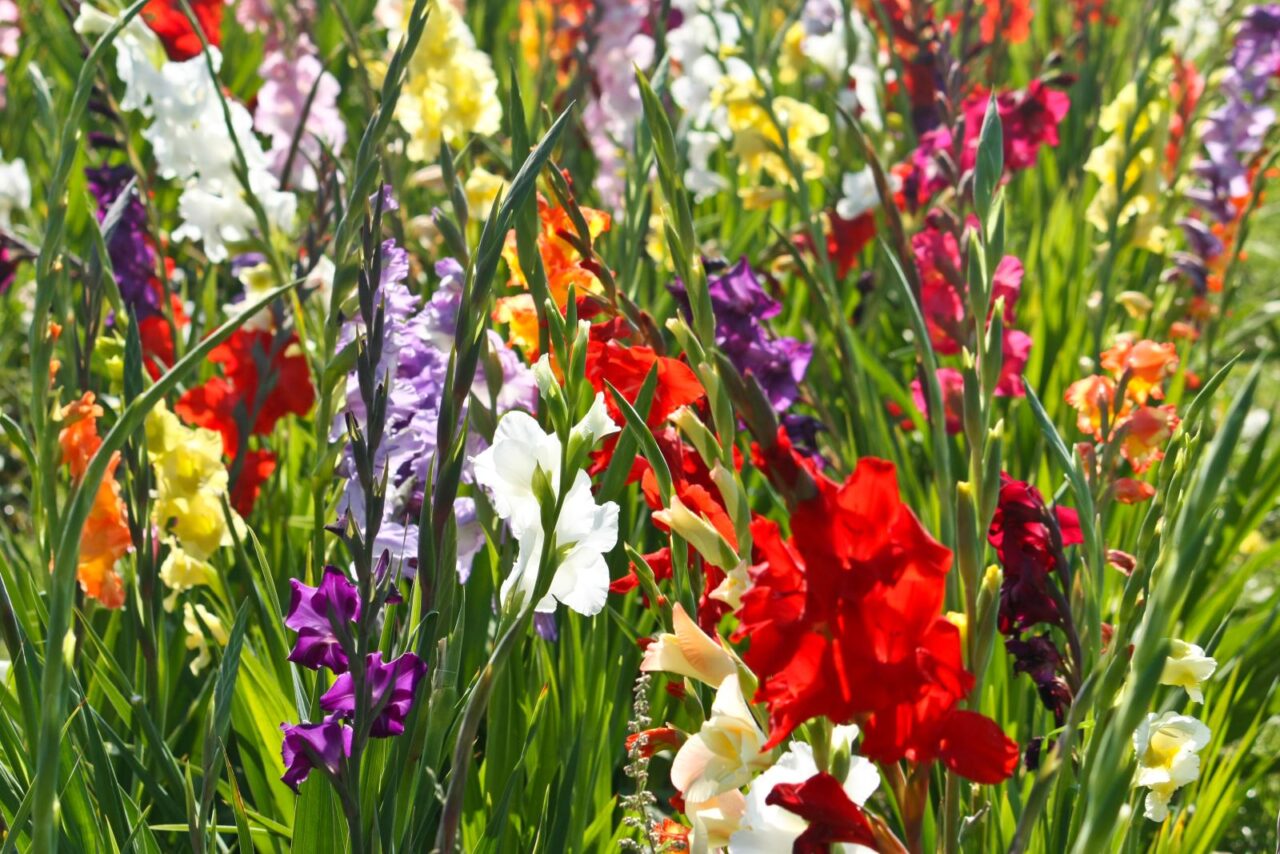
A garden with only one type of plant can be boring. Variety adds interest and makes your garden more visually appealing.
Try to include a mix of different plant types in your garden, such as trees, shrubs, perennials, and annuals. This will create a layered effect, with different plants providing interest at different times of the year.
9. Poor Soil Quality

Good soil is the foundation of a healthy garden. If your plants aren’t thriving, it could be because your soil is poor quality.
Test your soil to determine its pH and nutrient levels. You can then amend it as needed with lime (to raise pH), sulfur (to lower pH), or organic matter (to improve nutrient levels and soil structure). Regularly adding compost or other organic matter can also help improve soil quality over time.
10. Lack of Seating

A garden is meant to be enjoyed. If there’s nowhere to sit and relax, your garden might feel unwelcoming.
Incorporate seating into your garden design. This could be a bench tucked away in a quiet corner, a table and chairs for outdoor dining, or even a hammock for lazy summer days. Make sure the seating is comfortable, weather-resistant, and positioned to make the most of the view.
11. Unattractive Boundaries

The boundaries of your garden – the fences, walls, or hedges – can have a big impact on its overall appearance. If these are unattractive or in poor repair, they can make your garden look neglected.
Consider replacing or repairing any fences or walls that are in bad shape. If you have a hedge, keep it well-trimmed and healthy. You can also use plants or trellis to disguise unattractive boundaries, or paint fences a more appealing color.
12. Lack of Privacy

A garden should be a private sanctuary. If it feels exposed, it can be hard to relax and enjoy.
Increase privacy in your garden by planting tall shrubs or trees, installing a high fence, or using trellis or screens. Make sure any solutions you choose fit in with the overall design of your garden and don’t block out too much light.
13. Inappropriate Planting

Not all plants are suitable for all gardens. If you’re planting species that aren’t suited to your local climate or soil type, they’re unlikely to thrive.
Do your research before choosing plants for your garden. Make sure they’re suitable for your local conditions, and that they have enough space to grow without overcrowding other plants. Don’t be afraid to ask for advice at your local garden center or from gardening friends.
14. Lack of Focal Points
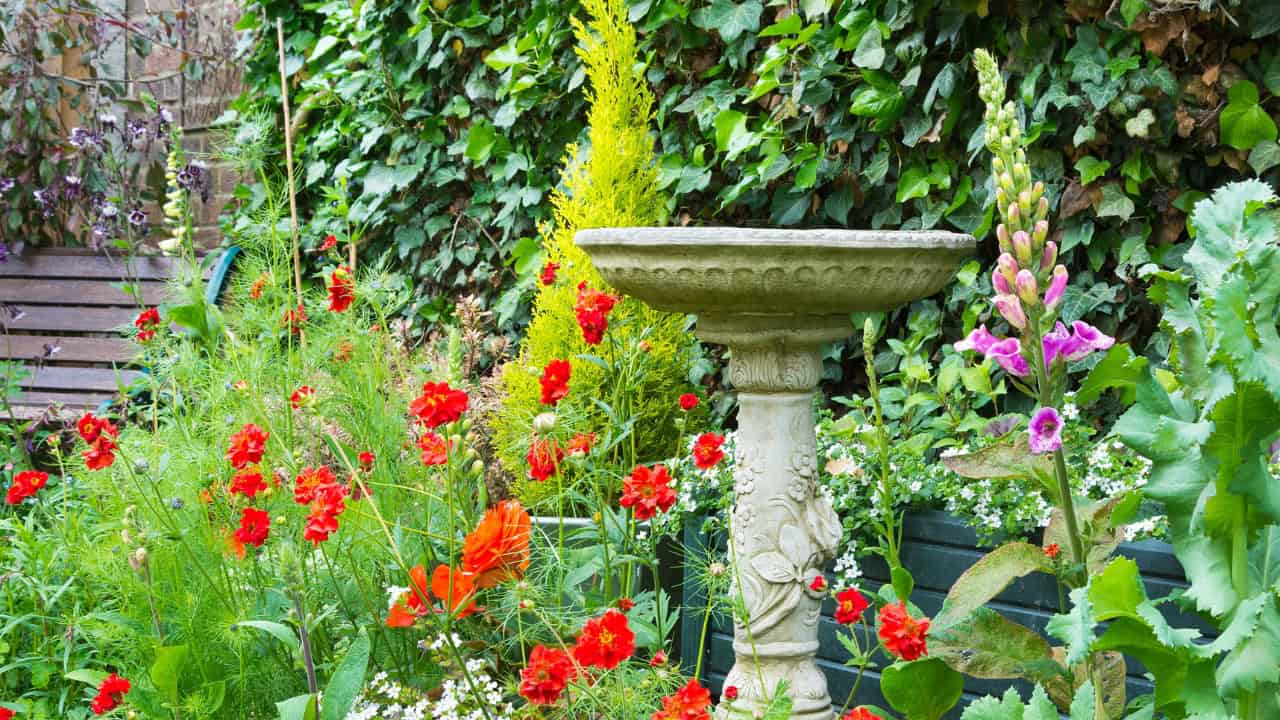
A garden without focal points can feel disorganized and lacking in direction. Focal points draw the eye and provide structure to the garden.
Create focal points in your garden with striking plants, garden ornaments, or features like a pond or pergola. Make sure these are placed strategically to draw the eye and create a sense of depth and interest.
15. Poor Maintenance

Regular maintenance is key to a beautiful garden. Without it, your garden can quickly become overgrown and unmanageable.
Commit to a regular maintenance schedule that includes tasks like pruning, weeding, watering, and mowing. If you’re short on time, consider hiring a professional gardener to help.
16. Lack of Lighting
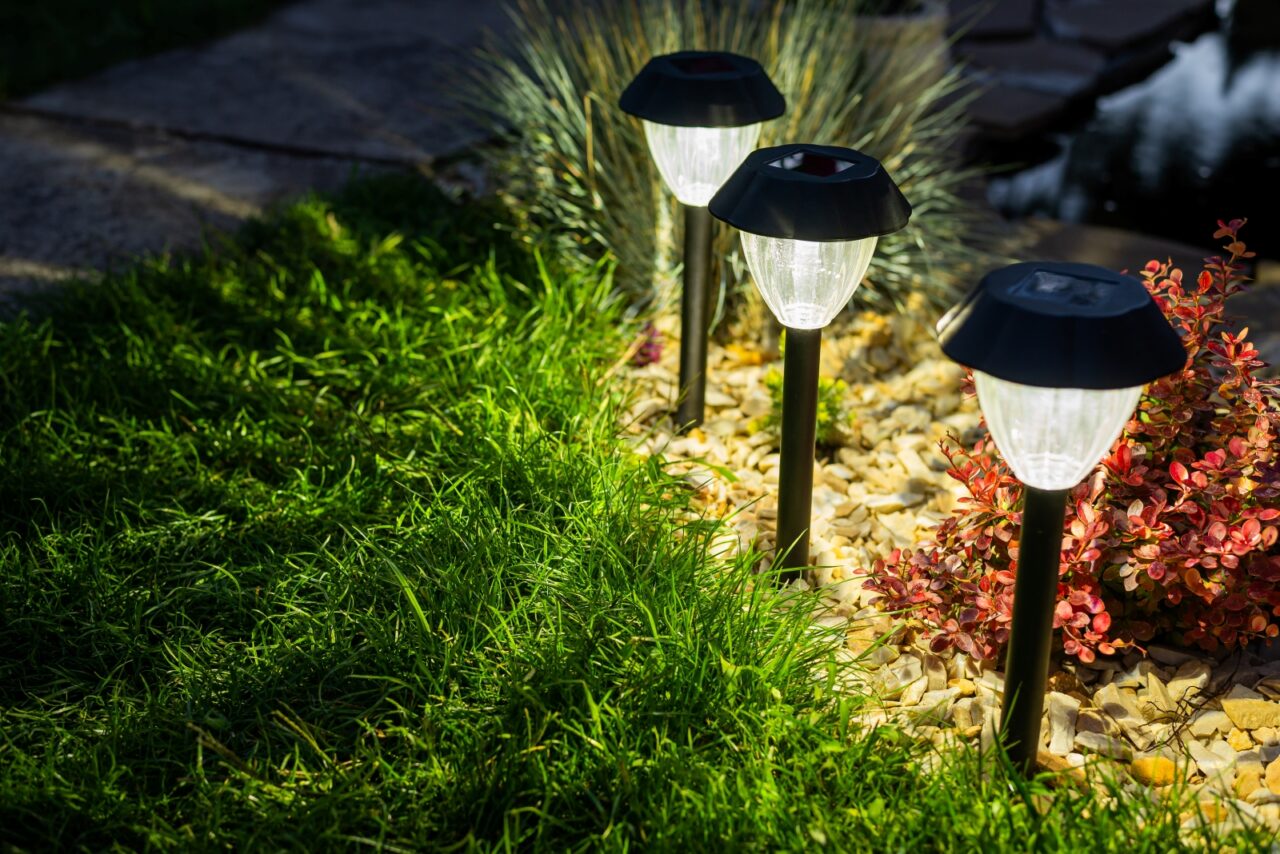
Good lighting can transform a garden, making it more inviting and extending its use into the evening.
Install outdoor lighting to highlight key features, illuminate paths, and create a cozy atmosphere. Solar-powered lights are an eco-friendly option that don’t require any wiring.
17. Clutter

Garden clutter can be unsightly and make your garden feel smaller than it is.
Keep your garden tidy by regularly clearing away clutter. Store garden tools and equipment in a shed or storage box, and get rid of any broken or unwanted items.

