
Gardening can be a delightful pastime, a way to produce your food, or a form of art. But like any hobby or profession, it can also become a money pit if you’re not careful. Many products on the market claim to make your gardening experience better, easier, or more productive. Yet, not all of these products are worth your hard-earned money. In this post, we will take a look at 16 gardening products that are a waste of money, helping you to trim the fat and focus on what truly matters in your garden.
1. Fancy Gardening Gloves

Expensive gloves may look nice and feel luxurious, but they often perform no better than their cheaper counterparts. High priced gloves can also create an unnecessary expense, especially since gardening can be a messy task that quickly wears out any pair of gloves.
The budget-friendly alternative is to purchase a more affordable pair of gloves that are durable and comfortable. Check for gloves that are water-resistant, have a good grip, and are easy to clean. Remember, the goal is to protect your hands, not to make a fashion statement.
2. Designer Watering Cans

A designer watering can might be a beautiful addition to your garden, but it’s not really necessary. After all, your plants won’t care about the aesthetics of the can you’re using to water them.
Instead, consider using any large container you already have at home. A well-cleaned milk jug, for example, can serve as a great watering can. If you still want to buy a watering can, go for functionality over design. Look for a can with a good capacity, sturdy construction, and a sprinkler head that provides a gentle shower for your plants.
3. Luxury Plant Food

Luxury plant food brands may claim to have superior nutrients, but in reality, they often contain the same ingredients as cheaper alternatives. The fancy packaging and marketing strategies can make these products seem more enticing, but they don’t necessarily deliver better results.
You can save money by making your own compost from kitchen scraps and yard waste. This not only cuts costs but also reduces waste and is better for the environment. If you prefer to buy plant food, choose a product that provides the necessary nutrients for your specific plants at a reasonable price.
4. Expensive Mulch

While mulch can help with weed control and soil moisture retention, it doesn’t have to be expensive. High-cost mulch options often offer little more than a different aesthetic appeal.
Consider using local resources as mulch instead. Leaves, grass clippings, and wood chips can all serve as effective, low-cost mulch. They also break down over time to improve the soil’s fertility.
5. Overpriced Garden Tools

High-end garden tools may seem like a good investment, but many of them are overpriced. Often, you’re paying for the brand name rather than superior quality or functionality.
While it’s important to have sturdy, durable tools, you don’t need to buy the most expensive ones on the market. Look for tools that are comfortable to use, durable, and versatile. If possible, try out tools before buying them to make sure they meet your needs.
6. Designer Planters

Designer planters can add a touch of style to your garden, but they can also be quite expensive. And while they may look good, they don’t necessarily offer any benefits to your plants.
A better option is to buy affordable planters or even make your own from items you already have. Old buckets, barrels, or even shoes can be transformed into unique, cost-effective planters.
7. High-End Seed Starters

Starting your seeds in a high-end seed starter kit may seem like a good idea, but it’s often an unnecessary expense. Many of these kits are overpriced and offer little advantage over simpler methods.
Instead, consider using homemade seed starters. Egg cartons, toilet paper rolls, or even homemade paper pots can all serve as effective, low-cost seed starters.
8. Decorative Garden Stakes

Decorative garden stakes can add a touch of whimsy to your garden, but they often cost more than they’re worth. They don’t offer any benefits to your plants and can become an unnecessary expense.
Instead, consider making your own garden stakes from materials you already have. Old spoons, painted rocks, or even pieces of wood can be transformed into unique, cost-effective garden stakes.
9. Expensive Pest Control Products

While it’s important to protect your garden from pests, expensive pest control products often aren’t necessary. Many of these products contain the same active ingredients as cheaper alternatives and simply cost more because of the brand name.
A more cost-effective option is to use homemade pest control methods. Vinegar, dish soap, and even certain plants can serve as effective, natural pest deterrents.
10. Luxury Garden Furniture

Luxury garden furniture may look nice, but it’s often not worth the price tag. High-end furniture often costs more because of the brand name, not because it’s more comfortable or durable.
Instead, look for affordable garden furniture that’s comfortable and durable. If you’re handy, you might even consider building your own furniture from reclaimed materials.
11. High-End Sprinkler Systems

While a high-end sprinkler system may seem like a good investment, it’s often an unnecessary expense. Many of these systems are overpriced and offer little advantage over simpler watering methods.
A more cost-effective option is to use a simple hose and sprinkler, or even a homemade irrigation system. These methods can be just as effective at watering your garden and can save you a lot of money.
12. Expensive Fertilizers

While it’s important to provide your plants with the nutrients they need, expensive fertilizers often aren’t necessary. Many of these products contain the same ingredients as cheaper alternatives and simply cost more because of the brand name.
A more cost-effective option is to make your own compost. This not only saves you money but also reduces waste and is better for the environment.
13. Overpriced Garden Decor

While garden decor can add a touch of style to your outdoor space, it’s often not worth the high price tag. Many decorative items offer little benefit to your garden and can quickly become an unnecessary expense.
A better option is to make your own garden decor. This allows you to add a personal touch to your garden without breaking the bank.
14. High-Cost Seeds and Bulbs

While it’s important to buy quality seeds and bulbs, it’s not necessary to buy the most expensive ones on the market. Many high-cost seeds and bulbs offer little advantage over cheaper alternatives.
A more cost-effective option is to buy seeds and bulbs from local nurseries or online. You can often find great deals and a wider variety of options than at big box stores.
15. Designer Garden Clothing

While it’s important to be comfortable while gardening, designer garden clothing is often an unnecessary expense. Many of these items are overpriced and offer little advantage over cheaper alternatives.
A better option is to wear comfortable, durable clothing that you already own. Old jeans and t-shirts work just fine for most gardening tasks.
16. High-End Soil Test Kits
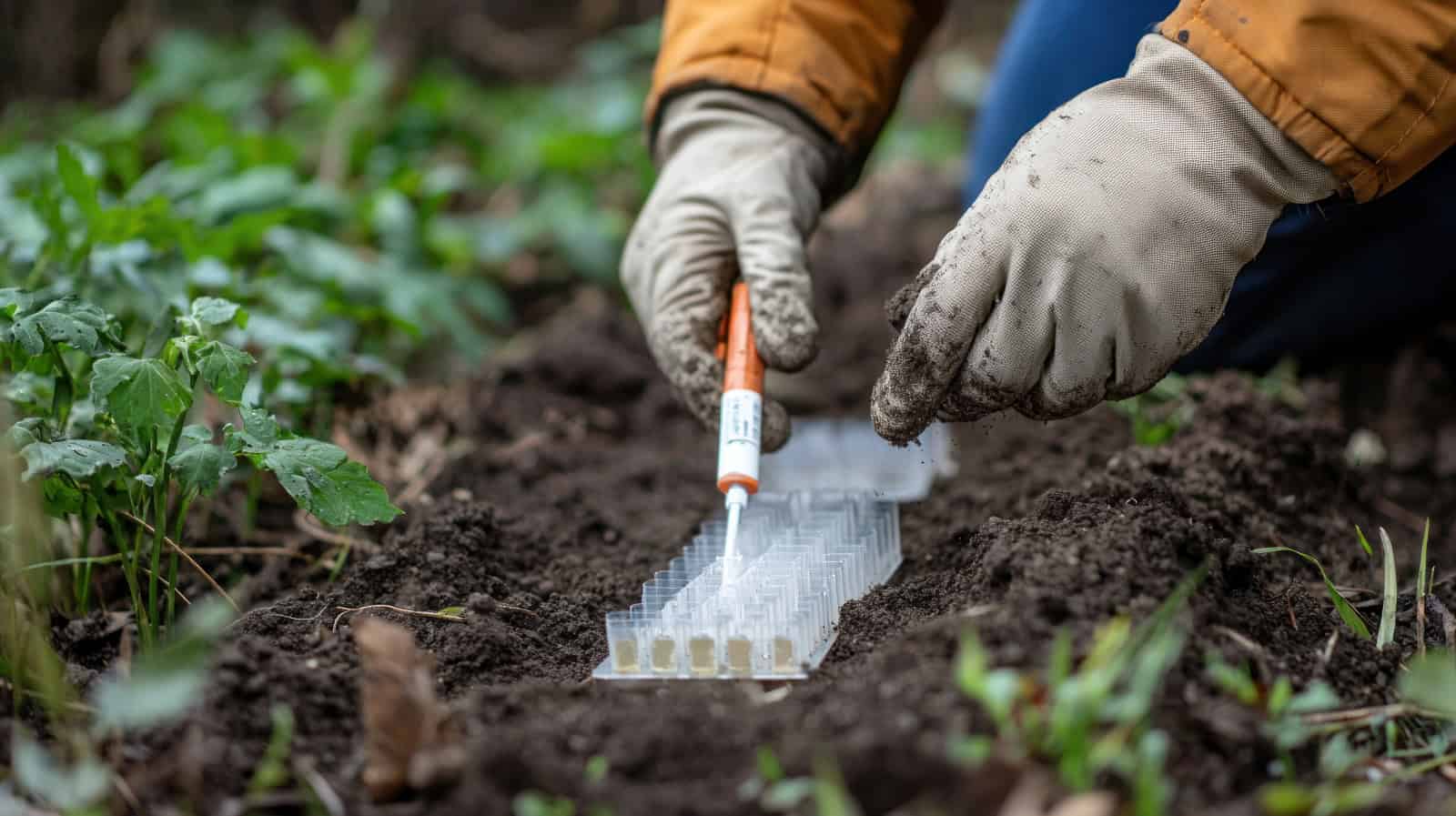
While it’s important to know the condition of your soil, high-end soil test kits are often unnecessary. Many of these kits are overpriced and offer little advantage over cheaper alternatives.
A more cost-effective option is to use a simple, affordable soil test kit. These kits can give you the basic information you need about your soil without the high price tag.

